Featured
1 / 8
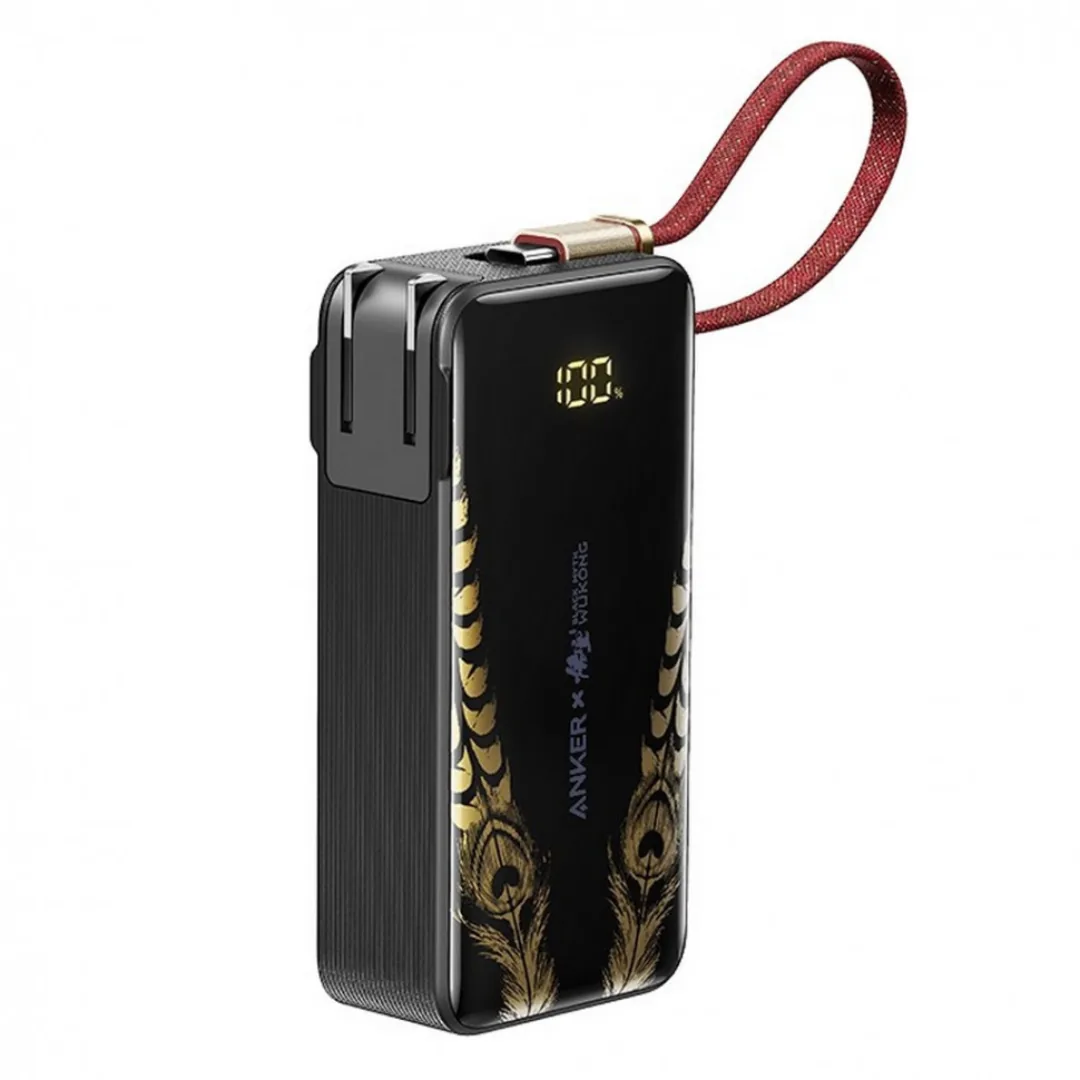
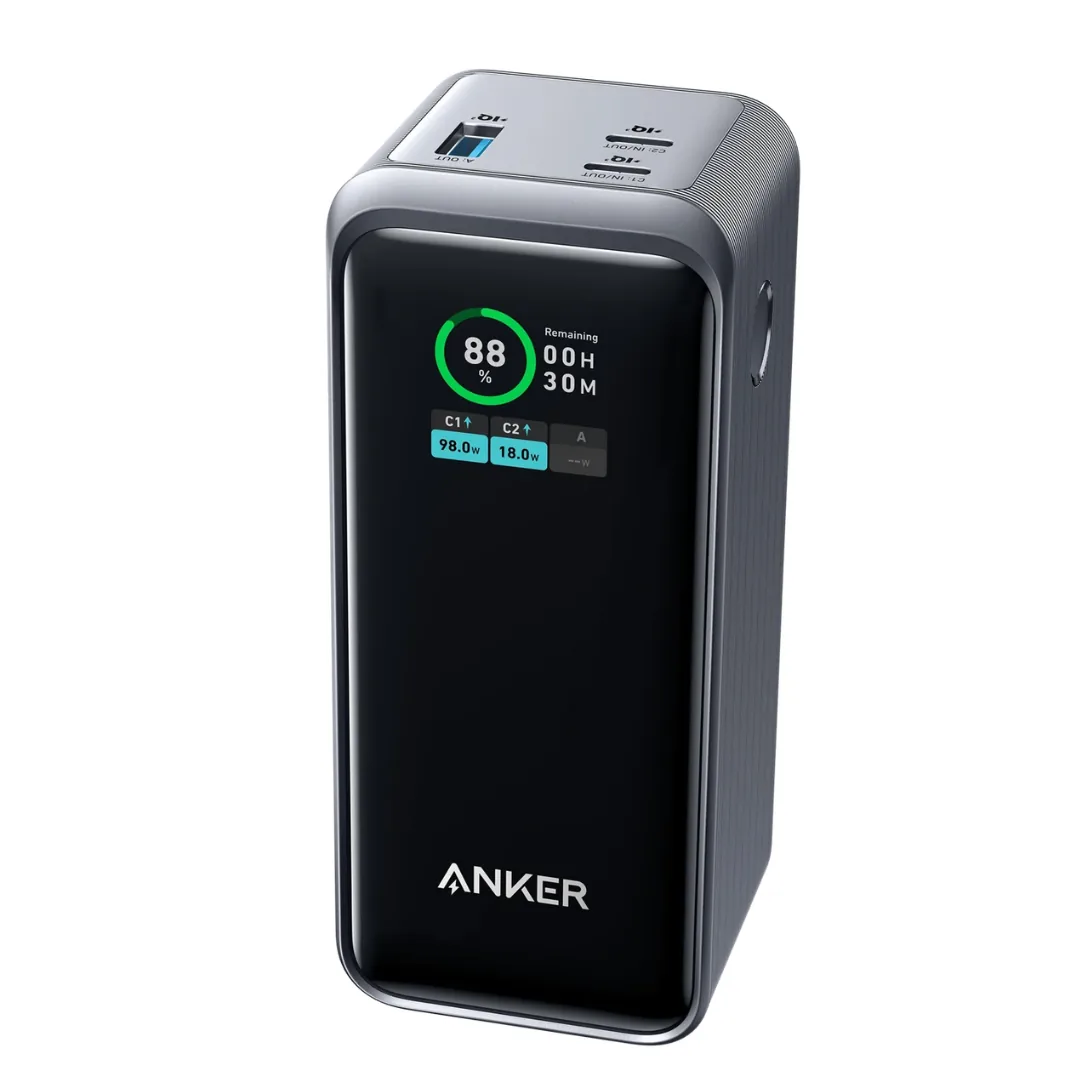
Anker 737 Power Bank (PowerCore 24K, A1289011) | Listed 140W PD 3.1 | 24,000mAh
AnkerAnker — In Stock

Anker 737 Power Bank (PowerCore 24K, A1289011) | Listed 140W PD 3.1 | 24,000mAh

Anker 737 Power Bank (PowerCore 24K, A1289/A1289011): 24,000mAh / 86.4Wh cell rating (24,000mAh × 3.6V ÷ 1000 = 86.4Wh — Wh identity). CairoVolt measured 74.2Wh usable USB-C output → usable-energy ratio 74.2 ÷ 86.4 = 85.9% (USB output vs rated cell Wh; NOT AC wall-plug efficiency).

In a Nutshell
  • CairoVolt measured 136.8W on the fixed 28V/5A PD 3.1 EPR rail (FNB58: 27.4V × 4.99A = 136.726W ≈ 136.8W; 136.8 ÷ 140 = 97.7% of printed max). Real laptop-class output, but full 140W behaviour still depends on the laptop and a 140W-rated USB-C cable. Rail type is fixed EPR PDO — not USB PD AVS.
  • Current safety check, 2026-07-23: Anker rc2506 / CPSC Sept 2025 power-bank recall set covers A1257 / A1263 / A1647 / A1652 / A1681 / A1689 — NOT A1289. Still verify the printed model (A1289011) and serial on the received unit against anker.com/rc2506 + anker.com/product-recalls.
  • At 86.4Wh it sits below the common IATA 100Wh carry-on threshold, but Emirates and flydubai (since ~1 Oct 2025) prohibit using the power bank, charging devices from it, or charging the pack from aircraft sockets in-flight — carry-on only under labelled ≤100Wh rules. Check the carrier DG page before travel.
  • Physical device anchors: Galaxy A15 3.36 full-charge equivalents; MacBook Air M2 top-up 0→91%. iPhone 15 ~5.15 and MacBook Pro 14" ~0.94 are calculated from 74.2Wh, not re-benched on those devices. Single retail unit; June raw sheet gaps disclosed below.
How this fits Egyptian use — deep dive (airlines · heat · electricity)

For an Egyptian buyer, the Anker 737 answers: "I need one USB-C pack that can push real laptop-class watts (fixed 28V/5A EPR) and still fly under 100Wh." Our useful-energy measurement was 74.2Wh from an 86.4Wh rated pack (85.9% usable-energy ratio), so it can realistically top up a MacBook Air-class laptop or run a ~10W router for about 7 hours (74.2 ÷ ~10W ≈ 7.4h). RIGHT FOR: (1) FREELANCE / CLIENT DAY with one MacBook Air or Pro 14" that needs a high single-port top-up — 136.8W measured on EPR beats dual-100W packs when only ONE laptop matters. (2) CAIRO→DUBAI / DXB CONNECTION: 86.4Wh labelled pack is under the common cabin threshold; Emirates and flydubai allow carriage of one clearly labelled ≤100Wh power bank in cabin baggage but ban using it, charging devices from it, or charging the pack from aircraft sockets during the flight — seat-pocket carry only. (3) LOAD-SHEDDING HOME OFFICE: ~10W router + phone trickle from 74.2Wh usable can cover a typical 30–60 min Cairo cut with headroom. (4) SOMEONE COMPARING TO A1336: pick 737 for max single-laptop EPR wattage + higher usable Wh (74.2 vs 61.8); pick A1336 when TWO USB-C loads must run near 100W each. WRONG FOR: casual phone-only top-ups where a lighter 10K/20K pack is enough; buyers who need dual simultaneous 100W laptop feeds; anyone who assumes "140W printed" without a 140W-rated cable and a laptop that asks for EPR. HEAT: June bench ambient was 27.9°C; Cairo summer highs leave less thermal headroom — keep the pack ventilated, out of parked cars, and away from pillows or closed bags while charging. SAFETY: rechecked 2026-07-23 — A1289 is outside Anker rc2506 (A1257/A1263/A1647/A1652/A1681/A1689). Match A1289011 + serial on delivery.

4,999EGP14% OFF
5,780 EGPSave 781 EGP
Cash on delivery is available for eligible orders

Delivery to Cairo: Estimated 1–2 business days

Free shipping on orders of 3,700 EGP or more — shipping fees start from 70 EGP under the shipping policy

Return or exchange within 14 days of delivery under the return policy
1

Shipping and payment information

Reference estimate for delivery to Cairo

Estimated timing

Estimated 1–2 business days

Coverage

Delivery is available to eligible addresses within Egypt

Payment

Cash on delivery is available for eligible orders

Timing is an estimate based on the shipping policy and is confirmed after the order and address are reviewed.

Expert review & buying advice

Specification Review

Buying Guide
Prepared by the CairoVolt editorial team

“Built for laptop-and-phone travelers, content creators on the go, and anyone who refuses to compromise on power. Overkill for casual phone-only users — get the 10K instead.”

Product FAQs

Can Anker 737 charge a laptop?

Yes, when the laptop accepts a USB-C PD profile printed on A1289011 and the cable is rated for it. Speed may differ from the original adapter.

Is it allowed on flights?

The listed 86.4Wh is below the common 100Wh cabin threshold, but it must be carried in cabin baggage and current airline rules should be confirmed.

How many phone charges does it provide?

There is no universal count. It depends on phone battery size, battery health, cable, temperature, conversion losses and use during charging.

What does the display show?

It shows operating power and time estimates. Values vary with load and are not calibrated laboratory measurements.

How do I compare it with a lower-power bank?

Compare Wh, required laptop profile, port distribution, cable rating, size, live price and current warranty rather than wattage alone.

Does it support fast charging in both directions?

Yes. Output: we measured a 136.8W USB-C peak against the 140W rating (needs a 140W-rated cable and an EPR-capable device). Input: Anker states about 1 hour to full with a 140W PD charger; an earlier CairoVolt run logged 52 minutes. Maximum rates require compatible chargers, devices and cables.

How long does it take to recharge?

Recharge time depends on the charger's supported input profile, cable, temperature and remaining battery.

Does it support pass-through charging?

Use pass-through only if the supplied manual explicitly supports it and follow its port and thermal limits.

Compare with similar products

Purchase Details

CairoVolt (Us)
Price: 4999 EGP
Warranty: CairoVolt warranty per product terms
Delivery: Timing varies by destination
Product identification basis: Brand & model listed

Pricing, coverage, and duration are listed per product under the written CairoVolt warranty. Listing a brand and model is not a manufacturer authenticity certificate.

Details

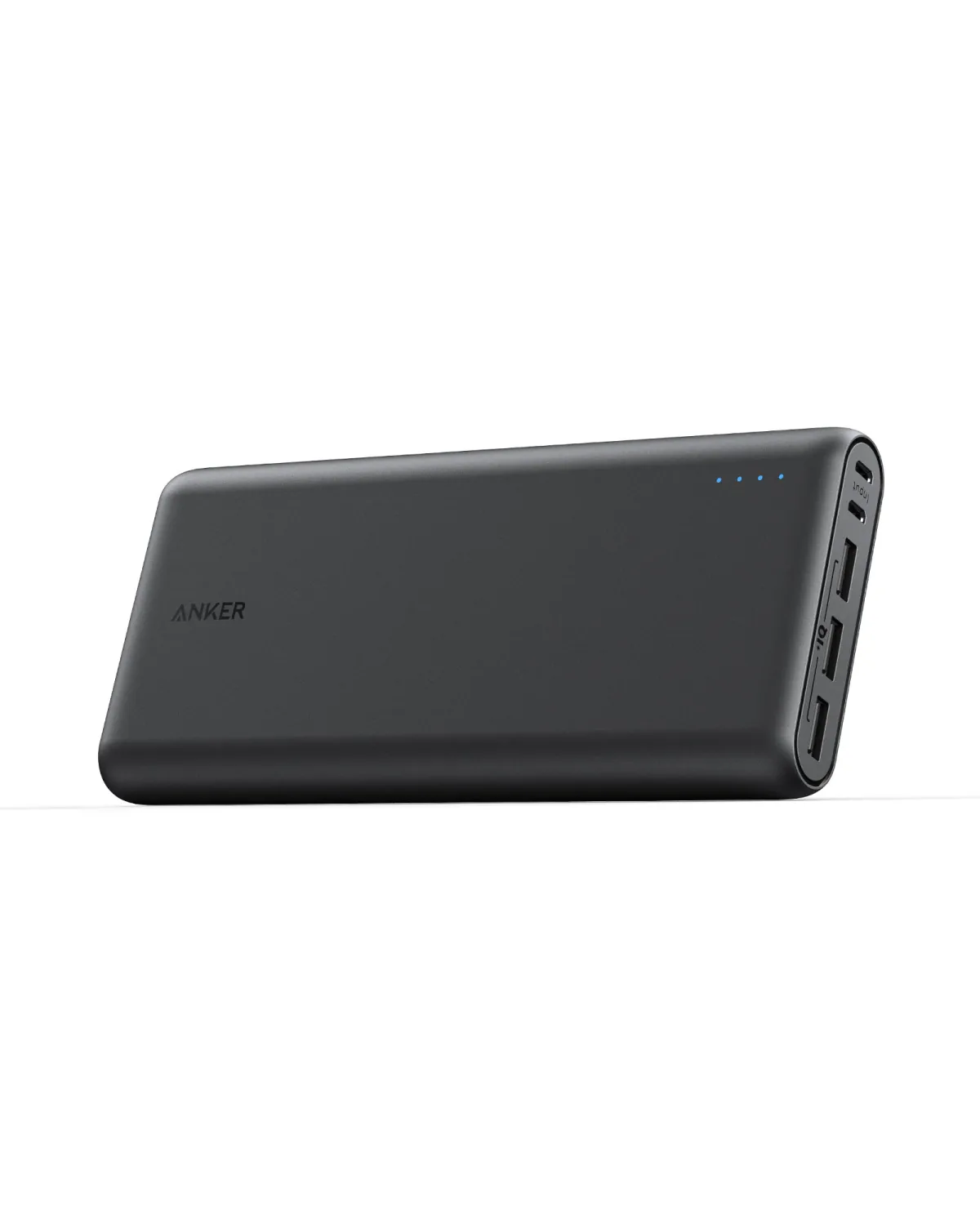
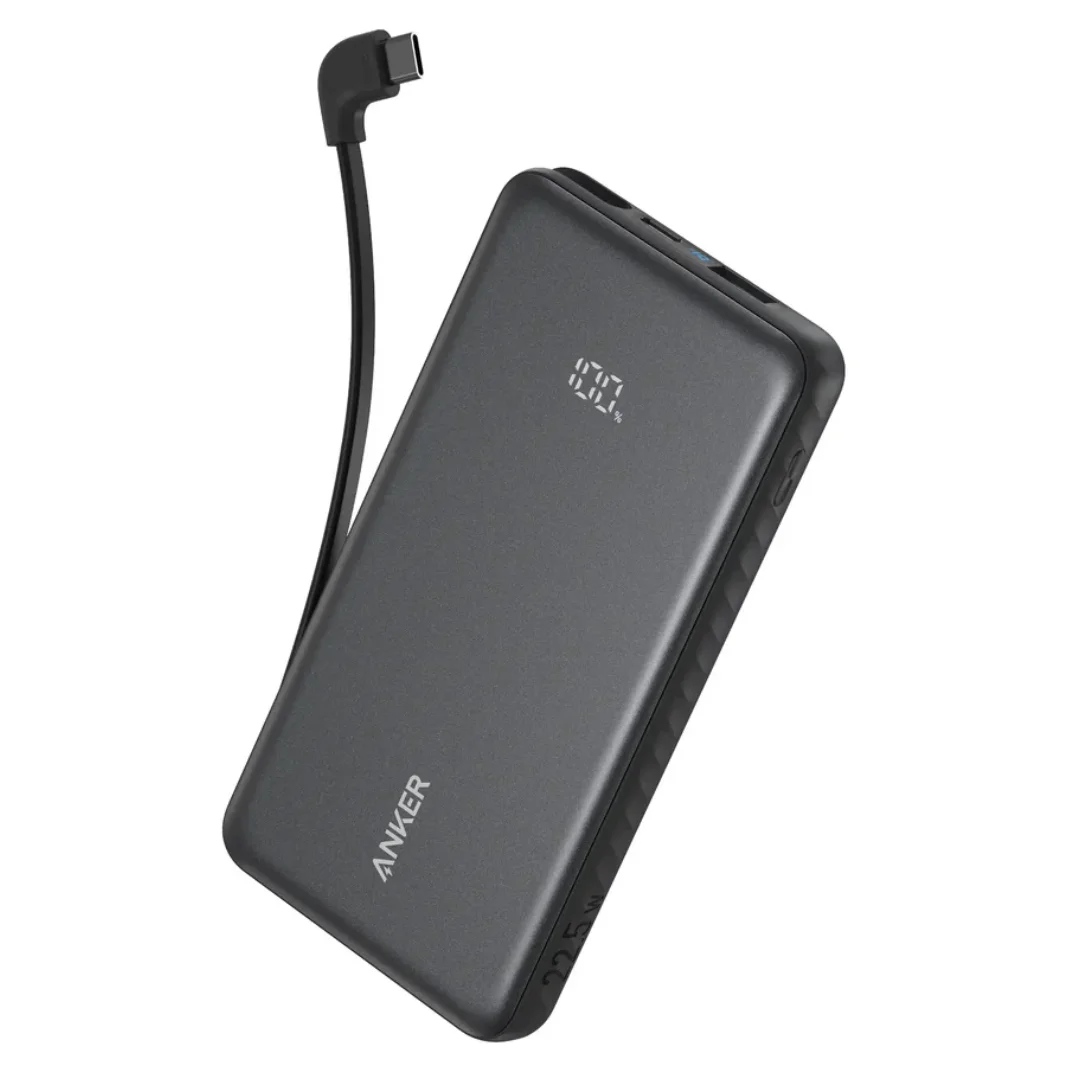
The Anker 737 Power Bank / PowerCore 24K (A1289011) has a listed 24,000mAh (86.4Wh) battery, USB-C PD 3.1 profiles up to the printed maximum, three ports and a display for operating information. Confirm the exact input/output table, total shared output, package contents and model on the supplied unit. Charging time and usable capacity vary by device, cable, temperature and conversion losses. Check the live price, stock and warranty before ordering.

Before You Buy:

Match A1289011 and all electrical ratings on the unit and package. If a verification label or serial is supplied, follow the current instructions at Anker verification; price, weight or appearance alone does not prove authenticity.

The Bottom Line:

  • ⚡ USB-C PD 3.1 profiles: maximum power requires a compatible device and rated cable.
  • 🔋 24,000mAh / 86.4Wh listed: delivered energy is lower after conversion.
  • 📊 Integrated display: readings are operating estimates, not calibrated lab measurements.
  • ✈️ Travel check: below the common 100Wh threshold, subject to carrier rules.
  • 💰 Current listing: review price, stock and warranty terms.

How to verify this model before buying

For A1289011, compare rated Wh/mAh, USB-C input/output profiles, total shared output and port layout with your laptop or phone requirements. Manufacturer time and charge-count examples apply under stated conditions only. Confirm the required cable and current airline, warranty and return rules.

High-Power USB-C for Compatible Laptops

A compatible USB-C PD 3.1 laptop can request a profile printed on A1289011. Reaching the listed maximum also requires a cable rated for that power. Other devices select lower profiles, and total power can be shared when several ports are used. Compare your laptop adapter and cable requirements before relying on this as the primary source.

Display and Capacity Interpretation

The display can show operating power and time estimates. Readings change with the load and should not be treated as calibrated measurements. The 24,000mAh cell rating is measured at battery-cell voltage; the energy delivered over USB is lower after voltage conversion and normal losses.

Travel and Safe Use

At a listed 86.4Wh, the pack is below the common 100Wh cabin threshold, but airlines and routes may add rules. Carry power banks in cabin baggage, protect the ports, and confirm the carrier policy. Keep it ventilated and stop use if there is swelling, damage or unusual heat. Compare other Anker power banks if a different capacity or output suits you.

Compatibility Guide:

  • 💻 USB-C laptops: only profiles supported by both laptop and A1289011.
  • 📱 Phones and tablets: the device controls its accepted PD or PPS rate.
  • 🎧 Accessories: confirm low-power mode or input requirements where applicable.
  • 🔌 Multiple devices: check the manual for power distribution across ports.

📊Specifications

SpecificationValue
BrandAnker
SKUAP02
CategoryPower Banks
CairoVolt warranty18 months — see terms
StockAvailable
ModelAnker 737 Power Bank (PowerCore 24K) — A1289 / A1289011
Capacity24,000mAh / 86.4Wh rated cell energy (24,000mAh × 3.6V ÷ 1000 = 86.4Wh)
Usable Energy (CairoVolt measured)74.2Wh USB-C output · usable-energy ratio 85.9% (74.2 ÷ 86.4) — not AC-input efficiency
Max Output140W max total; each USB-C can advertise 140W in single-port mode (requires 140W-rated cable + EPR-capable sink)
Measured Peak (CairoVolt)136.8W on fixed 28V/5A PD 3.1 EPR (27.4V / 4.99A) — 97.7% of 140W label
Ports2× USB-C + 1× USB-A
USB-C Profiles5V/3A · 9V/3A · 15V/3A · 20V/5A · 28V/5A fixed EPR; PPS support advertised by Anker PIQ 3.0 and observed in the bench handshake (full APDO sweep not run)
USB-A Output5V/3A · 9V/2A · 12V/1.5A (18W max, manufacturer stated) — CairoVolt peak 16.7W
DisplayDigital screen for live watts, estimates, and battery-status information (estimates, not a lab instrument)
Recharge TimeAnker states about 1 hour with a 140W PD charger; CairoVolt legacy run recorded 52 min — exact source-charger model not preserved in the June raw sheet
Cells (independent teardown)ChargerLAB teardown (not opened by CairoVolt): Lishen LR2170LA 21700 cells, plus Infineon CYPD3171 protocol chip — https://www.chargerlab.com/teardown-of-anker-140w-pd3-1-power-bank-737-power-bank/
Weight632g manufacturer spec; CairoVolt measured 634g
Dimensions155.8 × 54.6 × 49.65 mm manufacturer spec; CairoVolt measured 156.2 × 54.9 × 49.8 mm
Airline86.4Wh < 100Wh cabin threshold — carry-on class on major carriers when labelled; Emirates & flydubai: no in-flight USE / no charging devices from the pack / no charging the pack from aircraft sockets (verify current DG pages)
How 737 differs from Prime A1336737 = 86.4Wh / 74.2Wh usable, single-port 140W-class fixed 28V/5A EPR, PPS handshake observed. A1336 = 72Wh / 61.8Wh usable, dual ~100W C ports (200W combined), PPS to 11V. Pick 737 for one laptop at max watts; A1336 for two high-draw USB-C devices at once.
Recall StatusA1289 NOT listed on Anker rc2506 / CPSC Sept 2025 power-bank recall set checked 2026-07-23 (set = A1257/A1263/A1647/A1652/A1681/A1689). Verify serial on delivery.

Bench-tested at CairoVolt

A real hands-on measurement — tap to show the verdict and numbers.

The verdict

A1289 remains a credible laptop-class pack: 74.2Wh usable USB-C energy and 136.8W on fixed 28V/5A EPR (27.4×4.99≈136.8; 74.2÷86.4=85.9%). Not on rc2506. Emirates/flydubai: carry ≤100Wh, no in-flight use. June raw gaps stay disclosed.

How we tested it

Per Bench Test Protocol (power banks) + physics gates: we charged one retail A1289 unit to 100%, rested it 30 minutes, then discharged it over USB-C into a JUWEI electronic load while a FNIRSI FNB58 logged cumulative V/A/W/Wh and captured the fixed 28V/5A PD 3.1 EPR contract. Math published before claims: (1) rated Wh identity 24,000mAh × 3.6V ÷ 1000 = 86.4Wh; (2) usable-energy ratio = 74.2 ÷ 86.4 = 85.9% (USB output vs cell Wh — NOT AC wall efficiency); (3) peak identity 27.4V × 4.99A = 136.726W ≈ 136.8W and 136.8 ÷ 140 = 97.7% of label; (4) phone/router counts that are calculated use 74.2Wh as the numerator and are labelled calculated. We physically checked a Samsung Galaxy A15 full charge-count run and a MacBook Air M2 top-up, then measured weight and dimensions. This 2026-07-23 v1.2 deepen did NOT invent missing raw data and did NOT re-measure Wh/peak: humidity, wall-voltage, exact source-charger model for the legacy 52-minute recharge note, GM320 surface temperature, OCP trip, and a full programmable PPS sweep were not preserved or not run — disclosed as limits. Independent corroboration for context: Anker service article for A1289 profiles/dimensions, ChargerLAB 2022 teardown for cell/BOM identity, Review-Hub/TechRadar usable-energy bands (~83–89%), Anker rc2506 + CPSC recall pages (A1289 absent), IATA lithium guidance, Emirates and flydubai power-bank carriage/use rules. Single unit; production batches may vary.

Equipment: FNIRSI FNB58 (fw v1.3) (USB-C cumulative V/A/W/Wh logging and PD 3.1 EPR/PPS handshake capture) · JUWEI 35W USB electronic load (Controlled discharge path for usable-energy logging) · Samsung Galaxy A15 (5000mAh) (Physical phone charge-count verification) · Apple MacBook Air M2 (52.6Wh) (Real-device laptop top-up and high-power USB-C draw check) · Kkmoon 0.01g scale + Mitutoyo caliper (Weight and external dimensions) · Legacy 140W USB-C PD source charger (model not preserved) (Used only for the retained 52-minute recharge note; not treated as a fully protocol-complete instrument record)
MetricRatedMeasured
Rated cell capacity (Wh identity)24,000mAh × 3.6V ÷ 1000 = 86.4Wh; Anker service lists 24,000mAh; Japan page lists A128901124,000mAh / 86.4Wh—
Usable energy — USB-CFNB58 cumulative discharge into JUWEI; primary CairoVolt capacity figure — not re-measured in v1.2 deepen86.4Wh cell energy74.2 Wh
Usable-energy ratio74.2 ÷ 86.4 = 85.9%; USB output vs rated cell Wh, not AC-input efficiency; aligns with independent ~83–89% bands—85.9%
Peak USB-C output (=V×A)27.4 × 4.99 = 136.726 ≈ 136.8W; 136.8 ÷ 140 = 97.7% of printed max; fixed 28V/5A EPR contract140W136.8W (27.4V/4.99A)
EPR rail typeHonesty gate: do not describe this sample as AVS programmable 28VFixed 28V/5A PD 3.1 PDOFixed 28V class observed; not USB PD AVS
Advertised USB-C profile setFNB58 PD screen + Anker PIQ 3.0 source; PPS was not swept across the full APDO window under programmable load—5V/3A · 9V/3A · 15V/3A · 20V/5A · 28V/5A + PPS handshake support
Peak USB-A outputClose to Anker 5V/3A · 9V/2A · 12V/1.5A table18W16.7W
Self-recharge noteExact source-charger model missing from raw sheet; retained as context, not a complete protocol-grade rowAnker: about 1 hour with 140W PDlegacy CairoVolt note: 52 min to 100%
Galaxy A15 (5000mAh) charge countPhysical phone run; 74.2Wh ÷ 22.1Wh per observed full-charge equivalent—3.36 charges
iPhone 15 charge countCalculated from measured 74.2Wh and 12.99Wh phone battery with charging loss; not physically retested on iPhone 15—~5.15 charges (calculated)
MacBook Air M2 top-upPhysical laptop top-up before pack cut-offMacBook Air M2 battery 52.6Wh0.91 charge (0→91%)
MacBook Pro 14" class top-upCalculated from 74.2Wh; charging rate is laptop-controlled and may require a specific Apple cable path for 140W modes—~0.94 charge (calculated for ~70Wh class)
Wi-Fi router runtime (~10W)74.2Wh ÷ ~10W ≈ 7.4h; real routers and PD trigger cables vary—~7.4 hours (calculated)
Measured weightKkmoon scale; within 0.3% of Anker spec632g634g
Measured dimensionsMitutoyo caliper; aligns with Anker service/Japan specs155.8×54.6×49.65 mm156.2×54.9×49.8 mm
Recall status vs rc2506 (checked 2026-07-23)Anker rc2506 / CPSC Sept 2025 set: A1257/A1263/A1647/A1652/A1681/A1689 — do not confuse with recalled Zolo/Prime SKUs—A1289 NOT listed
Airline capacity + Emirates/flydubai use banIATA guidance for Wh class; Emirates & flydubai add no-use / no-device-charging / no-pack-charging onboard rules — verify current DG pages≤100Wh generally allowed in cabin baggage86.4Wh label; under threshold — carry OK, in-flight USE banned on EK/FZ
Raw-sheet gaps (honesty)v1.2 deepen expands bilingual depth only; does not invent these missing instrument rows—humidity · wall-V · source-charger model · GM320 surface °C · OCP · full PPS sweep = NOT preserved / NOT run

✅ Strengths (measured)

  • 74.2Wh measured usable USB-C energy from an 86.4Wh pack — 85.9% usable-energy ratio (74.2÷86.4) aligning with independent 83–89% bands (Review-Hub/TechRadar)
  • 136.8W measured on the fixed 28V/5A PD 3.1 EPR rail (27.4V×4.99A) — real laptop-class output when paired with a compatible device and 140W-rated cable
  • CairoVolt physically verified a MacBook Air M2 top-up to 91% and 3.36 Galaxy A15 charge equivalents; other phone/laptop counts are clearly marked calculated from 74.2Wh
  • Independent teardown provenance: ChargerLAB documented Lishen LR2170LA 21700 cells and the Infineon CYPD3171 protocol chip (https://www.chargerlab.com/teardown-of-anker-140w-pd3-1-power-bank-737-power-bank/)
  • 86.4Wh below the common 100Wh cabin threshold; A1289 not on Anker rc2506 / CPSC Sept 2025 recall set (A1257/A1263/A1647/A1652/A1681/A1689)

⚠️ Limitations (measured)

  • The June raw sheet did not preserve humidity, wall-voltage, or the exact 140W source-charger model; those fields should be recaptured in the next physical retest
  • No CairoVolt GM320 surface-temperature row is published for this unit; do not turn independent or display temperature observations into our measured heat claim
  • PPS support was observed/advertised, but the full APDO window was not swept with a programmable load in this pass
  • Emirates and flydubai allow carriage only under their current ≤100Wh labelled-device rules and prohibit using the pack, charging devices from it, or charging the pack from aircraft sockets during the flight
  • 634g measured weight is meaningful in a slim laptop bag; smaller 10K/20K packs may be better if the buyer does not need EPR laptop output
  • Do not confuse A1289 with recalled rc2506 SKUs (A1257/A1263/A1647/A1652/A1681/A1689) — still match the printed MPN and serial on delivery
  • Single retail unit tested; production batches, regional bundle cable, firmware, and serial-specific safety status may vary

Sample: CV-PB-A1289-001 · One retail-stock A1289011 unit · CairoVolt lab, New Cairo · ambient 27.9°C recorded · humidity and wall-voltage were not preserved in the June raw sheet · 140W-capable USB-C cable required for 28V/5A EPR · protocol audit refreshed 2026-07-23 (v1.2 deepen; same measured Wh/peak)

Tested: 27 June 2026 · By: Eng. Omar Khaled — Lead Technician

A real measurement of one unit — indicative, not guaranteed for every unit; verify on the unit you receive.