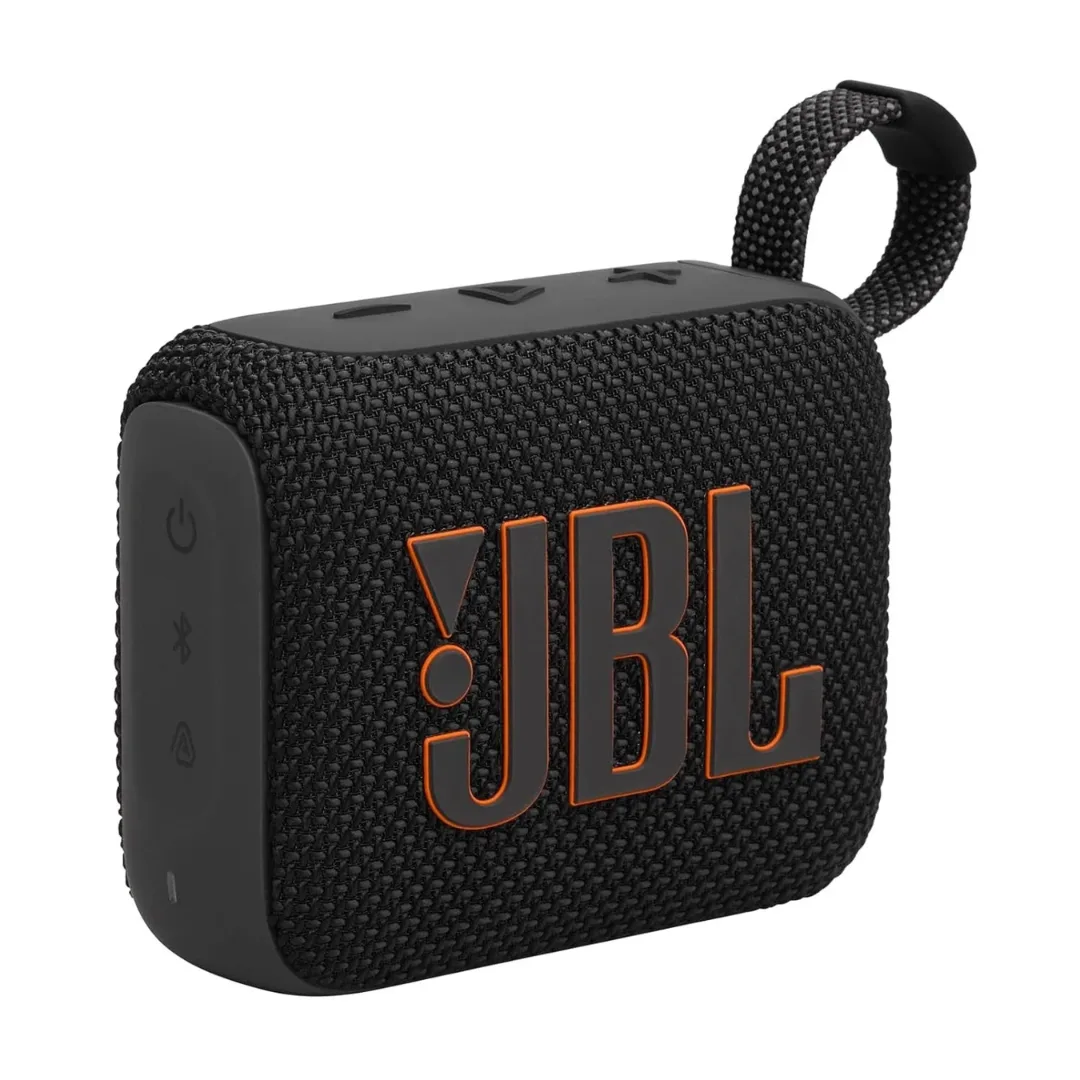
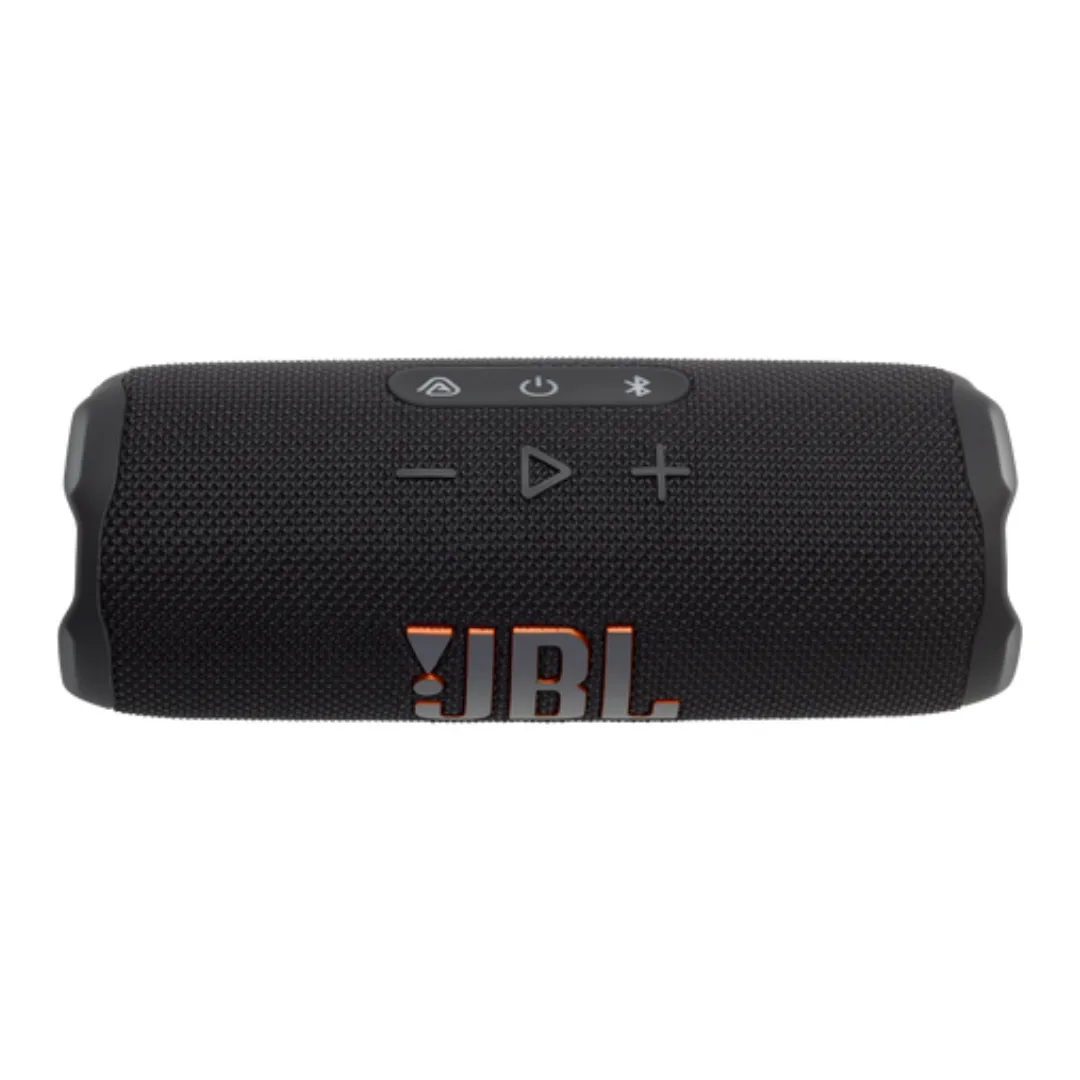
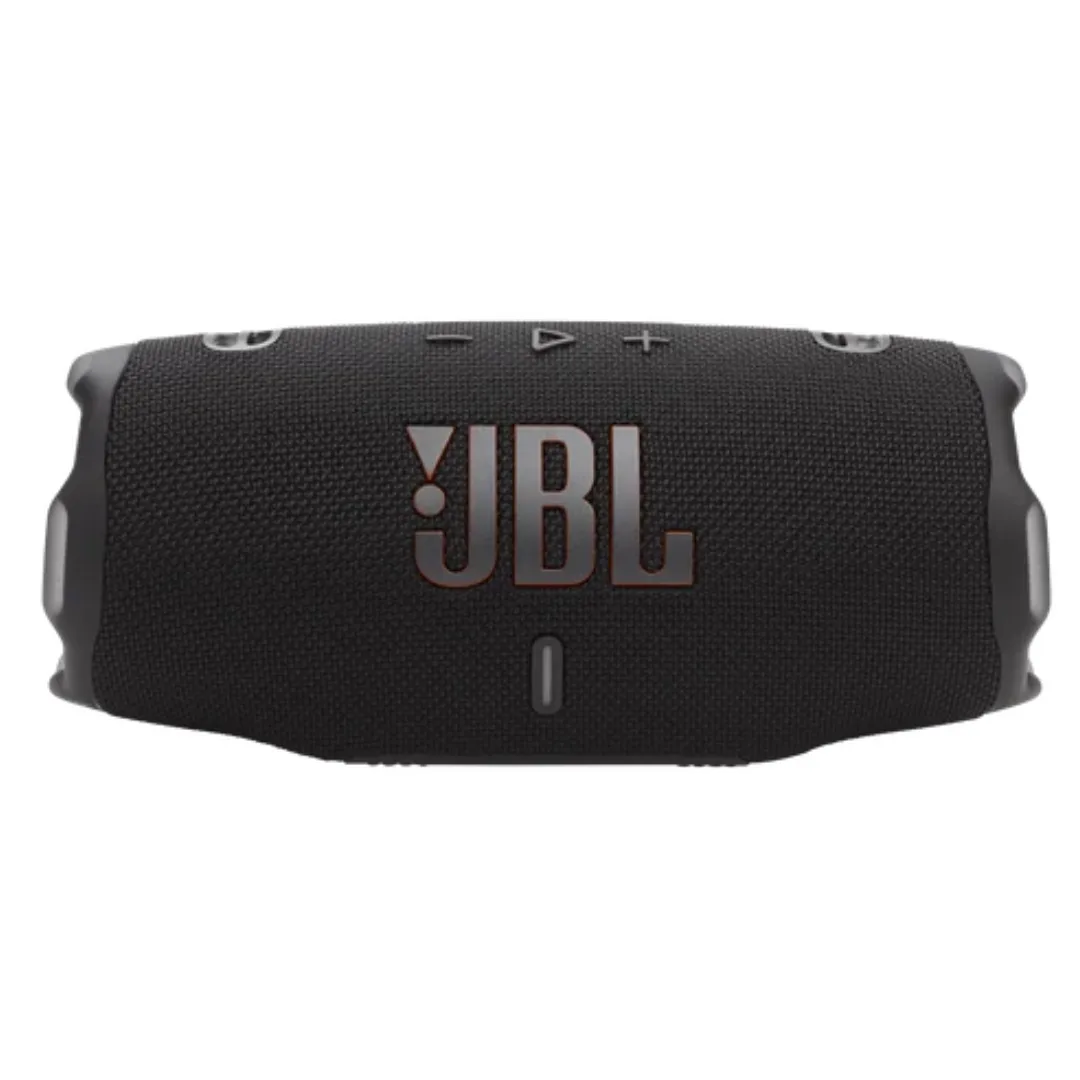
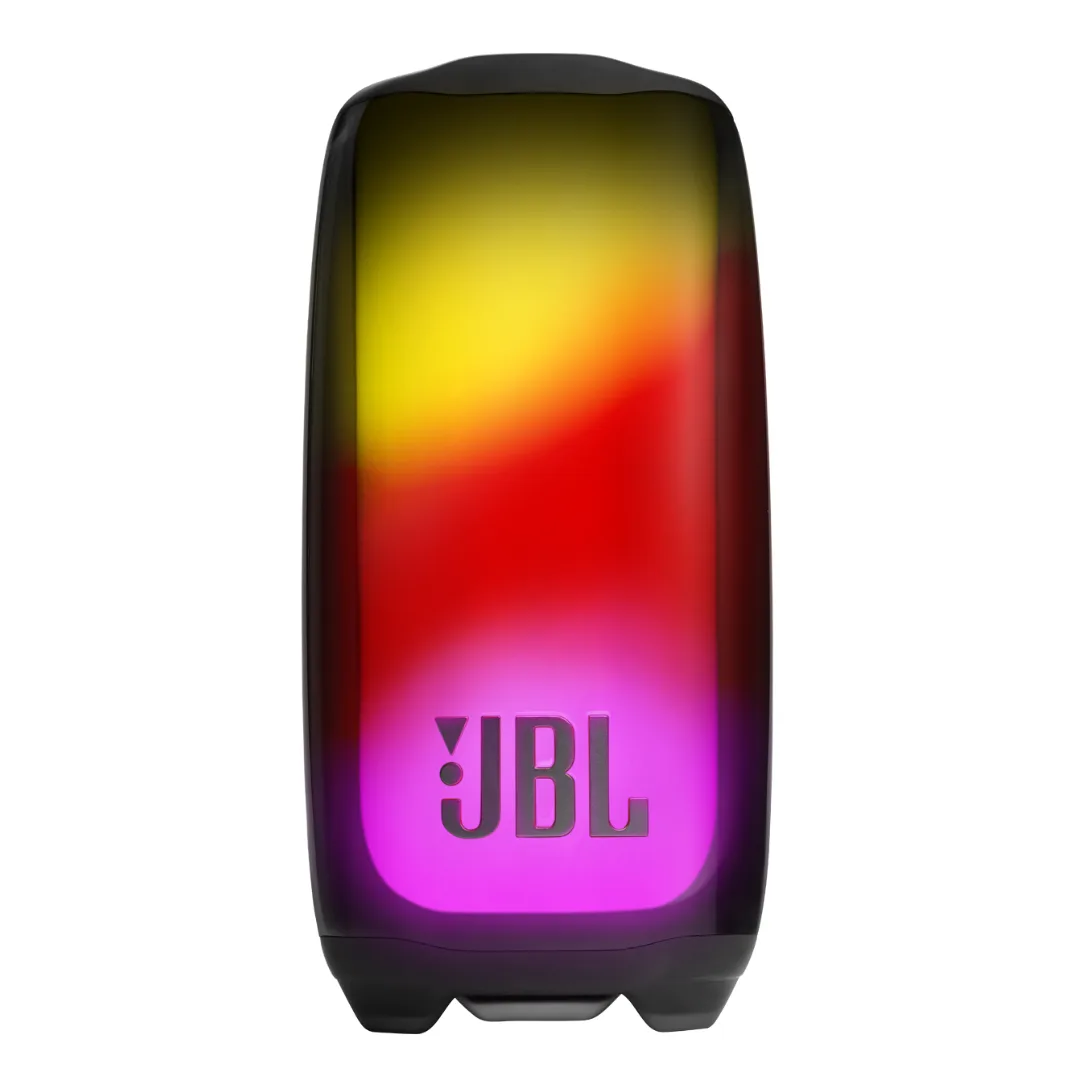
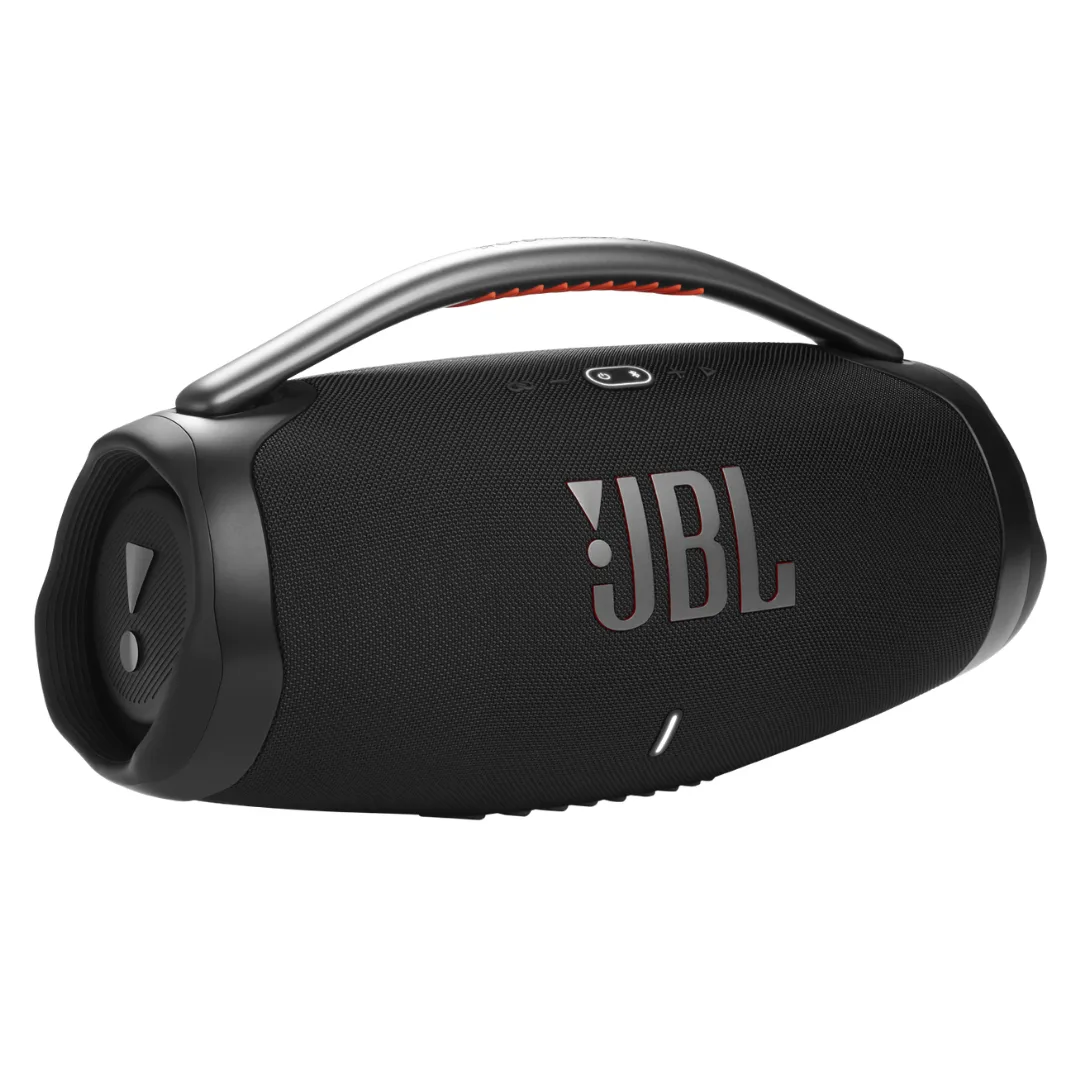
JBL portable speakers — shopped for just as often as a "JBL box", a "JBL mini speaker" or a full "JBL sound system" — span a wide range: from the 190 g Go 4 that disappears into a bag pocket to the Boombox 3, which JBL lists at 180 W on AC power. The real differences between models are output, battery, and water rating — and every number here is manufacturer-listed by JBL and varies across the line, so check the individual model page before deciding.
What does "sub" mean in Egypt?
If you hear Egyptians searching for a "صب بلوتوث" (sub Bluetooth), the word comes from the English "sub(woofer)" — what people actually mean is deep bass you feel, not just hear. The physics is simple: low frequencies need a larger cone moving more air. That is why JBL splits the job in its designs — a dedicated woofer for lows and a tweeter for highs; the Flip 6, for example, lists 20 W for the woofer and 10 W for the tweeter separately. And when one speaker is not enough, the PartyBoost or Auracast protocol (depending on the model) links multiple compatible JBL speakers together.
If you hear Egyptians searching for a "صب بلوتوث" (sub Bluetooth), the word comes from the English "sub(woofer)" — what people actually mean is deep bass you feel, not just hear. The physics is simple: low frequencies need a larger cone moving more air. That is why JBL splits the job in its designs — a dedicated woofer for lows and a tweeter for highs; the Flip 6, for example, lists 20 W for the woofer and 10 W for the tweeter separately. And when one speaker is not enough, the PartyBoost or Auracast protocol (depending on the model) links multiple compatible JBL speakers together.
Need wedding-scale sound with microphones? That is the job of the PartyBox line, not the portables. Browse everything JBL in the JBL hub. And for Sahel or Ain Sokhna trips, an Anker power bank keeps both the speaker and your phone charged on the road.
Every model ships genuine with the CairoVolt 12-month warranty, cash on delivery, and an invoice in the box. For private listening, see JBL headphones or JBL earbuds.
Smart Buying Guide
How to pick the right speaker size
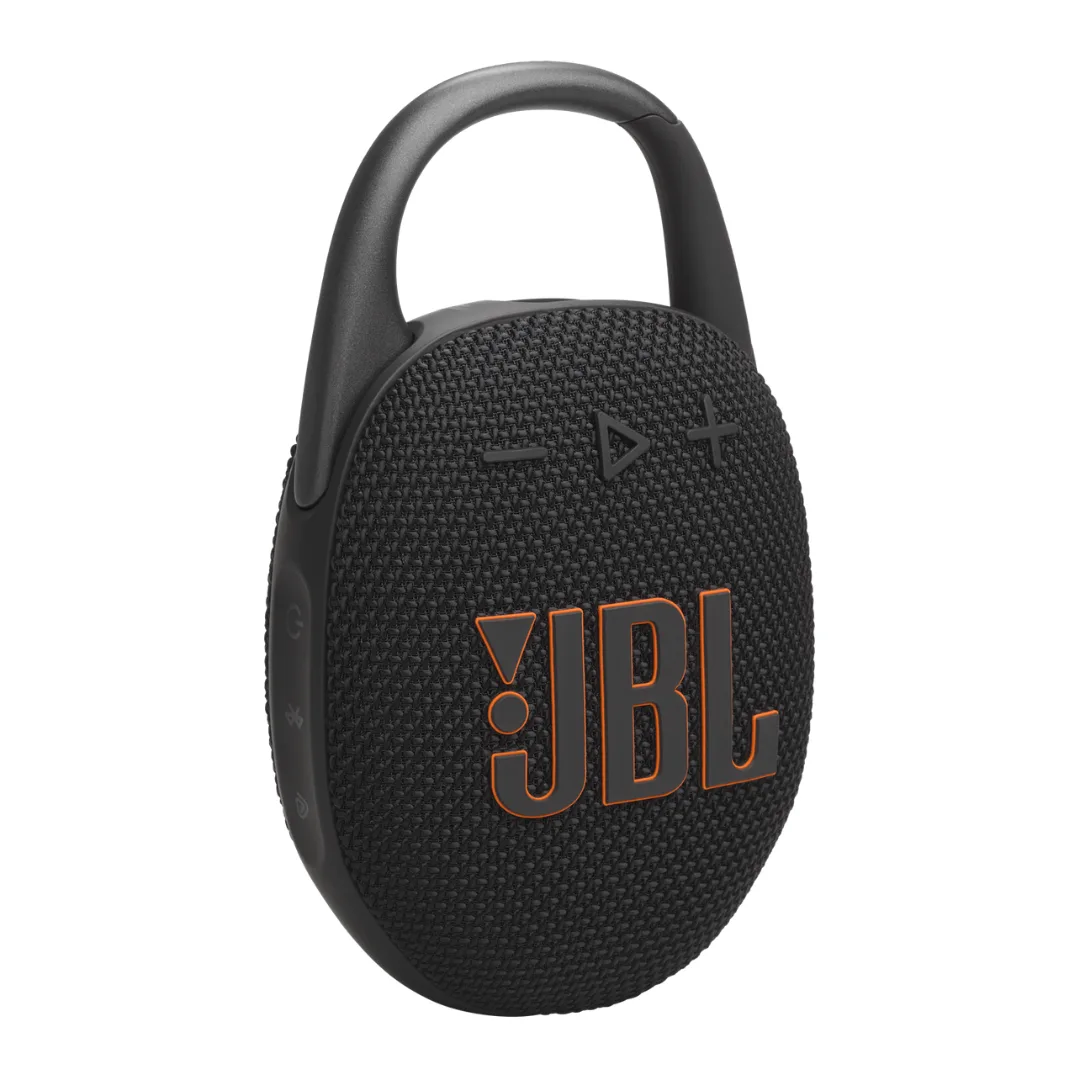
•Go 4 and Clip 5 (4.2–7 W): bag, desk, and shower duty — the Go 4 weighs 190 g and the Clip 5 hangs off a backpack by its carabiner. Personal sound, not gathering sound.
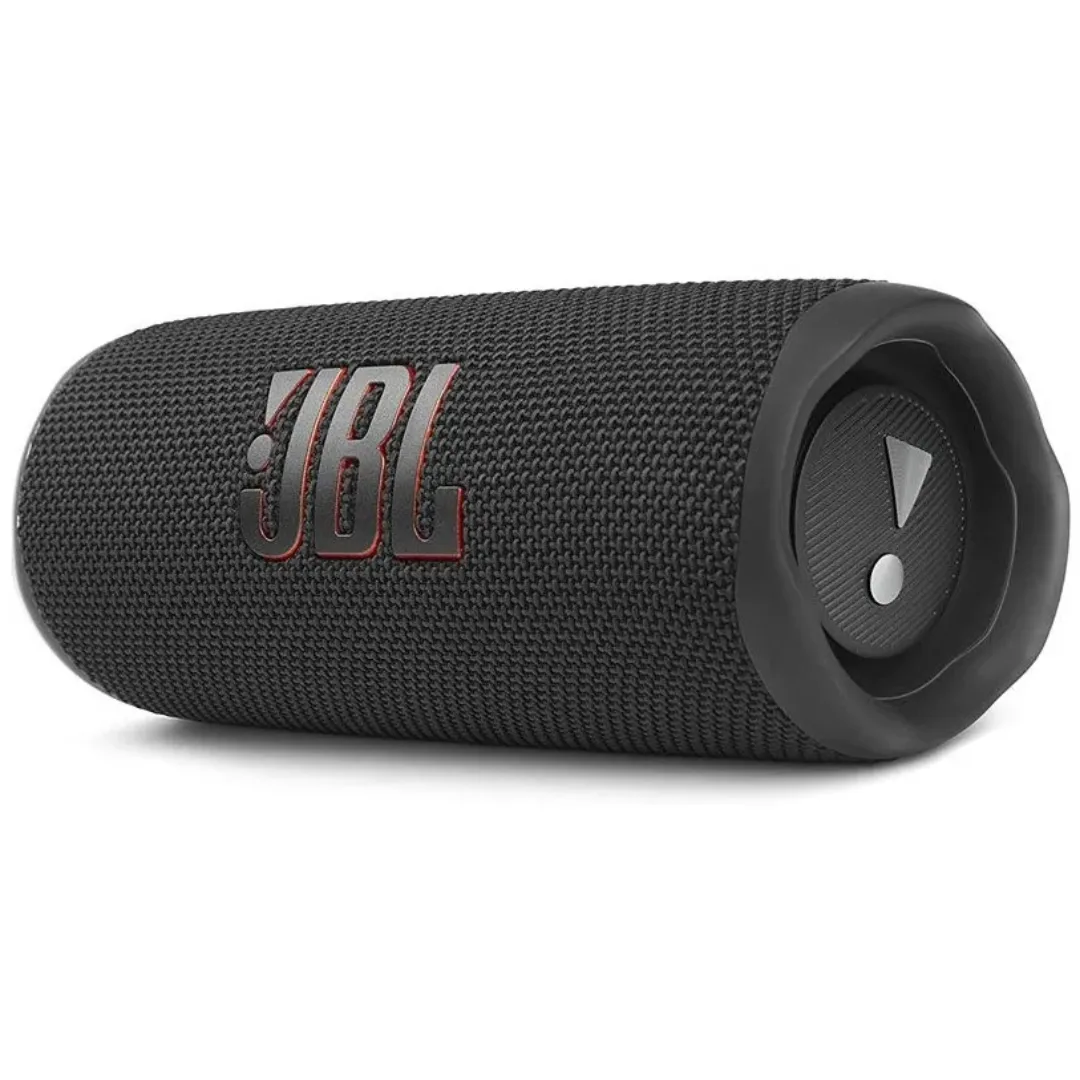
•Flip 6 and Flip 7 (30–35 W): a 5–10 person room or balcony session — the size that sells most in Egypt because it balances sound and portability.
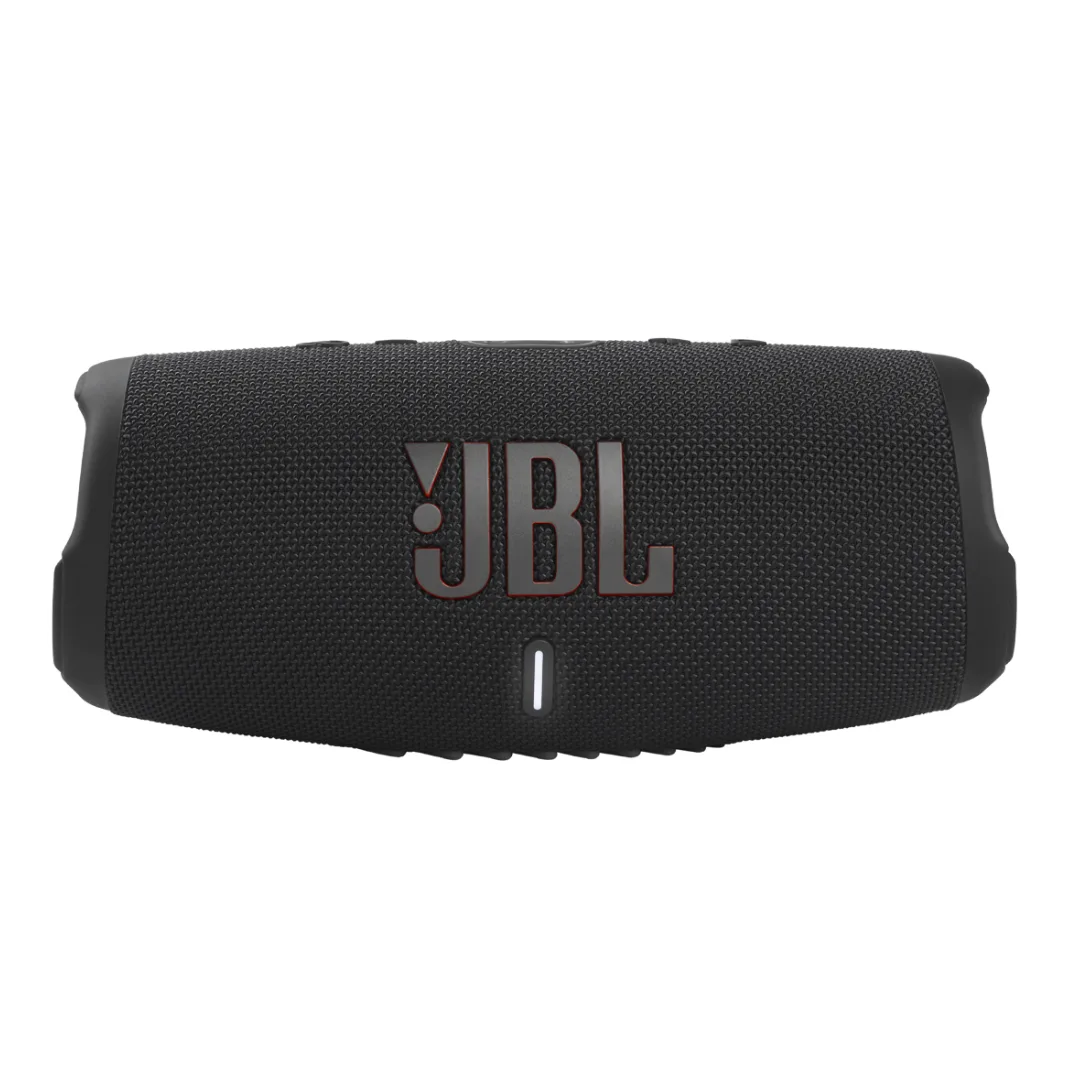
•Charge 5 and Charge 6 (40–45 W): a full beach day — 20–24 h listed battery that also charges your phone.
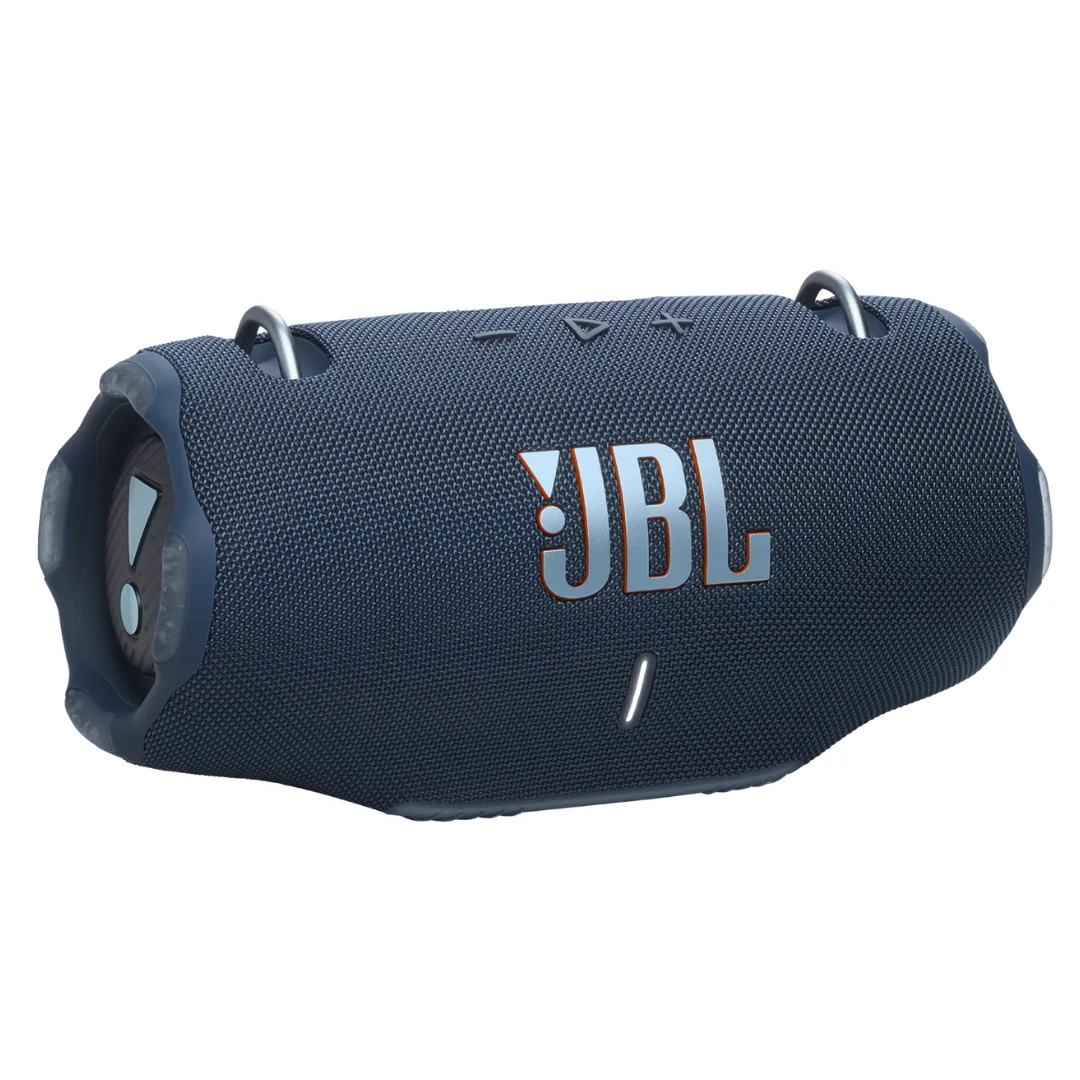
•Xtreme 4 and Boombox 3 (up to 100–180 W): rooftops, big gatherings, open spaces — but at 2.1 kg and 6.7 kg these are carried, not pocketed.
All figures are manufacturer-listed by JBL.
IP67 vs IP68 — what actually changes
The two digits mean specific things: the first (6) is full dust sealing, the second describes water immersion. IP67 covers temporary immersion to roughly 1 m for 30 minutes in fresh water per the standard, while IP68 (Flip 7, Charge 6) covers greater depth or duration as stated by the manufacturer per model.
What matters on Egyptian beaches specifically:
•Ratings are tested in fresh water — salt water and pool chlorine are outside the test, so rinse the speaker with fresh water after exposure.
•Dry the USB-C port thoroughly before charging — the rating protects a sealed device, not one that is charging.
•Sahel sand itself is fine with full dust sealing, but clean the grille afterwards.
•Ratings are tested in fresh water — salt water and pool chlorine are outside the test, so rinse the speaker with fresh water after exposure.
•Dry the USB-C port thoroughly before charging — the rating protects a sealed device, not one that is charging.
•Sahel sand itself is fine with full dust sealing, but clean the grille afterwards.
Flip 6 vs Flip 7 vs Charge 6?
A quick comparison using JBL's listed specifications:
•Flip 6: 30 W output (20 W woofer + 10 W tweeter), 12 h battery, IP67, Bluetooth 5.1 with PartyBoost — the cheapest of the three.
•Flip 7: 35 W output, 14 h battery (+2 h Playtime Boost), IP68, Bluetooth 5.4 with Auracast, plus 24-bit/96kHz lossless audio over USB-C — roughly the same size, one generation newer.
•Charge 6: 45 W output, 24 h battery (+4 h Boost), IP68, and it charges your phone as a power bank — heavier and pricier, but built for a full day out.
•Flip 7: 35 W output, 14 h battery (+2 h Playtime Boost), IP68, Bluetooth 5.4 with Auracast, plus 24-bit/96kHz lossless audio over USB-C — roughly the same size, one generation newer.
•Charge 6: 45 W output, 24 h battery (+4 h Boost), IP68, and it charges your phone as a power bank — heavier and pricier, but built for a full day out.
Bottom line: tighter budget and shorter sessions → Flip 6. Newest protocols in the same size → Flip 7. A full day away from power → Charge 6.
Charge 5 or Charge 6? What the 2,150 EGP buys
The price gap here is 2,150 EGP (6,999 vs 9,149). What it buys, per JBL's listed specs:
•Battery: 20h → 24h (+4h in Charge 6's Playtime Boost mode).
•Water rating: IP67 → IP68, plus a 1-metre drop rating — which addresses how portable speakers actually die: the fall off a table, not immersion.
•Linking: PartyBoost on Bluetooth 5.1 → Auracast on 5.4. This matters if you already own a JBL: the Charge 6 will not link with a Charge 5 or Flip 6 — the two generations do not talk to each other.
•Output: 40W → 45W with AI Sound Boost processing, per the manufacturer's description.
•Water rating: IP67 → IP68, plus a 1-metre drop rating — which addresses how portable speakers actually die: the fall off a table, not immersion.
•Linking: PartyBoost on Bluetooth 5.1 → Auracast on 5.4. This matters if you already own a JBL: the Charge 6 will not link with a Charge 5 or Flip 6 — the two generations do not talk to each other.
•Output: 40W → 45W with AI Sound Boost processing, per the manufacturer's description.
Bottom line: if this is your first JBL and it is going to the beach and on trips, the Charge 6 earns the difference. If you already own PartyBoost speakers you want to pair, or budget is the constraint, the Charge 5 is still the same core idea — 20 hours and a 7,500 mAh power bank — for 2,150 EGP less.
Frequently Asked Questions
What do Egyptians mean by a "sub" speaker?▼
The local word "صب" comes from the English "subwoofer", and in Egypt it is used for any bass-heavy Bluetooth speaker. What actually determines bass depth is woofer size and output — which is why the Boombox 3 (180 W listed) digs far deeper than the Go 4 (4.2 W); the physics needs a bigger cone moving more air.
Do JBL speakers float?▼
An IP67 or IP68 rating covers temporary immersion within JBL's stated conditions — not floating. Some lighter models may float due to their density, but JBL does not list floating as a feature for these models, so do not rely on it. If one falls in a pool, retrieve it, rinse with fresh water, and dry before charging.
Why does the battery drain faster than the listed hours?▼
JBL's listed runtimes are measured at moderate volume. High volume, heavy bass, lighting (on the Pulse 5, for example), and phone charging on Charge models all draw from the same battery, so real-world runtime drops with how you use it — that is normal, not a defect.
Can I link two or more JBL speakers together?▼
Yes, but the protocol must match: PartyBoost models (like Flip 6 and Charge 5) only link with other PartyBoost models, and Auracast models (like Go 4, Flip 7, Charge 6, Xtreme 4) only link with other Auracast models — the two generations do not talk to each other. Check the protocol on each model page before buying a second unit.
How can I spot a fake JBL speaker?▼
Match the model engraving and weight against JBL's official specifications, and try pairing with the JBL Portable app — counterfeits usually fail recognition. Most telling of all: a price around 40% or more below ours is a strong counterfeit or used-unit signal. JBL runs an official verification program: Buy Authentic. Always keep the invoice.
Can I use a JBL speaker as a TV speaker?▼
Possible if the TV supports Bluetooth audio output, but watch for latency — in films and football matches the audio can lag the picture slightly depending on the TV and Bluetooth version. These portables are designed primarily for music, not as a full soundbar replacement.
Do they work with iPhone, Samsung, and Android?▼
Yes — every model connects over Bluetooth to any modern phone, iPhone or Android. The JBL Portable app is available on both iOS and Android for EQ control and speaker linking on supported models; Bluetooth version and app features differ by model.
How much does a JBL speaker cost in Egypt?▼
JBL speakers here start at 2,049 EGP for the Go 4 and reach 22,649 EGP for the Boombox 3. The class most buyers mean by real bass starts at the Flip 6 (5,499 EGP), with Charge 5 at 6,999 and Charge 6 at 9,149. Prices move with stock and promotions; the live figure is on each model page, and every model carries the CairoVolt 12-month warranty with cash on delivery.