Stand in front of any speaker shop in Egypt and you'll hear the same sentence: "I want a sub speaker — heavy sub." The seller nods knowingly, the customer asks confidently, and if you asked either of them "what does sub actually mean?" you'd get the look reserved for embarrassing questions. No problem — we're here to answer the embarrassing question. The word "sub" — now the most famous audio spec in Egypt — comes from subwoofer: a speaker class specialized in frequencies below what regular speakers can reproduce. Egyptians shortened it to "sub" and turned it from a device name into an adjective: the speaker whose bass you feel in your chest, not just hear with your ears.
So when someone says they want "sub", they don't literally want a subwoofer — they want deep, physical bass. This guide explains in plain language what physically creates that bass, why a cup-sized speaker can never do what a bag-sized speaker does, and when you should stop shopping for Bluetooth speakers entirely and buy something else.
💡 Quick Summary: "Sub" = deep bass, from subwoofer. Deep bass requires moving a large volume of air — bigger driver, more power, bigger enclosure. Hence the natural ladder per JBL's listed specs: Go 4 (4.2W) for your pocket, Flip 6 (30W) for a hangout, Charge 6 (45W) for a gathering, Xtreme 4 (up to 100W) for trips, and the PartyBox class for weddings.
Woofer and Tweeter — A Band Inside a Box
Any serious speaker contains two driver types (a driver is the part that vibrates and produces sound):
- 🥁 The woofer: a relatively large driver specialized in low frequencies — the kick drum, the bass guitar, the duff drum in shaabi music. Named after a dog's deep bark (woof).
- 🎺 The tweeter: a small driver specialized in high frequencies — cymbals, string detail, the "s" sounds in vocals. Named after birds chirping (tweet).
Why not one driver doing both? Simple physics: a low frequency means slow vibration over a long stroke — the driver must travel a large distance back and forth to push a lot of air. A high frequency means extremely fast vibration over a tiny stroke — and a big heavy driver simply can't oscillate that fast. Like a microbus versus a motorcycle: one carries the load, the other wins the sprint. That's why JBL splits the job: in the Flip 6, the listed specs read 30W split as a 20W woofer for bass plus a 10W tweeter for detail.
Why Speaker Size Controls Bass (The Entire Secret of "Sub")
Sound is moving air pressure. Bass depth depends on how much air the driver can move — determined by two things: the driver's surface area and how far it travels. A small driver in a small box moves little air, no matter how clever. That's why no pocket speaker on Earth — any brand — produces true "sub": it's not a manufacturing flaw, it's a law of physics. Manufacturers work around it with tricks like passive radiators (unpowered membranes that resonate with and reinforce the bass) — and they genuinely help — but they don't repeal the law.
There's also displacement: to go one full octave lower at the same loudness, you need to move roughly four times the air. The relationship isn't linear — deep bass is expensive engineering. Which explains why the price gap between small and large speakers is so visible: you're not paying for extra plastic, you're paying for moved air.
The JBL Bass Ladder — From Pocket to Wedding
A realistic expectations table built on JBL's listed specifications — not our lab measurements:
| Speaker | Listed Output | Realistic Bass Expectation |
|---|---|---|
| Go 4 (190g) | 4.2W RMS | Clean sound for a small room — don't ask it for sub; it's a pocket speaker, not a party one |
| Flip 6 (550g) | 30W (20W woofer + 10W tweeter) | Respectable bass for a 4-6 person hangout indoors or on a terrace |
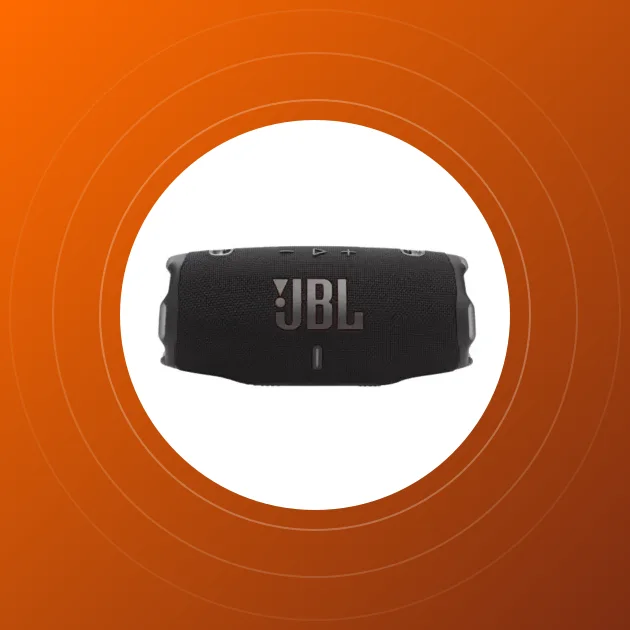
| Charge 6 (~990g) | 45W RMS | First rung of the ladder you can honestly call "sub" — bass you feel at an open-air gathering |
| Xtreme 4 (2.1kg) | Up to 100W (2×30W woofers + 2×20W tweeters) | Bass that fills an open space — trips and large gatherings |
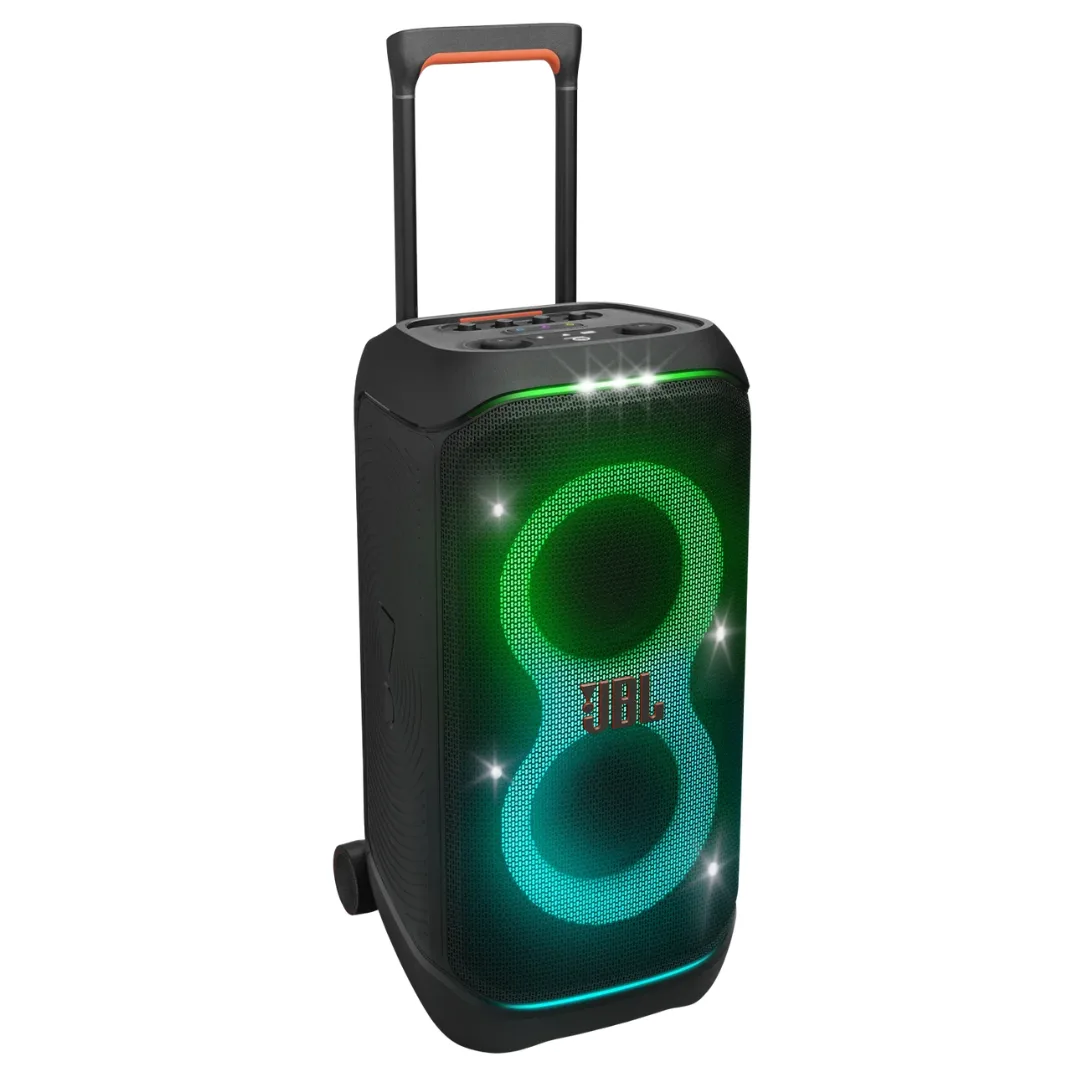
| PartyBox Stage 320 (16.5kg) | 240W (2×6.5" woofers + 2×1" tweeters) | A different class entirely — what Egyptians call the "bazooka" |
Notice the weight-to-bass relationship in the table: it's not a coincidence. The extra weight is bigger drivers, bigger batteries, and a stiffer enclosure — more air being moved. When a suspiciously light speaker promises earth-shaking bass, remember this table.
And the "Bazooka"?
"Bazooka" is the Egyptian street name for the PartyBox class — the big standing speakers on wheels with the light shows. The difference isn't just wattage: the Stage 320, per its listed specs, carries two 6.5-inch woofers. Compare that to a pocket speaker's few-centimeter drivers: larger surface area × longer stroke = many times the air moved. That's what makes bazooka bass "hit you in the chest" at weddings and street celebrations. If your actual use case is weddings and big events — don't buy a portable speaker and get disappointed by the bass; go straight to the PartyBox category.
Full Honesty: When Is a Real Wired Subwoofer the Answer?
Here we have to be honest even if it means you don't buy anything from us: if your dream is a home cinema or a fixed system in one room — bass digging down to 20-30Hz and shaking the couch — the right answer isn't a Bluetooth speaker at all. It's a real wired subwoofer connected to a receiver or amplifier: a large enclosure dedicated to one job, drawing wall power continuously. Portable Bluetooth speakers were engineered for something else: running on battery anywhere from a rooftop to the North Coast — a deliberate engineering trade-off. The portable gives you 90% of the fun in 100% of the places; a wired sub gives you 100% of the bass in exactly one room. Choose based on your actual life.
✅ The Full Bass Ladder at CairoVolt
From the Flip 6 for hangouts, to the Charge 6 that charges your phone too, to the Xtreme 4 with a swappable battery, up to the bazookas in the PartyBox category — all genuine, with CairoVolt 12-month warranty and cash on delivery.

CairoVolt Editorial Team
Content team reviewing specifications and buying guides
The CairoVolt team reviews model numbers, specifications, and compatibility, and updates information when better data is available. Estimates are labeled as calculations, and readers can report information that needs correction.
Frequently Asked Questions
Does every JBL speaker have "sub" bass?▼
What is the difference between a woofer and a tweeter, simply?▼
What does "bazooka" mean for speakers?▼
Why do heavier speakers usually have better bass?▼
I only want strong bass in my room — big Bluetooth speaker or a wired sub?▼
Ready to Buy?
Browse available products and review specifications and CairoVolt warranty terms before ordering
Products Mentioned in This Article
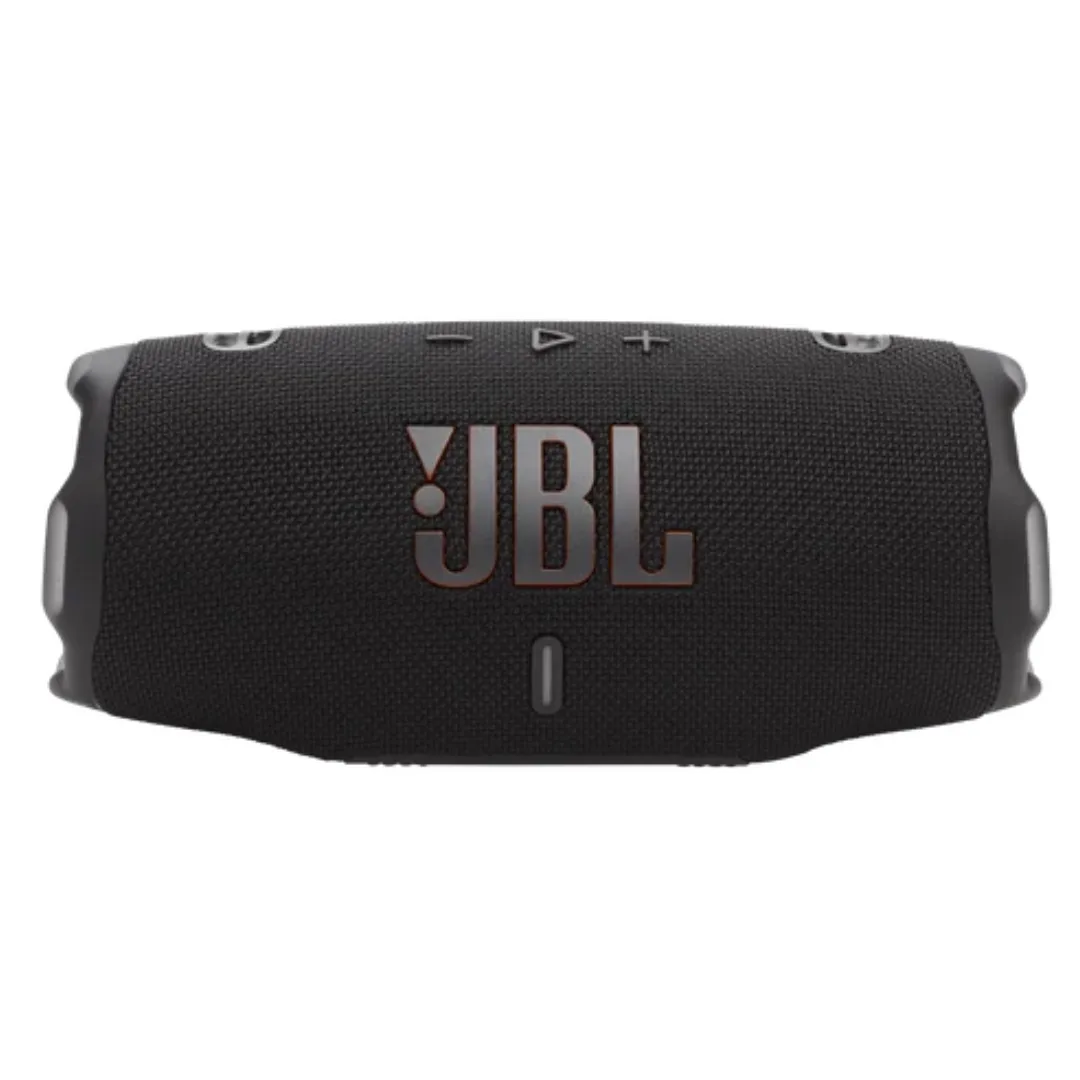
JBL Charge 6 — 24h Battery | Built-in Powerbank | IP68
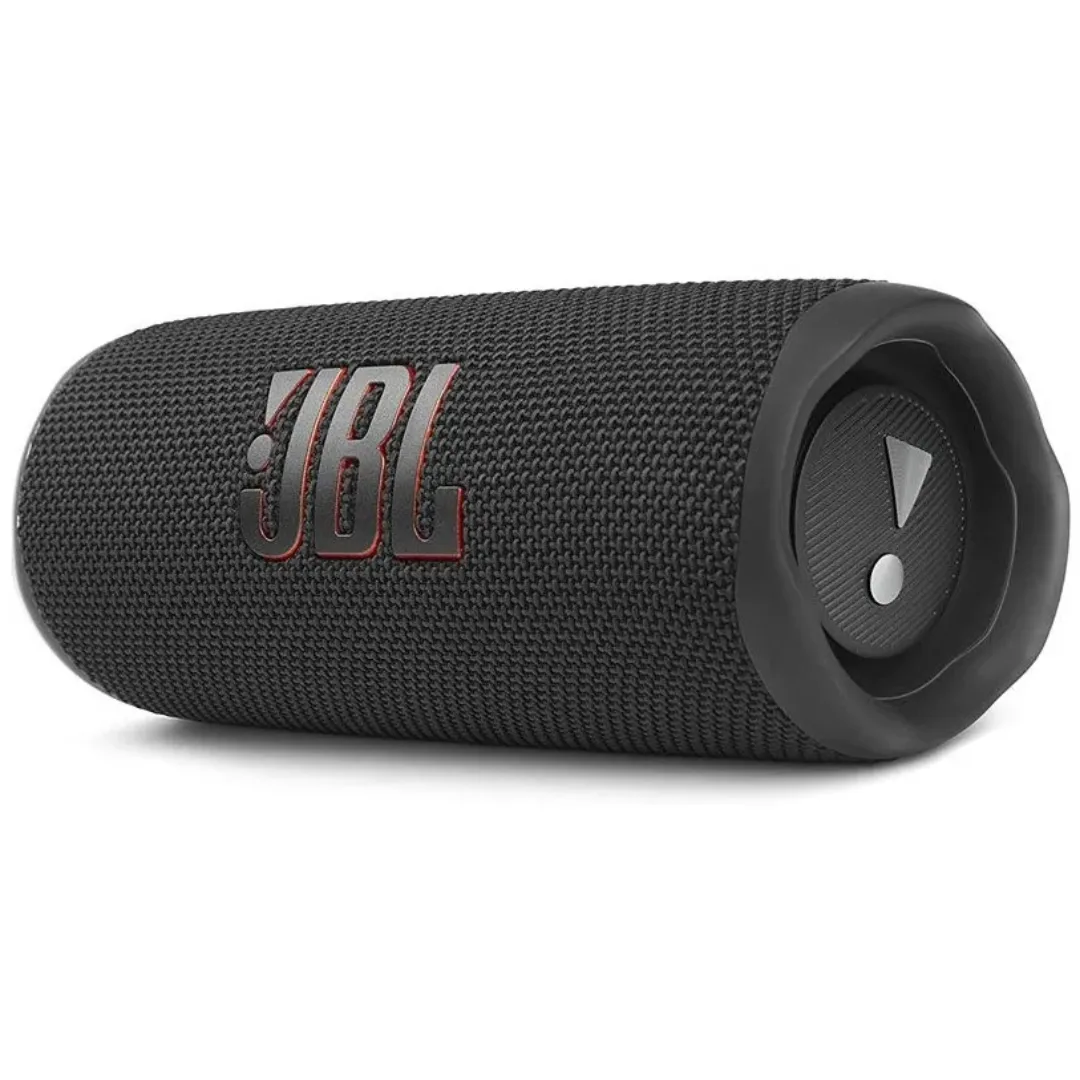
JBL Flip 6 — 30W Two-Way | 12h Battery | IP67
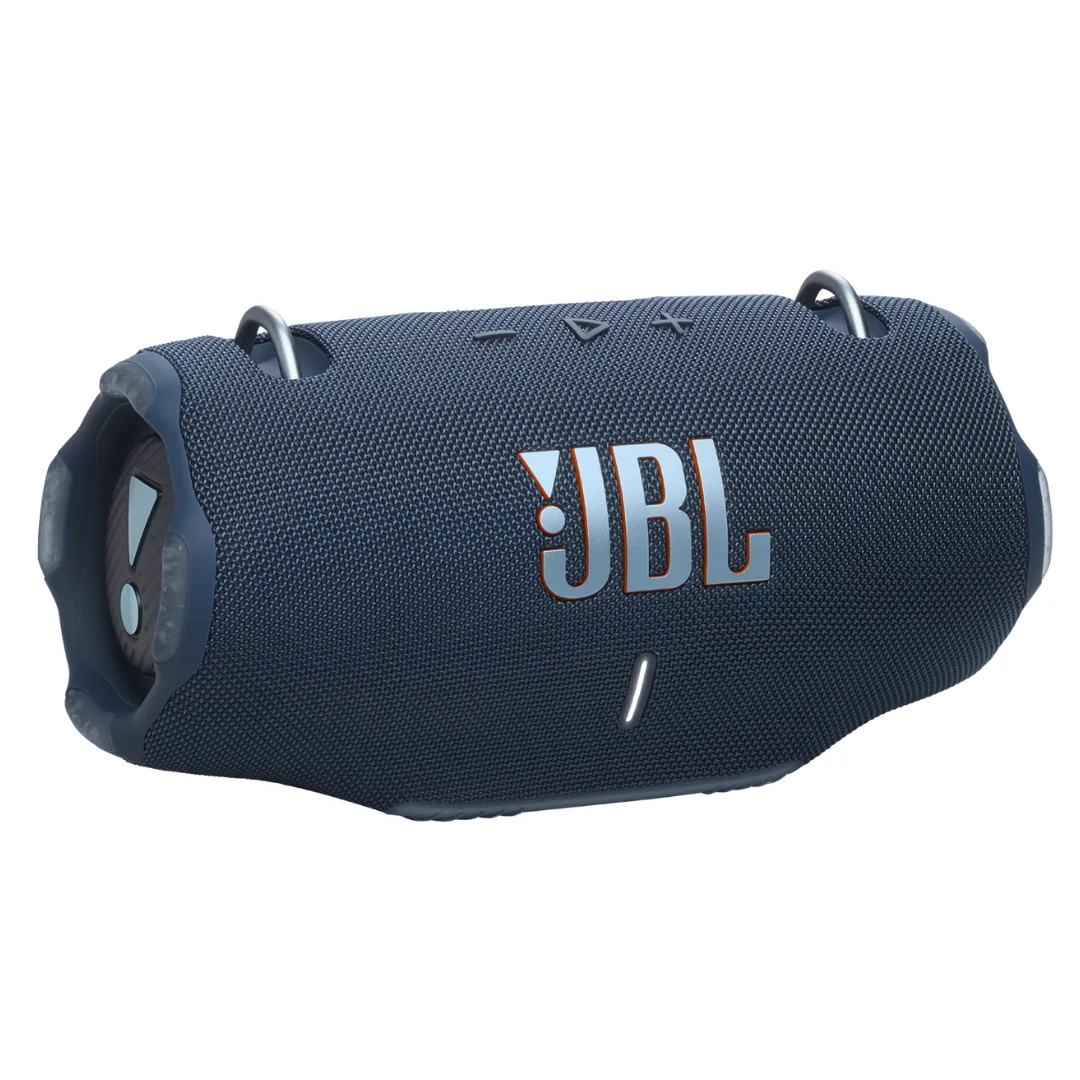
JBL Xtreme 4 — Swappable Battery | 24h Playtime | IP67