Featured
1 / 7
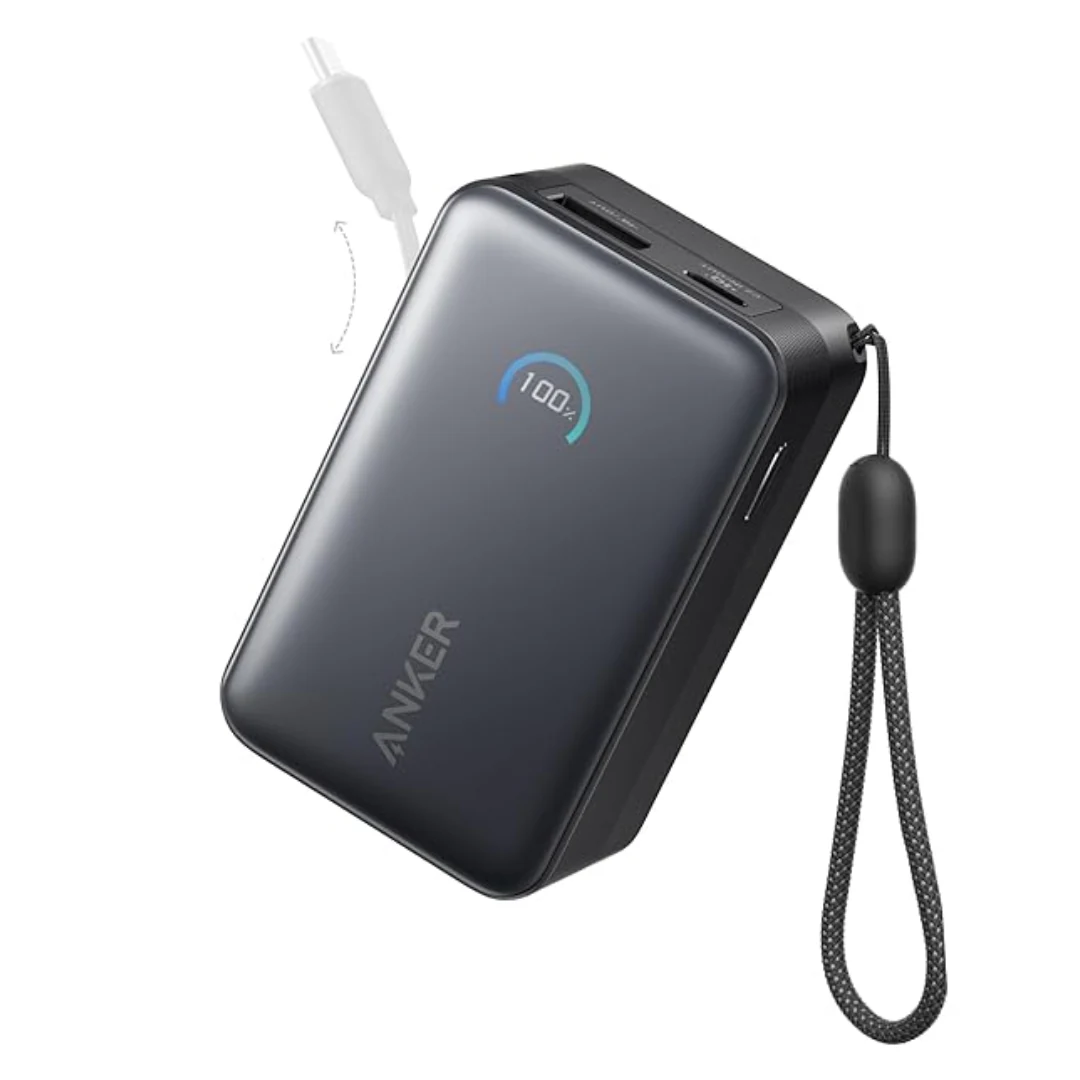
Anker PowerCore 10000mAh Power Bank
AnkerAnker — In Stock

Anker PowerCore 10000mAh Power Bank

⚠️ Safety recall — stop using it and claim your refund

This model is in the manufacturer recall programme over a lithium-cell overheating hazard. If you own one: stop using it, check the serial on the official page, and follow the refund steps — the manufacturer compensates you. We do not sell new units, and CairoVolt support will help you through the process.

⚠️ RECALL: US CPSC (June 2025) recalled Anker PowerCore 10000 A1263 units made for the US market from January 2016 to October 2019 (fire / overheating hazard). Check your serial at https://www.anker.com/a1263-recall before any use. CairoVolt guarantees replacement or refund on ANY A1263 unit we sold, regardless of batch.

Quick Summary
  • Our lab sample CV-PB-A1263-001 is a retail-stock unit with a manufacturing date verified OUTSIDE that Jan 2016 – Oct 2019 US recall window. Post-window does NOT erase the model-level recall history — every buyer should still run the serial checker. Recall status re-verified against anker.com/a1263-recall + anker.com/product-recalls + cpsc.gov on 2026-07-24.
  • Capacity honesty: Anker rates 10,000mAh / 36Wh cells (10,000mAh × 3.6V = 36Wh). CairoVolt measured 31.2Wh usable at a moderate 5V/2A USB-A discharge → 86.7% conversion (31.2 ÷ 36). Independent Packstack + TechGearLab benches recovered only ~53% at a heavier 2.4A load — load-dependent loss, not a defect. The 2A figure stays the single primary Wh value.
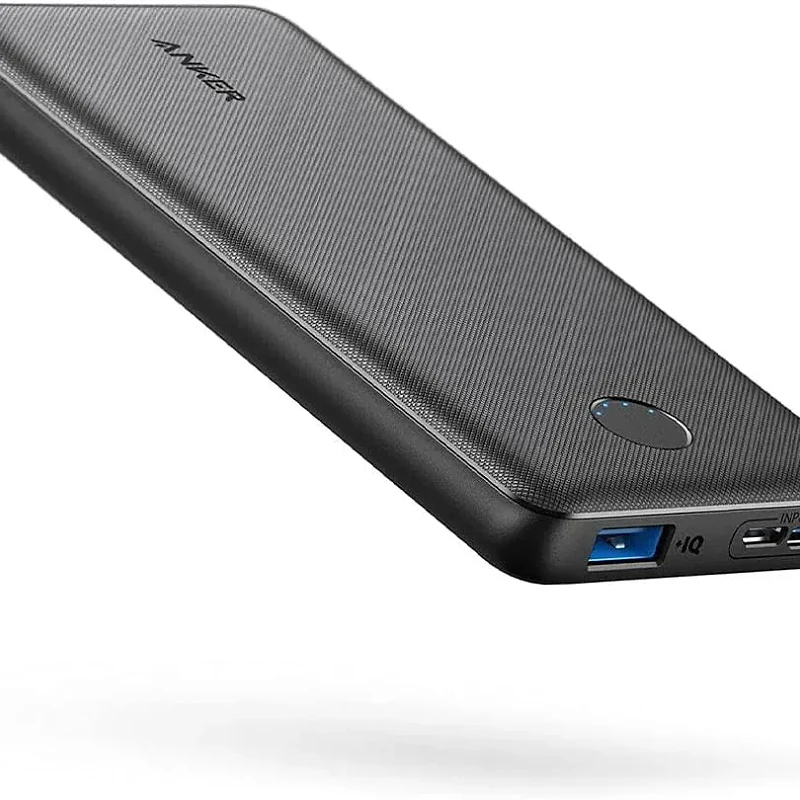
  • Pocket day-pack: 182g, 92×61×22mm. ~1.4 full charges of a modern 5000mAh Egyptian phone (Galaxy A15 measured 1.43). Micro-USB input only — ~7h overnight recharge; no USB-C, no PD, no PPS. 36Wh << 100Wh airline cabin limit (EgyptAir / Nile Air / Air Cairo — cabin only).
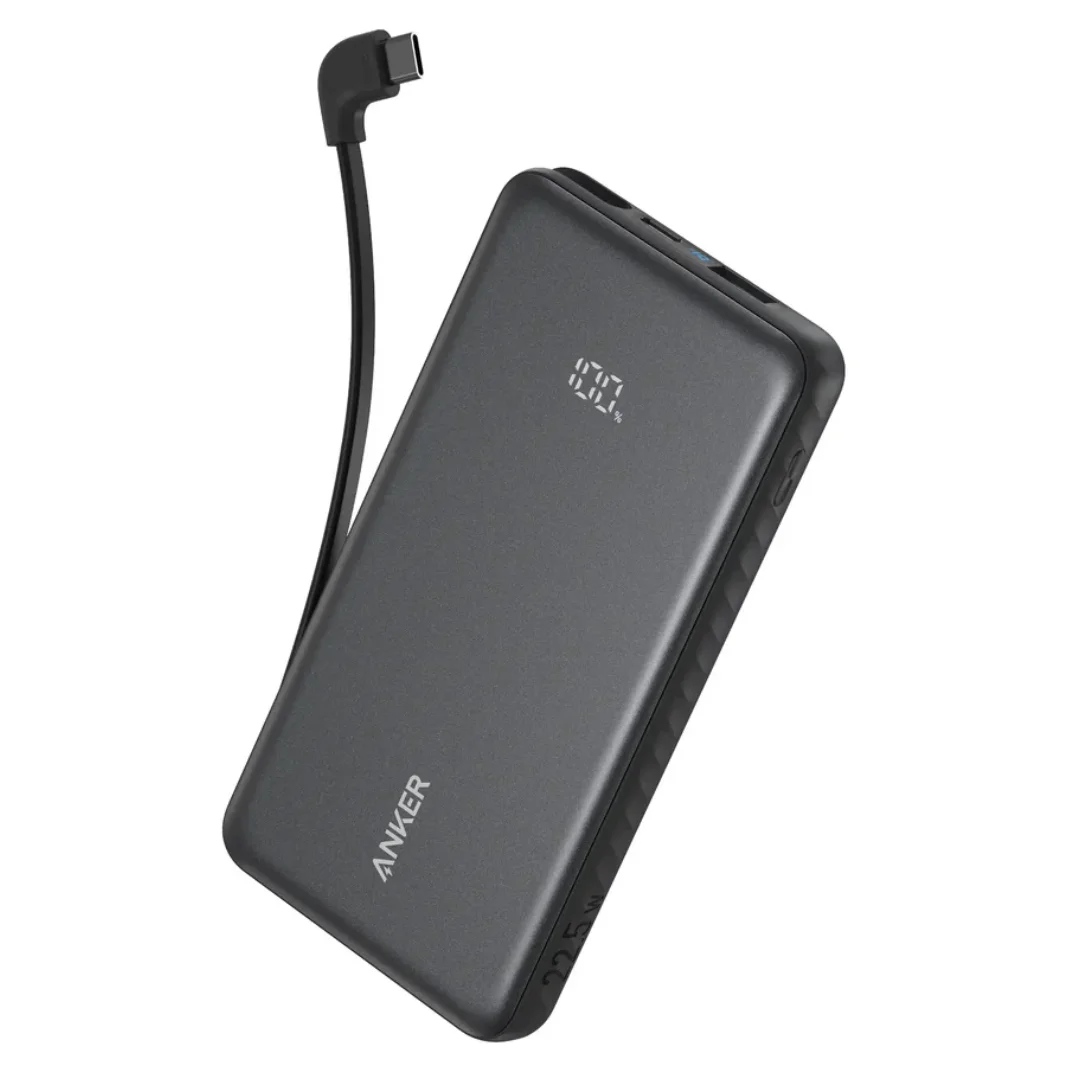
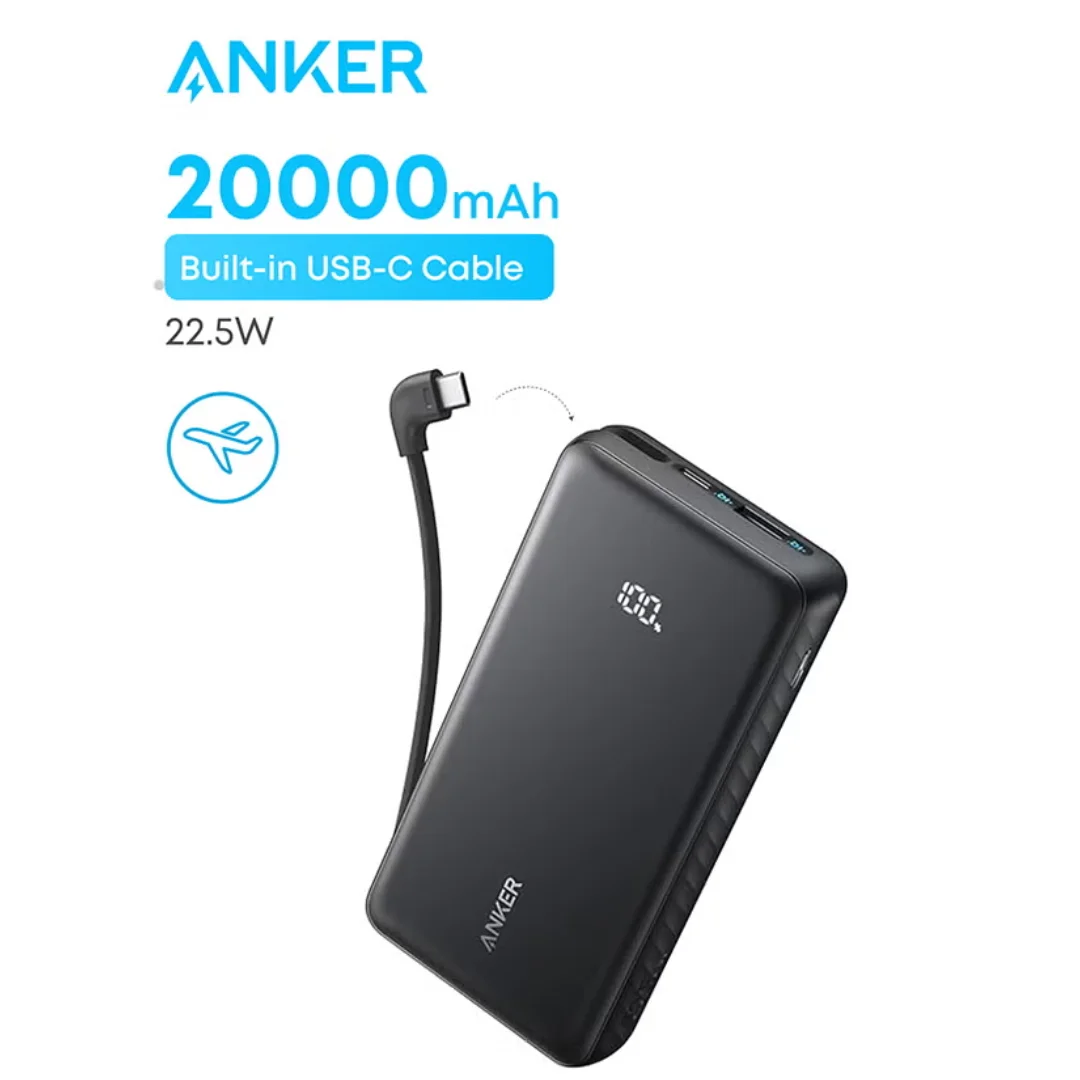
  • Honest vs siblings: A1260 (PowerCore II 20000) = 61.4Wh usable + QC 18W Port 1, NOT recalled, twice the energy, twice the bulk. A110D (Zolo 10K) = 31.1Wh + real 22.5W USB-C + built-in cable, NOT recalled. JR-T012 = 30.8Wh dual USB-A budget twin, usually cheaper, no Anker warranty, no A1263 recall baggage.
How this fits Egyptian use — deep dive (airlines · heat · electricity)

A1263 answers ONE Egyptian question — with a mandatory safety preface: "what fits in my pocket and covers one Egyptian day?" — but ONLY after you verify the serial is outside the US CPSC June 2025 recall window (Jan 2016 – Oct 2019 US manufacture). CairoVolt replaces or refunds any unit we sold; still run https://www.anker.com/a1263-recall. Five scenarios from customer conversations. RIGHT FOR (post-serial-check): (1) TALABAT / UBER EATS DRIVER (12h shift): GPS + screen-on loses ~10–15%/hr (Battery Spotlight; Google Maps navigation alone 15–25%/hr). Over 12h ≈ 23–29Wh drawn — our 31.2Wh usable gives ONE mid-shift top-up. Phone starts 100%, hits ~20% at hour 5–6; one top-up covers 6–12. Past 14h → take a 20K pack (A1260 / A110E class). (2) STUDENT (Cairo / Ain Shams / AUC, 8h+ campus): mixed background 5–8%/hr ≈ ~10Wh top-up; pack covers 2–3 exam days on one charge. (3) TOURIST (Khan el-Khalili, 10h Maps + photos): ~23–35Wh — one full recharge covers exactly one day; download Islamic Cairo offline (saves ~10% battery/hr around Al-Muizz). (4) RAMADAN (taraweeh + sahoor, 18 waking hours): two partial top-ups ≈ 18–22Wh with buffer. (5) UMRAH / HAJJ day: 36Wh well under GACA/IATA 100Wh cabin limit — one recharge covers Tawaf/Sa'i tracking + WhatsApp family calls. WRONG FOR: (6) Anyone who will not check the serial — stop; use the recall URL first. (7) USB-C-only modern phone owners without an A-to-C cable — Micro-USB input + USB-A output is a 2016-era I/O pair. (8) Samsung 25W Super Fast / Realme SuperVOOC / Oppo VOOC chasers — no PD/PPS; everything falls back to ~5V/2A (~10W, ~3h for 5000mAh). (9) Buyers who want A110D-class speed — pay for Zolo A110D (22.5W USB-C + built-in cable, NOT recalled) instead. EGYPTAIR / CAIRO CARRIERS (airline math): 36Wh label << 100Wh — carry-on free on EgyptAir, Nile Air, Air Cairo, Saudia, Emirates, Flydubai, Turkish, Qatar (verify each DG page on travel day). Cabin only; NEVER checked baggage for Li-ion. Emirates/Flydubai ban in-flight power-bank use (rule since Oct 2025) — pack stays powered off in the cabin bag. MICRO-USB MODERNITY LIMIT: Anker specs 6–7h recharge on a 5V/2A brick; we measured ~7h. A modern USB-C 20W pack (A110D) recharges in ~3h. Plan overnight only — not between delivery shifts. Competing Egypt-shelf USB-C packs (Xiaomi Redmi PB ~799 EGP, Baseus Bipow ~855 EGP, Joyroom JR-T012 dual-A) win on connectors; A1263's remaining edge is Anker 5-year warranty + PowerIQ tuning + CairoVolt layered warranty — never "safer than the recall notice."

1,300EGP12% OFF
1,469 EGPSave 169 EGP
Cash on delivery is available for eligible orders

Delivery to Cairo: Estimated 1–2 business days

Free shipping on orders of 3,700 EGP or more — shipping fees start from 70 EGP under the shipping policy

Return or exchange within 14 days of delivery under the return policy
1

Shipping and payment information

Reference estimate for delivery to Cairo

Estimated timing

Estimated 1–2 business days

Coverage

Delivery is available to eligible addresses within Egypt

Payment

Cash on delivery is available for eligible orders

Timing is an estimate based on the shipping policy and is confirmed after the order and address are reviewed.

Expert review & buying advice

Practical Summary

Practical Comparison
Prepared by the CairoVolt editorial team

“PowerCore 10000 may suit buyers prioritising a compact 10,000mAh-class battery for compatible phones. Confirm the printed Wh, input/output profiles, dimensions, weight, usable-energy conditions, live price and current warranty.”

Product FAQs

What is the current price of Anker PowerCore 10000?

Use the live price on this listing and check stock, delivery options and the applicable warranty at checkout; these details can change.

Will it charge my iPhone or Android phone?

It will charge a phone only through a mutually supported output profile and suitable cable. The number of charges and time vary with phone battery size, conversion loss, temperature and use.

How many times does 10000mAh charge a phone?

There is no fixed count. Compare the unit's Wh value with the phone battery energy, then allow for conversion and cable losses and any use while charging.

How do I verify model A1263?

Match the model, capacity, Wh rating, ports and serial or manufacturer verification label on the supplied unit and box. Do not rely on appearance alone.

Can I take it on an airplane?

Usually yes, once your serial is confirmed outside the A1263 recall (anker.com/a1263-recall), and in carry-on only: its cells total 36Wh (Anker rating), well under the common 100Wh cabin limit; never pack it in checked baggage, and Emirates and Flydubai ban in-flight use. Check the printed Wh and your airline's current rules before travel.

What cable should I use?

Use an undamaged cable whose connector and rating match both the selected output port and phone input. A cable cannot make the phone draw a profile it does not support.

How long does the power bank take to recharge?

Recharge time depends on the accepted input profile, charger, cable, remaining level and temperature. Match the printed input table instead of relying on a fixed time.

How long is delivery in Egypt?

Use the delivery estimate shown for your address at checkout; timing and cash-on-delivery availability depend on destination and current courier service.

Compare with similar products

Purchase Details

CairoVolt (Us)
Price: 1300 EGP
Warranty: CairoVolt warranty per product terms
Delivery: Timing varies by destination
Product identification basis: Brand & model listed

Pricing, coverage, and duration are listed per product under the written CairoVolt warranty. Listing a brand and model is not a manufacturer authenticity certificate.

Details

The Anker PowerCore 10000 (A1263) is a compact power bank listed with 10,000mAh cell capacity. Confirm its Wh value, input and output profiles on the supplied unit because usable USB output is lower than cell capacity after voltage conversion, temperature and device losses. Phone-charge counts and charging times are estimates that change with battery size, cable, device use and conditions. Check the current price, stock, package contents and warranty terms before ordering.

Buyer Warning:

Match model A1263, the capacity and Wh marking, port layout and serial or verification label with the box and order. If a manufacturer verification label is supplied, follow its printed process and the current guidance on Anker's verification page. Do not rely on a claimed weight, appearance or generic web link alone. Stop using any lithium battery that is swollen, damaged, leaking or unusually hot.

Key Checks:

  • Capacity: Verify 10,000mAh and the Wh rating on the physical unit.
  • Output: Match the printed USB-A output profile to the connected device.
  • Charge estimates: Account for conversion loss, device battery size, cable and use while charging.
  • Travel: Check the current airline and airport rules; carry-on requirements can vary.
  • Warranty: The duration, coverage and exclusions follow the current written listing terms.

Rated Capacity vs Usable Output

The mAh figure describes internal cell capacity at the cell voltage. USB devices receive a converted output voltage, so some energy is lost as heat and in the conversion circuit. Compare power banks using the printed Wh rating and output profiles, not a promise of a fixed number of phone charges. A larger phone battery or heavy use while charging reduces the result.

Ports, Cables and Daily Handling

Before connection, confirm which port is input, output or both and use a cable rated for the required profile. Charging two devices can change power distribution. Keep the power bank ventilated, avoid direct sun and hot parked cars, do not place it under bedding, and inspect the body and ports for damage before use.

How to verify this model before buying

For model A1263, verify the rated capacity, Wh value and input/output profiles printed on the unit and box. Treat phone-charge counts, recharge time and battery-retention figures as condition-dependent estimates unless a cited test method is provided. Review the current price, stock, package contents, warranty and return terms before ordering.

Device compatibility guide

  • Phones: compatible only through an output profile accepted by the exact phone and cable.
  • Tablets and accessories: compare their input requirement with the printed port table.
  • Laptops: many require more power than this model may provide; check the laptop minimum before use.
  • Air travel: verify the Wh marking and current carrier rules before every trip.

📊Specifications

SpecificationValue
BrandAnker
SKUAP09
CategoryPower Banks
CairoVolt warranty18 months — see terms
StockAvailable
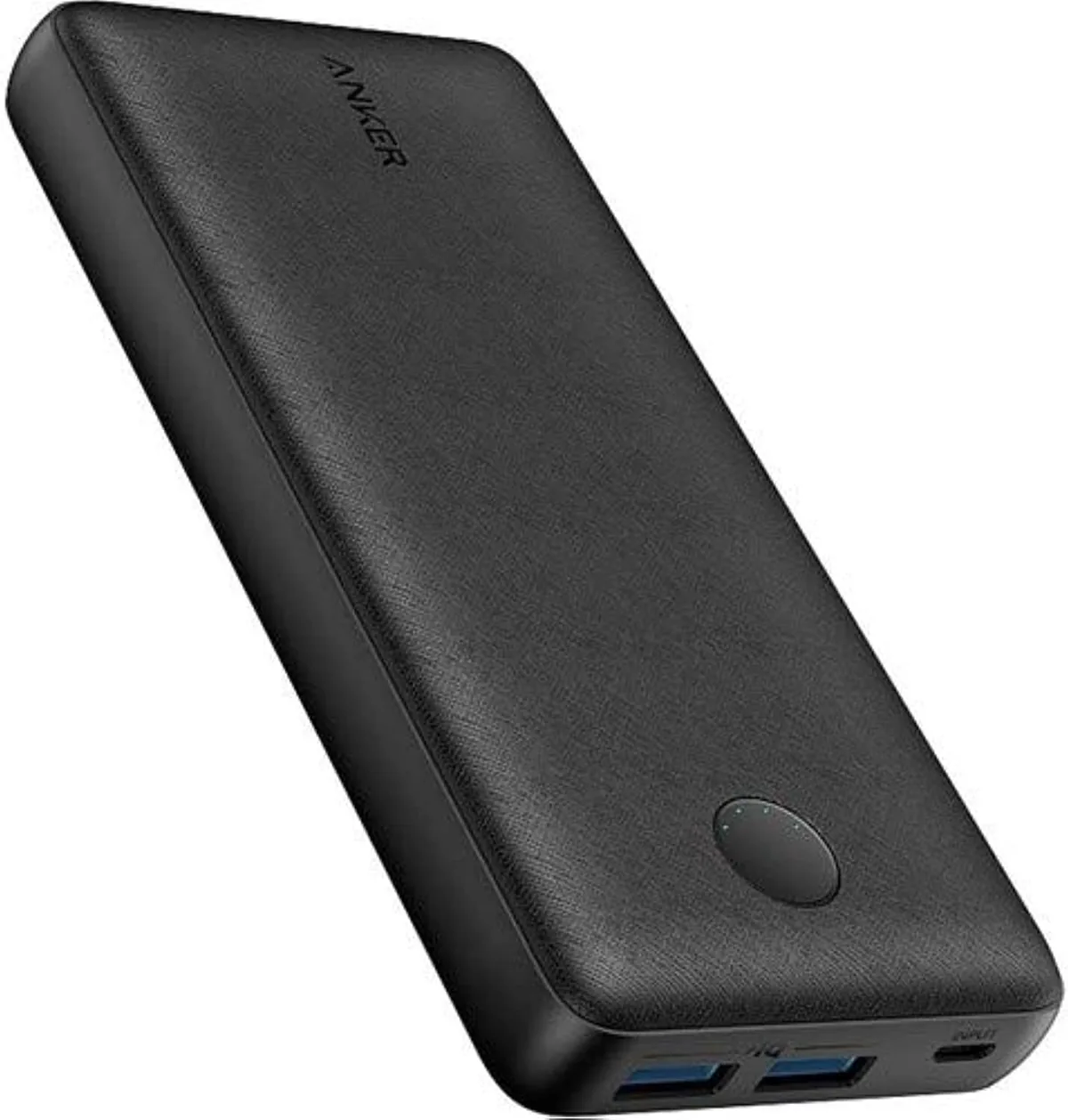
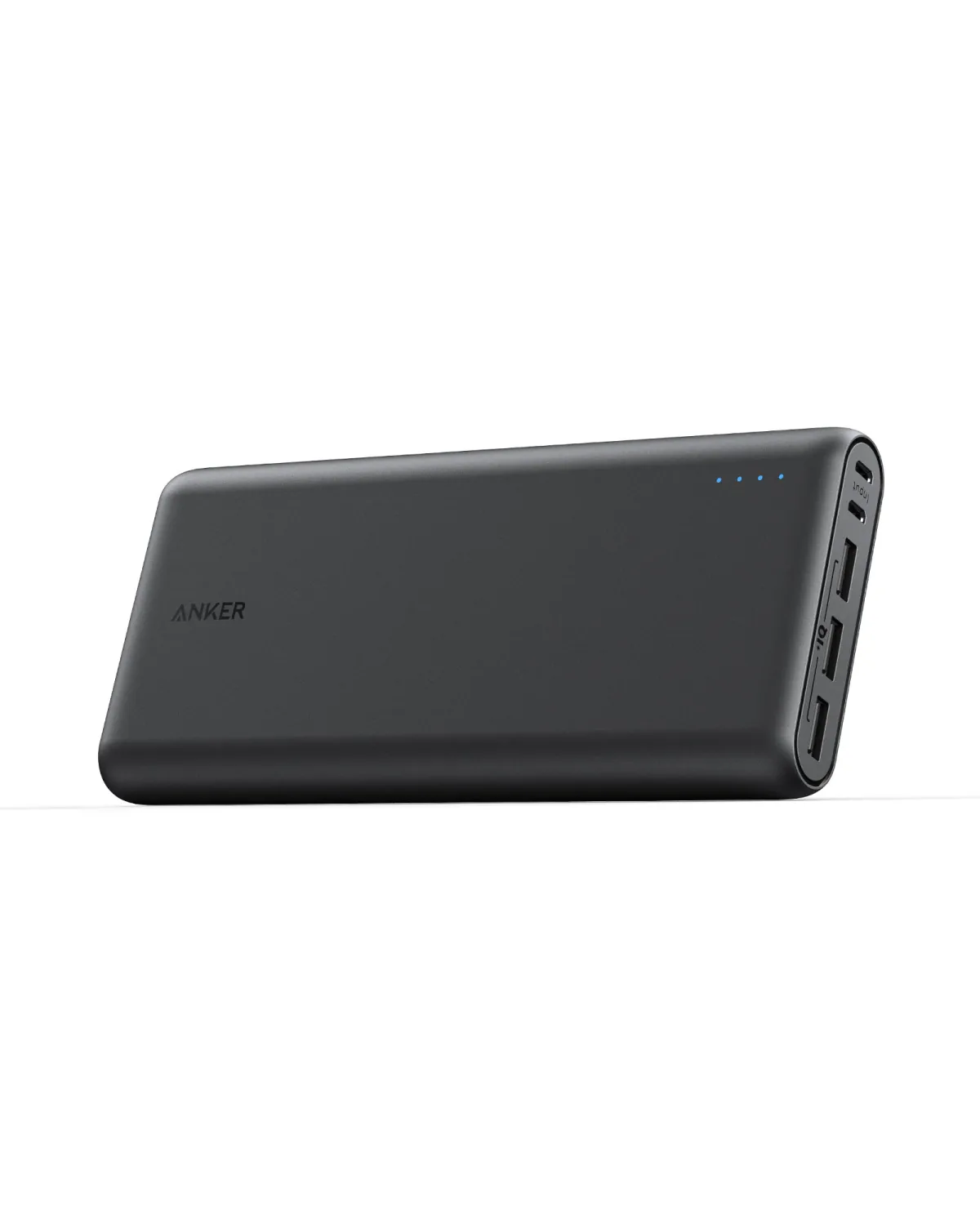
ModelAnker PowerCore 10000 (A1263) — classic Micro-USB / USB-A pocket pack
Capacity (cell)10,000mAh / 36Wh cells — 10,000mAh × 3.6V nominal = 36Wh (Anker); usable at USB is lower
Usable Energy (CairoVolt measured)31.2Wh at moderate 5V/2A USB-A discharge (primary figure — do not conflate with ~53% @ 2.4A independent benches)
Max Output12W USB-A (5V/2.4A, PowerIQ) — no 9V rail, no PD, no PPS
Ports1× USB-A (output) + 1× Micro-USB (input) — no USB-C on either side
Input / RechargeMicro-USB 5V/2A (10W); Anker 6–7h; CairoVolt measured ~7h — overnight only
Fast ChargingPowerIQ at 5V only — Samsung SFC / SuperVOOC / VOOC / USB-C PD all fall back to ~10W
Weight / Dimensions182g bench (Anker 180g) · 92.4 × 60.8 × 22.6 mm caliper (Anker 92 × 60 × 22 mm)
Airline (EgyptAir class)36Wh << 100Wh — cabin carry-on OK on EgyptAir / Nile Air / Air Cairo / Saudia / Emirates / Flydubai / Turkish / Qatar; never checked; no in-flight use on Emirates/Flydubai
Vs Anker A1260 (PowerCore II 20000)A1263 = 31.2Wh / 182g / single 12W USB-A / Micro-USB in / HAS US recall window. A1260 = 61.4Wh / ~372g / asymmetric 18W+12W USB-A / Micro-USB in / NOT recalled. Pick A1260 for multi-person Samsung days; pick A1263 only for true pocket carry AFTER serial check.
Vs Anker Zolo A110DSame ~31Wh usable class, opposite modernity: A110D = 31.1Wh + 22.5W USB-C + built-in cable + ~3h recharge + NOT recalled. A1263 = 31.2Wh + 12W USB-A + Micro-USB + ~7h recharge + model-level recall history. Prefer A110D unless you specifically need the classic A1263 form factor and have verified the serial.
Vs Joyroom JR-T012JR-T012 = 30.8Wh usable, dual USB-A ~10.5W shared, Type-C + Micro inputs, usually cheaper, no Anker 5-year warranty, no A1263 CPSC recall. A1263 wins brand/warranty/PowerIQ only after serial clearance — not on ports or speed.
Recall Status (re-verified 2026-07-24)MODEL RECALLED for US-manufactured units Jan 2016 – Oct 2019 (CPSC June 2025). Serial check: https://www.anker.com/a1263-recall · also anker.com/product-recalls. CairoVolt sample CV-PB-A1263-001 is post-recall-window manufacture — still verify every unit. CairoVolt replacement/refund guarantee covers any A1263 we sold.
Safety / WarrantyManufacturer-listed MultiProtect does NOT cancel the CPSC recall notice. Anker 5-year warranty (anker.com) + CairoVolt store warranty layered on top; recall remedy path via Anker serial portal + CairoVolt support with photos/serial.

Bench-tested at CairoVolt

A real hands-on measurement — tap to show the verdict and numbers.

The verdict

Recall first: the model-level US CPSC June 2025 recall still stands for Jan 2016 – Oct 2019 US units — verify every serial at anker.com/a1263-recall; CairoVolt replaces/refunds any unit. Our post-window sample delivered 31.2Wh usable (86.7%) at 5V/2A — about one 5,000mAh phone day. Micro-USB ~7h recharge, no PD.

How we tested it

Per Bench Test Protocol (power banks) with the recall honesty and Wh physics cross-checks. (1) SAFETY GATE: photographed model A1263 + manufacturing date; confirmed sample is post-recall-window; logged serial-check URL https://www.anker.com/a1263-recall for buyer replication. Re-verified recall pages on 2026-07-24. (2) Fully charged over Micro-USB from a 5V/2A brick, rested 20 minutes. (3) Full discharge through USB-A into JUWEI electronic load at moderate constant 5V/2A while FNIRSI FNB58 logged cumulative V·A·W·Wh → PRIMARY usable energy 31.2Wh. (4) math: cell Wh = 10,000mAh × 3.6V ÷ 1000 = 36Wh; efficiency = 31.2 ÷ 36 = 86.7%; 5V-referred mAh ≈ 31.2Wh ÷ 5V = 6,240mAh. (5) LOAD-DEPENDENCE NOTE (not our second primary): Packstack + TechGearLab independent benches ~53% recovery / 5,273 mAh at heavier 2.4A — we publish that as corroboration of Anker's device-/load-dependent claim, not as a conflicting CairoVolt Wh. (6) Real-device charge count into Samsung Galaxy A15 (5000mAh / 19.25Wh cell) → 1.43 charges; physical per-charge draw 21.8Wh (31.2 ÷ 1.43). (7) Peak USB-A PowerIQ wattage logged (11.2W at 5.15V/2.18A) — no 9V PD advertisement. (8) Self-recharge timed ~7h on 5V/2A Micro-USB. Weight (Kkmoon 0.01g) and dimensions (Mitutoyo). (9) Sibling honesty cross-check against same-lab figures: A1260 = 61.4Wh / NOT recalled; A110D = 31.1Wh USB-C / NOT recalled; JR-T012 = 30.8Wh dual-A. Phone counts marked "est." use 31.2 ÷ (device Wh × ~1.10) unless labelled measured. Single post-window unit; do not treat as a clean bill for every A1263 in the wild.

Equipment: FNIRSI FNB58 (fw v1.3) (Cumulative V·A·W·Wh·mAh logging + 5V-only handshake check) · JUWEI 35W USB electronic load (Constant-current discharge (5V/2A) for primary usable-Wh) · Kkmoon 500g/0.01g scale (Unit weight) · Mitutoyo 150mm caliper (Dimensions (3-point)) · Samsung Galaxy A15 (SM-A155F) (Measured charge-count reference (5000mAh / 19.25Wh)) · Anker 5V/2A Micro-USB wall brick (Self-recharge timing source (Anker-spec path))
MetricRatedMeasured
Recall status (re-verified 2026-07-24)Serial check https://www.anker.com/a1263-recall — CairoVolt replaces/refunds any unit soldCPSC June 2025 — US units Jan 2016 – Oct 2019MODEL recalled (windowed); sample post-window
Sample manufacturing windowCV-PB-A1263-001 retail stock — post-window ≠ model cleared for all units—OUTSIDE Jan 2016 – Oct 2019 US recall window
Rated cell capacity10,000mAh × 3.6V ÷ 1000 = 36Wh (Anker nominal)10,000mAh / 36Wh—
Usable energy — 2A load (PRIMARY)FNB58 cumulative @ 5V/2A after full charge + 20 min rest — sole CairoVolt primary Wh—31.2 Wh
Efficiency — 2A load (ours)31.2 ÷ 36; within the expected 80–90% band—86.7%
5V-referred capacity31.2Wh ÷ 5V — explains why “10,000mAh” ≠ 10,000mAh at USB 5V—~6,240 mAh at 5V
Efficiency — 2.4A (Packstack + TechGearLab)Independent — normal high-current loss; NOT a second CairoVolt primary Wh—~53% (5,273 mAh recovered)
Peak USB-A outputPowerIQ — no PD, no 9V rail on FNB5812W (5V/2.4A)11.2W (5.15V/2.18A)
Galaxy A15 (5000mAh) — measured31.2 ÷ 21.8 Wh per charge (physical test)phone: 25W PPS (falls back to 5V/2A)1.43 charges
iPhone 15 (12.99Wh) — est. from 31.2Wh31.2 ÷ (12.99 × 1.10); needs USB-A→Lightning or A→C cable—~2.18 charges
Redmi 13C (5000mAh) — est.~31.2 Wh ÷ ~22 Wh per chargephone: 18W PD (falls back to 5V/2A)~1.40 charges
Infinix Smart 8 (5000mAh) — est.No protocol headroom lost — full native speedphone: 10W native (best A1263 match)~1.40 charges
Realme C55 (5000mAh) — est.Slow (~3h full) — SuperVOOC does not activate on USB-Aphone: 33W SuperVOOC (falls back to 5V/2A)~1.40 charges
Oppo A38 (5000mAh) — est.Falls back to 5V/2A cleanlyphone: 33W SuperVOOC / 13.5W PD~1.39 charges
Tecno Spark 20 (5000mAh) — est.phone: 18W Ultra Charge (falls back to 5V/2A)~1.40 charges
iPhone 8 / SE (small battery) — est.Source of the “2+ charges” box claim — old ~3000mAh phones, not today’s 5000mAh Egypt phonesphone: 5V/2A basic~4 charges (Anker classic marketing figure)
12h delivery-shift energy budgetOne mid-shift top-up; >14h needs 20K-class (A1260 / A110E)—~23–29Wh phone draw vs 31.2Wh pack
Airline Wh vs EgyptAir 100Wh ruleNever checked baggage; Emirates/Flydubai: no in-flight use36Wh36Wh label << 100Wh — cabin OK
Weight (bench-measured)Only 9g heavier than an iPhone 15 (171g)180g182g
Dimensions (bench-measured)Anker tagline: “smaller than a deck of cards”92×60×22mm92.4×60.8×22.6mm
Recharge time (5V/2A Micro-USB)Micro-USB modernity limit — A110D USB-C ~3h for same Wh classAnker: 6–7 hours~7 hours
Vs A1260 / A110D / JR-T012 (same-lab Wh)Feature gaps: A1260 doubles energy + QC18W + NOT recalled; A110D adds USB-C 22.5W + cable + NOT recalled; JR-T012 dual-A + dual input, usually cheaper, no A1263 recall—A1263 31.2Wh · A1260 61.4Wh · A110D 31.1Wh · JR-T012 30.8Wh

✅ Strengths (measured)

  • 31.2Wh measured usable at 86.7% (5V/2A) — coherent with 36Wh cells; Galaxy A15 measured 1.43 charges
  • Genuinely pocket-sized — 92×61×22mm, 182g (9g over iPhone 15); fits jeans front pocket
  • 36Wh << 100Wh — EgyptAir-class cabin carry-on free; covers one 12h Talabat shift mid-top-up
  • CairoVolt replacement/refund guarantee on ANY A1263 sold — layered on Anker 5-year warranty
  • Sample honesty: CV-PB-A1263-001 manufacturing date verified outside the US recall window (still serial-check every unit)

⚠️ Limitations (measured)

  • US CPSC June 2025 recall covers ~1.16M US-manufactured A1263 units Jan 2016 – Oct 2019 (fire hazard). Check https://www.anker.com/a1263-recall. Post-window sample ≠ silent clean bill for the model.
  • No USB-C — Micro-USB input ~7h vs ~3h for A110D USB-C 20W; incompatible with USB-C-only wall chargers without an adapter cable
  • No PD / PPS / QC 9V — Samsung 25W SFC, SuperVOOC, VOOC fall back to ~10W (~3h for 5000mAh). A1260 Port 1 (18W QC) and A110D (22.5W USB-C) are the speed upgrades
  • “2+ charges” box marketing is iPhone 8-era math. Today’s 5000mAh Egyptian phones ≈ 1.4 charges from 31.2Wh
  • Vs JR-T012 / Xiaomi / Baseus on Egypt shelf: competitors add USB-C or dual-A at often lower price — A1263’s edge is brand + 5-year warranty + PowerIQ, never “recall-free” messaging
  • Single unit tested — batches vary. 86.7% applies to moderate 2A; heavier 2.4A yields less per Packstack/TechGearLab.

Sample: CV-PB-A1263-001 · One retail-stock unit · manufacturing date verified OUTSIDE the US CPSC Jan 2016 – Oct 2019 recall window · CairoVolt lab · ambient 27.4–28.1°C · recall status re-verified 2026-07-24 at anker.com/a1263-recall + anker.com/product-recalls + cpsc.gov · single unit; production batches may vary — every sold unit still requires serial check

Tested: 4 March 2026 · By: Eng. Omar Khaled — Lead Technician

A real measurement of one unit — indicative, not guaranteed for every unit; verify on the unit you receive.