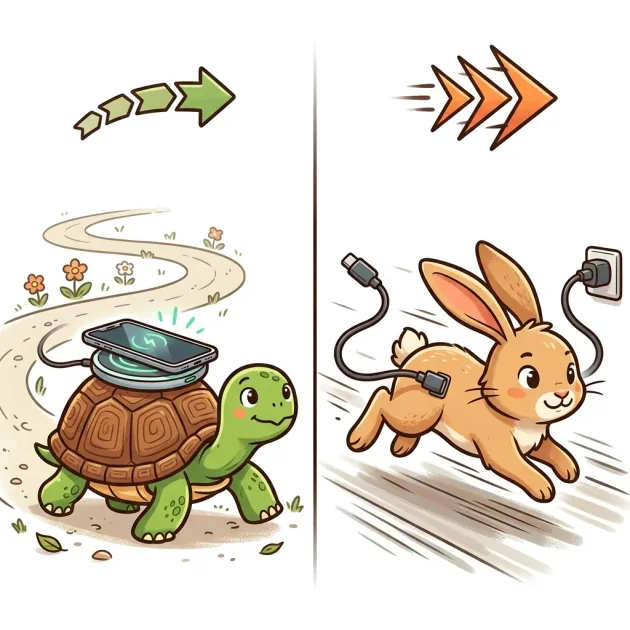
Why is Wireless Charging Slower Than Wired — And Will Qi2 Fix It?
Does your phone charge painfully slow and heat up on a wireless pad? Let's break down the electromagnetics of induction and see how the Qi2 standard fixes it.
Bottom Line: Wireless charging is slower than wired due to the low energy transfer efficiency of electromagnetic induction, which loses 30% to 40% of input power as heat. The new Qi2 standard resolves this using the Magnetic Power Profile (MPP)—a ring of magnets that aligns the copper coils perfectly down to the millimeter. This increases efficiency, lowers heat, and enables sustained 15W fast charging on both Android and iOS devices.
You place your iPhone or Samsung on the sleek wireless charger pad on your desk, leave it for an hour, and walk away for a meeting. When you return, expecting a fully charged device, you get a nasty surprise: the battery has barely increased by 20%, and the phone is hot enough to fry an egg. You immediately ask yourself: why is wireless charging so slow and hot compared to a simple Type-C cable? What is the physics behind this energy loss? More importantly, what is the new **Qi2** wireless charging standard, and will it finally allow us to ditch charging cables in Egypt? As an electronics engineer, I will explain the electromagnetics of wireless charging and where the technology is heading.
1. The Physics of Wireless Charging: Induction & Energy Losses
As an engineering professor, let's look inside the copper charging coils. Wireless charging relies on a fundamental physics principle discovered by Michael Faraday: **Electromagnetic Induction**. Here is how the process works:
- The wireless charging pad passes an alternating current through an internal transmitter coil, creating a fluctuating magnetic field around it.
- Your phone contains a receiver coil located beneath its glass back. When placed on the pad, the magnetic field passes through the phone's coil, inducing an electrical current.
- The phone's internal power IC regulates this induced current to charge the lithium battery.
The main bottleneck here is **coupling efficiency**. In wired charging, copper makes direct contact with copper, resulting in transmission efficiencies of 95% or higher. In wireless charging, power must travel through air, glass, and plastic, dropping the coupling efficiency to **60% to 70%** under ideal conditions.
This means that 30% to 40% of the electrical energy drawn from the wall is lost in transit. By the law of conservation of energy, this lost electricity is converted entirely into **thermal energy (heat)**, warming up both the charging pad and your phone's battery.
This process of wireless energy transmission is heavily dependent on several factors: the distance between the two coils, the alignment of their centers, and the materials separating them. Even a minor gap, such as a thick plastic case or a metal credit card in a phone wallet, can severely disrupt the magnetic flux, causing the efficiency to nose-dive. When efficiency drops, the excess electrical current that cannot be successfully induced into the phone’s receiver coil has to go somewhere. It gets dissipated entirely as heat, rising the operating temperature of both the phone and the charger itself.
The Alignment Problem and Thermal Throttling
The induced magnetic field is strongest at the exact center of the coil. If your phone is misaligned by even a few millimeters, the coupling efficiency drops below 40%, generating massive amounts of heat. Once the battery temperature exceeds 40°C or 45°C, the phone's CPU triggers **thermal throttling**. The device commands the charging pad to drop power output from 15W to 5W or 2.5W to cool down. As a result, your phone sits on the charger for hours, generating heat but barely charging.
This thermal throttling also degrades overall system performance. The phone’s processor is forced to downclock (CPU throttling) to reduce internal heat generation, which is why your phone feels sluggish and laggy immediately after removing it from an uncertified wireless pad.
2. Wired 95% vs. Wireless 65%: The Efficiency Comparison
From an energy and environmental perspective, standard wireless charging is highly wasteful. While a wired USB-C charger draws 20W from the wall to deliver roughly 19W to the phone, a wireless charger draws the same 20W but delivers only 12W. The remaining 8W is lost as heat. Over months of daily use, this waste adds up. More importantly, this trapped thermal energy acts as a constant heat source cooking your phone's battery cells, accelerating capacity degradation far quicker than cool, wired charging methods.
The Negative Impact of Thermal Stress on Logic Board Components
Excessive heat doesn't just damage battery chemistry; its destructive impact spreads to all surrounding micro-electronics inside the phone. The logic board contains dense arrays of integrated circuits (ICs) and processors covered in shielding and thermal adhesives. Subjecting the phone to temperatures exceeding 40°C daily dries out the thermal paste and causes micro-expansion and contraction in solder joints (micro-soldering joints). Over time, this thermal stress can lead to sudden component failures in the Wi-Fi card, display controller, or cause the device to fail completely. Wired charging keeps these delicate joints cool, preserving the structural integrity of your phone's motherboard.
3. Enter Qi2: How Magnetic Alignment Solves the Problem
In late 2023, the Wireless Power Consortium (WPC) announced the release of the **Qi2** standard. Developed in partnership with Apple, Qi2 adopts Apple's MagSafe magnetic ring configuration as the foundation for a new global standard for all smartphones, including Android.
The core innovation in Qi2 is the **Magnetic Power Profile (MPP)**. By integrating a ring of strong magnets around the charging coil, Qi2 delivers key engineering benefits:
- 🎯 Perfect Alignment: When you bring the phone close to a Qi2 charger, the magnets snap the device into the perfect physical position, aligning the transmitter and receiver coils. This eliminates manual positioning errors.
- ⚡ Increased Efficiency: Perfect coil alignment keeps coupling efficiency at its peak (around 80% to 85%), minimizing heat generation.
- ❄️ Sustained Fast Charging: Lower operating temperatures prevent thermal throttling, allowing the charger to sustain its full **15W fast charging** speed throughout the cycle.
Engineering Innovations in Qi2 Coil Design and Passive Graphene Cooling
The Qi2 standard mandates that manufacturers use premium materials in their coils. Qi2 charging coils are constructed from oxygen-free, high-conductivity copper to reduce the internal resistance of the coil itself. They are also layered with thin graphene sheets or aluminum heat sinks to dissipate heat quickly into the ambient air. This advanced thermal engineering, combined with tiny silent cooling fans in high-output chargers, ensures that operating temperatures remain low even in peak Egyptian summers, bringing wireless charging closer than ever to the speed and efficiency of traditional wired cables.
4. Compatibility and Availability in Egypt
All Apple iPhones starting with the iPhone 13, 14, 15, and 16 series support Qi2 with the latest iOS updates. Android manufacturers are adopting the standard, integrating magnetic rings directly into their premium devices. For older Android phones, using a MagSafe-compatible magnetic case helps align the phone on Qi2 chargers, reducing heat and improving efficiency even if the phone charges at a standard speed.
Furthermore, magnetic integration opens up a vast ecosystem of accessories, such as snap-on card wallets, magnetic kickstands, and dashboard car mounts that hold your phone firmly while charging it securely over bumpy Egyptian roads.
The Importance of WPC Certification and Safety Standards (EMI Testing)
For a manufacturer to display the official Qi2 logo on their product packaging, the charger must undergo rigorous testing in laboratories certified by the Wireless Power Consortium (WPC). These tests verify the electromagnetic interference (EMI) levels, ensuring that the charger does not interfere with cellular network reception or nearby Wi-Fi signals. They also guarantee stable current delivery under varying environmental conditions. Choosing a WPC-certified Qi2 charger protects your phone's internal power ICs from voltage spikes and irregular currents common in cheap, uncertified chargers sold in local markets.
5. Choosing a Certified Wireless Charger
To protect your device, avoid cheap, unbranded wireless charging pads. We recommend certified options from reputable brands:
- 🧊 Anker 3-in-1 Cube with MagSafe: A space-saving desktop station that charges three devices at once, with manufacturer-listed thermal management.
- 🔋 Joyroom Magnetic Chargers: Like the Joyroom Magnetic Wireless Power Bank, or the desktop-friendly Joyroom 3-in-1 Wireless Charging Station to organize your workspace efficiently.
- 🚗 Anker A2216 Magnetic Car Charger: If you spend long hours behind the wheel, the Anker Magnetic Wireless Car Charger (1,200 EGP) combines a firm magnetic mount with wireless charging on the road, plus a detachable pad that keeps charging your phone even outside the car.
6. Verdict and Final Advice
Standard wireless charging is slower and runs hotter due to electromagnetic losses and misalignment. For the best cable-free experience, transitioning to **Qi2** or using certified MagSafe chargers is the only engineering-sound way to minimize heat and protect your phone's battery health.
If you prefer the speed and zero-loss efficiency of wired charging, check out our guide on the differences between data cables and charge-only cables to ensure you are getting the fastest possible wired speeds.

CairoVolt Editorial Team
Content team reviewing specifications and buying guides
The CairoVolt team reviews model numbers, specifications, and compatibility, and updates information when better data is available. Estimates are labeled as calculations, and readers can report information that needs correction.
Frequently Asked Questions
Does wireless charging damage phone battery health over time?▼
What is Qi2 and how does it differ from older Qi wireless charging?▼
Can I charge wirelessly with a thick protective case on my phone?▼
Why does my wireless charging speed drop significantly after a few minutes?▼
Ready to Buy?
Browse available products and review specifications and CairoVolt warranty terms before ordering
Related products
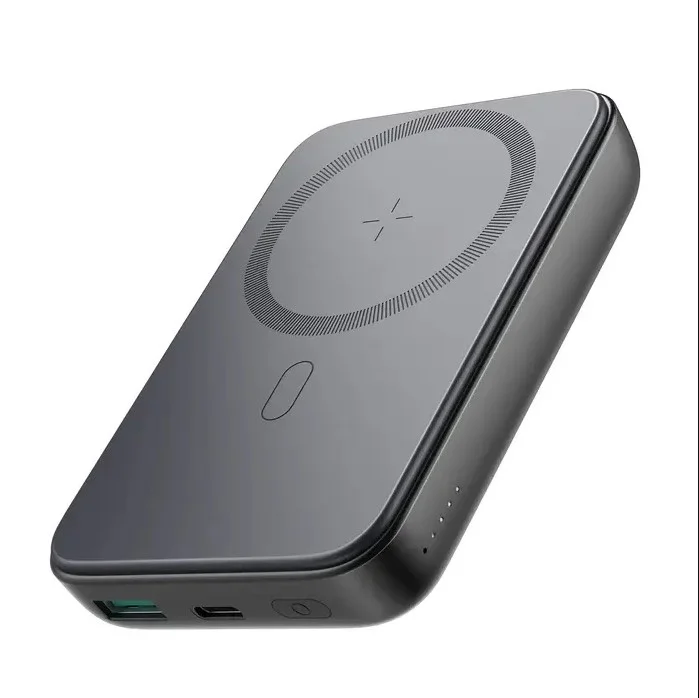
Joyroom MagSafe Power Bank 10000mAh | 15W Wireless + 20W Wired | Kickstand
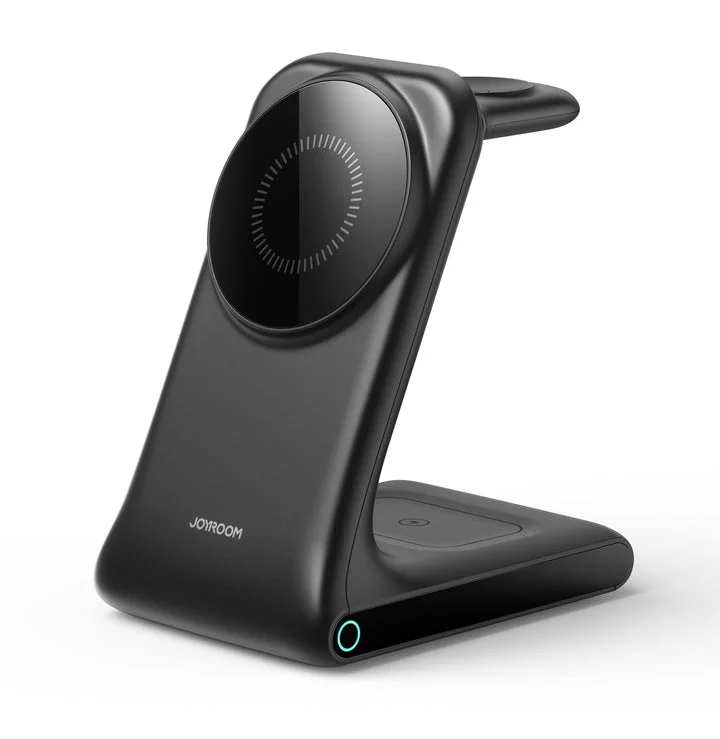
Joyroom 3-in-1 MagSafe Station | iPhone 17 + Apple Watch + AirPods | 15W | Aluminum
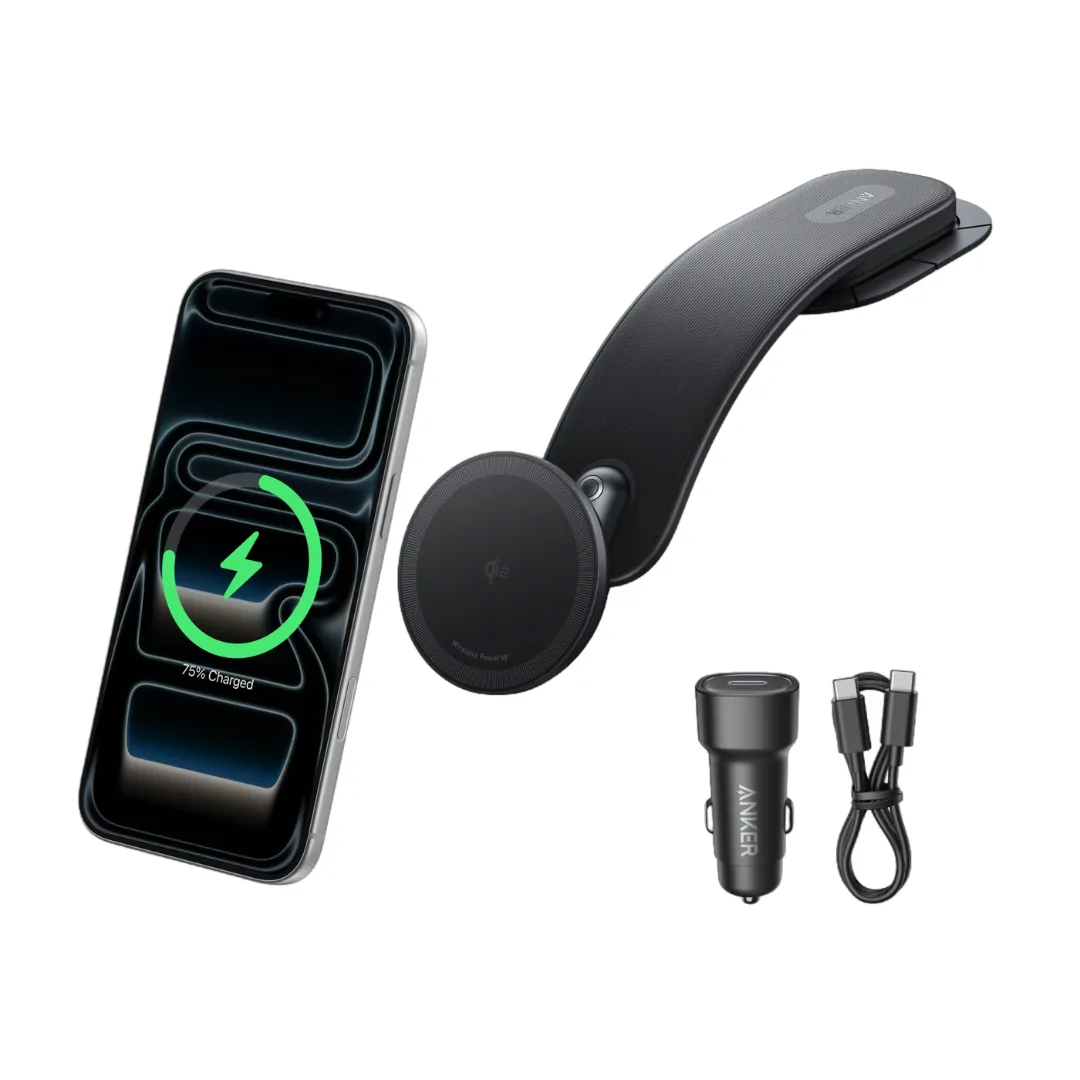
Anker Nano Magnetic Wireless Car Charger (A2216) | Qi2 15W | 14N Bendable Dashboard Mount
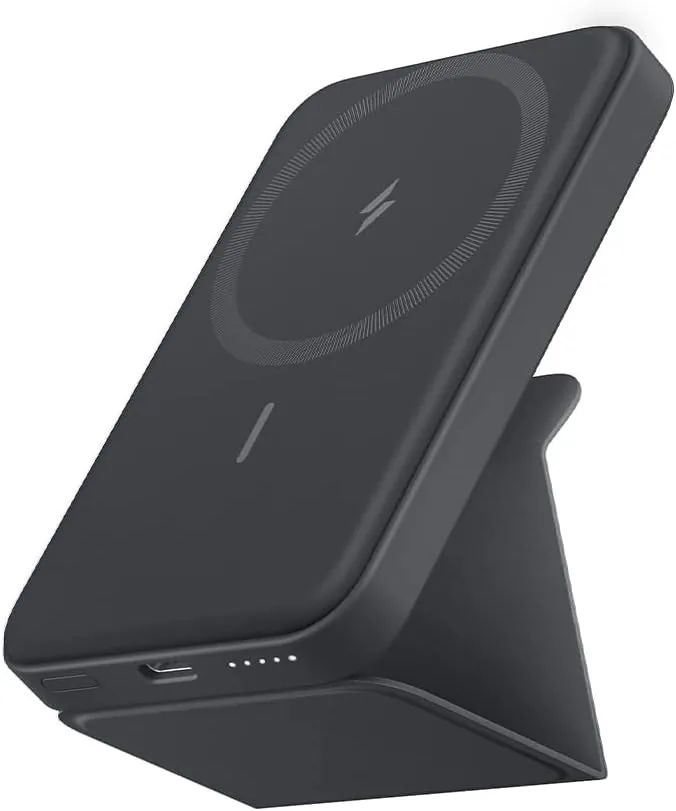
Anker 622 Magnetic Battery (MagGo) | MagSafe | Foldable Stand
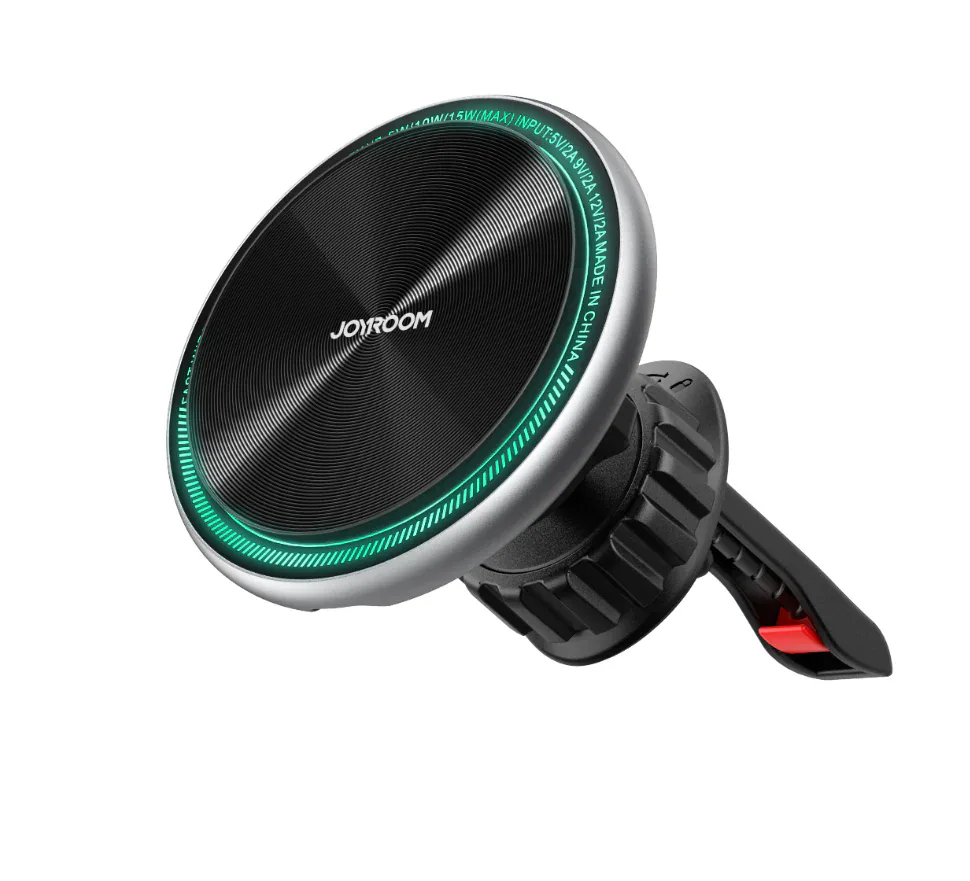
Joyroom Magnetic Car Mount ZS290 | N52 Magnets | MagSafe | 360°
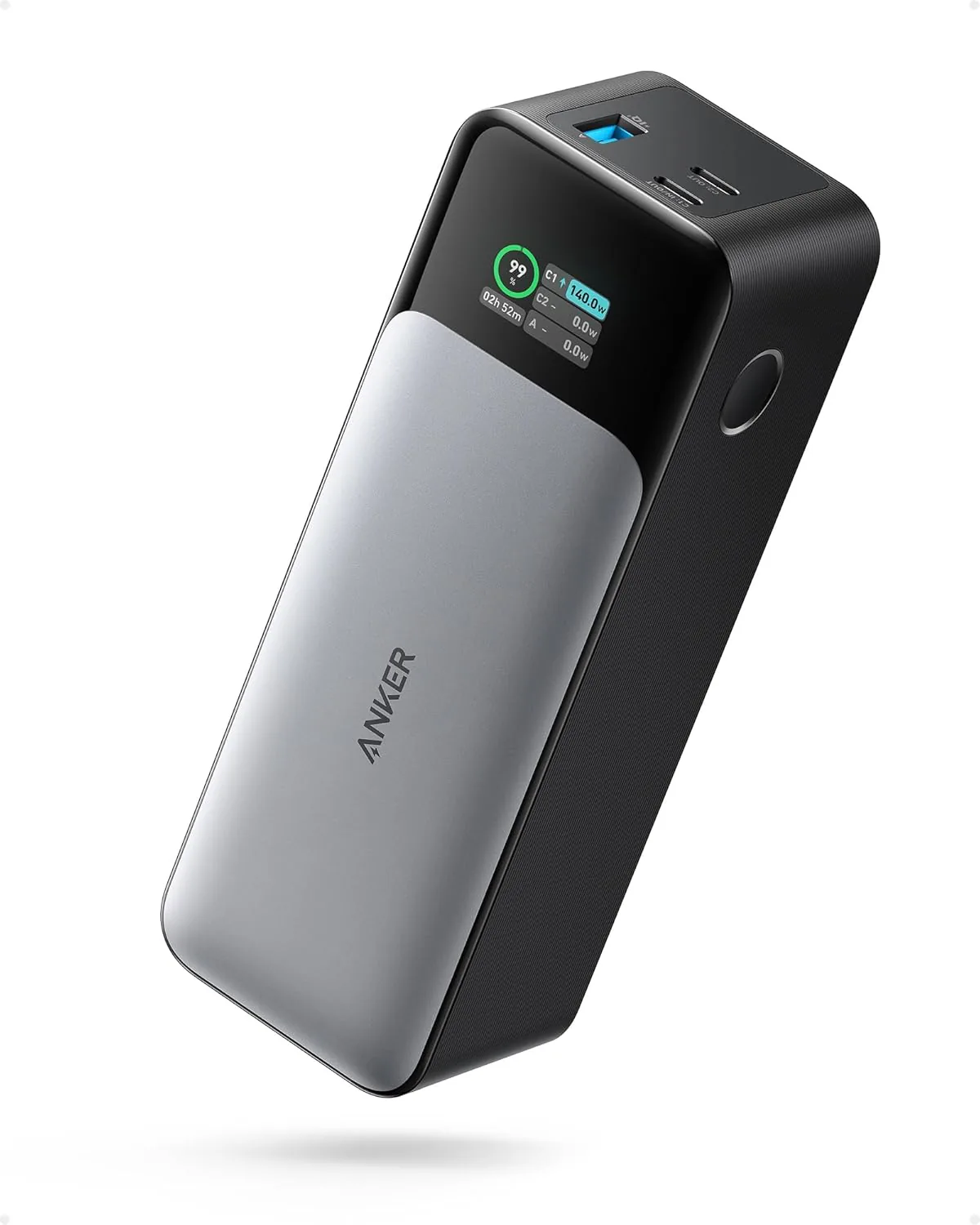
Anker 737 Power Bank (PowerCore 24K, A1289011) | Listed 140W PD 3.1 | 24,000mAh