Portable Power Station for Apartments — The Smart Solution to Summer Blackouts in Egypt
Struggling with summer electricity cuts and remote work? Here is the complete engineering guide to using silent, safe portable power stations in Egyptian apartments.
TL;DR: A portable power station is a battery-powered, emission-free silent generator that converts DC battery power into pure sine wave 220V AC household electricity. For typical Egyptian apartments, a station like the Anker 521 PowerHouse (256Wh / 200W) is ideal to run a Wi-Fi router, laptop, standing fan, and LED lighting for 3 to 4 hours during load-shedding periods safely and silently.
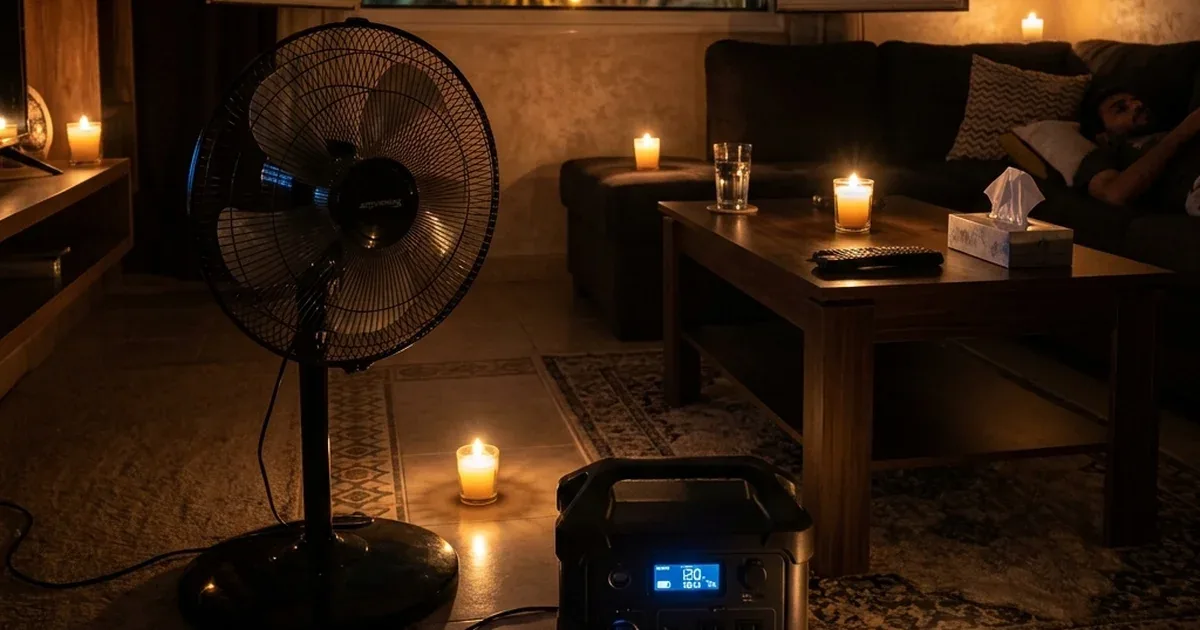
In the middle of August in Egypt, at 2 PM, the electricity cuts out without warning. The air conditioning and fans fall silent, and your search for a cool breeze on the balcony begins. But the real disaster hits if you work from home (Remote Work) and have a critical Zoom meeting or software code delivery due, only to see your laptop battery warning flashing red. Running a noisy, smelly diesel generator is impossible in an apartment in Sheraton, Heliopolis, or New Cairo. Your neighbors will complain about the noise, and the fumes are toxic in a small balcony space. You need a silent, clean, and safe backup solution.
This is where a **Portable Power Station** comes in. It is not just a large power bank; it is a completely silent generator powered by advanced batteries, offering standard 220V AC wall outlets to run a standing fan, laptop, monitor, and Wi-Fi router simultaneously. As an electronics engineer, I will explain how to choose the right power station for your apartment in Egypt and how to calculate the power capacity you need to survive summer outages safely.
1. What is a Portable Power Station? (The Engineering Blueprint)
As an engineering professor, let's break down this device. A portable power station is an all-in-one energy storage system housed in a compact, portable box. Internally, it consists of four primary components working in harmony:
- 🔋 Battery Pack: The core energy reservoir. In modern, premium stations, this is made from **LiFePO4 (Lithium Iron Phosphate)** cells for maximum safety and longevity.
- 🧠 Battery Management System (BMS): The smart circuit board that monitors each cell, protecting the station from over-charging, overheating, and short circuits.
- 🔌 Inverter: The brain that converts the stored DC power from the battery into 220V AC household electricity, matching the wall outlets in Egypt.
- ⚡ Charge Controller: Regulates the incoming power when charging the station from a wall socket, car charger, or solar panels.
The Role of Smart LCD Displays in Power Management
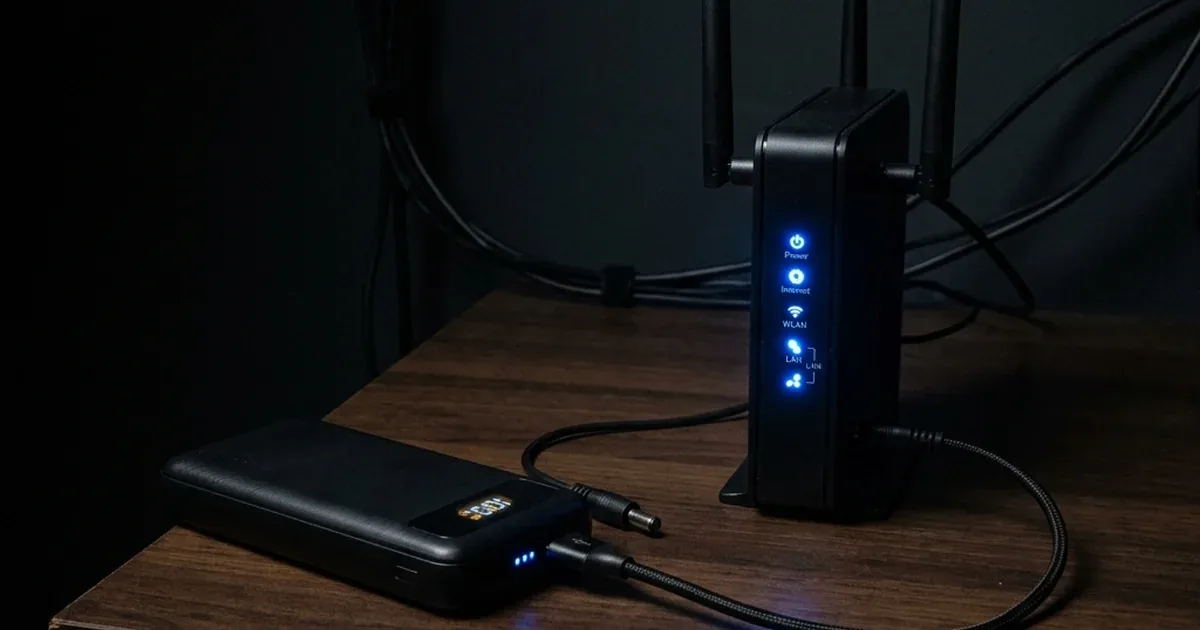
One of the key features distinguishing a portable power station from a basic power bank is the integration of an intelligent LCD display. Unlike simple LED battery indicators, a smart display provides precise real-time engineering metrics, including: input charging power in Watts, active output draw in Watts from all connected appliances, and the exact remaining runtime in hours and minutes based on current consumption.
This detailed feedback allows you to manage your available energy resources strategically. For instance, if the display indicates that the remaining runtime is 2 hours but the blackout is scheduled for 3 hours, you can lower your standing fan's speed setting to reduce its draw from 60W to 30W. The onboard computer instantly recalculates and increases the remaining runtime to 4 hours, giving you total control and visibility over your backup power during emergencies without guesswork.
The Crucial Need for Pure Sine Wave Inverters
When shopping, you will find cheap, unbranded power stations as well as premium models from trusted brands like Anker. The difference lies in the type of inverter. Cheap stations use modified sine wave inverters, which output electricity in blocky, choppy steps. This choppy current causes a loud, annoying buzzing noise in standing fans, makes LED bulbs flicker, and can overheat and ruin smart chargers and laptop power bricks over time.
On the other hand, premium power stations use pure sine wave inverters, which output a smooth, clean wave identical to grid utility power. Electric fans run quietly and smoothly, and sensitive electronics operate at 100% efficiency and safety, without any risk of damage.
2. How to Calculate Your Power Requirements (Watts vs. Watt-Hours)
Before purchasing a unit, it is crucial to understand the difference between two key specifications to avoid buying a unit that is either too small for your needs or unnecessarily expensive:
- ⚡ Output Capacity in Watts (W): This is the maximum continuous load the station can power at any single moment. For example, a 200W station can easily run a fan (50W), a laptop (60W), and a router (10W) since the total load is 120W (well below 200W). However, it cannot run a 1500W electric kettle; the station will automatically shut down to protect its circuits.
- 🔋 Storage Capacity in Watt-Hours (Wh): This represents the actual battery capacity—how many hours it can run your devices. The formula is simple:
Real-World Example for a 3-Hour Blackout in Egypt:
Let's assume you need to power the following essentials during a load-shedding cut:
- Wi-Fi Router: **10 Watts**
- Work Laptop: **60 Watts**
- Standing Fan: **50 Watts**
- LED Desk Lamp: **15 Watts**
- Total Continuous Load = 10 + 60 + 50 + 15 = **135 Watts**
If you use a **256Wh** power station (like the Anker PowerHouse 521):
This unit will cover you for about an hour and a half. If your blackouts last two to three hours and you want a comfortable safety margin, a **512Wh** station is a much better choice, offering over 3 hours of continuous runtime for these devices, ensuring you can complete your work, maintain proper ventilation, and keep your lights on without sudden service interruptions.
Advanced Alternative: Using a Type-C PD Decoy Trigger
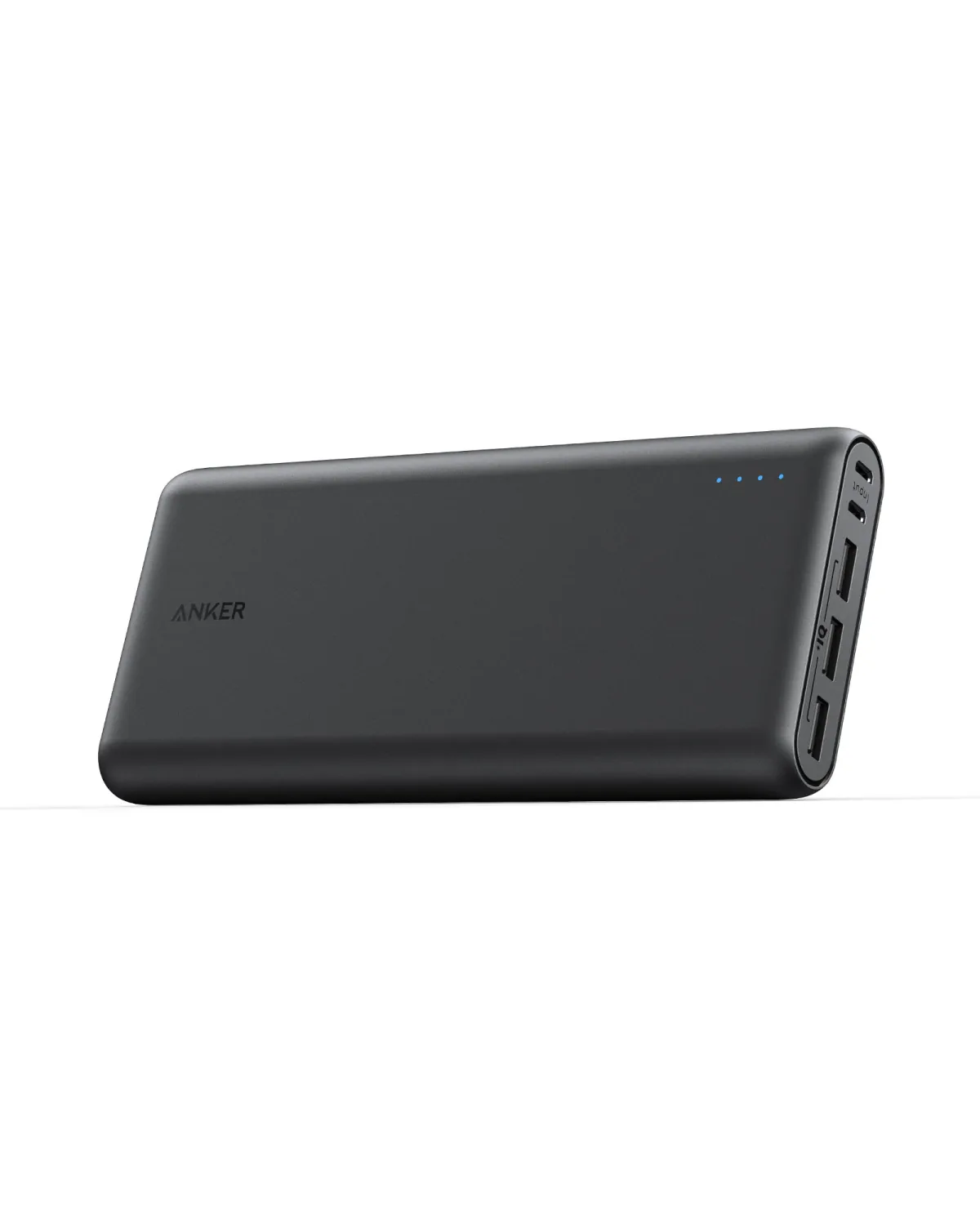
For users who own modern power banks that support USB Power Delivery (PD), such as the Anker 737 Power Bank, there is an even more efficient approach: the **USB-C PD Decoy/Trigger Cable**. This specialized cable houses a tiny chip that communicates directly with the power bank's PD controller, requesting it to output 12V directly from the Type-C port.
Because the conversion happens inside the power bank's high-efficiency internal circuitry, it eliminates the need for an external boost converter in the cable. This yields efficiency ratings exceeding 95%, adding up to two additional hours of runtime from the same battery capacity while maintaining 100% electrical stability.
3. Why Portable Power Stations Outperform Diesel Generators for Apartments
Traditional diesel or petrol generators are great for outdoor construction or street shops, but they are a nightmare for residential apartment buildings. Here is why battery-powered stations are the superior choice:
- 🔇 100% Silent Operation: The station runs silently on batteries. The only moving part is a small internal cooling fan that is barely audible, keeping your apartment quiet and peaceful.
- 🌱 No Fumes or Odors: There are no toxic exhaust gases, carbon monoxide, or gasoline smells. You can place the unit directly inside your bedroom or living room next to your desk with complete safety.
- 🔌 Seamless UPS Functionality: High-end stations (like Anker PowerHouse units) support pass-through charging with a rapid switchover time under 20 milliseconds. If you plug the station into the wall and your computer into the station, the PC won't turn off when the grid fails, protecting your unsaved work.
4. The LiFePO4 Advantage: Why Cell Chemistry Matters
The battery chemistry dictates the lifespan and safety of the station. Older or cheaper units use standard Lithium-ion cells (similar to smartphone batteries). These cells have a shorter lifespan of around 500 charge cycles and start degrading after 2 years of frequent use, with higher risks of thermal runaway.
Modern premium stations use **LiFePO4** (Lithium Iron Phosphate) cells, which offer three critical advantages:
- 📅 10x Longevity: They handle over 3000 full charge-discharge cycles before losing 20% of their original capacity, translating to over 10 years of reliable daily use.
- 🛡️ Extreme Safety: LiFePO4 chemistry is highly stable and does not catch fire or explode even if punctured, making it perfect for indoor home backup.
- ⚡ Flat Discharge Curve: Provides consistent voltage output and power delivery even when the battery level drops below 20%.
5. Spotlighting the Anker PowerHouse 521 in Egypt
If you want a reliable, certified portable power station in Egypt backed by a local warranty, the Anker 521 PowerHouse is an excellent entry-point. Here are its engineering specs:
- 🔋 Capacity: 256Wh using premium LiFePO4 chemistry.
- ⚡ AC Continuous Output: 200W (with 300W surge capacity).
- 🔌 Available Outlets: 1x Pure Sine Wave AC outlet, 1x 12V car socket, 1x 60W USB-C PD port (powers laptops directly without their wall bricks), and 2x USB-A ports.
- 🛡️ Build Quality: Features a rugged, drop-proof design. If you need a secondary high-capacity power bank for mobile laptop charging, check out the Anker 737 Power Bank.
6. Verdict and Final Advice
A portable power station for your apartment is a smart, clean investment that ensures your work, study, and daily comfort are never interrupted by summer blackouts. Choosing a model with LiFePO4 chemistry and a pure sine wave inverter is key to protecting your expensive home appliances from damage.
If you are looking for a simpler backup option for your Wi-Fi router alone, check our guide on using a power bank as a router UPS to discover cost-effective home network setups in Egypt.

CairoVolt Editorial Team
Content team reviewing specifications and buying guides
The CairoVolt team reviews model numbers, specifications, and compatibility, and updates information when better data is available. Estimates are labeled as calculations, and readers can report information that needs correction.
Frequently Asked Questions
Can a portable power station run a refrigerator or air conditioner?▼
Why is a Pure Sine Wave inverter important in power stations?▼
What is the lifespan of a LiFePO4 battery in a power station?▼
How do you charge a portable power station during an extended blackout?▼
Ready to Buy?
Browse available products and review specifications and CairoVolt warranty terms before ordering
Related products
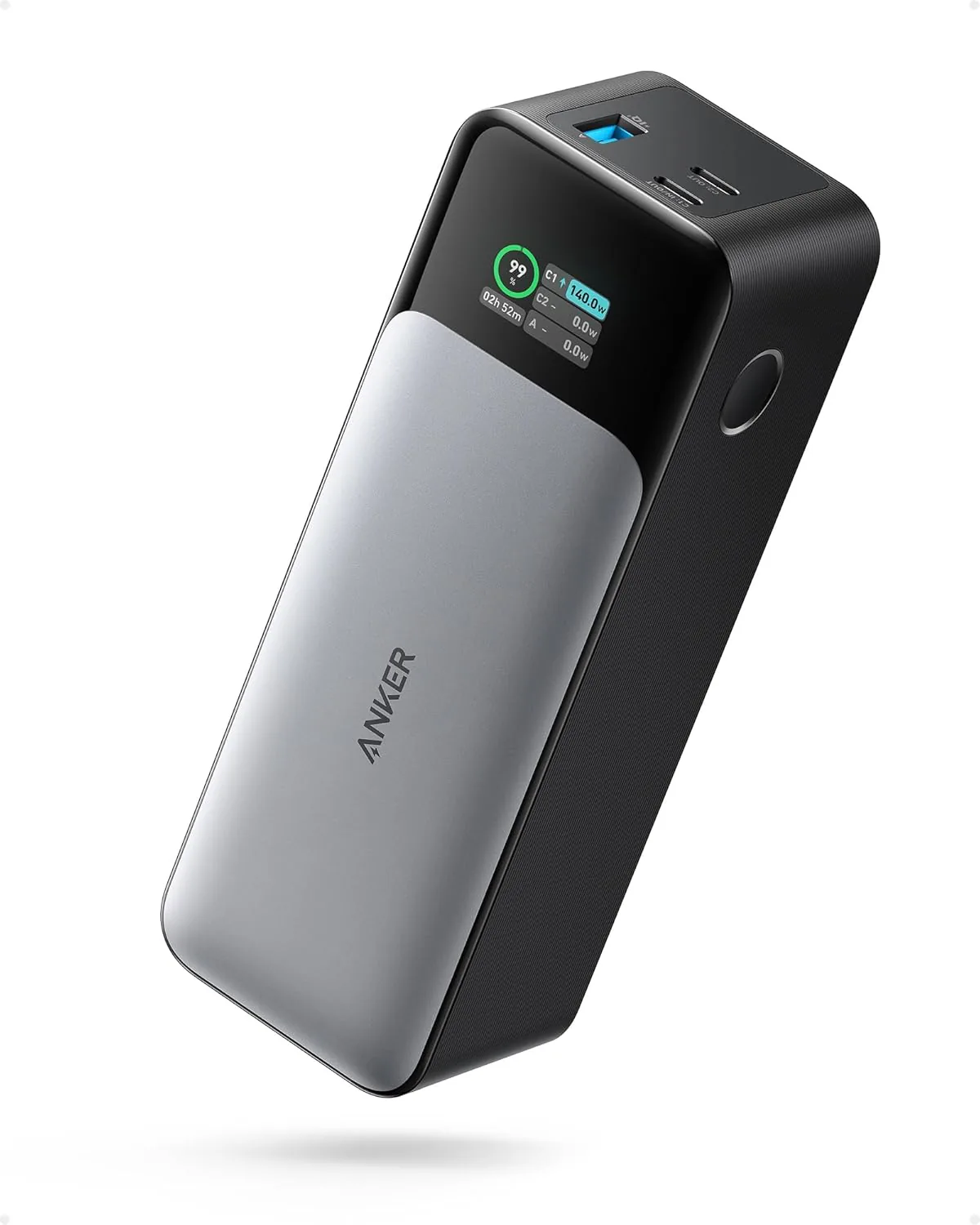
Anker 737 Power Bank (PowerCore 24K, A1289011) | Listed 140W PD 3.1 | 24,000mAh
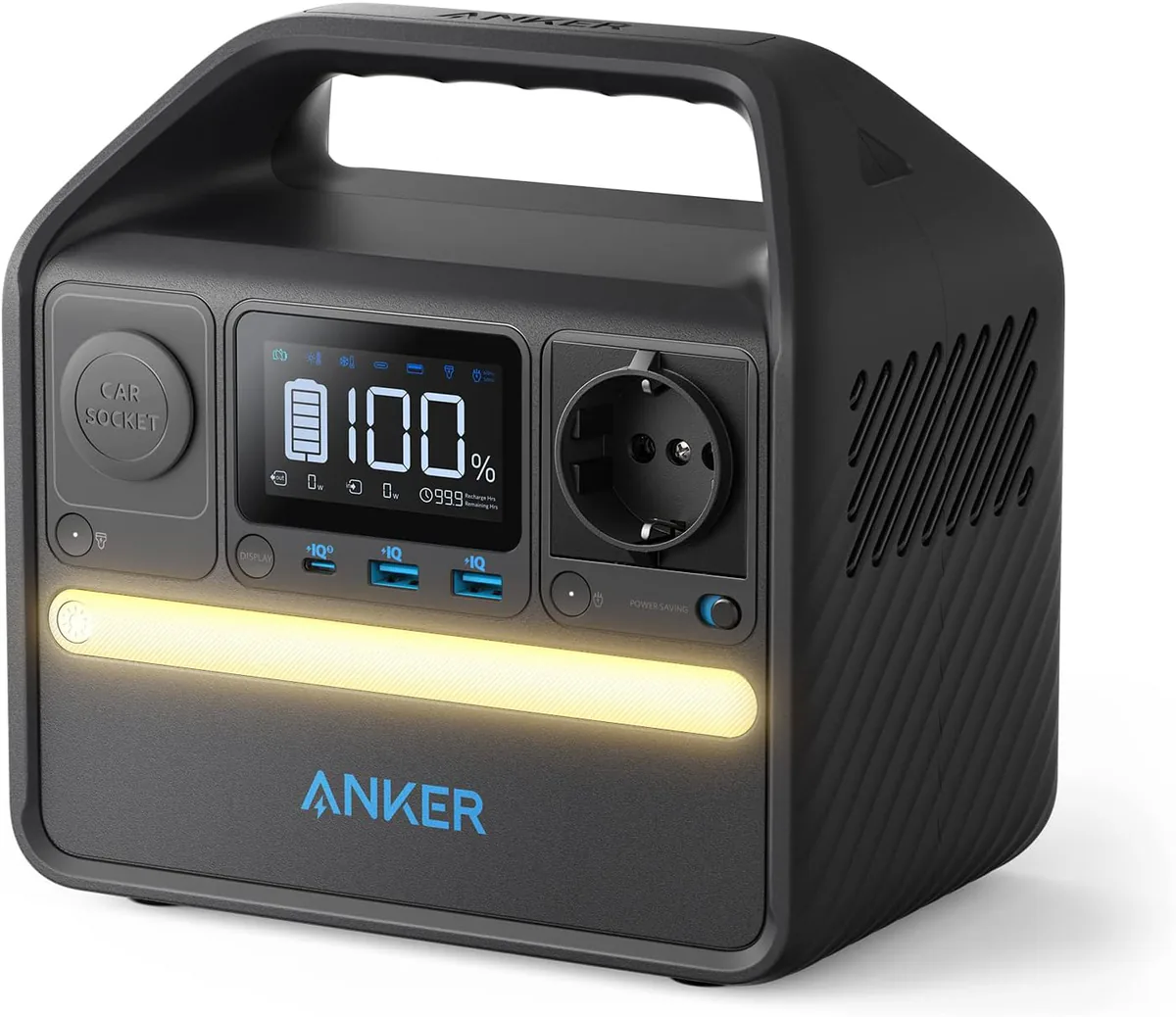
Anker 521 PowerHouse 256Wh | 200W AC Outlet | LiFePO4
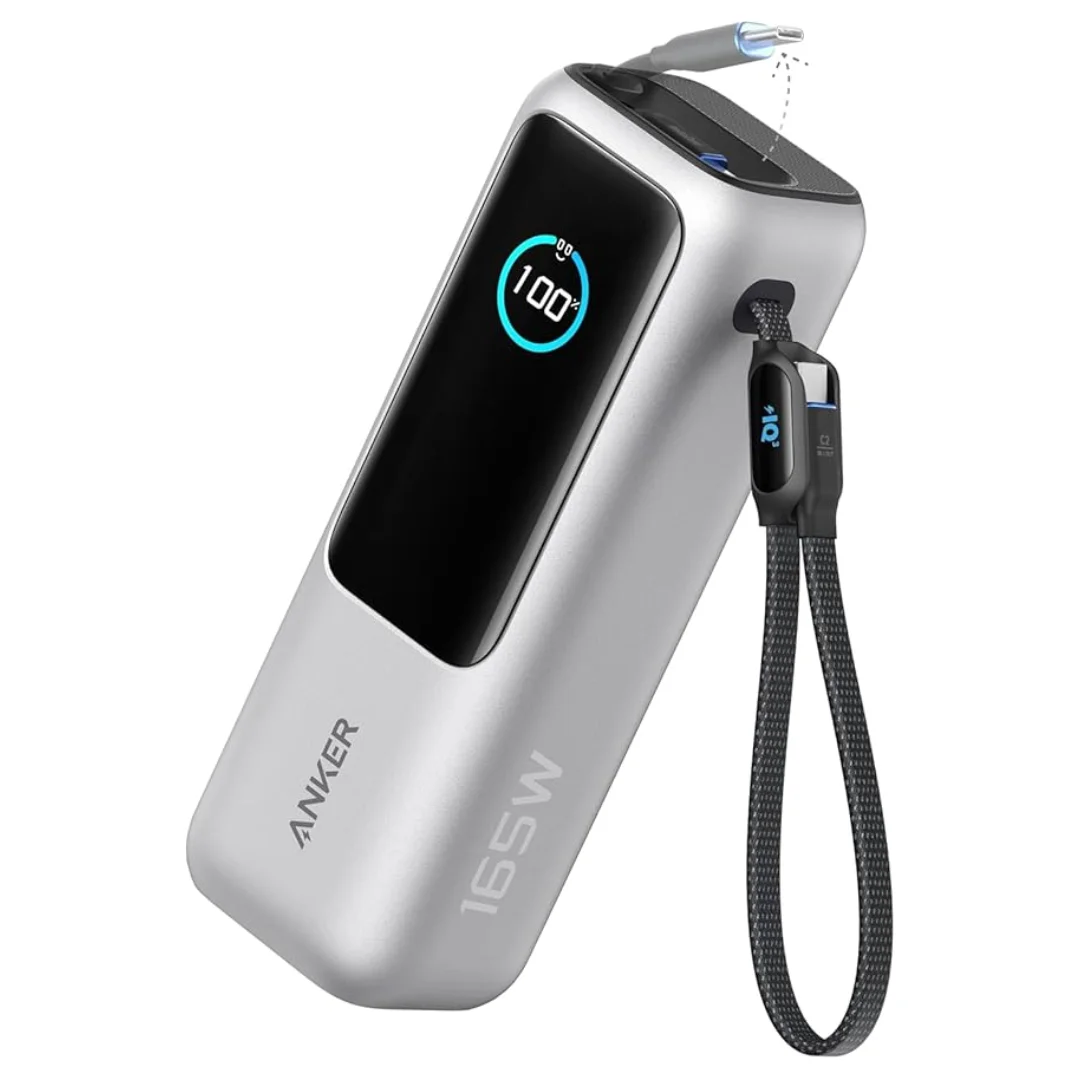
Anker Zolo Power Bank 25,000mAh 165W — Built-In Dual Cables | MacBook Charging
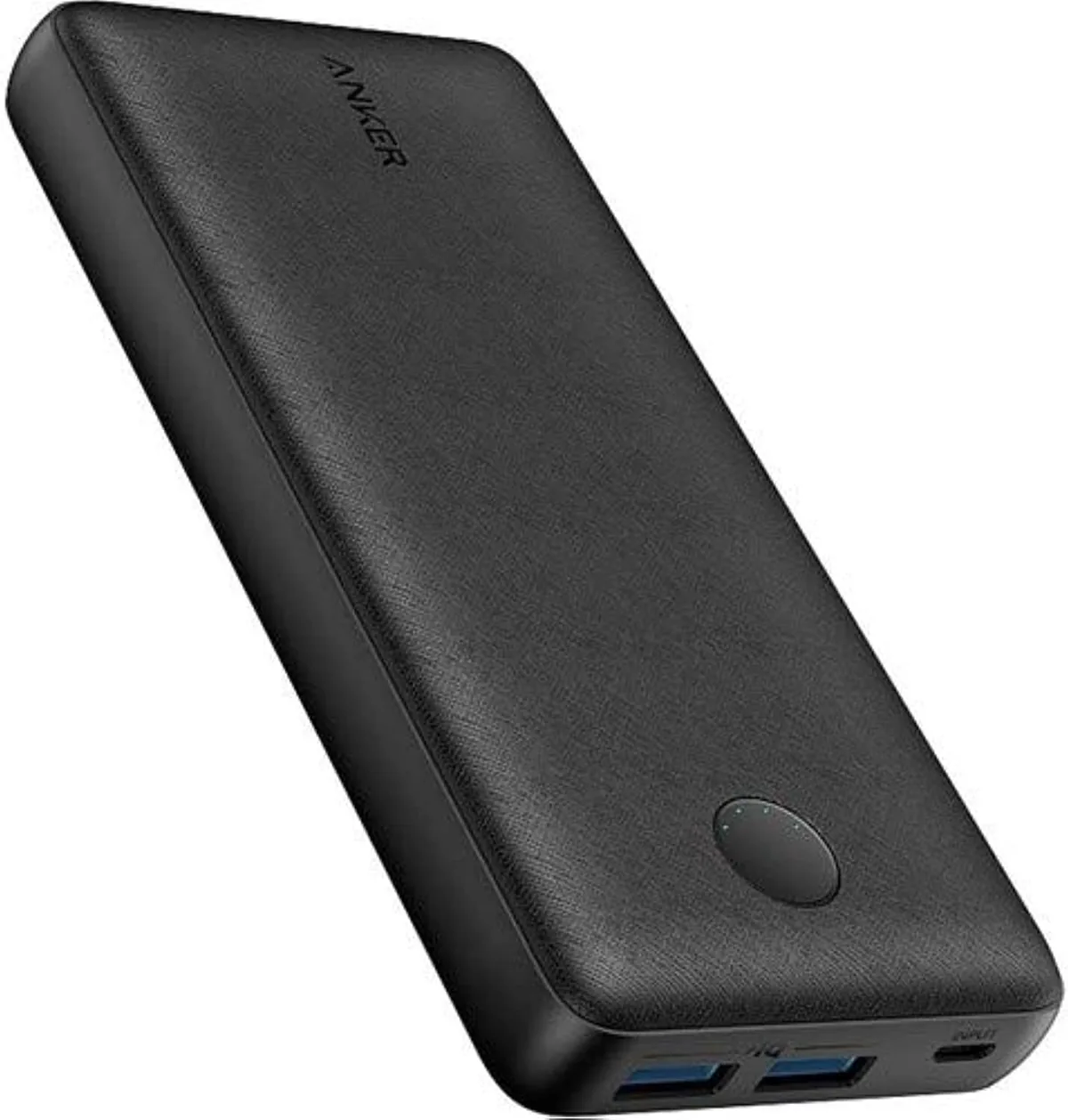
Anker PowerCore 20000mAh | 72Wh | Dual USB-A
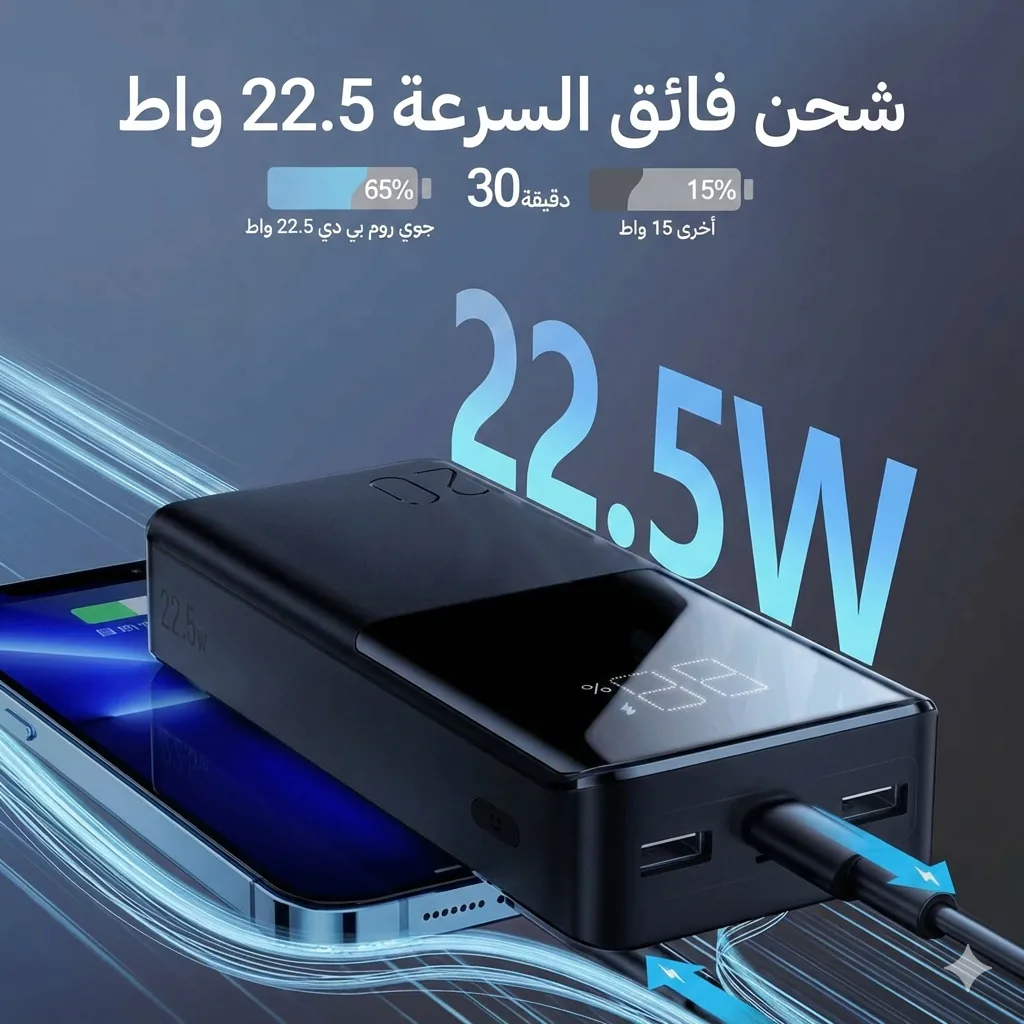
Joyroom 20000mAh Power Bank | 22.5W PD+QC | Triple Output