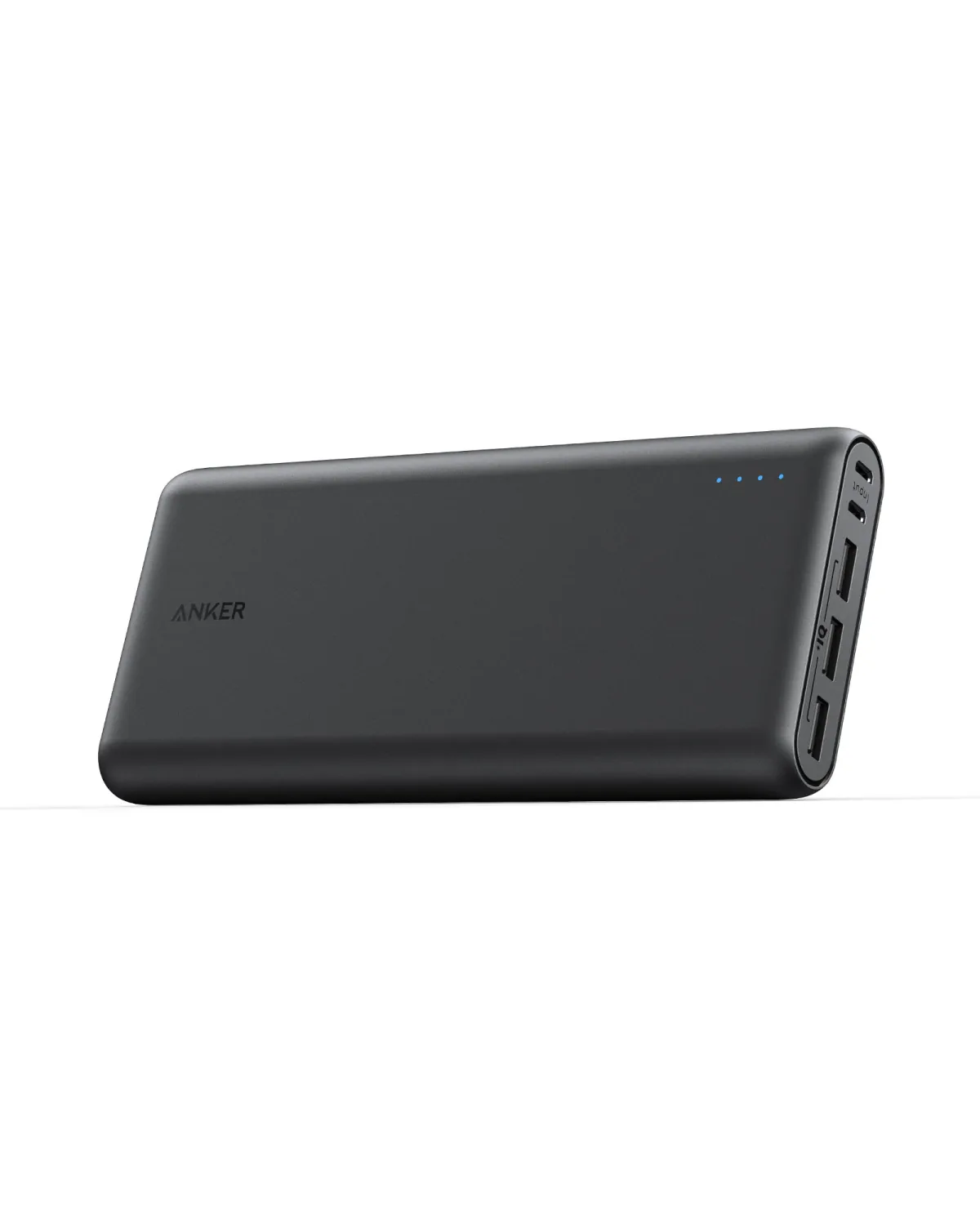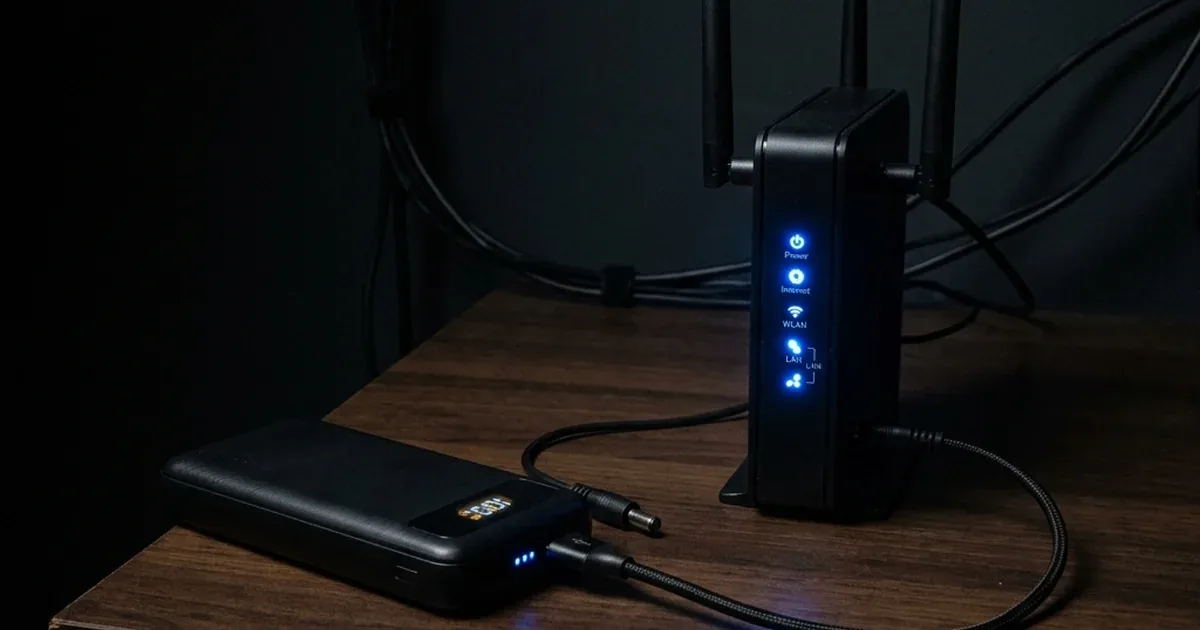

Power Bank for Portable Fridge on Road Trips — Capacity and Options Explained
Planning a road trip or camping and need to keep your car fridge running when the engine is off? Here is the engineering guide to choosing the right battery capacity.
TL;DR: To run a portable car fridge (12V), you cannot use a standard phone power bank. You need a Portable Power Station (like the Anker 521 PowerHouse) equipped with a dedicated 12V/10A DC cigarette lighter port. A compressor-based car fridge consumes an average of 15 to 20 Watts over time, allowing a 256Wh power station to run it for 10 to 15 hours continuously.
You are heading on a road trip with your friends or family to the North Coast (Sahel), or camping in Nabq Protectorate in Dahab, and you have a 12V portable car fridge to keep your sodas, water, and food cold on the way. The major problem starts when you park your car and turn off the engine to hit the beach or pitch your tent. If you leave the fridge plugged into the car's cigarette lighter socket while the engine is off, you will wake up to a dead car battery, leaving you stranded in the middle of nowhere looking for jumper cables! This raises the engineering question: Can you run a portable car fridge on a power bank or a portable power station? What capacity in Watt-hours do you need to keep it running for a full day? As an electronics engineer, I will calculate this using physics and share the secrets of running camping fridges efficiently.
1. How Do Portable Fridges Work? (Compressor vs. Thermoelectric Coolers)
As an electronics engineer, I must explain that the term "car fridge" refers to two entirely different technologies with different power consumption levels. Distinguishing between them will determine the success of your setup:
- ❄️ Compressor Fridges: These operate on the same principle as your home refrigerator, utilizing a miniature DC compressor and refrigerant. They can reach true freezing temperatures (down to -20°C) and feature smart engineering: the compressor runs until it reaches the set temperature, then shuts off completely, cycling back on only when the temp rises. This keeps the average power draw exceptionally low, between **10 to 20 Watts** per hour.
- 🔥 Thermoelectric Coolers: These rely on an electronic chip (Peltier element) to cool the air. While cheaper to buy, they are highly inefficient for camping. They cannot freeze food, only cooling about 15°C below the ambient temperature, and draw a continuous, non-stop load of **40 to 60 Watts** without cycling off.
If your fridge uses a compressor, you can easily power it with a portable battery for long periods. If it is thermoelectric, it will drain your battery backup in a few hours without providing sufficient cooling.
The Physics of DC Compressors and Refrigeration Cycles
Automotive DC compressor motors operate on 12V or 24V DC systems. Unlike AC household refrigerators, these compressors use integrated variable-frequency brushless DC motors (BLDC). This allows them to adjust their motor speed dynamically according to the cooling demand, ensuring extremely efficient cooling. However, they still require a quick spike of electrical current called LRA (Locked Rotor Amps) to initiate rotation and compress the refrigerant gas. If your power source cannot supply this instantaneous surge current, the system shuts down, which is why standard power banks fail to handle compressor starts.
2. The Engineering Calculation: Estimating Fridge Runtime
To calculate how many hours a fridge can run on a portable power station, let's look at a practical example using a 45W compressor car fridge plugged into an Anker PowerHouse 521, which has a capacity of **256Wh**.
Since the compressor does not run continuously, let's assume a typical duty cycle of 30% (running for 20 minutes out of every hour to maintain temperature in moderate weather). The average power consumption per hour is calculated as follows:
Accounting for the efficiency of the DC outlet on the power station (around 85% due to voltage conversion and line losses), the actual usable energy is:
Now, divide the usable energy by the average consumption per hour:
This means the power station will run your fridge for roughly **16 hours**. Note, however, that if the ambient temperature climbs to 40°C in the Egyptian summer sun, the compressor will run more frequently (up to a 60% duty cycle). This increases the average consumption to 27W, reducing runtime to about **8 hours**. Where you place the fridge makes a big difference to battery life.
The Impact of Thermal Insulation Dynamics on Battery Drain
Thermal insulation quality is the single most critical variable determining real-world energy consumption. In inexpensive portable coolers, manufacturers often use thin, low-density polyurethane foam walls (often under 2cm thick). This weak barrier allows ambient summer heat to seep in rapidly, forcing the compressor to cycle on constantly (climbing to a 50% or 60% duty cycle even in the shade). Premium fridges feature high-density insulation with walls up to 5cm thick, holding internal cold temperatures far longer. This reduces the compressor duty cycle to just 20%, doubling your battery backup life automatically.
Additionally, remember that the cooling fan for the condenser draws current too. Dust accumulation on ventilation vents restricts heat dissipation, forcing the compressor to work harder and run longer, which increases energy consumption by up to 15%. Regularly cleaning the ventilation ports with a soft brush or compressed air before trips ensures optimum efficiency.
3. Why Standard Phone Power Banks Won't Work
A standard phone power bank (even a large 20,000mAh model) is electrically incompatible with a car fridge for two main reasons:
- 🔌 Lack of the Correct Outlet: Car fridges require a circular 12V cigarette lighter plug. Standard power banks only feature USB ports.
- ⚡ Startup Surge Current: A compressor motor draws a high current spike (often over 4A at 12V) the instant it starts up. If you try to use a USB-to-12V boost cable with a standard power bank, its internal safety switch will detect this spike as a short circuit and cut the power immediately to protect itself.
DIY Lead-Acid Battery Setups vs. Portable Power Stations
Some campers and DIY enthusiasts in Egypt assemble custom power packs using traditional 12V lead-acid car batteries connected to an external 12V socket. While this is cheap, lead-acid batteries cannot handle deep discharge cycles. Discharging them below 50% capacity severely degrades their lifespan, reducing their longevity within a single season. They are also incredibly heavy (15-20kg) and carry risks of emitting corrosive gases during charging.
In contrast, modern portable power stations use advanced LiFePO4 batteries. These batteries can be fully discharged to 0% capacity without damage, weigh a fraction of lead-acid packs (3-4kg for 256Wh), and feature comprehensive digital telemetry and safety management systems. This makes them the cleaner, safer, and more convenient choice for road trips.
4. Practical Tips for Extending Battery Life While Camping
- 🧊 Pre-Cooling: Plug the fridge into a 220V wall socket at home to cool it down completely and chill your food and drinks *before* placing them in the car. This prevents the portable battery from wasting energy cooling warm items.
- 🌳 Keep It Cool: Always place the fridge in the shaded part of your vehicle or camp. The cooler the surrounding air, the less the compressor has to run.
- 🧥 Use a Transit Bag: Wrapping the fridge in a dedicated thermal protective cover or transit bag reduces ambient heat loss by up to 20%. This minimizes compressor run times and adds 3 to 4 hours of extra backup duration.
- ☀️ Go Solar: You can charge your power station (like the Anker 521) using portable solar panels during the day, running your fridge for free while replenishing the battery for overnight use.
Off-Grid Solar Charging Integration for Long Road Trips (MPPT Controllers)
If you plan a trip extending beyond two days in Dahab or Fayoum without access to utility grid power, solar integration is your ultimate solution. You can connect a portable 100W or 200W solar panel directly to your power station. The charging input on premium stations features a built-in Maximum Power Point Tracking (MPPT) solar charge controller, which actively tracks the optimal voltage and current from the sun to replenish the cells at maximum speed.
On a typical sunny day in Egypt, a 100W panel generates around 400 to 500Wh of clean energy over 5 peak hours. This is more than enough to run the fridge during the day and fully recharge the power station for overnight use, creating a 100% self-sufficient, silent, and endless off-grid power loop.
5. Verdict and Final Advice
Powering a compressor-based car fridge with a portable power station is the most reliable setup for road trips and camping in Egypt. It prevents your vehicle's battery from draining and keeps your food fresh and drinks cold, thanks to the regulated 12V DC output.
If you want to learn about using portable power stations for home backup during blackouts, read our detailed guide on portable power stations for apartments in Egypt to understand all the technical details and options.

CairoVolt Editorial Team
Content team reviewing specifications and buying guides
The CairoVolt team reviews model numbers, specifications, and compatibility, and updates information when better data is available. Estimates are labeled as calculations, and readers can report information that needs correction.
Frequently Asked Questions
Why can't I use a cheap USB-to-12V adapter with a standard phone power bank for my fridge?▼
What is the difference between a thermoelectric cooler and a compressor fridge?▼
Why does my car fridge turn off or show an error when the battery is still half full?▼
How can I maximize my battery backup runtime while camping?▼
Ready to Buy?
Browse available products and review specifications and CairoVolt warranty terms before ordering
Related products
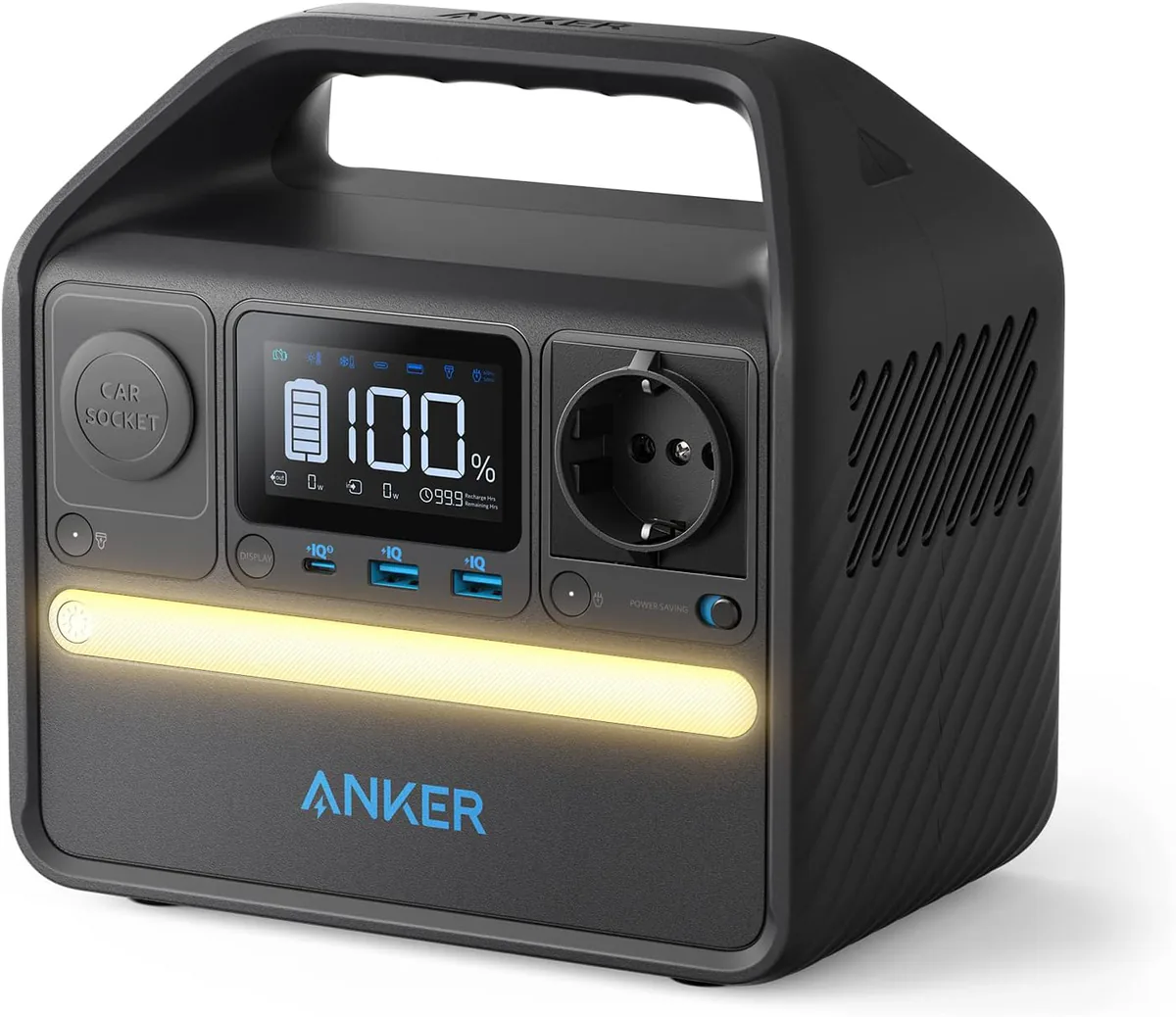
Anker 521 PowerHouse 256Wh | 200W AC Outlet | LiFePO4
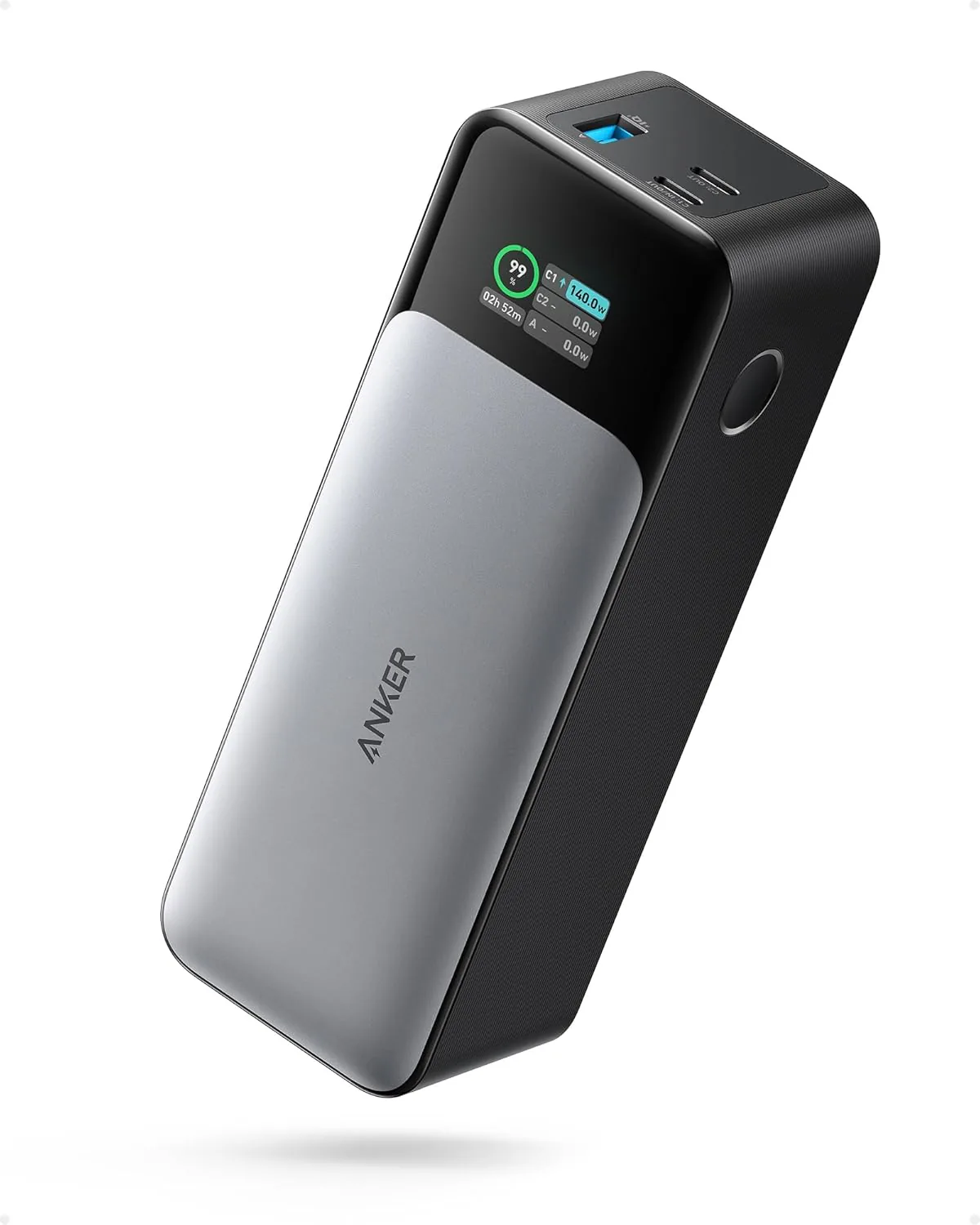
Anker 737 Power Bank (PowerCore 24K, A1289011) | Listed 140W PD 3.1 | 24,000mAh
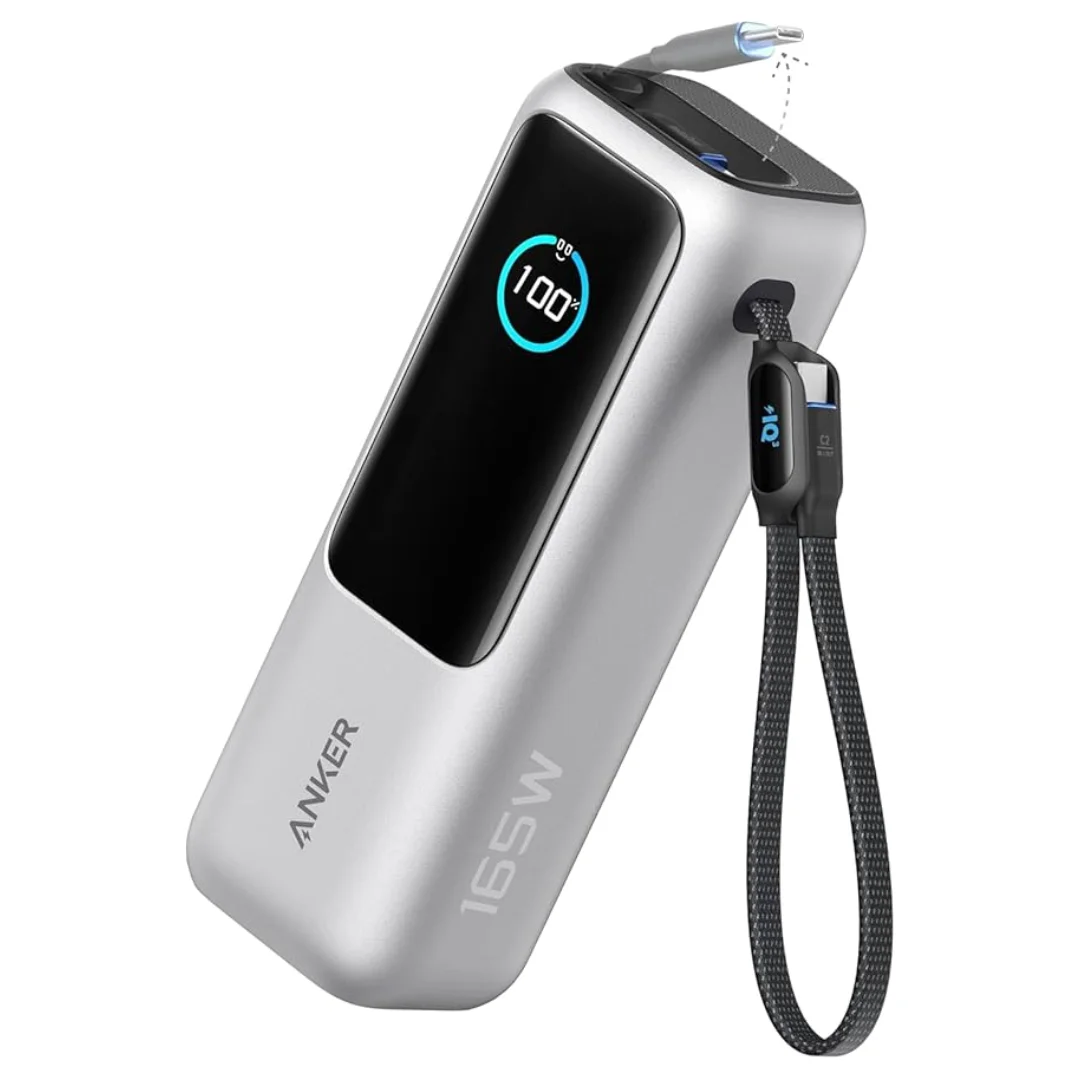
Anker Zolo Power Bank 25,000mAh 165W — Built-In Dual Cables | MacBook Charging
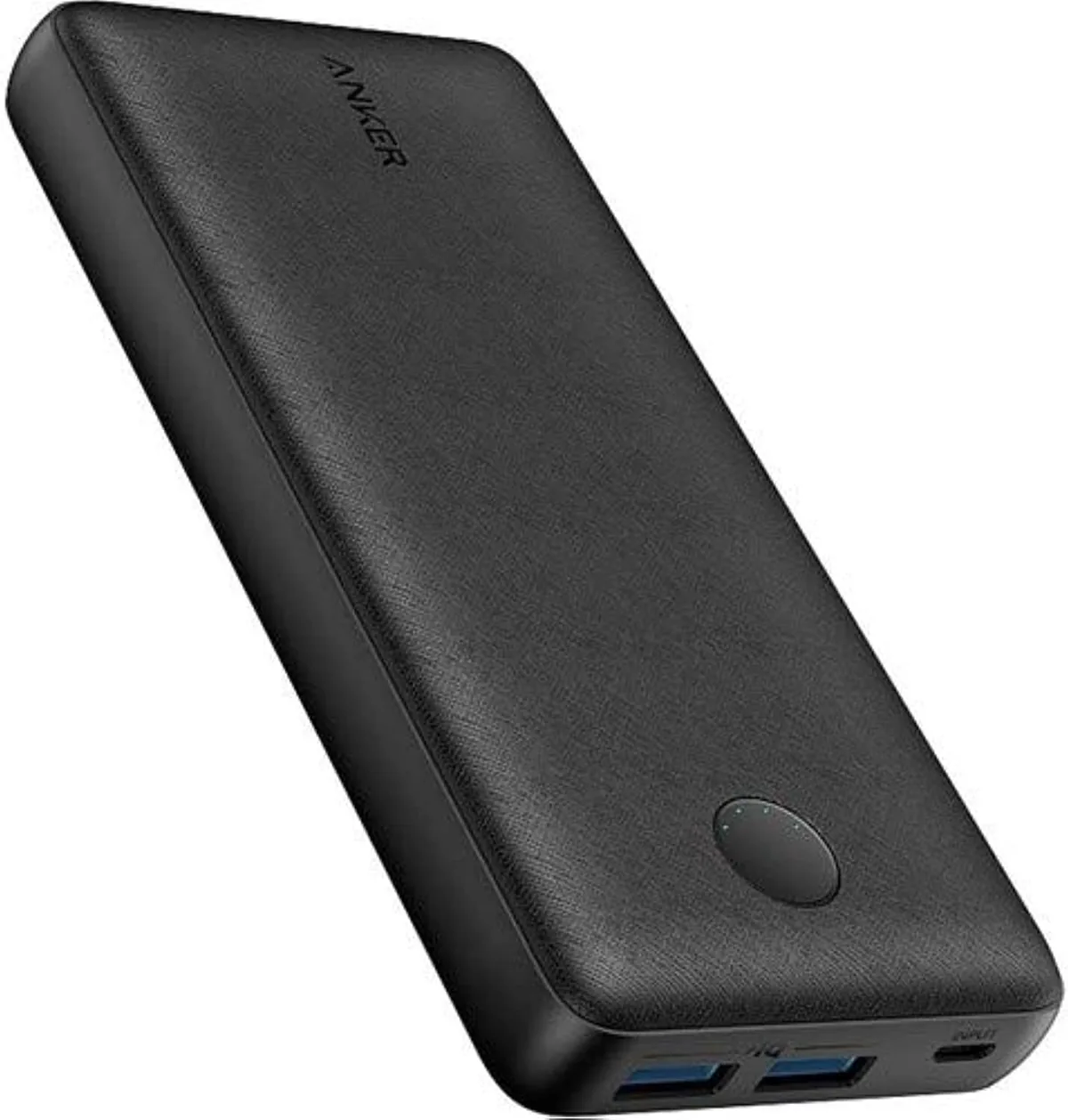
Anker PowerCore 20000mAh | 72Wh | Dual USB-A
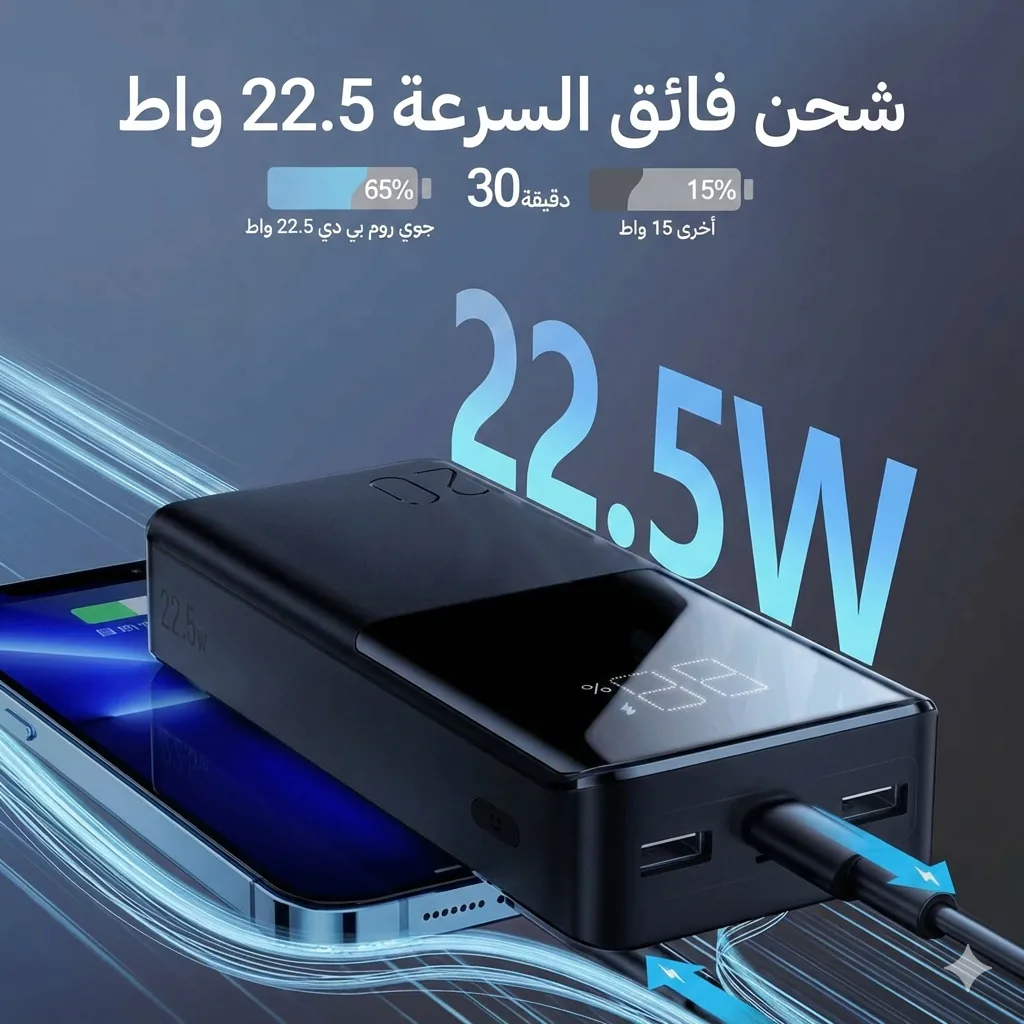
Joyroom 20000mAh Power Bank | 22.5W PD+QC | Triple Output