Wireless Car Charger vs Cable — Is It Worth the Investment?
Struggling with messy dashboard cables or curious about magnetic wireless charging mounts? Let's break down the efficiency, safety, and heating differences.
Bottom Line: For most drivers in Egypt, a wired USB-C fast car charger (30W/60W) plugged into a cigarette lighter adapter remains the fastest, coolest, and most reliable option. However, a magnetic wireless car charger (MagSafe/Qi2) is a great investment for safety and convenience, allowing easy one-handed mounting for GPS navigation, provided it is mounted on the air vent to keep it cool and you avoid cheap 5W chargers that only heat the phone without charging.
You are driving through Cairo's chaotic traffic on Salah Salem or the Ring Road, with Google Maps guiding you, and suddenly you notice your battery is at 5%. You try to find the charging cable rolling under the passenger seat with one hand while keeping the other on the wheel—a highly dangerous distraction. In that moment, you think: "I need to buy a wireless car charger mount that clips onto the air vent, snaps my phone magnetically, and charges it automatically, freeing me from cable clutter!" But are these mounts practical? Do they charge fast enough during short commutes, or do they just overheat your phone under the Egyptian summer sun and crash your GPS? As an electronics engineer, I will compare wireless car chargers and wired cables to help you make an informed decision.
1. The Heat Challenge in Car Cabins (Overheating & Thermal Throttling)
As an electronics engineer, I must address the primary factor affecting charging speed: **Thermal Management**. Inside a car cabin in Egypt, your smartphone faces a "thermal death triangle" consisting of three simultaneous heat sources:
- ☀️ Ambient Sun Heat: Sun rays passing through the windshield heat up the dashboard and the back of your phone, often exceeding 45°C.
- 📱 GPS CPU Draw: Running GPS and high screen brightness forces the processor to work hard, generating internal heat.
- ⚡ Induction Efficiency Losses: Wireless charging loses about 35% of its power as heat, radiating directly into the battery.
When the phone's temperature exceeds 40°C, the operating system triggers safety protocols. It downregulates wireless charging speed from 15W to 5W or 2.5W, or halts charging entirely, displaying a "Charging On Hold" warning.
When a vehicle is parked under direct sunlight in Cairo or Alexandria, the interior cabin temperature can easily soar past 60°C if the windows are fully closed. Placing a smartphone in this suffocating environment while pulling continuous wireless power is equivalent to putting the device in a mini oven. The extreme ambient heat accelerates battery chemistry degradation and induces CPU thermal throttling, which makes navigation apps lag, drop frames, or stutter during critical route changes.
Wired charging, on the other hand, operates at over 95% efficiency, generating very little heat at the connection point. This allows the phone to sustain fast charging speeds even in warm cabins.
The Chemistry of High-Temperature Lithium Battery Degradation
Exposing a lithium-ion battery to temperatures above 45°C under a car windshield while pulling continuous current accelerates unwanted internal chemical side reactions. This acceleration causes electrolyte decomposition and the formation of passive layers on the anode (SEI layer growth), which permanently reduces lithium-ion mobility.
The result is an irreversible loss of total battery health (capacity) within a single summer season. Extreme thermal buildup also raises the internal pressure of the battery pouch, leading to battery swelling, screen damage, or in worst-case scenarios, thermal runaway inside the vehicle, which represents a critical safety risk that must be addressed.
2. Charging Speed: Watts vs. Commute Time
Let's look at the actual numbers to see how they perform during a typical commute:
- 🔌 Wired Fast Charging: A high-quality cigarette lighter charger like the Joyroom 60W Car Charger combined with a fast USB-C cable delivers 20W to 30W via Power Delivery (PD). This can charge your phone from 0% to 60% in a quick 30-minute drive.
- ⚡ Standard Qi Wireless Mounts: Cheap wireless car chargers output only 5W. Due to heat losses, the phone receives less than 3W. If your phone is running GPS (consuming about 8W), your battery will continue to drain while plugged in.
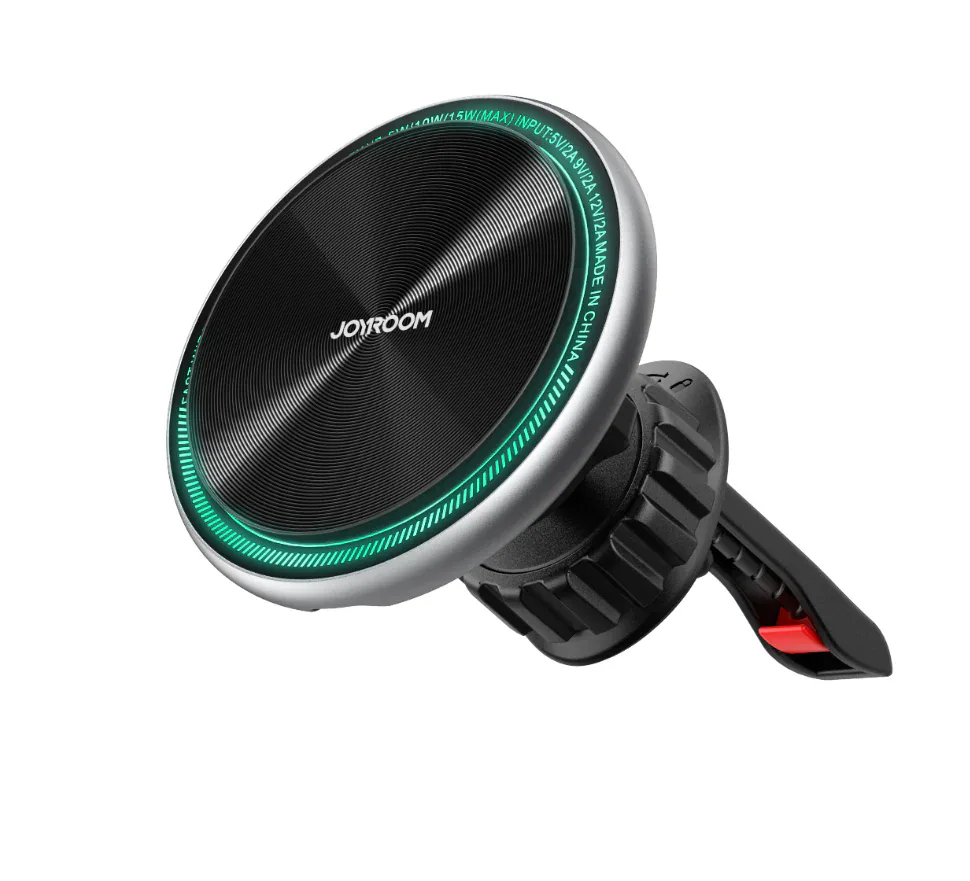
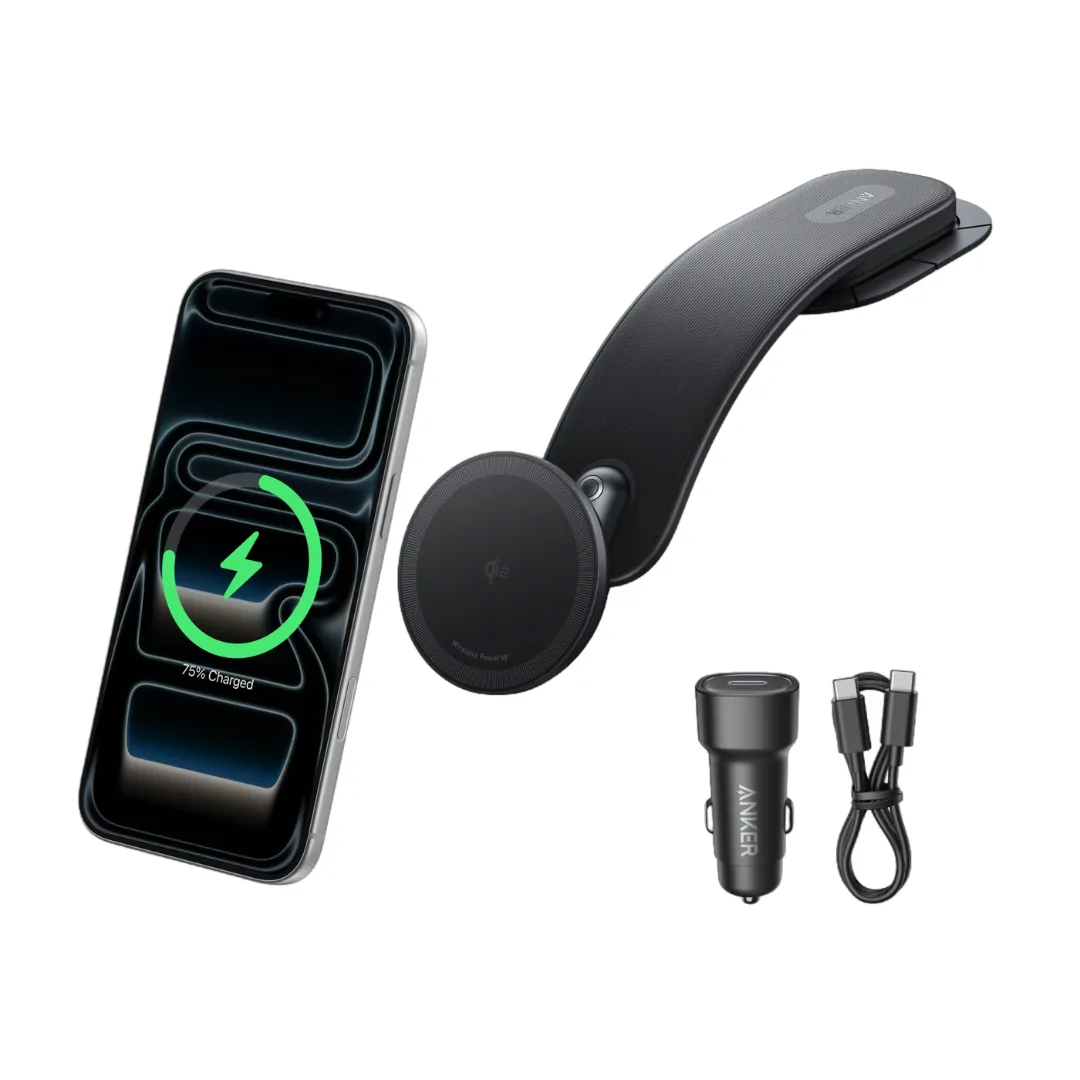
- 🧲 Magnetic Qi2/MagSafe Chargers: Certified chargers like the Joyroom ZS290 Wireless Car Mount deliver a true 15W. This is enough to power the GPS and slowly charge the battery during your drive. For a smarter setup, the newly stocked Anker Magnetic Wireless Car Charger (1,200 EGP) combines a magnetic mount and wireless charging with a detachable pad that keeps charging your phone even after you leave the car.
Understanding QC vs. PD Fast Charging Protocols in Automotive Adapters
Car chargers rely on two main fast-charging technologies: Qualcomm Quick Charge (QC) and USB Power Delivery (PD). QC is a legacy standard that steps up voltage based on fixed presets, making it popular for older Android devices. In contrast, USB Power Delivery (PD) over Type-C is the modern global standard, facilitating dynamic voltage and current adjustments tailored precisely to the device's real-time battery status. Charging a modern iPhone, Samsung Galaxy, or MacBook inside a car requires a native PD port rated at 30W minimum. Attempting to charge a PD-compliant device from a basic QC port results in a slow negotiation failure, dropping charging speeds to the baseline 10W or 5W rate, which is why matching the protocol is critical.
3. Usability, Cleanliness, and Safety on the Road
While cables win in speed, wireless mounts are the clear winners in **road safety and convenience**:
- 👐 One-Handed Operation: With a magnetic mount, you can mount and dismount your phone with one hand without looking away from the road. Inserting a cable requires both hands, causing distraction.
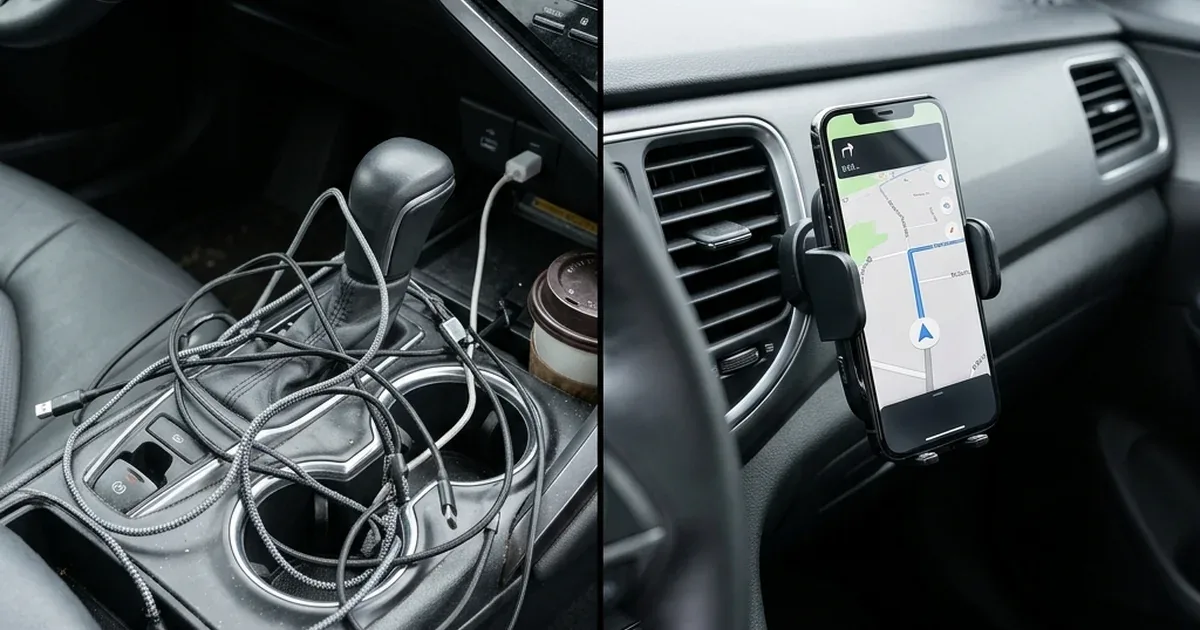
- 🧹 Decluttered Dashboard: A wireless mount keeps the charging cable routed behind the dashboard, keeping your gear stick and handbrake free of dangling wires.
- 👀 Optimal Viewing Angle: Vent or dashboard mounts keep your phone at eye level, allowing you to check GPS directions safely.
Mechanical Vibration Dampening and Shock Absorption in Car Mounts
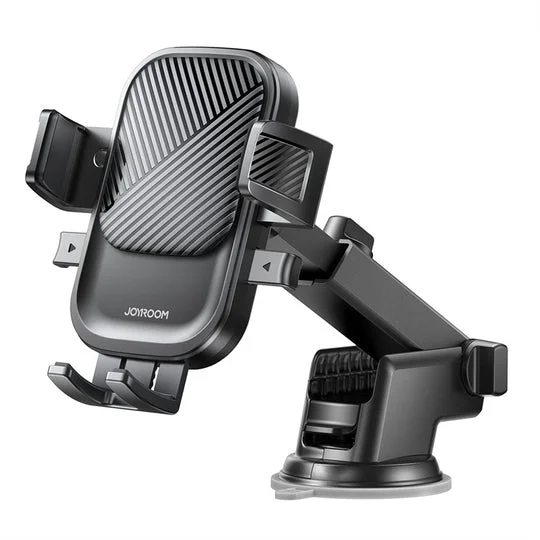
Car mounts are subject to continuous mechanical stress from vehicle movement. Egyptian speed bumps and uneven roads generate high-frequency vibrations that travel directly into the mount and phone. Inexpensive plastic mounts with gravity clamps fail to absorb these impacts, causing the phone to shake off-center from the induction coils and interrupt charging.
Premium wireless mounts use a secure hook mechanism (Metal Hook clip) that locks onto the AC vent, combined with silicone dampening pads and strong neodymium magnets. This keeps the phone physically stable and ensures a continuous, unbroken magnetic coupling even on rough roads.
4. Powering Your Wireless Mount Correctly
A common mistake is plugging the wireless mount's power cable into the car's built-in USB port. These ports are usually limited to 5W (5V/1A). If you do this, the 15W wireless mount will only output 2.5W to your phone.
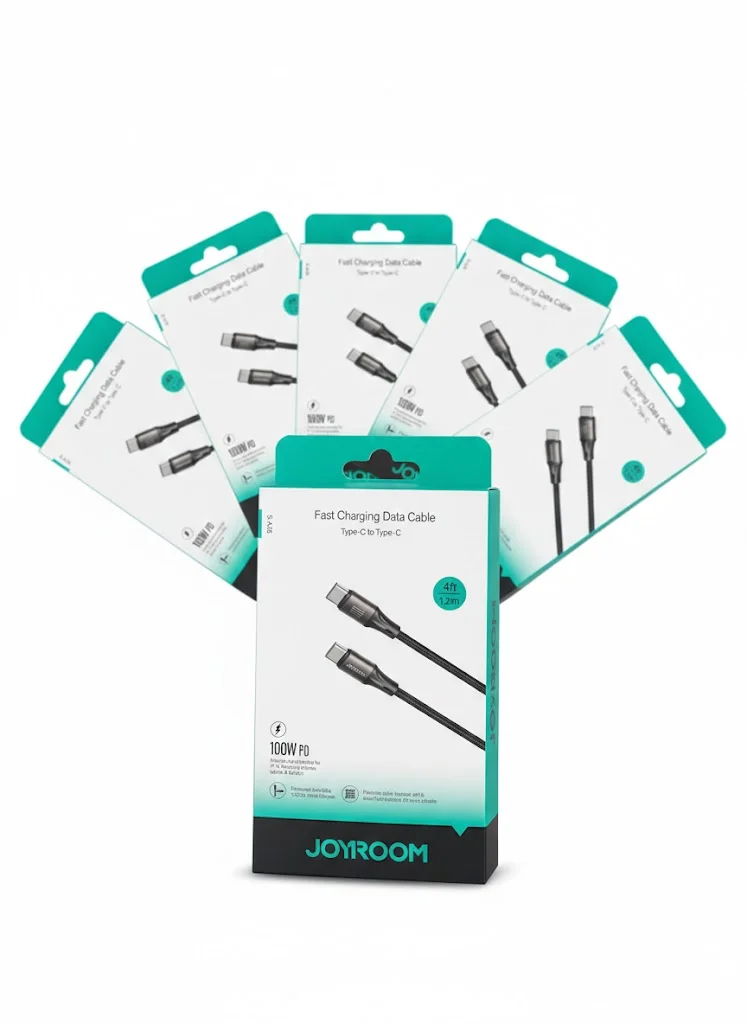
To get fast 15W wireless charging, you must plug the mount's cable (using a high-quality cable like the Joyroom Type-C Cable) into a dedicated cigarette lighter adapter supporting at least 18W to 30W Quick Charge or Power Delivery.
Electromagnetic Handshake Protocol and Undervoltage Protection
Placing your phone on a wireless charging mount initiates a high-frequency digital handshake between the charger's controller chip and the phone's power IC. This communication occurs via modulated electromagnetic pulses, transmitting device ID, required power profile, and battery temperature. If the input power to the mount is unstable or drops below 9V due to a poor adapter, the handshake fails. The system automatically drops into a low-power safe mode (5W) to prevent undervoltage faults, stressing the importance of using certified adapters and cables.
The Role of Neodymium Magnets in Car Mount Stability and Vibration Control
Road conditions in Egypt are often bumpy and full of vibrations. If you are using a standard wireless car charger without strong built-in magnets, your phone will inevitably slide off-center at the first speed bump or pothole. This sliding not only interrupts the charging cycle but also creates dangerous misalignment situations where high heat is generated as the coils struggle to link. A high-quality magnetic case solves this mechanical and electrical problem by providing up to 1.5kg of holding force. This ensures that the phone remains locked in the exact physical center of the charger throughout the trip, delivering maximum charging efficiency and preventing power drops during your commute.
5. Engineering Comparison Table
| Specification | Wired PD Cable | Magnetic Wireless (Qi2) | Standard Qi 1.0 Mount |
|---|---|---|---|
| Charging Speed | Fast (Up to 30W) | Moderate (15W) | Very Slow (5W) |
| Heat Generation | Very Low | Moderate (Acceptable) | High (Overheats) |
| Road Safety | Poor (Distracting) | Excellent (One-Handed) | Acceptable |
6. Verdict and Final Advice
If you want the fastest charging speed and a cool battery under direct sunlight, a **wired PD car charger and cable** is the only logical choice. However, if convenience and safe GPS viewing are your priorities, a **magnetic wireless mount (Qi2/MagSafe)** mounted on an **air vent** to benefit from the AC cooling is a highly recommended investment.
If you need a rugged charging cable built for automotive environments, read our guide on the differences between data cables and charge-only cables to choose the best option for your car.

CairoVolt Editorial Team
Content team reviewing specifications and buying guides
The CairoVolt team reviews model numbers, specifications, and compatibility, and updates information when better data is available. Estimates are labeled as calculations, and readers can report information that needs correction.
Frequently Asked Questions
Why does my phone battery drain while charging wirelessly with GPS active?▼
Is it better to mount a wireless car charger on the windshield or the air vent?▼
Can I plug the wireless car mount directly into my car's built-in USB port?▼
Are automatic clamping mounts better than magnetic ones?▼
Ready to Buy?
Browse available products and review specifications and CairoVolt warranty terms before ordering
Related products
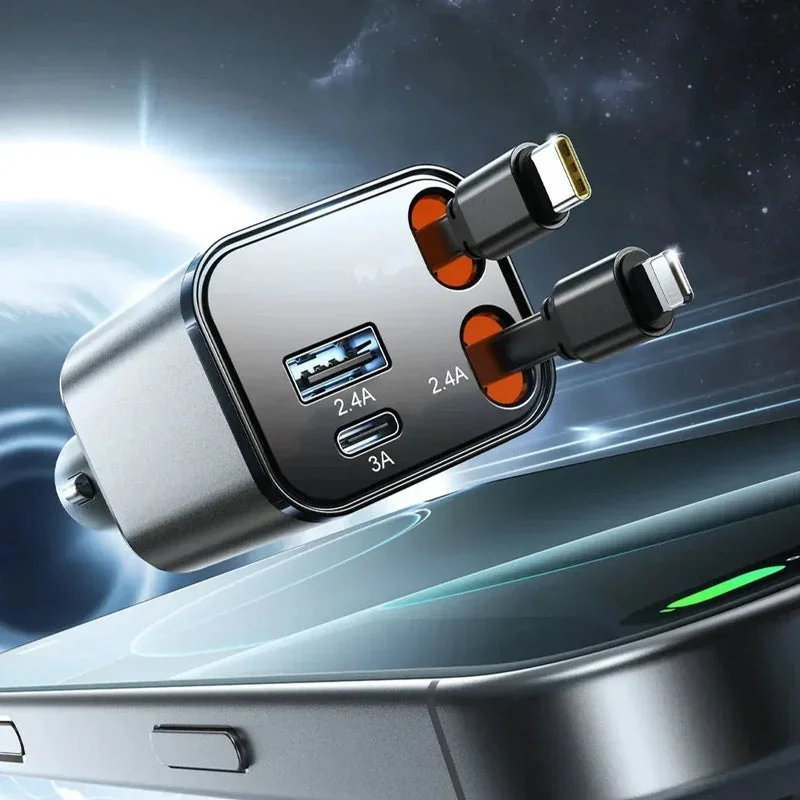
Joyroom JR-CCL05 Retractable 4-in-1 Car Charger 69W | 2 Cables + 2 Ports
Joyroom Magnetic Car Mount ZS290 | N52 Magnets | MagSafe | 360°
Anker Nano Magnetic Wireless Car Charger (A2216) | Qi2 15W | 14N Bendable Dashboard Mount
Joyroom USB-C to USB-C Cable JR-S-CC100
Joyroom Car Phone Mount | Verify Phone and Vehicle Fit
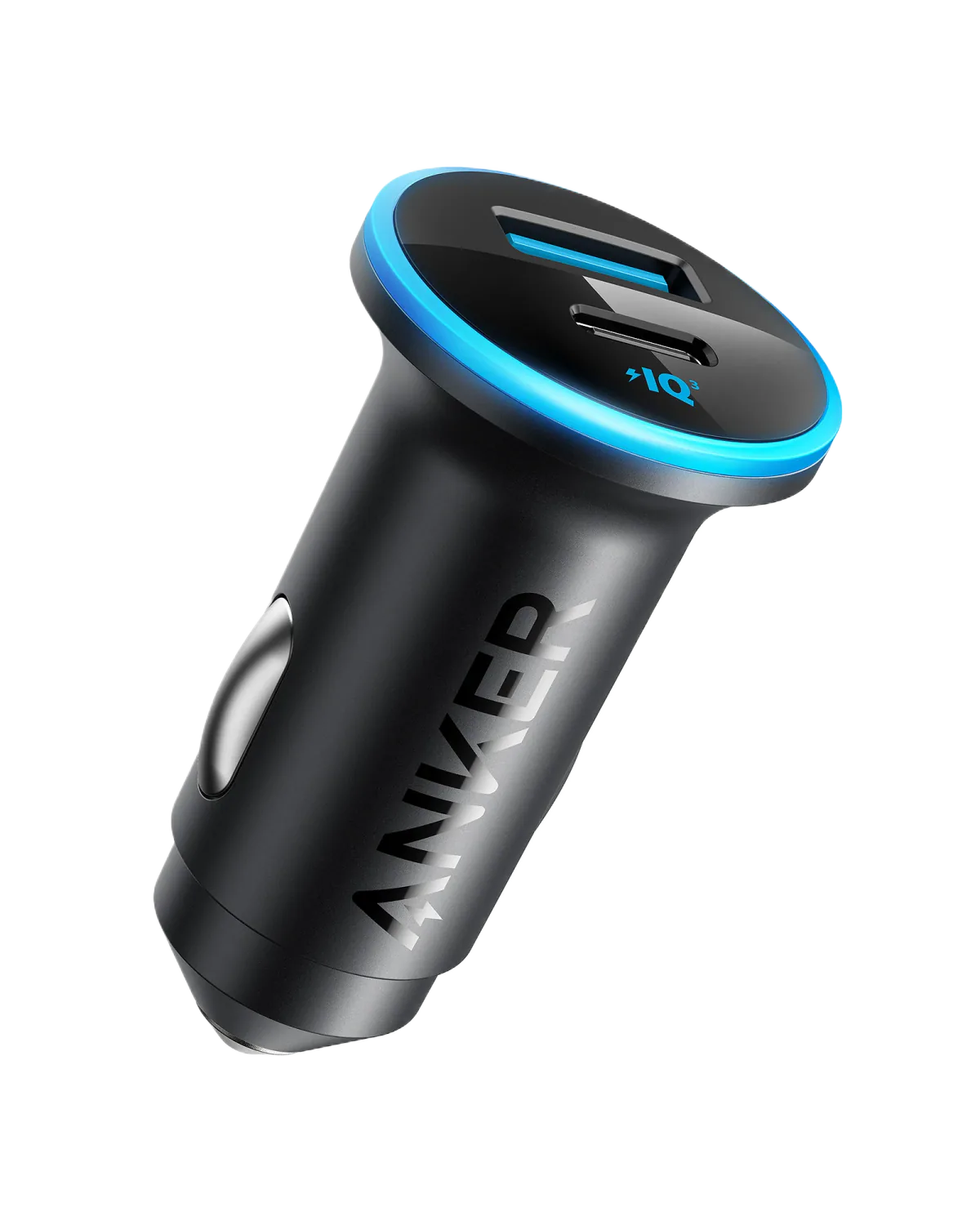
Anker PowerDrive 2 Car Charger | 24W Dual USB | PowerIQ