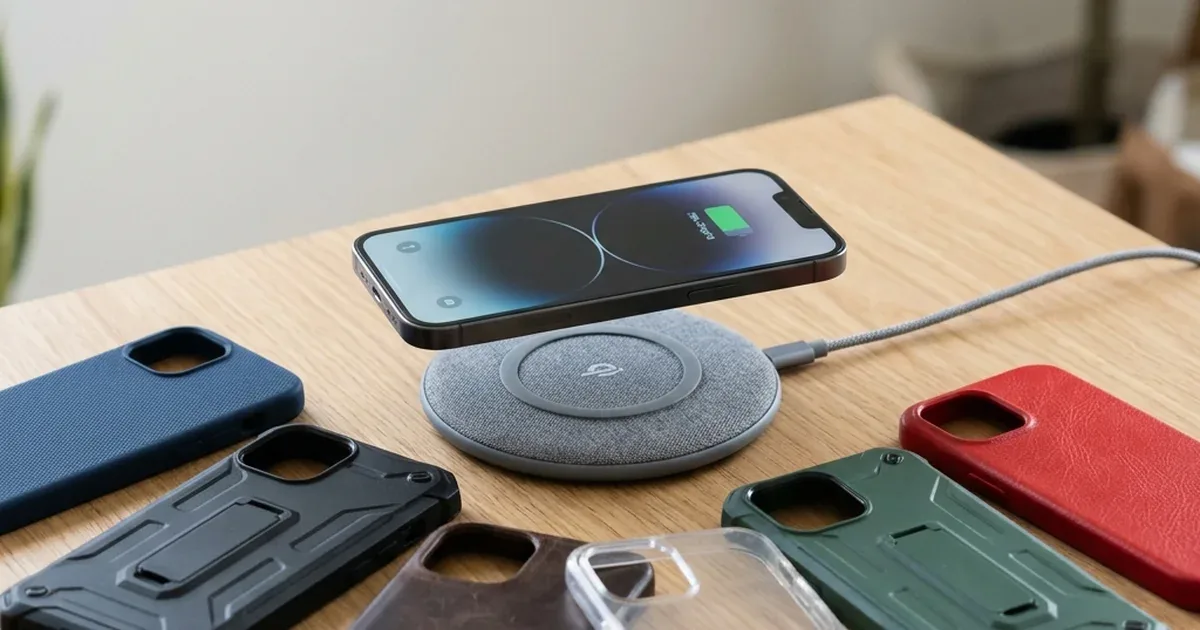
Does Phone Case Affect Wireless Charging? Testing Different Case Types
Bought a premium rugged case and now wireless charging doesn't work? Let's break down the electromagnetics of casing thickness and metal interference.
Bottom Line: Yes, your phone case heavily impacts wireless charging. For efficient and safe charging, the case must be under 3mm to 4mm thick and completely free of metals, carbon fiber, built-in rings, or credit cards. Metal components block the magnetic field and generate dangerous heat. The best solution for fast charging and automatic coil alignment is using a certified MagSafe or Qi2 compatible case with built-in magnets.
You buy an expensive new smartphone, and the very first thing you do is run to local mobile shops in Bab El-Louq or El-Serag Mall to buy a premium armored case to protect it from drops. You get home, place the phone with the case on your wireless charger, and... nothing happens. You remove the case, try again, and it starts charging instantly. You put the case back on, and the charger starts flashing red, as if calling for help. You ask yourself in frustration: does this expensive case kill wireless charging? What types of cases support wireless charging and MagSafe, and which ones block it completely? As an electronics engineer, I will run a practical comparison of different cases and explain the physics of the magic magnetic distance.
1. The Physics of Wireless Induction: The 4mm Distance Rule
As an engineering professor, let's look at the science. A wireless charger does not care about the brand or cost of your phone case; physics only obeys **magnetic flux density**. Energy is transferred from the charger's coil to the phone's coil via a fluctuating magnetic field that must pass through air, glass, and plastic.
The relationship between magnetic field strength and distance is an inverse-square law, meaning that every millimeter of distance drastically weakens the magnetic flux. In consumer electronics, the maximum safe and efficient coupling distance between the two copper coils is **4mm**.
If your protective case is 3mm thick, and you add the thickness of the phone's glass back and the unavoidable air gaps, you exceed the 4.5mm threshold. At this point, the magnetic coupling collapses, electrical resistance rises, heat builds up rapidly, and the charger or phone cuts off power to protect the lithium cells.
Magnetic Path Reluctance and Transmitter Driver Thermal Behavior
From an electrical engineering perspective, introducing a thick barrier between the coils increases the magnetic reluctance of the pathway. To overcome this high reluctance and deliver sufficient current to the phone, the charger’s driver circuit pulls more current from the power supply. This places a heavy electrical load on the transmitter's internal MOSFETs and voltage regulators, generating excess heat within the charger itself. This thermal energy eventually radiates directly into the phone’s battery pack, compounding battery degradation over time and reducing its health quicker.
2. Comparing Case Types and Their Impact on Charging Efficiency
To help you choose the right case, we have tested the most common case materials available in the local market to evaluate their efficiency, thermal performance, and charging speeds:
Silicone and Slim TPU Cases
These typically measure between **1mm and 2mm** in thickness. From an engineering standpoint, soft plastics and silicones are highly transparent to electromagnetic fields, allowing the magnetic flux to pass through without interference. They achieve up to **90% charging efficiency** compared to charging a bare phone. TPU (Thermoplastic Polyurethane) boasts a magnetic permeability value close to that of free air, making it an excellent daily choice for wireless charging as long as the back is flat without raised heavy patterns.
Leather Cases
Real or synthetic leather has low magnetic shielding properties and does not block wireless signals if kept under 3mm. However, the primary engineering drawback of leather is its low thermal conductivity. Leather acts as a thermal blanket, trapping the heat generated by the induction process inside the phone. This accelerates heat buildup, triggering early thermal throttling and dropping charging speeds sooner.
Rugged and Armored Cases
Heavy-duty cases (such as dual-layer armored cases or those with built-in plastic kickstands) often exceed **4mm** in thickness. These cases push the magnetic coupling distance to its physical limit. Wireless charging will either fail to initiate, or run at a very low efficiency of **40%**, generating high temperatures that force the phone into thermal throttling (dropping speed to 5W). The air pockets built into corners to protect against impacts act as additional insulating barriers, further scattering the magnetic flux.
Carbon Fiber Cases (Aramid Fiber)
Real carbon fiber or aramid fiber cases are highly sought after for their premium appearance and lightweight strength. However, carbon fiber is partially conductive. Electrically, this conductivity interferes with the alternating magnetic field, absorbing energy and turning it into heat. This lowers coupling efficiency dramatically, making fast charging impossible. Some brands mix aramid fibers with non-conductive plastics to mitigate this, but as an engineering rule, real carbon fiber cases should be avoided if you rely on fast, efficient wireless charging.
Hybrid Rugged Cases with Metal Screws
Some military-grade hybrid cases feature heavy rubber bumpers locked together with real metal screws around the camera module or side rails. Even though these screws are not located directly over the center charging coil, their presence distorts the surrounding magnetic field lines. This disruption prevents the transmitter from establishing a stable resonant coupling with the receiver coil, causing charging drops and localized heating around the screws. For optimal charging performance, a case must be as magnetically uniform and metal-free as possible.
Metal and Ring-Holder Cases
These are the most dangerous cases for wireless charging. If your case contains a steel plate for standard magnetic car mounts, or a metal ring holder, **it is completely incompatible with wireless chargers**. Metals block the magnetic field (acting as a Faraday shield), and worse, they trigger a dangerous electromagnetic phenomenon.
3. The Danger of Eddy Currents in Metal Cases
As an electronics engineer, I must explain the thermal risks here. When a conductive metal (like aluminum or steel) is placed within the high-frequency alternating magnetic field of a wireless charger, it acts as a short-circuited electrical loop. The magnetic field induces circular electrical currents inside the metal plate, known as **Eddy Currents**.
Because the metal plate has electrical resistance, these eddy currents dissipate their energy directly as **heat** (Joule heating). The metal insert in the case can heat up past 70°C in a matter of minutes, which can melt the plastic case, damage the phone's internal processor, or even pose a fire hazard. Magnetic metals like iron absorb flux and heat up instantly, while non-magnetic metals like copper scatter the field, making charging impossible in both scenarios.
4. The Engineering Solution: MagSafe and Qi2 Magnetic Cases and the Halbach Array
Instead of removing your case every time you want to charge, engineers developed magnetic cases. These cases integrate a ring of strong neodymium magnets arranged in a special configuration known as a **Halbach Array**. This array redirects and concentrates the magnetic field directly toward the receiver coil, reducing lateral flux leakage and shielding the phone’s internal NFC antennas from interference. The magnetic case snaps perfectly into position over the charger, maintaining peak alignment efficiency, keeping temperatures low, and ensuring fast 15W wireless charging.
The Role of Neodymium Magnets in Car Mount Stability and Vibration Control
Road conditions in Egypt are often bumpy and full of vibrations. If you are using a standard wireless car charger without strong built-in magnets, your phone will inevitably slide off-center at the first speed bump or pothole. This sliding not only interrupts the charging cycle but also creates dangerous misalignment situations where high heat is generated as the coils struggle to link. A high-quality magnetic case solves this mechanical and electrical problem by providing up to 1.5kg of holding force. This ensures that the phone remains locked in the exact physical center of the charger throughout the trip, delivering maximum charging efficiency and preventing power drops during your commute.
If you need reliable wireless charging accessories that can withstand bumpy road conditions in Egypt, we recommend the Joyroom ZS290 Wireless Car Charger Mount, which snaps onto magnetic cases with exceptional strength, and the Joyroom Magnetic Power Bank 10000 for portable backup.
5. Verdict and Final Advice
Your phone case has a major impact on wireless charging. Thick profiles degrade performance, while metals present a real thermal hazard. We recommend keeping case thickness under 3mm. If you prefer heavy-duty protection, make sure the case is officially MagSafe or Qi2 compatible to ensure safe, efficient, and reliable magnetic charging.
To learn more about how wireless speeds compare to standard wired Type-C cables and the physics behind charging speeds, check out our guide on why wireless charging is slower and the Qi2 standard to optimize your power setup.

CairoVolt Editorial Team
Content team reviewing specifications and buying guides
The CairoVolt team reviews model numbers, specifications, and compatibility, and updates information when better data is available. Estimates are labeled as calculations, and readers can report information that needs correction.
Frequently Asked Questions
Can I charge my phone wirelessly with credit cards inside the case pocket?▼
Why does my phone stop charging and flash red after a few minutes with a rugged case?▼
Do regular clear plastic cases slow down wireless charging speed?▼
What is Foreign Object Detection (FOD) on wireless chargers?▼
Ready to Buy?
Browse available products and review specifications and CairoVolt warranty terms before ordering
Related products
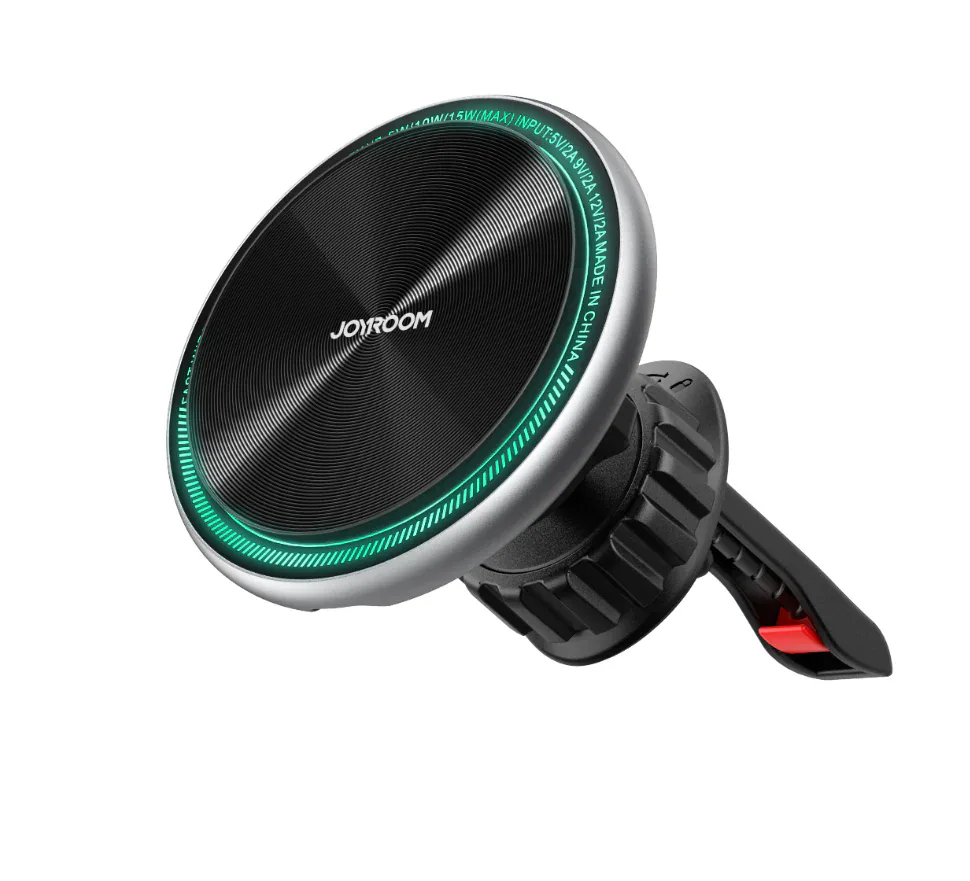
Joyroom Magnetic Car Mount ZS290 | N52 Magnets | MagSafe | 360°
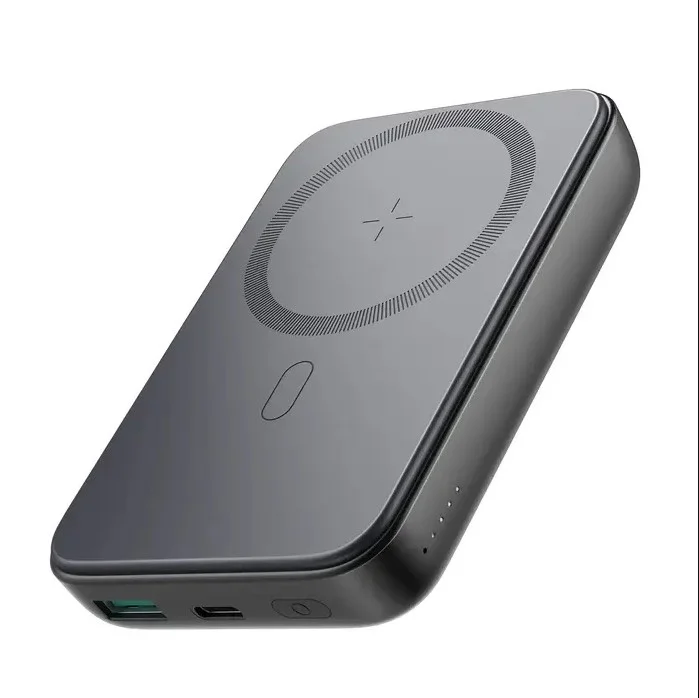
Joyroom MagSafe Power Bank 10000mAh | 15W Wireless + 20W Wired | Kickstand
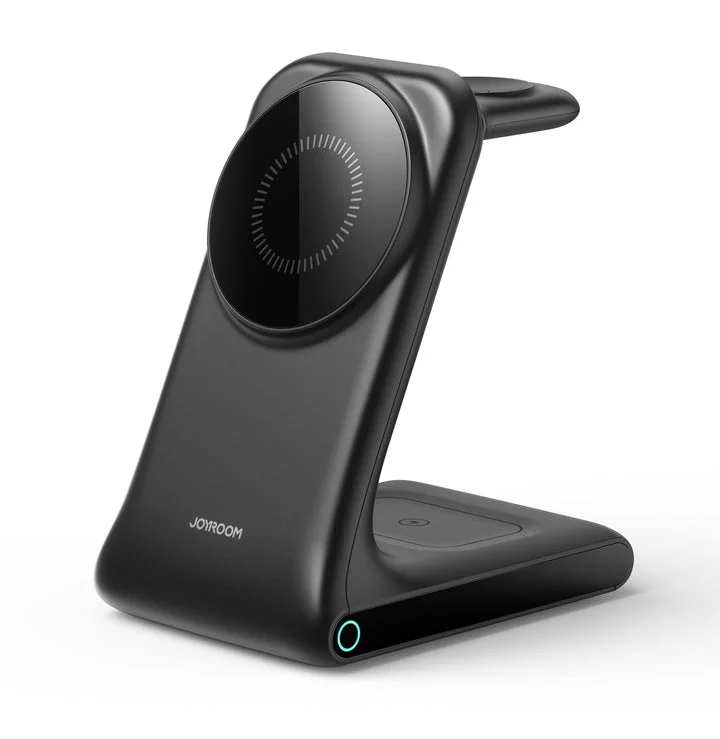
Joyroom 3-in-1 MagSafe Station | iPhone 17 + Apple Watch + AirPods | 15W | Aluminum
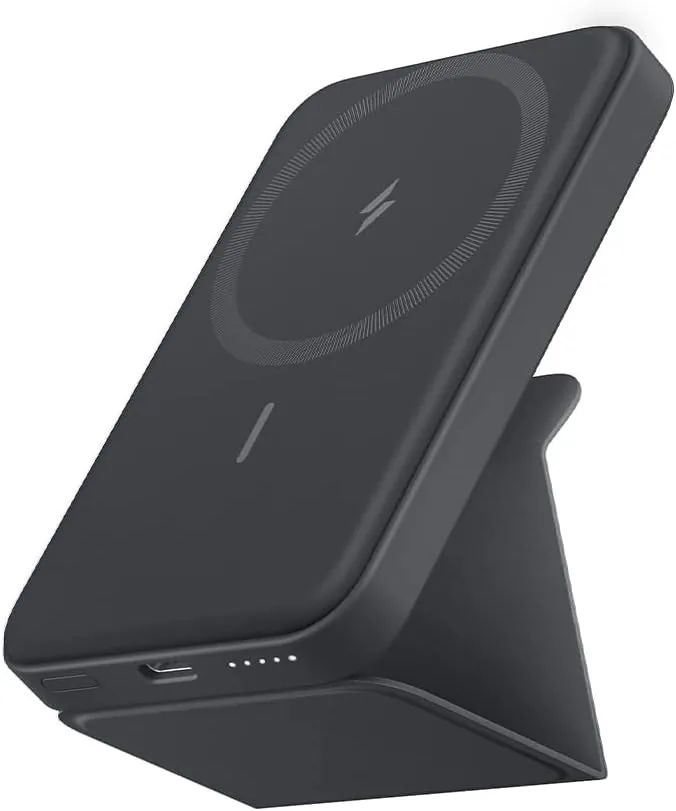
Anker 622 Magnetic Battery (MagGo) | MagSafe | Foldable Stand
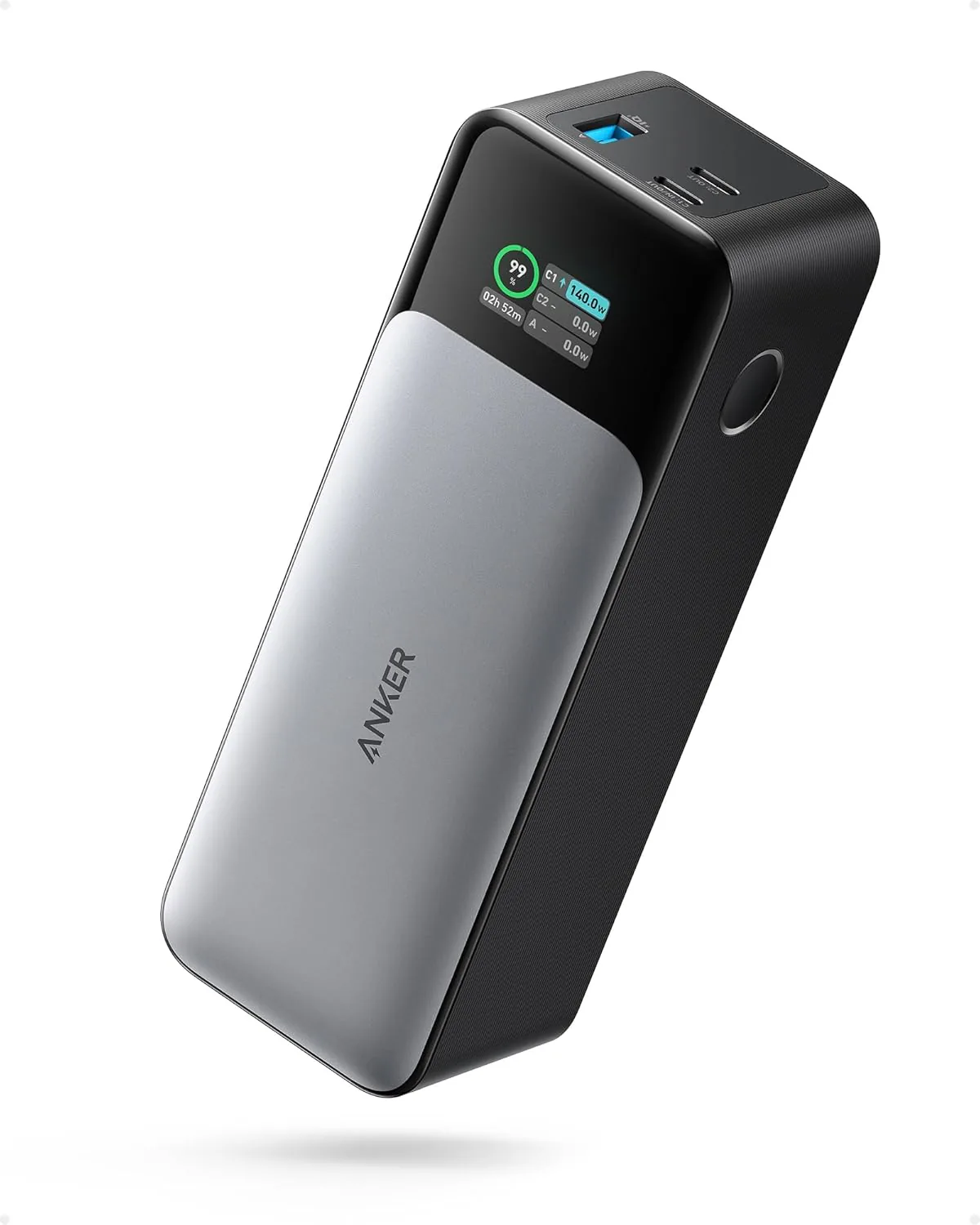
Anker 737 Power Bank (PowerCore 24K, A1289011) | Listed 140W PD 3.1 | 24,000mAh