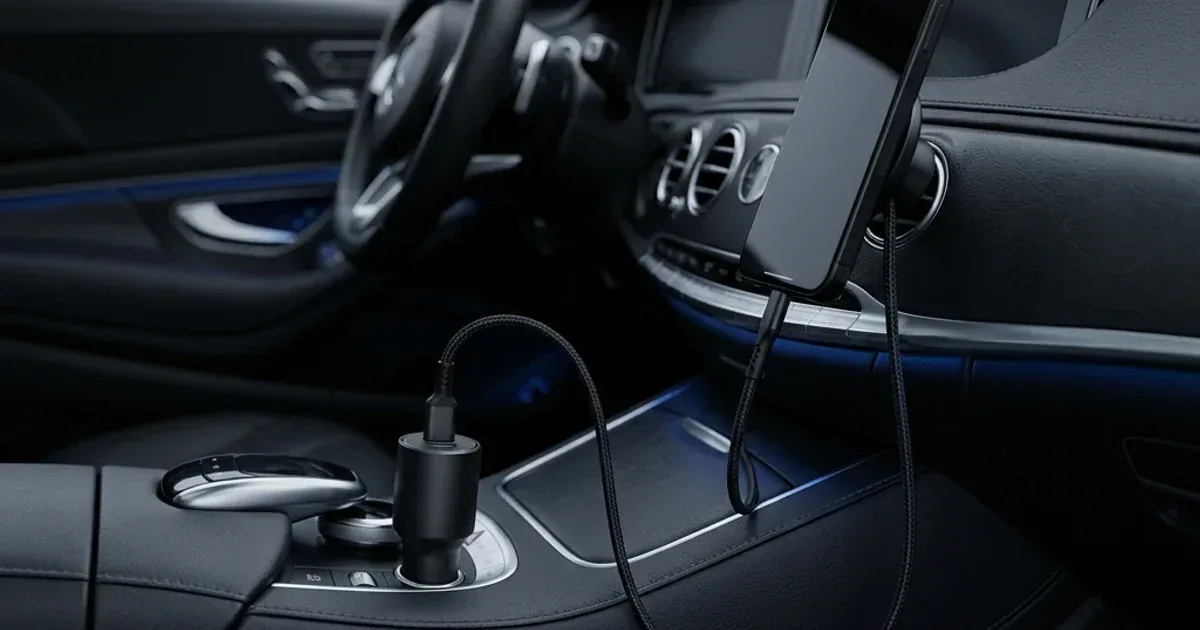
Why a USB-C PD Car Charger is a Necessity for iPhone and iPad Users — Not a Luxury
An engineering breakdown explaining why the USB-C Power Delivery (PD) fast-charging protocol is a must-have for modern iPhones and iPads in the car.
Bottom Line: A USB-C PD car charger is a necessity, not a luxury: a 30W PD charger with a certified cable takes an iPhone from 0% to 50% in about 30 minutes safely. Built-in car ports and old USB-A chargers output only 5-10W — not enough while running GPS and the screen.
The legacy USB-A car charger sitting in your dashboard port charges your phone at the exact speed of a student cramming for a midterm half an hour before the test — technically, they are trying, but practically, you are going to fail. When you start driving with 10% battery and spend half an hour on the Ring Road only to find your phone has gained 2% while boiling hot, you need to rethink your charging physics. A car charger without a PD protocol is like a professor explaining thermodynamics in sign language — a massive amount of effort for zero useful results.
In this guide, from an electronics-engineering perspective, you will learn exactly why the USB-C PD protocol is the only acceptable option for your vehicle, how it works, and the actual risks of cheap clones to your iPhone and iPad boards.
💡 Quick Answer: A USB-C PD car charger is a necessity because modern iPhones (from iPhone 8 up to iPhone 17 Pro Max) and iPads require the Power Delivery protocol for fast charging. Windshield/dashboard mounts and old built-in USB-A ports only output 5W or 10W, which is insufficient to charge the battery while running GPS and screen brightness, causing overheating and slow charging. A 30W+ PD charger with a certified cable charges your device from 0% to 50% in 30 minutes safely.
What is the USB-C Power Delivery (PD) Protocol?
To put it simply, Power Delivery (PD) is a global fast-charging standard developed by the USB-IF organization. This protocol operates using a dedicated controller chip through USB-C ports and cables. The core innovation of PD is "smart negotiation."
With legacy USB-A chargers, the charger outputs a fixed voltage (typically 5V) to the phone, and the phone pulls as much current as it can handle. There is no active communication. In a USB-C PD system, as soon as you connect the cable, the smart controller chip in the charger communicates with the charging chip (Tristar/U2 IC) inside the iPhone, negotiating the voltage and current. The phone requests the specific power profile it needs to charge quickly without generating excessive heat.
This negotiation allows the system to step up the voltage (from 5V to 9V, 15V, or 20V) depending on the connected device (phone, tablet, or laptop). This transfers large amounts of power in a short time safely, as the charger drops the current dynamically as the battery fills up to prevent stress.
Why Old Chargers Aren't Enough for Newer iPhones and iPads
Modern iPhones accept different peak wired power by generation: iPhone 15 and iPhone 16 peak around 27W to 30W, while the iPhone 17 series (17, 17 Pro, and 17 Pro Max) is rated by Apple at up to 40W wired charging (measured at about 36-39W peak with Apple's 40W Dynamic Power Adapter); only the iPhone Air stays at 20W. iPad Pro and iPad Air models require 30W, 35W, or even 45W for large professional versions. Comparing these needs to what legacy technology provides explains the slow charging speeds:
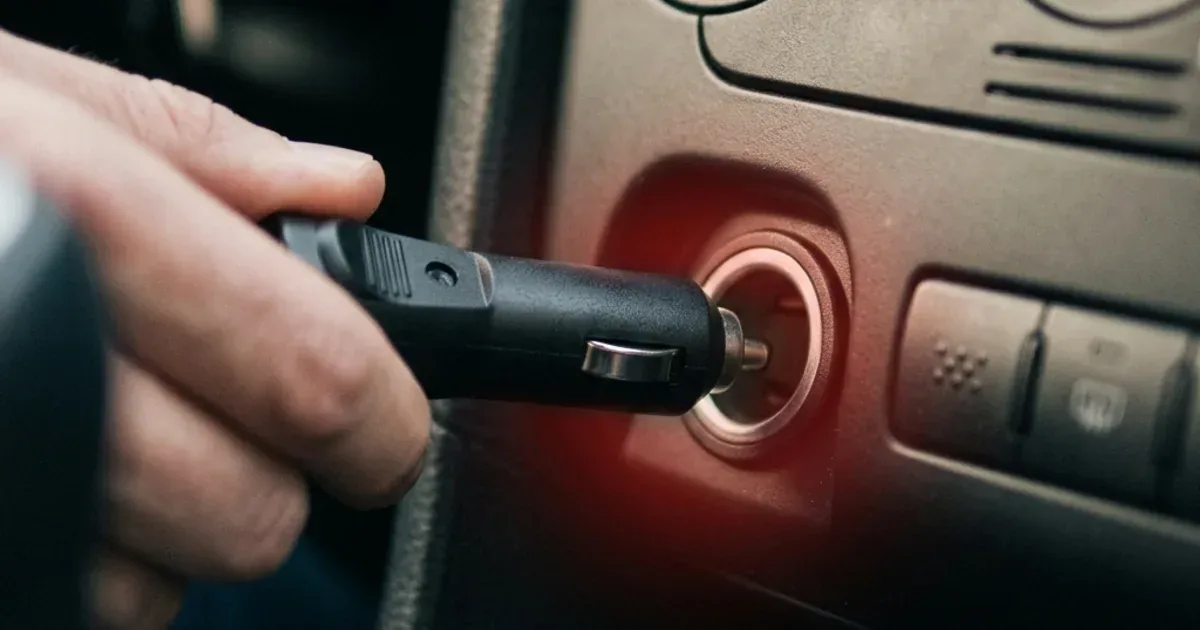
- 🚗 Built-in USB Ports (5W max): Most car dashboard USB-A ports are designed for data transfer (Apple CarPlay), not fast charging. They typically output 5V/1A, which equals 5W. This is barely enough to keep your phone from draining while using GPS; it cannot charge the battery.
- 🔌 Standard Car Chargers (10W - 12W): Older USB-A chargers output 5V/2A or 5V/2.4A (10W-12W). Charging a 4,441mAh iPhone 15 Pro Max battery with this setup takes over 3 hours.
- ⚡ USB-C PD 30W Chargers: Provides 9V/3A output (27W actual intake). This setup charges your phone from 0% to 50% in just 30 minutes, though a full 0-100% charge still takes about 1 hour 50 minutes to 2 hours because charging tapers hard after 80%.
With a PD charger, a short 25-minute commute is enough to boost your battery from 20% to 60%, giving you peace of mind for the day. For more information on charger speeds, check our guide on the difference between 20W, 30W, and 100W chargers.
Commute Charging Speeds: A Numbers Comparison
To make the difference concrete, consider a realistic scenario: driving in Cairo with an iPhone 15 Pro Max starting at 10% battery, running Google Maps and streaming music with the AC on, and charging for 30 minutes with three different chargers. Calculated from each charger's rated output after subtracting the screen and GPS drain, here is how the numbers play out.
🔬 Commute Charging: The Numbers
Take an iPhone 15 Pro Max charged for 30 minutes under active GPS usage and high screen brightness.
Calculated from each charger's rated output: The built-in USB-A port (5W) increases the charge by only about 4%, raising phone temperature due to prolonged charging stress. A standard 12W charger adds around 14%. The Joyroom JR-CCL05 (built-in USB-C cable) delivers about 52% charge.
| Charger & Port Type | Actual Output (W) | Est. Battery Gained (30 Min) | Typical Phone Temperature |
|---|---|---|---|
| Built-in Car Port (USB-A) | 5W max | +4% (Very Slow) | 44°C (Hot) |
| Standard Car Mount (USB-A) | 10W - 12W | +14% (Slow) | 41°C (Warm) |
| Original USB-C PD Car Charger | 20W - 27W (Full intake) | +52% (Fast Charge) | 35°C (Safe Range) |
The numbers don't lie. A PD charger is 4 to 5 times faster and safer for your battery. When a phone remains on a weak charger for hours while generating heat from GPS usage, the battery cells degrade. Fast charging completes the cycle quickly, allowing the phone to cool down sooner.
The Dangers of Cheap Car Chargers to iPhone Circuitry
Buying a cheap, generic car charger for 50 or 100 EGP is a massive risk for a premium phone. A car's electrical alternator does not supply stable power like a wall outlet. Voltage fluctuates dramatically, spiking when you start the engine or accelerate. Original, certified chargers from brands like Anker or Joyroom feature advanced protective circuits (voltage regulators and ripple filters) to buffer these changes. Cheap chargers lack these components, sending dirty power directly to your phone. The consequences can be severe:
- 🔥 Frying the Charging Chip (Tristar/U2 IC): This chip regulates charging inside the iPhone. A voltage spike can burn this chip, requiring micro-soldering repairs that compromise the phone's water resistance and resale value.
- 🔋 Accelerated Battery Degradation: Unstable current causes battery swelling and drops battery health from 100% to 80% in a matter of months.
- ⚠️ Electrical Short Hazards: Cheap components can melt under thermal load, causing short circuits in your car's electrical wiring.
Buying a certified charger is a small price to pay to safeguard your phone. To learn more about counterfeit risks, read our guide on how fake chargers damage iPhone batteries.
How to Choose the Right PD Car Charger
To ensure fast, safe charging, evaluate car chargers using these guidelines:
- 🔌 Ensure a USB-C PD Port is Present: The charger must feature at least one USB-C port labeled PD. Do not buy chargers that only offer legacy USB-A ports.
- ⚡ Check Individual Port Ratings: For iPhones, the USB-C port should output at least 20W or 30W. To charge an iPad Pro or a MacBook, look for a charger that outputs 45W or 65W. Pay attention to power distribution on multi-port models; some advertise 60W total output but split it to 15W + 15W when two devices are plugged in. Ensure the individual port output meets your needs. For details, read our article on multi-port car charger power distribution.
- ⛓️ Use a Certified Cable (MFi): A fast charger is useless without a compatible cable. For older iPhones (iPhone 14 and earlier), you need a USB-C to Lightning cable with MFi certification. For iPhone 15 and newer, use a high-quality USB-C to USB-C cable from brands like Anker or Joyroom.
5 Golden Tips for Safe Car Charging
Follow these rules to protect both your mobile phone and car charger:
- 🚗 Never Connect Your Phone Before Starting the Engine: The engine start (crank) generates the largest voltage spike in your car's electrical system. Start the car and let the engine stabilize before plugging in your phone.
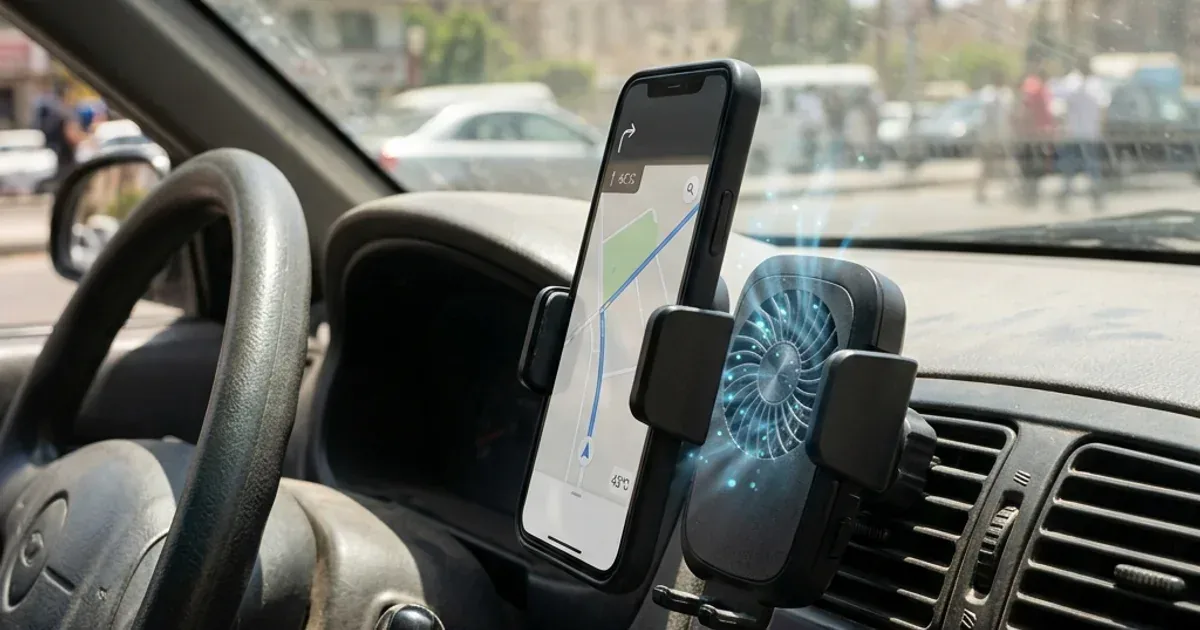
- ☀️ Keep the Phone Out of Direct Sunlight: Charging generates heat. If your phone is placed on the dashboard in direct sun while charging, it will overheat and stop charging. Mount it on the AC vent to keep it cool.
- 🔌 Unplug Unused Cables: While leaving a cable plugged into the charger is generally safe, cheap or damaged cables can cause minor short circuits, draining power or overheating the charger head. Unplug cables when not in use.
- ❌ Avoid Unbranded Chargers: Stick to verified brands like Anker, Joyroom, and Baseus, which offer genuine safety features and warranties in Egypt.
- ⚠️ Diagnose Issues Immediately: If your car charger disconnects on bumps, feels hot, or emits a burning plastic smell, unplug it immediately. For common causes, check our guide on why car chargers stop working.
The Bottom Line:
A USB-C PD car charger is the only technically sound choice in 2026 for charging modern iPhones and iPads in your vehicle. It saves time, charges your phone efficiently on short drives, and protects your device from electrical fluctuations.
Saving money on a cheap charger can lead to costly repairs and battery replacements. Browse our selection of genuine car chargers with warranties at CairoVolt to keep your devices safe on every trip.
✅ Shop Genuine Car Chargers at CairoVolt
Protect your devices and buy original car chargers and cables with an invoice and a written warranty — at CairoVolt, CairoVolt's written store warranty (duration shown on each product page). Fast shipping, cash on delivery, and WhatsApp support.
📚 Sources and Scientific References:

CairoVolt Editorial Team
Content team reviewing specifications and buying guides
The CairoVolt team reviews model numbers, specifications, and compatibility, and updates information when better data is available. Estimates are labeled as calculations, and readers can report information that needs correction.
Frequently Asked Questions
Does a PD car charger overheat the iPhone battery?▼
Can I use a regular USB-A to USB-C cable for fast car charging?▼
Can a 60W PD car charger damage or burn my iPhone?▼
Why does the charger temporarily stop when I plug in a second phone?▼
Ready to Buy?
Browse available products and review specifications and CairoVolt warranty terms before ordering
Related products
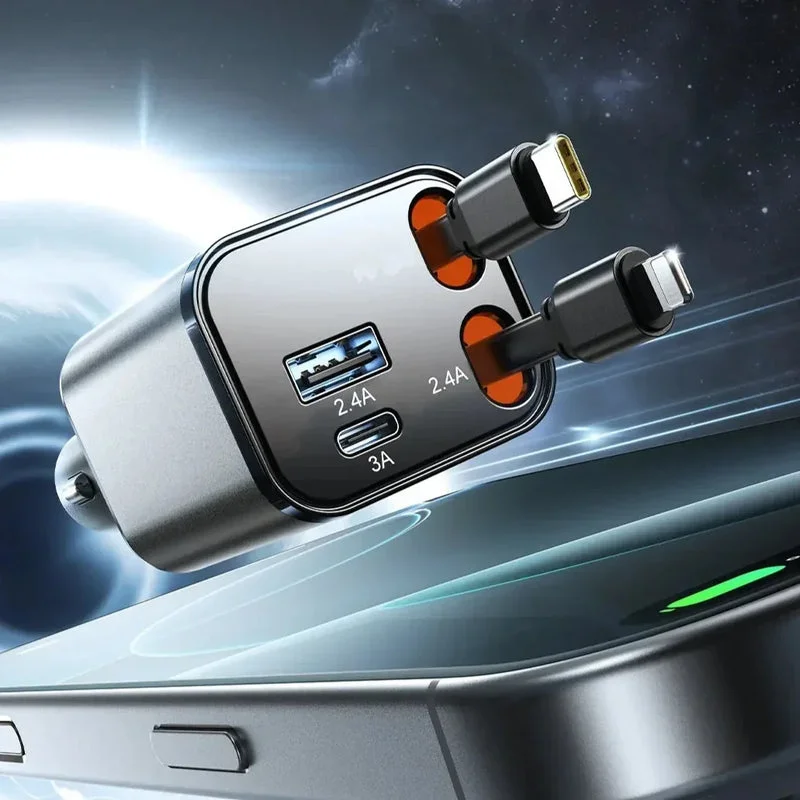
Joyroom JR-CCL05 Retractable 4-in-1 Car Charger 69W | 2 Cables + 2 Ports
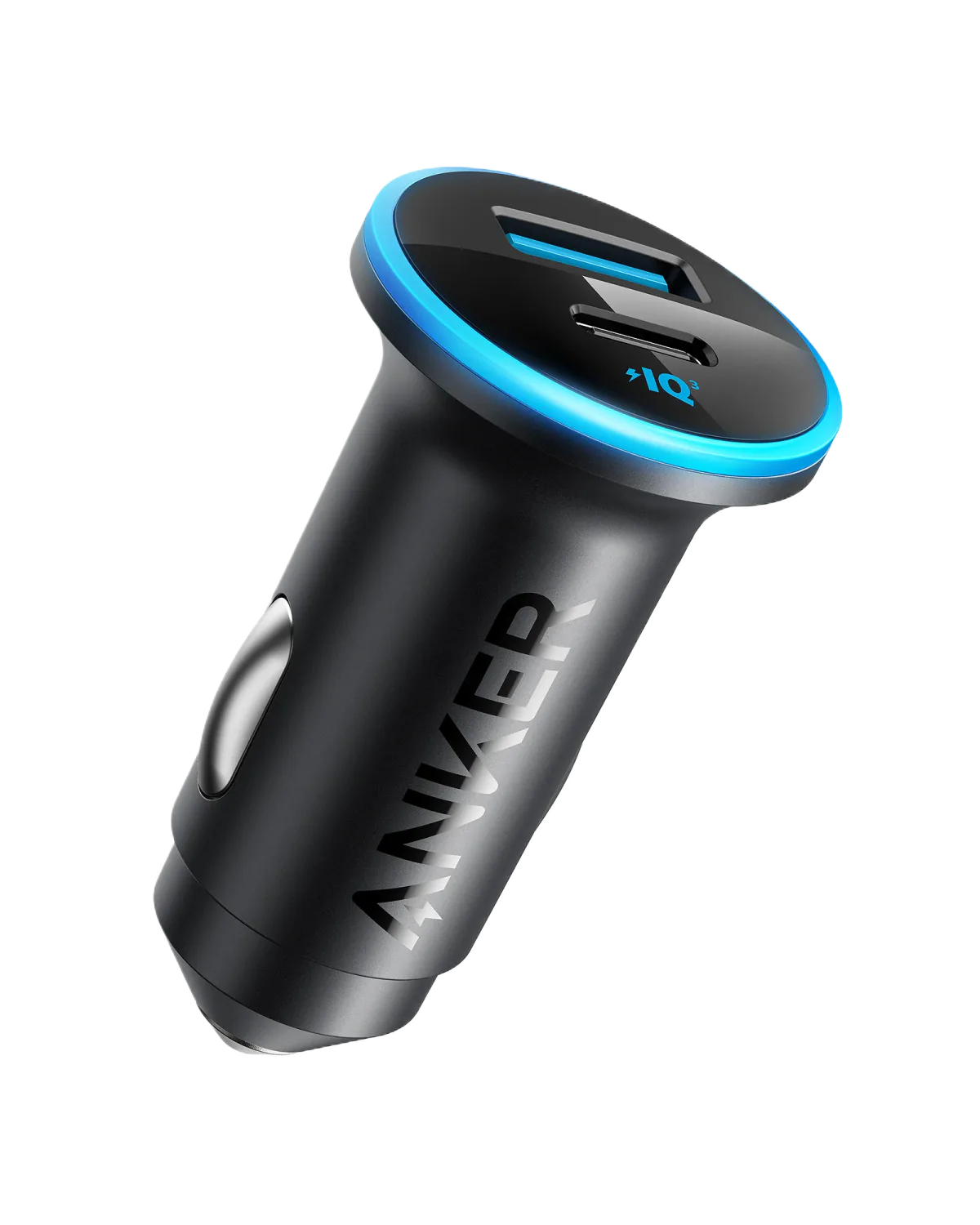
Anker PowerDrive 2 Car Charger | 24W Dual USB | PowerIQ
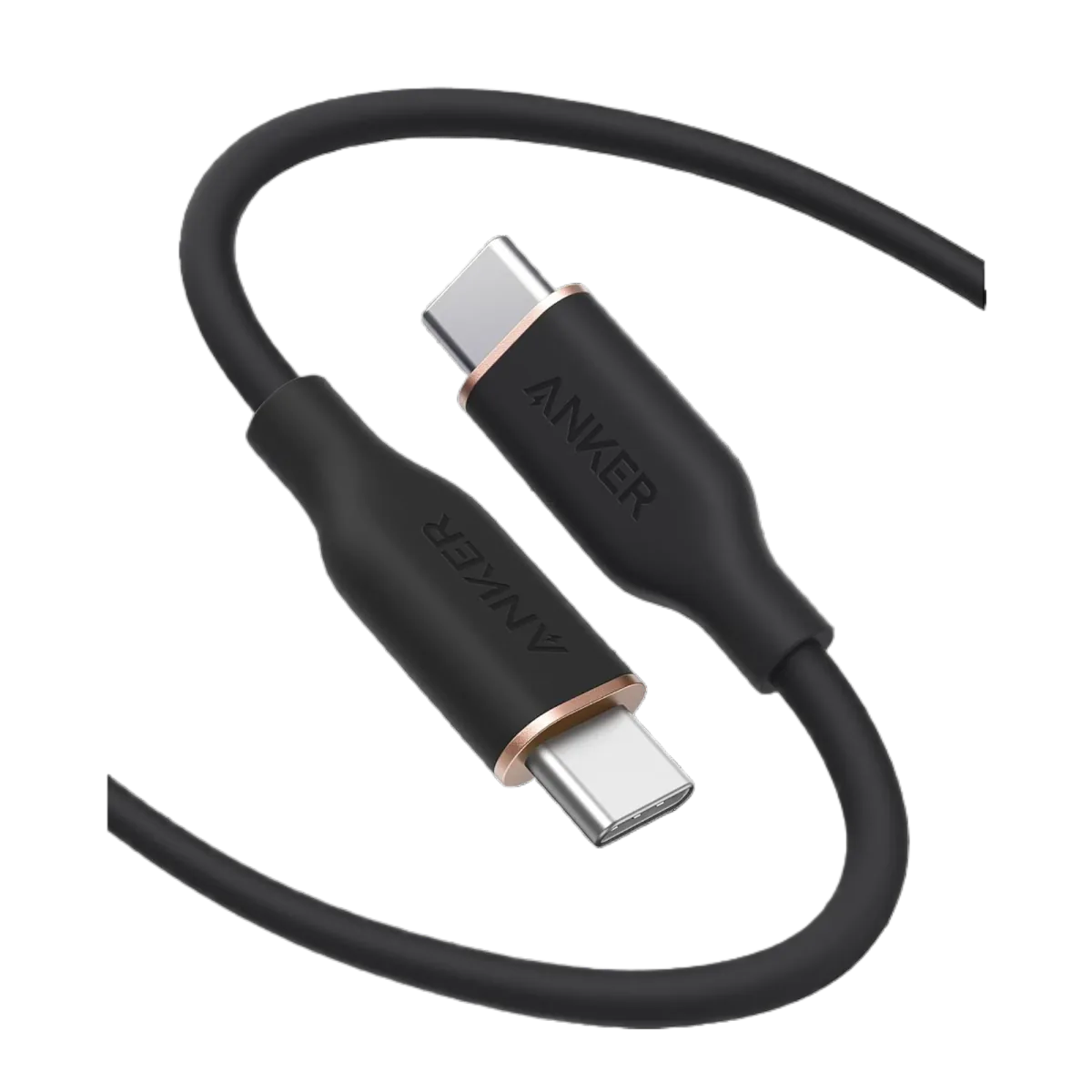
Anker PowerLine III USB-C to USB-C | 60W | iPhone 17 & Samsung S26
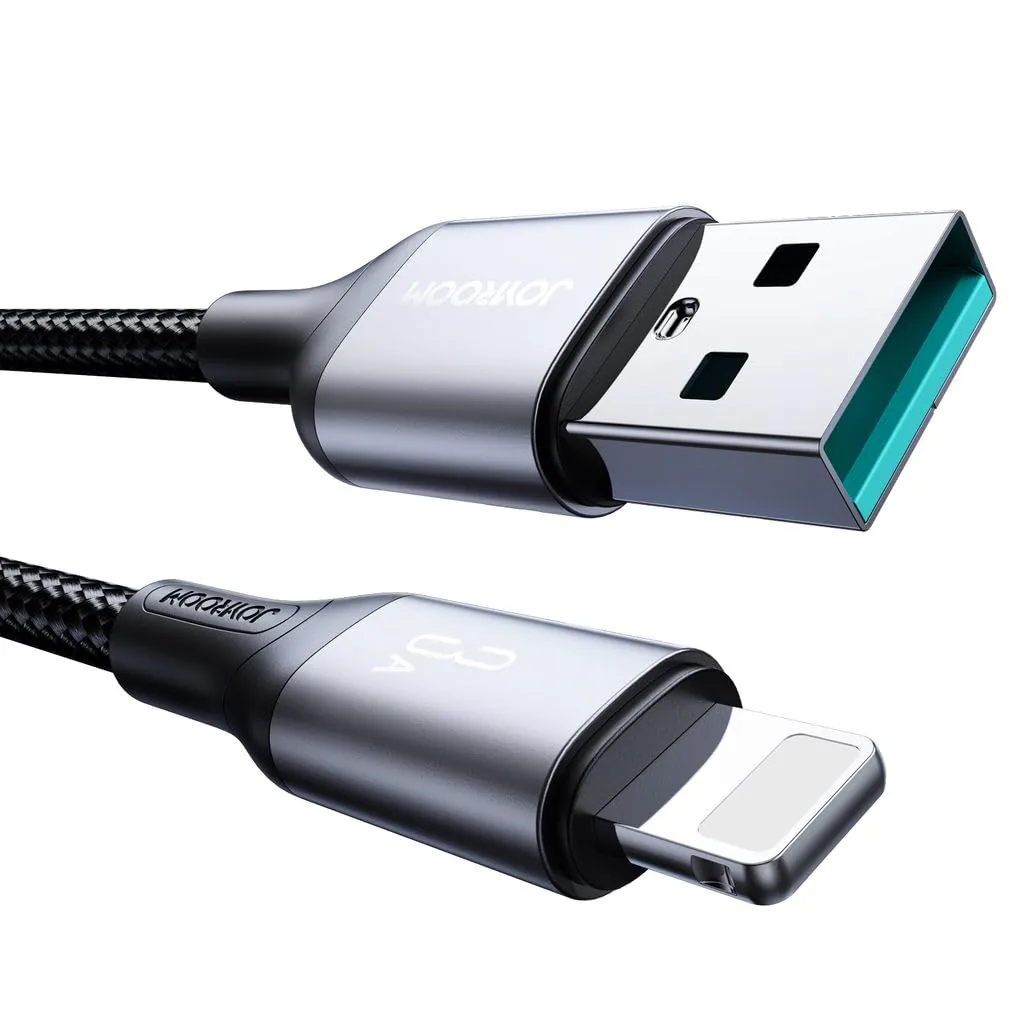
Joyroom USB-C to Lightning Cable | Listed 20W PD | Braided
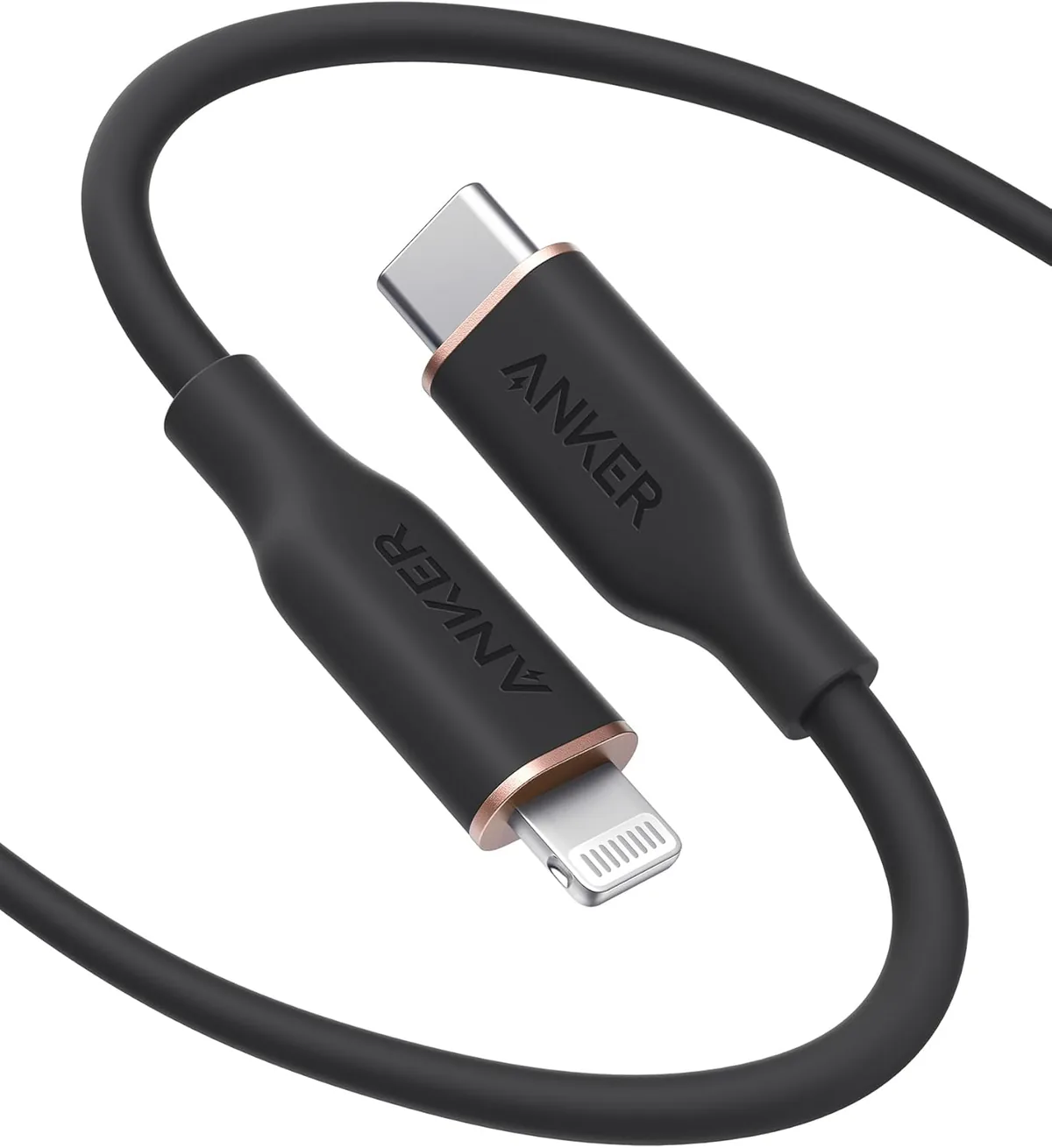
Anker PowerLine Select USB-C to Lightning (A8612H11) | Verify MFi | USB-PD