Car Charger Stopped Working? 5 Common Causes and Practical Fixes
A comprehensive and simple guide to diagnosing and solving sudden car charger failures, with engineering tips to protect your battery and charger from damage.
Bottom Line: If your car charger suddenly stops working, it is likely due to one of 5 common reasons: (1) dirt or lint buildup in the cigarette lighter socket, (2) a blown cigarette lighter fuse in the car's fuse box, (3) a damaged charging cable, (4) charger overheating triggering thermal protection, or (5) internal hardware failure. Try cleaning the socket with a wooden toothpick, test with another cable, and check the lighter fuse.
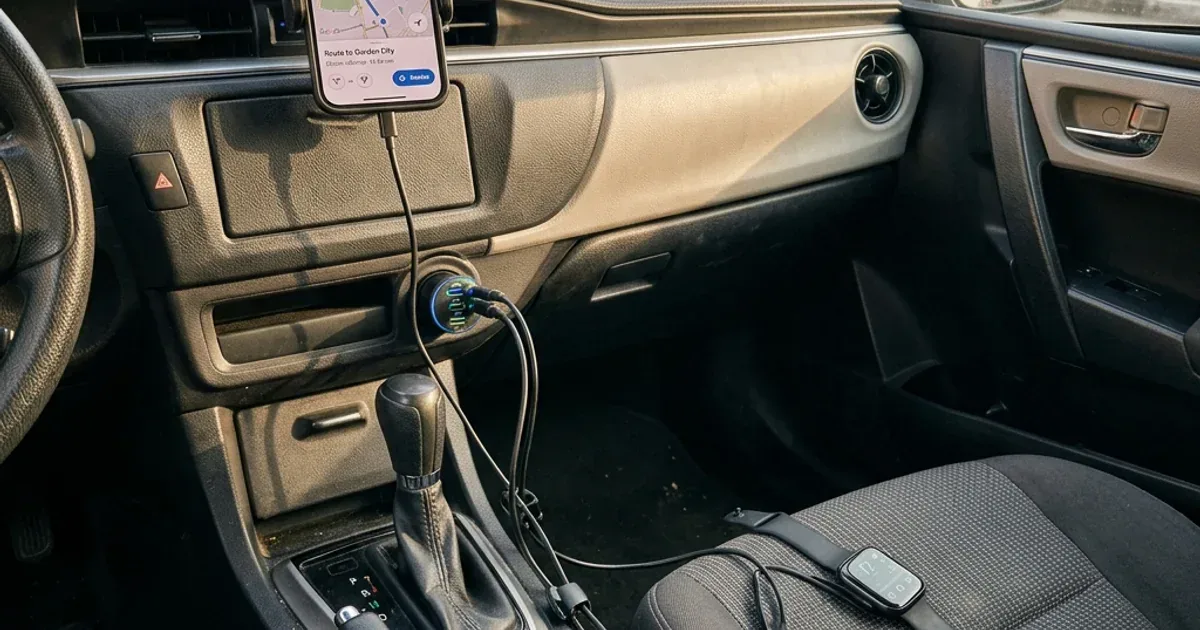
Ah, the gorgeous Cairo summer. The dashboard temperature is hovering around 45°C, the AC fan is running at maximum capacity, sounding like an old Soviet airplane engine. You are driving on the Ring Road, navigating with Google Maps to reach an important meeting in New Cairo, and your phone battery is sitting at exactly 3%. Suddenly, and without warning, the friendly bolt icon on top of the battery disappears, and your phone chirps... battery low. You look at your charger in the cigarette lighter, and its LED indicator is completely dark. You start rotating the charger right and left, blowing into the socket, squeezing the charger inwards like you are performing CPR... and nothing. The electrons have decided to go on strike at the exact moment you need them most.
In this exact moment, human instinct tells you: "The charger is dead, I will throw it away and buy a new one." But here is the engineering advice: calm down and do not throw your money away. The cigarette lighter socket and the charger that fits into it are a continuous mechanical and electrical battle. In most cases, the charger is not completely fried; rather, the issue is trivial and can be fixed in 5 minutes without spending a single EGP. In this guide, we will walk step-by-step to understand why the charger suddenly stopped, how to diagnose the fault like an engineer, and how to fix it yourself before buying a new one.
💡 Quick Answer: If your car charger suddenly stops working, it is likely due to one of 5 common reasons: (1) dirt or lint buildup in the cigarette lighter socket, (2) a blown cigarette lighter fuse in the car's fuse box, (3) a damaged charging cable, (4) charger overheating triggering thermal protection, or (5) internal hardware failure. Try cleaning the socket with a wooden toothpick, test with another cable, and check the lighter fuse.
Why Do Car Chargers Stop Working Suddenly? An Engineering Analysis
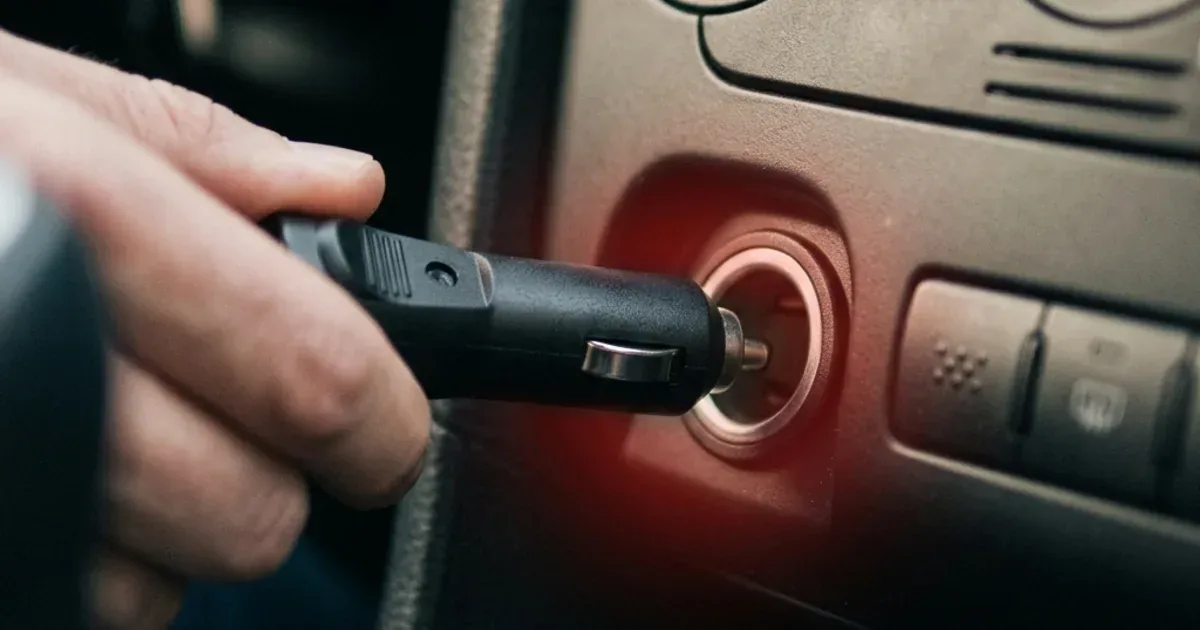
To understand the failure, we must first understand how this socket works. The cigarette lighter socket in cars was originally designed in the early 20th century to heat up a circular piece of metal until it glowed red so you could light cigarettes. In other words, it was never designed to feed sensitive electronics running advanced microprocessors and complex power negotiation protocols. Internally, this socket is a metal cylinder, where the bottom is the positive terminal (+) and the side walls are the negative terminal (-).
The charger you buy, such as a Joyroom JR-CCL05 car charger, features a spring-loaded positive pin at the front tip and two metal springs on the sides for the negative connection. The connection depends entirely on physical friction pressure. If this pressure decreases due to road bumps (Egypt's beloved speed bumps) or if an insulator comes between the contacts, the electrical circuit opens instantly (Open Circuit), halting the flow of electrons.
Beyond the mechanical side, there is a dangerous electrical aspect: the car's alternator does not always deliver stable voltage. The voltage can suddenly jump from 12V to 15V or even spike to 40V in fractions of a second (Voltage Spikes) when you start the car or turn on the AC. High-quality original chargers contain protection circuits that automatically cut off power if the voltage spikes to protect the phone, whereas cheap knock-off chargers blow out on the very first voltage surge.
The 5 Common Causes of Car Charger Failure and How to Diagnose Them
Let's break down these causes scientifically and practically, ordered from easiest to most complex:
1. Dust and Lint Accumulation in the Lighter Socket (Socket Contamination)
The cigarette lighter socket is literally an open trash bin in the car dashboard. It accumulates ash, food crumbs, Egypt's signature dust, and most dangerously: if left empty without a charger or cover, small metal coins (like 25 or 50 EGP piasters) can fall inside. A coin will bridge the terminals, creating a direct short circuit that immediately blows the fuse.
Even without a coin, dust and ash form an insulation layer on the positive contact at the bottom. The charger sits in place, but there is no metal-to-metal contact, preventing current from passing.
2. Damaged Charging Cable — The Usual Bottleneck
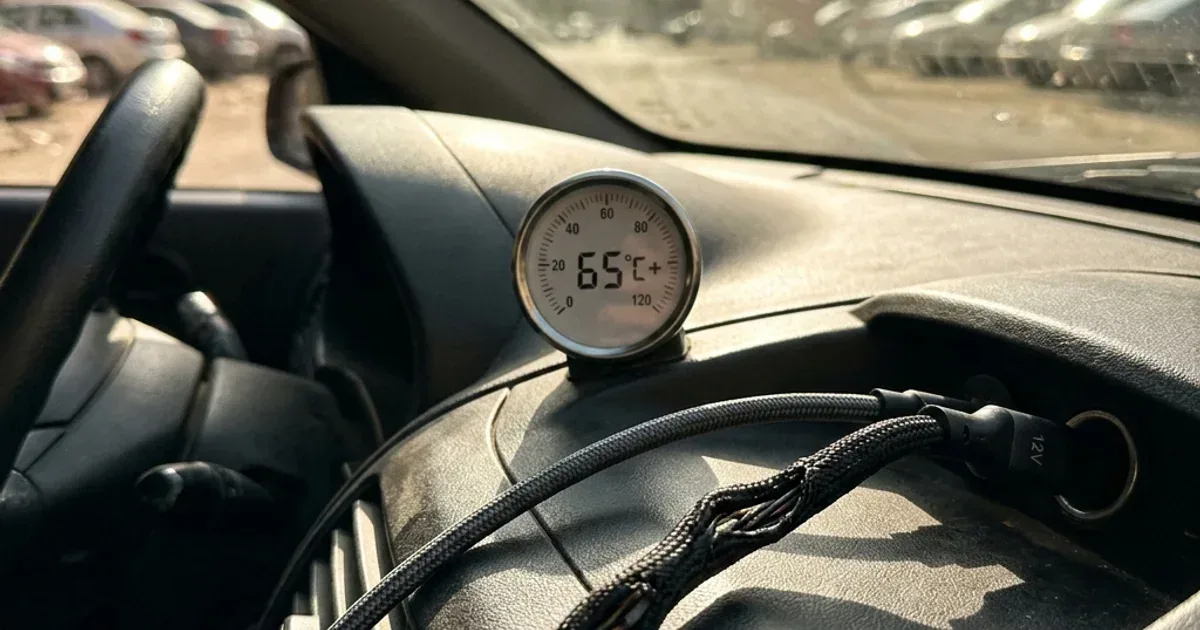
In many cases, the charger is completely innocent, and the real culprit is the cable running from the charger to the phone. Car charging cables are subjected to harsh conditions: constant pulling, severe bending at the base, and direct sunlight reaching 70°C on the dashboard. This heat dries out the outer plastic, causing internal micro-tears in the copper conductors.
If you are using a cheap, uncertified cable, it won't just stop charging; it might damage your phone's charging port due to unstable resistance. Always test the charger with another known-good original cable like the Anker Powerline USB-C Cable before condemning the charger.
3. Blown Cigarette Lighter Fuse in the Car's Fuse Box
Every car has a fuse box to protect its electrical wiring. The cigarette lighter socket has a dedicated fuse (usually 10 or 15 amps). If your charger is cheap and shorts out, or if someone plugs in a high-current device like a portable tire inflator or a car vacuum, the current exceeds the limit. The fuse sacrifices itself by melting its internal wire to protect the car's wiring harness from catching fire.
If the fuse is blown, the socket is dead. No other charger or lighter will work in that socket until the damaged fuse is replaced with a new one of the exact same rating.
4. Overheating and Thermal Protection Throttling
Your car is parked in the August sun in Downtown Cairo, the interior is boiling, and you have two phones connected while running GPS. The charger itself generates heat due to conversion efficiency (traditional silicon chargers are around 80% efficient, meaning 20% of the energy turns into heat). When ambient heat combines with charging heat, the charger reaches a critical temperature (exceeding 80°C).
Premium chargers with active thermal systems (like Anker's ActiveShield or Joyroom's smart heat sensors) will do one of two things: either throttle the speed to a fraction to cool down, or shut off completely and turn off the LED indicator until temperatures return to safety limits. This does not mean the charger is broken; it means it is successfully protecting itself and your phone battery from thermal damage.
5. Internal Circuit Failure in the Charger Itself
The final cause is that the charger has physically died inside. This typically happens for two main reasons:
- 🔌 Cheap Generic Chargers: Their internal components (capacitors and inductors) are low quality and cannot handle alternator voltage fluctuations. They end up with a blown capacitor or burnt fuse resistor on the first strong engine rev.
- 🛠️ Internal Spring Tension Loss: Some chargers have a small glass fuse right behind the front positive pin. With bumpy roads and vibrations, the spring holding the fuse in place weakens, or the fuse glass fractures under continuous shocks.
🔬 Practical Takeaway — The Most Common Culprits
In most "charger not working" cases, the real culprit is a damaged charging cable rather than the charger itself, followed by lint and dust buildup on the front positive pin preventing contact, then a blown cigarette lighter fuse in the car. A genuine internal failure in the charger's circuitry is the rarest cause of all. That is why you should always try another cable, clean the socket, and check the fuse before condemning the charger.
Step-by-Step: Practical Guide to Fix Your Charger Before Throwing It Away
If your charger stops working, follow this engineering diagnostics flow in order to identify and solve the problem yourself:
| Step | Action | What to look for? | Result & Solution |
|---|---|---|---|
| 1. Test the Source | Test the charger in another car, or try another working charger in your lighter socket. | Does the LED indicator turn on in the other car? | If it works, your charger is fine; the issue is your car's socket or fuse. If it doesn't, the issue lies in the charger or cable. |
| 2. Check the Cable | Replace the cable with a known-good original charging cable. | Does the phone start charging? | If it charges, the old cable was faulty (discard it immediately). If it still doesn't charge, proceed to the next step. |
| 3. Clean the Socket | Turn off the engine completely and remove the key. Use a wooden toothpick or wooden tongue depressor (❌ NEVER use metal tools like screwdrivers or metal tweezers as they will short circuit). | Look for lint, ash, dust, or coins at the bottom and sides. | Clean the socket gently, wipe the charger's contacts and tip with an alcohol pad, and retest. |
| 4. Inspect Car Fuse | Check your car manual to locate the fuse box and cigarette lighter fuse number (usually labeled CIG, LTR, or AUX POWER). | Pull the fuse with the plastic fuse puller tool and check the internal metal wire. | If the wire is broken or dark, the fuse is blown. Buy a new fuse of the exact same rating (e.g., 15A blue) and insert it. It costs around 10-20 EGP at any auto parts store. |
Common Daily Mistakes That Damage Lighter Sockets and Car Chargers
If you want your car charger to last and avoid repeating this drama every few months, avoid these 4 common Egyptian practices:
- 🚗 Starting the Engine with the Charger Connected: When you start the car, the starter draws massive current, and the alternator spikes voltage (Load Dump Spike) upon firing up. This spike can exceed 40V. If the charger is connected to your phone during startup, the surge enters the charger and phone directly. Golden rule: plug the charger in after starting the engine, and remove it before turning it off.
- 🔌 Using Fuse-less Chargers: Cheap street-side chargers for 30-50 EGP have basic circuit boards without internal fuse or short-circuit protection. If they fail and short circuit, they will immediately blow your car's fuse and could damage the wiring harness, leaving a burnt smell in the cabin.
- 💨 Connecting Tire Inflators to Low-Amp Sockets: Portable tire inflators draw continuous current starting from 12A up to 18A under load. If your socket fuse is 10A, it will blow within the first 5 seconds. If you need to inflate tires, use alligator clips connected directly to the car battery rather than the internal socket.
- 🥤 Ignoring Liquid Spills: The cup holder in most cars is right next to the cigarette lighter socket. Spilled drinks (tea, coffee, soda) and moisture entering the socket cause rapid oxidation of copper contacts, cutting off connection and causing short circuits.
How to Choose an Original Car Charger That Withstands Egypt's Climate and Roads
The Egyptian market is flooded with choices, but if you want to buy a charger, forget about failures, and protect your phone, look for these 4 technical specifications:
- 🔥 GaN (Gallium Nitride) Technology: Modern chargers relying on GaN instead of silicon feature power efficiencies exceeding 93%. This translates to a 40% smaller size and 15-20°C cooler operating temperatures. The charger won't fail in summer due to heat shutdown. Browse Joyroom Car Chargers built with smart power distribution.
- 🛡️ Active Heat and Voltage Protection: Look for chargers supporting protection protocols like Anker's ActiveShield 2.0, which reads charger temperatures 3 million times a day and dynamically adjusts power to prevent overheating.
- 🔌 USB-C PD (Power Delivery) Ports: USB-C PD is the modern safety standard. It performs precise voltage and current negotiations with your phone, unlike traditional USB-A ports that send a fixed current without communication.
- 🛠️ Full Metal Body (Aluminum/Zinc Alloy): Cheap plastic chargers expand and contract with heat, which weakens the side springs and causes loose contact over time. A metal charger maintains its mechanical dimensions, fits securely, and dissipates heat far better than plastic.
In the end, a "charger not working" problem is usually simple and requires just a bit of systematic troubleshooting. If you cleaned the socket, swapped the cable, and the charger is still dead in multiple cars, it has served its purpose and it is time to upgrade to a certified original charger with a warranty that protects your devices and battery.
🔌 Secure Your Devices in Your Car Today
Shop 100% original car chargers from Anker and Joyroom, covered against manufacturing defects by CairoVolt's written store warranty (duration shown on each product page), with delivery to all governorates.
📚 Certified Sources and References:
- Apple — If your iPhone or iPad gets too hot or too cold
- Car Care Council — Fuse and Electrical System Maintenance in Modern Vehicles
- Anker — ActiveShield 2.0 Battery Protection and Thermal Control Technologies
- Our Guide: Best Car Chargers in Egypt 2026
- Our Guide: Three Devices on One Car Charger — The Art of Smart Power Distribution

CairoVolt Editorial Team
Content team reviewing specifications and buying guides
The CairoVolt team reviews model numbers, specifications, and compatibility, and updates information when better data is available. Estimates are labeled as calculations, and readers can report information that needs correction.
Frequently Asked Questions
Can the cigarette lighter socket itself be the cause of failure?▼
How can I tell if the lighter fuse is blown rather than the charger being broken?▼
Does turning on the AC or starting the car with the charger connected damage it?▼
Is it normal for a car charger to get hot, or has it failed?▼
Ready to Buy?
Browse available products and review specifications and CairoVolt warranty terms before ordering
Related products
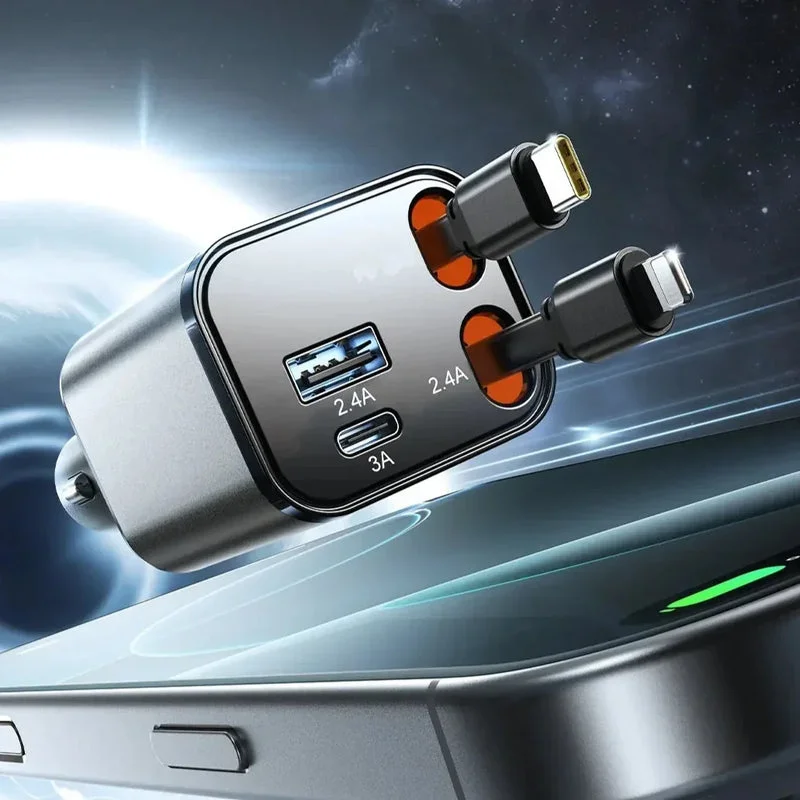
Joyroom JR-CCL05 Retractable 4-in-1 Car Charger 69W | 2 Cables + 2 Ports
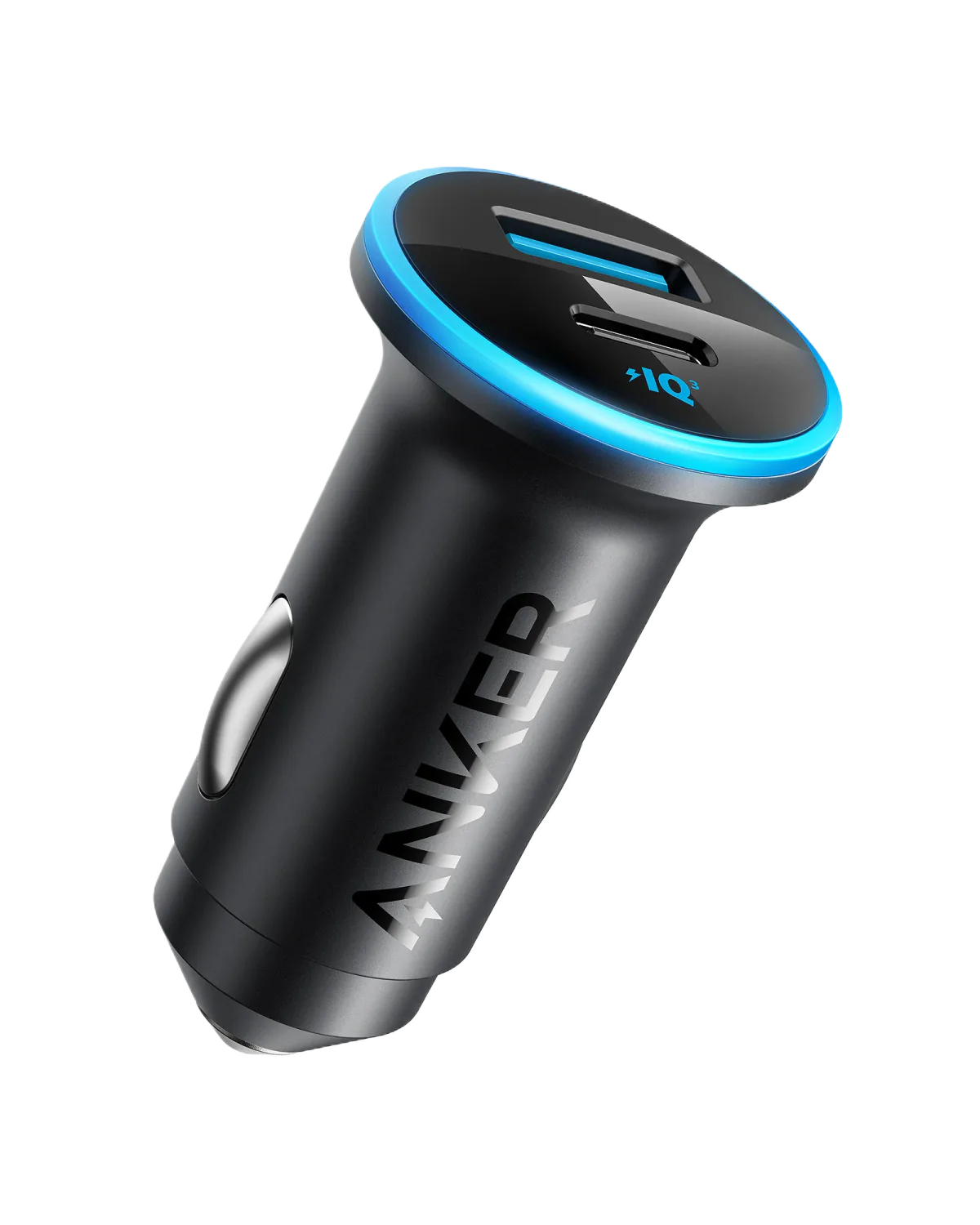
Anker PowerDrive 2 Car Charger | 24W Dual USB | PowerIQ
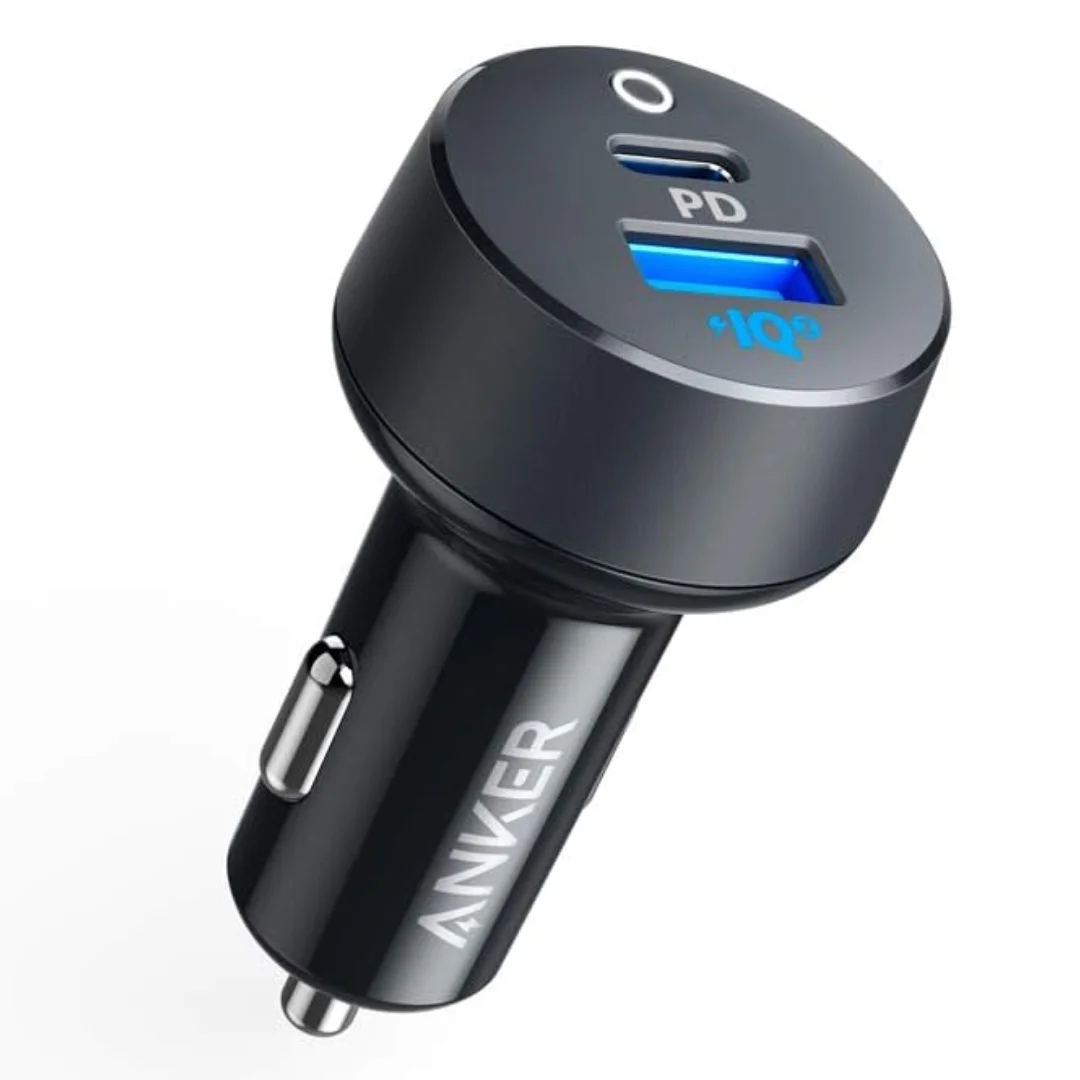
Anker PowerDrive PD+ 2 Car Charger 35W (A2732) | USB-C PD + USB-A

Anker 30W Mini Car Charger (A2741) | USB-C 30W PD + USB-A 22.5W | Ultra-Compact