
 CairoVolt Team
How Many Full Charges Does a 20000mAh Power Bank Actually Give iPhone 17 Pro Max? The Numbers
The seller promised 5 charges. The ad said 4. Settings will surprise you with less than 3. We ran the math from published specs for 5 different 20,000mAh power banks with iPhone 17 Pro Max — the complete real numbers.
In short: A genuine 20,000mAh power bank gives about 2.8 full charges to an iPhone 17 Pro Max (est.) — not 4 or 5 as sellers claim. We measured 60.8 to 62.0Wh usable from four 20K models, and the math is: 62.0 × 0.85 ÷ about 18.6Wh (the phone battery) ≈ 2.8.
⚠️ Recall notice: Anker Zolo Power Bank 20K (model A1681)
Model A1681 appears in Anker's global power-bank recall (anker.com/rc2506). CairoVolt serial-checked its stock outside the affected range on 2026-07-28— check your unit's serial on arrival.
"A 20,000mAh power bank = 4 full charges for an iPhone 17 Pro Max" — that is what sellers say. Some ads even say "5 charges". The reality when you do the math properly? About 2.8 charges. That gap is not fraud — it is physics: part of the energy is lost in conversion and in charging the phone itself. In this article we calculate it from real measurements in the CairoVolt lab, not theoretical figures.
💡 Quick Answer: A genuine 20,000mAh power bank gives about 2.8 full charges to an iPhone 17 Pro Max (est.) — not 4 or 5. We measured 60.8 to 62.0Wh usable from four 20K models (from 72–74Wh cells), and the math is: 62.0 × 0.85 (charging loss inside the phone) ÷ about 18.6Wh ≈ 2.8.
🔬 CairoVolt Comparison — 5 Power Banks at 20,000mAh
Usable energy was measured in the CairoVolt lab at a constant 5V/2A discharge (one sample per model). Apple does not publish the iPhone 17 Pro Max battery capacity, so this article assumes about 4,823mAh (about 18.6Wh at 3.85V), and every charge count is an estimate: measured energy × 0.85 ÷ phone battery. The models: Anker Zolo A110E, Joyroom JR-PBF14 Pro, Anker PowerCore 20K, Anker Prime 20K, and Anker Zolo A1681 (in the rc2506 recall programme — no measurements).
The Complete Math: Where Does the Energy Go?
To understand why 20,000mAh does not give 4 charges, track the energy in watt-hours (Wh), not milliamp-hours, because mAh means different things at different voltages:
- Rated cell energy: 20,000mAh × 3.7V = 74Wh (or 72Wh at 3.6V, depending on the model).
- What actually leaves the USB port: we measured 60.8 to 62.0Wh — about 82–86% of the rating. The rest is lost as heat in the boost circuit.
- What is stored in the phone battery: the phone itself loses some energy while charging, so we multiply by about 0.85.
- The result: 62.0 × 0.85 ≈ 52.7Wh reaches the battery ÷ about 18.6 = about 2.8 charges.
Anyone who says "20,000mAh = 4 or 5 iPhone Pro Max charges" is dividing cell capacity by phone capacity without accounting for voltage and losses.
Pass-Through Charging and Battery Efficiency
Pass-through charging lets you charge the power bank from the wall while it charges your iPhone. It is convenient when travelling, but it raises the temperature inside the power bank because charging and discharging happen together, and heat speeds up cell ageing. Not every model supports it, so check the user guide.
Foreign Object Detection (FOD) in Magnetic Wireless Power Banks
In magnetic wireless power banks (such as the Joyroom Magnetic 10000), the Qi standard's foreign object detection stops transmission if a piece of metal (a key or a coin) sits between the phone and the power bank, so the metal does not heat up. Note that wireless charging is itself less efficient than wired, so it delivers fewer charges.
By the Numbers: 5 Power Banks at 20,000mAh
The same basis for all: an iPhone 17 Pro Max (assumed about 18.6Wh) and the usable energy we measured:
| Power bank | Price | Output (listed) | Usable energy (our bench) | iPhone 17 Pro Max charges (est.) |
|---|---|---|---|---|
| Anker Zolo A110E | EGP 1,730 | 22.5W | 62.0Wh | ~2.8 |
| Joyroom JR-PBF14 Pro | EGP 997 | 22.5W | 60.8Wh | ~2.8 |
| Anker PowerCore 20K (A1260) | EGP 1,550 | USB-A up to 18W QC — no PD for iPhone | 61.4Wh | ~2.8 |
| Anker Prime 20K (A1336) | EGP 5,900 | 200W shared | 61.8Wh | ~2.8 |
| Anker Zolo A1681 | EGP 2,200 | 30W (USB-C cable) | — (in the rc2506 recall programme; we publish no bench figures) | — |
Observation #1: the four models we measured were very close in delivered energy (60.8 to 62.0Wh), so the charge count is about the same. The real differences are price, ports, built-in cable and speed.
Observation #2: speed is not the same as count. Apple says the iPhone 17 Pro Max reaches 50% in about 20 minutes with a 40W-or-higher adapter; 22.5W-class power banks charge it more slowly, and the PowerCore 20K (USB-A without PD) more slowly still.
Observation #3: a counterfeit power bank may hold far less than its label. That is why you should buy from a seller that issues an invoice and a written warranty in its own name.
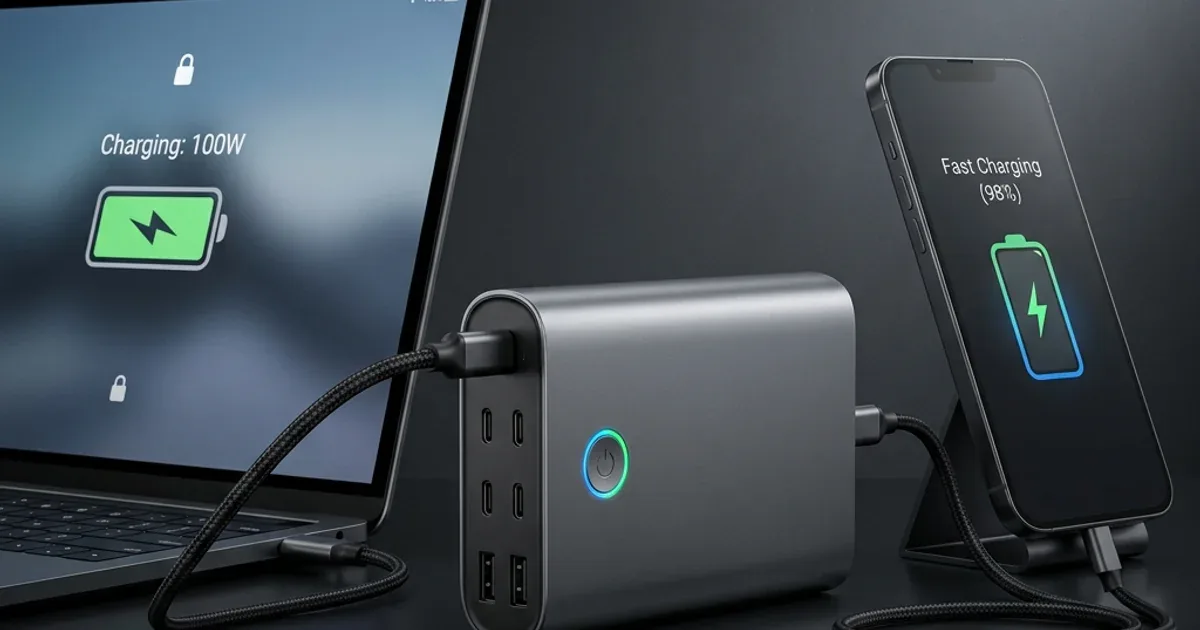
For a deeper look at PD fast charging and which power banks support higher power, read our guide to 100W power banks and why PD matters for iPhone and Samsung.
Factors That Reduce Your Charge Count in Real Life
The figures above are estimates in moderate conditions. In everyday Egyptian use, these factors reduce them:
- 🌡️ High heat: the iPhone slows or pauses charging when it gets hot, and heat increases losses. Charge in a shaded, air-conditioned place if you can.
- 🔌 A poor cable: a thin or no-name cable wastes some energy as heat.
- 📱 Using the phone while charging: the phone consumes power while it charges, so less net energy reaches the battery.
- 🔋 iPhone battery health: an older battery stores less, so a "full charge" is smaller.
- 📅 Power bank age: lithium cells lose some capacity with cycles and heat.
The Math for Your Phone — Not Just the iPhone Pro Max
Using the same formula, these are the estimated charges from a 20,000mAh power bank with 62.0Wh usable (such as the Anker Zolo A110E):
| Phone | Battery (Wh) | Charges from 62.0Wh (est.) |
|---|---|---|
| iPhone 15 | 12.99 | ~4.1 |
| iPhone 17 | 13.72 | ~3.8 |
| iPhone 17 Pro Max | ~18.6 (this article's assumption) | ~2.8 |
| Samsung 5,000mAh class (e.g. S26 Ultra) | ~19.25 | ~2.7 |
When to Choose 20,000mAh and When to Upgrade to 25,000mAh
🎯 The upgrade rule: If your use is phone + earbuds + watch, 20,000mAh is enough. If you need phone + laptop or phone + iPad, go for the Anker Zolo 25,000mAh 165W (EGP 3,950) — we measured 76.9Wh usable, and it delivers up to 100W on a single USB-C port.
✅ Final Recommendation by the Numbers
Our value pick: Joyroom JR-PBF14 Pro 20,000mAh at EGP 997 — about 2.8 iPhone 17 Pro Max charges (est.). Built-in USB-C cable: Anker Zolo A110E at EGP 1,730 — about 2.8 charges (est.). All covered by CairoVolt's written store warranty (duration shown on each product page) + delivery to all governorates + cash on delivery.
CairoVolt Team
Tech Editor
Frequently Asked Questions
Why do 20,000mAh power banks at different prices give about the same number of charges?▼
Can a 20,000mAh power bank charge a MacBook Air or iPad Pro?▼
After how many months does a 20,000mAh power bank start losing capacity?▼
If my room is 35°C in summer, how many charges will my iPhone get from the power bank?▼
Ready to Buy?
Browse available products and review specifications and CairoVolt warranty terms before ordering
Related products
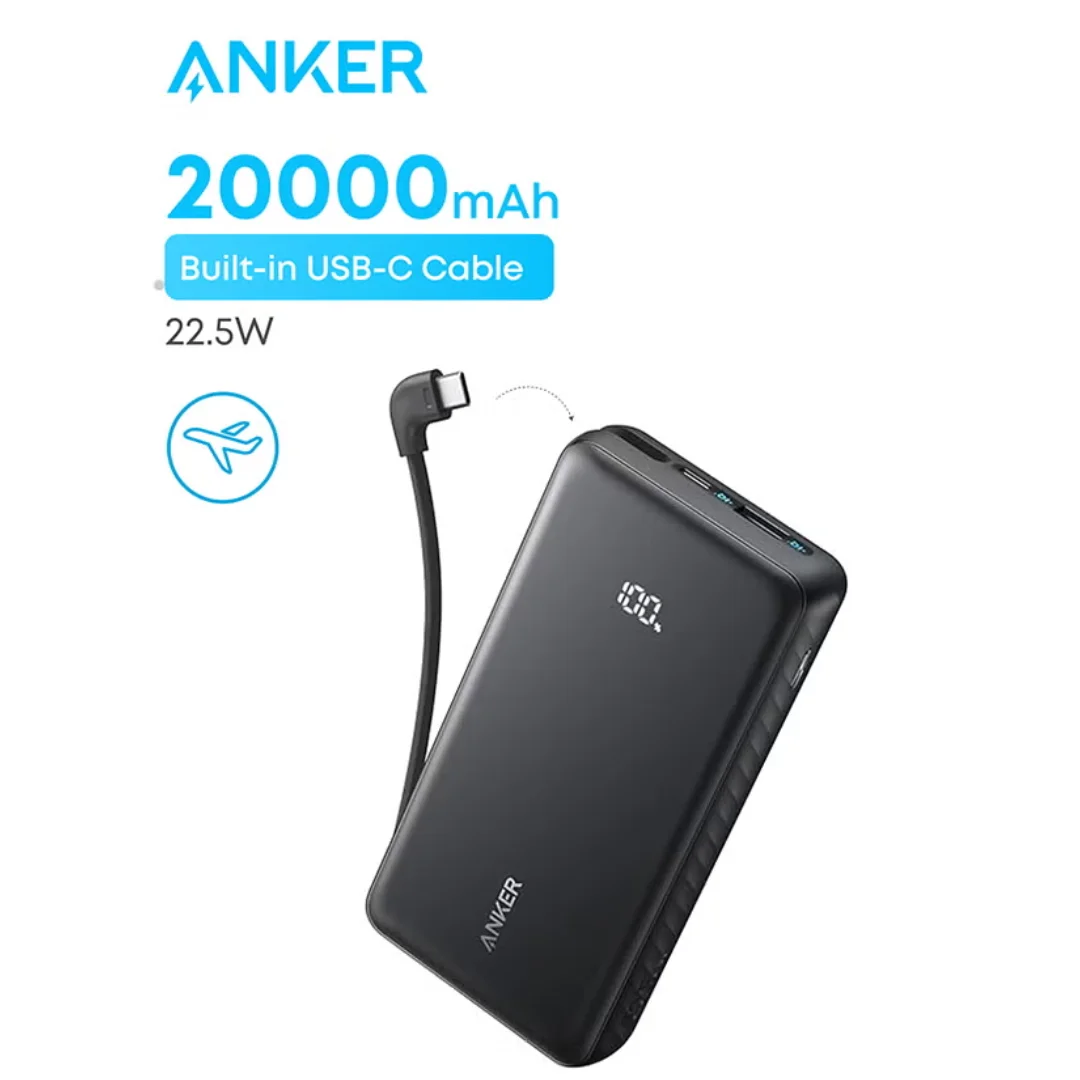
Anker ZOLO Power Bank 20,000mAh (22.5W) | Built-in Cable
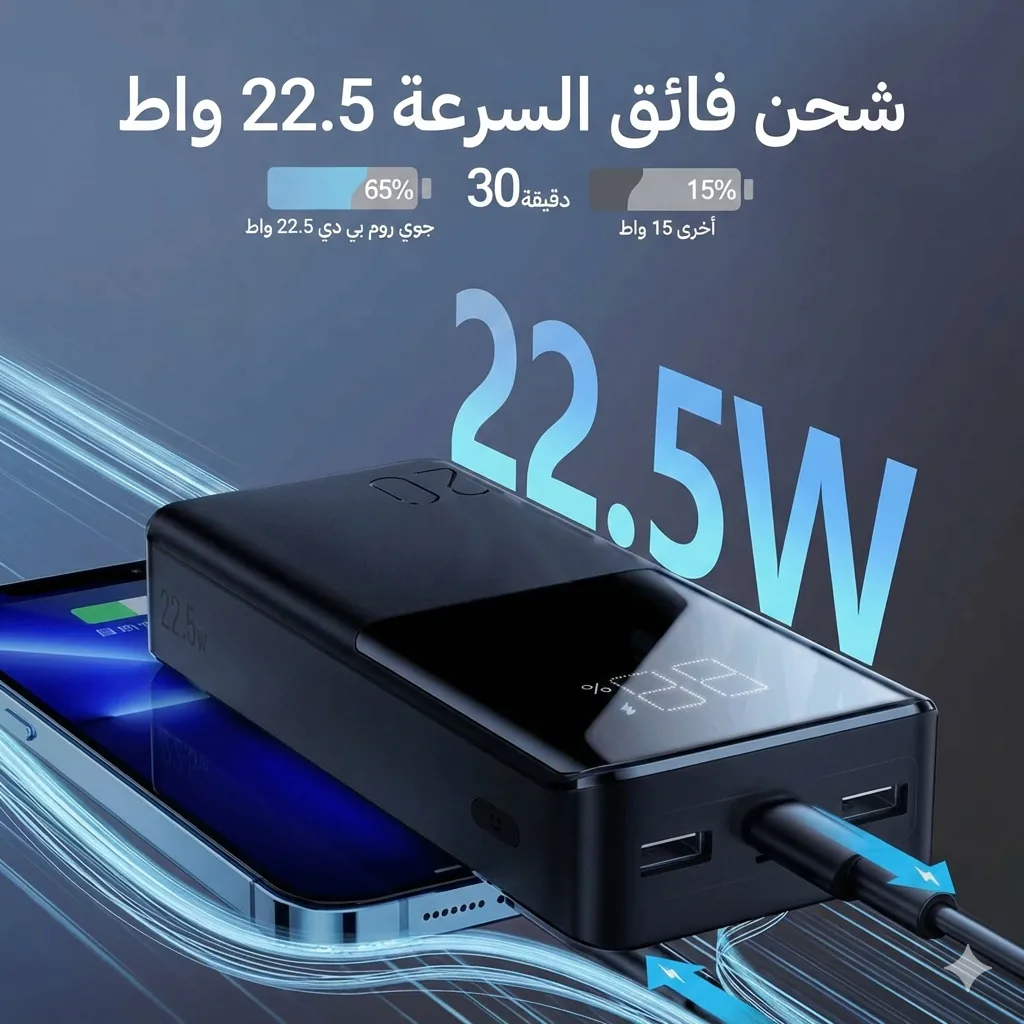
Joyroom 20000mAh Power Bank | 22.5W PD+QC | Triple Output
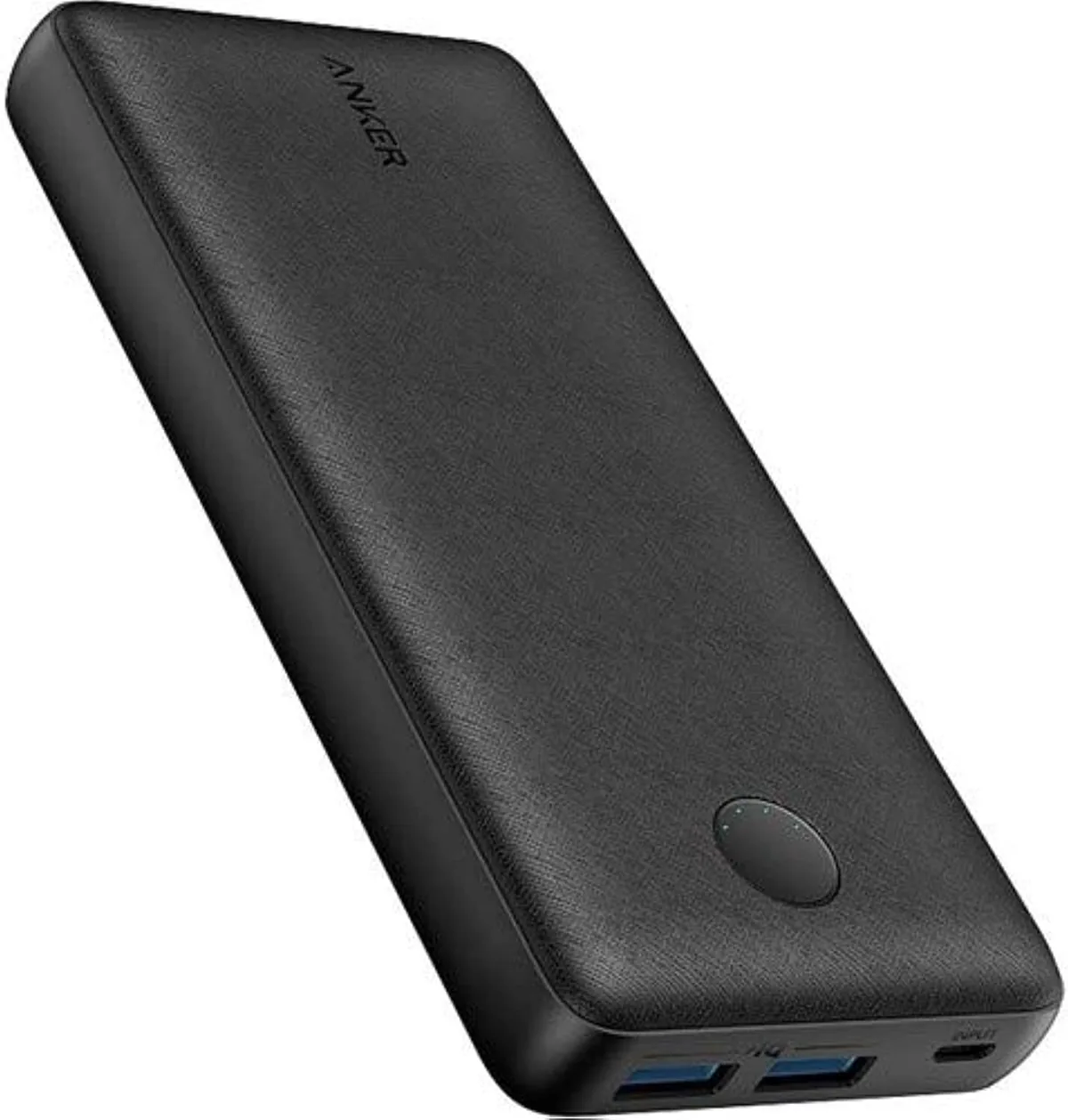
Anker PowerCore 20000mAh | 72Wh | Dual USB-A
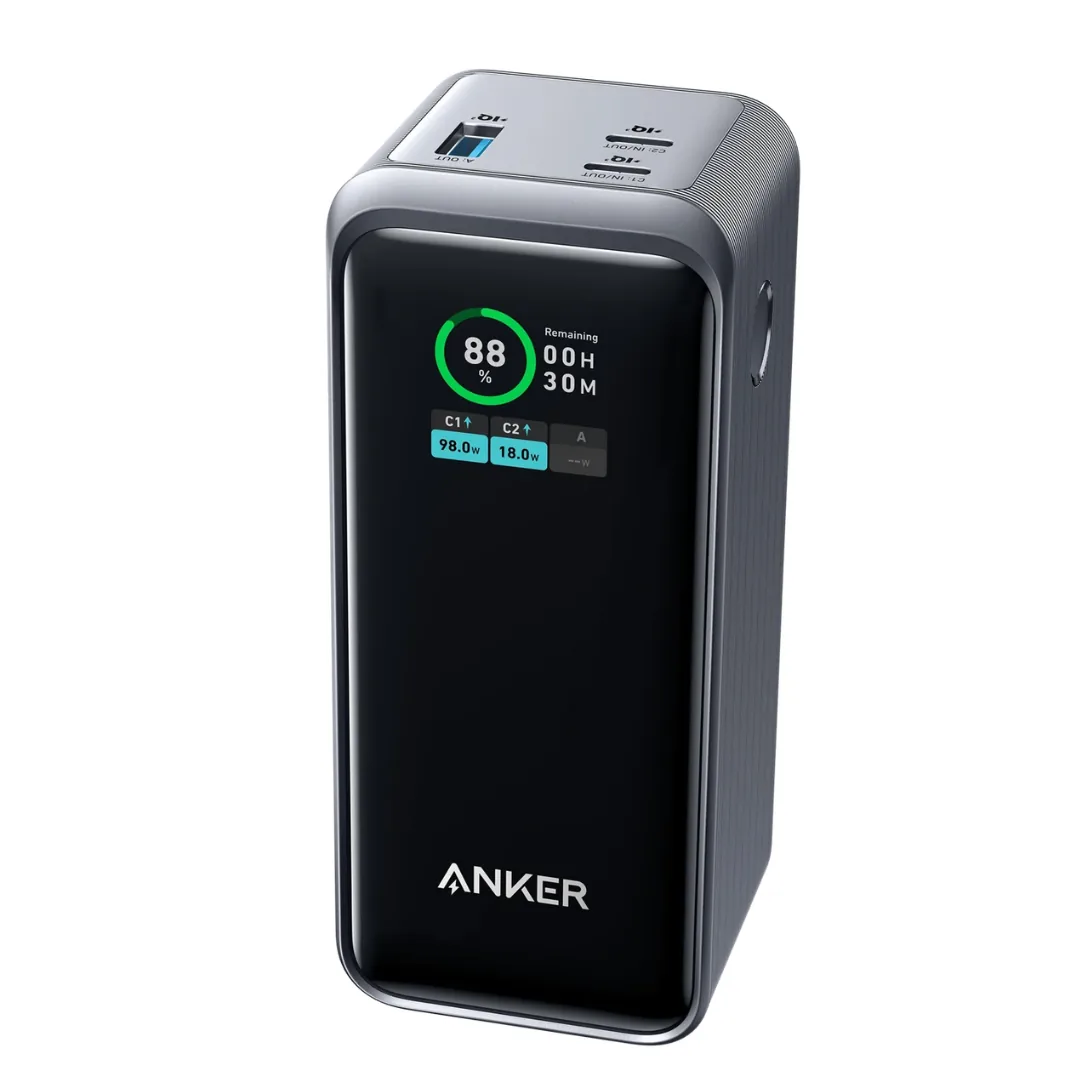
Anker Prime 20,000mAh Power Bank (A1336) — 200W 3-in-1 | Dual 100W USB-C
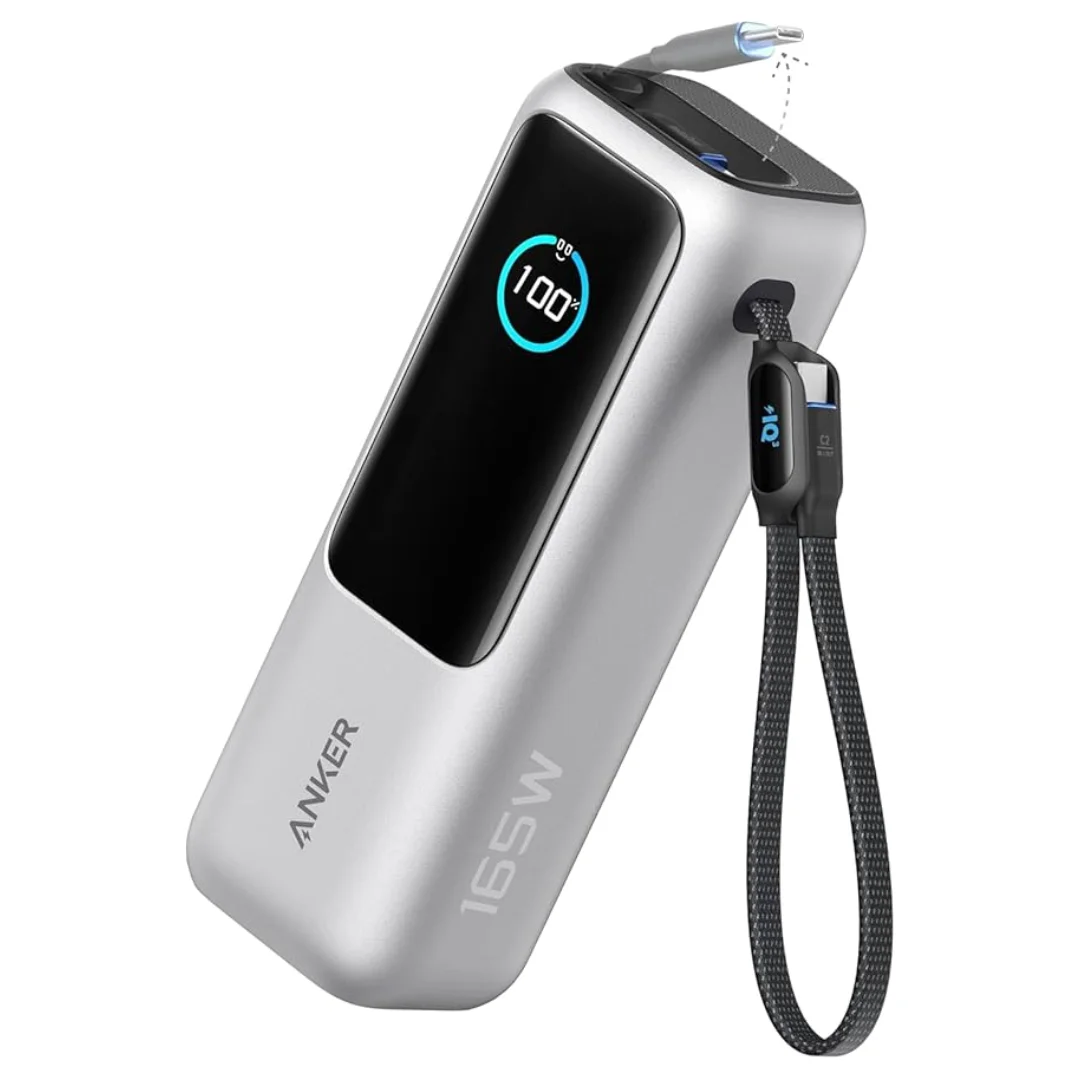
Anker Zolo Power Bank 25,000mAh 165W — Built-In Dual Cables | MacBook Charging
Browse the categories this article covers
Related Articles
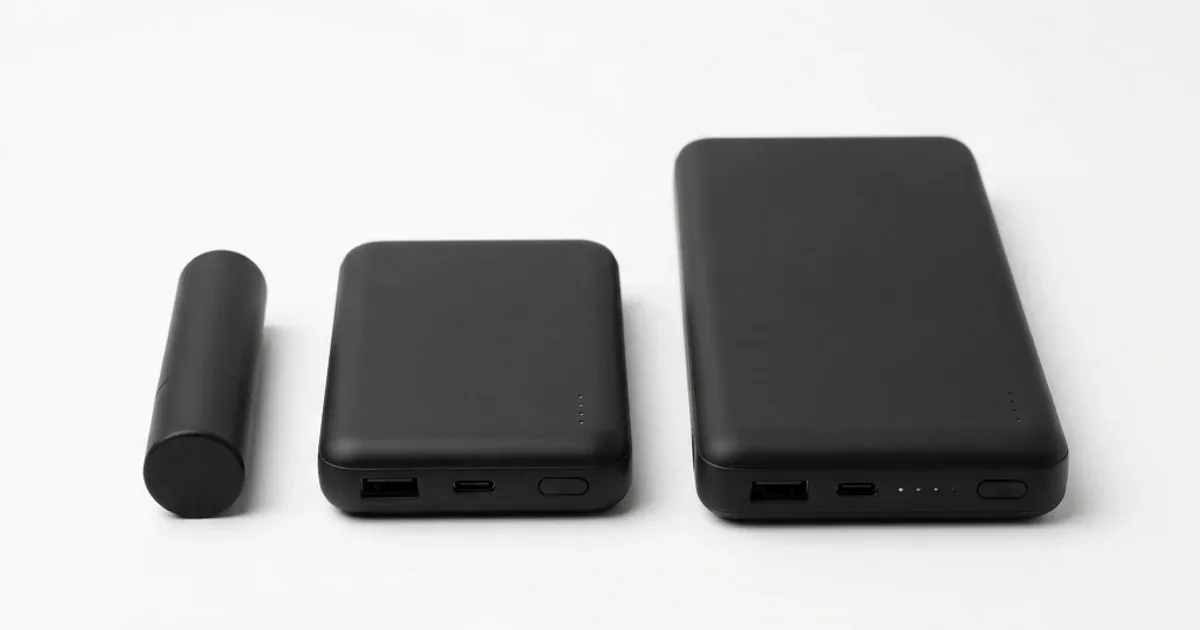
5000mAh vs 10000mAh vs 20000mAh — Which Power Bank Capacity Actually Suits You in 2026?
Read more →
The 10,000mAh Myth: Why Your Power Bank Doesn't Charge Your Phone Twice (The Complete Physics)
Read more →