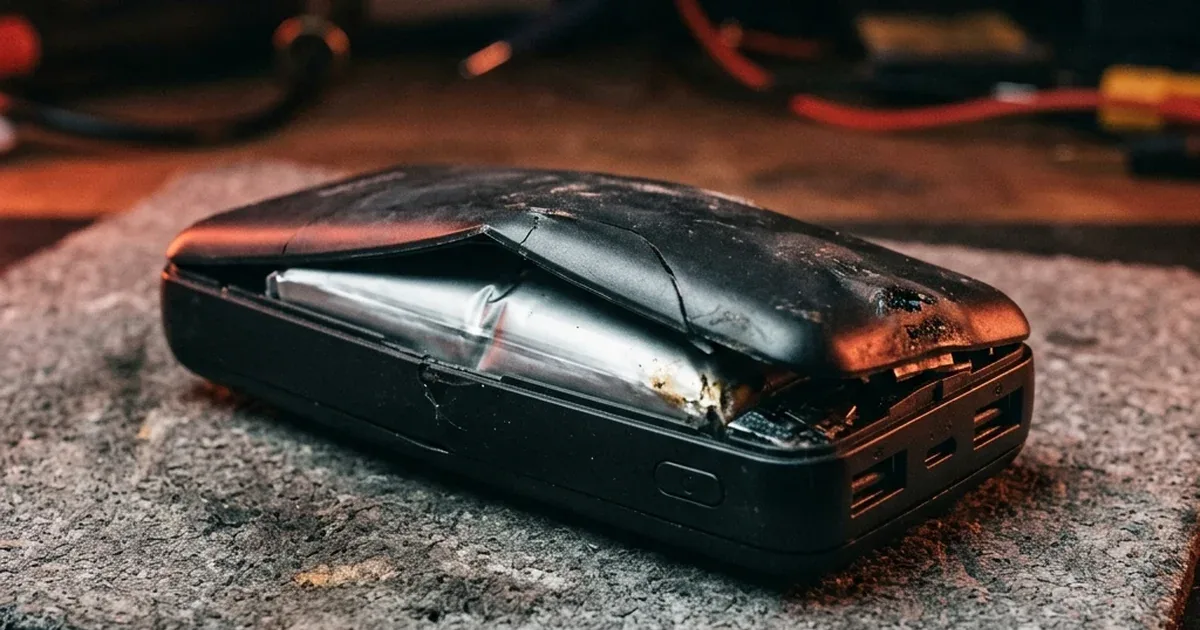
Imagine this potentially catastrophic situation, my friend: you are driving down a highway with your family in the middle of a scorching Egyptian summer, your car's AC is running on max, and your smartphone's battery drops to a critical 10%. You decide to pull out that "amazing budget deal" power bank you bought for a dirt-cheap price from a random street vendor under the bridge to save the day. You place it on your hot dashboard, plug in your phone, and start charging happily. Suddenly, without warning, you start smelling a strange, toxic burnt plastic odor, only to find the power bank swelling right before your eyes, bloating, and emitting thick gray smoke like an old steam locomotive! This terrifying scenario is not a scene from a Hollywood action movie; it is a highly dangerous reality that happens to thousands of users globally every year. The portable charger in your pocket or backpack is not just a simple plastic battery block; it is a concentrated, highly active chemical energy storehouse that, if manufactured poorly or handled incorrectly, can transform into a ticking bomb capable of destroying your vehicle or home in minutes.
This leaves users in a dilemma: are these stories about power bank explosions and fires a verified scientific fact, or are they just social media exaggeration designed to capture likes and clicks? The answer lies in published battery-safety research, which subjects lithium-ion battery cells to extreme stress and measures peak thermal outputs and internal resistance levels. In this detailed academic guide, we explain the chemical and physical secrets behind portable charger fires, the real catalysts that cause these disasters, and how you can protect your family with practical safety protocols. We also share smart guidelines to choose a certified, safe power bank that lasts a lifetime without risk.
💡 Quick Answer: Yes, power bank explosions are a verified scientific fact. They are caused by a chemical chain reaction called thermal runaway within lithium-ion cells due to internal short circuits, mechanical impacts, or extreme heat. This is almost exclusively limited to cheap, uncertified counterfeits lacking safety filters. Protect your family by purchasing certified brands like Anker or Joyroom and keeping devices away from high temperatures.
1. The Chemistry of Danger: Understanding Thermal Runaway in Lithium Cells
To understand why a portable charger can explode, we must look inside its chemical battery cells. Power banks rely on **Lithium-ion (Li-ion)** or **Lithium-polymer (Li-po)** battery cells. A cell consists of two primary electrodes—an anode and a cathode—separated by a microscopic polymeric sheet called the Separator, all submerged in a highly flammable liquid chemical electrolyte. The basic function of the battery relies on lithium ions moving back and forth between these electrodes during charge and discharge cycles.
The danger begins when the separator sheet collapses, tears, or degrades. When this happens, the anode and cathode come into direct physical contact, resulting in a massive **Internal Short Circuit (ISC)**. This short circuit triggers a sudden, uncontrolled flow of electrical current, driving the cell's internal temperature to over 150°C in a matter of seconds. This intense heat triggers a self-sustaining exothermic reaction known as **Thermal Runaway**.
During this destructive thermal runaway process, the internal polymer and graphite chemical compounds of the battery cell begin to self-decompose rapidly. This generates highly flammable hydrocarbon gases and pure oxygen simultaneously inside the sealed protective casing of the power bank. As the gas pressure and heat build up to critical limits (often exceeding 500°C in a matter of seconds), the outer plastic or aluminum casing ruptures violently, releasing a self-sustaining blowtorch fire. This flame cannot be extinguished by standard water because the internal decomposition reaction actively produces its own oxygen, sustaining the combustion process.
2. Primary Catalysts: Why Do Power Banks Catch Fire?
Thermal runaway does not occur randomly in healthy, certified battery cells. It is always triggered by one of the following primary catalysts:
- Critical Manufacturing Defects and Poor Quality Control: Cheap, unbranded, or counterfeit power banks often utilize sub-standard, thin battery separators or sloppy internal hand soldering on the circuit board. Under even minimal operational stress, electrical current spikes, or moderate heat generated during charging, these low-quality components melt or fail, leading to an immediate internal short circuit.
- Severe Physical Impact and Frequent Drops: Dropping your portable power bank repeatedly on hard surfaces like concrete, tile, or asphalt does more than just scratch or crack the outer plastic shell. It causes severe internal mechanical stress, often denting or shifting the delicate internal lithium cells. This physical deformation compresses the internal separator, bringing the cathode and anode closer together until they eventually short circuit internally during a future high-current charging cycle.
- Extreme Environmental Heat and Storage: Leaving a power bank on a dashboard or seat inside a locked car during peak summer hours (where internal cabin temperatures can easily exceed 65°C to 70°C in Egypt) acts as a catalyst. This heat accelerates chemical breakdown, destabilizes internal lithium compounds, and compromises safety filters, leading to spontaneous combustion and total vehicle destruction.
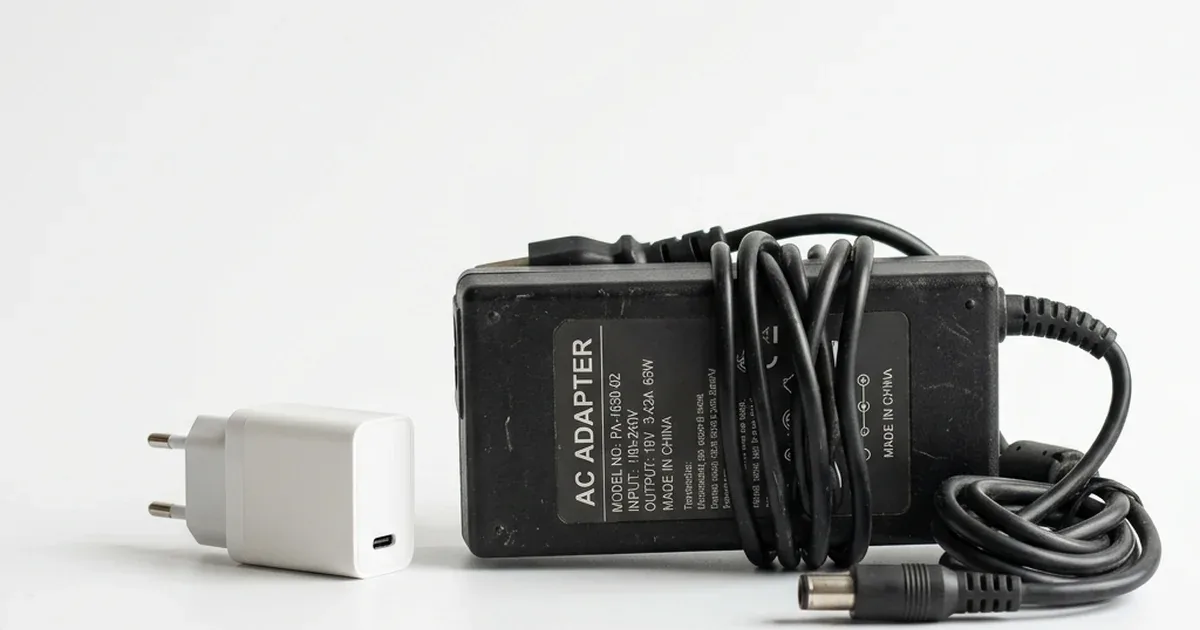
- Overcharging and Using Low-Grade Charger Adapters: High-quality, certified power banks are equipped with advanced battery management systems (BMS) and protective microchips that automatically and completely cut off the incoming electrical current once the battery cells reach 100% capacity. Cheap, uncertified counterfeit power banks completely lack this vital electronic board. If you leave a counterfeit unit plugged in overnight using a low-quality, generic wall adapter, the current continues to force its way into the battery. This creates continuous electrical stress, causing the cells to swell up, gas out, and eventually explode.
3. Counterfeit Power Banks: A Ticking Bomb in Your Pocket
The Egyptian market is flooded with counterfeit power banks featuring fake capacities and ridiculously low prices. Street vendors frequently advertise "Samsung 20000mAh" or "Xiaomi 10000mAh" power banks at low prices. Scientifically, these claims are impossible; the cost of manufacturing high-quality, certified lithium cells alone exceeds these prices.
To deceive unsuspecting customers, counterfeit manufacturers place low-capacity, hazardous, salvaged lithium cells inside large plastic chassis. To simulate the weight of a high-capacity 20000mAh battery block, they fill the empty internal space with **bags of dry sand or pieces of sharp scrap metal** held together by cheap, low-grade glue. Under normal charging heat, this adhesive melts completely, allowing the heavy scrap metal pieces to move freely inside. These metal shards eventually puncture the sensitive lithium cells, triggering an immediate electrical short circuit and explosive fire. Using these counterfeit accessories is a direct threat to your physical safety and your household.
4. Golden Safety Standards to Protect Your Family
To eliminate the risks of lithium battery fires entirely, you and your family must strictly adhere to these guidelines:
- Inspect for Battery Swelling: If you notice the sides of your power bank expanding, or if the outer shell starts to crack open, or if it wobbles on a flat surface, stop using and charging it immediately. Swelling indicates a severe accumulation of toxic, flammable gases under high pressure, and continued use will lead to a violent fire.
- Never Charge on the Bed or Under Pillows: Charging your power bank under pillows, blankets, or on soft bedding completely traps heat. This prevents natural dissipation, raising the internal temperature to dangerous levels and risking spontaneous fabric ignition.
- Store in Cool, Dry Environments: Keep your portable chargers away from direct sunlight, locked hot cars, kitchens, stoves, and humid or damp environments to prevent safety valve erosion.
- Dispose of Damaged Units Properly: Never throw a swollen or damaged power bank in standard household trash. Take it to a certified electronic waste recycling center.
5. Safety Features Comparison: Certified Brands vs. Cheap Counterfeits
| Safety System | Certified Brand (Anker / Joyroom) | Cheap Counterfeit Adapter | Importance for Safety |
|---|---|---|---|
| Dynamic Temperature Sensor | Present (ActiveShield checks temperature millions of times daily) | Completely Absent | Cuts off power automatically when the battery exceeds safe levels |
| Overcharge Protection | Present via advanced IC chipsets | Absent or non-functional | Stops current flow once the battery reaches 100% capacity |
| Short-Circuit Protection | Present with immediate cutoff filters | Completely Absent | Prevents fire in case the output lines touch or short |
6. CairoVolt Smart Purchasing Summary
To buy a safe power bank and protect your devices and home, follow these guidelines:
- Avoid unbranded street accessories entirely. A certified power bank like the Anker 737 Power Bank or models from the Anker PowerCore 10000 series are the safest choices.
- Always purchase your accessories from authorized distributors and highly reputable stores that offer a genuine local warranty of at least one or two years against manufacturing defects.
- Never use worn-out, frayed, or cheap exposed charging cables to recharge the power bank, as they can easily trigger a short circuit at the sensitive micro-USB or Type-C input port.
In the final analysis, investing a bit more in an original, certified power bank manufactured under strict quality standards is a smart, forward-thinking choice. It protects your valuable smartphone from voltage drops, ensures complete peace of mind, and ultimately keeps your family and household safe from hazardous electrical fires and explosion risks associated with cheap counterfeit products.

CairoVolt Editorial Team
Content team reviewing specifications and buying guides
The CairoVolt team reviews model numbers, specifications, and compatibility, and updates information when better data is available. Estimates are labeled as calculations, and readers can report information that needs correction.
Frequently Asked Questions
How can I spot a counterfeit power bank before buying?▼
Does a slightly swollen power bank require immediate disposal?▼
Can a damaged charging cable cause a power bank to catch fire?▼
What is the best way to extinguish a lithium battery fire?▼
Ready to Buy?
Browse available products and review specifications and CairoVolt warranty terms before ordering
Products Mentioned in This Article
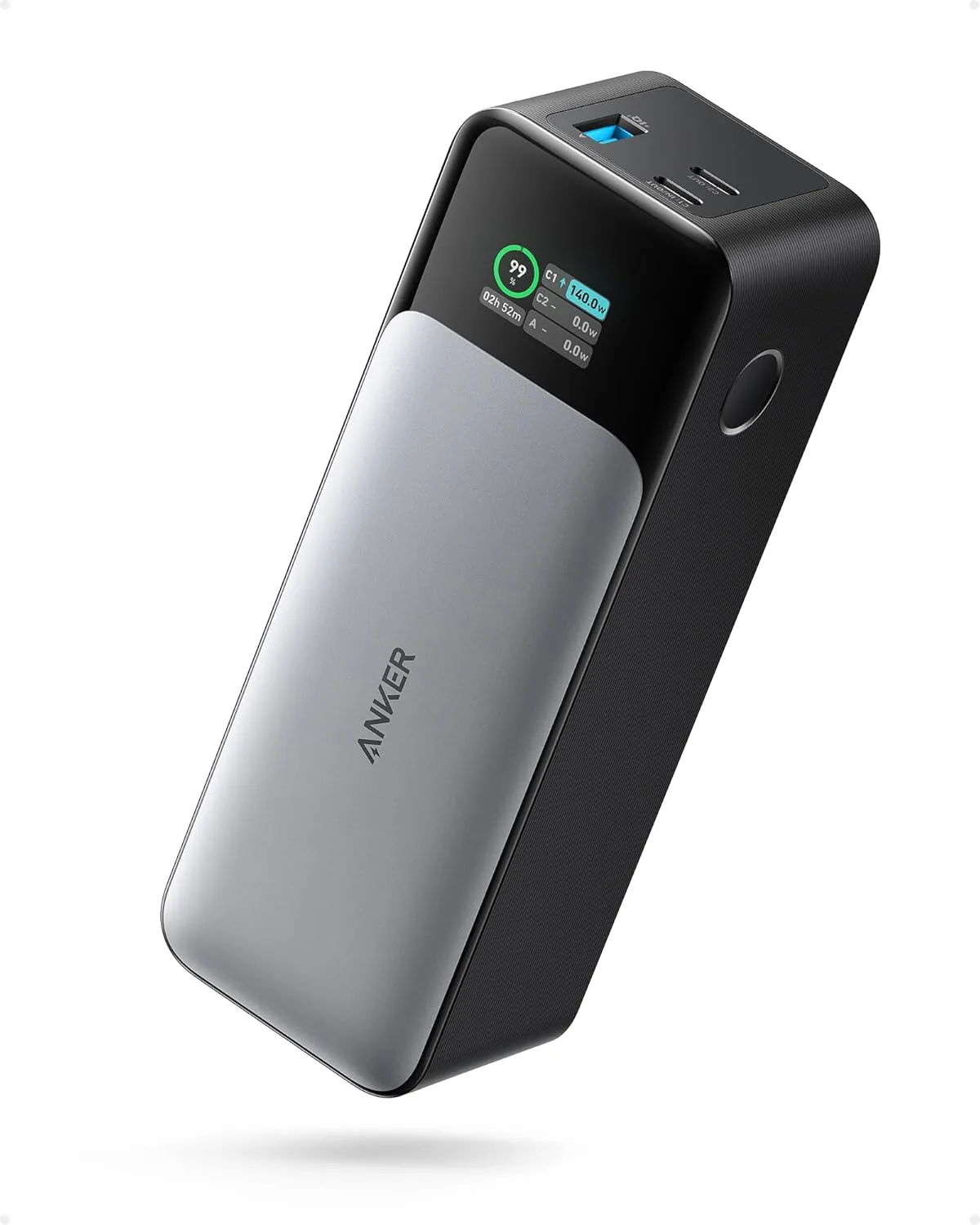
Anker 737 Power Bank (PowerCore 24K, A1289011) | Listed 140W PD 3.1 | 24,000mAh
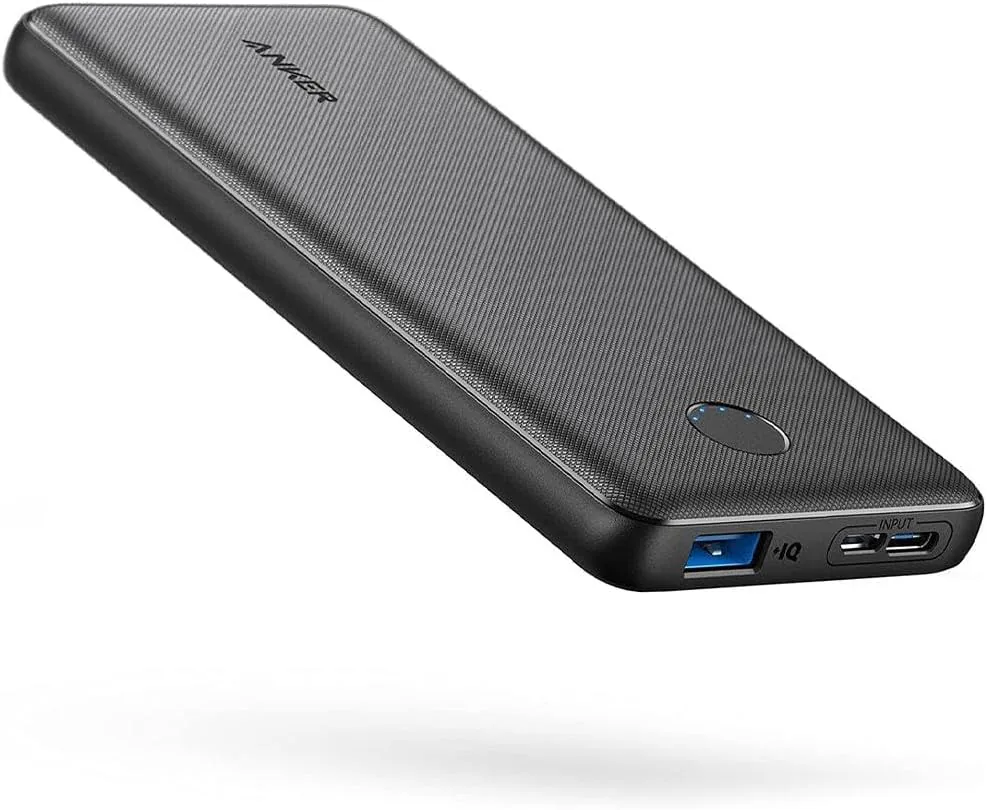
Anker PowerCore 10000mAh Power Bank
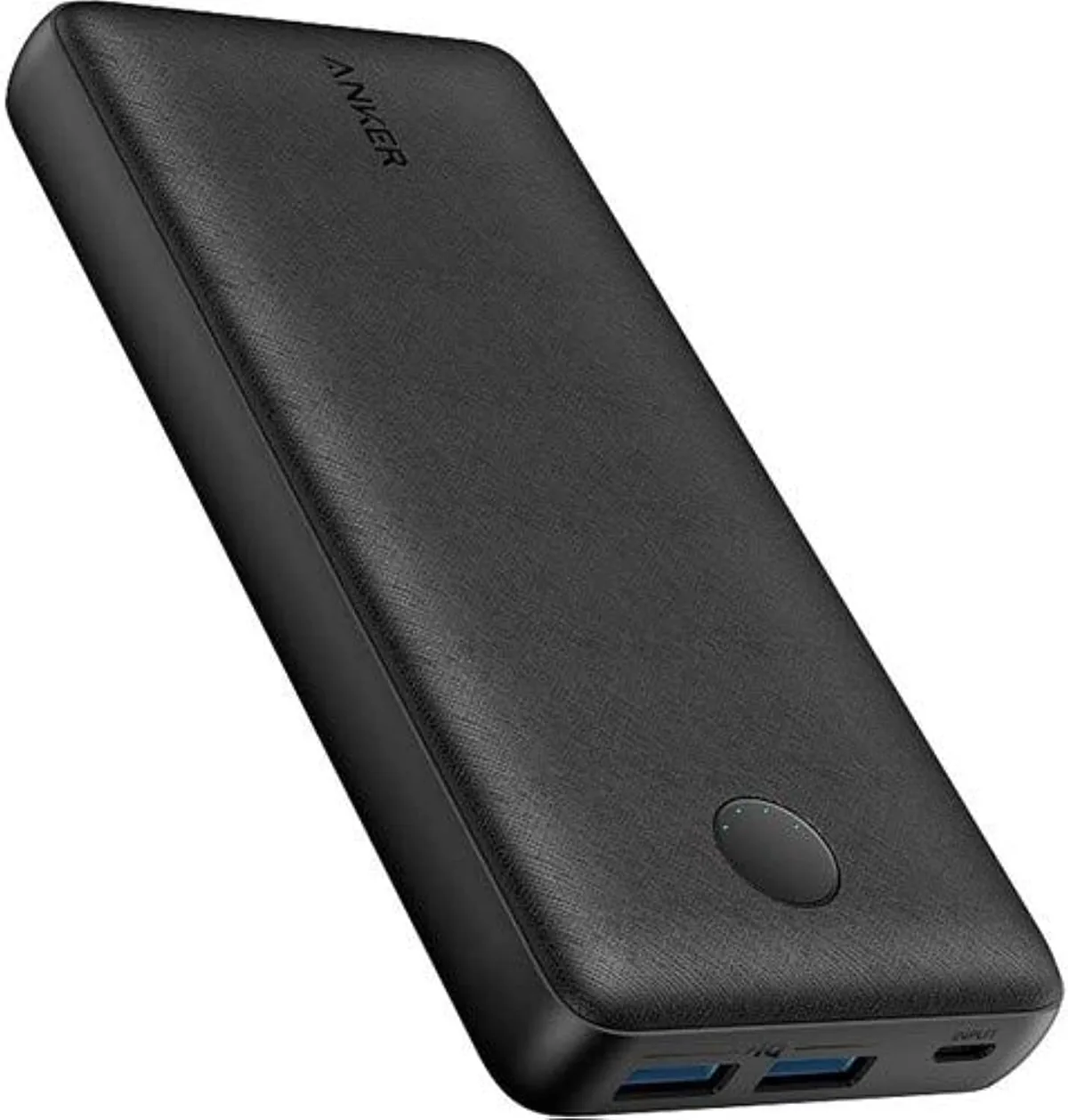
Anker PowerCore 20000mAh | 72Wh | Dual USB-A
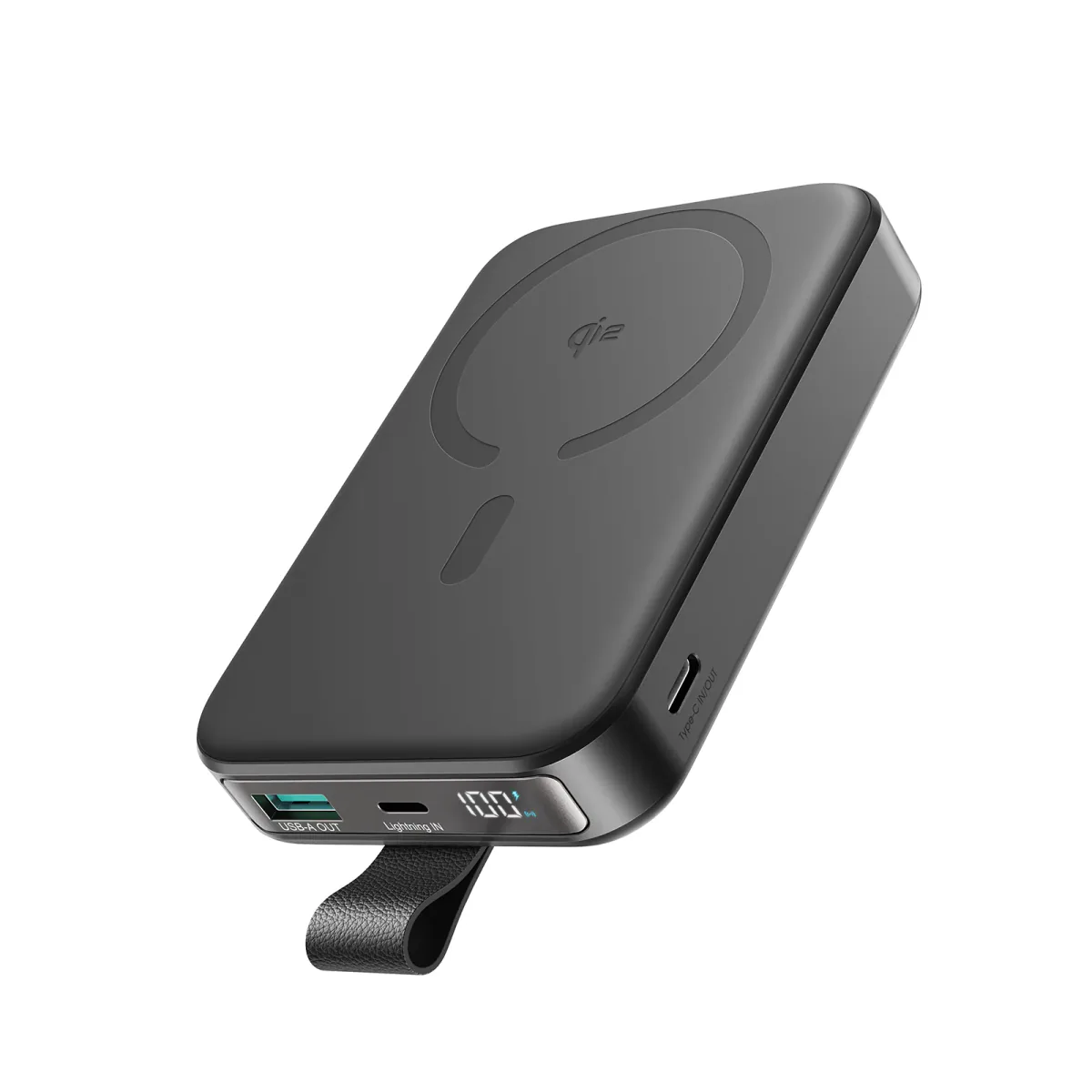
Joyroom 10000mAh Slim Power Bank | Dual USB | LED Display