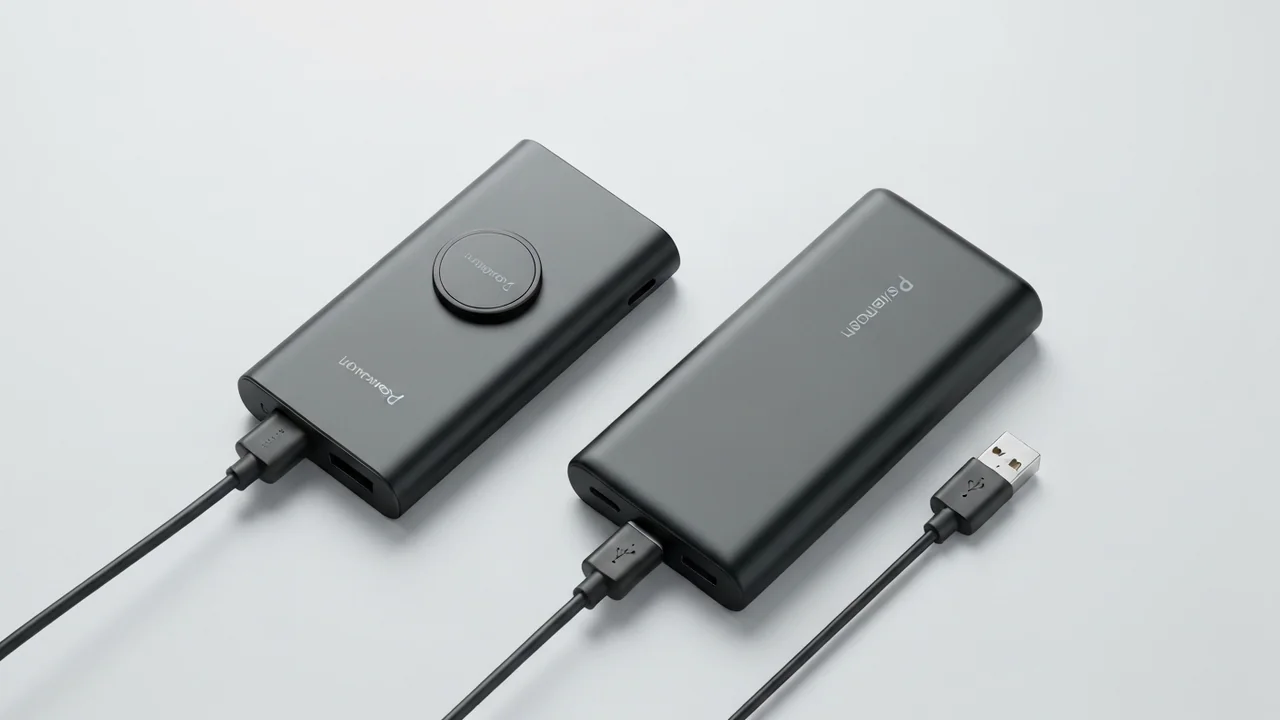
Imagine this typical scenario: you are traveling on a long-distance road trip in Egypt, or navigating a busy day in Cairo. You pull your power bank out of your bag to charge your phone which is sitting at a critical 5%. Then, the ultimate shock hits you—you left your charging cable at home! The power bank in front of you is fully charged to 100%, its LED indicators shining bright, but it has suddenly turned into a useless brick of plastic because you have no way to transfer that power to your phone. In that exact moment, you visualize the built-in cable power bank and regret not buying one to avoid the cable-loss nightmare.
Before you run out and buy a built-in cable power bank, you must look at this trade-off from an engineering perspective. Examined from a design standpoint, integrated cables are a clever design trick that offers short-term convenience at the expense of the overall device's lifespan. In this academic guide, we break down the core differences between built-in cable and regular power banks, highlight their electrical failure points, and show you how to choose the right model to protect your investment over time.
💡 Quick Answer: If convenience and portability are your main concerns, a built-in cable power bank is ideal as it eliminates the need to carry external wires. However, for durability and long-term investment, a regular power bank is superior. If the integrated cable on a built-in power bank breaks or frays (usually within 6-12 months), the entire unit becomes useless for that connector. A traditional power bank allows you to easily swap a broken cable for a cheap external replacement.
1. Anatomy of a Built-in Cable Power Bank
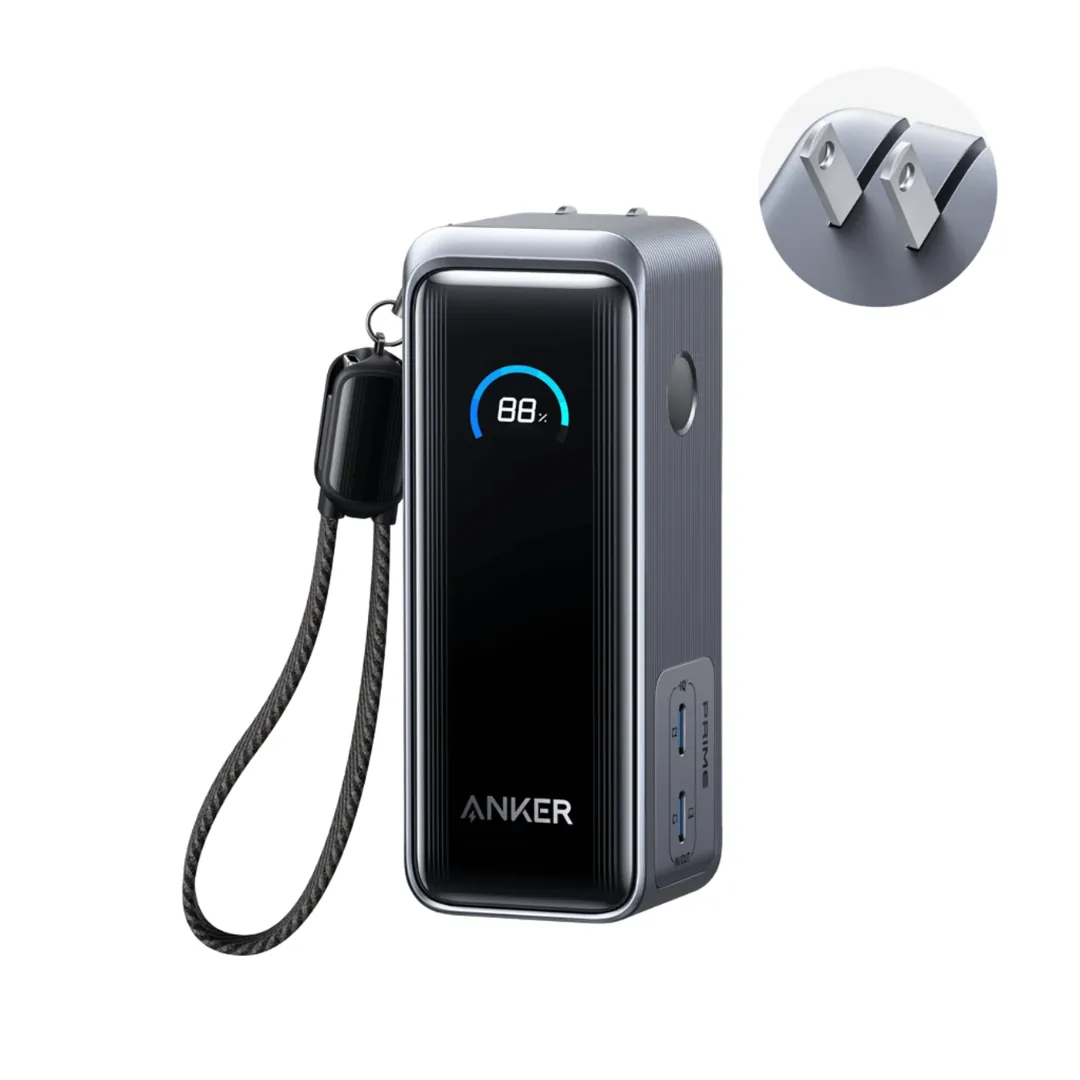
Integrated cable external batteries offer significant visual and practical appeal. The concept is straightforward: a USB-C or Lightning cable is folded flat into a dedicated slot within the power bank casing. The benefits are clear:
- Clutter Reduction: No long, tangled wires in your pocket or bag to untangle every time you need power.
- Instant Setup: Pull out the cable, plug it into your phone, and start charging in seconds.
- Ergonomic Portability: Modern designs (like Anker's integrated models) are highly compact, making it easy to hold the phone and power bank together in one hand.
This user-friendly design makes built-in cable power banks a popular gift choice and a convenient companion for short outings where speed and simplicity are valued.
2. The Single Point of Failure: Internal Ribbon Cables
In reliability engineering, a "single point of failure" is a component that, if broken, stops the entire system from operating. The integrated cable is a prime example of this concept. A charging cable experiences daily bending, pulling, and twisting. An external cable absorbs this wear, and if it frays, you can buy a replacement for a few EGP while the power bank remains perfectly functional.
With an integrated model, the cable is soldered directly to the internal printed circuit board (PCB). To make the cable easy to fold, manufacturers use flat rubberized ribbon cables, which are structurally weaker than braided round cables. Over months of heavy use, the fine copper strands inside the ribbon cable break at the junction where the cable meets the power bank body. Because these units are sealed to protect the lithium cells from air and moisture, the cable cannot be replaced, turning the entire power bank into e-waste.
3. Port Flexibility and Device Compatibility
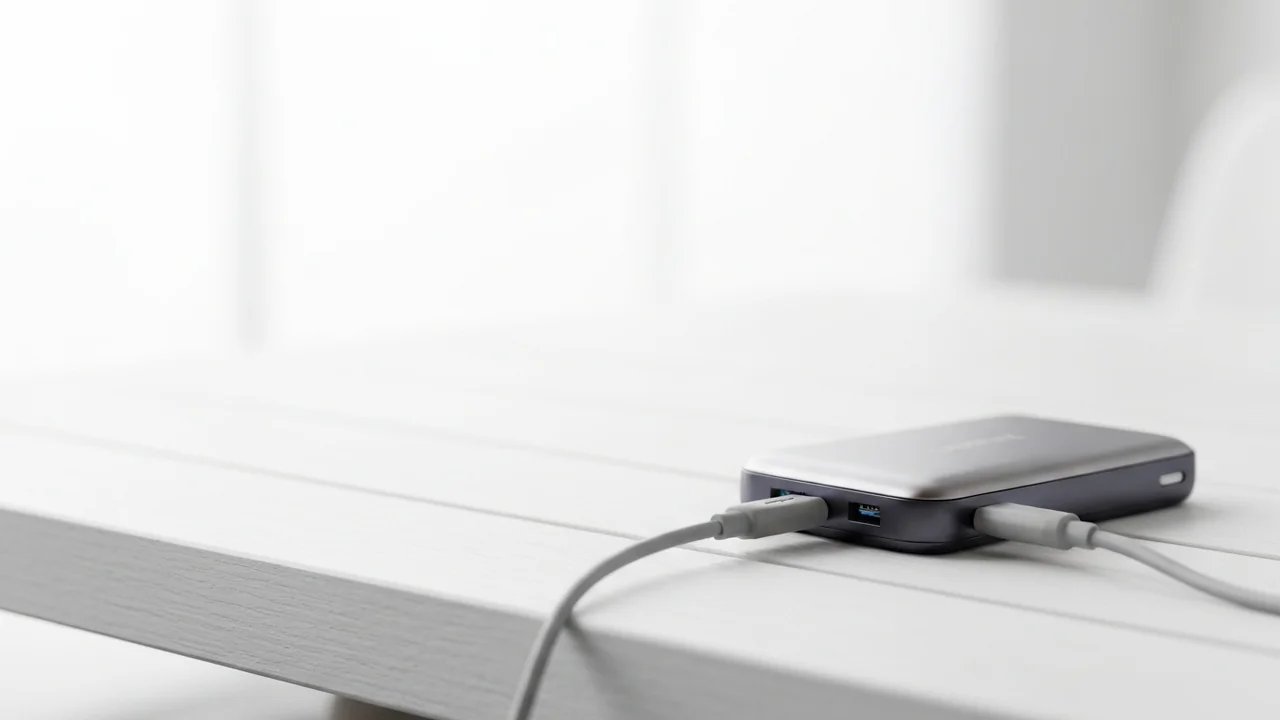
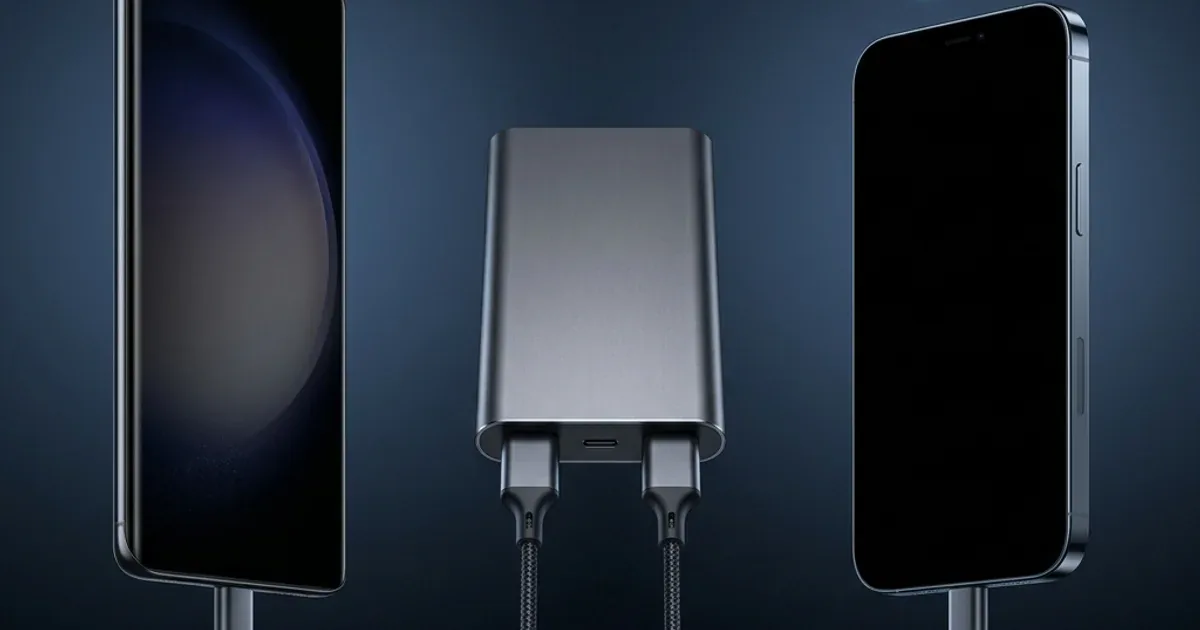
Traditional power banks feature standard ports (USB-A and USB-C). This provides infinite flexibility. If you upgrade from an older iPhone to a USB-C model like the iPhone 15 or 16, you simply swap the external cable. If a friend needs a charge, they can connect their own cable regardless of their device's connector type.
A built-in cable power bank locks you into a specific connector type. If you purchase a model with an integrated Lightning cable for an older iPhone, that cable becomes completely useless when you upgrade your phone to a modern USB-C device like the iPhone 15 or 16 series. While some models feature an additional USB-C input/output port, relying on it requires carrying an external cable anyway, which completely defeats the original purpose of buying an integrated-cable unit in the first place. Sharing power with friends also becomes highly restrictive; if their phone has a different connector than your integrated cord, they cannot use your device without an extra external wire.
4. Heat Dissipation and Charging Speeds
In practice, the short, integrated cable forces the phone to remain directly against the power bank during charging, often inside a pocket or hand. This proximity creates a "thermal trap."
The heat generated by the phone's battery cells during rapid charging combines directly with the thermal dissipation from the power bank's lithium cells and internal PCB. This raises the combined surface and core temperatures past 46°C very quickly. To protect its sensitive internal components, the phone's operating system (iOS or Android) automatically throttles the incoming charging current, which significantly slows down the charging speed and increases overall charging times. A traditional power bank allows you to use a longer external cable (such as a 1-meter or 1.5-meter cord). This separation lets each device dissipate heat independently, maintaining fast, stable charging rates without creating a localized thermal bottleneck that stresses the lithium battery.
5. Electrical Resistance and Copper Gauge
Low-cost built-in cable power banks often use thin copper wires to keep the ribbon cable flexible and slim enough to fit inside the casing. Thin conductors suffer from higher electrical resistance, which causes a portion of the energy to be lost as heat within the cable itself. This reduces the energy conversion efficiency of the power bank by up to 15% compared to using a thick, high-quality external copper cable. By comparison, high-quality external cables use thicker copper gauges that ensure a much cleaner power delivery with minimal impedance, maintaining stable voltages for the phone.
6. Technical Comparison Table — Built-in vs. Traditional Power Bank
This table highlights the primary technical and practical differences:
| Feature | Built-in Cable Power Bank | Traditional Power Bank |
|---|---|---|
| Portability & Convenience | Excellent (no extra cords needed) | Moderate (requires carrying a cable) |
| Lifespan & Durability | Short (limited by cable health) | Long (battery cells last for years) |
| Repairability & Maintenance | Non-repairable (requires whole unit replacement) | Very High (simply swap external cables) |
| Device Compatibility | Restricted by the integrated connector | Unrestricted (works with any USB cable) |
| Thermal Efficiency | Lower (forced device proximity traps heat) | Higher (devices can be spaced apart) |
7. When Should You Buy a Built-in Cable Power Bank?
Despite durability limitations, integrated cable power banks remain a practical choice in certain scenarios:
- If you frequently lose or forget external charging cables in coffee shops, public transit, or office spaces, making a built-in wire a lifesaver.
- If you only need a highly compact, pocket-sized backup (e.g., 5,000mAh or 10,000mAh) for quick top-ups and emergency calls, rather than heavy daily use during long travel.
- If you purchase a premium model backed by a long, local warranty (e.g., Anker's 18-to-24-month warranty in Egypt). This ensures that if the integrated cable breaks or fails under normal wear and tear, the distributor will replace the entire power bank free of charge, protecting your investment.
8. CairoVolt Purchasing Guidelines
To maximize your value and ensure the longest possible equipment life, follow these recommendations:
- For maximum durability and long-term value, choose a traditional power bank such as the Anker 325 20000mAh power bank, paired with a high-quality braided external cable.
- For budget-conscious buyers, we recommend the Joyroom 20000mAh power bank, which offers great value, multiple input/output ports, and reliable performance.
- If convenience is your top priority and you do go the built-in route, our newest arrival is the Anker × Wukong 3-in-1 at 2,999 EGP — it combines a built-in USB-C cable, a built-in wall plug, and 10,000mAh in a single unit, so there is nothing extra to forget at home.
- If your main goal is simply carrying fewer devices, consider the Anker Prime Fusion 65W at 3,200 EGP — a 65W wall charger and a 9,600mAh power bank in one device, replacing two separate items in your bag.
- If you choose a built-in cable model, handle the integrated wire with care. Avoid pulling it at sharp angles or using it to carry the power bank, and store it neatly in its slot when not in use.
9. Environmental Impact and E-Waste Considerations
The issue of electronic waste (e-waste) is a critical global and local concern. When you purchase a power bank with an integrated cable, and that cable eventually frays or breaks, the entire unit usually ends up in a landfill, even though the internal lithium cells and motherboard are still 100% healthy. Discarded lithium-ion batteries pose severe environmental hazards, potentially leaking toxic heavy metals into soil and water systems if not recycled or handled properly.
Traditional power banks, on the other hand, represent a highly sustainable and eco-friendly choice. Instead of throwing away a 250-gram electronic device with toxic battery cells, you only replace a tiny 15-gram copper cable, dramatically reducing your individual electronic waste footprint and helping preserve our local environment. This simple separation of cable and battery ensures a much more circular and responsible lifecycle for your tech hardware.
In conclusion, traditional power banks remain the gold standard for durability and long-term value. Integrated cables offer excellent short-term convenience, provided you handle them with care to protect their internal copper strands. Always consider your usage patterns before making a purchase.

CairoVolt Editorial Team
Content team reviewing specifications and buying guides
The CairoVolt team reviews model numbers, specifications, and compatibility, and updates information when better data is available. Estimates are labeled as calculations, and readers can report information that needs correction.
Frequently Asked Questions
Does the built-in cable support full fast charging speeds?▼
Can a frayed integrated cable be repaired at local mobile shops?▼
Can I charge other devices with different ports on a built-in cable power bank?▼
Does the built-in USB-C cable charge new iPhones and Bluetooth earbuds?▼
Ready to Buy?
Browse available products and review specifications and CairoVolt warranty terms before ordering
Products Mentioned in This Article
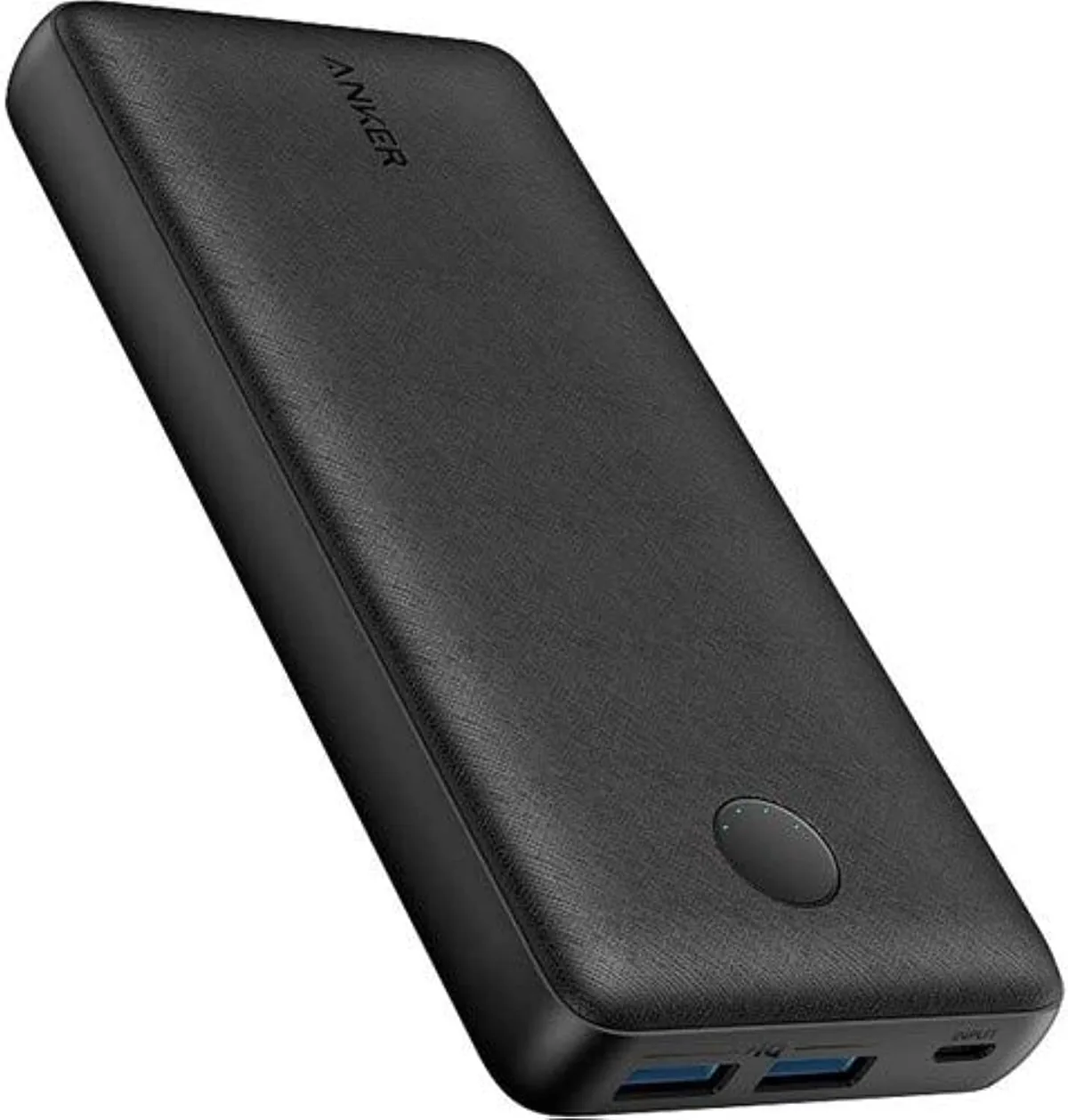
Anker PowerCore 20000mAh | 72Wh | Dual USB-A
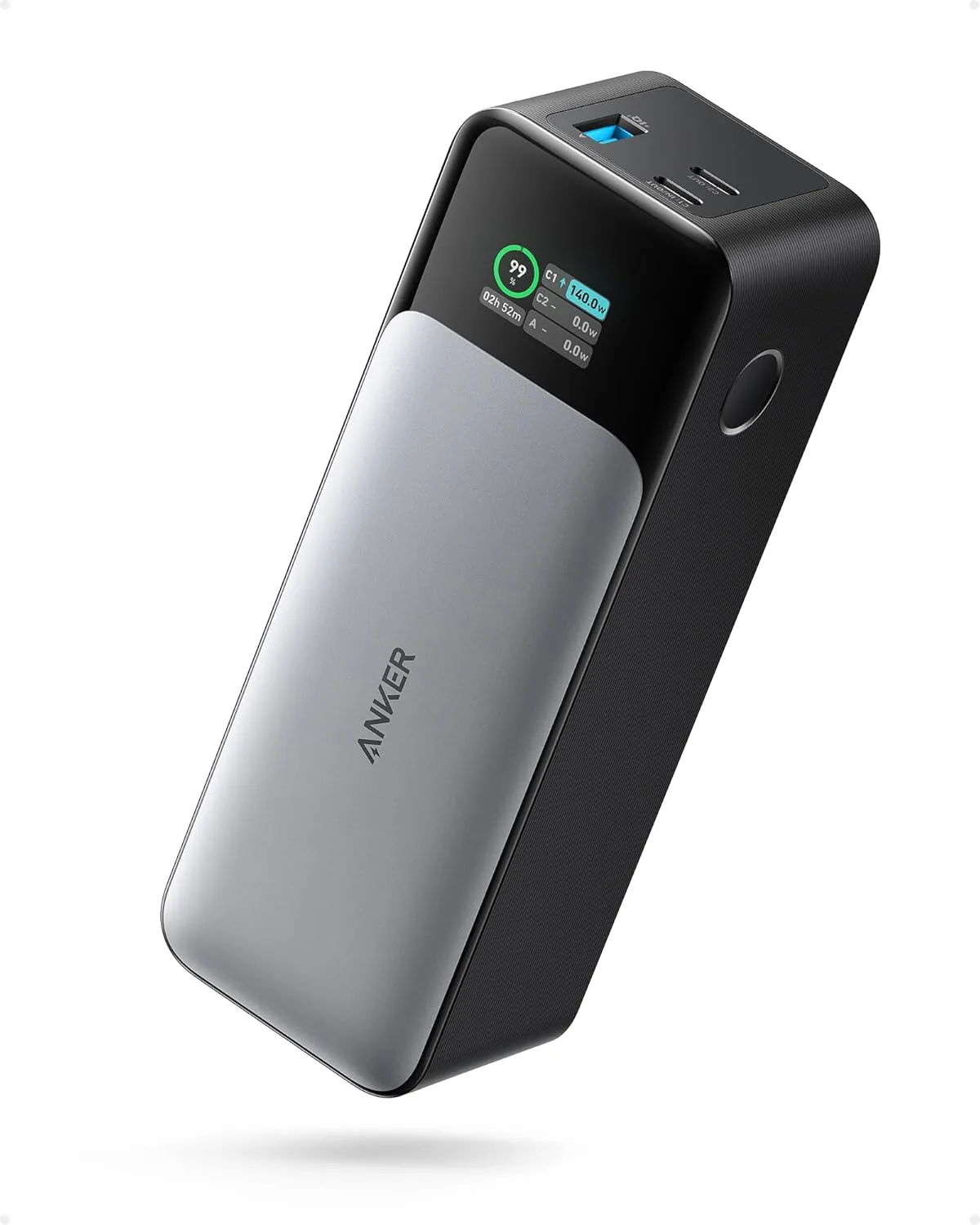
Anker 737 Power Bank (PowerCore 24K, A1289011) | Listed 140W PD 3.1 | 24,000mAh
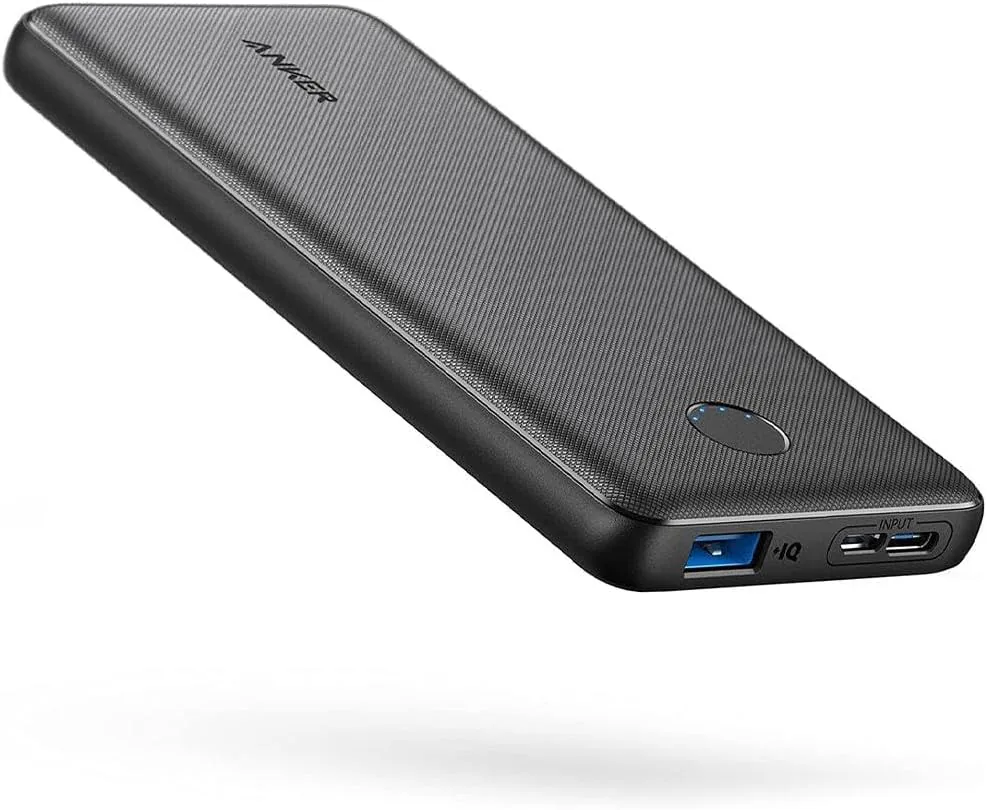
Anker PowerCore 10000mAh Power Bank
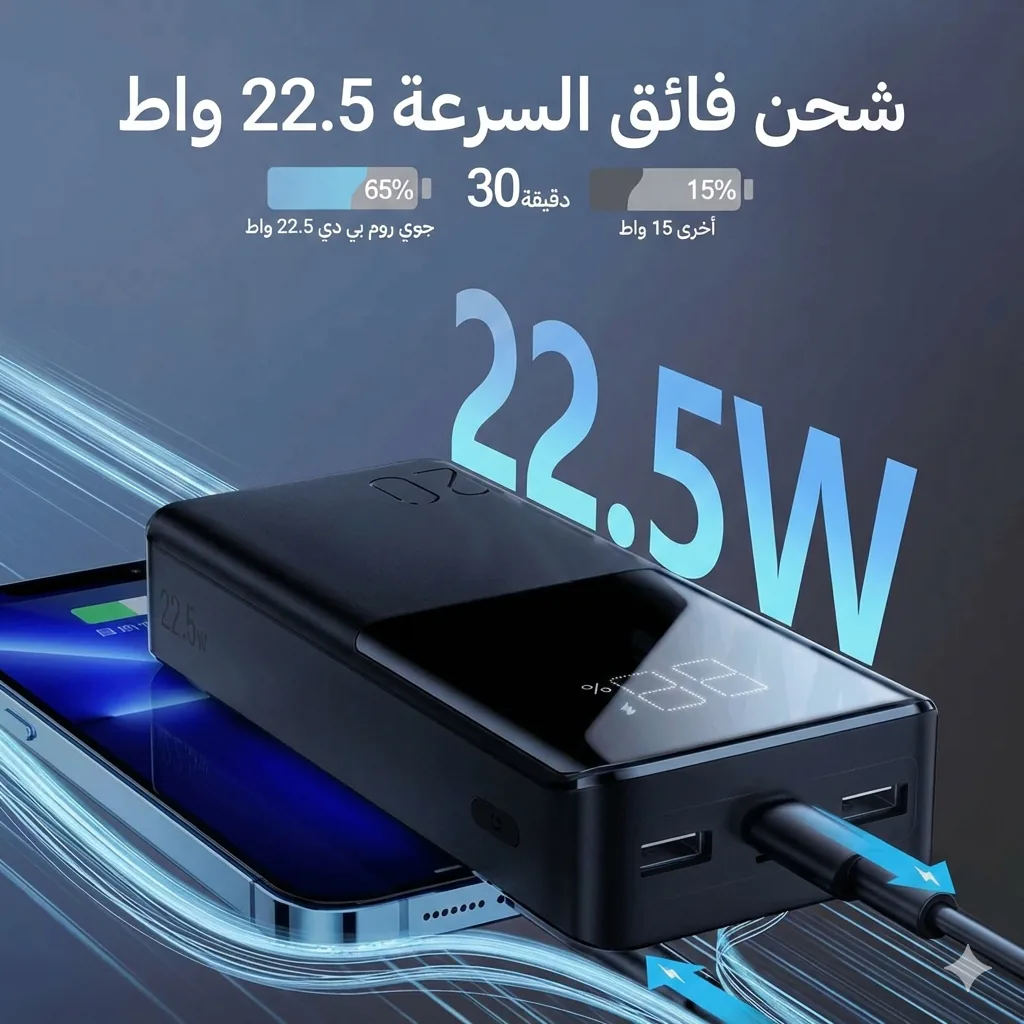
Joyroom 20000mAh Power Bank | 22.5W PD+QC | Triple Output
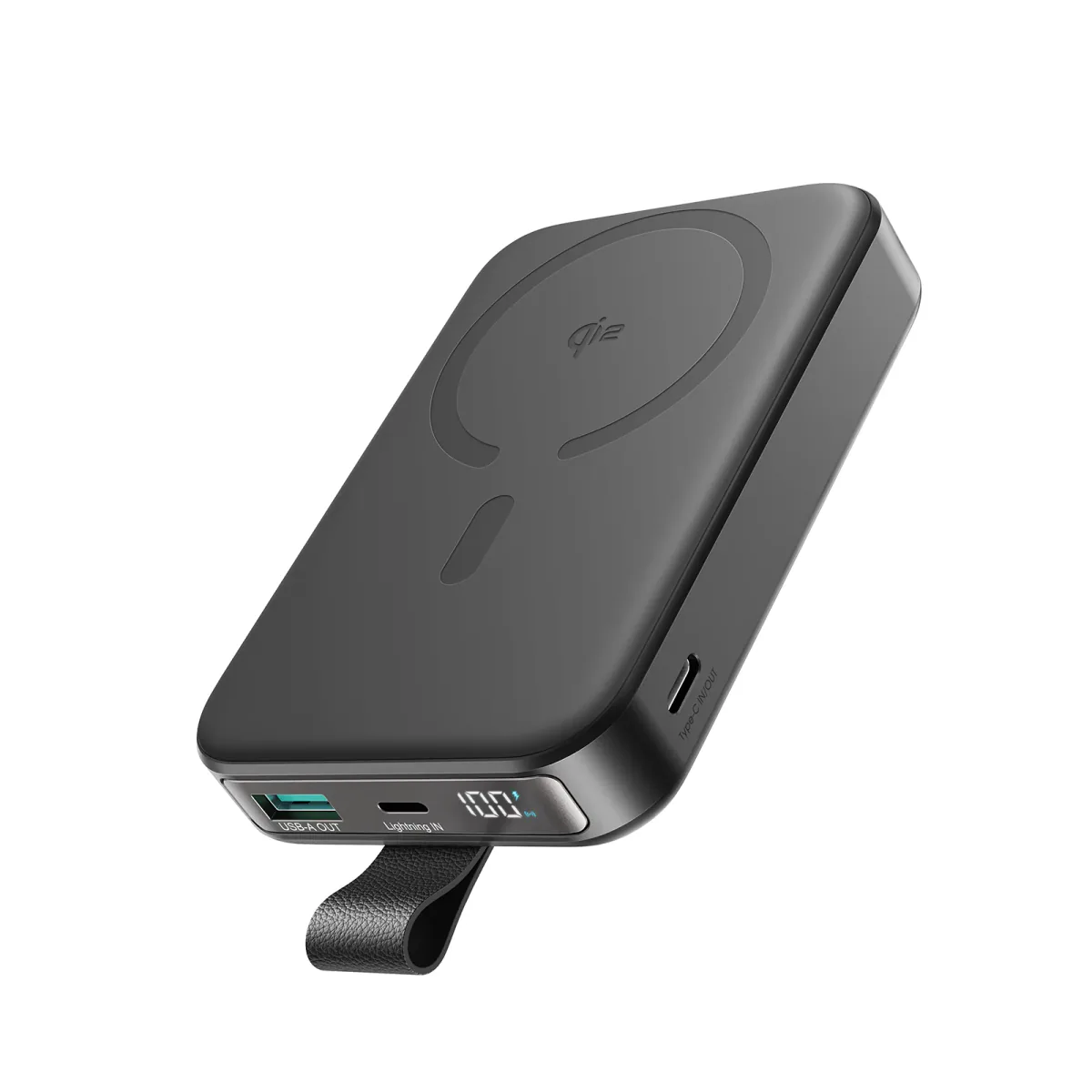
Joyroom 10000mAh Slim Power Bank | Dual USB | LED Display
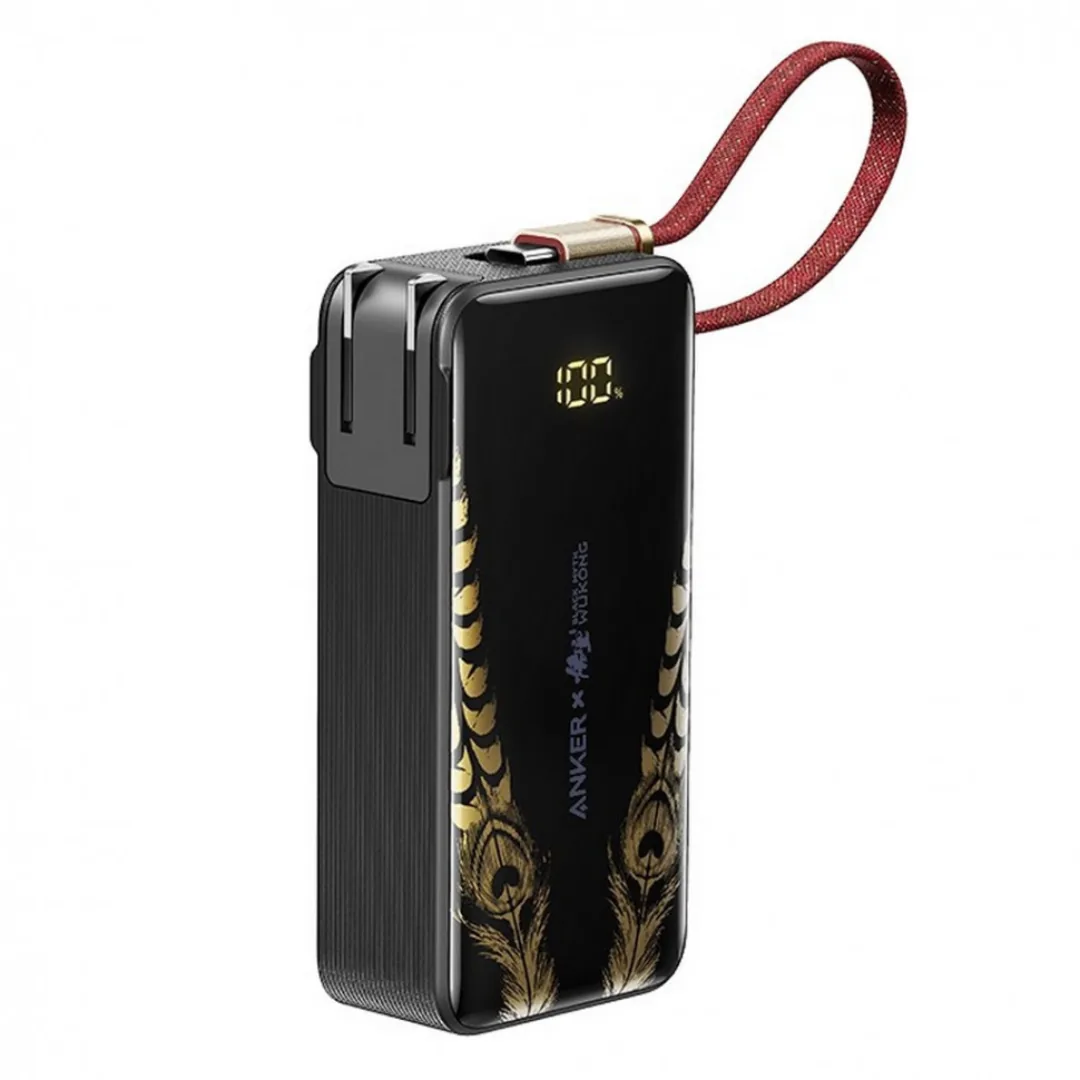
Anker x Black Myth: Wukong 3-in-1 Power Bank (A1637) — Built-in Cable + Foldable AC Plug | 10000mAh 30W GaN