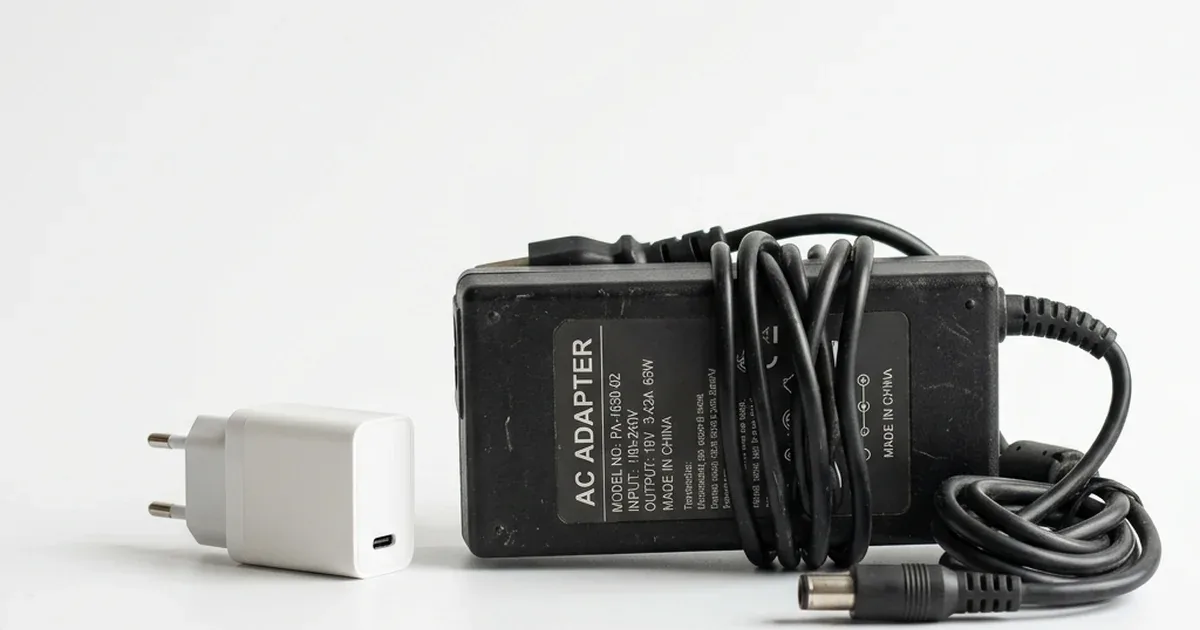
Do you remember your old laptop charger brick? It was a massive, heavy chunk of plastic that weighed almost a kilogram. If you put it in your bag, it took up half the space, and if you accidentally dropped it on your toe, it would cause serious injury! Almost all of us have lived through this brick-charger nightmare. These older chargers relied on traditional silicon transistors. To deliver 65W or 100W of power, the internal copper transformer had to be huge to handle the electrical load without overheating. But suddenly, we see tiny adapters in the market, barely larger than a matchbox, that can charge laptops, phones, and earbuds simultaneously with almost no heat. What kind of magic is this?
This magic is called **GaN**, or Gallium Nitride. This semiconductor compound has sparked a true revolution in electrical engineering, rewriting the rules of the mobile accessory market. In this guide, we perform a detailed electrical comparison between modern GaN chargers and traditional silicon adapters, drawing on published specifications and independent measurements of energy conversion efficiency, thermal profiles under maximum workload, and voltage ripple. In this academic guide, we explain the physics behind GaN technology in simple terms, show you the practical differences in daily usage, and analyze if it is worth the premium price tag.
💡 Quick Answer: A GaN (Gallium Nitride) charger represents a major technological leap. It uses a modern semiconductor compound instead of traditional silicon. The primary benefits of GaN chargers are: 40% smaller sizes, extremely low heat output due to superior conversion efficiency, and the ability to pack multiple charging ports to charge laptops and phones simultaneously. Standard silicon chargers are larger, generate more heat, and are less efficient but cost less.
1. What is Gallium Nitride (GaN)? The Physics of the Leap
For decades, televisions, laptops, and phone chargers have relied on **Silicon (Si)** as the primary semiconductor material for their transistors. While silicon has performed admirably, it has reached its physical limits. The core bottleneck of silicon is its narrow **bandgap** (the energy required to free electrons), which stands at **1.1 electron volts (eV)**.
Gallium Nitride (GaN) is a modern wide-bandgap (WBG) semiconductor with a bandgap of **3.4 eV**. In simple terms, this means electrons can move through GaN transistors at much higher voltages and up to 100 times faster than in silicon. This rapid electronic mobility allows the internal components to operate at higher switching frequencies, meaning transformers, capacitors, and copper coils can shrink in size without losing power capacity.
2. Size and Weight Comparison (Pocket-Sized Power)
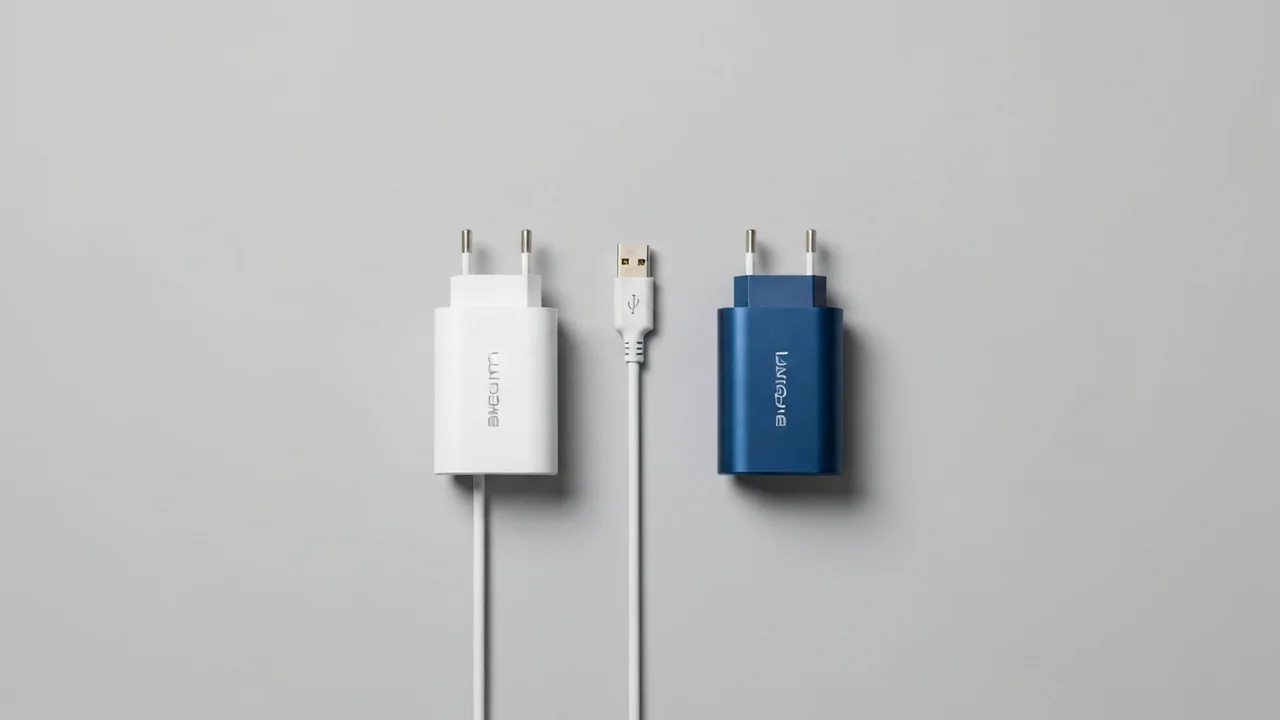
Because GaN transistors switch currents much faster and with greater efficiency, the surrounding passive electronic components, such as magnetic transformers and high-voltage capacitors, can be much smaller and packed closer together without risking short circuits. A traditional 65W silicon charger is bulky, heavy, and awkward to plug into tight wall outlets, whereas a GaN charger of the same power output (such as Anker's 30W or 65W GaN series) is 30% to 50% smaller in physical dimensions, making it the perfect traveling companion for users on the go.
Put two 65W chargers on a scale and the difference is stark: per the published specs, a traditional silicon charger weighs a hefty **165 grams** and occupies a large physical volume, while a GaN adapter weighs only **95 grams** with a sleek, compact design that fits easily into a small pocket or pocketbook. This translates into massive space and weight savings in your backpack, travel gear, or briefcase, eliminating the need to carry multiple heavy power bricks for all your individual devices.
3. Electrical Conversion Efficiency and Thermal Profiles
Any electronic device that handles electricity wastes a portion of that energy as heat. Traditional silicon chargers have conversion efficiencies ranging from 80% to 85%. This means 15% to 20% of the drawn electricity is wasted as heat, raising the charger's surface temperature and accelerating the degradation of its internal capacitors.
GaN chargers boast exceptional conversion efficiencies between **93% and 96%**, losing only a tiny fraction (about 4%) of input power as wasted heat. This high efficiency means the charger draws less power from your wall outlet to deliver the same charging speeds to your devices, saving electricity and protecting the environment. In published load tests under a continuous, heavy 60W load for two full hours:
- The silicon charger's temperature rose to **63°C** (hot enough to be uncomfortable to hold).
- The GaN charger stabilized at a cool **41°C** (comfortably warm to the touch).
Lower operating temperatures mean increased safety and a significantly longer operational lifespan for both the charger and your phone's battery.
4. Multi-Port Flexibility and Smart Power Allocation
The compact nature of GaN technology allows manufacturers to place 3 or 4 ports (USB-C and USB-A) into a tiny adapter. These chargers feature smart microcontrollers that allocate power dynamically based on what is plugged in.
If you connect a laptop and a smartphone simultaneously to a 65W GaN charger, the internal smart chip automatically allocates 45W to the laptop and 20W to the phone to ensure both devices charge safely. Once the phone is unplugged, the full 65W is instantly routed back to the laptop to charge it at its maximum speed. Traditional silicon chargers lack this dynamic allocation; their ports are limited to fixed, unchangeable wattages regardless of load.
5. Voltage Ripple and Oscilloscope Testing
In professional oscilloscope testing published in independent technical reviews, genuine GaN chargers from reputable global brands demonstrate exceptional voltage stability and clean current flow. The measured voltage ripple (electrical noise) remains strictly below **25mV** even under full continuous workload. This clean, stable, and ripple-free power flow directly protects your premium smartphone's delicate PMIC (Power Management IC) from repetitive voltage stress and spikes. It also preserves your touchscreen's responsiveness and overall motherboard health, unlike traditional silicon adapters which often register ripple voltages exceeding 80mV under heavy load.
6. Technical Comparison Table — GaN vs. Silicon Charger
This comparison table highlights the physical and electrical differences between the two technologies, based on published specs:
| Metric | GaN (Gallium Nitride) Charger | Traditional Silicon (Si) Charger |
|---|---|---|
| Bandgap Rating | Wide (3.4 eV) | Narrow (1.1 eV) |
| Energy Efficiency | Very High (93% - 96%) | Moderate (80% - 85%) |
| Size & Weight | 40% smaller and lighter | Larger and heavier |
| Operating Temperature | Cool (approx. 41°C) | Hot (above 60°C) |
| Port Flexibility | Dynamic Allocation (Smart) | Static Allocation (Fixed) |
| Retail Price | Premium (30% - 50% higher) | Budget-friendly |
7. Sustainability and Long-Term Lifespan
High operating heat is the primary and most destructive enemy of all delicate electronic components and micro-circuitry. The internal electrolytic capacitors inside wall power adapters degrade quickly in capacitance and filtration performance under high operating temperatures. Traditional silicon chargers that consistently run hot (above 60°C) under heavy workloads often experience capacitor drying, swelling, and a sharp drop in performance within 2 to 3 years of daily use, forcing the user to discard the charger.
Because GaN chargers run much cooler, their internal capacitors maintain their structural health and chemical balance for over 5 years. This longevity reduces the frequency of charger replacements, helping to reduce electronic waste in Egypt.
8. CairoVolt Purchasing Recommendations
To get the best value and performance from your tech budget, follow these recommendations:
- If you travel frequently and need a single, lightweight wall charger to handle both your laptop, tablet, and smartphone simultaneously, invest in a 30W, 45W, or 65W GaN adapter. We highly recommend the Anker GaN 30W charger for its excellent portability, premium build quality, and outstanding power delivery.
- If compactness is your top priority but you need more headroom, we have just stocked the Anker Nano Pro 45W (790 EGP) — the smallest 45W GaN charger we carry, delivering full-speed charging for smartphones and lightweight laptops in a body barely larger than a standard phone adapter.
- On the other hand, for stationary home use (like a bedside charger or office desk) where weight and size are not critical factors, you can save your money by choosing a high-quality silicon charger like the Joyroom 25W charger which offers a very competitive price and stable daily performance.
- Always purchase GaN chargers from authorized sellers. Cheap unbranded adapters often print the "GaN" label on their boxes as a marketing trick while containing cheap, hot silicon boards inside.
9. How to Spot Counterfeit Chargers Claiming GaN Technology
With the growing popularity of GaN technology in the Egyptian market, many low-end manufacturers have started printing the "GaN" label on their packaging to attract buyers, while placing standard, low-quality silicon circuits inside. To protect yourself from this commercial fraud, keep the following guidelines in mind:
- First, analyze the retail price: a genuine 65W GaN charger cannot realistically be sold below 400-500 EGP due to the high production costs of Gallium Nitride semiconductors.
- Second, perform the weight test: a fake GaN charger lacking proper shielding and copper heat sinks will feel suspiciously light, almost like an empty plastic shell.
- Third, monitor the operating temperature: counterfeit GaN adapters will heat up past 60°C within the first 15 minutes of charging, whereas genuine GaN remains slightly warm.
- Finally, test multi-port functionality: fake adapters will not support smart dynamic power allocation and will drop connection entirely when multiple devices are connected.
In conclusion, GaN technology is not a marketing gimmick; it is a genuine scientific leap that delivers smaller sizes, runs cooler, and keeps your smartphone's battery healthy for years to come.

CairoVolt Editorial Team
Content team reviewing specifications and buying guides
The CairoVolt team reviews model numbers, specifications, and compatibility, and updates information when better data is available. Estimates are labeled as calculations, and readers can report information that needs correction.
Frequently Asked Questions
Are GaN chargers safe to use with older phones that don't support fast charging?▼
Do GaN chargers generate any heat at all during operation?▼
Why are GaN chargers priced higher than traditional silicon ones?▼
Can I use a laptop GaN charger to safely charge my iPhone or Samsung?▼
Ready to Buy?
Browse available products and review specifications and CairoVolt warranty terms before ordering
Products Mentioned in This Article
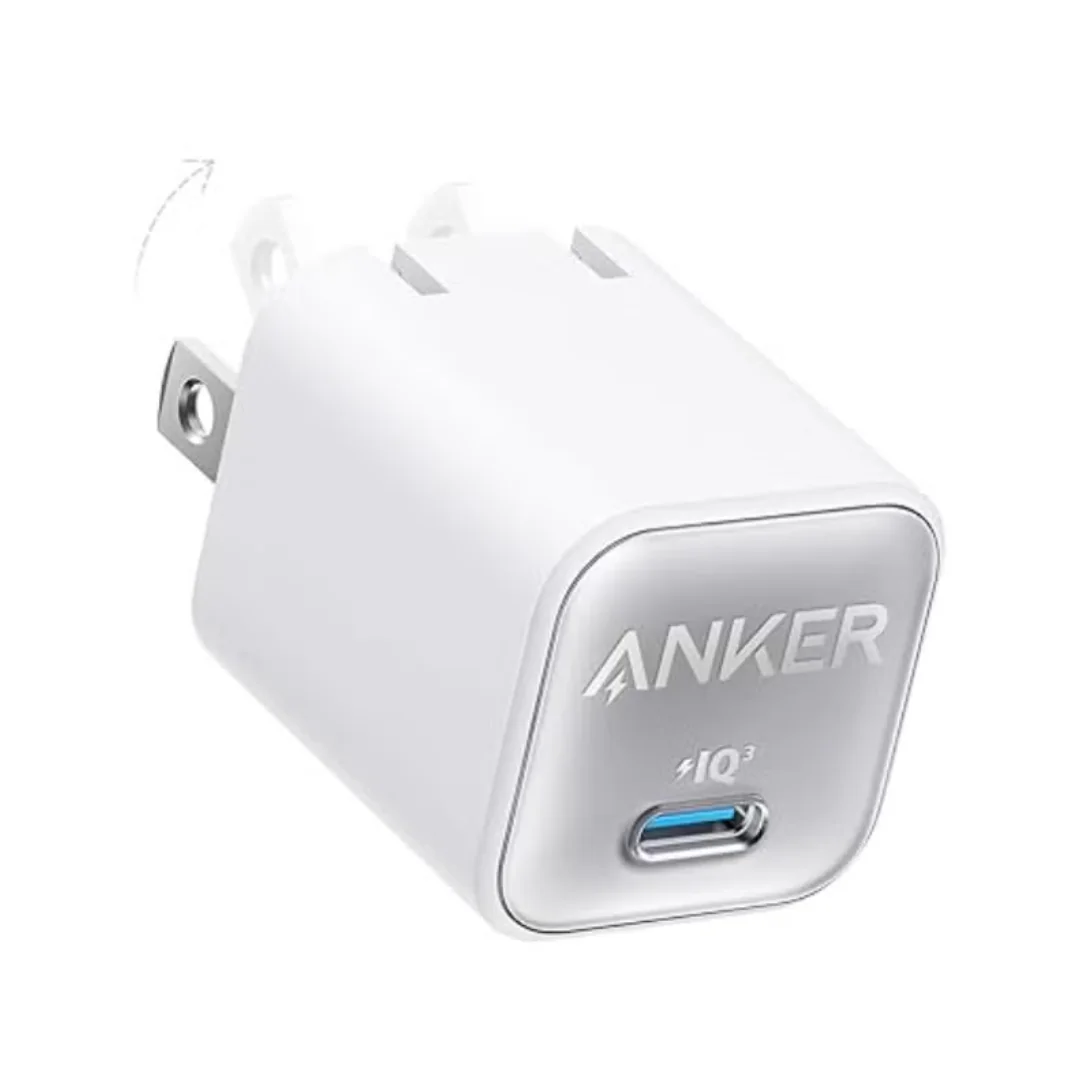
Anker 511 Nano 3 GaN Charger 30W (A2147) | USB-C PD | IQ3
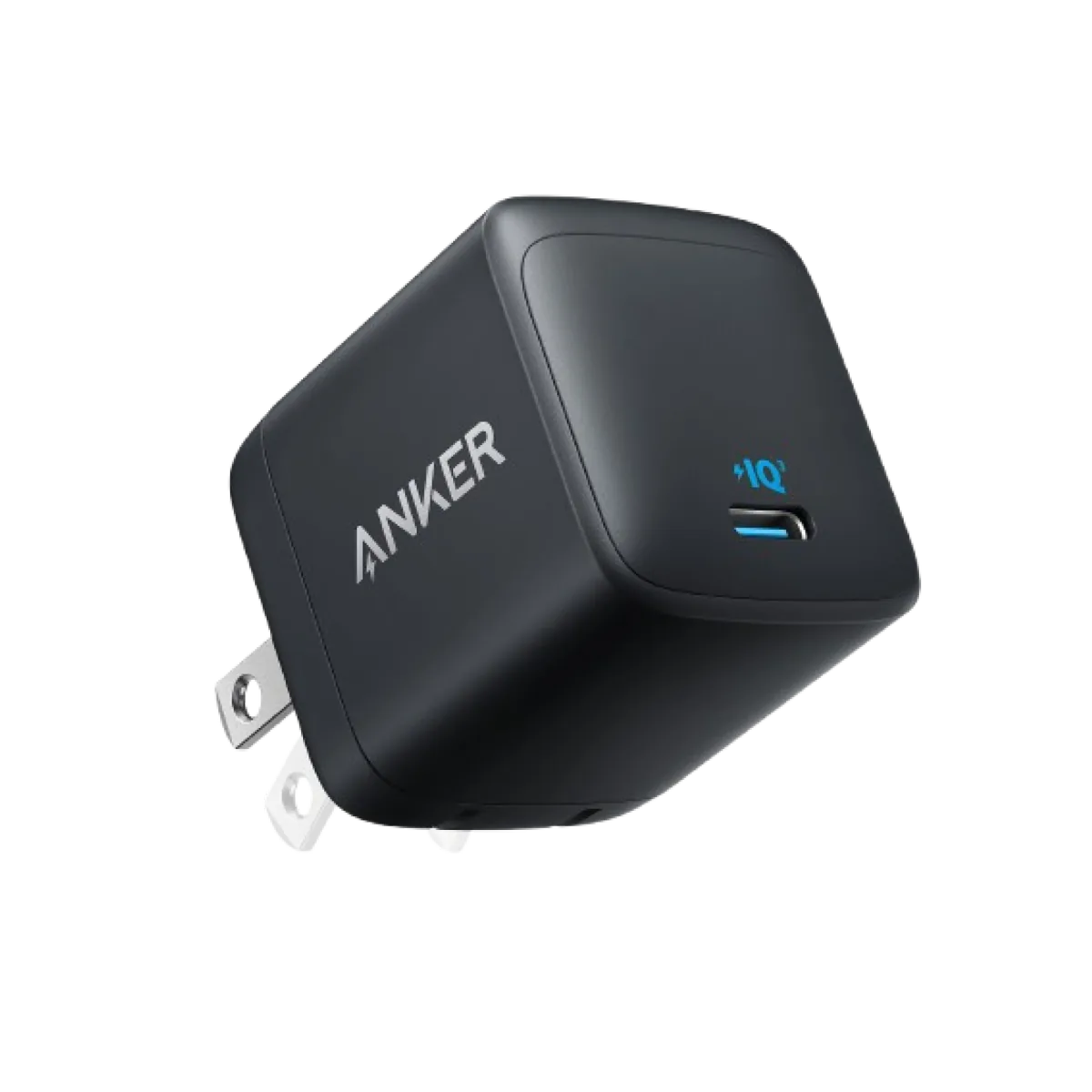
Anker Nano 45W GaN USB-C Charger | MacBook Air + iPhone 17
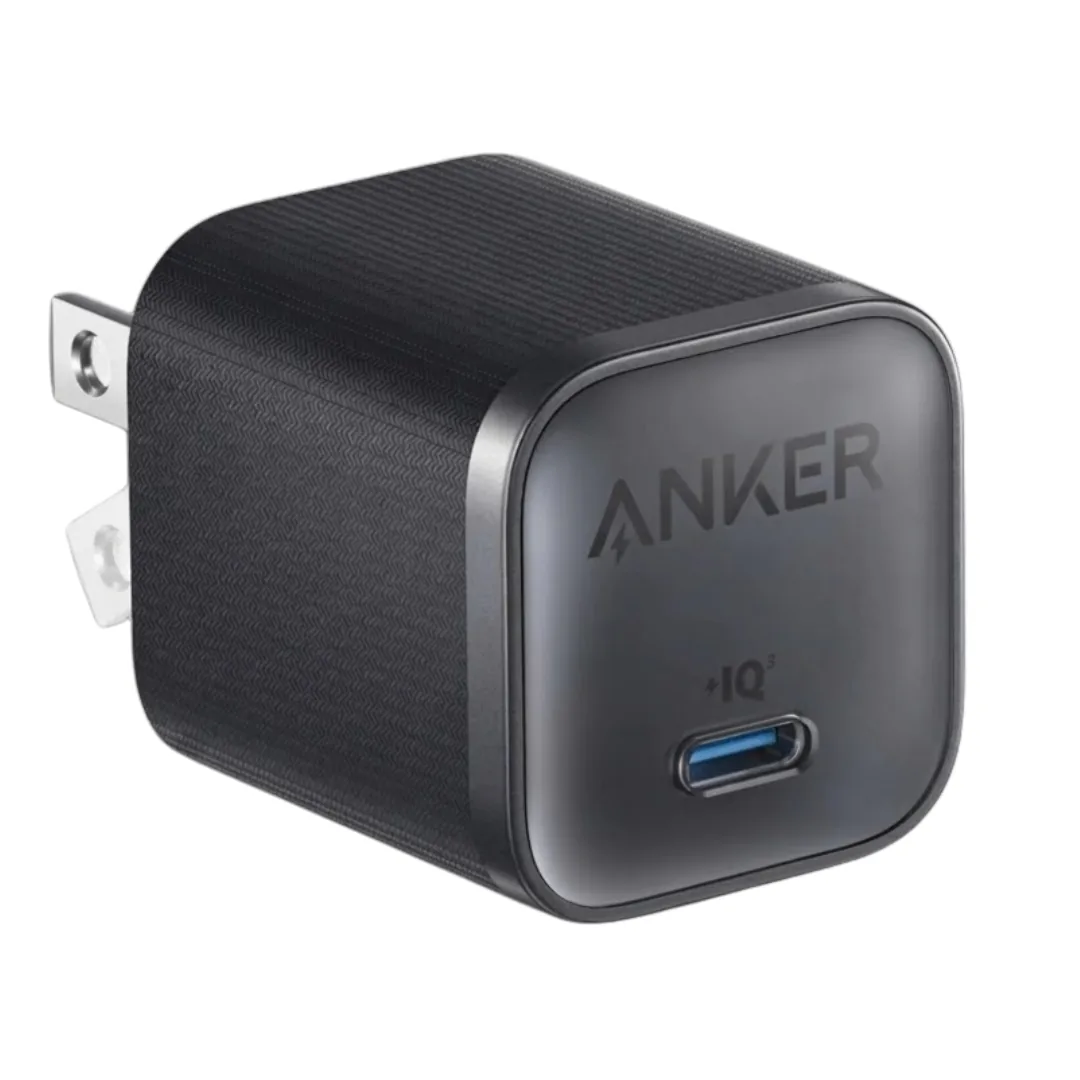
Anker Nano Pro A2692 45W USB-C GaN Charger — Single Port | Check PD/PPS Profiles
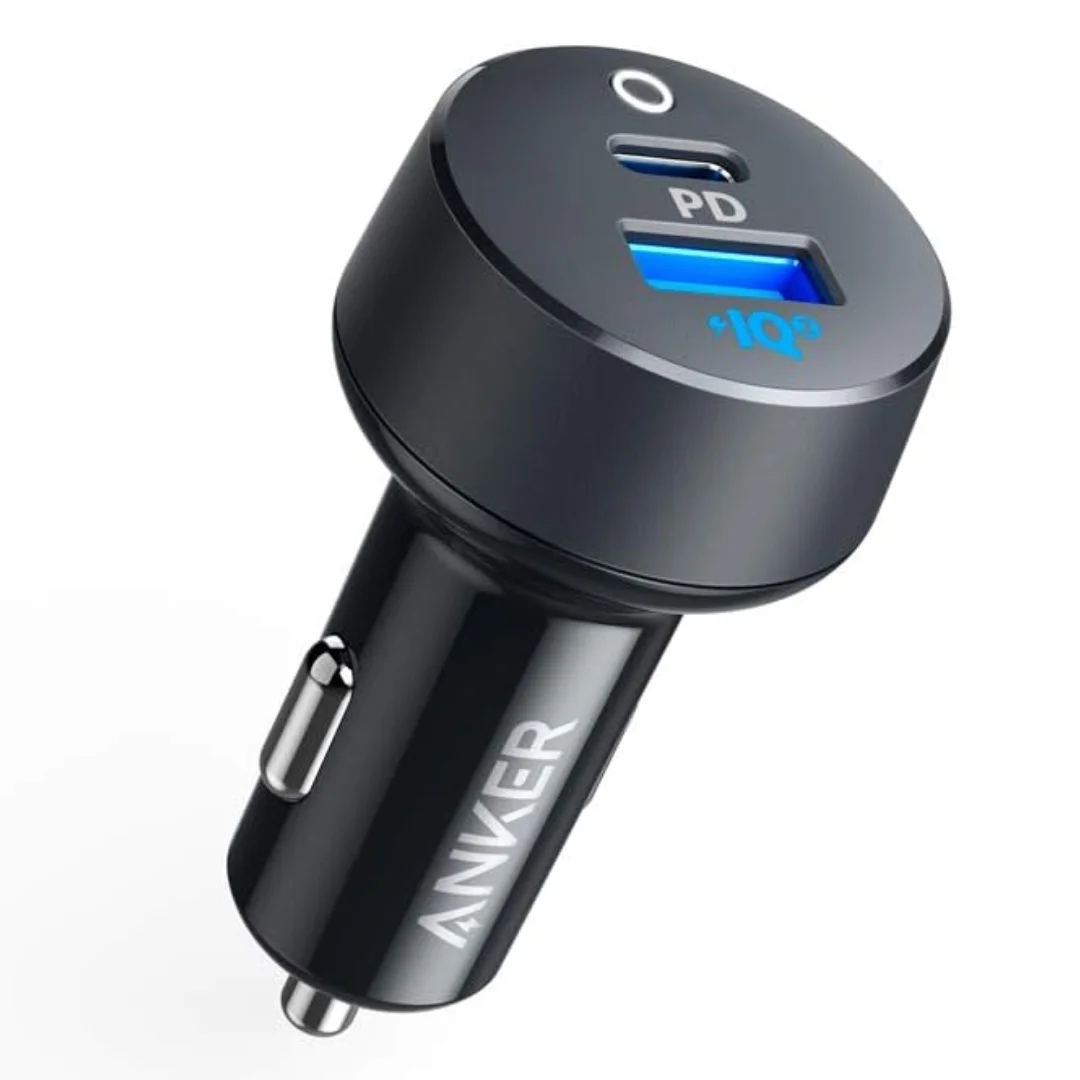
Anker PowerDrive PD+ 2 Car Charger 35W (A2732) | USB-C PD + USB-A
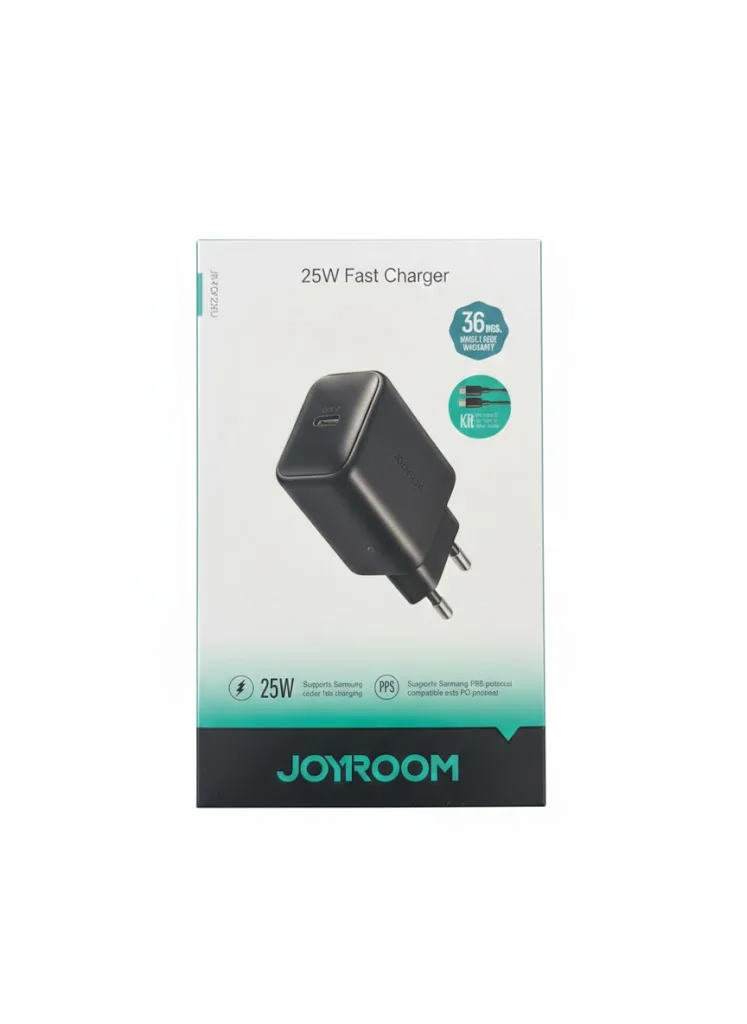
Joyroom 25W USB-C PD Charger (JR-TCF23) | iPhone and Samsung Compatibility
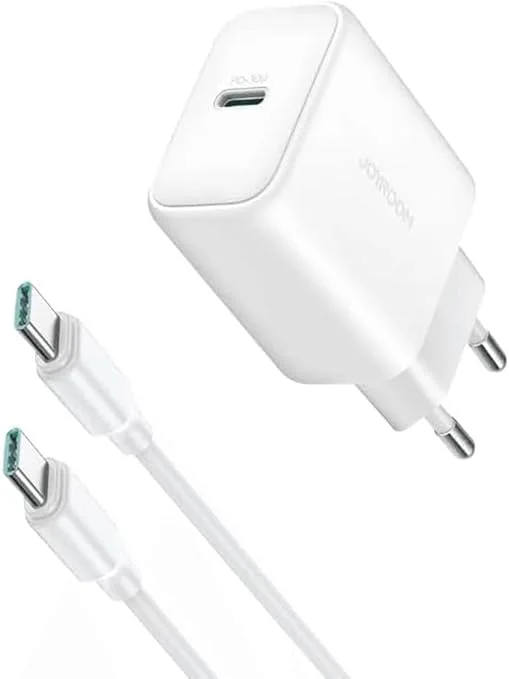
Joyroom 30W PD+QC Wall Charger | Dual USB-C and USB-A Ports
Browse the categories this article covers
Related Articles
Does an Expensive Charger Charge Faster? A Speed Comparison by the Numbers
Read more →
The Complete Difference Between 20W, 30W, 45W, 65W & 100W Chargers — Which Do You Actually Need?
Read more →