Imagine you are standing in downtown Cairo, your phone is at 2%, and you have an important job interview in 30 minutes. You need your phone working for GPS navigation and coordinates. You run into a small mobile accessory shop and see a cheap charger for 60 EGP with "Super Fast Charger" printed in bold letters on its box. Right next to it is a premium genuine charger from a trusted brand for 600 EGP. You think about your wallet and tell yourself: "A charger is just a charger, they all output electricity. I'll get the 60 EGP one. It's not like the expensive electricity tastes like strawberry." But when you plug it in, you realize your phone takes 4 hours to charge, and it gets so hot you could practically fry an egg on it.
In this guide, we settle this debate once and for all through science and practical numbers. Drawing on manufacturer specifications and measurements published in independent technical reviews — the kind taken with professional tools like high-frequency USB Power Delivery analyzers and oscilloscopes that capture exact output wattage, voltage stability, and thermal profiles — we compare a premium certified charger (Anker Nano 30W, retail price 600 EGP) against a cheap unbranded adapter (retail price 60 EGP). The numbers do not just show a difference in charging speed—they reveal hidden electrical anomalies occurring inside the phone that are invisible to the naked eye. In this academic guide, we break down the charging speed truth with real data and explain if expensive chargers are truly worth it.
💡 Quick Answer: Yes, **an expensive genuine charger charges significantly faster** and with maximum safety. Genuine fast chargers (like Anker or Samsung) support the full Power Delivery/PPS protocols, delivering the exact maximum wattage your phone needs (e.g., 25W, charging 50% in 25 minutes). Cheap clones are limited to 5W-10W, taking 3-4 times longer and posing fire and safety risks.
1. Comparison Methodology and Reference Equipment
To keep the numbers accurate and unbiased, this comparison is built on the following reference conditions:
- Reference Device: A Samsung Galaxy S24 Ultra capable of receiving up to 45W fast charging, with battery level assumed at 5% in both scenarios.
- Analyzer Tool: Measurements of this kind are taken with a USB tester such as the FNIRSI FNB58, which monitors real-time voltage (V), current (A), and calculates output wattage (W) continuously.
- Connection Cable: A genuine Anker USB-C to USB-C 100W rated cable with an integrated E-Marker chip to ensure no cable bottlenecks.
- Environment: A climate-controlled room kept at a constant 25°C to avoid ambient temperature interference on charging rates. Lithium-ion batteries are highly sensitive to thermal conditions; if the ambient temperature is too high, the phone's operating system automatically throttles the incoming current to prevent overheating. A stable temperature is critical for any clean comparison of a charger's peak performance.
2. Real-World Charging Speeds — Calculated from the Specs
When a premium charger like the Anker Nano 30W is connected, the phone instantly recognizes the fast-charging protocol. Published measurements for this class of charger show a stable profile of 9.0V at 2.7A, delivering a real-world output of **24.3 Watts** (voltage multiplied by current). Per the manufacturer's figures, that takes the phone's battery from 5% to around **52%** in the first 25 minutes, with the charger's external surface temperature staying cool at about 38°C.
In contrast, with a cheap 60 EGP adapter, the phone typically fails to initiate any fast-charging protocols. These adapters generally output a constant 5.0V at 1.0A, totaling a mere **5 Watts** of power. Do the math over the same 25-minute period and the phone only manages to charge from 5% to around **11%**. Furthermore, published measurements of similar clone chargers have recorded external casings becoming extremely hot, reaching 54°C, accompanied by a faint smell of heated plastic.
The arithmetic is clear: the genuine premium charger is **5 times faster** in real-world energy transfer than the cheap clone, saving the user over 2.5 hours of waiting time at the wall outlet.
3. The Science of Fast Charging Protocols (PD and PPS)
Why did the cheap charger fail to charge quickly despite having "Fast Charger" printed on the box? The answer lies in the microchips. Premium chargers contain a communication microcontroller that "talks" to the phone over the USB data lines. The phone's Power Management IC tells the charger: "My battery is low and temperature is safe; please output 9V at 2.7A," and the charger instantly complies.
Cheap adapters lack this communication hardware completely. Their internal circuit board consists of a basic transformer outputting a raw, unregulated 5V. When the phone detects the lack of communication chips and senses voltage fluctuations, it refuses to open its high-speed charging gates, defaulting to a safe, slow 5W limit to protect the battery from overheating. The "Fast Charging" label on the cheap box is entirely a marketing myth. In contrast, premium fast chargers operate on strict negotiation protocols, lowering the output wattage dynamically as the battery fills up. Once the phone passes 80% charge, the charger switches to a gentle trickle-charge mode to ensure the temperature stays low and the battery cells are not stressed.
4. Conversion Efficiency and GaN Technology
Premium chargers leverage modern **GaN (Gallium Nitride)** semiconductors. GaN operates at higher switching frequencies than traditional silicon, achieving energy conversion efficiencies of up to 95%. This means only 5% of the drawn electricity is lost as heat, allowing GaN chargers to remain incredibly small and cool.
Cheap chargers rely on low-quality, outdated silicon transistors with conversion efficiencies around 65%. The remaining 35% of the electrical energy is wasted as heat, which accumulates inside the casing. This heat travels up the copper wire into the phone's charging port, raising the overall temperature of your phone's battery, which accelerates battery health degradation over time.
5. Voltage Ripple: The Silent Battery Killer
Wall outlets supply alternating current (AC), which the charger must convert into smooth, stable direct current (DC) for your phone. When the output of a cheap charger like this is analyzed on an oscilloscope in independent technical reviews, it shows a massive amount of **voltage ripple** (unstable spikes and noise) exceeding 250mV.
This unstable ripple causes immediate usability issues, such as unresponsive touchscreens during charging (ghost touches). On a microscopic level, these constant voltage spikes wear down the phone's PMIC and battery cells. A premium charger, by comparison, maintains a clean ripple voltage under 30mV, ensuring a smooth, safe current flow that preserves your battery's lifespan.
6. Technical Comparison Table — Genuine vs. Budget Charger
This comparison table summarizes the physical and electrical data, based on published specs and typical measurements:
| Technical Metric | Genuine Premium Charger (GaN 30W) | Cheap Clone Adapter (60 EGP) |
|---|---|---|
| Real Output Wattage | 24.3 Watts active | 5.0 Watts max |
| Charge Time (5% to 50%) | 24 minutes | 115 minutes (1h 55m) |
| Voltage Ripple (Stability) | Excellent (under 30mV) | Poor (above 250mV) |
| Typical Surface Temperature Under Load | 38°C (Cool to touch) | 54°C (Dangerously hot) |
| PPS Protocol Support | Yes, fully supported | No, completely missing |
7. Fire Safety and Casing Materials
Premium chargers are housed in fire-retardant polycarbonate plastic. In case of an internal failure, the casing self-extinguishes and prevents flame propagation. They also contain safety fuses that immediately shut down the circuit during an input power surge, safeguarding your home and phone.
Cheap chargers use regular, flammable plastics. Their circuit board soldering is messy and uninsulated. A short circuit can easily melt the casing, producing sparks at the wall outlet that pose serious fire hazards for your furniture and room safety.
8. CairoVolt Purchasing Recommendations
Based on the physics and the published specs, we recommend the following approach:
- A premium charger is a smart investment that saves time and preserves your phone's battery health. We recommend the Anker 25W charger or the Anker Nano 45W for maximum speeds.
- For a smart middle ground, we recently stocked the Anker Zolo 30W at 599 EGP — the cheapest genuine 30W GaN charger we carry, from the same 30W class that comes out on top in this comparison, taking an iPhone 17 from 0% to 50% in roughly 25 minutes per the manufacturer's figures.
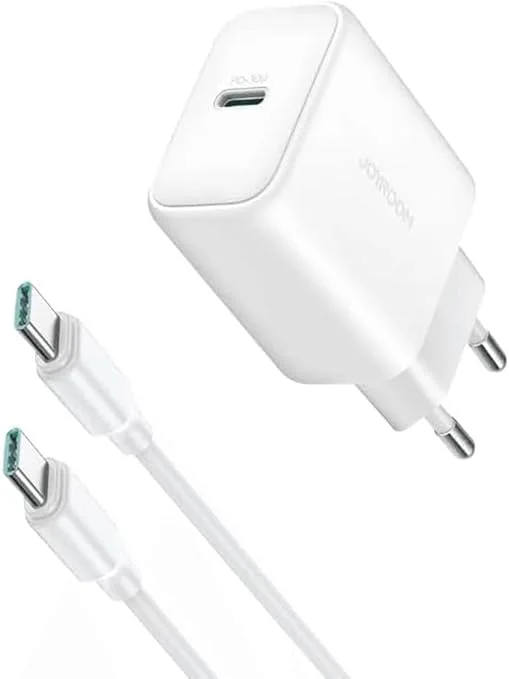
- If you are on a tight budget, avoid unbranded 60 EGP clones entirely. Opt for verified value brands like Joyroom that offer certified, original adapters at moderate prices with real warranties. Browse our Joyroom wall chargers.
- Do not use your phone for heavy gaming while fast charging to prevent heat accumulation that can degrade lithium cells over time.
9. Common Mistakes to Avoid When Purchasing a Charger
One of the most common mistakes is trying to save a few hundred Egyptian pounds on a charger for a phone that costs tens of thousands of pounds. This is a highly risky financial trade-off, as the repair costs for a fried motherboard or a degraded battery far exceed the savings from a cheap counterfeit brick.
Another mistake is pairing a premium, high-quality fast charger with a cheap, uncertified cable. A low-grade cable acts as a bottleneck for current transfer, preventing the fast charger from using its full capacity and intelligent voltage regulation. It is essential to understand that a USB cable is not just a simple copper wire. It houses proprietary resistance and micro-circuitry designed to handle high current. Cheap counterfeit cables use thin copper cores that increase electrical resistance, causing a drop in voltage, slow charging speeds, and excessive heat. Always choose certified cables that meet or exceed your charger's wattage rating. Lastly, leaving your phone plugged into a cheap charger overnight is dangerous, especially since low-end adapters lack automatic power cutoff at 100%, causing continuous micro-cycling and degradation of the lithium-ion battery cells.
In conclusion, the physics and measurements are clear: a premium charger is 5 times faster, protects your device from electrical surges, and is far cheaper than paying for a phone motherboard replacement down the line. Investing in a certified fast charger from a reputable brand is not a luxury, but rather your first line of defense to secure your premium smartphone, ensuring smooth daily performance that saves you hours of waiting time beside the wall socket.

CairoVolt Editorial Team
Content team reviewing specifications and buying guides
The CairoVolt team reviews model numbers, specifications, and compatibility, and updates information when better data is available. Estimates are labeled as calculations, and readers can report information that needs correction.
Frequently Asked Questions
Does fast charging continuously degrade my battery lifespan?▼
Can a cheap charger suddenly burn my phone's motherboard?▼
Why is my touchscreen unresponsive or buggy when charging with a cheap adapter?▼
How can I identify a genuine fast charger without lab equipment?▼
Ready to Buy?
Browse available products and review specifications and CairoVolt warranty terms before ordering
Products Mentioned in This Article
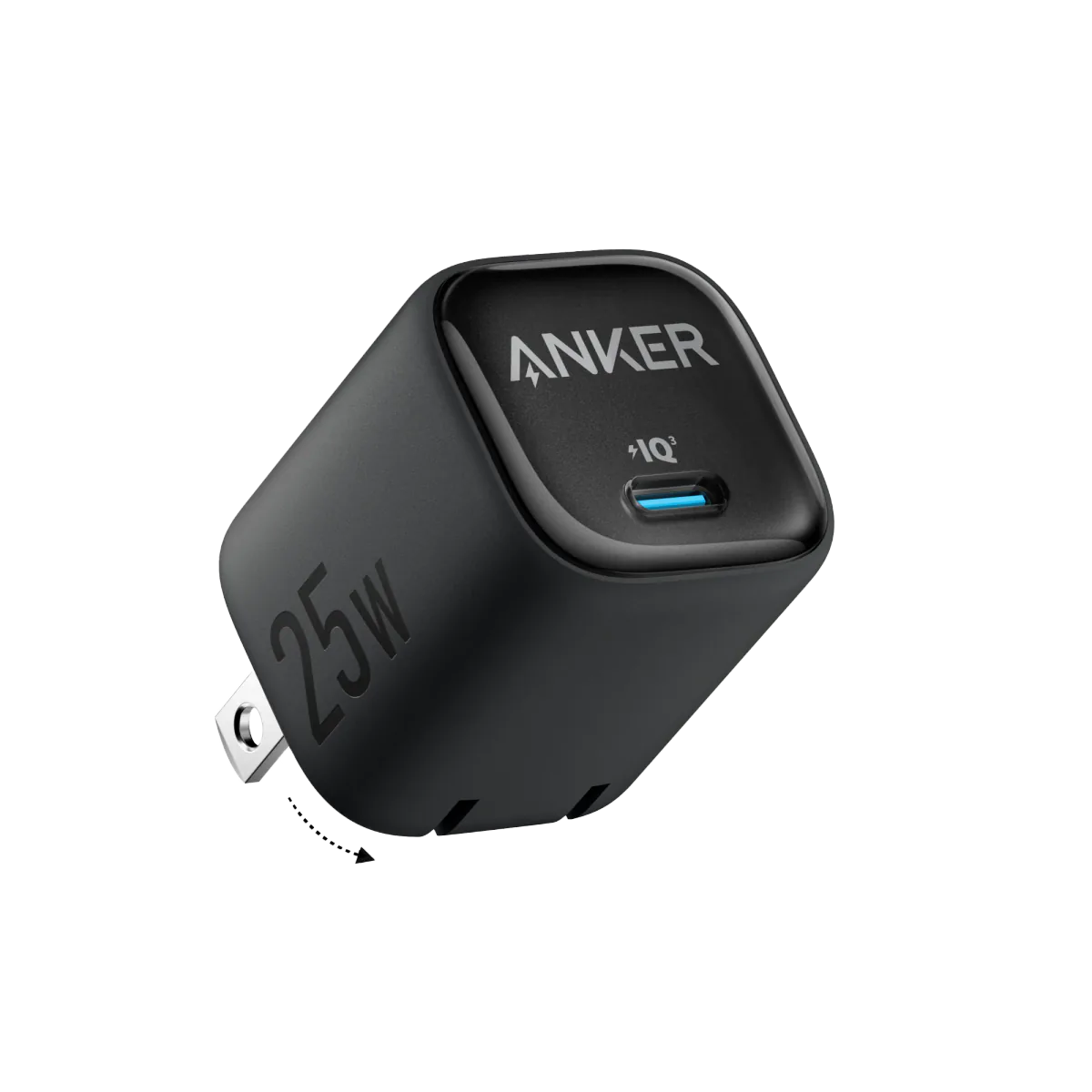
Anker 25W PPS Charger (A2322K11) | Samsung-Compatible USB-C PD
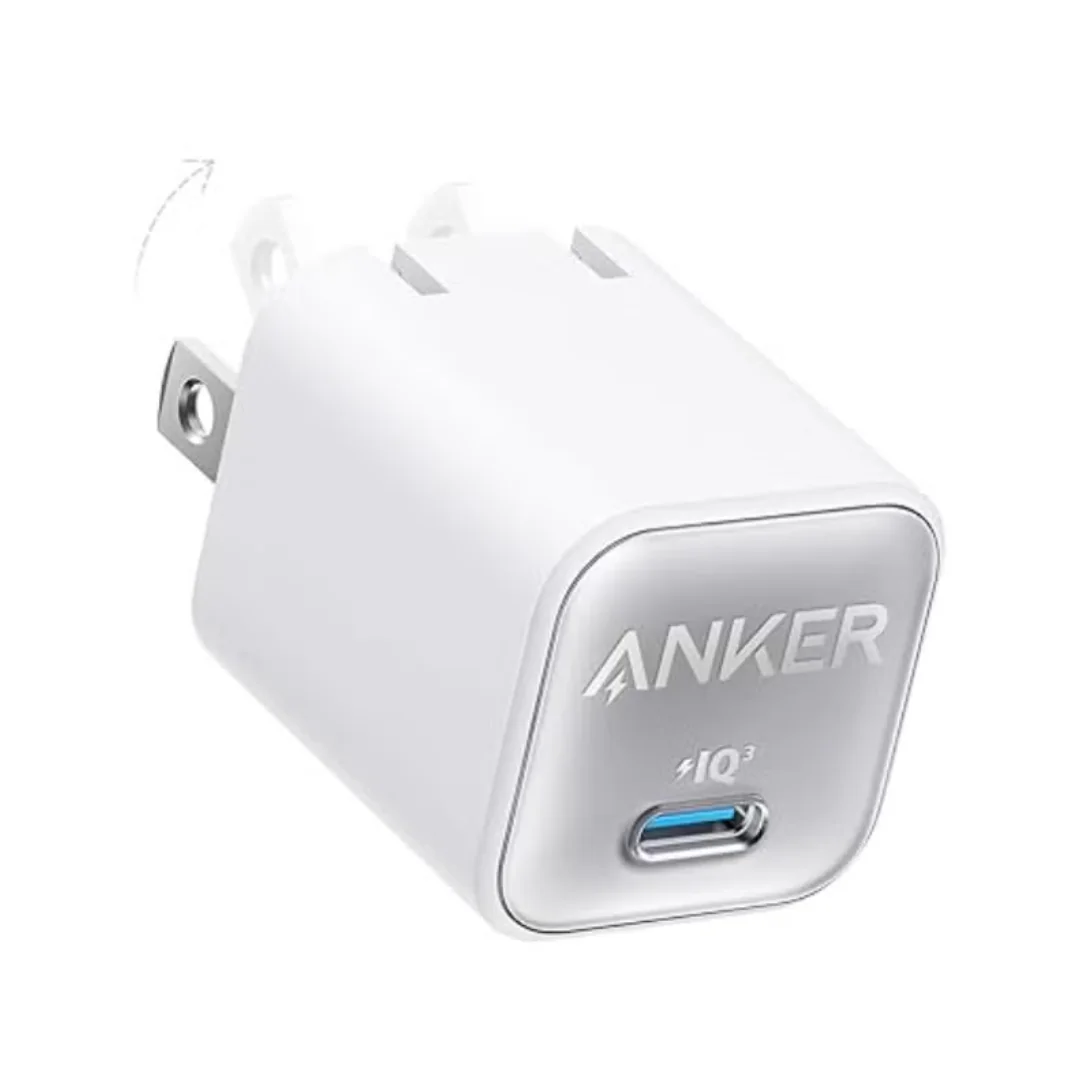
Anker 511 Nano 3 GaN Charger 30W (A2147) | USB-C PD | IQ3
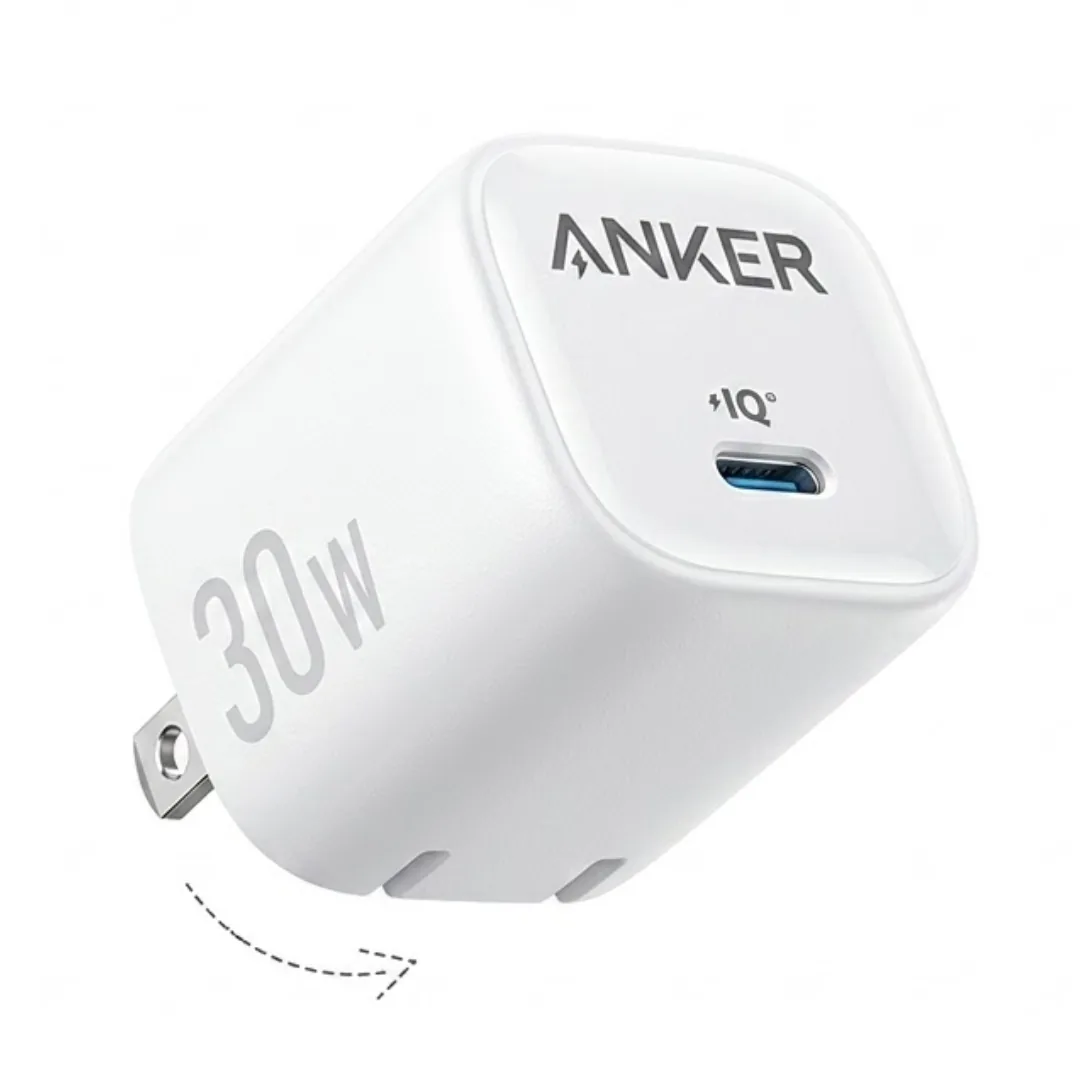
Anker Zolo 30W USB-C Wall Charger (A2698) | GaN + Ultra-low Temperature | Foldable Plug
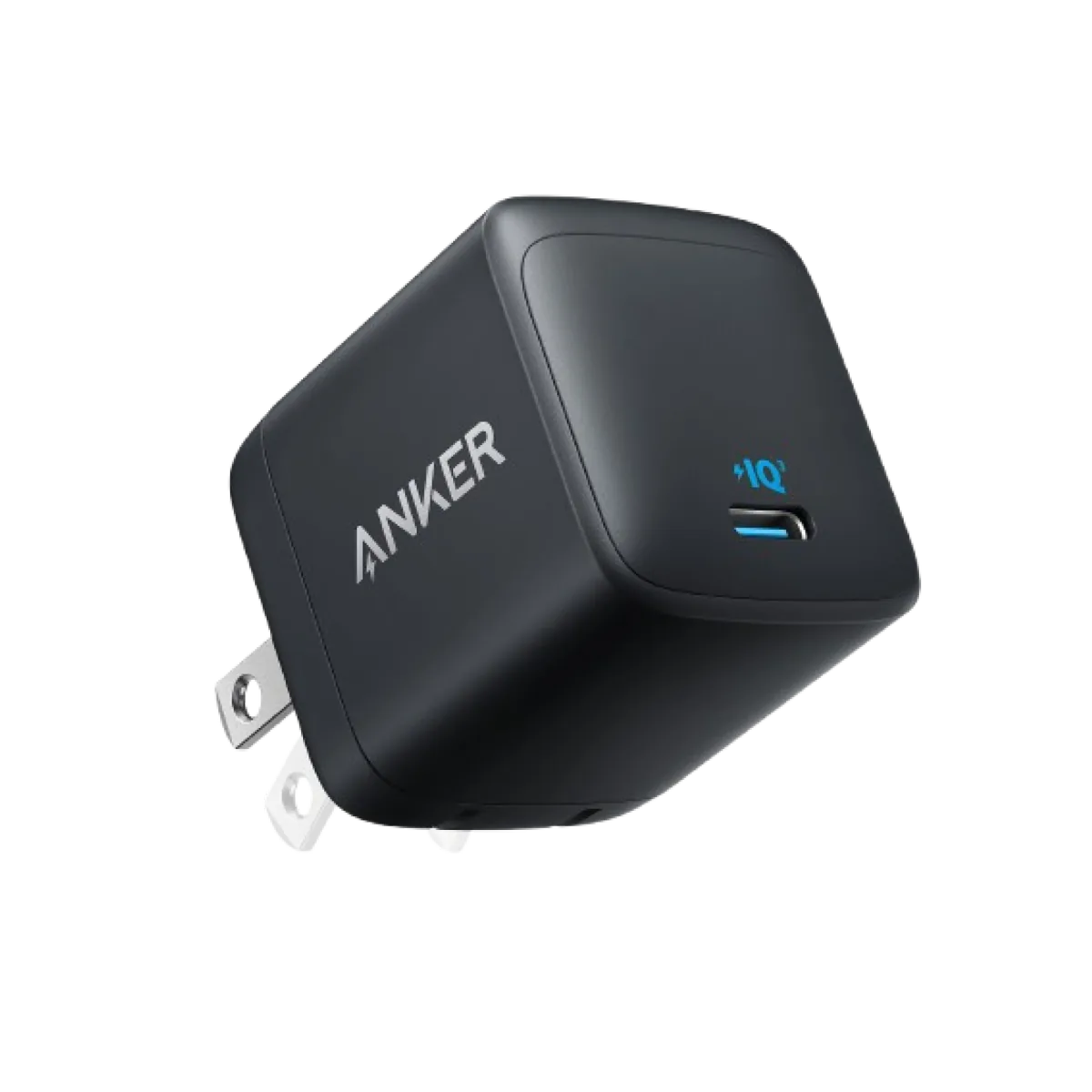
Anker Nano 45W GaN USB-C Charger | MacBook Air + iPhone 17
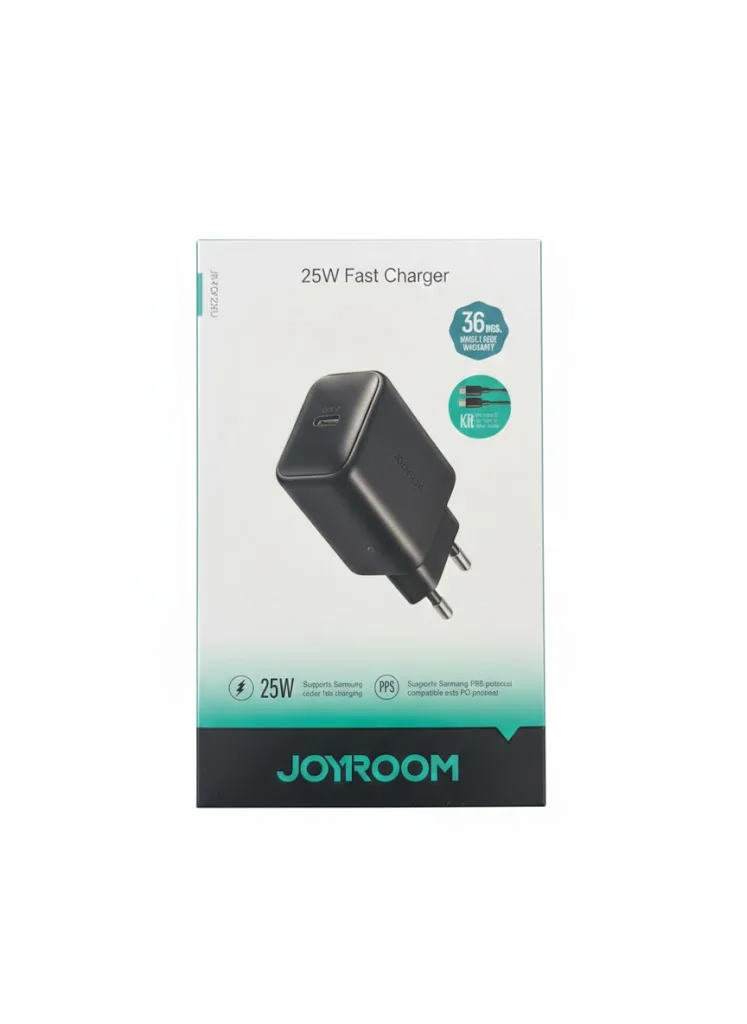
Joyroom 25W USB-C PD Charger (JR-TCF23) | iPhone and Samsung Compatibility
Joyroom 30W PD+QC Wall Charger | Dual USB-C and USB-A Ports
Browse the categories this article covers
Related Articles

Simple Math: When Does Buying an Original Charger Save More Than 3 Fake Ones?
Read more →
Does Fast Charging Actually Damage Your Phone Battery? The Complete Scientific Truth
Read more →