
This scene repeats in every phone shop in Egypt: the customer asks about a charger, the seller shows an original at 700 EGP and a fake at 80 EGP. The customer looks at the difference — 620 EGP — and picks the fake. Logically it seems smart: why pay 9x more when you're charging the same phone?
But the truth is that calculation is incomplete. There are hidden costs in fake chargers that don't show at purchase time — but appear months later. This article does the complete math — with real numbers — so you can decide for yourself: which is truly more cost-effective long-term?
💡 The Bottom Line Upfront: Fake charger at 80 EGP × 4 over two years = 320 EGP + potential battery damage (1,500-3,000 EGP). Original charger at 700 EGP × EGP for 3-5 years. The original is cheaper even though its price is higher.
Part 1 — Direct Purchase Cost
Let's calculate over a two-year period (average phone lifespan for Egyptian users):
Scenario 1: Fake Chargers
- 📦 First fake charger: 80 EGP — lasts 4-6 months
- 📦 Second fake charger: 80 EGP — lasts 3-5 months (quality degrades)
- 📦 Third fake charger: 80 EGP — lasts 3-4 months
- 📦 Replacement cable (fake cables fail faster): 40 EGP × 2 = 80 EGP
- 💰 Total: 320 EGP over two years
Scenario 2: Original Charger
- 📦 Original charger: 700 EGP — lasts 3-5 years with warranty
- 📦 Original cable: 200 EGP — lasts 2-3 years
- 💰 Total: 900 EGP for 3-5 years
So far — the fake seems cheaper (320 vs 900). But wait — we haven't finished the calculation. There are hidden costs nobody accounts for.
Part 2 — The Hidden Costs of Fake Chargers
1. Battery Degradation
Fake chargers lack a proper IC Controller chip that regulates voltage and current. The result: your phone charges with unstable voltage — sometimes 5.2V, sometimes 4.8V instead of a steady 5V. This creates thermal and electrical stress on the battery — reducing its lifespan by 20-40% according to multiple engineering studies.
The practical cost: A phone battery that should last 3 years might need replacement after just 1.5 years. Replacing an iPhone or Samsung flagship battery in Egypt costs 1,500-3,000 EGP. And if the phone has a sealed design that can't be serviced — you might need to buy a new phone entirely.
2. Slow Charging = Wasted Time
Fake chargers charge much slower — even if they say "Fast Charging" on the box. Why? Because most fakes don't support real fast-charging protocols (PD, QC, PPS). The phone refuses fast charging from an uncertified charger — and charges at standard speed (5W instead of 25-30W).
The math: A 5W charger takes 3 hours to fully charge a phone. A 25W charger does it in 45 minutes. The difference = 2 hours and 15 minutes every day. Over a year = more than 800 hours of your time wasted waiting. Your time has value — even if you don't calculate it in pounds.
3. Safety Risks
Fake chargers lack over-voltage protection (OVP), over-current protection (OCP), and over-temperature protection (OTP). So if there's a sudden voltage spike — the charger won't protect the phone. Worse: many fake chargers in Egypt have caused small fires and battery explosions.
An original charger like the Anker 511 Nano 3 has 7 layers of protection: over-voltage + over-current + over-temperature + short circuit + reverse current + overcharge + circuit protection. This isn't luxury — it's insurance.
Part 3 — The Complete Calculation
| Item | Fake Chargers (2 years) | Original Charger (3-5 years) |
|---|---|---|
| Purchase cost | 320 EGP | 900 EGP |
| Battery replacement (30-40% probability) | 600-1,200 EGP | 0 EGP |
| Phone damage (5-10% probability) | 1,000-5,000 EGP | 0 EGP |
| Expected total | 920-6,520 EGP | 900 EGP |
Even in the best-case scenario for fakes (no battery damage, no phone damage) — the cost is 320 EGP for two years. The original is 900 EGP for 3-5 years. That means fakes cost 160 EGP per year and the original costs 180-300 EGP per year. The difference is tiny — but the original gives you fast charging, full protection, and peace of mind.
In the worst-case scenario for fakes (battery damage + phone issues) — the cost can reach 6,520 EGP. That's 7 times the original charger's price. And this isn't a rare scenario — it happens to many people.
Why Are Original Chargers More Expensive? — It's Not Greed
Original chargers aren't expensive because of the brand — they're expensive because they contain real components. A smart IC controller chip that regulates voltage and current in microseconds. Japanese-grade capacitors that withstand heat. Clean solder joints that don't cause short circuits. And multi-layer protection that safeguards your phone and your home. All of this costs money to manufacture — and the result is a product that lasts years and charges safely.
Fake chargers are manufactured with the cheapest possible components — no real IC controller (or a cheap inaccurate one), cheap Chinese capacitors that fail quickly from heat, poor solder joints that can cause shorts. The result: a cheap product that lasts months and can damage your phone.
How to Spot a Fake Charger — 5 Signs
- 1️⃣ Weight: Original chargers are noticeably heavier — because they contain real components (transformer, capacitors, IC controller). Fakes feel like empty plastic — because they essentially are.
- 2️⃣ Price: A charger for 50-100 EGP cannot be genuine. Real components cost more than that to manufacture.
- 3️⃣ Print quality: Fakes have faded printing or spelling errors. Originals have sharp, precise printing with accurate logos.
- 4️⃣ Heat: Fakes get uncomfortably hot during charging. Originals get slightly warm but never uncomfortable to touch.
- 5️⃣ Warranty: If the seller doesn't offer a written warranty — the charger is fake. Reputable brands like Anker provide 18-month warranty with every charger — because they stand behind their product.
Real Stories from Egypt
Story 1: A university student bought a fake charger for 70 EGP from a shop in Ataba. After 3 months — his Samsung A54 battery started dying in 4 hours instead of 8. He went to a service center — the battery needed replacement: 1,800 EGP. He saved 70 EGP and lost 1,800.
Story 2: A mother bought a fake charger for her daughter's tablet. The charger overheated severely and emitted a burning plastic smell. Fortunately she unplugged it in time — but the tablet was damaged and the socket was burned. Total loss: new tablet + socket repair = over 4,000 EGP.
These situations aren't rare — they happen daily in repair shops across Egypt. Technicians say 30-40% of battery issues they see are caused by fake chargers.
The Bottom Line — Cheap Is Expensive
There's an Egyptian proverb: "He who buys cheap pays twice" — and with chargers, it's literally true. An original charger isn't a luxury — it's an investment in protecting your phone, battery, time, and home safety. And the math proves it with numbers.
If you're thinking about buying a fake charger to save money — ask yourself: am I willing to risk my phone battery (1,500-3,000 EGP) to save 620 EGP? If the answer is no — then the original charger is the smarter choice.
What Should You Do Now?
- 1️⃣ Stop using your fake charger: If you have a fake charger right now — stop using it immediately. Don't wait until it damages your battery or causes a problem. Battery damage is gradual — meaning every day you use the fake, you're losing a piece of your battery's lifespan.
- 2️⃣ Buy an original from an authorized distributor: Not from a random phone accessories shop. An authorized distributor gives you real warranty, an invoice, and technical support if something goes wrong. That's a big difference.
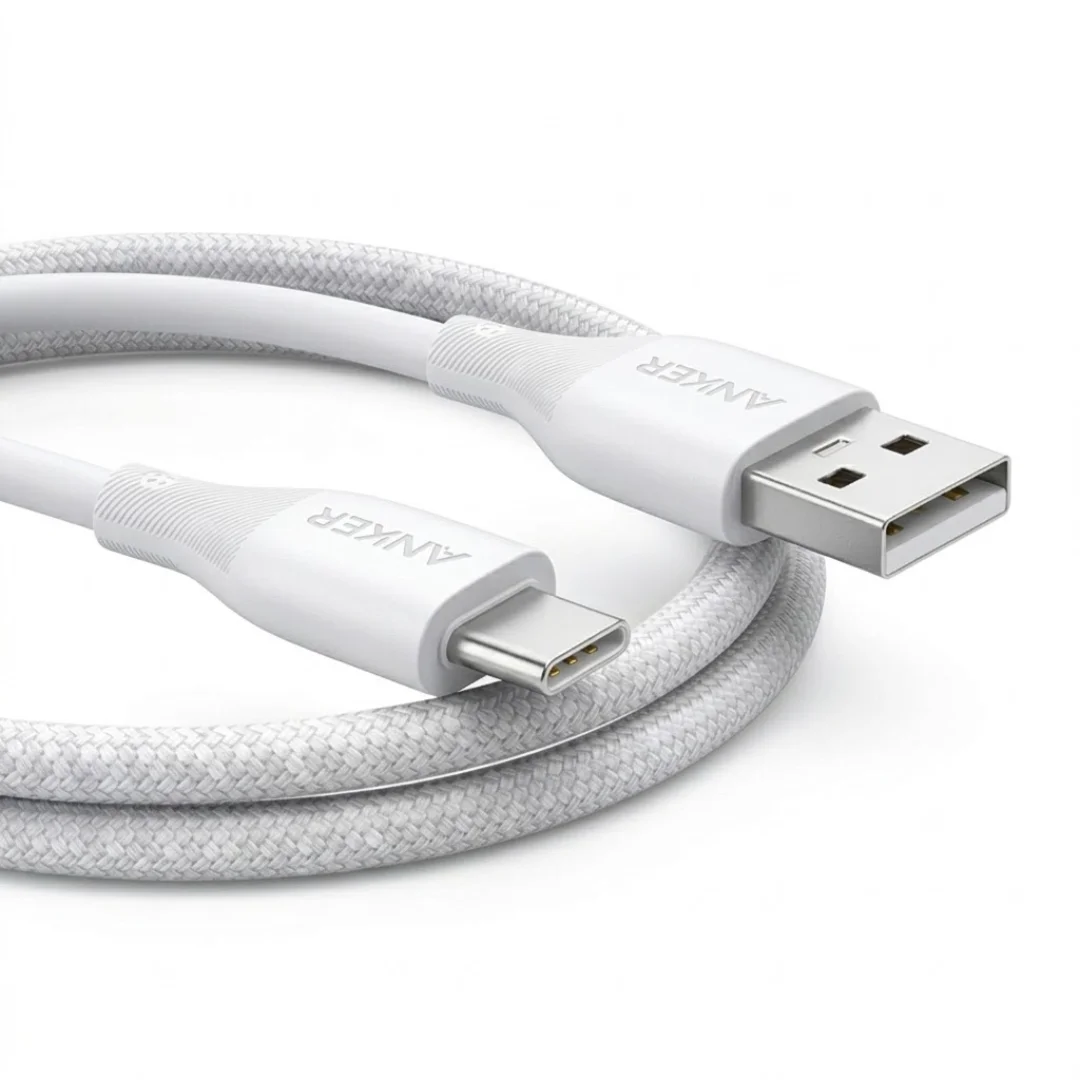
- 3️⃣ Don't forget the cable: An original charger with a fake cable = slow charging. An original cable supports the charger's full wattage — and lasts years. Fake cables fail from bending after two months and can cause intermittent charging.
- 4️⃣ Connect the charger to a surge protector: Even an original charger needs protection from Egypt's voltage fluctuations. A surge protector at 300 EGP protects all your devices from sudden voltage spikes.
✅ Available at CairoVolt
Original Anker chargers — 7-layer protection + real fast charging (PD/QC) + 18-month warranty. And Anker cables that support full wattage. The right investment once — and you won't buy again for years.
🛒 Related Products from CairoVolt:
Based on this article, here are our picks: Anker GaN 30W Charger · Anker Nano 45W Charger · Anker PowerPort 25W Charger · Joyroom 25W Charger.

CairoVolt Editorial Team
Content team reviewing specifications and buying guides
The CairoVolt team reviews model numbers, specifications, and compatibility, and updates information when better data is available. Estimates are labeled as calculations, and readers can report information that needs correction.
Frequently Asked Questions
Do fake chargers actually damage batteries?▼
How can I tell if a charger is original or fake?▼
How long does an original charger last?▼
Can a fake charger cause a fire?▼
Ready to Buy?
Browse available products and review specifications and CairoVolt warranty terms before ordering
Products Mentioned in This Article
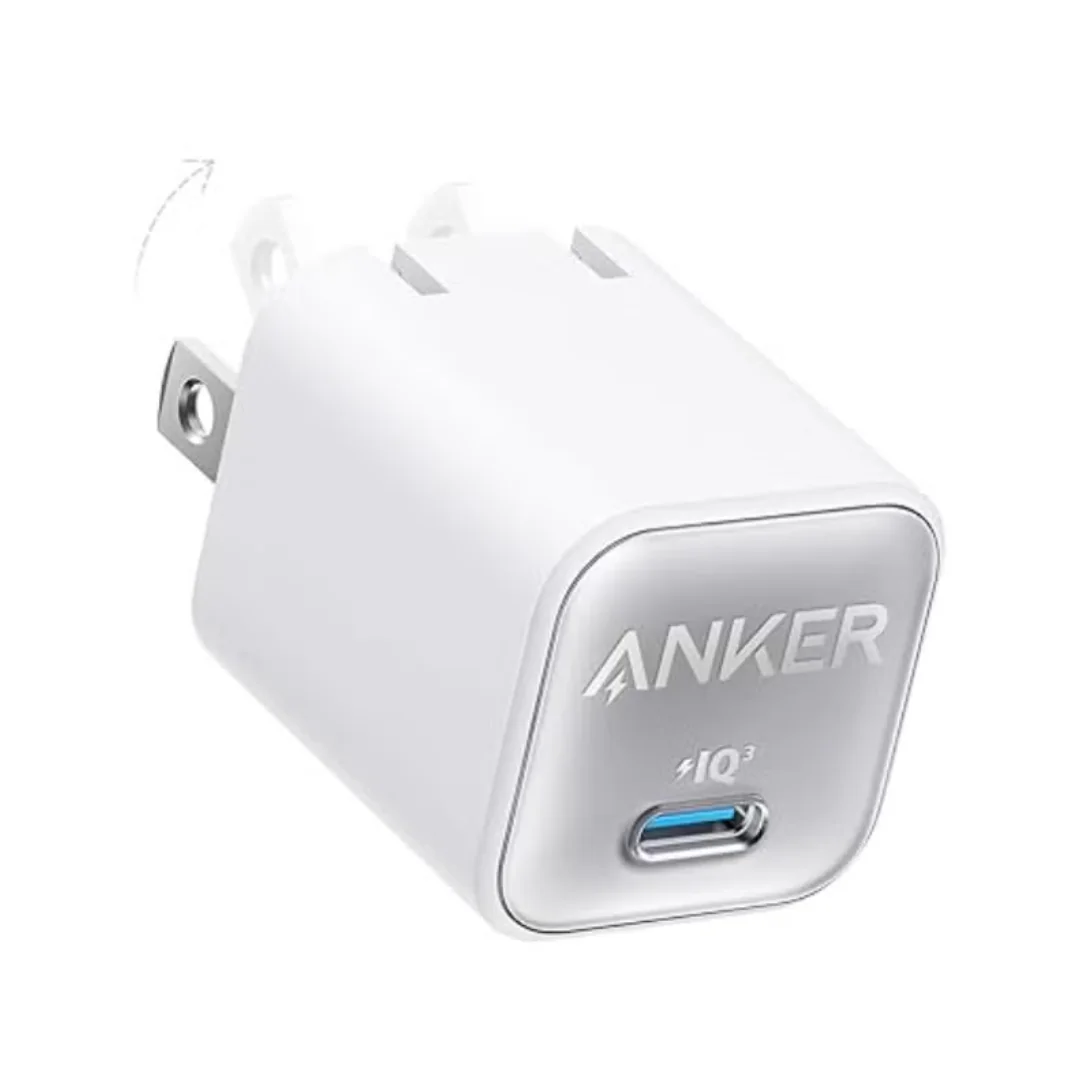
Anker 511 Nano 3 GaN Charger 30W (A2147) | USB-C PD | IQ3
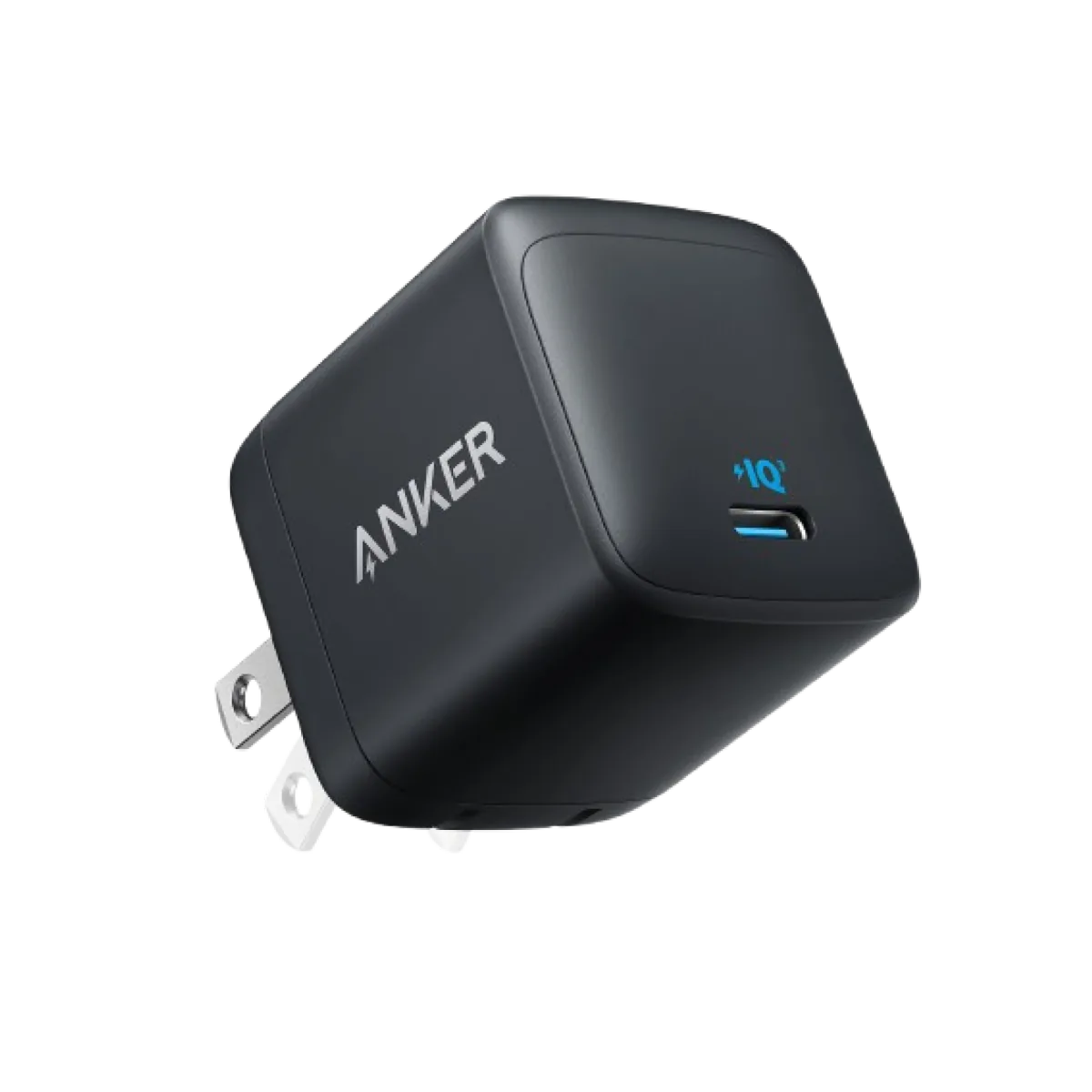
Anker Nano 45W GaN USB-C Charger | MacBook Air + iPhone 17
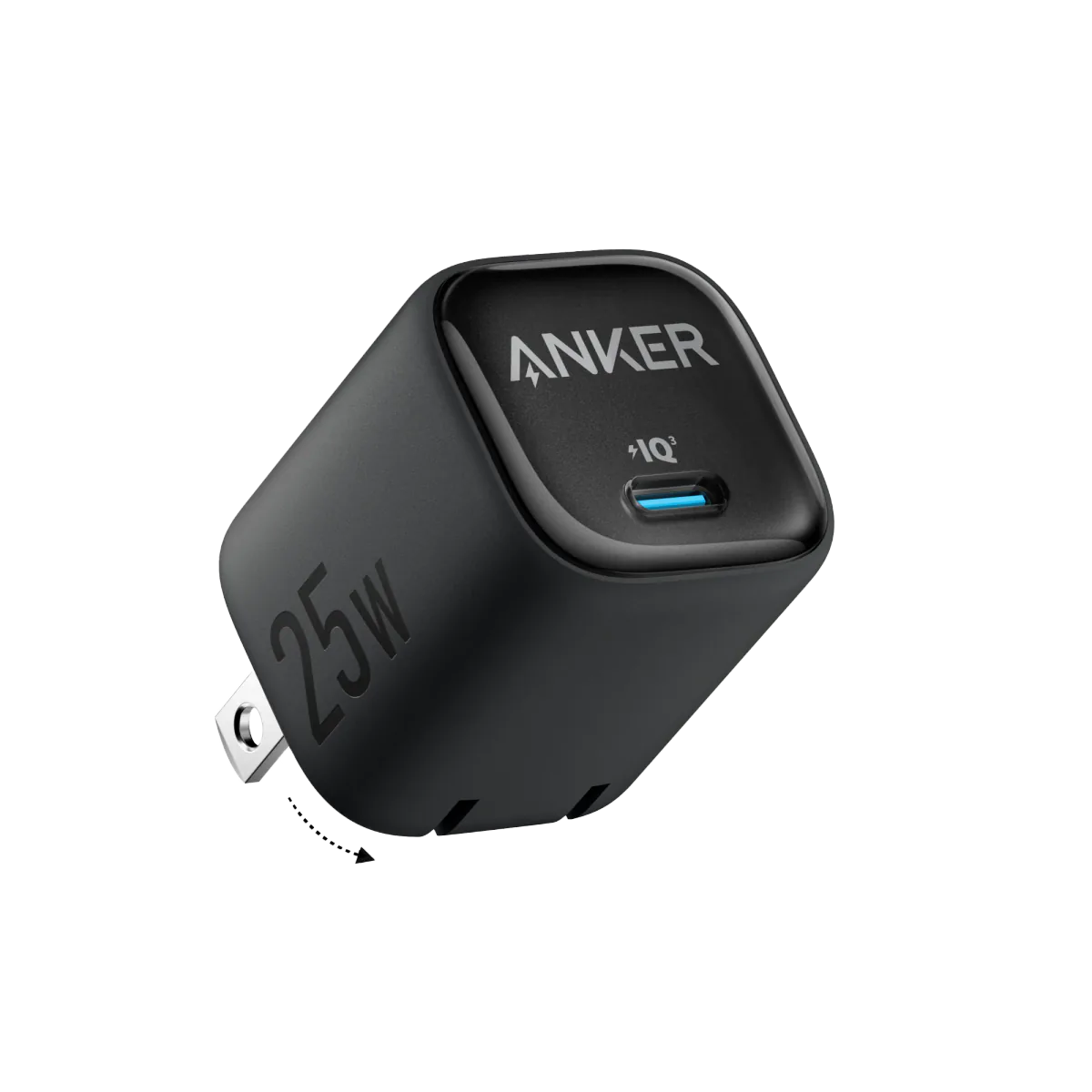
Anker 25W PPS Charger (A2322K11) | Samsung-Compatible USB-C PD
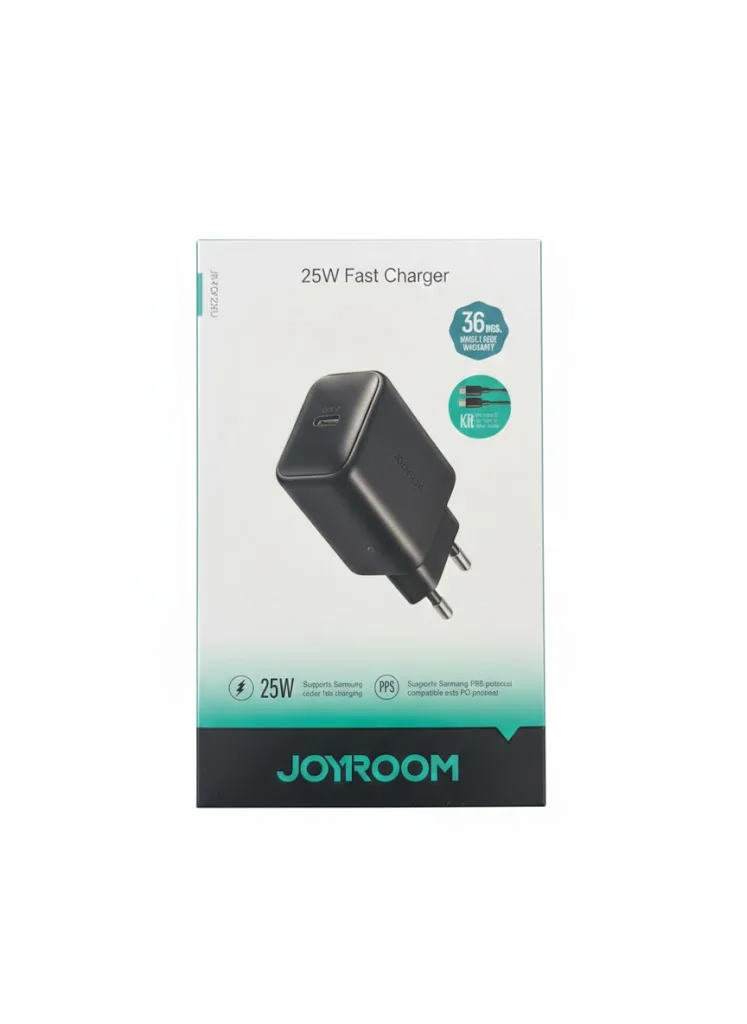
Joyroom 25W USB-C PD Charger (JR-TCF23) | iPhone and Samsung Compatibility
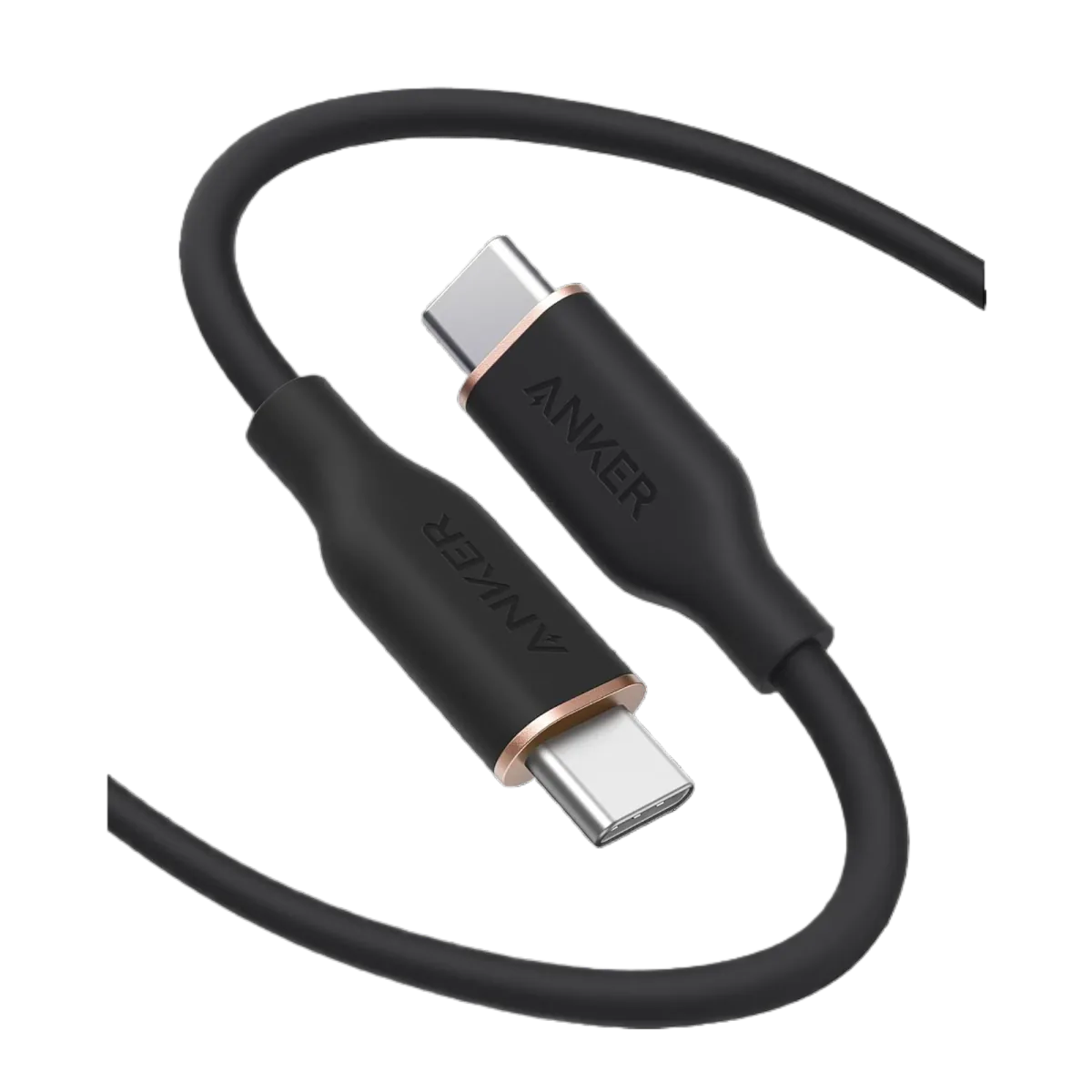
Anker PowerLine III USB-C to USB-C | 60W | iPhone 17 & Samsung S26