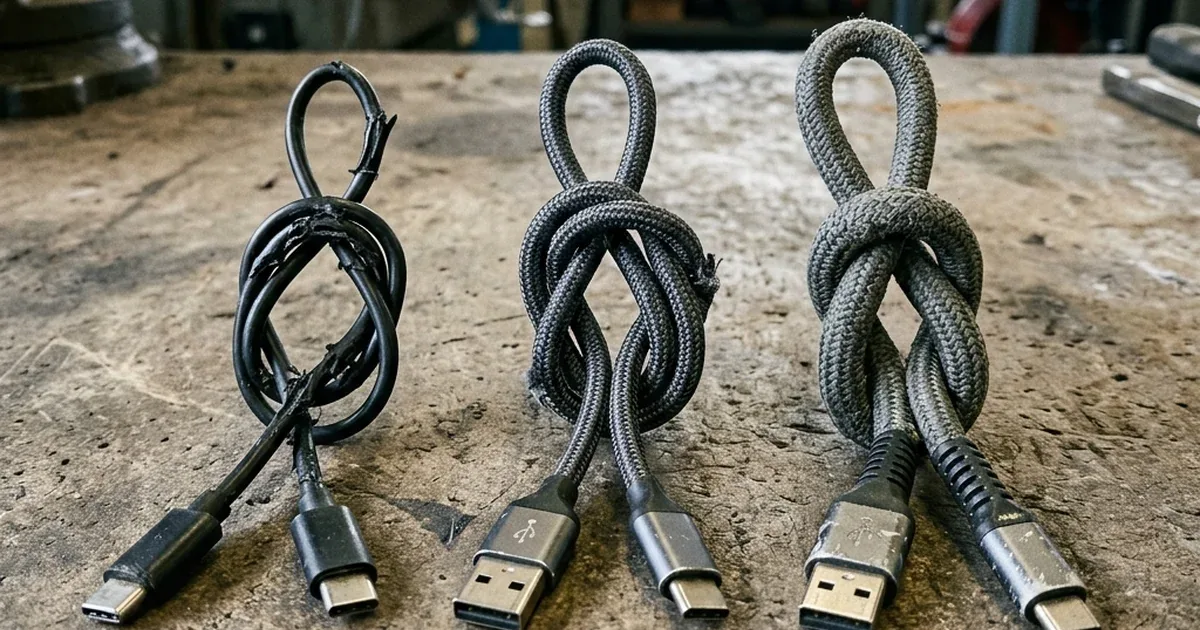
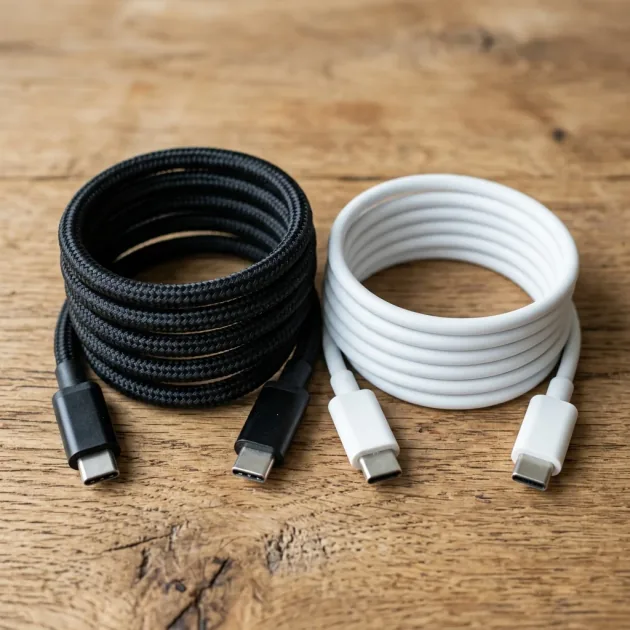
Anker has more than one cable line — and the name alone is not enough to choose. PowerLine means Kevlar. PowerLine II means double nylon. Flow means silicone. Each serves a different scenario, and the real-life difference is significant once you know what to look for.
💡 Choose Based on Your Use Case: Car and heat → Flow (silicone). Bag and travel → PowerLine II (nylon). Heaviest use and office desk → PowerLine (Kevlar). If you are not sure → PowerLine II is the most balanced choice for everyday use.
PowerLine Series — Military-Grade Kevlar
PowerLine is the stiffest and longest-lasting cable in Anker's lineup. It uses Kevlar threads (same material as bulletproof vests) as internal reinforcement. Outer jacket is reinforced TPE.
Advantages:
- Strongest cable in the lineup — very difficult to snap by pulling or bending
- Bend resistance: 25,000-50,000+ cycles
- Lifetime warranty from Anker
- Available in a MIL-STD-810G certified version
Drawbacks:
- Stiffest of the three lines — needs time to "break in" after unboxing
- Higher price than PowerLine II and Flow
- Less comfortable to coil and pack in a bag
Best for: desk use (stationary, minimal movement), heavy-duty applications, long travel where durability is the top priority.
Strain Relief Design Comparison Among the Three Series
The design of the strain relief collar—the transition point between the plug and the wire—differs significantly across Anker's range. In the classic PowerLine series, the collar is thick, rigid, and made of heavy-duty TPE. This design focuses on preventing shear and tensile forces from reaching the solder joints, resulting in a robust but rather stiff neck.
PowerLine II features a shorter, tapered strain relief collar that blends cleanly with the woven double-braided nylon jacket. This profile avoids snagging or fraying the nylon fibers at the junction point. In contrast, the Flow series uses an ultra-flexible collar molded from the same soft silicone as the main wire jacket. It matches the cable's color and can bend repeatedly at extreme angles without showing structural fatigue or crease marks.
PowerLine II Series — Double Braided Nylon
PowerLine II uses two layers of braided nylon instead of one. More flexible than PowerLine and significantly more durable than standard cables.
Advantages:
- Better flexibility than PowerLine — moves more easily
- Bend resistance: 10,000-20,000+ cycles
- Available in multiple colors
- Lower price than PowerLine
Drawbacks:
- Less durable than PowerLine over the very long term
- Nylon braid can fray at the connector end after years
- Handles up to 60°C only — weaker than silicone in high heat
Best for: daily general use, student bags, anyone wanting excellent durability at a mid-range price.
📐 Physics of the Connector Break — Why Always the Same Spot?
The connector (the metal plug that goes into the phone) is completely rigid. The cable body is completely flexible. The zone between them = maximum stress concentration — every bend focuses there. The engineering solution: strain relief — the long plastic boot covering the cable's entry into the connector. The longer and firmer this boot, the more it distributes stress across a larger area and extends cable life.
Internal Shielding: Graphene and Heat Dissipation in Anker Flow
Under the soft exterior of Anker Flow cables lies a sophisticated shielding system. Beneath the outer silicone jacket, Anker integrates a thin layer of graphene, a material renowned for its high thermal conductivity and flexibility. The graphene layer distributes heat generated by 5A fast charging evenly along the cable, preventing hot spots and keeping the wire cool.
This contrasts with the PowerLine series, where internal engineering is centered around physical strength. The copper power paths are coiled around a central Kevlar core. This design absorbs high tensile forces (up to 80kg of weight support) to protect the internal electrical pathways from breaking under extreme tension.
The Significance of Tensile Strength and Pull-Force Tests
Charging cables are regularly subjected to mechanical pull forces, such as when users pull the cord instead of the connector plug to disconnect their device. This is where tensile strength becomes crucial. Powered by its internal Kevlar core, the Anker PowerLine cable can withstand up to 80 kg (175 lbs) of continuous pull force without stretching or breaking the inner copper conductors.
The double-braided nylon jacket of PowerLine II provides a pull-force tolerance of up to 60 kg (130 lbs), distributing kinetic tension across its dense fibers. The silicone Flow series is rated for approximately 45 kg (100 lbs) of pull force. Cheap cords lacking internal tensile support stretch under tension, thinning the copper pathways, raising resistance, and eventually breaking the circuit entirely.
Dust and Dirt Repellency: Matte Silicone vs Rough Nylon
The surface texture of a cable affects its appearance over months of use. Braided nylon (PowerLine II) has a rough texture that behaves like micro-velcro, picking up pocket lint, micro-fibers, and pet hair. Once dirt embeds in the weave, it is difficult to clean without scrubbing. Standard TPE cables feature a shiny surface that absorbs skin oils, turning yellow over time.
To prevent this, Anker treats Flow silicone cables with a nano-silica coating to produce a silky matte finish. This coating resists finger oils and food stains. While static charge can occasionally attract micro-dust, it does not embed in the surface. A simple swipe with a damp cloth cleans it completely in one second, keeping the cable looking brand new.
Flow Series — Egypt's Summer Cable
Flow is the newest addition to Anker's lineup, engineered to solve two problems: heat and tangling. It uses a soft silicone jacket that naturally self-coils in circular loops.
Advantages:
- Handles 60-80°C — best choice for Egyptian cars in summer
- Self-coils naturally and does not tangle with other cables
- More flexible than both PowerLine and PowerLine II
- Soft, pleasant-to-touch material
Drawbacks:
- Lower tensile resistance than Kevlar
- Can stretch if pulled forcefully on the cable body (not the connector)
- Similar or slightly higher price than PowerLine II
Best for: car use, travel, bedside charging, tidy desk setups.
Chemical Migration and Sticky Jackets in Hot Cars
Drivers in Egypt frequently experience sticky cables. When standard PVC or low-quality TPE cables are left inside a hot car under direct sunlight, the heat triggers plasticizer migration (exudation). The chemical plasticizers added to make the PVC flexible seep to the surface, leaving the cable sticky, dust-attracting, and structurally weak.
Anker Flow cables resolve this with vulcanized silicone. The cross-linked polymer chains do not degrade, melt, or leach chemicals under extreme dashboard heat (up to 80°C). The cable maintains its dry, soft, and dust-resistant finish over years of exposure, making it the most reliable wire for vehicle interiors.
Full Comparison Table
| Spec | PowerLine (Kevlar) | PowerLine II (Nylon) | Flow (Silicone) |
|---|---|---|---|
| Material | Kevlar + TPE | Double braided nylon | Silicone |
| Lifespan | 10+ years ⭐ | 3-5 years | 4-7 years |
| Heat resistance | 55-60°C | 60°C | 80°C ⭐ |
| Flexibility | Lower ⚠️ | Moderate | Very high ⭐ |
| Tangling | Can tangle | Can tangle | Tangle-free ⭐ |
| Lifetime ⭐ | 18 months | 18 months | |
| Best for | Desk / long travel | Daily / bag | Car / summer |
🚗 Egyptian Car Scenario — Why Flow Wins
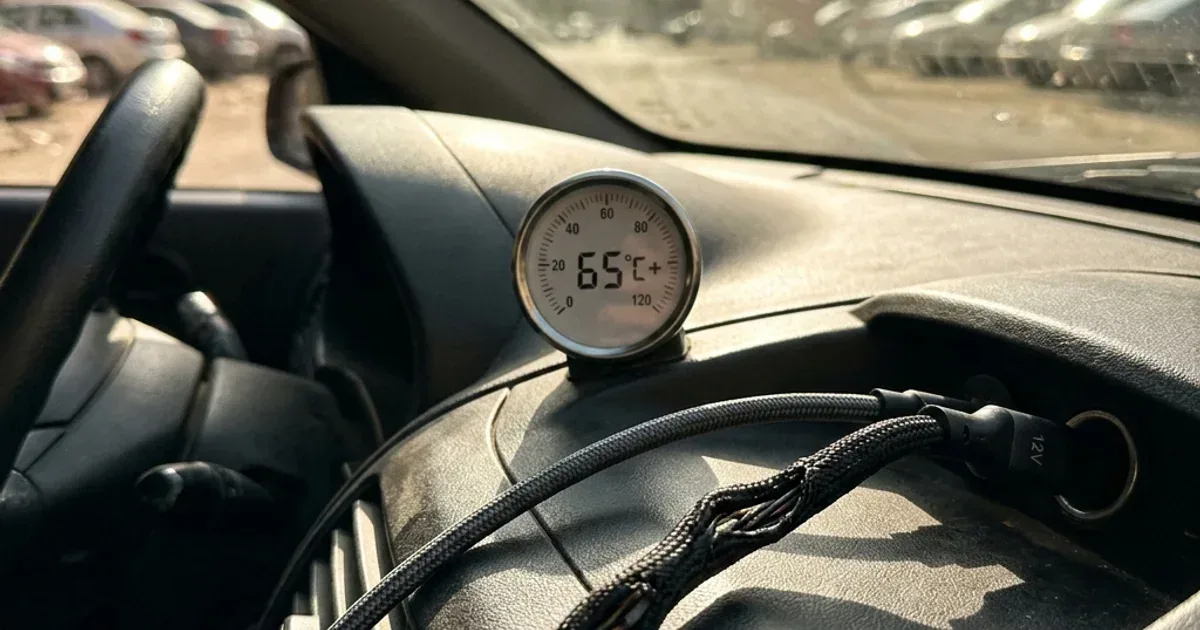
Interior car temperature parked in direct Cairo sun in summer: 60-75°C. PowerLine cable (TPE jacket): begins softening at 55°C and cracking over time. PowerLine II (nylon): holds to about 60°C. Flow (silicone): handles up to 80°C comfortably. Additionally, Flow self-coils naturally in the glove box without taking up space. Clear winner for the Egyptian car environment.
Egyptian Use Case Scenarios
University student: PowerLine II — breaks far less than TPE, cheaper than PowerLine, survives daily bag use. Multiple color options are a bonus.
Car owner (long hours in sun): Flow — 80°C heat tolerance covers the worst Egyptian scenarios. Will not crack or degrade in extreme heat.
Traveler with an organized bag: Flow as well — it self-coils and takes minimal space in the bag. If maximum durability is the priority → PowerLine.
Office laptop user: PowerLine — stationary on a desk, no need to coil, and Kevlar provides an extremely long lifespan under constant daily use. If your laptop charges at higher wattages, the newly stocked Anker Zolo 140W braided cable (790 EGP) supports 140W PD 3.1 over a 1.5m braided build — unlocking full speed on any laptop charger.
What About Joyroom Cables?
If your budget is more limited, the Joyroom PD cable and Joyroom C-to-C deliver solid performance at a lower price point. The Joyroom braided cable is close to PowerLine II in durability. The main difference: Anker offers a lifetime warranty on PowerLine, while Joyroom covers cables for 12 months.
✅ All Anker and Joyroom Cable Lines on CairoVolt
Anker PowerLine Kevlar | Anker A8050 | Joyroom PD | Joyroom Braided. 100% authentic with verification codes. Delivery to all governorates.

CairoVolt Team
Tech Editor
Frequently Asked Questions
Does the Anker Flow cable charge slower than PowerLine?▼
Can I use PowerLine in my car?▼
Is the Anker Flow worth the price compared to PowerLine II?▼
Is the lifetime warranty on Anker PowerLine legitimate?▼
Ready to Buy?
Browse available products and review specifications and CairoVolt warranty terms before ordering
Products Mentioned in This Article
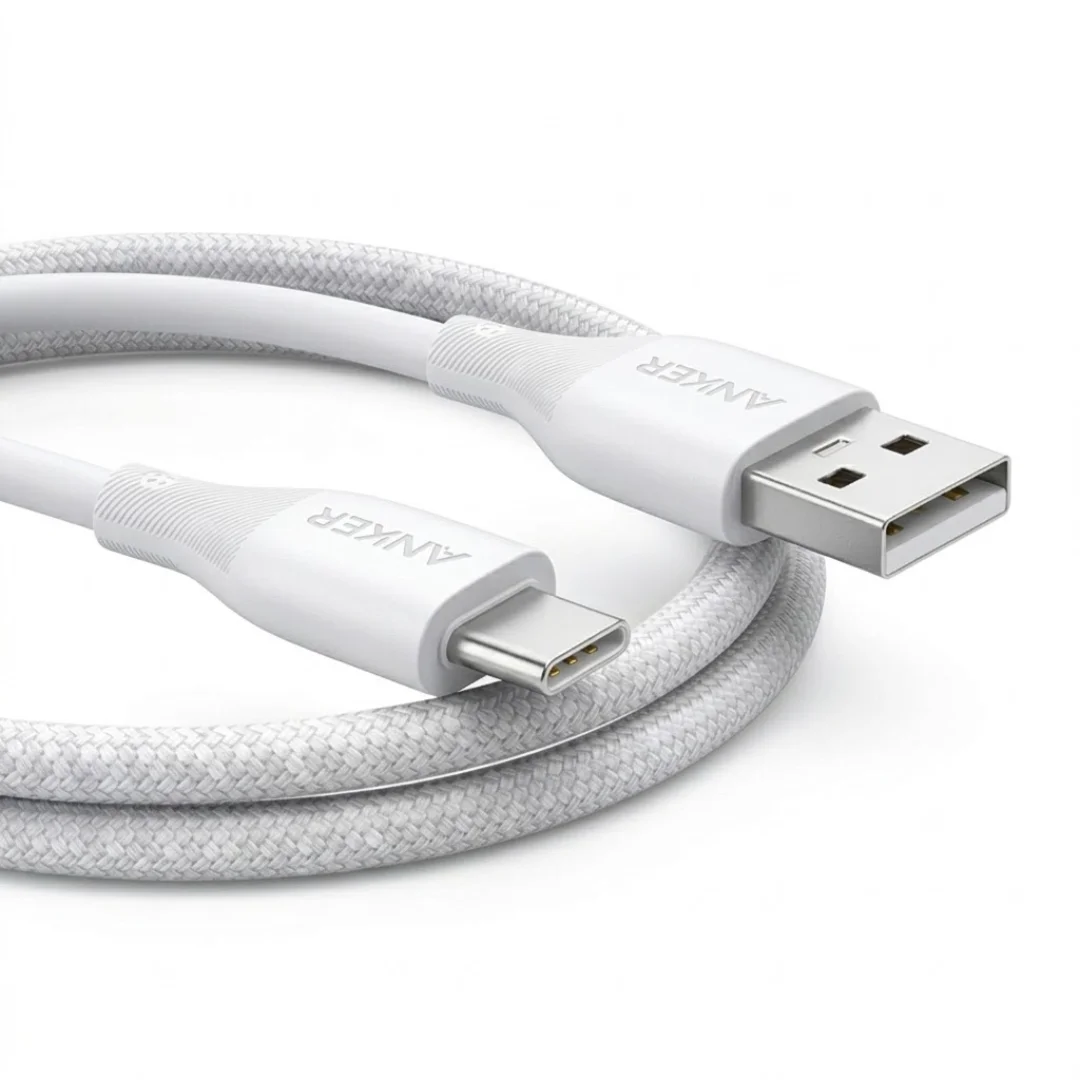
Anker USB-A to USB-C Cable (A8050) | Braided Nylon 1.8m | Fast Charging
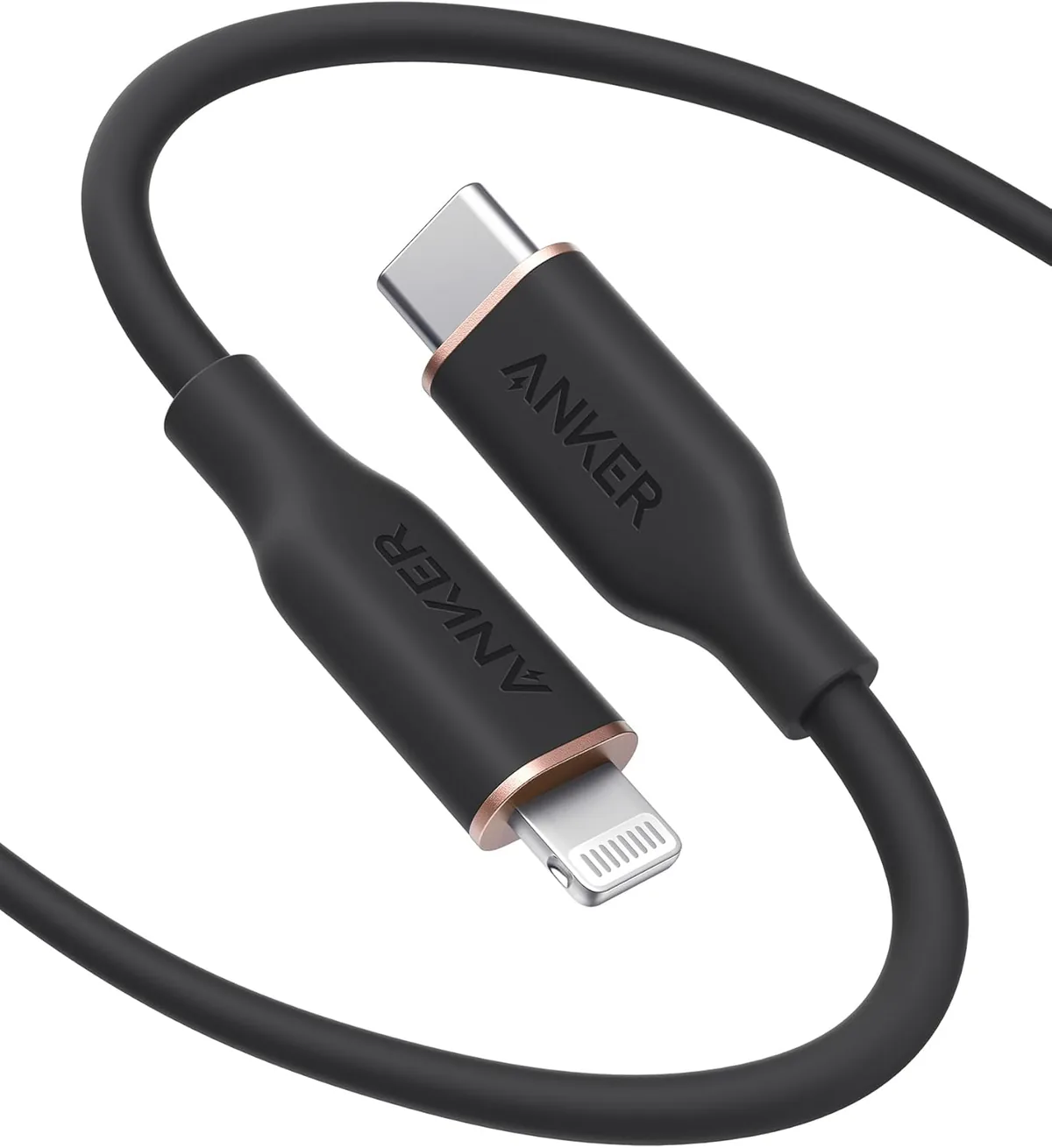
Anker PowerLine Select USB-C to Lightning (A8612H11) | Verify MFi | USB-PD
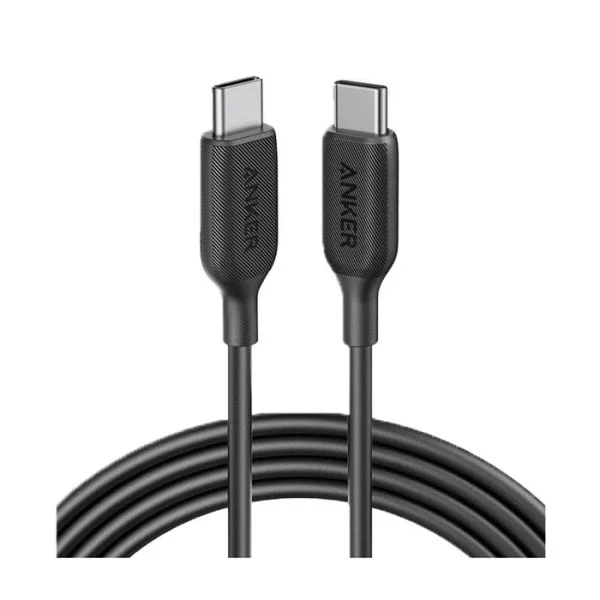
Anker SureIStrong USB-C to Lightning Cable
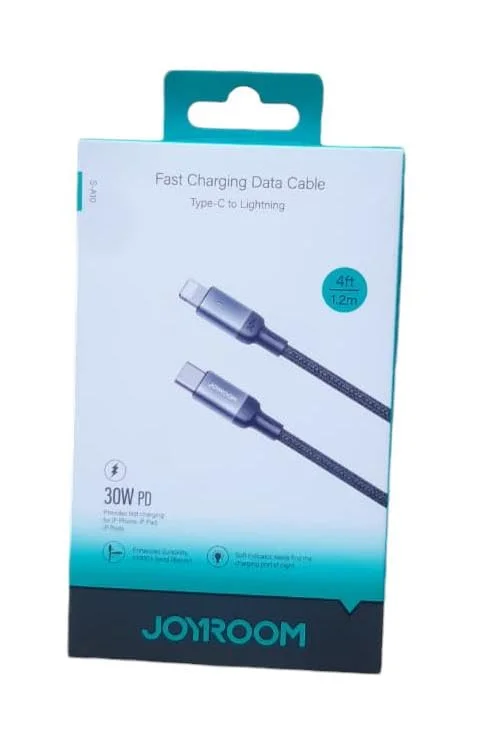
Joyroom 30W PD Fast Charging Cable 1.2m
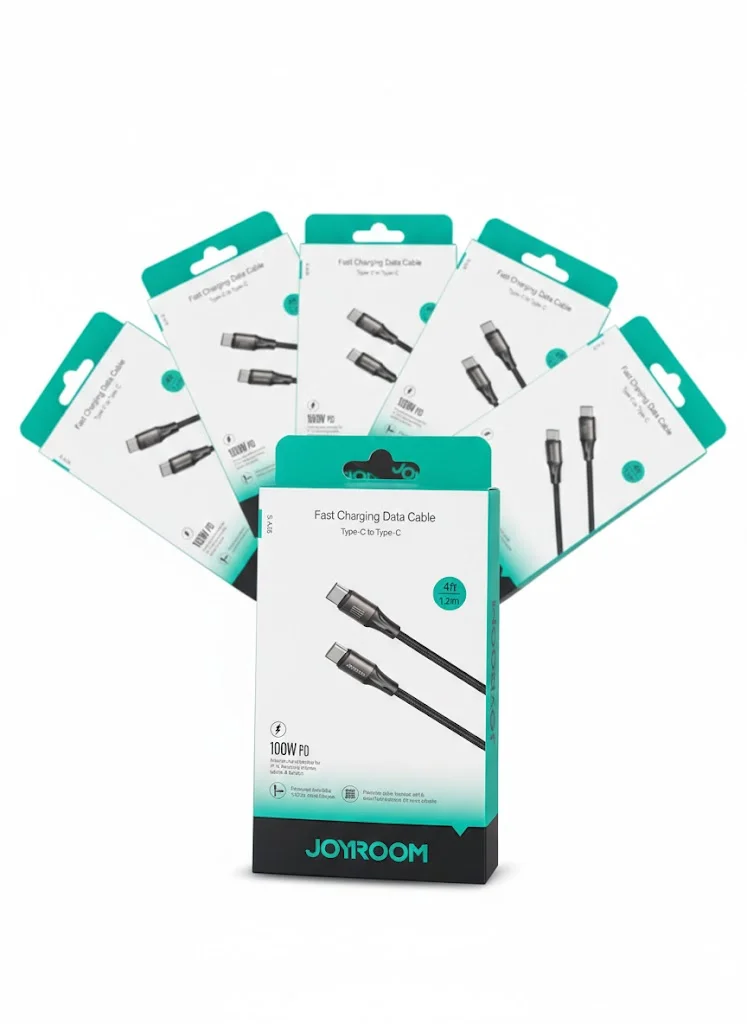
Joyroom USB-C to USB-C Cable JR-S-CC100
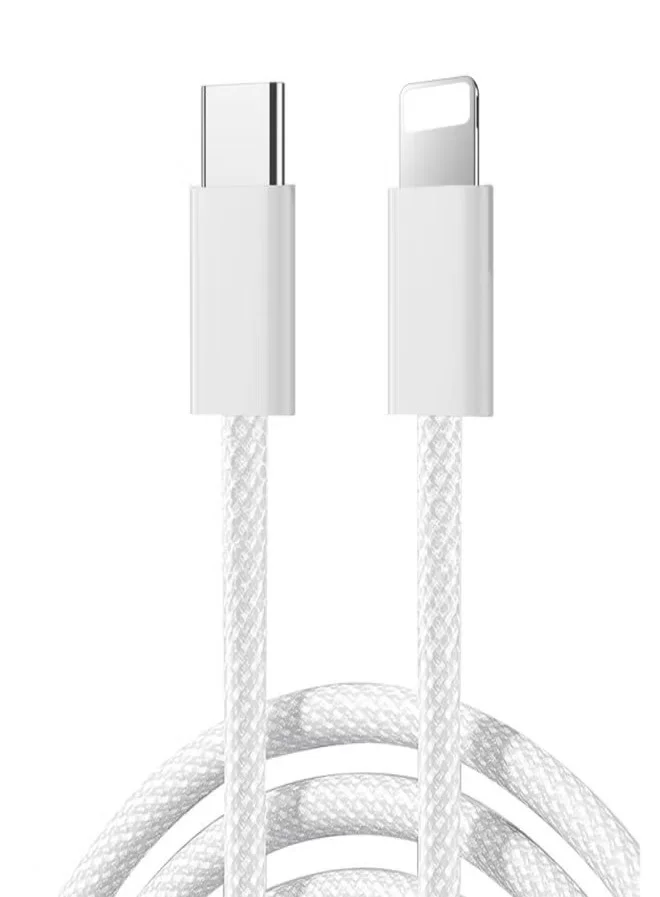
Joyroom USB-C to Lightning Braided Cable