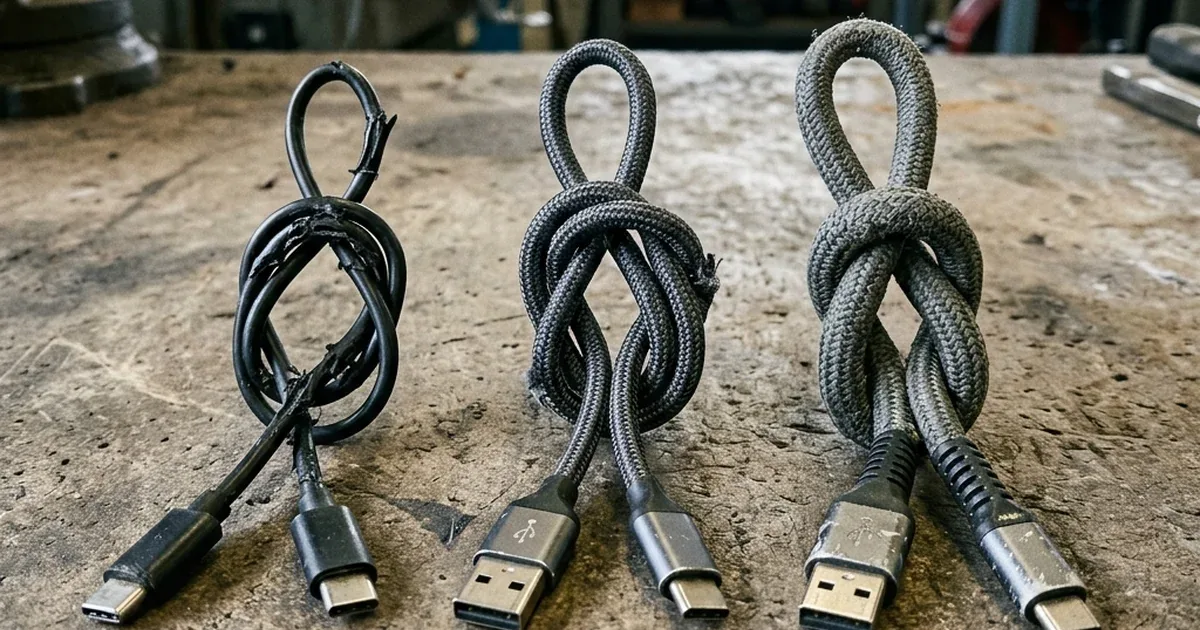
The cable snapped again in the same spot — right at the phone end. That is not a coincidence. There is clear physics behind it, and specific materials that last 3-5 times longer. This guide explains every material with advantages, drawbacks, and ideal use scenarios — accounting for Egypt's heat and coastal humidity.
💡 Short Version: Standard TPE cable breaks in 3-6 months. Braided nylon lasts 2-5 years. Kevlar (Anker PowerLine) lasts 10+ years. Silicone handles up to 80°C without cracking — ideal for Egyptian car use. The weak point is always at the connector — a cable with long metal strain relief in that area lives significantly longer.
TPE — The Most Common Material, Shortest Lifespan
TPE (Thermoplastic Elastomer) is the material covering 70-80% of charging cables on the market. Soft, flexible, feels like smooth plastic, and inexpensive. But:
- Lifespan: 3-6 months with daily use
- Failure point: at the connector — where cable meets device
- Reason: repeated bending stress (every time you place and lift your phone = one bend cycle). TPE lacks sufficient resistance to repeated bending
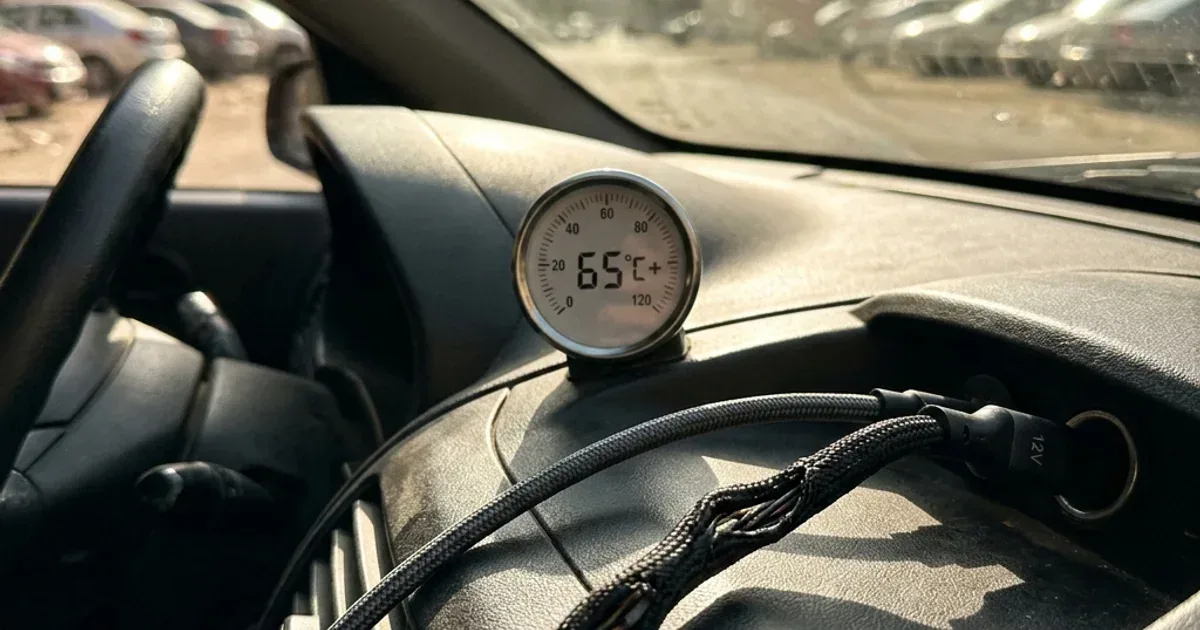
- Heat: above 45-50°C (common inside Egyptian cars in summer) it begins cracking and discoloring
Cables bundled with most phones and chargers from small brands are TPE. They work fine — they just do not last.
Strain Relief Engineering: Protecting the Cable Neck
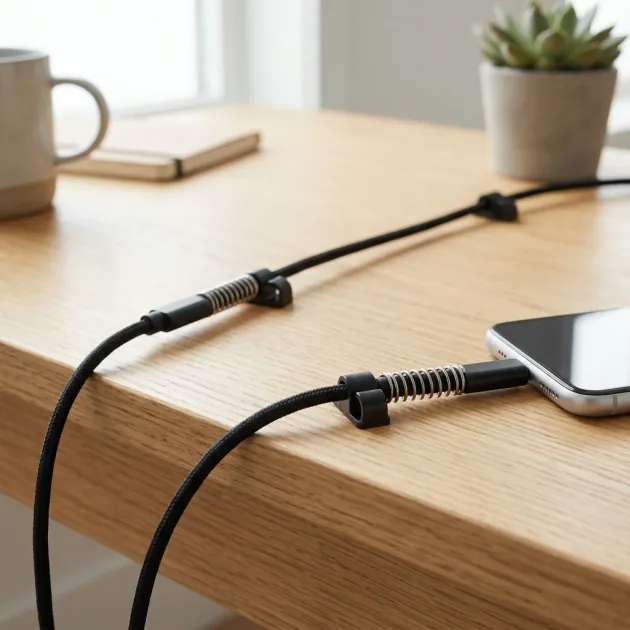
The metal connector plug that inserts into your phone is completely rigid. Conversely, the main cable body is highly flexible. The boundary where these two components interface represents a mechanical stress concentration point. When the cable bends during daily handling, all of the shear forces are focused onto this thin neck, leading to external jacket tearing and wire fractures.
To eliminate this bottleneck, premium brands engineer long, flexible strain relief boots extending from the connector plug. These boots incorporate engineered grooves or tapers that distribute the bending radius across a larger surface area, preventing sharp kinks. Original cables undergo extensive testing, enduring up to 30,000 bend cycles under a 200g weight to guarantee structural survival.
Braided Nylon — The Best Balance
Nylon fibers woven around the inner wire. This braid adds:
- Lifespan: 2-5 years
- Bend resistance: 10,000-30,000 bends (versus 3,000-5,000 for TPE)
- Only drawback: the nylon weave can fray at the connector end over years — becomes "fuzzy" at the tip
- Heat: better than TPE — handles up to 60°C
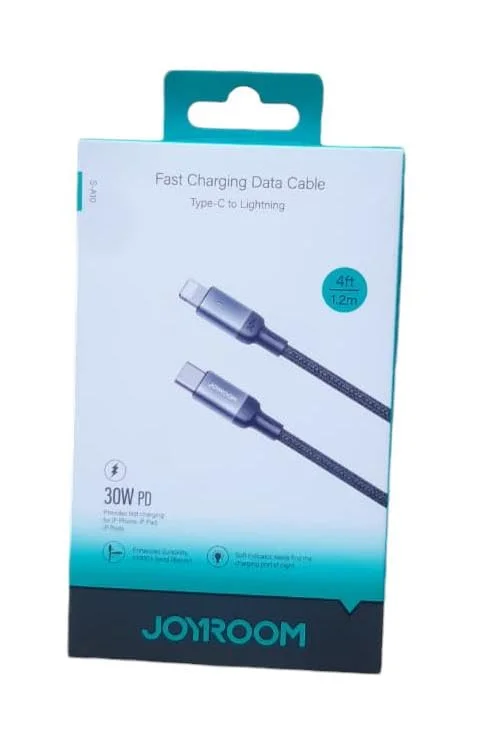
Joyroom braided cable and Joyroom 3-in-1 use braided nylon. Best choice for those who want long-lasting quality at a reasonable price. If you also charge a laptop, the newly stocked Anker Zolo 140W braided cable (790 EGP) pairs the same braided-nylon durability with 140W PD 3.1 over 1.5m — unlocking full speed on any laptop charger.
📐 Physics of the Connector Break — Why Always the Same Spot?
The connector (the metal plug that goes into the phone) is completely rigid. The cable body is completely flexible. The zone between them = maximum stress concentration — every bend focuses there. The engineering solution: strain relief — the long plastic boot covering the cable's entry into the connector. The longer and firmer this boot, the more it distributes stress across a larger area and extends cable life.
Internal Wire Gauge: The Role of AWG in Power Cables
Behind the outer jacket of a high-quality cable lie several insulated wire lines. These consist of thick copper power cables (VBUS and Ground) alongside thinner data communication lines. Wire thickness is classified by the American Wire Gauge (AWG) standard. The lower the AWG value, the thicker the copper wire core, which reduces resistance and voltage drops.
Premium cables utilize 21 AWG to 24 AWG copper cores for power transmission, enabling them to carry high-current loads up to 5A safely. Counterfeit cables use cheap, ultra-thin 28 AWG wire cores for power, resulting in high internal resistance. This resistance leads to slower charging, voltage drops, and overheating, which can compromise safety.
Kevlar — The Longest-Lasting Material
Anker PowerLine cables use Kevlar threads (same material in bulletproof vests) as internal reinforcement. Not replacing the outer jacket — woven inside it.
- Lifespan: 5-10+ years
- Tensile resistance: very high — extremely difficult to snap by pulling
- Bend resistance: 25,000-50,000+ bends
- Drawback: less flexible than braided nylon — slightly stiffer and sometimes needs time to "settle" after unboxing
- Heat: Kevlar itself tolerates up to 180°C — the TPE outer jacket is the limiting factor here
Anker PowerLine USB-C to Lightning and Anker SureiStrong are the Kevlar cable examples in the Anker lineup. Anker offers a lifetime warranty on these cables.
Tangle-Free Engineering and Coiling Behavior of Premium Materials
Cable tangles in backpacks and drawers are a constant source of frustration. This behavior is governed by the physical properties of the jacket material. Braided nylon cables, despite their durability, have a textured surface with a high coefficient of friction, which causes interlocking fibers to catch and knot when loose. Budget TPE cables suffer from "kink memory," holding sharp bends and forming loops that quickly turn into tight tangles.
To address this, premium silicone cables (such as Anker Flow) are engineered with high elastic recovery and a smooth anti-static surface coating. This minimizes surface friction, allowing the cable to slide smoothly against itself. The material naturally loops into smooth curves without retaining bend memory, laying completely flat and tangle-free as soon as you pick it up.
Environmental and Health Impact of Cable Jackets (TPE vs PVC vs Silicone)
Cable chemistry is rarely considered by consumers, yet it affects both user safety and the environment. Cheap generic cables are jacketed with PVC (Polyvinyl Chloride). To make PVC flexible, manufacturers add phthalates, which are known endocrine disruptors that leach out over time. Furthermore, burning PVC releases toxic chlorine gas and dioxins, making it hazardous and non-recyclable.
Premium cables use TPE and medical-grade silicone, which are much safer. TPE is non-toxic, free of hazardous plasticizers, and 100% recyclable. Silicone is chemically inert and does not degrade, leach chemicals, or release toxic gases when exposed to high heat. This makes it the safest choice for charging devices on nightstands or desks.
Copper Oxidation and Humidity Challenges in Egyptian Coastal Cities
Cables used in coastal Egyptian areas like Alexandria or Hurghada face a unique environmental stress: high humidity containing trace salts. If the cable's outer jacket cracks or splits due to substandard plastics (like PVC), moisture penetrates directly to the internal copper wires. This triggers a chemical reaction known as copper oxidation.
Oxidation manifests as a dry green residue coating the internal strands, which dramatically increases wire resistance and disables fast-charging protocols. High-end cables undergo strict salt-spray testing for 48 hours to confirm that nickel-plated or gold-plated connectors resist corrosion, maintaining reliable electrical transmission in humid climates.
Silicone — Egypt's Summer Winner
Silicone cables are a newer category and gaining market share fast — and the reason makes complete sense:
- Heat resistance: handles 60-80°C without cracking or degrading — critical for cars parked in Egyptian summer sun
- Flexibility: more flexible than TPE — coils naturally without sharp kink points
- Feel: soft and non-tangling with other cables
- Drawback: lower tensile resistance than Kevlar — pulling hard can cause stretching
Silicone cable is ideal for: in-car use (high heat), bedside charging (self-coiling), office desk (tangle-free). Anker's Flow series uses silicone as its primary material.
Full Comparison by the Numbers
| Material | Lifespan | Heat Resistance | Flexibility | Price | Best For |
|---|---|---|---|---|---|
| TPE | 3-6 months | 45-50°C ❌ | High ✅ | Very cheap | Temporary use |
| Braided nylon | 2-5 years ✅ | 60°C ⚠️ | Good | Mid-range | General daily use |
| Kevlar | 5-10+ years ⭐ | 60°C (jacket) | Moderate | Higher | Heavy daily use |
| Silicone | 3-7 years ✅ | 80°C ⭐ | Very high ✅ | Higher | Car / Egyptian summer |
Egypt's Climate Impact on Cables
Egyptian summer: interior car temperature parked in direct sun reaches 60-80°C. A TPE cable at temperatures above 50°C begins slowly softening and cracking. After one summer, you will find the cable peeling or discolored.
Coastal city humidity — Alexandria and similar cities (60-80% humidity in summer): moisture seeps into cables with cracked jackets and causes oxidation in the inner copper wires, gradually reducing charging efficiency. Silicone and braided nylon cables offer superior humidity resistance.
Our recommendation for Egyptian car owners: silicone cable in the car always. Braided nylon or Kevlar cable in the bag.
✅ Durable Cables from Anker and Joyroom on CairoVolt
Anker PowerLine Kevlar — lifetime warranty | Joyroom Braided — 3-year nylon | Joyroom 3-in-1. 100% authentic with clearly stated material specs on every product.

CairoVolt Team
Tech Editor
Frequently Asked Questions
Why does a cable always break at the same connector spot?▼
Does a silicone cable charge more slowly than a nylon cable?▼
Braided nylon cables tangle with other cables in my bag — any solution?▼
Can a cracked car cable cause charging problems?▼
Ready to Buy?
Browse available products and review specifications and CairoVolt warranty terms before ordering
Products Mentioned in This Article
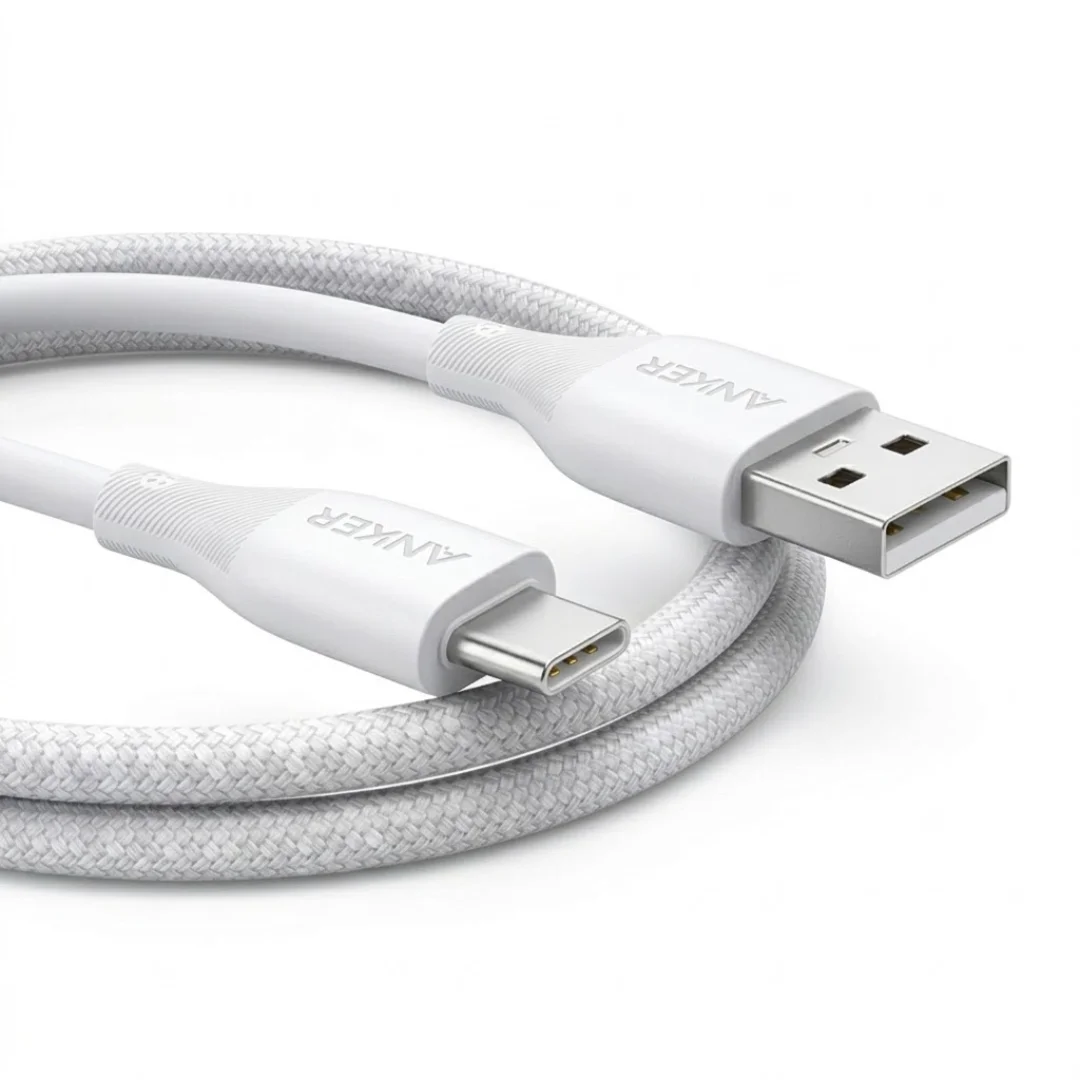
Anker USB-A to USB-C Cable (A8050) | Braided Nylon 1.8m | Fast Charging
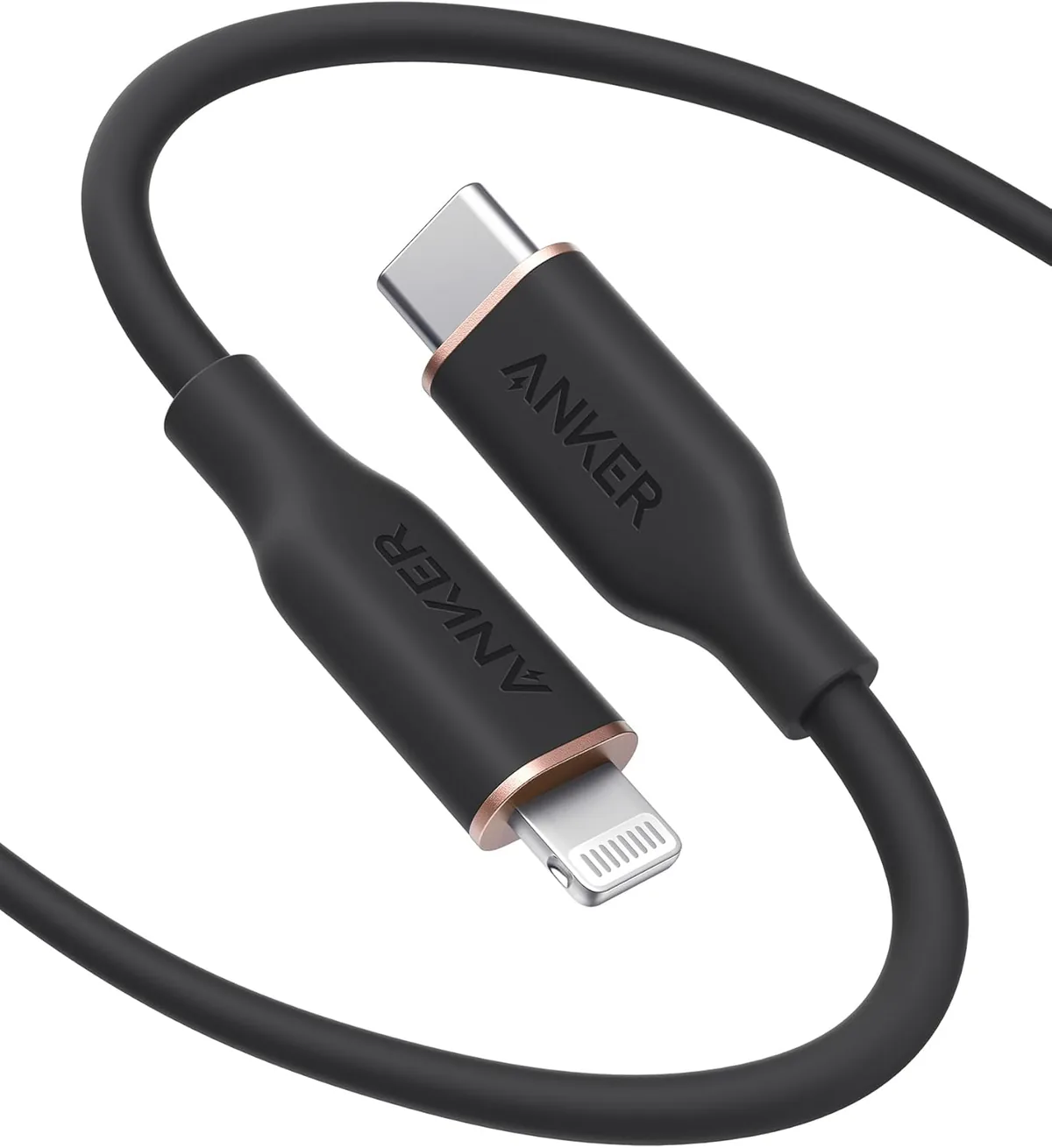
Anker PowerLine Select USB-C to Lightning (A8612H11) | Verify MFi | USB-PD
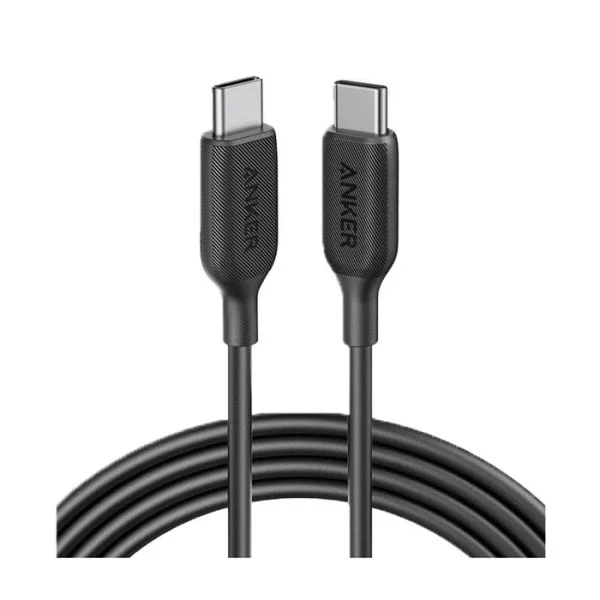
Anker SureIStrong USB-C to Lightning Cable
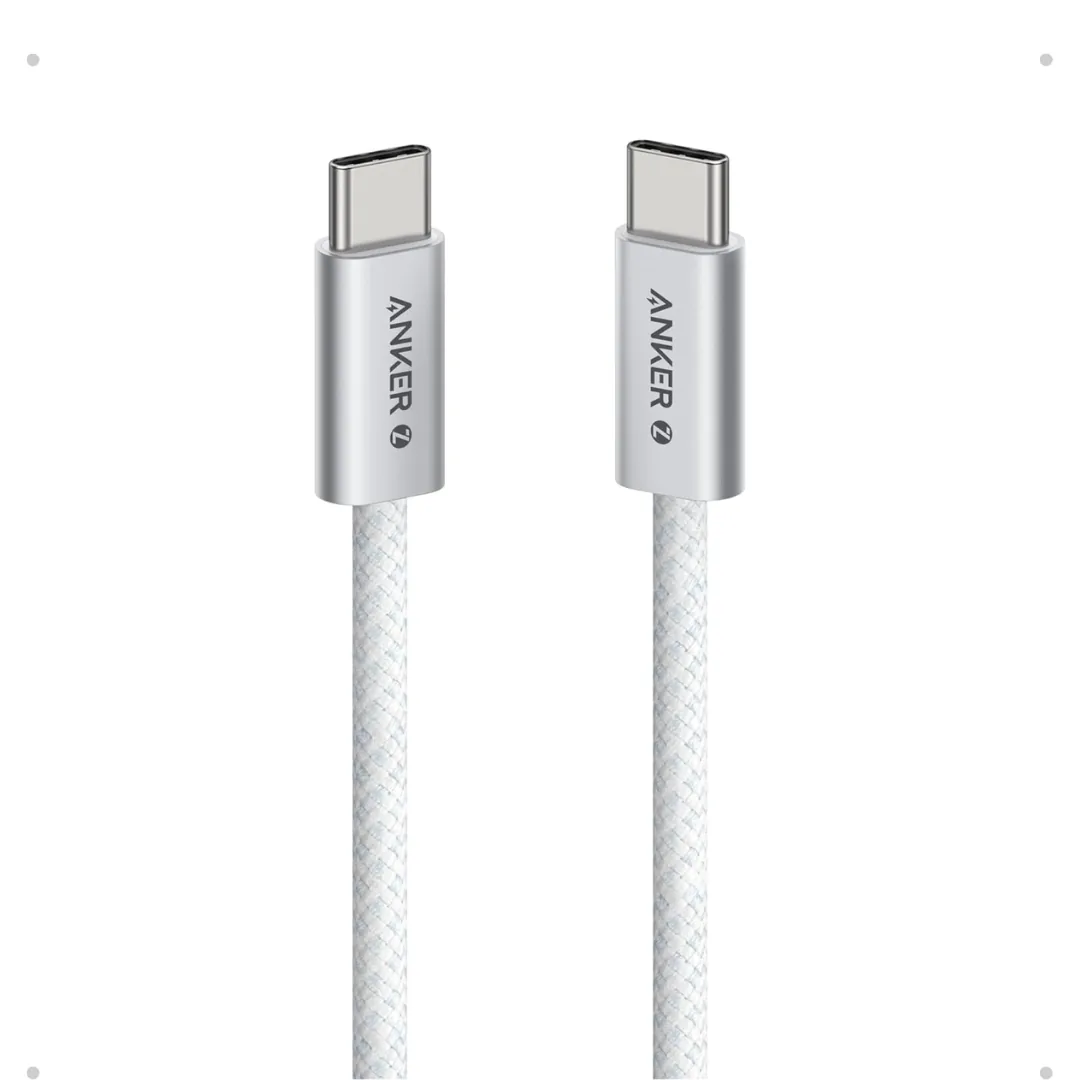
Anker Zolo USB-C to USB-C Braided Cable (A8060) — 240W PD 3.1, 1.5m | 240W-Grade 8-Core Wire
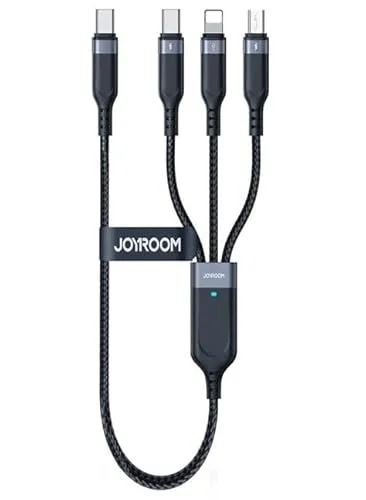
Joyroom 3-in-1 Multi-Connector Charging Cable
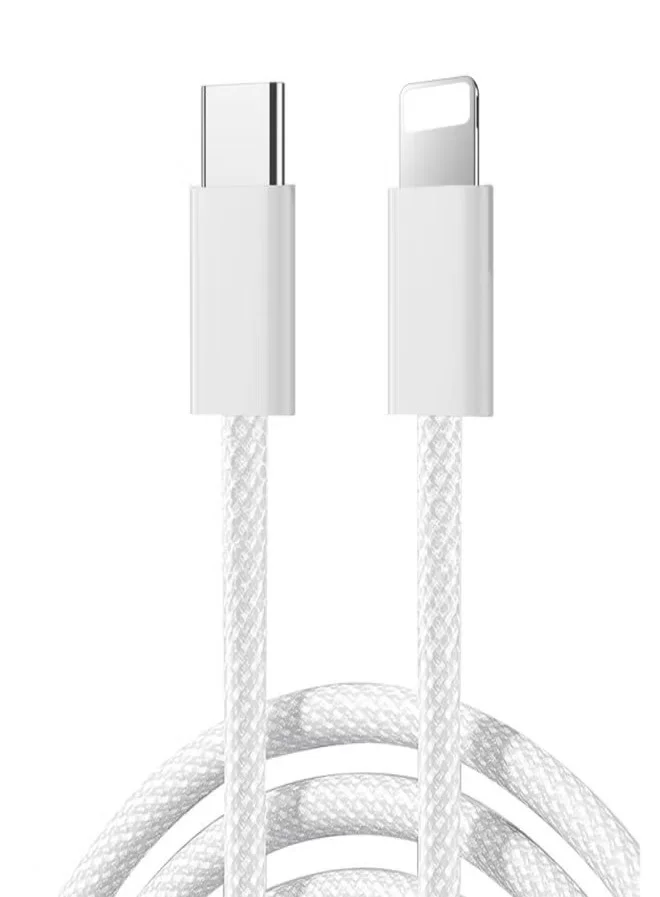
Joyroom USB-C to Lightning Braided Cable