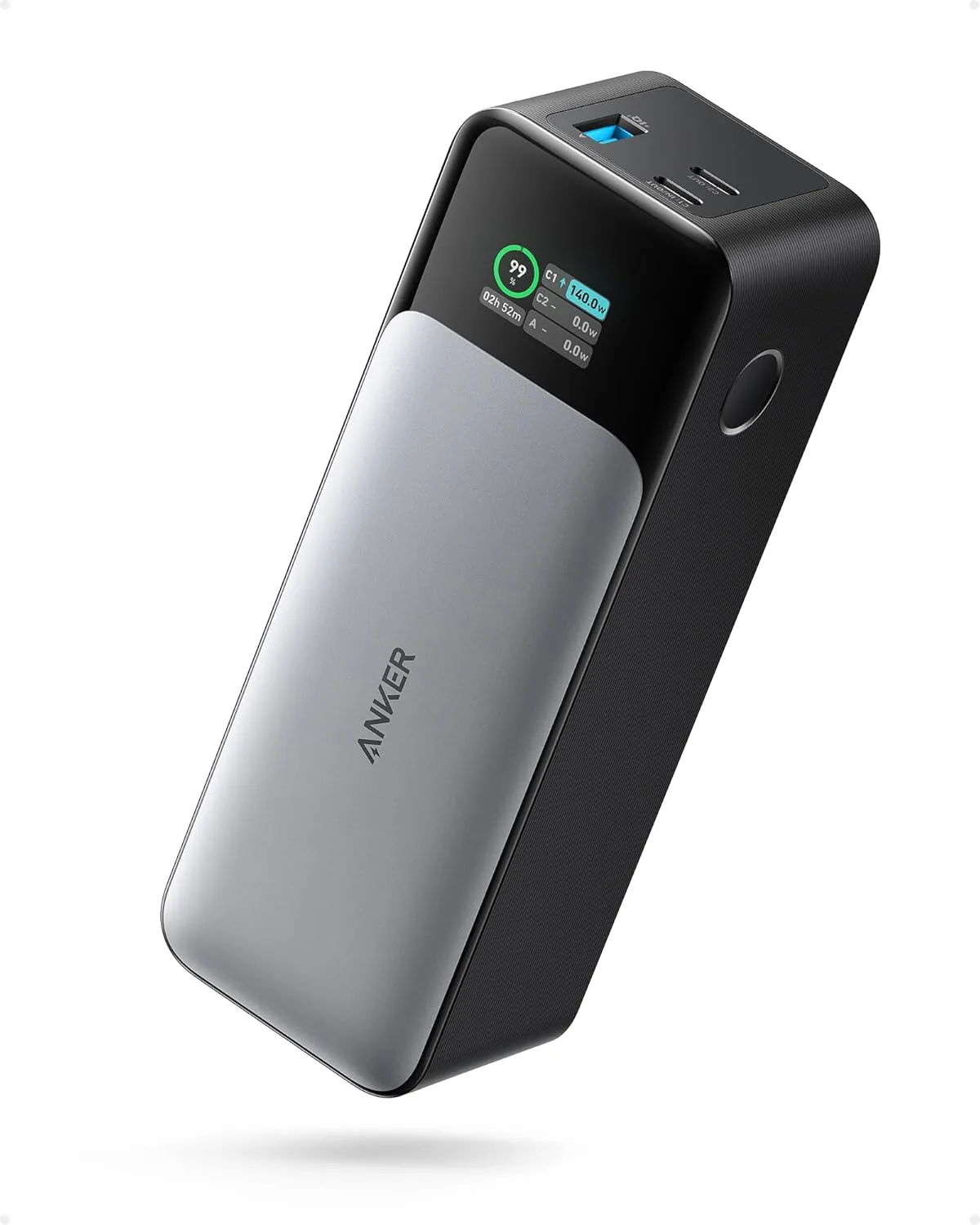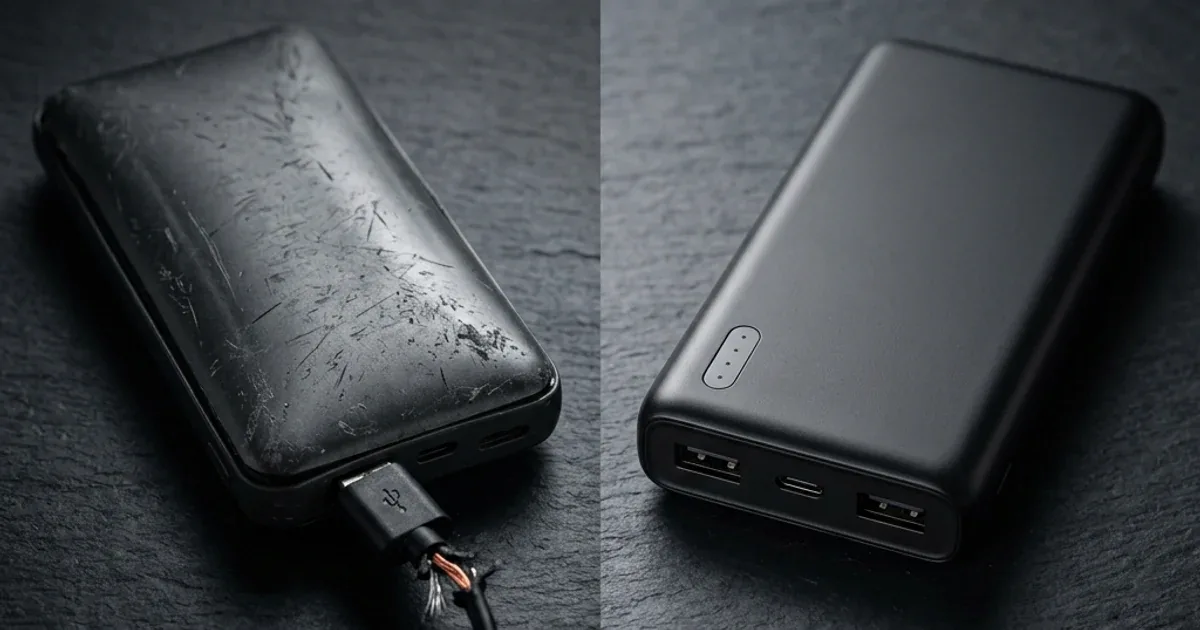

Picture this: you're at a hotel, there's only one outlet, your phone is at 15%, and your power bank is at 30%. The "obvious" solution? Plug the charger into the wall, connect the charger to the power bank, and connect the power bank to your phone — the power bank charges while your phone charges simultaneously. This is called Pass-Through Charging. And the question that gets asked every day: "Is this okay, or does it damage the power bank?"
The answer isn't a simple "yes" or "no" — because in reality, there are 3 fundamentally different types of pass-through, and each handles electricity in a completely different way. Only one of them is truly safe for long-term use. This article will explain all three — with circuit diagrams and numbers — so you can make a decision based on science, not Facebook comments.
💡 Quick Answer: Pass-through charging = charging the power bank while running your devices from it simultaneously. The safe type: Smart Path (used in Anker power banks) — routes charger power directly to your phone, excess to the battery. The risky type: Basic Pass-Through in cheap power banks — charges and discharges the battery simultaneously, generating excessive heat.
What Is Pass-Through Charging Exactly — and Why It's More Complex Than You Think
Simple definition: Pass-Through Charging is a power bank's ability to receive power (charge) and distribute power (charge your devices) at the same moment. But "at the same moment" is implemented in 3 fundamentally different ways from an engineering perspective — and the difference determines whether your battery lasts 3 years or just one.
Type 1: Basic Pass-Through (Simultaneous Charge & Discharge) — ⚠️ Most Common, Least Safe
In this type, the power bank literally does two things at once: charges (battery receives current) and discharges (battery sends current to your phone). The battery is in a simultaneous "charge + discharge" state — the worst-case scenario for any lithium battery. Here's why:
- 🔥 Double the heat: Charging generates heat. Discharging generates heat. Both at the heat. Battery temperature can reach 45-55°C — a range that reduces battery life by 20-30% when experienced regularly.
- ⚡ Extra charge cycles: Every time the battery charges and discharges — it counts as part of a charge cycle. Even when you don't need the battery (the charger is right there!) — the battery is consuming its cycle life for nothing.
- 📊 Poor efficiency: Current enters the battery (10-15% conversion loss) then exits the battery (another 10-15% loss). That's 20-30% of energy wasted as heat instead of reaching your phone directly.
Who uses this type? Most cheap power banks (under 500 EGP) and no-name brands. No smart technology — just a circuit that allows charging and discharging simultaneously without any management.
Type 2: Smart Path / Charge-Through — ✅ The Safest
This is the type Anker uses in most of its modern models — and the reason you can say with confidence "yes, use pass-through." The concept is clever and simple:
- ⚡ Charger feeds the phone first: When you connect both a charger and a phone, the smart circuit routes current from the charger directly to the phone — the battery isn't a middleman. Your phone charges from the charger as if plugged into the wall.
- 🔋 Excess goes to the battery: If the charger outputs 30W and the phone needs 20W — the surplus 10W goes to charging the power bank's battery. When the phone finishes — all power goes to the battery.
- 🛡️ The battery doesn't charge and discharge simultaneously: This is the fundamental difference. In Smart Path, the battery only charges (or only discharges if the charger can't keep up) — never both at once. Result: 40-50% less heat and fewer wasted charge cycles.
✅ Our recommendation: If you need to use pass-through — use a power bank with Smart Path technology. All modern Anker power banks (PowerCore, Prime, ZOLO) support Smart Path. Your phone charges at full speed and the battery isn't harmed.
Type 3: No True Pass-Through (Charging Pauses on Connection) — Not Actually Pass-Through
Some power banks — especially older or ultra-budget models — when you plug in a charger while they're charging a device, do one of two things: (1) Stop charging the device and start charging themselves. (2) Stop charging themselves and continue powering the device. Either way — there's no true pass-through. You might find your phone stopped charging without noticing — frustrating, but at least it doesn't damage the battery.
The Real Numbers — How Much Does Pass-Through Affect Battery Life?
Let's calculate with real numbers to see the actual difference:
| Scenario | Battery Temperature | Extra Cycles/Year | Impact on Lifespan |
|---|---|---|---|
| Normal charging (no pass-through) | 30-38°C | 0 | No additional impact |
| Smart Path pass-through | 32-42°C | 10-20 | Negligible — under 5% |
| Basic pass-through (daily use) | 45-55°C | 100-150 | 20-35% shorter |
A Li-ion power bank rated for 600 cycles (roughly 3 years with normal use) — if you use Basic Pass-Through daily, its lifespan could drop to 2 years or less. With Smart Path — the difference is weeks, not months.
When to Use Pass-Through — and When to Avoid It Completely
Not all situations are equal. Sometimes pass-through is a smart solution — other times it's the wrong call:
✅ Use Pass-Through in These Situations:
- 🏨 Hotel or airport with one outlet: If you have one outlet and need to charge both your phone and power bank — this is exactly the scenario pass-through was designed for. Connect charger → power bank → phone.
- ⚡ If your power bank supports Smart Path: With Smart Path, the risk to the battery is minimal. Use it freely — it's designed for this.
- 🔌 Charging multiple devices from one charger: If you have a 65W multi-port charger + a power bank with additional ports — you can charge 4-5 devices from a single outlet. The power bank acts as a "smart power hub."
❌ Avoid Pass-Through in These Situations:
- 🔥 If the power bank gets noticeably hot: If the power bank reaches above 45°C (uncomfortably warm to hold) — disconnect the phone immediately and let the power bank charge alone. That heat signals Basic Pass-Through eating away at battery life.
- 🔋 If another outlet is available: Simply — if an outlet is free, plug your phone directly into the wall and charge the power bank separately. No reason to stress the battery unnecessarily.
- 📱 If the power bank is cheap and unbranded: A 200 EGP power bank from a no-name brand — it's almost certainly Basic Pass-Through without thermal protection. Simultaneous charging on it can cause dangerous overheating.
- ☀️ In summer heat in the car: If the ambient temperature is above 35°C and you're using pass-through — ambient heat + double charging heat = a recipe for rapid battery degradation. In the car during summer — charge your phone from the car charger directly.
How to Tell If Your Power Bank Supports Smart Path or Basic
Unfortunately, there isn't always a clear label on the product. But there are ways to identify it:
- 📋 Read the official specs: If the company uses terms like "Smart Path," "Charge-Through Technology," or "Simultaneous Charge & Discharge with Priority Routing" — that's Smart Path. If it just says "Supports Pass-Through Charging" without details — it's likely Basic.
- 🌡️ Test it yourself: Connect charger to power bank + connect phone to power bank. After 15 minutes: if the power bank is barely warm — likely Smart Path. If noticeably hot (45°C+) — likely Basic.
- ⚡ Monitor phone charging speed: With Smart Path, your phone charges at nearly the same speed as when plugged directly into the charger. With Basic, the phone charges slower because power passes through the battery first (double conversion loss).
- 🔋 Monitor power bank charging: With Smart Path, the power bank charges slower when a phone is connected (because priority goes to the phone). With Basic, the power bank charges at roughly the same speed — because it doesn't prioritize either function.
Brands That Support Smart Path — and Those That Don't
| Brand | Pass-Through Type | Notes |
|---|---|---|
| Anker (PowerCore / Prime / ZOLO) | ✅ Smart Path | Priority to connected device — battery gets the surplus |
| Samsung Battery Pack | ✅ Smart | In newer models (25W PD) |
| Baseus (PD models) | ⚠️ Basic in most | Some newer models include Smart — verify in the datasheet |
| Joyroom | ⚠️ Basic | Supports pass-through but basic type — avoid daily use |
| No-name brands (under 300 EGP) | ❌ Basic or unprotected | Overheating risk — avoid pass-through entirely |
5 Practical Tips for Using Pass-Through Safely
- 💡 Golden rule: if you have an outlet, use it directly. Pass-through was designed for situations with no alternatives — not for daily use. Phone plugged directly into the charger = faster + cooler + zero stress on the power bank battery.
- 🌡️ Monitor temperature during the first 15 minutes. When using pass-through — place your hand on the power bank after 15 minutes. If it feels uncomfortably hot — disconnect and change your approach.
- ⚡ Use a higher-wattage charger. If your phone needs 20W and the power bank needs 18W — a 20W charger isn't enough for both. Use a 30W or 45W charger so there's enough power for the device + the power bank without straining the system.
- 🔋 Don't leave pass-through running overnight. Once your phone reaches 100%, its battery enters "trickle charge" — which puts continuous, pointless stress on the power bank. Better: disconnect the phone when it finishes, or use a power bank with Auto-Off.
- 📱 Use a Smart Path power bank if you travel frequently. Travelers — especially those flying often — need pass-through at airports and hotels regularly. In this case, investing in an Anker power bank with Smart Path saves money long-term because the battery lasts significantly longer.
The Bottom Line — Pass-Through Isn't the Enemy, But You Need to Know Your Type
Pass-through charging isn't a "myth" and isn't a "disaster" — it's a real technology with its proper place. The problem isn't the technology itself — it's the implementation. Basic Pass-Through in a cheap power bank = extra heat + shorter life. Smart Path in a quality power bank = a safe, practical solution when you need it. The rule is simple: know what type of pass-through your power bank has, and use it only when you actually need it.

CairoVolt Editorial Team
Content team reviewing specifications and buying guides
The CairoVolt team reviews model numbers, specifications, and compatibility, and updates information when better data is available. Estimates are labeled as calculations, and readers can report information that needs correction.
Frequently Asked Questions
Does pass-through charging damage a power bank's battery?▼
How can I tell if my power bank has Smart Path or Basic pass-through?▼
Can I leave pass-through charging running overnight?▼
If I only have one outlet — should I plug my phone into the charger or the power bank?▼
Ready to Buy?
Browse available products and review specifications and CairoVolt warranty terms before ordering
Products Mentioned in This Article
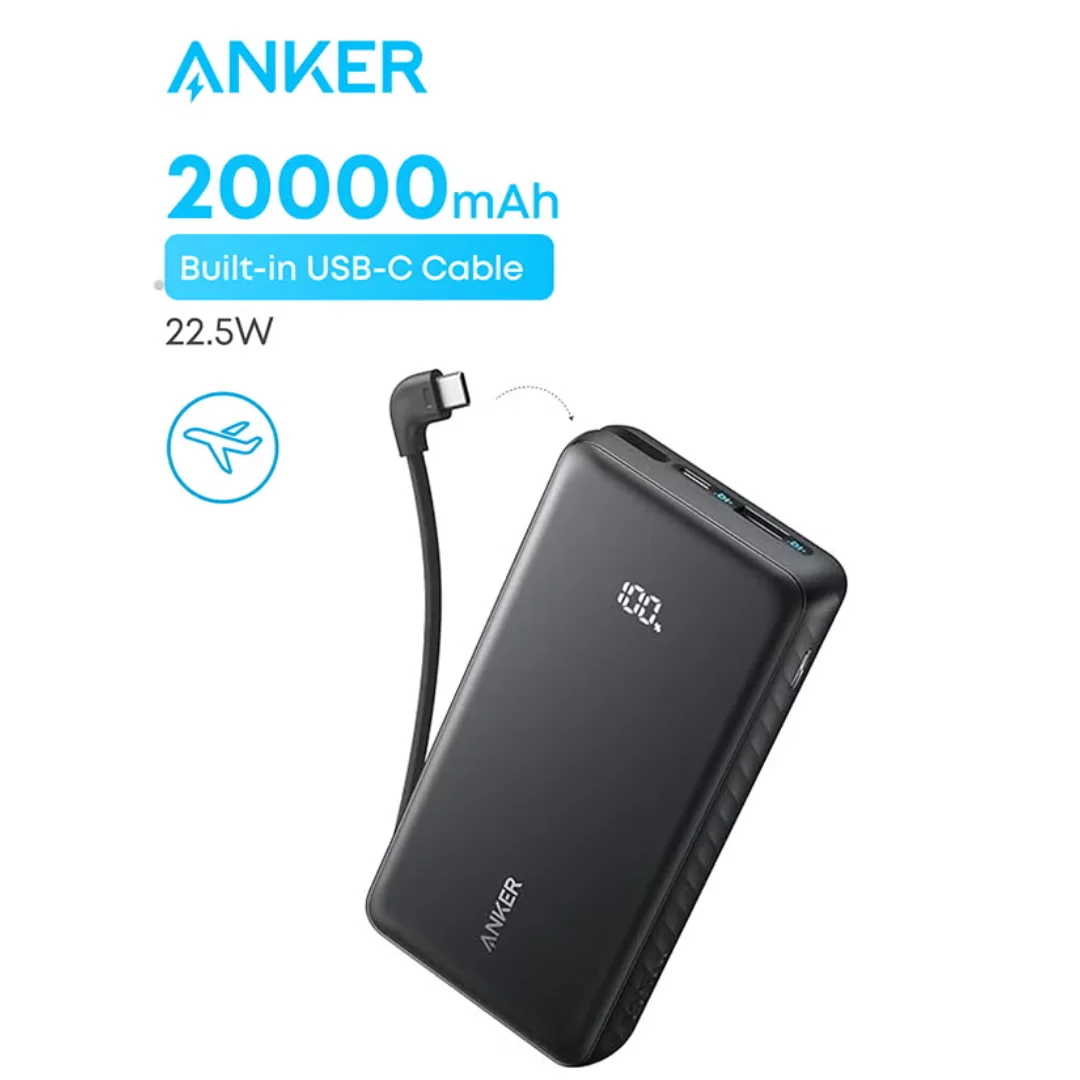
Anker ZOLO Power Bank 20,000mAh (22.5W) | Built-in Cable
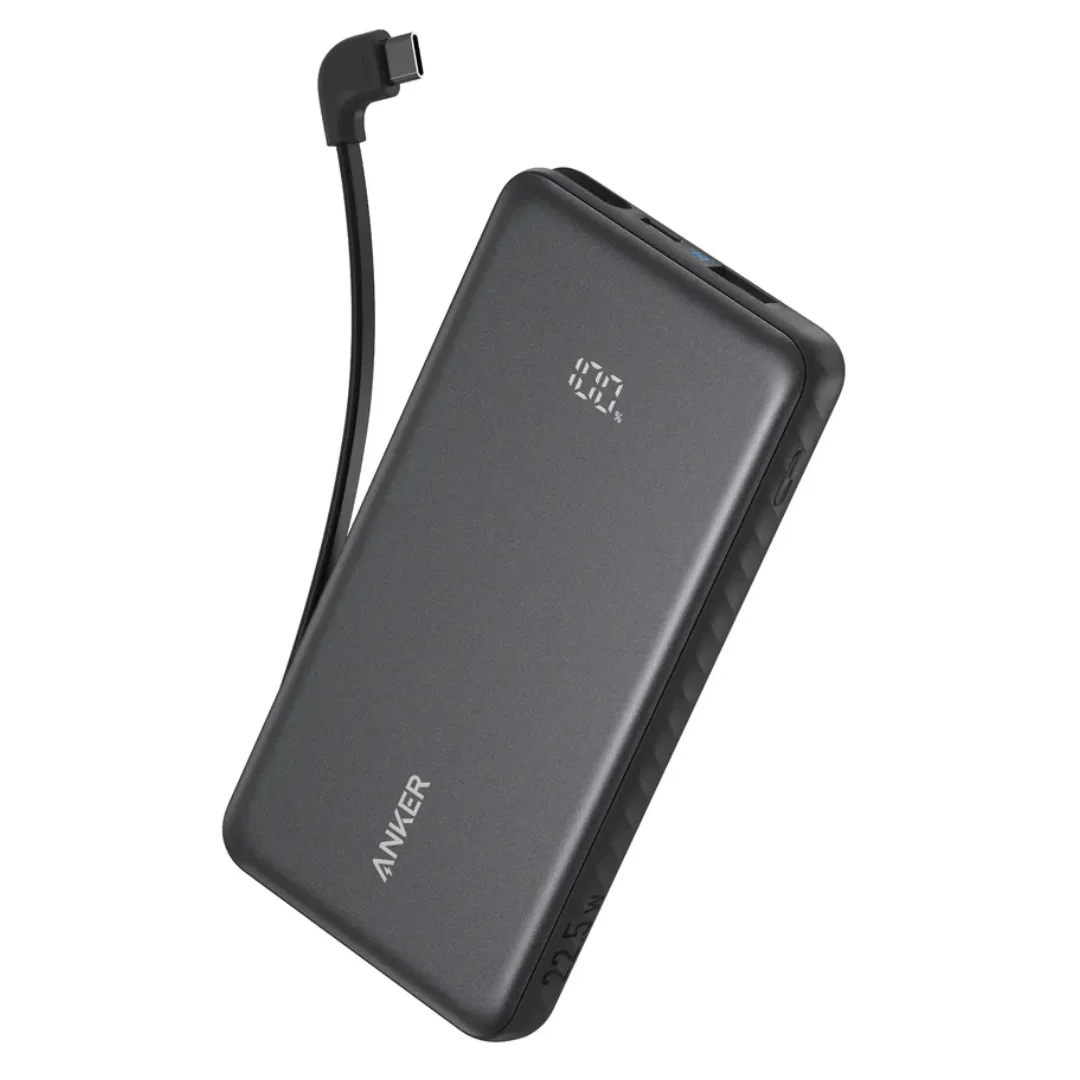
Anker ZOLO Power Bank 10,000mAh (22.5W) | Built-in Cable
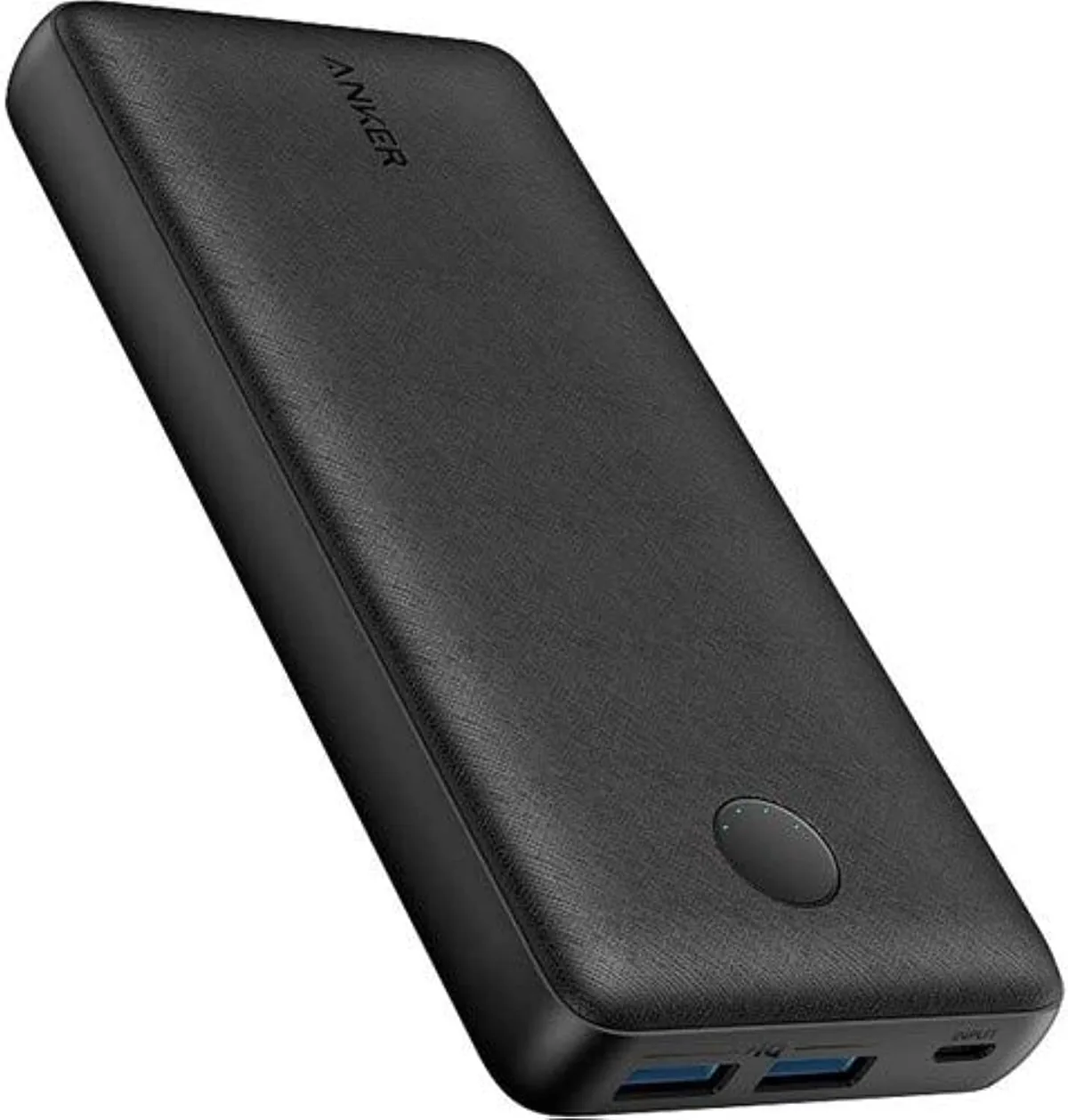
Anker PowerCore 20000mAh | 72Wh | Dual USB-A
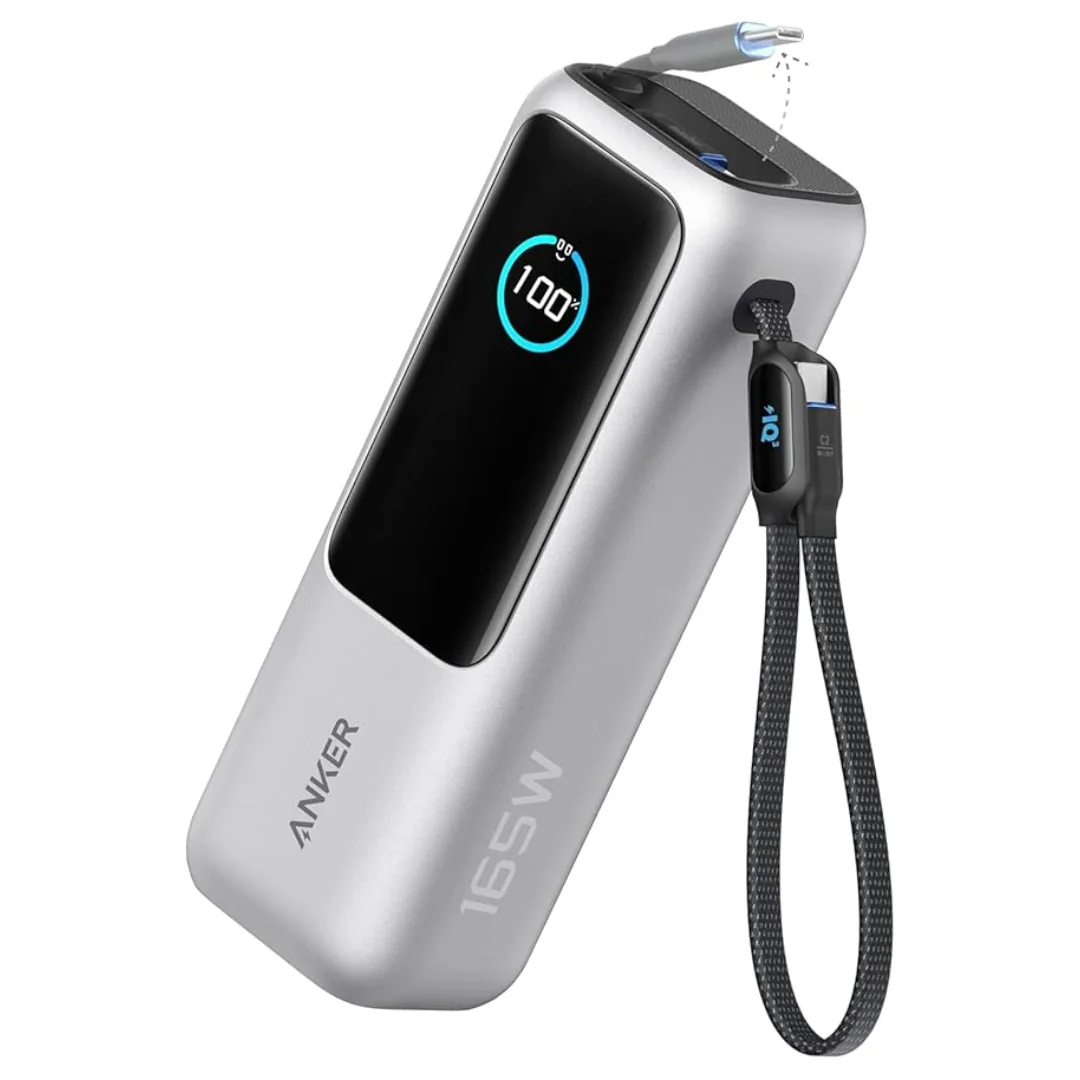
Anker Zolo Power Bank 25,000mAh 165W — Built-In Dual Cables | MacBook Charging
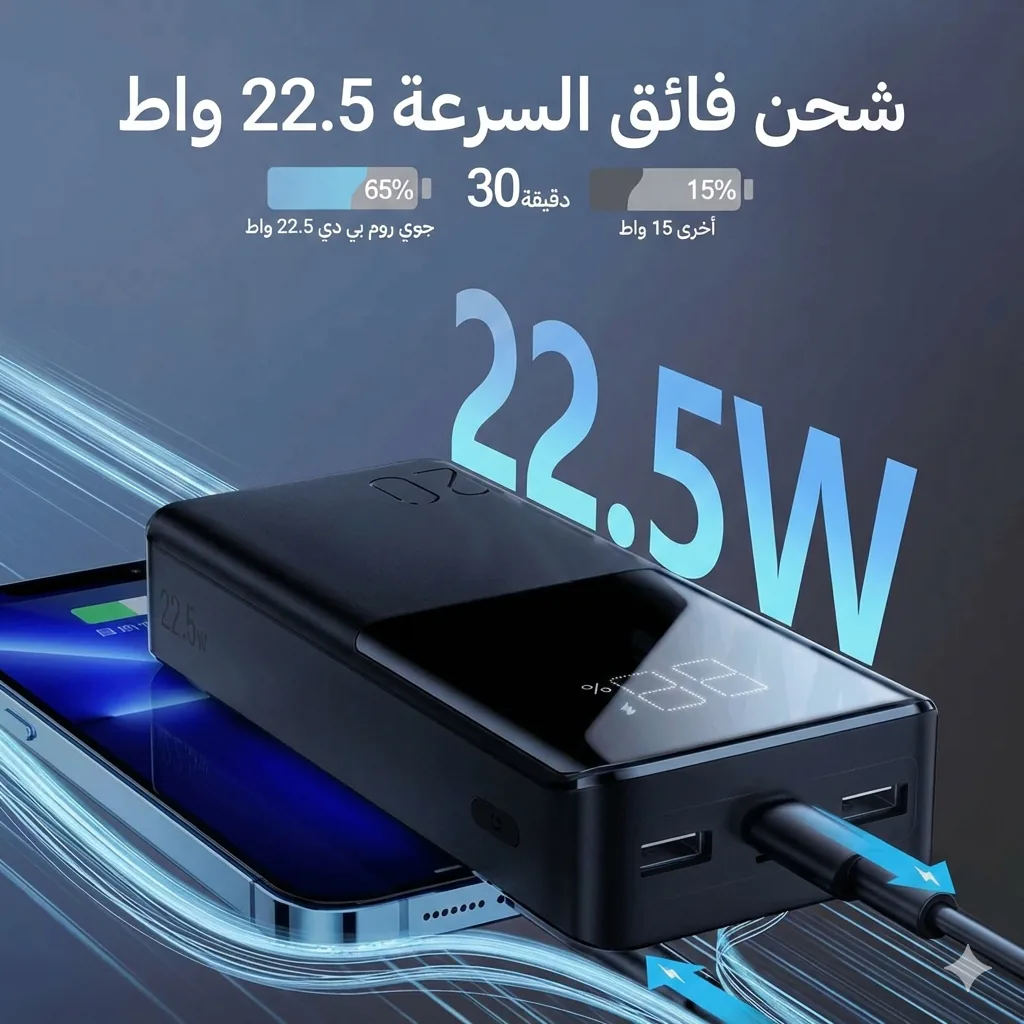
Joyroom 20000mAh Power Bank | 22.5W PD+QC | Triple Output