
Every time someone asks "Which power bank should I buy?" — the first questions are always about capacity and price. But there's a critically important question almost nobody asks: "What type of battery is actually inside it?" And it deserves an answer — because battery type determines things more important than capacity: Will this power bank swell up after a year? Will it overheat dangerously in your car during Cairo's summer? If you drop it, could it catch fire? These aren't scare tactics — they're physics. And in this article, we'll explain them with science and numbers, the same way we'd explain them in an electronics engineering lecture.
The concept is straightforward: every power bank on the market uses one of two battery types: Lithium-Ion (Li-ion) or Lithium-Polymer (LiPo). They're both from the same "lithium" family — but the difference between them is like the difference between orange juice and orange jelly: same active ingredient, but a different physical form. And it's that physical form that determines how the battery behaves in heat, during drops, while charging, and over the 500+ days you'll use it. Let's break it down.
💡 Quick Answer: Both are lithium — the difference is the electrolyte (liquid in Li-ion, gel in LiPo). LiPo is less leak-prone, but modern Li-ion with advanced BMS protection circuits has reached equivalent safety. More important than battery type: BMS quality — an Anker power bank with 9-layer BMS is far safer than an unbranded LiPo with no protection.
The Real Difference Between Li-ion and LiPo — Physics Simplified
People tend to think Li-ion and LiPo are completely different chemistries — but the truth is that the chemistry is nearly identical. Both use lithium cobalt oxide (LiCoO₂) or lithium iron phosphate (LiFePO₄) as cathode, and graphite as anode. The fundamental difference is one thing: the electrolyte — the medium that carries lithium ions between the electrodes.
| Comparison | Li-ion (Lithium-Ion) | LiPo (Lithium-Polymer) |
|---|---|---|
| Electrolyte | Liquid organic (lithium salt in solvent) | Polymer gel (semi-solid) |
| Cell Form Factor | Metal cylinder (18650/21700) — rigid steel casing | Flat pouch (pouch cell) — thin aluminum wrapper |
| Energy Density | 250-270 Wh/kg | 300-330 Wh/kg (15-20% higher) |
| Charge Cycle Life | 500-800 cycles (to 80% capacity) | 300-500 cycles |
| Leak Risk | Present — punctured casing leaks liquid | Much lower — gel doesn't flow easily |
| Impact Resistance | Higher — steel casing protects the cell | Lower — thin pouch punctures easier |
| Cost | 15-25% lower | Higher |
| Design Flexibility | Limited (fixed cylinder dimensions) | Highly flexible — any shape and thickness |
In simple terms: Li-ion = sturdy steel cylinder with liquid + longer life + cheaper. LiPo = thin flat pouch with gel + lighter + thinner + more expensive. Each has its advantages and risks — and the choice between them isn't black and white.
Which Is Actually Safer — and Why the Answer Is More Complex Than You Think
If you ask someone online "Is Li-ion or LiPo safer?" — they'll say "LiPo is safer because there's no liquid to leak." That's half the truth. Yes, the gel electrolyte in LiPo doesn't leak like liquid — and that's a real advantage. But actual safety is determined by 3 factors, not just one:
- 🛡️ Factor 1 — BMS (Battery Management System) Quality: This is the most important safety factor — more important than battery type itself. A quality BMS protects against: overcharging (above 4.2V/cell), over-discharging (below 2.7V), overcurrent, short circuit, and thermal cutoff (above 60°C). An Anker power bank has a 9-layer BMS + ActiveShield 2.0 — monitoring temperature 3 million times per day. A 100 EGP Chinese power bank from a street vendor? Basic or no BMS at all.
- 🔥 Factor 2 — Build Quality and Heat Tolerance: Both Li-ion and LiPo are affected by heat. But Li-ion in its steel casing tolerates higher temperatures before reaching Thermal Runaway (the chain reaction that causes fires). The steel casing acts as a "safety cage" — if one cell ignites, the casing partially contains the explosion. A LiPo pouch cell in its thin aluminum wrapper — if Thermal Runaway occurs, the effect spreads faster.
- 📊 Factor 3 — Swelling: LiPo cells are more prone to swelling than Li-ion. Swelling happens when gases form inside the cell (from side chemical reactions) — Li-ion's steel casing withstands internal pressure longer. LiPo's thin pouch deforms quickly. Swelling = a warning sign that the battery needs to be disposed of immediately. If your power bank swells — stop using it, don't charge it, and take it to a battery recycling point.
The scientific verdict: LiPo is lower risk for liquid leakage — but Li-ion is lower risk for impact damage and swelling. And the factor more important than both: BMS quality. A Li-ion power bank from Anker with 9-layer BMS + UL certification is 10x safer than an unbranded Chinese LiPo with no BMS and no certification.
In Egypt's Heat — Which Battery Type Survives Better?
This is the question that truly matters if you live in Cairo or Upper Egypt, or if you leave your power bank in your car. A closed car in Egypt's summer reaches 60-70°C internally. These temperatures affect both battery types — but differently:
| Factor | Li-ion in Heat | LiPo in Heat |
|---|---|---|
| Safe Operating Range | 0-45°C (charging) / up to 60°C (discharging) | 0-45°C (charging) / up to 60°C (discharging) |
| Capacity Loss at 45°C Sustained | 20% over one year | 25-30% over one year |
| Thermal Runaway Onset | Starts at ~150°C | Starts at ~130°C (lower) |
| Swelling in Heat | Less — steel casing contains pressure | More — pouch deforms faster |
Practically speaking: if you leave your power bank in your car during summer — Li-ion in a steel casing will fare better. But the best solution for both: never leave any power bank in a closed car in the sun — regardless of battery type. Above 50°C, both types suffer permanent capacity loss and increased swelling risk.
Practical tip: if you must leave a power bank in your car — put it under the seat (not on the dashboard) and keep it in an insulated bag if available. The difference between the dashboard (70°C) and under the seat (50°C) = a significant difference in battery lifespan.
Lifespan — Which Lasts Longer?
Battery lifespan is measured in "charge cycles" — one cycle = charging from 0% to 100% once. After a certain number of cycles, the battery reaches 80% of its original capacity — meaning a 20,000mAh power bank effectively becomes 16,000mAh.
- 🔋 Li-ion (18650/21700 cells): 500-800 cycles to 80% — meaning 2-3 years with daily use. Premium cells from Panasonic, Samsung SDI, and LG Chem consistently achieve 800+ cycles.
- 🔋 LiPo (pouch cells): 300-500 cycles to 80% — meaning 1.5-2 years with daily use. Shorter life because the gel electrolyte degrades faster — especially in heat.
The practical difference: If you charge your power bank every other day (~180 cycles/year): Li-ion gives you 3-4 years above 80%. LiPo gives you 2-3 years. Not a massive difference — but noticeable if you use your power bank daily.
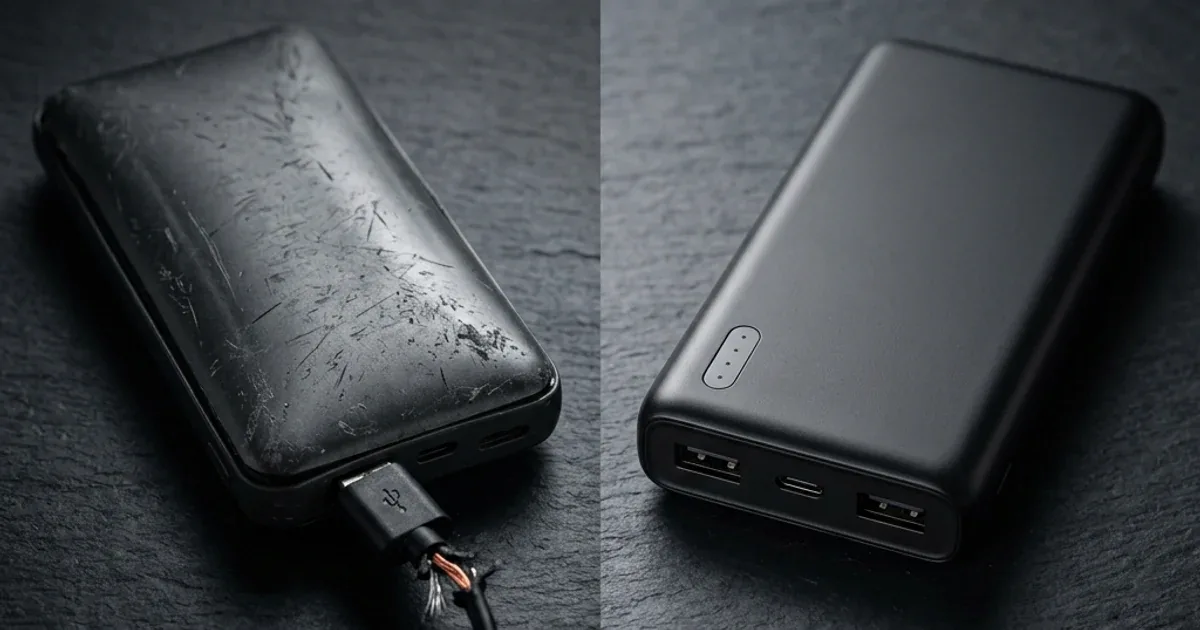
The reason most power banks die after 6 months isn't battery type — it's usage mistakes: charging in high heat, repeated full discharge (0%), and poor-quality charging cables causing irregular current.
Certifications and Standards — How to Know a Power Bank Is Actually Safe
Regardless of battery type — there are certifications that guarantee the power bank was tested by an independent third party. These are the certifications you should look for:
- 🛡️ UL 2056: The US standard for power bank safety — tests overcharge, short circuit, drop, and heat resistance. This is the most important certification. All Anker products carry UL 2056 certification.
- 🛡️ IEC 62133: The international standard for lithium battery safety — tests nail penetration, crush, and ignition resistance.
- 🛡️ FCC / CE: Electromagnetic compatibility certifications — ensure the power bank doesn't interfere with other devices.
- 🛡️ UN 38.3: Transportation tests — mandatory for shipping lithium batteries by air. Includes altitude, vibration, thermal shock, and short circuit tests.
⚠️ Warning: If a power bank says "Li-Po" but has none of the certifications above and no recognizable brand name — it's a risk regardless of battery type. An 80 EGP power bank from a street market won't have a BMS, UL certification, or any real protection. Saving 500 EGP isn't worth the risk of fire or device damage.
Why Most Anker, Samsung, and Baseus Power Banks Use Li-ion
Smart question — if LiPo is "safer" as people say, why do the biggest brands use Li-ion? The answer comes down to 4 reasons:
- ⚡ Longer lifespan: 500-800 cycles vs 300-500 — making an 18-month warranty easier to honor with Li-ion.
- 🔋 Better heat tolerance: The cylindrical steel casing handles harsh storage and shipping conditions (warehouses, maritime transport) better than LiPo pouches.
- 💰 Lower cost: High-quality 18650/21700 cells (Samsung SDI, LG Chem, Panasonic) are 15-25% cheaper than LiPo cells of equivalent capacity and quality.
- 🛡️ Mature technology: Cylindrical Li-ion cells have been manufactured for 30+ years — quality and safety standards have reached very high levels. LiPo is relatively newer with greater quality variance between manufacturers.
This doesn't mean LiPo is bad. There are applications where LiPo excels: smartphones (for thinness), smartwatches (for custom shapes), drones (for weight savings). In power banks — Li-ion is the practical winner because size and weight aren't top priorities compared to lifespan and cost.
Practical Tips — Regardless of Battery Type
- 💡 Don't charge when hot: If your power bank is above 40°C (noticeably warm to the touch) — wait for it to cool before charging. Charging in high heat is battery enemy #1 — reducing lifespan by 20-30%.
- 🔋 Don't leave it at 0% for extended periods: Repeated full discharge (0%) damages both types. Charge when it reaches 20%. If storing for a while — keep it at 40-60%.
- 🛡️ Use original or certified charging cables: A poor cable causes irregular current — affecting the BMS circuit and potentially causing excess heat.
- ❌ If your power bank swells — stop using it immediately: Swelling = gases formed inside the cell = fire risk. Don't try to "finish using it" and don't put it in regular trash — take it to a battery recycling point.
- 📱 Buy from a known brand with warranty: This is the most important advice. The Anker ZOLO A110E 20,000mAh with Li-ion + 9-layer BMS + ActiveShield 2.0 + UL certification + 18-month warranty = far safer than any unbranded LiPo, even if it prints "polymer" in big letters on the box.

CairoVolt Editorial Team
Content team reviewing specifications and buying guides
The CairoVolt team reviews model numbers, specifications, and compatibility, and updates information when better data is available. Estimates are labeled as calculations, and readers can report information that needs correction.
Frequently Asked Questions
Is a Lithium-Polymer battery safer than Lithium-Ion in power banks?▼
Why do most Anker power banks use Li-ion instead of LiPo?▼
How can I tell if my power bank has Li-ion or LiPo batteries?▼
Is leaving a power bank in a closed car during summer dangerous?▼
Ready to Buy?
Browse available products and review specifications and CairoVolt warranty terms before ordering
Products Mentioned in This Article
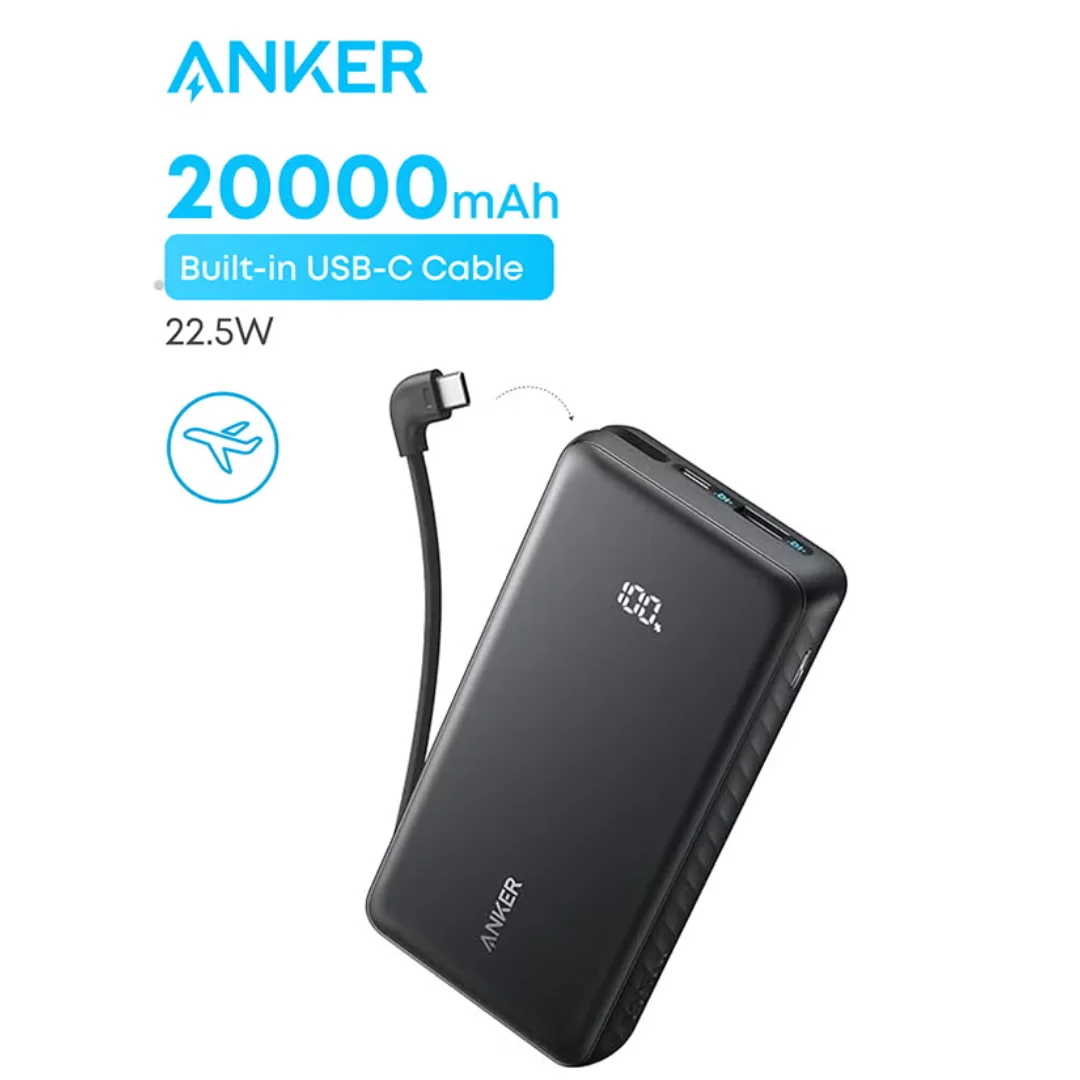
Anker ZOLO Power Bank 20,000mAh (22.5W) | Built-in Cable
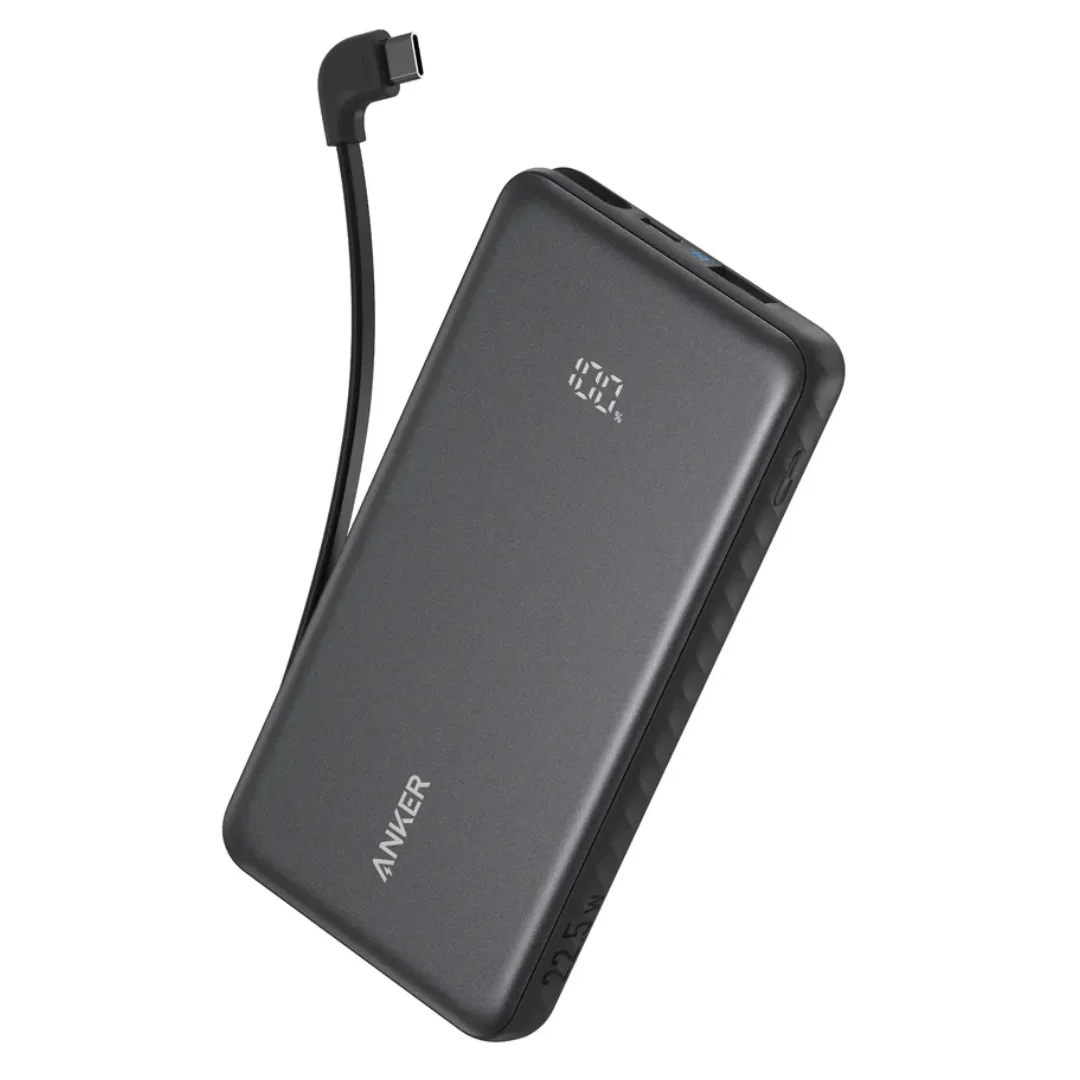
Anker ZOLO Power Bank 10,000mAh (22.5W) | Built-in Cable
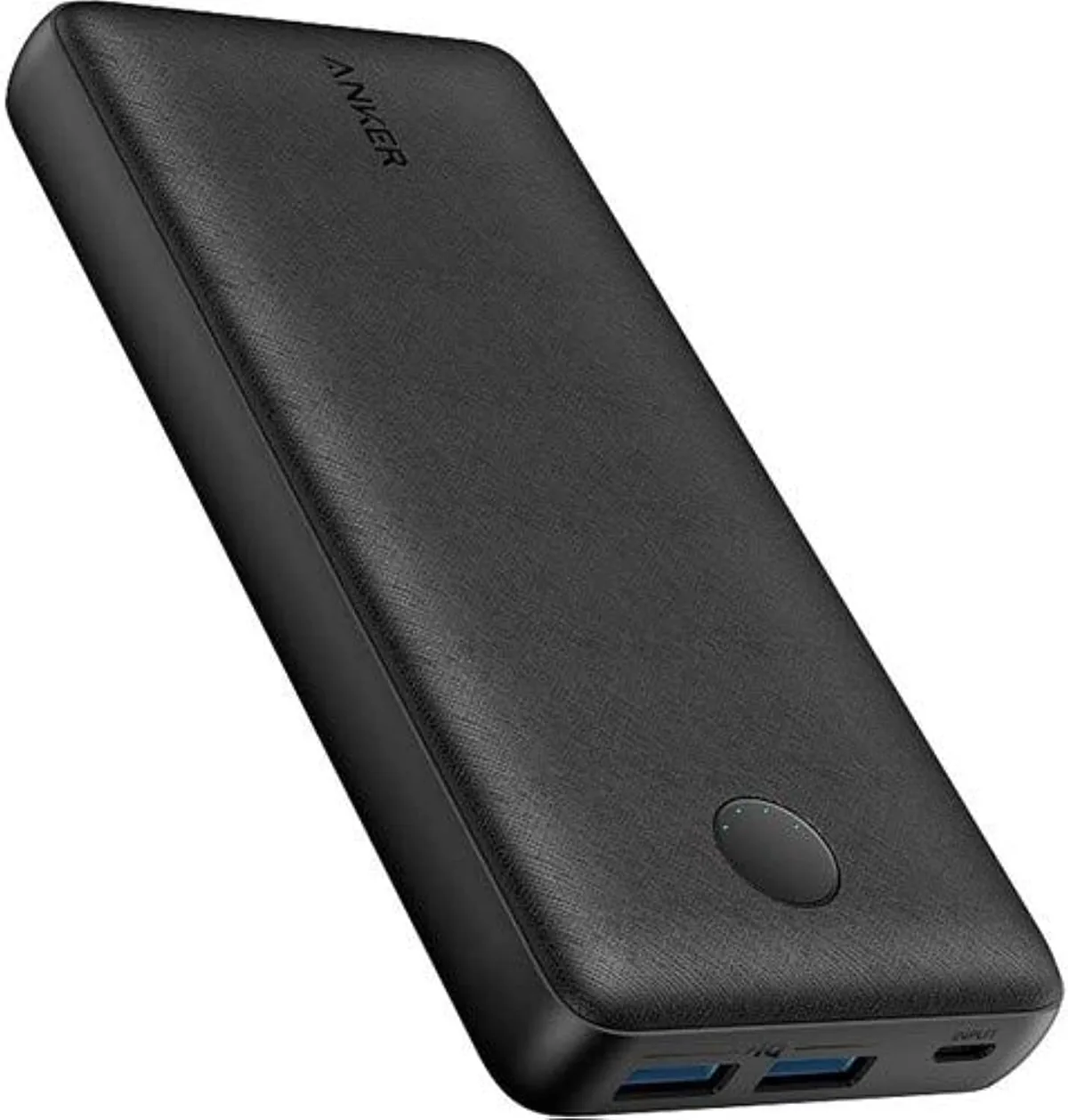
Anker PowerCore 20000mAh | 72Wh | Dual USB-A
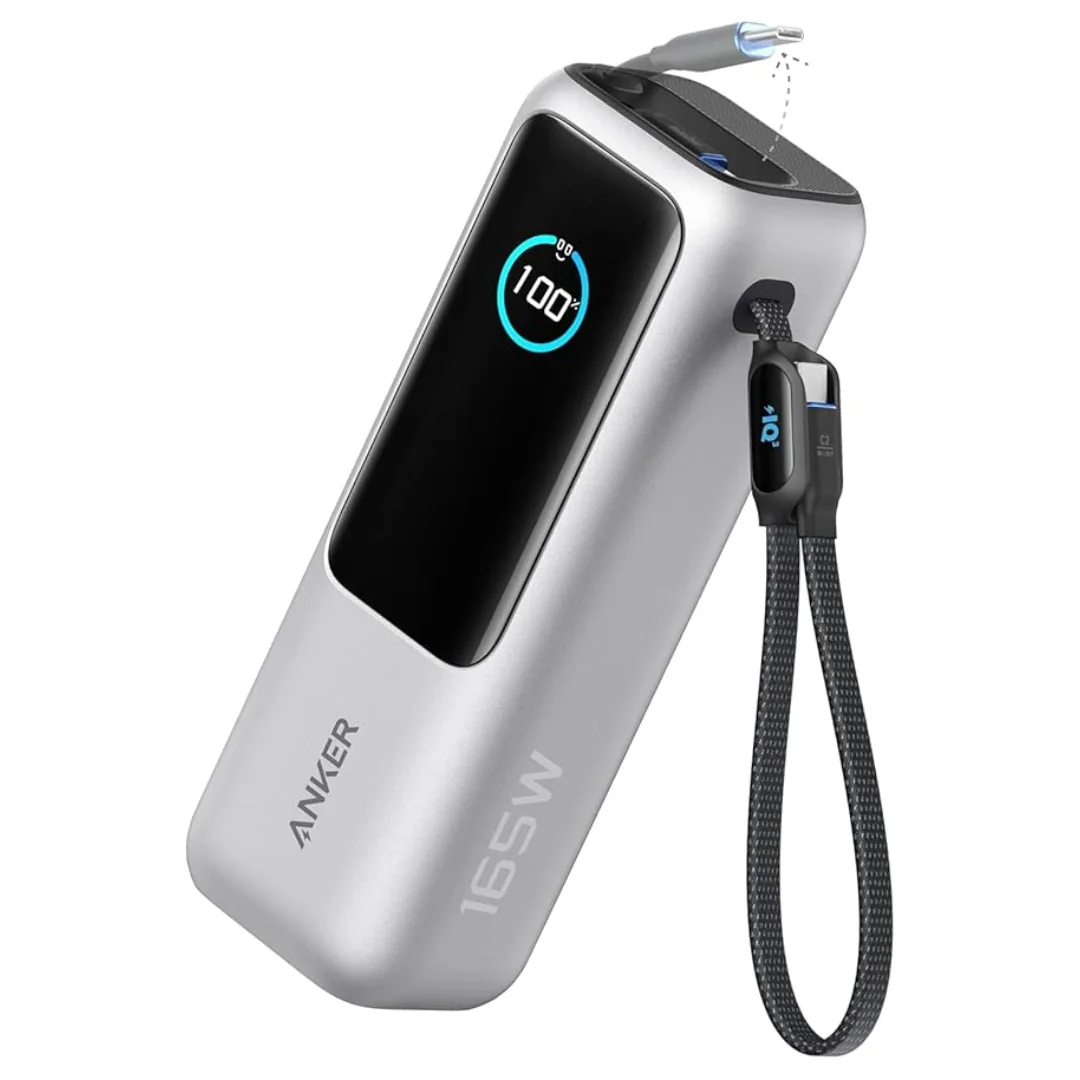
Anker Zolo Power Bank 25,000mAh 165W — Built-In Dual Cables | MacBook Charging
Joyroom 20000mAh Power Bank | 22.5W PD+QC | Triple Output