
Anker ActiveShield 2.0 — The Truth Behind Battery Protection Claims
Engineering analysis of ActiveShield 2.0: does it really monitor temperature every 3 seconds? And is the price premium worth it compared to alternatives?
Quick Take: Yes, ActiveShield 2.0 is real technology per Anker's description: continuous temperature monitoring with automatic output adjustment when heat rises. Anker does not publish the sampling interval for each model. What we measured: the Anker Zolo A110E reached 41.2°C after 15 minutes at about 22W, versus 43.5°C for the Joyroom JR-PBF14 Pro.
You are on the metro at 2 PM in July — your phone is at 8%, and the power bank in your bag is as hot as a bakery oven. You pull it out to charge, and suddenly the phone shows "iPhone needs to cool down before you can use it." The no-name power bank you bought from a minibus vendor not only fails to charge, it heats the phone so much that iOS itself stops charging. At that moment you wish the power bank had a shred of intelligence to realise the heat is dangerous.
Anker says it has that "shred of intelligence" — and calls it ActiveShield. The question: is this real or marketing? In this article we separate what Anker claims, what we measured ourselves, and what has no published evidence.
💡 Quick Answer: Yes, ActiveShield 2.0 is real technology per Anker's description: continuous temperature monitoring with automatic output adjustment when heat rises. Anker does not publish the sampling interval for each model, so we cannot confirm an "every 3 seconds" figure. What we measured: the Anker Zolo A110E reached 41.2°C after 15 minutes at about 22W.
What Exactly Is ActiveShield? A Simple Engineering Explanation
Imagine driving a car with an engine temperature sensor — if the engine gets too hot, the car automatically reduces power to avoid damage. ActiveShield applies a similar idea to a power bank or charger instead of an engine.
The general engineering idea behind this kind of thermal protection: a temperature sensor (such as an NTC thermistor) feeds a control circuit that compares the reading with safe limits and reduces output power when the temperature rises. Anker does not publish those limits numerically for each model, so we will not invent figures.
The difference Anker describes is that the protection is gradual — it reduces load step by step before reaching a full cut-off, instead of a "threshold" protection that only triggers at a dangerous limit and cuts charging at once.
ActiveShield 1.0 vs 2.0 vs 3.0 — What We Actually Know
Anker uses different generation names on different models: for example it lists ActiveShield 2.0 for the Anker 511 Nano 3 charger (A2147) and Prime chargers, and ActiveShield 3.0 for the Zolo A110D and A110E power banks. The company says newer generations monitor temperature more intensively and adjust output more precisely, but it does not publish a common table of figures to compare generations. The honest takeaway: the name on the box tells you the model has Anker thermal monitoring, not a specific performance number.
With PPS charging, it is the phone that requests voltage in 20 mV steps — that is part of the USB PD standard, not an Anker-exclusive feature.
What We Measured — Heat Under Load
These are shell temperature readings from the CairoVolt lab (one sample per model, room at about 28°C):
| Model (one sample) | Load | Shell temperature after 15 min | What Anker lists |
|---|---|---|---|
| Anker Zolo A110D | ~22W | 39.8°C | ActiveShield 3.0 |
| Anker Zolo A110E | ~22W | 41.2°C | ActiveShield 3.0 |
| Joyroom JR-PBF14 Pro (for comparison) | ~22W | 43.5°C | — |
| Anker 511 Nano 3 charger (A2147) | ~29W | 53.8°C | ActiveShield 2.0 |
The readings make an important point: ActiveShield does not stop heat — it manages it. The small A2147 charger reached 53.8°C under about 29W, which is expected for its size, and Anker rates it for 0–40°C ambient operation.
When Does ActiveShield Actually Matter? 4 Real Scenarios
- 🔥 Scenario 1 — Cairo summer: when ambient heat is high, the power bank starts out warm. Gradual protection reduces output, so charging is slower but the battery is safer.
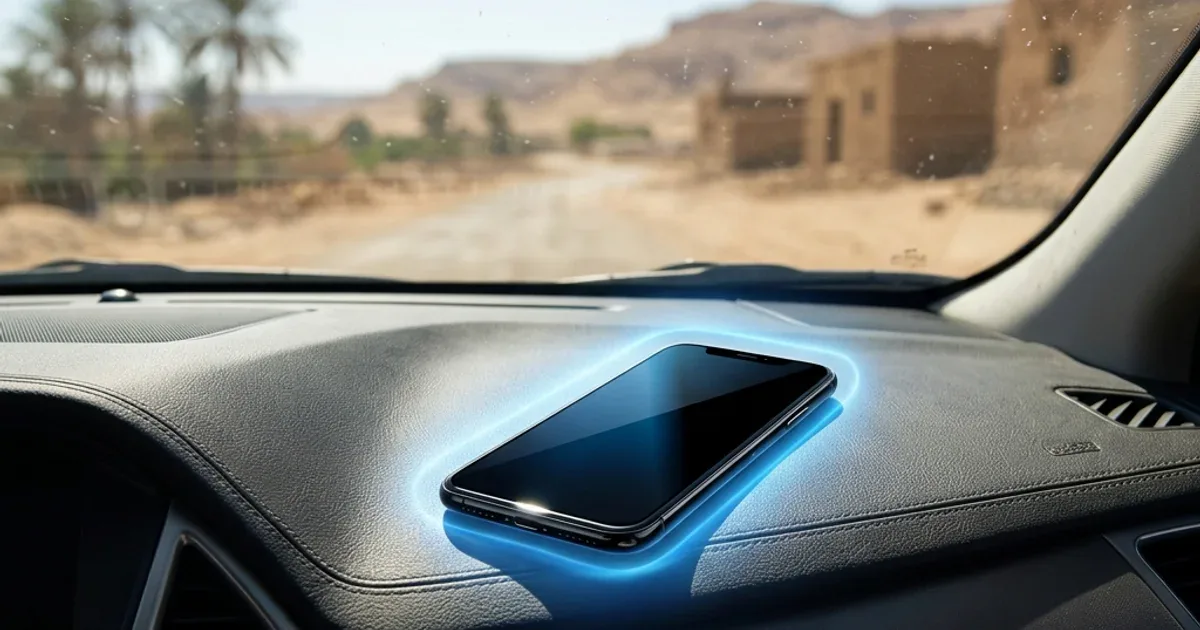
- 🚗 Scenario 2 — Charging in the car: a dashboard in the sun gets very hot. Any sound thermal protection should stop charging there — and more importantly, do not leave a power bank on the dashboard at all.
- ⚡ Scenario 3 — High-power laptop charging: more power means more heat. We measured 136.8W from a single port on the Anker 737, and at those levels thermal monitoring matters more.
- 🔄 Scenario 4 — Pass-through charging: charging the power bank while it charges your phone raises heat. Not every model supports pass-through, so check the user guide.
ActiveShield vs Other Protection Systems
Anker is not the only company with thermal protection: phones themselves (iPhone, Samsung, Xiaomi) slow charging when they get hot, and reputable chargers and power banks from other brands include protections too. The difference is that ActiveShield works on the charger or power bank side, so it also protects that device's own battery, not just the phone's. We have not measured other companies' systems the same way, so we do not publish temperature figures for them.
The Uncomfortable Truths — 4 Limitations You Need to Know
As engineers, we have to be honest: ActiveShield is not a magic wand.
⚠️ Warning: ActiveShield is no substitute for sensible behaviour. If you leave a power bank in a closed car in summer, no technology will save it from damage — ActiveShield or otherwise.
- ⚠️ Limitation 1 — Throttling = slower charging: when protection kicks in, charging slows. That is not a flaw — it is the point — but expect it in summer.
- ⚠️ Limitation 2 — Not every model is the same generation: Anker lists ActiveShield for power banks and for wall chargers too (such as the A2147 and Prime chargers), but in different generations. Check each product page.
- ⚠️ Limitation 3 — Hard to verify: there is no on-screen notice or LED change when the protection acts. The only way is to measure temperature and output with instruments.
- ⚠️ Limitation 4 — Price: Anker power banks usually cost more than no-name alternatives of the same capacity — for example the Anker Zolo A110E at EGP 1,730. Compare current prices on each product page.
The Bottom Line — When Should You Buy a Power Bank with ActiveShield?
Not everyone needs ActiveShield. It depends on how you use your power bank:
| If you... | Does ActiveShield matter? | Our pick |
|---|---|---|
| Charge a laptop or 45W+ devices | ✅ Very | Anker 737 — 140W or Anker Zolo A1695 |
| Work in high heat (driver / field engineer) | ✅ Yes | Anker Zolo A110E 20K |
| Use pass-through charging a lot | ✅ Yes | Check pass-through support in the user guide of the model before buying |
| Only charge a phone at the office/home (25°C) | ⬜ Not essential | Anker Zolo A110D 10K |
Anker power banks and chargers on CairoVolt are covered by CairoVolt's written store warranty (duration shown on each product page), with delivery commonly in 1–6 business days depending on the governorate. Browse Anker power banks.

CairoVolt Editorial Team
Content team reviewing specifications and buying guides
The CairoVolt team reviews model numbers, specifications, and compatibility, and updates information when better data is available. Estimates are labeled as calculations, and readers can report information that needs correction.
Frequently Asked Questions
Is ActiveShield available in Anker wall chargers?▼
When does ActiveShield slow down charging and by how much?▼
Can I disable ActiveShield for faster charging?▼
Do all Anker power banks have ActiveShield 2.0 or only some?▼
Ready to Buy?
Browse available products and review specifications and CairoVolt warranty terms before ordering
Related products
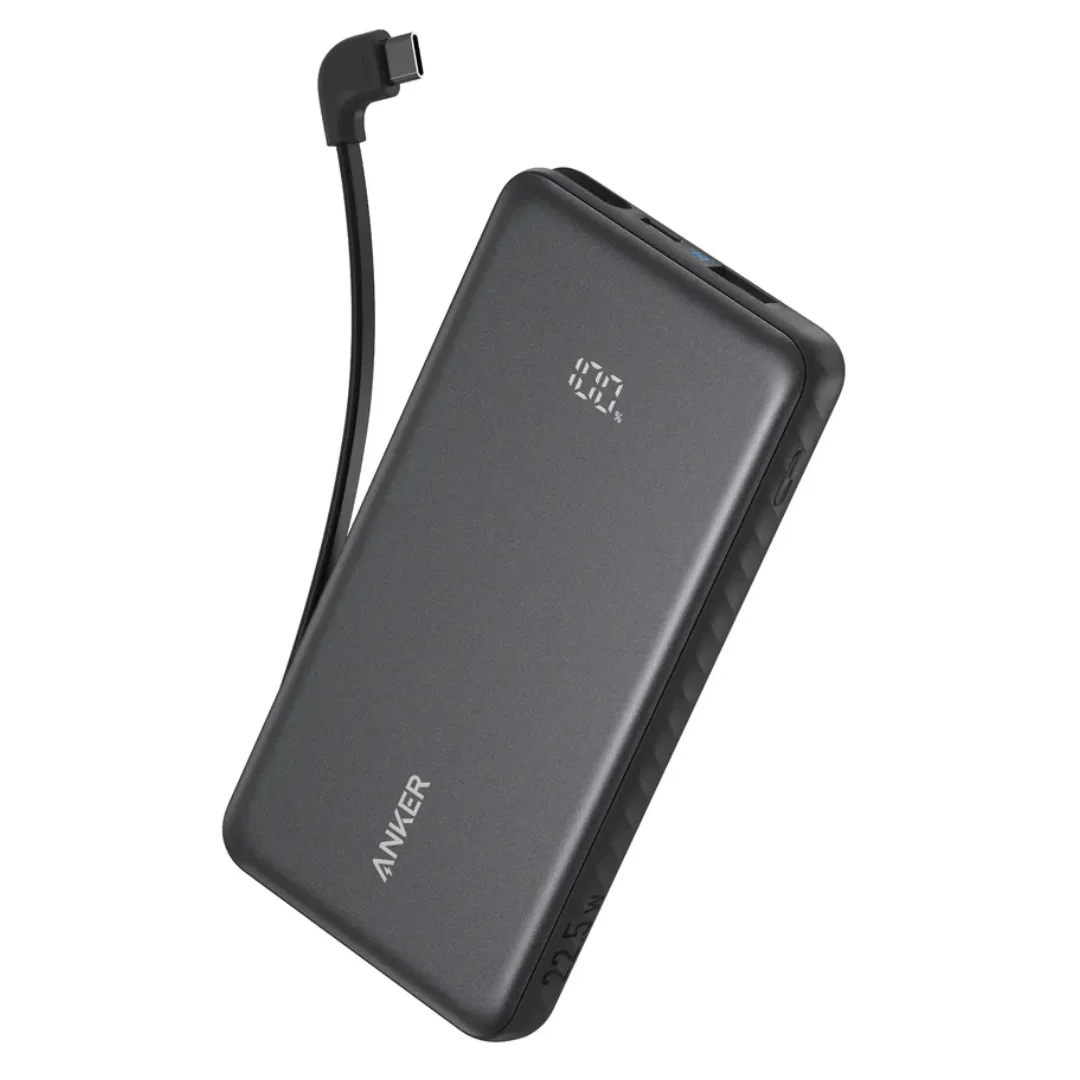
Anker ZOLO Power Bank 10,000mAh (22.5W) | Built-in Cable
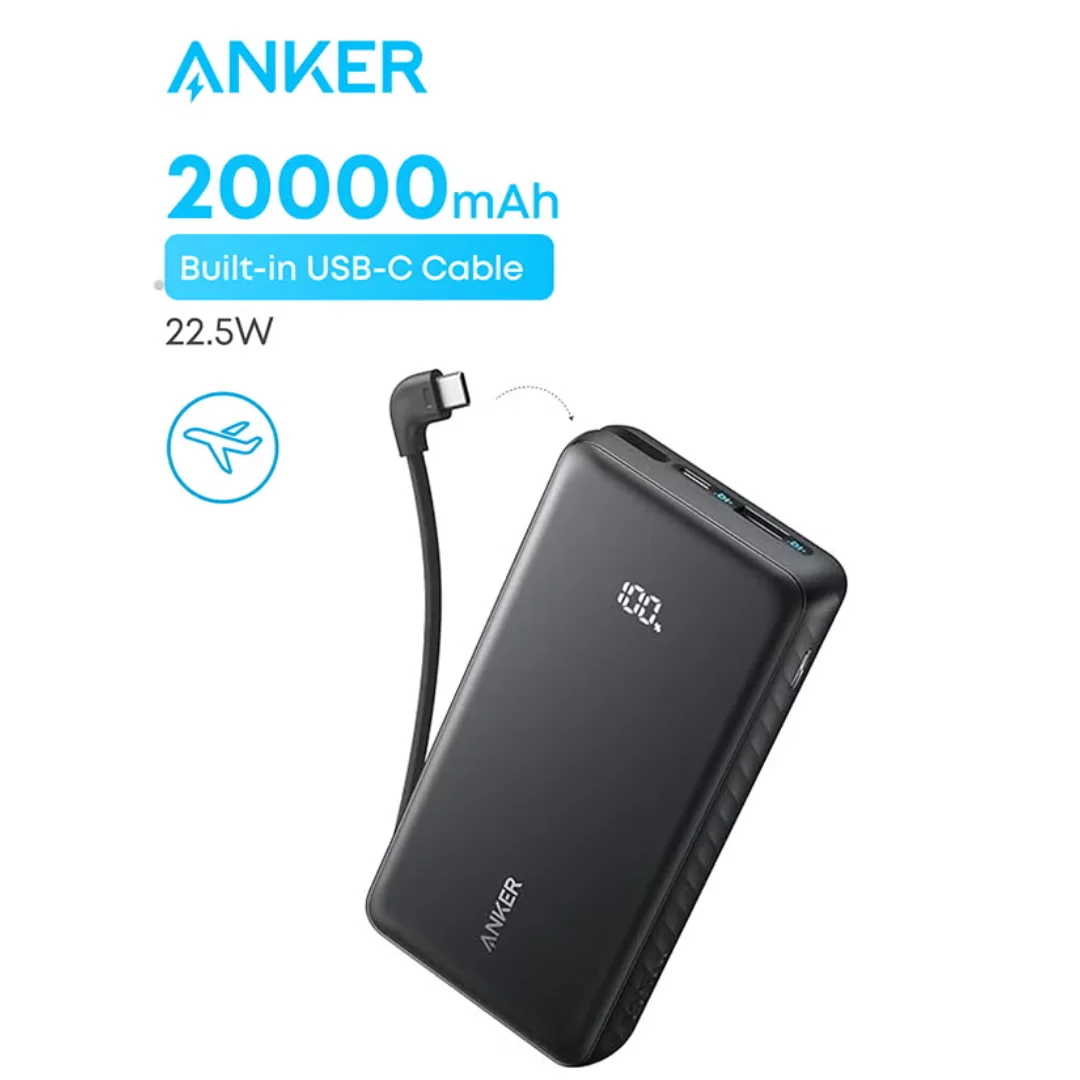
Anker ZOLO Power Bank 20,000mAh (22.5W) | Built-in Cable
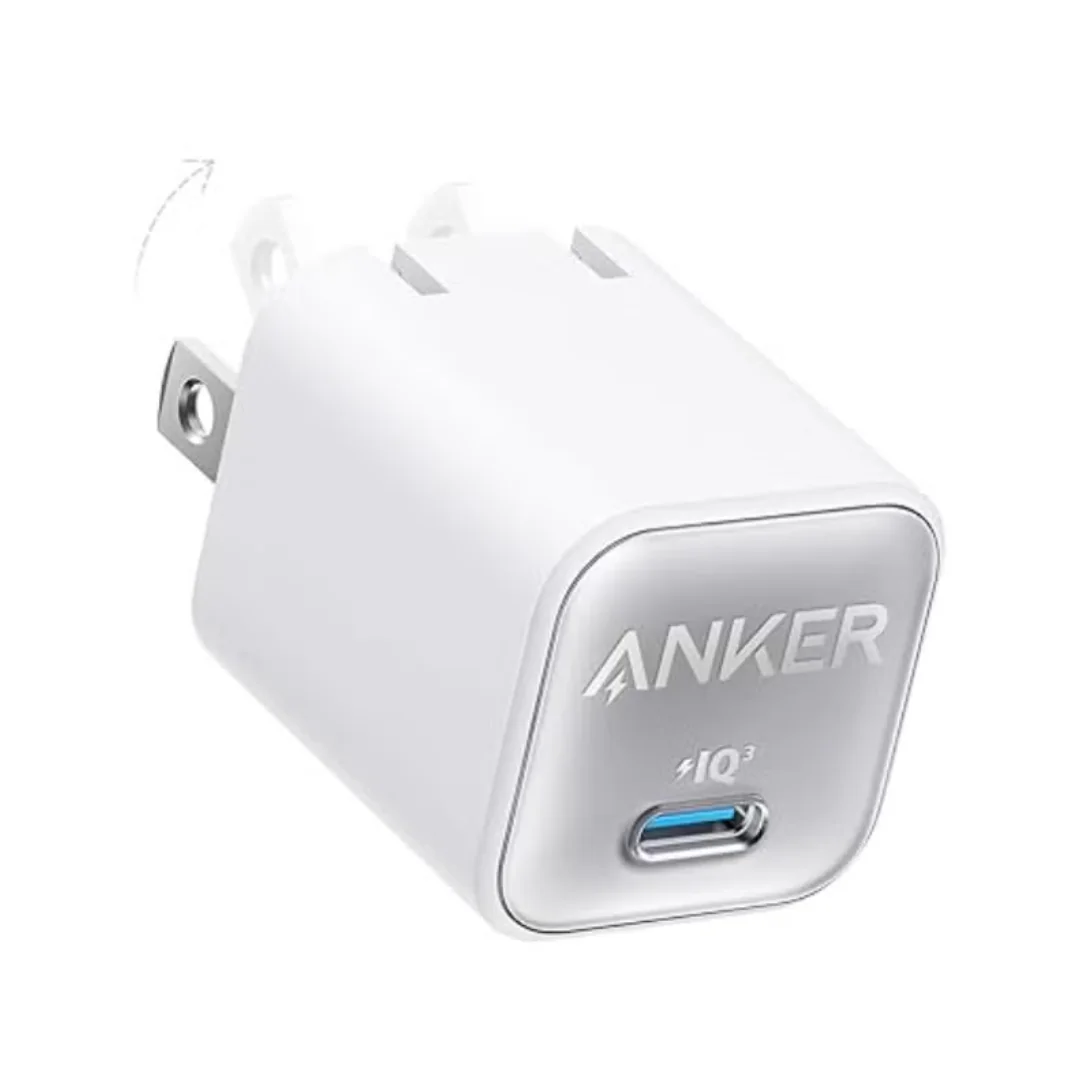
Anker 511 Nano 3 GaN Charger 30W (A2147) | USB-C PD | IQ3
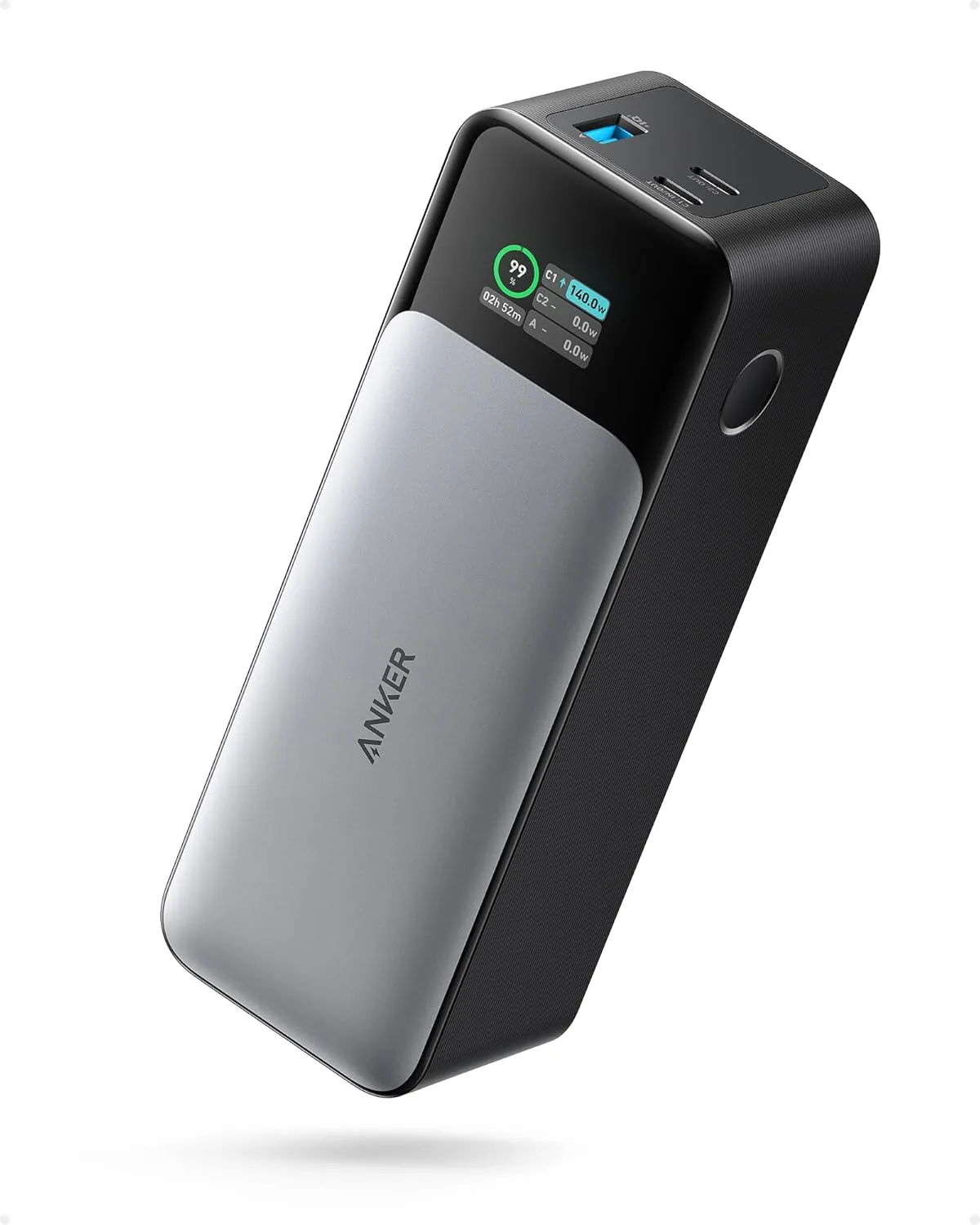
Anker 737 Power Bank (PowerCore 24K, A1289011) | Listed 140W PD 3.1 | 24,000mAh
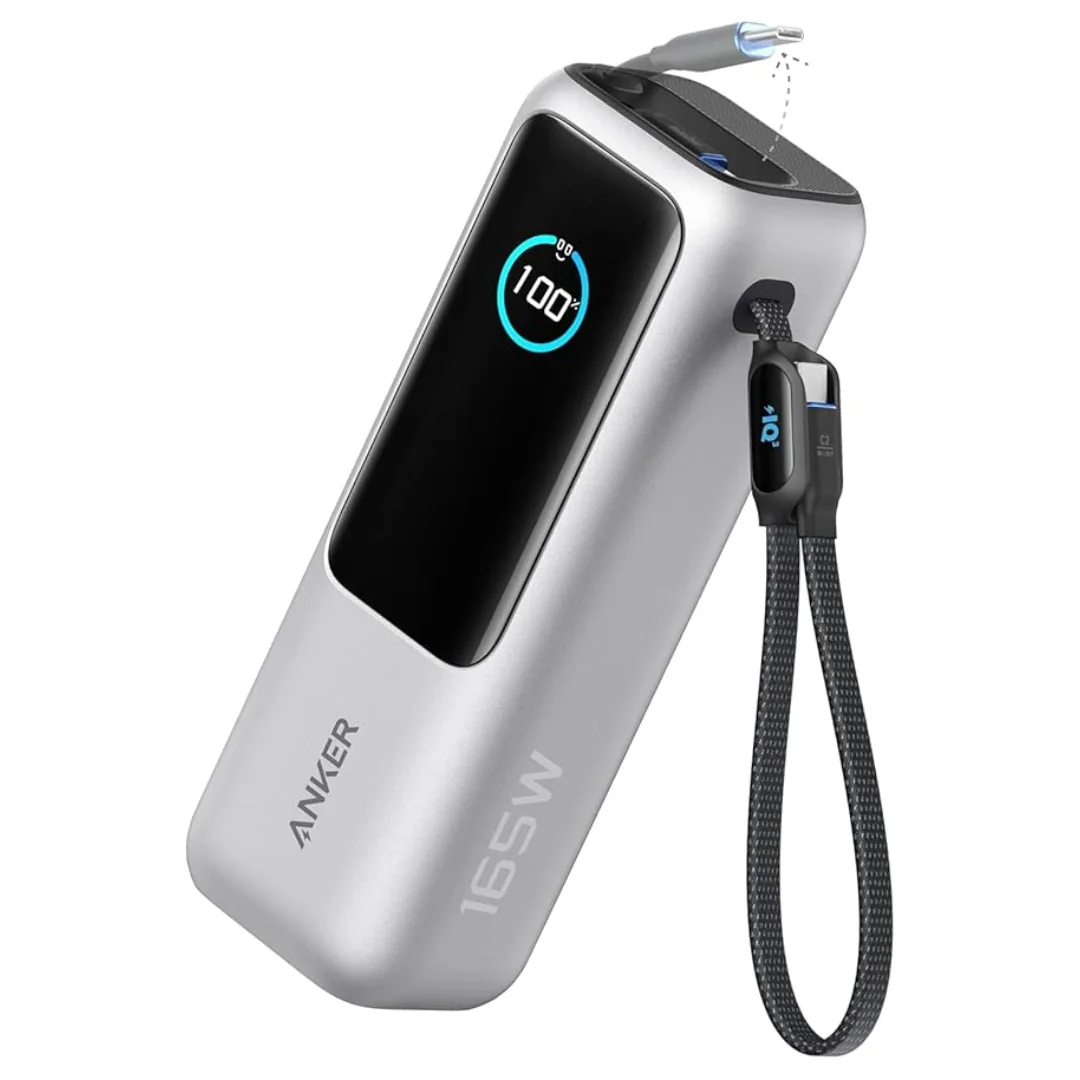
Anker Zolo Power Bank 25,000mAh 165W — Built-In Dual Cables | MacBook Charging
Browse the categories this article covers
Related Articles

Does Fast Charging Actually Damage Your Phone Battery? The Complete Scientific Truth
Read more →
Is Charging Your Phone Overnight Safe? The Scientific Truth + 3 Smart Solutions
Read more →