 CairoVolt Team
Is Charging Your Phone Overnight Safe? The Scientific Truth + 3 Smart Solutions
The scientific truth behind overnight phone charging — why the fear is outdated, how modern tech protects your battery, and 3 smart solutions for longer battery life.
Bottom Line: No, charging your phone overnight does not damage the battery if you use a genuine charger: modern phones have a BMS that stops charging at 100%, and Optimized Battery Charging pauses at 80% and finishes before you wake. The real danger is heat — a counterfeit charger or charging under a pillow. Solution: a genuine charger in a ventilated spot.
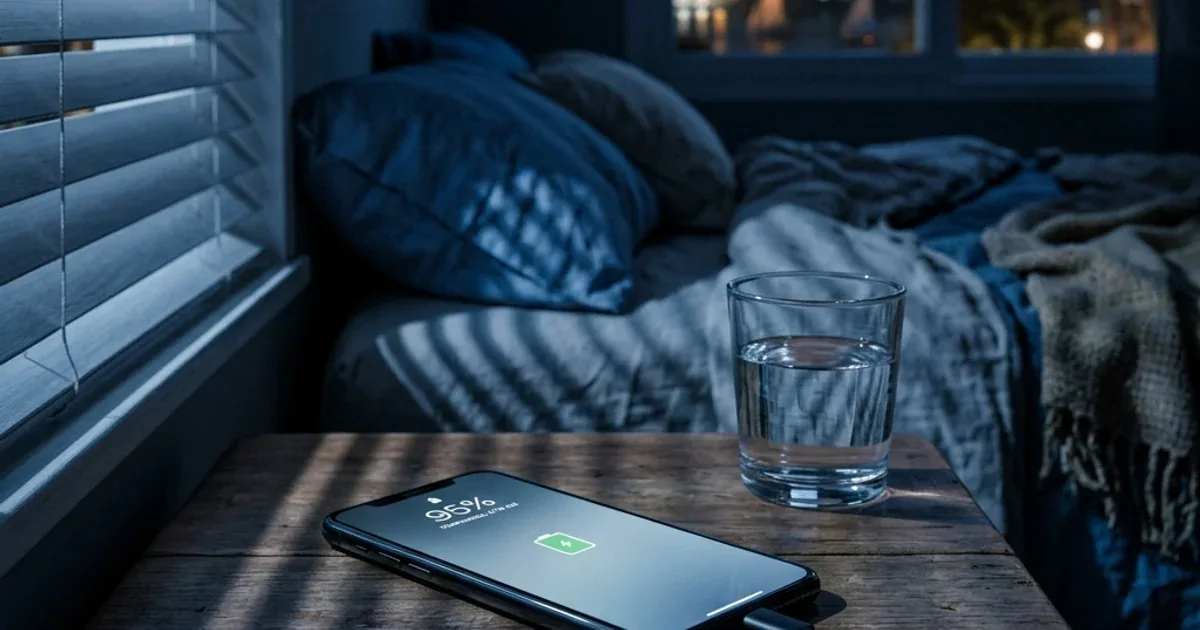
It is midnight. You are in bed. Phone at 23%. You plug it in and fall asleep. Suddenly — your mother's voice from the other room: "Unplug it! The phone will catch fire!" Or your grandmother, who read a Facebook post about someone whose phone exploded while charging overnight. Or your friend who sets an alarm for 3 AM just to unplug his charger "so the battery doesn't get ruined." Has anyone actually slept well after that?
This is one of the most common questions we get at CairoVolt — and unfortunately, 90% of the answers online are either outdated, wrong, or built on myths from 2010. In this article, we explain the real physics behind overnight charging, show you what actually happens inside your phone from the moment you plug in until you wake up, and share 3 smart solutions to make your battery last longer — without setting a 3 AM alarm.
💡 Quick Answer: No, charging your phone overnight does NOT damage the battery in 2026 — as long as you use a certified charger. All modern phones have a BMS (Battery Management System) that automatically cuts current at 100% (see how the BMS cut-off works). Optimized Battery Charging pauses at 80% and finishes just before you wake up. The real danger is not overnight charging — it is heat: a counterfeit charger or charging under a pillow.
📊 From our own customer inquiries at CairoVolt:
"Does overnight charging damage my phone?" is one of the most frequent questions we receive — roughly the second most common after "Is this charger genuine?" And the more telling pattern from damaged-battery returns: the large majority were linked to counterfeit or unknown-source chargers, not to the timing of charging. The takeaway: the problem is not charging overnight — it is charger quality and spec compliance.
What Actually Happens Inside Your Phone During Overnight Charging?
To understand why overnight charging is not dangerous, you need to understand the 3 stages that occur inside every modern phone:
| Stage | Percentage | What Happens | Speed |
|---|---|---|---|
| 1. Fast Charge (CC) | 0→80% | Constant current at maximum power — the battery absorbs energy rapidly | Fastest stage |
| 2. Slow Charge (CV) | 80→100% | Constant voltage with gradually decreasing current — like slowly filling a glass to the top without spilling | Much slower |
| 3. Automatic Cutoff | 100% | BMS completely cuts current to the battery — phone runs directly from the charger, not the battery | Zero current to battery |
Stage 3 is the answer: When your phone reaches 100%, the BMS (Battery Management System) — a small electronic chip inside every modern phone — completely disconnects the battery from the charging circuit. The phone continues running directly from the charger. There is no such thing as "overcharging" in 2026. This fear was legitimate back in the days of Nickel-Cadmium batteries in the 1990s — but modern lithium-ion batteries are far smarter than that.
Think of the battery like a water tank on a rooftop — when it fills up, the float valve automatically shuts off the water supply. The water does not keep filling until the tank bursts. The BMS is exactly that float valve.
Optimized Battery Charging — The Feature 70% of People Do Not Know About
Apple, Samsung, and Google went a step beyond simply cutting current at 100%. There is a smart feature called Optimized Battery Charging (Apple) or Adaptive Charging (Samsung) — and here is what it does:
- 🧠 It learns your routine: Your phone knows you wake up at 7 AM every day — so it charges to 80% quickly then pauses. About an hour before you wake up, it finishes to 100%. This means the battery spent 6 hours at 80% instead of 100%.
- ⚡ It reduces chemical stress: Lithium-ion batteries experience the least stress between 20-80%. Every minute above 80% or below 20% equals slight additional stress. This feature minimizes time above 80% as much as possible.
- 📊 Results in numbers: According to Apple, enabling Optimized Battery Charging maintains 90%+ battery health after two years — compared to 83-85% without it. That means your battery lives 6-8 months longer before needing replacement.
How to enable it:
| Platform | Path | Note |
|---|---|---|
| iPhone (iOS 18+) | Settings → Battery → Charging Optimization → Optimized Battery Charging | Enabled by default — make sure you have not turned it off |
| Samsung (One UI 6+) | Settings → Battery → Charging Settings → Adaptive Charging | Also has an "85% limit" option — excellent for longevity |
| Pixel (Android 15+) | Settings → Battery → Adaptive Charging | Only works when an alarm is set — that is the condition |
The Real Danger Is Not Overnight Charging — It Is This
If overnight charging is not the problem, then what is? One word: heat.
Lithium-ion batteries degrade chemically faster at higher temperatures. Every 10°C above 25°C reduces battery lifespan by 15-20% — this is not our opinion, it is the Arrhenius equation in thermochemistry. And the problem in Egypt — especially during summer — is that heat is a real enemy:
| Scenario | Phone Temp During Charging | Battery Impact |
|---|---|---|
| Genuine charger + ventilated spot | 30-35°C | Completely safe |
| Genuine charger + under pillow | 40-45°C | Moderate stress — phone will throttle charging |
| Counterfeit charger + under pillow | 50-60°C | Dangerous — accelerated battery degradation + fire risk |
| Counterfeit charger + thick case + Egyptian summer | 55-70°C | Severe risk — battery swelling possible |
⚠️ Warning: Counterfeit chargers — sold on OLX for 30-50 EGP — typically lack a Thermal Protection Circuit. This means if the charger starts overheating, nothing stops it. A genuine charger (Anker/Joyroom/Apple) lists over-temperature and over-current protection in its specifications. Heat — not overnight charging itself — is the main factor in battery wear.
3 Smart Solutions for Safe Overnight Charging + Longer Battery Life
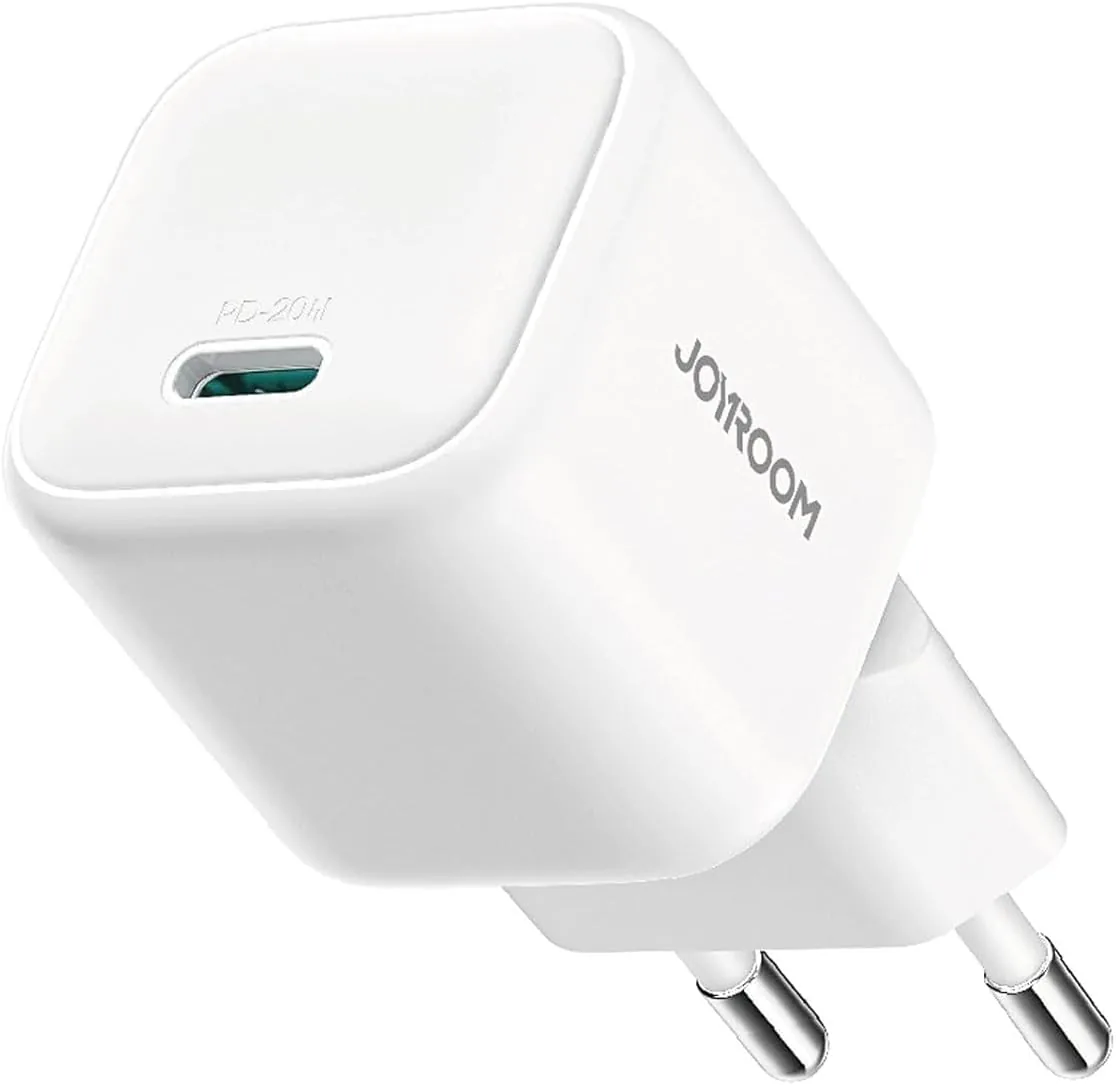
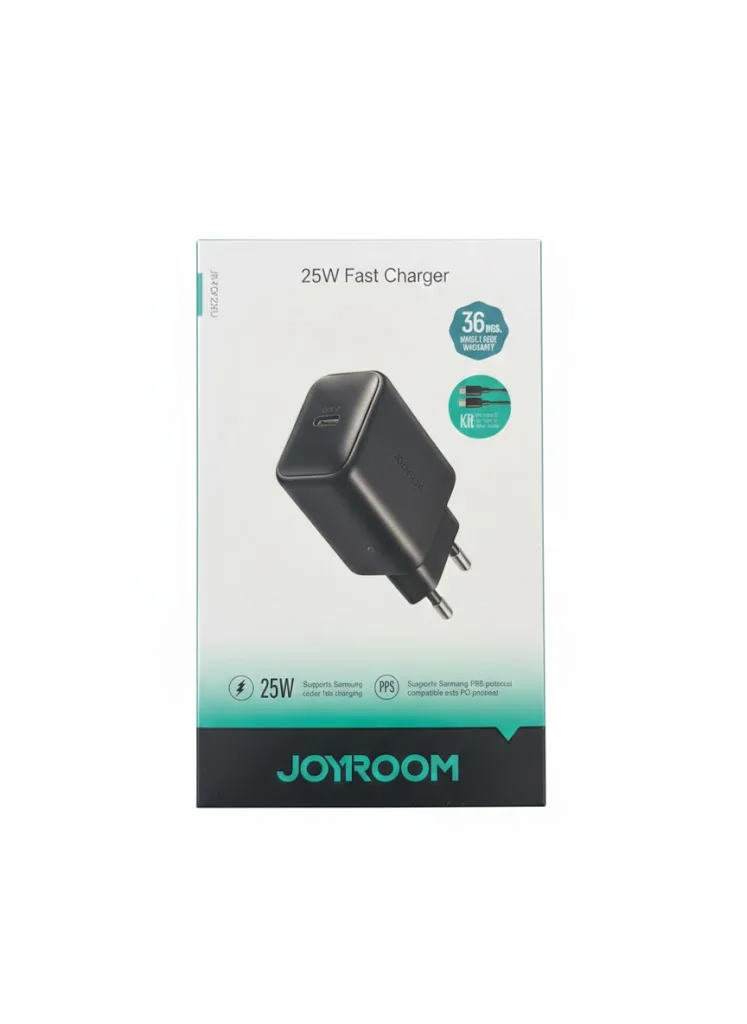
- 🛡️ Solution #1 — Genuine charger with smart protection (most important): A charger like the Anker GaN 30W (EGP 490), for which Anker lists ActiveShield 2.0 temperature monitoring. Or the Joyroom 25W (EGP 342) with over-current protection (in our test it cut out within about 2.5 seconds). A genuine charger costs far less than an early battery replacement.
- 📱 Solution #2 — Enable Optimized Battery Charging: Steps in the table above. This feature is free and does not affect your experience, and it reduces the time the battery spends at 100%. If you have a Samsung S26 — also enable the "85% maximum" option if you do not need 100% every day.
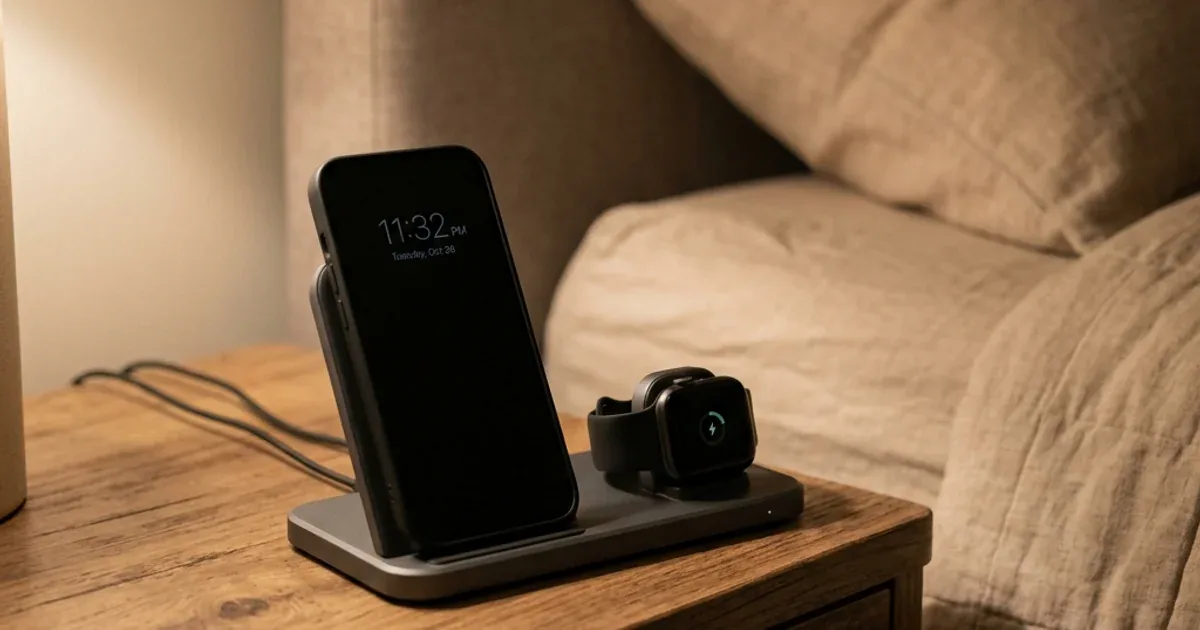
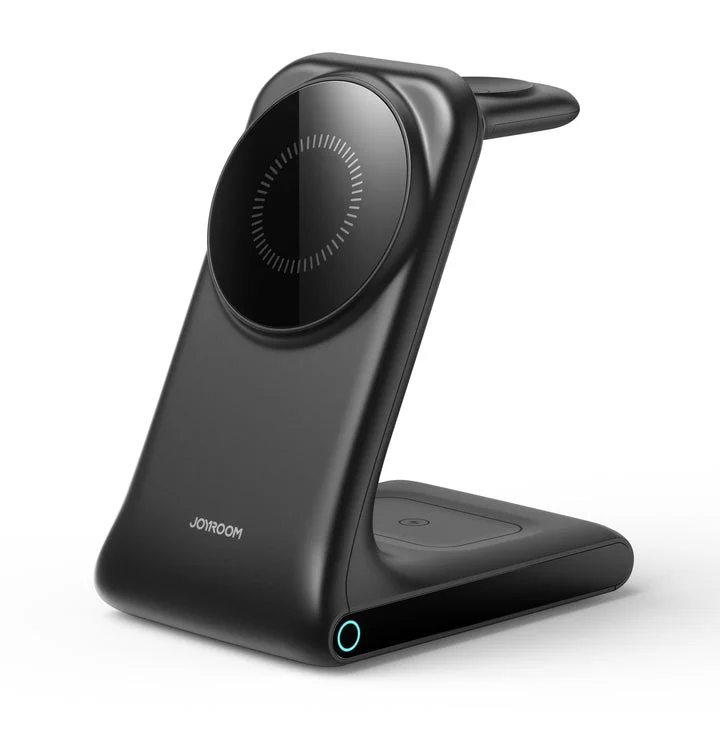
- 🌡️ Solution #3 — Ventilated spot + no pillow: Place your phone on the nightstand or a hard surface — not under a pillow or blanket. Remove thick cases (over 3mm) during overnight charging. For the elegant solution — the Joyroom 3-in-1 Wireless Station (EGP 1,206) keeps your phone upright at an angle with natural ventilation from all sides.
If you also charge for long stretches during the day, read charging for hours at a stretch, and in Ramadan read overnight charging in Ramadan — the answer is the same: long charging is safe with a genuine charger in a ventilated spot.
Overnight Charging Myths — The Truth Behind Each One
| Myth | Scientific Truth |
|---|---|
| ❌ "Overnight charging causes overcharging" | BMS cuts current at 100% — overcharging is physically impossible in modern phones |
| ❌ "You must drain to 0% before charging" | That was true for Nickel-Cadmium (Memory Effect). Lithium-ion is the opposite — full discharge harms it. Charge anytime |
| ❌ "Fast charging ruins the battery faster" | Fast charging generates slightly more heat (3-5°C) but BMS compensates. Impact on battery lifespan: only 2-3% after two years |
| ❌ "You must unplug at 80%" | Not necessary — Optimized Charging does this automatically. If you want to do it manually, Samsung has a built-in "85% limit" option |
✅ Genuine Chargers with Smart Protection on CairoVolt
Anker GaN 30W at EGP 490 — with Anker-listed ActiveShield 2.0. Joyroom 25W at EGP 342. CairoVolt's written store warranty (duration shown on each product page) + delivery to all governorates + cash on delivery. Sleep and charge with peace of mind.
CairoVolt Team
Tech Editor
Frequently Asked Questions
Can I leave my phone charging for 12 hours overnight without worry?▼
Is overnight charging with a 30W fast charger more dangerous than a slow 5W charger?▼
What is the ideal battery percentage to maintain if I do not need 100%?▼
My phone gets warm during overnight charging — is that normal or should I worry?▼
Ready to Buy?
Browse available products and review specifications and CairoVolt warranty terms before ordering
Related products
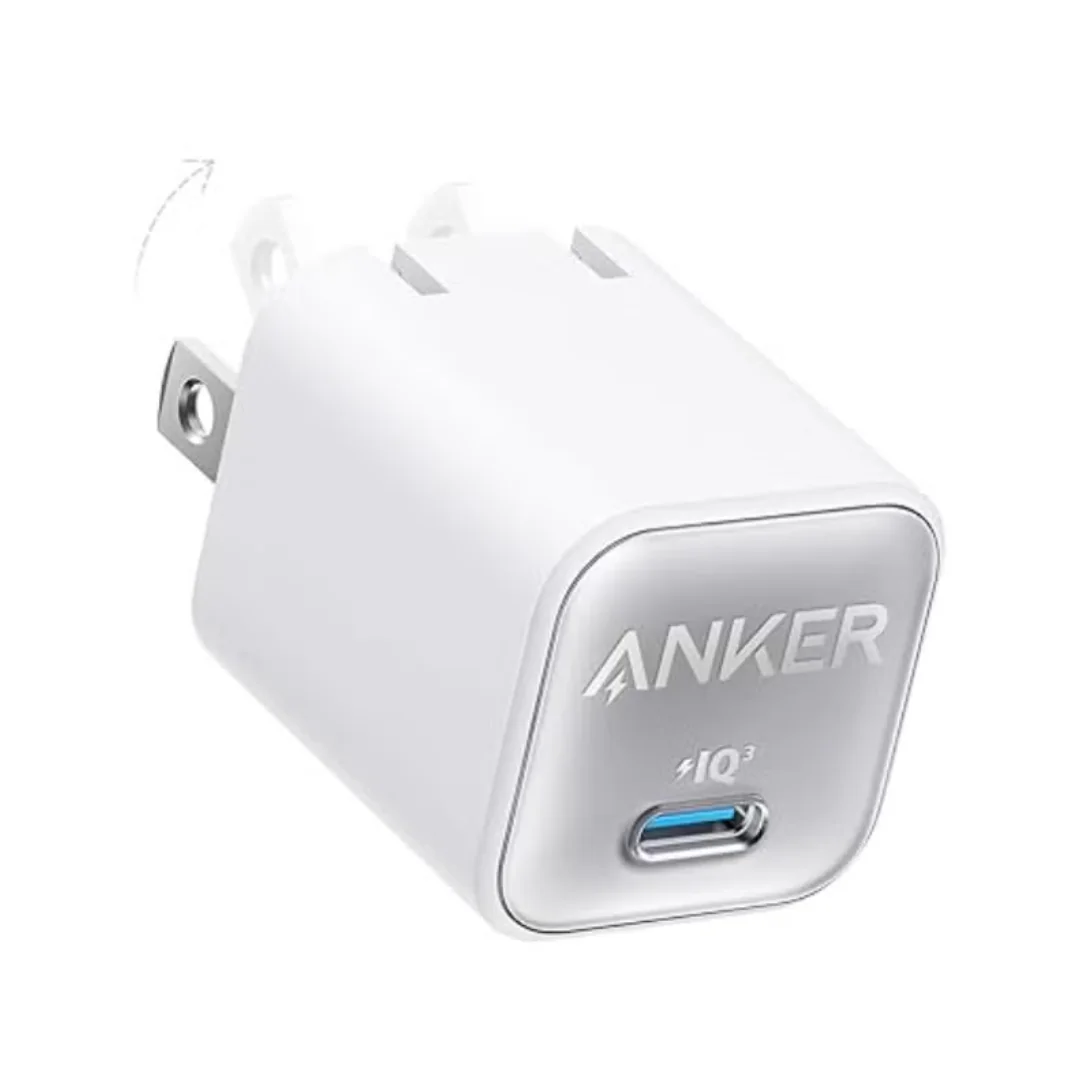
Anker 511 Nano 3 GaN Charger 30W (A2147) | USB-C PD | IQ3
Joyroom 25W USB-C PD Charger (JR-TCF23) | iPhone and Samsung Compatibility
Joyroom 3-in-1 MagSafe Station | iPhone 17 + Apple Watch + AirPods | 15W | Aluminum
Anker Nano 45W Smart Display GaN Charger (A121D) | 180° Foldable Plug | USB-C PD
Anker PowerCore 20000mAh | 72Wh | Dual USB-A