
Xiaomi & Redmi Accessories Guide: Choosing Original Mi Turbo Chargers
Searching for a replacement charger or cable for your Xiaomi or Redmi device? We explain the physical engineering behind Mi Turbo Charge and how to protect camera bumps.
In short: Fast charging on Xiaomi devices (Mi Turbo Charge or HyperCharge) requires a proprietary Xiaomi original charger and cable with an orange inner connector. This connector includes a critical 5th pin that negotiates rates up to 6A; generic USB cables limit speeds to 18W standard charging.
Xiaomi and its **Redmi Note** lineup (including models like the Redmi Note 11, Note 12, Note 13, and Note 14) occupy a massive share of the Egyptian market. This popularity is driven by their excellent hardware value, large batteries, and incredibly fast charging speeds—ranging from 33W and 67W up to 120W under the **Mi Turbo Charge** and **HyperCharge** brands. However, users often face issues when looking for replacement cables or wall chargers; third-party spares fail to trigger these high speeds. In this technical guide, we will analyze the engineering principles behind Xiaomi's proprietary charging protocol and explain how to select compatible chargers, cables, and cases.
1. The Xiaomi Fast Charging Standard: How Mi Turbo Charge Works
Many local Xiaomi users ask: "I bought a premium 65W laptop charger and a Samsung adapter. Why do they fail to trigger the Turbo Charge decimal animation on my Redmi Note?" The answer lies in the protocol negotiations.
Xiaomi relies on a modified proprietary charging protocol that raises electrical current to high levels (e.g., 6.1A for the 67W rate) while maintaining a lower voltage to prevent heat generation inside the phone. For the phone to accept this high-power input, it must establish a secure cryptographic handshake with the charger and cable.
Standard USB Power Delivery (USB-PD) blocks do not support Xiaomi's proprietary protocol. Consequently, the phone falls back to standard fast charging rates of **15W to 18W** to avoid overheating.
Historical Progression of Xiaomi Fast Charging Speed standards
Xiaomi's power delivery research has undergone tremendous iteration over the last decade. Early Redmi models relied on standard **Qualcomm Quick Charge 2.0/3.0** protocols limited to 10W and 18W. As battery capacities expanded to 5,000mAh, the company introduced the customized **Mi Fast Charge** protocol pushing 18W and 22.5W.
This was followed by **Mi Turbo Charge** utilizing high current rates to hit 33W and 67W. Most recently, the brand introduced **Xiaomi HyperCharge** technology operating at 120W, capable of refilling a depleted 5,000mAh battery in just 19 minutes, setting record speeds in consumer electronics power dynamics.
Thermal Safety Algorithms and Power Throttling in HyperOS
To ensure high-power charging (like 120W HyperCharge) does not impact battery degradation or trigger thermal runaway, Xiaomi implements strict power-throttling algorithms. The smartphone continuously queries up to 20 thermal sensors (NTC thermistors) located near the USB-C port, battery core, and logic board.
If the device core temperature crosses 43°C (common during Egyptian summer months), the OS immediately commands the power brick to scale down its current delivery to 3A or lower. This dynamic thermal management safeguards the anode and cathode chemistry, preventing long-term cell capacity degradation.
2. The Engineering Behind the Orange 5-Pin Connector
If you inspect the USB-A port on a Xiaomi charger or the tip of its matching cable, you will notice a distinct orange accent. This is not decorative; it is a clever engineering solution:
- 🔌 The 5th Signal Pin: Standard USB-A ports contain only four pins (two for power and two for data). Xiaomi added a 5th signal pin near the back of the USB-A connector.
- ⚡ Carrying the CC Line Signal: This 5th pin acts as the Configuration Channel (CC) line normally found only on double-sided Type-C cables. This enables the older USB-A interface to negotiate USB-PD profiles and pass 6A currents safely.
Using a standard USB-C cable lacking this 5th pin disables Turbo Charge entirely, as the phone cannot negotiate the power profile and defaults to standard charging speeds.
Specifically, when negotiating a 6A load, the copper gauge must be at least 20 AWG (American Wire Gauge) for the power lines inside the cable jacket, whereas standard 2A cords often use thin 28 AWG wires. Using a thin 28 AWG cord for a 6A current will cause a massive voltage drop across the cable length, generating dangerous levels of heat that degrade cable insulation and present a potential fire hazard. This is why the CC handshake is crucial; if it fails, the phone safely pulls only 5V/2A (10W) to prevent any danger.
3. Recommended Chargers and Accessories for Xiaomi & Redmi in Egypt
To protect your phone's power management circuits and ensure peak performance, we suggest the following compatible accessories:
Regulated Wall Chargers
If you need a reliable secondary charger for your desk:
- ⚡ Joyroom 30W Fast Charger: The Joyroom 30W Fast Charger is a great fallback. While it won't trigger the proprietary Mi Turbo Charge animation, it safely charges Xiaomi phones at a stable 18W rate using standard PD protocols.
Heavy-Duty Type-C Cables
- 🔌 Joyroom Type-C Cable: We recommend the Joyroom Type-C to Type-C Cable for safe power delivery and stable data syncing, or the original Xiaomi 6A orange-accented cable for native Turbo Charging.
Compatible Bluetooth Earbuds and Dolby Atmos Optimizations
Xiaomi's HyperOS features a robust audio engine that includes **Dolby Atmos** integration. When paired with high-quality earbuds, it unlocks spatial audio and virtual surround sound tuning.
- 🎵 Joyroom Wireless Buds: We suggest the Joyroom JR-T03S Pro Wireless Earbuds, which support the AAC high-fidelity codec. We recommend navigating to Settings> Sound & Vibration> Sound Effects, enabling Dolby Atmos, and choosing the "Music" profile to maximize bass depth and treble clarity.
4. Protecting Massive Redmi Note Camera Bumps
Modern Redmi Note devices (such as the Redmi Note 13 Pro) feature exceptionally large, protruding camera housings. This protrusion is highly susceptible to scratching when placed flat on tables and hard surfaces.
To prevent lens damage, avoid ultra-thin cases that lay flush. Instead, choose cases with a **raised camera lip (minimum 1.5mm)** or covers featuring a sliding camera shutter to fully shield the lenses from impacts and scratches.
Identifying Genuine Xiaomi Chargers vs. Counterfeit High-Copy Units
With high demand for Xiaomi 67W and 120W adapters, counterfeit units (commonly labeled "Original" or "High-Copy") have flooded local retailers. Here is how to distinguish them using objective parameters:
- ⚖️ Physical Unit Weight: Genuine Xiaomi chargers contain large copper coils and thick thermal potting compound. A genuine 67W block weighs approximately 160g. Counterfeits weigh significantly less (often under 90g) due to missing heat sinks and low-quality capacitors.
- 🔥 Thermal Performance under Load: Fake chargers lack NTC thermistors, running extremely hot within 10 minutes of use. Even if they forge the software to display the "Mi Turbo Charge" logo on the screen, they fail to supply the actual wattage, charging much slower than real bricks.
Redmi Displays and the Reality of Gorilla Glass Victus
Xiaomi advertises that its mid-range and flagship Redmi Note models are protected by **Gorilla Glass Victus**, giving users a false sense of security. While Corning designed Victus to be exceptionally tough against drop impacts (up to 2 meters), the material has a lower hardness rating to make it less brittle.
This means Gorilla Glass Victus is actually more vulnerable to micro-scratches caused by quartz dust and fine sand grains found in pockets and surfaces. We highly advise applying a flexible nano-polymer screen protector to preserve the display's pristine look and resale value.
5. Xiaomi Charging Speeds and Cable Specifications
| Nominal Wattage | Electrical Specification | Required Cable Amperage | Popular Compatible Models |
|---|---|---|---|
| 33W (Turbo Charge) | 11V / 3A | Min 3A (Standard) | Redmi Note 11, Redmi Note 12 |
| 67W (Mi Turbo Charge) | 11V / 6.1A | 6A Orange-accented cable | Redmi Note 13 Pro, Poco X6 |
| 120W (Xiaomi HyperCharge) | 20V / 6A | 6A Heavy-duty cable | Redmi Note 13 Pro+, Xiaomi 13T Pro |
6. Verdict and CairoVolt Recommendation
Selecting accessories for Xiaomi and Redmi devices requires a basic understanding of fast-charging physics to prevent slow speeds. CairoVolt recommends using the original in-box charger and matching 6A cable whenever possible. For third-party spares, select certified 6A orange-accented cables and cases with solid camera lips to ensure your device remains protected and charges at peak speed.
To prevent charging port failures caused by pocket lint and dust, read our guide on how to safely clean your charging port to save on unnecessary repair costs.

CairoVolt Editorial Team
Content team reviewing specifications and buying guides
The CairoVolt team reviews model numbers, specifications, and compatibility, and updates information when better data is available. Estimates are labeled as calculations, and readers can report information that needs correction.
Frequently Asked Questions
Can I charge my Xiaomi phone with an Apple 20W charger?▼
Why do Xiaomi chargers and cables have orange connectors inside?▼
Does Xiaomi's 120W HyperCharge damage the phone battery?▼
What happens if I plug a 120W Xiaomi charger into a 33W Redmi phone?▼
Ready to Buy?
Browse available products and review specifications and CairoVolt warranty terms before ordering
Related products
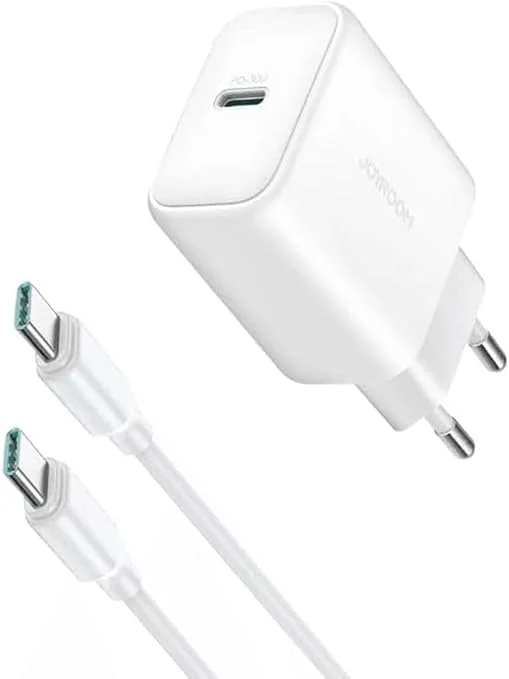
Joyroom 30W PD+QC Wall Charger | Dual USB-C and USB-A Ports
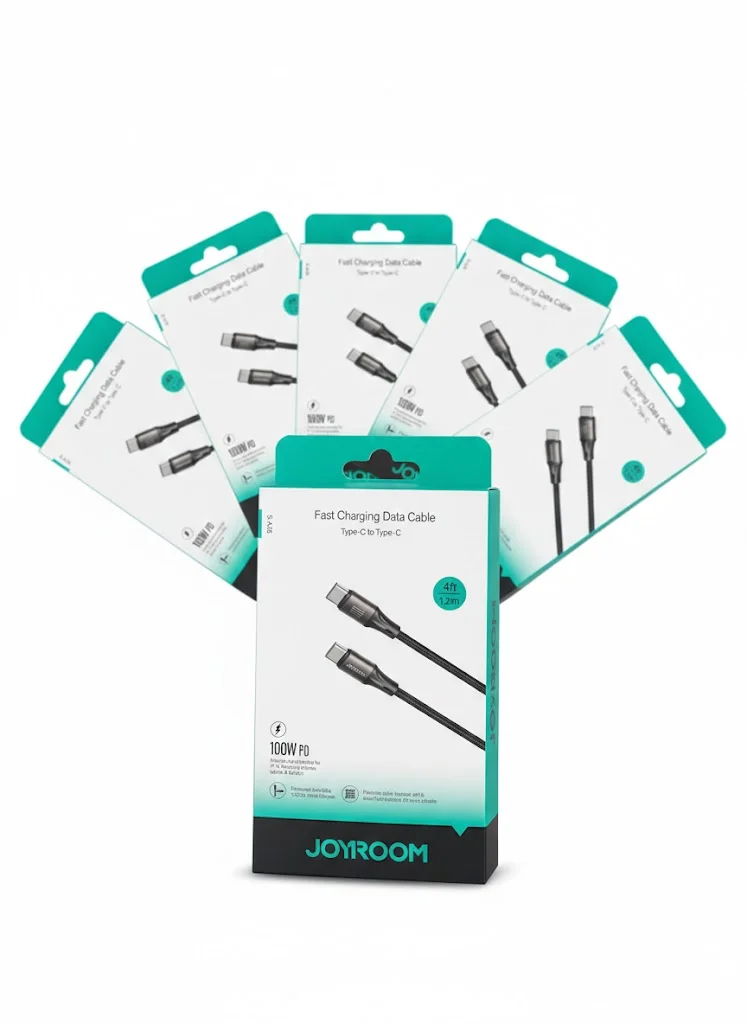
Joyroom USB-C to USB-C Cable JR-S-CC100
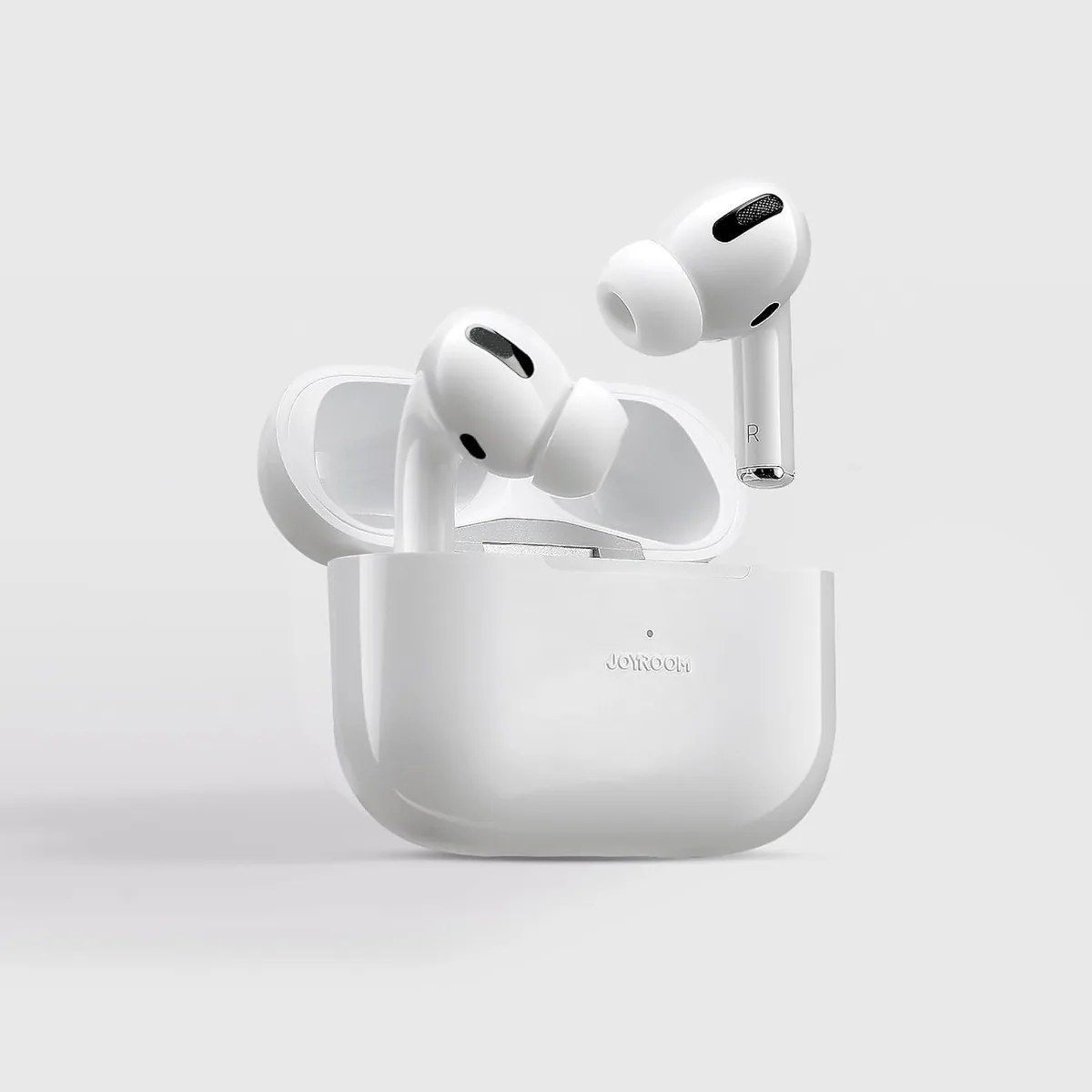
Joyroom JR-T03 Wireless Earbuds | 20H Battery | Bluetooth 5.0
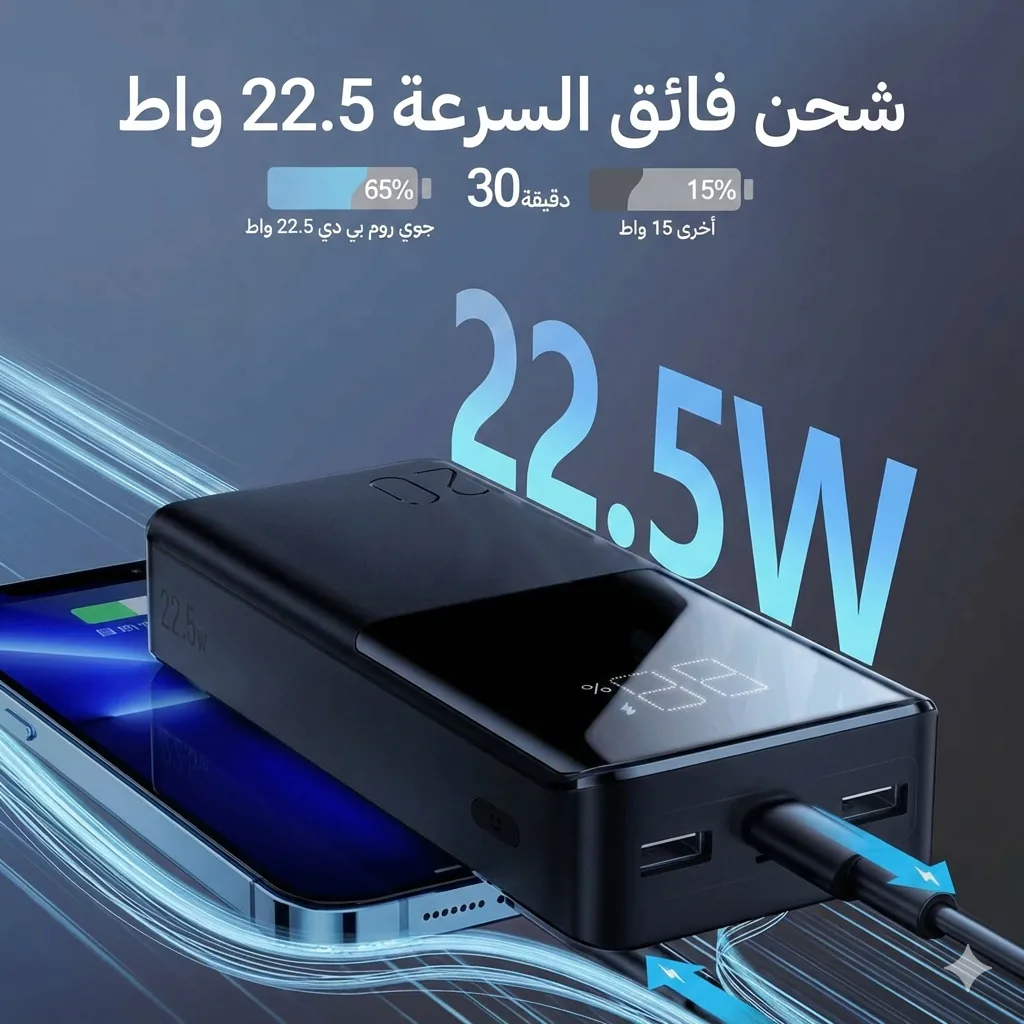
Joyroom 20000mAh Power Bank | 22.5W PD+QC | Triple Output