Oppo Reno Chargers & Accessories Guide: How to Choose SuperVOOC Alternatives
Own an Oppo Reno and need a replacement charger? We analyze the electrical principles of SuperVOOC, explain why standard USB-PD blocks charge slowly, and recommend the best cases and screen protectors.
TL;DR: Fast charging on Oppo Reno requires chargers and cables that support Oppo's proprietary SuperVOOC protocol (shared across BBK Group brands). Standard USB-PD chargers (Apple or Samsung) won't hit peak SuperVOOC speed, but recent models like the Reno 12 accept high-wattage USB-PD and still charge at roughly 25W to 45W with a good PD charger.
The **Oppo Reno** series (including the Reno 10, Reno 11, and Reno 12) has captured a massive share of the Egyptian market. This is due to their sleek aesthetics, excellent portrait camera systems, and large batteries that support rapid charging speeds via Oppo's proprietary **SuperVOOC** technology (at 67W and 80W rates). However, when the original in-box charger is lost or damaged, or when users want a secondary wall charger for the office, they run into a major issue: premium chargers meant for iPhones or Samsung flagships charge the Oppo Reno at a snail's pace. In this technical guide, we will analyze the electrical principles of Oppo's proprietary charging protocol and explain how to choose reliable third-party alternatives to safeguard your battery and avoid slow charging issues.
1. The Oppo Fast Charging Mystery: Why Do USB-PD Chargers Slow-Charge?
Many local users ask: "I have a high-quality 65W laptop charger and a certified 20W iPhone block. Why does my Oppo Reno take over two hours to charge when plugged into them?" The answer lies in differing **charging architectures**.
Most modern smartphones (including Apple, Samsung, and Xiaomi) rely on the **USB Power Delivery (USB-PD)** standard. USB-PD achieves high wattage by **increasing the charging voltage** (scaling up to 9V, 15V, or 20V) while keeping current relatively low (2A to 3A). This method requires step-down buck converters inside the phone to convert the high voltage to the battery's nominal level (around 4.2V). This conversion process generates substantial heat inside the phone's chassis during charging.
In contrast, Oppo's **SuperVOOC** utilizes a **low-voltage, high-current** methodology. The charger supplies voltage close to the battery's native level (between 5V and 11V) but delivers a massive current of **6A or 7.3A**. By avoiding voltage step-down inside the phone, the thermal conversion losses occur inside the wall adapter rather than the phone. This keeps the phone cool, allowing it to charge at peak speed even while gaming. Without this VOOC-specific protocol negotiation, the phone won't reach peak SuperVOOC speed on an iPhone or Samsung charger; older Reno models may fall back to a modest rate, while recent models like the Reno 12 accept high-wattage USB-PD (PD 10-55W) and still charge at tens of watts.
Dual-Cell Battery Architecture in Oppo Reno Series
One of the brilliant engineering solutions that allows Oppo to hit charging speeds of 80W and 100W without causing safety hazards is the use of a **dual-cell battery configuration**. Instead of pumping high voltage into a single, high-capacity cell (which creates extreme thermal dissipation), Oppo splits the battery into two series-connected cells.
When charging at 10V/6.5A, the charging circuitry distributes the load so that each cell receives 5V at 6.5A concurrently. This halves the internal resistance and thermal buildup, allowing the phone to complete its charging cycle rapidly and safely, a performance advantage unavailable on standard single-cell architectures.
A Brief History of VOOC and the BBK Electronics Power Alliance
The term **VOOC** stands for **Voltage Open Loop Multi-step Constant-Current Charging**. First introduced in 2014 on the Oppo Find 7, it revolutionized charging by delivering a then-unprecedented 4.5A current. As **BBK Electronics**—the parent conglomerate behind Oppo, OnePlus, Realme, Vivo, and iQOO—expanded, this charging system was shared across brand ecosystems.
OnePlus rebranded it as **Warp Charge** (formerly Dash Charge), Realme used **SuperDart**, and Vivo utilized **FlashCharge**. Electrically, they share identical protocols, voltage brackets, and amperage profiles. Consequently, a OnePlus Warp Charger or Realme SuperDart block will fast-charge an Oppo Reno at its native maximum rate, offering a wider pool of charger alternatives for local buyers.
2. SuperVOOC Cable Specifications: The Critical 7-Pin Layout
A charging cable is more than just copper wires. Oppo's SuperVOOC cables feature specific physical modifications:
- 🔌 Proprietary 7-Pin Design: The USB connector contains two additional pins (a total of 7 pins compared to 5 pins in standard cables). These extra pins transmit real-time thermal data and the cryptographic protocol handshake between the phone and adapter.
- ⚡ Thicker Copper Conductor Gauge: To carry up to 6.5A of current without electrical resistance causing thermal failure, SuperVOOC cables use high-purity, thick copper lines. Using a standard USB-C cable with a SuperVOOC charger disables fast charging immediately because the proprietary pins are missing.
3. Recommended Chargers and Accessories for Oppo Reno in Egypt
To protect your phone's power circuits and optimize battery longevity, we recommend the following compatible accessories:
Licensed Third-Party GaN Chargers
Recently, Oppo began licensing its VOOC/SuperVOOC charging standard to select accessory partners — Anker, for example, received a license under Oppo's Flash Initiative for home charging accessories. Other brands market VOOC/SuperVOOC-compatible chargers, which offer protocol compatibility rather than an official Oppo license. When shopping for multi-port GaN (Gallium Nitride) chargers, look for explicit **SuperVOOC 65W** or **VOOC** support in the specifications sheet. These GaN units can negotiate the native 10V/6.5A profile, supplying peak charging speed without the bulk of the original charger.
- ⚡ Joyroom 30W Fast Charger: The Joyroom 30W Fast Charger is an excellent choice. While it will not trigger the proprietary SuperVOOC speeds (which require licensed Oppo chips), it supplies a stable, regulated current and serves as a reliable secondary charger.
Heavy-Duty Type-C Cables
The cable is the lifeline of your Reno. To ensure stable power transfer:
- 🔌 Joyroom USB-C Cable: We recommend using the Joyroom Type-C to Type-C Cable or durable Anker cables for safe connection to USB-PD power hubs and high-speed data transfer.
Premium Bluetooth Earbuds
Oppo Reno devices support high-definition wireless audio protocols such as AAC and LDAC. To enjoy premium audio quality and clear call performance:
- 🎵 Joyroom Wireless Earbuds: We recommend the Joyroom JR-T03S Pro Wireless Earbuds. They pair seamlessly with Oppo's Bluetooth stack, offering excellent noise cancellation and high-fidelity sound reproduction.
4. Protecting Oppo Reno Curved Displays
Many Reno models (such as the Reno 10 Pro and Reno 11) feature elegant 3D curved displays. However, these screens present a significant protection challenge: cheap tempered glass protectors fail to adhere properly, leading to poor touch sensitivity and peeling edges.
To avoid these issues, we recommend using a **Nano-Polymer Flexible Screen Protector**, which adheres to the screen contours without peeling, maintaining touch fidelity and fingerprint sensor performance.
Critical Installation Cautions for UV Liquid Glass Protectors
Many owners in Egypt purchase UV liquid glass screen protectors because they bond strongly to curved edges. However, as hardware technicians, we urge caution during installation. If the liquid UV adhesive flows into the **earpiece speaker grill**, the **physical volume and power keys**, or the **USB-C charging port**, it will solidify instantly under the UV curing light.
This creates a hardened plastic blockage that ruins speaker sound, jams buttons, or blocks charging pins entirely. Always apply protective masking tape over all ports and openings before applying the liquid adhesive to prevent catastrophic hardware damage.
Impact of Metallic Bumper Cases on Antenna Signal & LinkBoost
Oppo Reno 12 features a proprietary connectivity technology called **LinkBoost**. Using 360-degree antenna arrays embedded in the device frame, it optimizes connection speeds in elevators, basements, and high-density environments. While this modem logic is highly advanced, utilizing **protective cases containing metal alloys** or heavy metal bumpers creates a local Faraday cage.
This blocks electromagnetic waves from reaching the antennas, forcing the modem chip to raise its transmit power to compensate. Consequently, you will experience signal drops, high latency, and rapid battery depletion. We recommend sticking to TPU or silicone cases to preserve LinkBoost efficiency.
5. Charging Protocol Comparison for Oppo Reno
| Charging Protocol | Electrical Mechanism | Oppo Reno Compatibility | Real-World Speed |
|---|---|---|---|
| Oppo SuperVOOC (OnePlus/Realme compatible) | Low Voltage + High Current (up to 6.5A+) | 100% Compatible (Native) | Peak Fast Speed (67W / 80W) |
| USB Power Delivery (Apple/Samsung) | High Voltage + Low Current (9V/2A) | Safe fallback charging | Partial PD speed (~25W-45W) |
| Cheap Counterfeit Chargers | Unregulated voltage (5V/1A) | Unsafe, risks battery damage | Very slow with high heat (5W) |
6. Verdict and CairoVolt Recommendation
Oppo Reno devices offer an exceptional high-speed charging experience, provided you use the original SuperVOOC charging brick and cable. CairoVolt advises against using generic or uncertified cables, which disable fast charging and put the battery at risk. Pair the device with certified charging alternatives for office use, and protect curved displays with high-quality nano-polymer screen protectors to maintain touch fidelity.
To prevent charging port issues caused by pocket lint and dust, check out our guide on how to safely clean your charging port to save on repair costs.

CairoVolt Editorial Team
Content team reviewing specifications and buying guides
The CairoVolt team reviews model numbers, specifications, and compatibility, and updates information when better data is available. Estimates are labeled as calculations, and readers can report information that needs correction.
Frequently Asked Questions
Can I charge my Oppo Reno with a Samsung 45W Fast Charger?▼
Are chargers from OnePlus and Realme compatible with Oppo devices?▼
Why does fast charging only work with Oppo's orange-accented USB cable?▼
What are the best screen protectors for curved-display Oppo Reno phones?▼
Ready to Buy?
Browse available products and review specifications and CairoVolt warranty terms before ordering
Related products
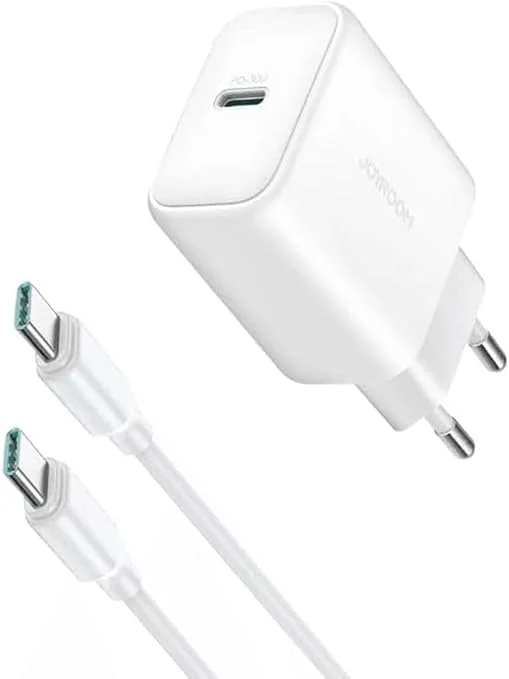
Joyroom 30W PD+QC Wall Charger | Dual USB-C and USB-A Ports
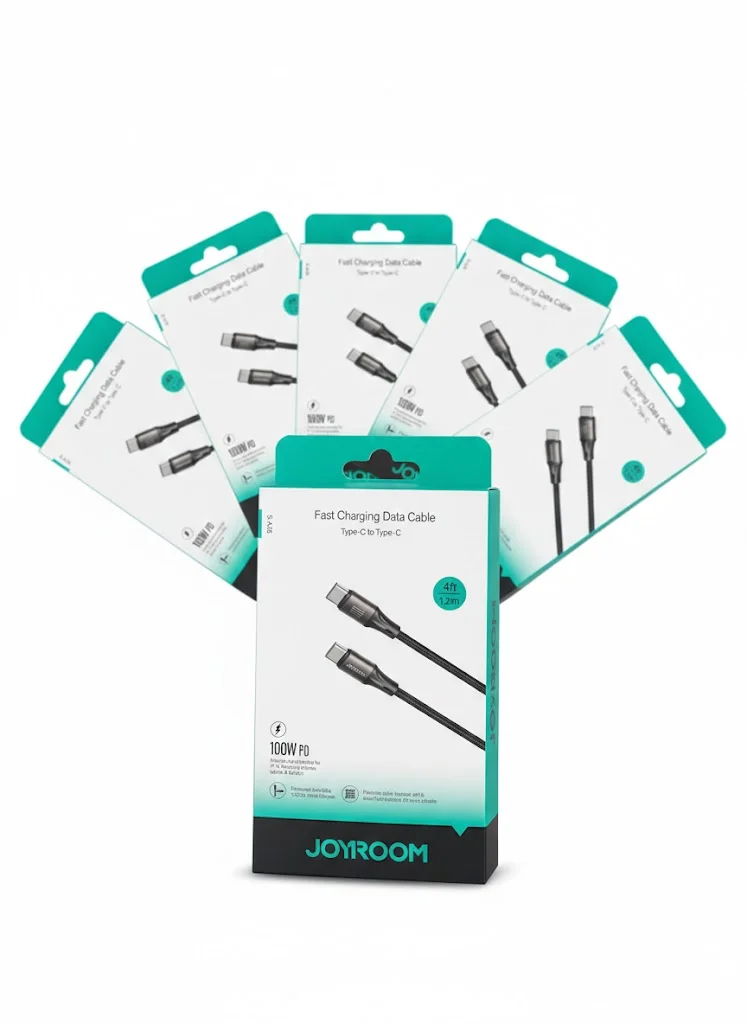
Joyroom USB-C to USB-C Cable JR-S-CC100
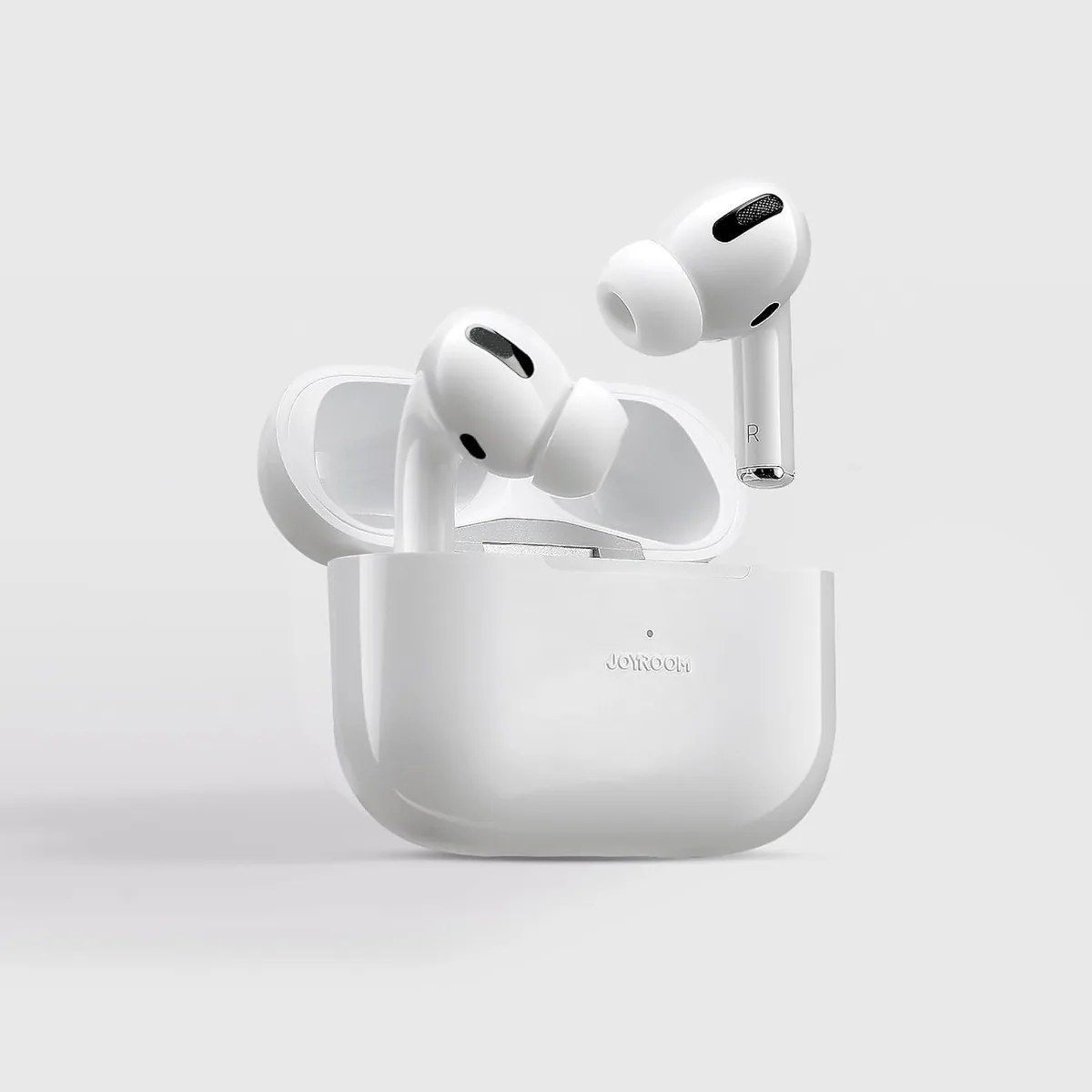
Joyroom JR-T03 Wireless Earbuds | 20H Battery | Bluetooth 5.0
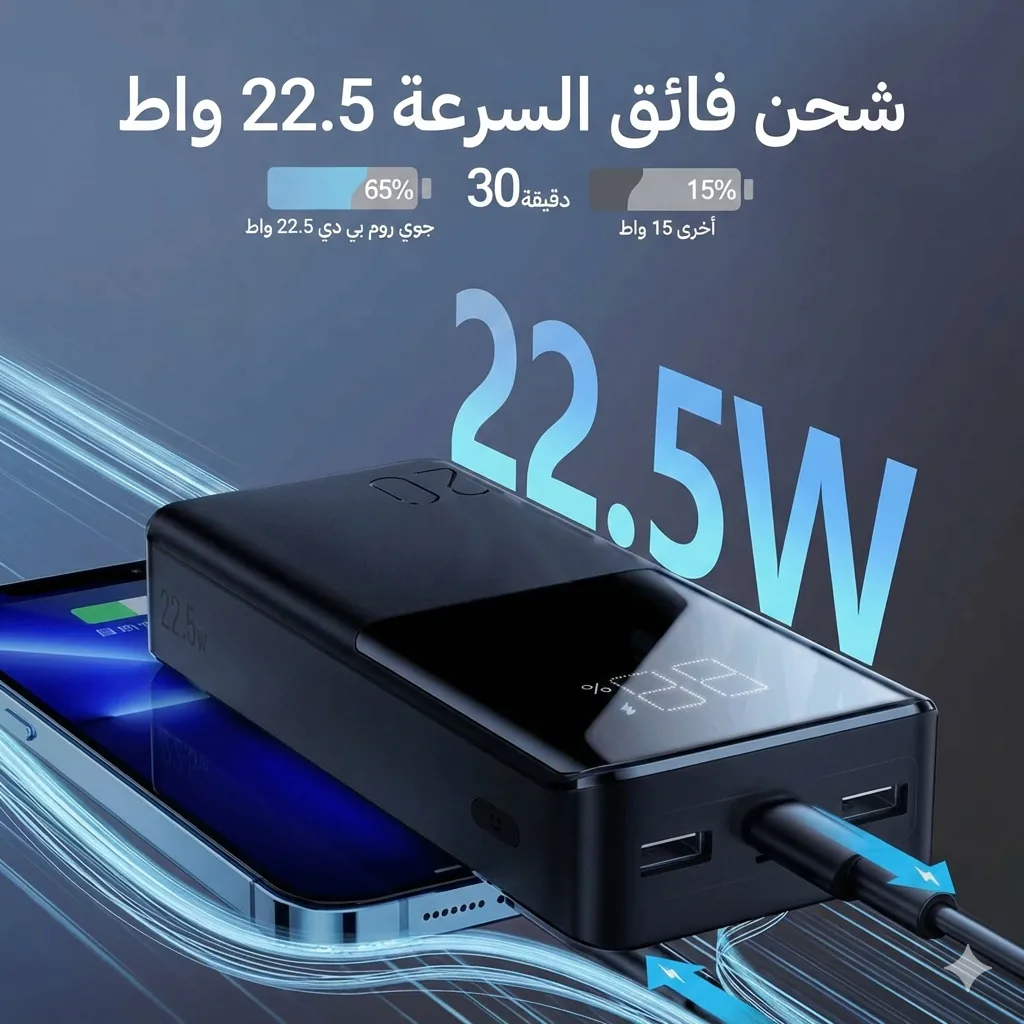
Joyroom 20000mAh Power Bank | 22.5W PD+QC | Triple Output