 CairoVolt Team
Smartwatch Magnetic Chargers — Original vs. Clones That Destroy Your Battery
Buying an expensive smartwatch and charging it with a cheap 50 EGP clone is a recipe for disaster. Learn how poor coil alignment, ripple voltage, and thermal stress ruin your device.
Quick Take: Fake magnetic smartwatch chargers damage your device due to three engineering flaws: Coil misalignment which leaks magnetic flux and heats the watch past 48°C, high ripple voltage (>150mV) that destroys the Power Management IC (PMIC), and the absence of auto-cutoff protocols which overcharges and degrades the small lithium battery.
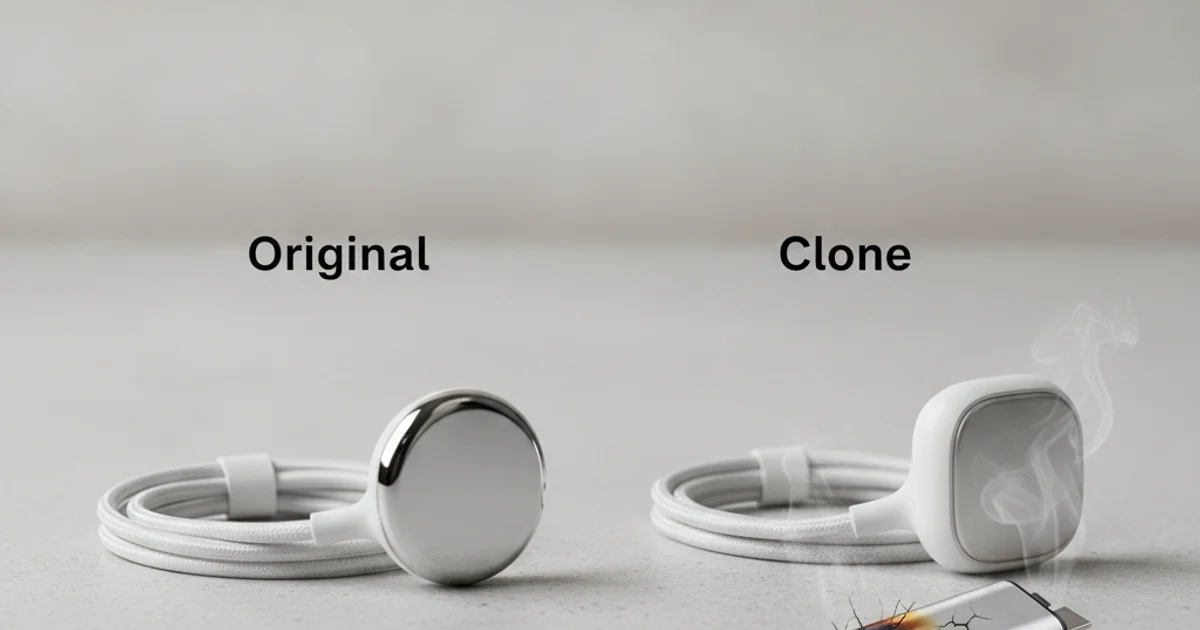
One of the most ironic sights in Egypt's mobile accessory market is seeing someone purchase a premium smartwatch worth 15,000 EGP or more, only to buy a cheap, generic magnetic charging cable for 100 EGP when the original is misplaced. Within a few months, they discover that their watch battery barely lasts half a day, or that the device has stopped working altogether with a discolored plastic backing. Magnetic smartwatch chargers are not simple wires; they are sophisticated inductive power transmitters. Here is the technical breakdown of how clone chargers ruin your wearable device.
💡 Quick Answer: Fake magnetic chargers lack precise coil alignment and ripple filtering, elevating smartwatch temperatures past 48°C and injecting erratic electrical noise that damages the Power Management IC (PMIC) and degrades lithium battery health.
1. Inductive Charging Physics and the Danger of Coil Misalignment
Smartwatches charge wirelessly using electromagnetic induction. Because watches are compact, they contain very small internal receiver coils. For power to transfer efficiently without loss, the transmitter coil inside the charger must align perfectly with the receiver coil inside the watch.
OEM chargers use precisely calibrated NdFeB magnets to snap the watch into the absolute center (the electrical "sweet spot"). In contrast, cheap clone chargers:
- Use weak, off-center, or low-grade magnets that fail to align the coils properly.
- This misalignment causes the magnetic flux to escape rather than couple with the receiver coil.
- This leaked magnetic flux generates eddy currents in the watch's chassis and metal back, converting electrical energy directly into heat and causing severe thermal stress.
2. Power Transfer Efficiency Loss and Thermal Catalysts
Genuine wireless smartwatch chargers operate at approximately 60% to 65% power transfer efficiency. While this means about 35% of the power is lost as mild heat, this heat is easily dissipated by the watch. In contrast, counterfeit chargers drop below 30% to 35% efficiency due to low-grade copper wire coils and cheap driver circuits.
This means that 70% of the energy consumed by the charger is converted into concentrated heat within the sealed smartwatch chassis. This heat acts as a direct catalyst, accelerating internal chemical decay, breaking down the electrolyte, and creating gaseous buildup that leads to swollen watch casings.
3. Decoupling the Smartwatch Charging Duty Cycle
Smartwatches do not charge at a constant rate throughout their cycle. Quality chargers follow a specific charging duty cycle. During the first 50% of the cycle (the fast charge phase), the charger delivers maximum safe current as the lithium cells can accept charge rapidly with minimal internal stress. Between 50% and 80%, the charger tapers the current to control thermal output. Above 80%, it enters trickle charge mode to safeguard battery chemistry.
Cheap clone chargers lack the circuitry required for dynamic current regulation. They apply a constant, maximum potential difference throughout the entire cycle, pushing full current even during the highly sensitive final saturation phase (90% to 100%). This continuous voltage stress fatigues the electrodes and drastically shortens battery life.
4. Ripple Voltage and Its Effect on the Wearable's PMIC Heuristics
Delicate microelectronics require clean, stable Direct Current (DC). Quality chargers utilize filter capacitors and inductors to smooth the output, reducing ripple voltage (residual periodic variation of the DC voltage) to under 20mV.
Clone chargers omit these filter circuits entirely to minimize production costs. Consequently, they output dirty DC with a ripple voltage exceeding 150mV, along with sudden voltage spikes. This electrical noise places a heavy load on the watch's Power Management Integrated Circuit (PMIC). The PMIC must work continuously to regulate this unstable current, causing it to overheat and eventually fail, leaving the watch completely unable to power on or charge.
5. Protocol Differences Across Wearable Platforms (Apple vs. Samsung vs. Huawei)
Different wearable manufacturers utilize distinct inductive coupling frequencies and power negotiation protocols:
- Apple Watch: Uses a proprietary inductive charging protocol. It accepts 5V inputs and draws between 0.3A for standard charging and 1.0A for fast charging on newer series (Series 7+). It negotiates with the watchOS system using an integrated secure-handshake microcontroller.
- Samsung Galaxy Watch: Utilizes WPC (Wireless Power Consortium) standards optimized for small wearables. The resonant frequencies and power levels differ from Apple's implementation. Attempting to charge a Galaxy Watch on an Apple-tuned charger (or vice versa) results in severe coil mismatch and excessive heat.
- Universal Clone Chargers: These try to mimic both frequencies using a single generic coil. This compromise fails to match either resonant frequency accurately, forcing the receiver circuit to operate at maximum losses, converting raw current into battery-damaging heat.
6. Mechanical Stability: Fixed Charging Stands vs. Loose Cable Pucks
From an engineering perspective, using a fixed charging stand (such as the Joyroom 3-in-1 Wireless Charging Station) is far superior to using a loose magnetic cable puck. In a fixed stand, the smartwatch is mechanically locked in a vertical or angled orientation, preventing physical shifting if the surface is bumped. This stable alignment ensures the transmitter and receiver coils remain perfectly aligned at their peak coupling coefficient. Loose magnetic pucks, on the other hand, can easily be nudged a few millimetres out of alignment, increasing flux leakage and waste heat generation.
7. Thermal Degradation and Lithium-Polymer Chemistry Decay
Smartwatch batteries are tiny Lithium-Polymer (Li-Po) cells, typically rated between 200mAh and 500mAh. High heat is the single greatest threat to lithium chemistry. Safe charging requires temperatures to remain under 37°C. Genuine chargers keep the device within this safe range through high efficiency and passive thermal dissipation.
Clone chargers push smartwatch temperatures past 48°C due to eddy currents and PMIC stress. This heat accelerates parasitic reactions inside the cells, causing electrolyte decomposition, gas generation (which causes battery swelling and screen lifting), and permanent capacity loss. The battery can lose up to 40% of its initial capacity in fewer than 50 charge cycles.
8. Absence of Communication Protocols and Overcharge Protection
Modern wearables communicate with their chargers. A genuine charger monitors feedback from the watch; if the watch reports 100% capacity or indicates an abnormal temperature spike, the charger immediately scales back the current or cuts power entirely.
Clone chargers are "dumb" power supplies with no communication logic. They continuously pump electromagnetic energy into the watch regardless of battery state or temperature. This constant potential difference places the battery under continuous voltage stress, accelerating structural decay of the electrodes.
9. How to Test and Identify Fake Smartwatch Chargers at Home
You can verify the electrical safety of your charger using three simple methods:
- Thermal Check: Place the watch on the charger for 30 minutes. If the screen or backing feels uncomfortably hot to the touch (exceeding 40°C), the charger is highly inefficient and generating excessive waste heat.
- USB Multimeter Test: Connect the charger through a digital USB analyzer (like an FNB48). A genuine charger displays a smooth, stable current curve that tapers down as the battery fills. A clone displays continuous, wild current fluctuations.
- Magnet and Weight Inspection: Original chargers are heavier due to copper coils and shielding, and feature strong magnets. Clones feel hollow, weigh very little, and slide off the watch with minimal movement.
10. Technical Comparison: Original vs. Clone Chargers
| Technical Metric | OEM/Certified Charger | Generic Clone Charger |
|---|---|---|
| Coil Alignment | Precise (calibrated NdFeB magnets) | Poor (misaligned magnetic fields) |
| Wireless Charging Efficiency | High (60% - 65% efficiency) | Low (< 35% efficiency, 70% lost as heat) |
| Watch Temp During Charge | Cool to tepid (32°C - 36°C) | Hot and dangerous (45°C - 50°C) |
| Ripple Voltage | Very low (< 20mV) | High and unregulated (> 150mV) |
| Auto Cut-off Support | Yes (responds to watch telemetry) | No (continuous unregulated induction) |
If you need a replacement smartwatch charger, look for certified third-party options that carry official licensing, such as Apple's MFi certification. Brands like Joyroom or Anker include built-in over-voltage and thermal management microchips, ensuring your wearable remains safe during charge cycles.
Investing in a high-quality, certified charger for your smartwatch is a necessity to protect your hardware. Saving money on a cheap cable will ultimately result in high repair bills for battery replacements or fried power management circuitry. If you are shopping for a watch that comes with its original charger in the box, browse Joyroom smartwatches.
CairoVolt Team
Tech Editor
Frequently Asked Questions
Why does my Apple Watch get hot on a fake charger?▼
Can a cheap watch charger brick my device?▼
How can I identify a genuine Samsung watch charger?▼
Can I plug my smartwatch charger into a 45W fast wall adapter?▼
Ready to Buy?
Browse available products and review specifications and CairoVolt warranty terms before ordering
Related products
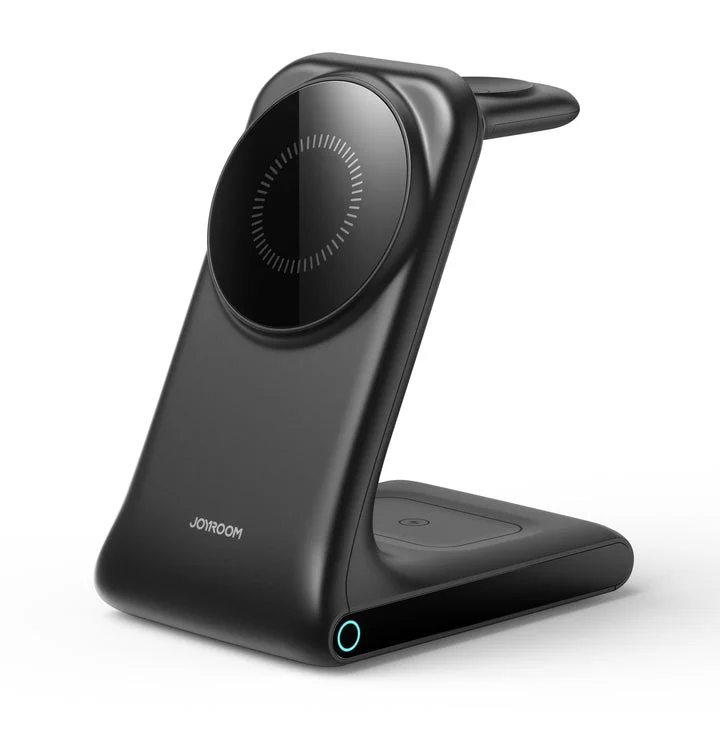
Joyroom 3-in-1 MagSafe Station | iPhone 17 + Apple Watch + AirPods | 15W | Aluminum
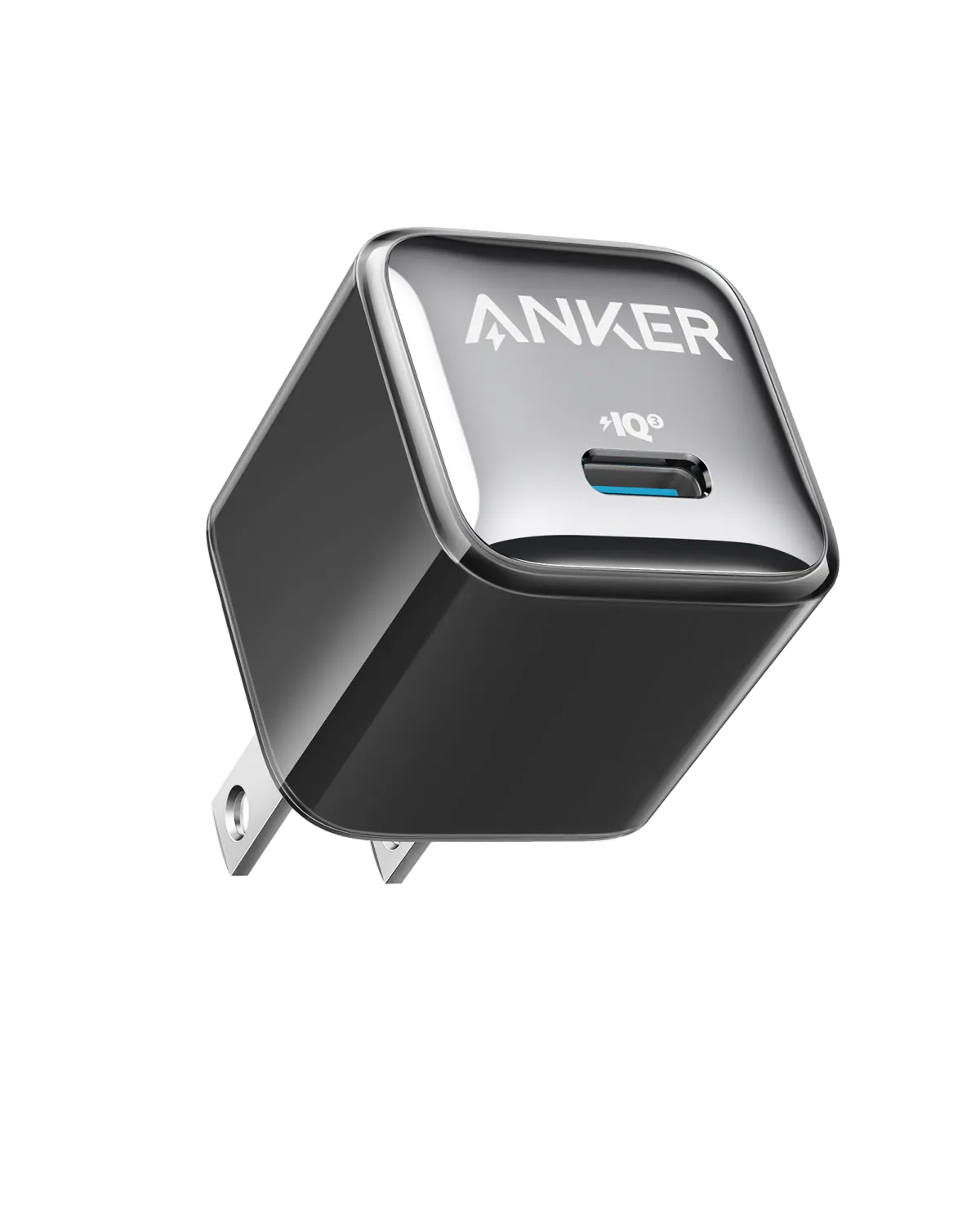
Anker A2347K11 20W USB-C PD Charger | Check Device Profile and Plug
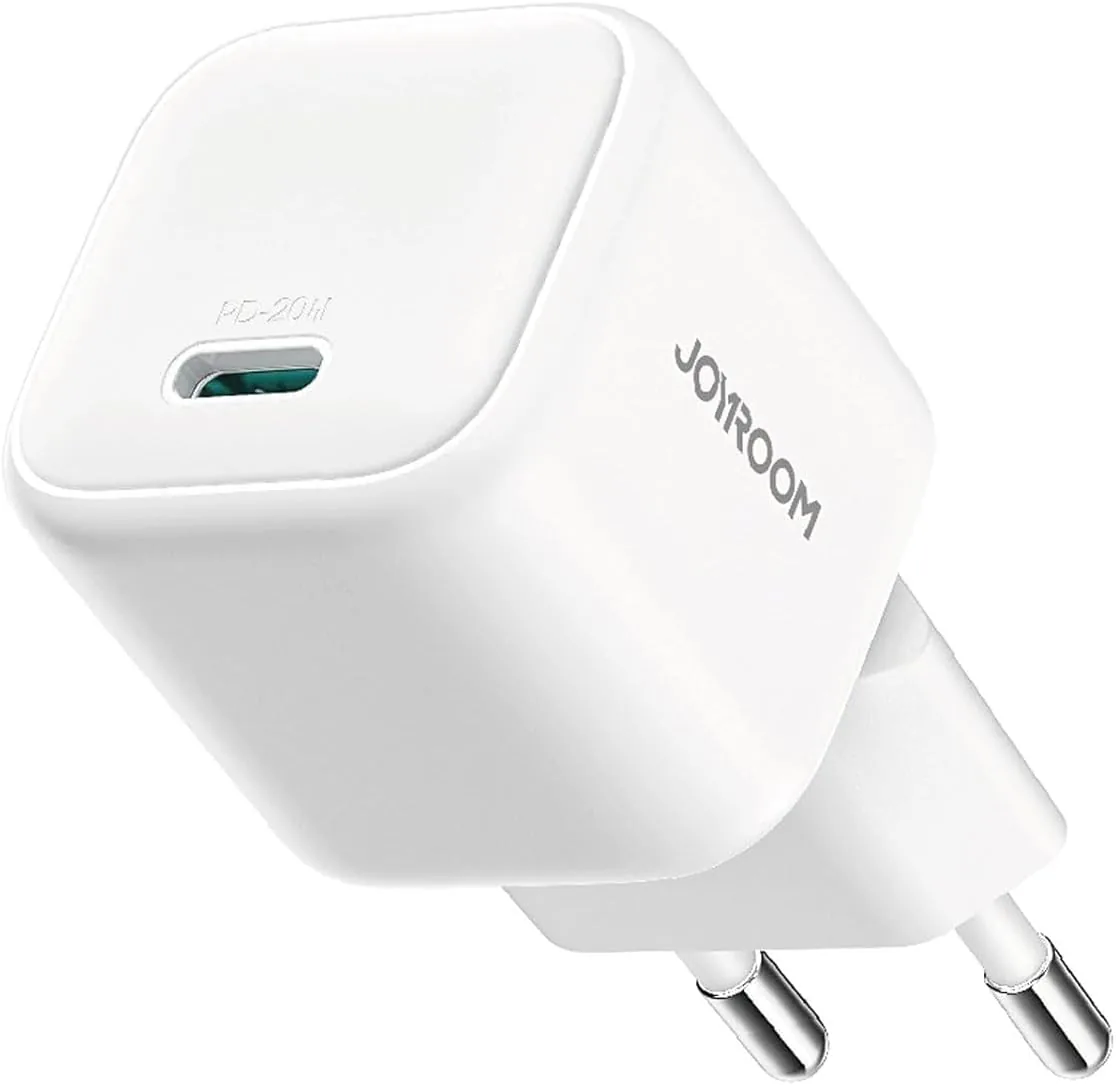
Joyroom 20W USB-C PD Charger | iPhone 17 Fast Charge
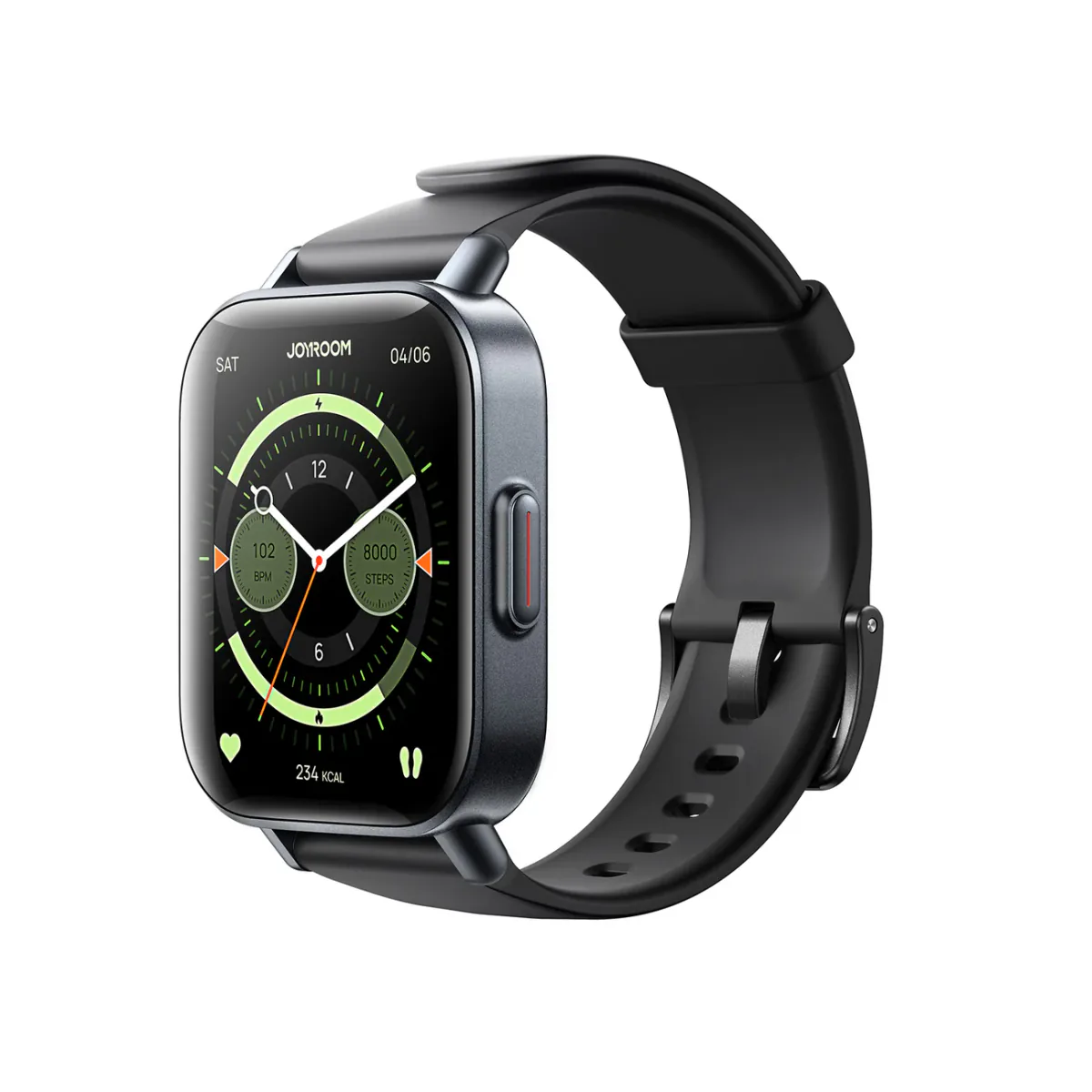
Joyroom FT3 Smartwatch | Manufacturer-Listed IP68, Sports Modes and Heart-Rate Sensor