 CairoVolt Team
Original Apple Charger vs Fake — Fine Details, Weight & Serial Number Checks
Buying a new iPhone charger? In this technical guide, we break down the fine physical and internal details that distinguish an authentic Apple 20W adapter from high-quality counterfeits.
TL;DR: To identify an authentic Apple 20W USB-C charger, perform three critical checks: Weight (original weighs 55-58g; fake is under 40g), Internal Serial Number (a laser-etched 17-digit code printed inside the USB-C port), and Font Quality (original text is light grey and crisp; fakes use dark, blurry black ink or have typos).
Your iPhone is a premium, high-value device, and keeping it healthy starts with the quality of the electricity feeding its battery daily. Ever since Apple decided to remove the power adapter from the retail box starting with the iPhone 12 series, buying a replacement charger has become a risky endeavor in Egypt. Local retail markets and e-commerce platforms are flooded with highly convincing counterfeits, often referred to as "High Copy" or "Store Original," making it virtually impossible for average consumers to spot them at first glance.
The danger is that these counterfeit chargers lack essential power safety circuits. Their cheap internal PCBs omit voltage-clamping components, current-limiting resistors, and proper electrical isolation, which risks frying your iPhone's power IC (the TriStar or Hydra charging chip). Repairing this chip is an expensive and complex motherboard procedure. In this detailed guide from the CairoVolt lab, we explore the physical and electrical differences between genuine and fake Apple 20W USB-C chargers, showing you how to verify weight, check internal serial numbers, and inspect plastic quality. If you are still deciding on the right wattage, see our guide to choosing an Apple charger wattage & price, and for the quick in-store checks read 7 ways to tell an original Apple charger from a fake.
💡 Tech Summary: Authentic Apple 20W adapters (model A2305) integrate metal shielding and dense thermal compounds, bringing their weight to 55-58 grams. Any unit weighing less than 48 grams is a counterfeit, regardless of how accurate the packaging appears.
1. The Hazards of Counterfeit Power Adapters on iPhone Circuitry
An original Apple power adapter is not just a passive plug; it is a micro-controlled power supply featuring a flyback converter that communicates dynamically with the iPhone's iOS power management system. Counterfeits replace this engineering with rudimentary, unregulated circuits.
The primary risks of cheap fake adapters include:
- TriStar/Hydra Power IC Damage: This controller chip on the iPhone's motherboard regulates charging logic. High-frequency voltage ripples from low-cost adapters wear out the chip. Once damaged, the phone suffers from rapid battery drain, excessive standby heat, or fails to charge and boot entirely.
- Thermal Stress and Cell Degradation: Unregulated power delivery generates substantial heat inside the phone. Heat accelerates the breakdown of the battery's lithium chemistry, causing maximum capacity percentages to drop abnormally within weeks.
- Electrical Fire and Shock Risks: Genuine chargers maintain a strict physical clearance (creepage and clearance distances) between the high-voltage 220V AC input side and the low-voltage 5V DC output side. Fake chargers reduce this spacing, risking high-voltage crossover that can destroy the phone or shock the user.
2. Analyzing Regulatory Markings and Country of Origin
Apple prints technical specifications in a very faint, light-grey font between the metal pins of the wall plug. Counterfeits rarely replicate the quality of this print:
- Origin Formatting: The text must read: "Designed by Apple in California," followed by the assembly location, which is restricted to three authorized regions:
- Assembled in China: The most common assembly site.
- Assembled in Vietnam: Apple's Vietnamese manufacturing lines.
- Assembled in India: Indian assembly lines.
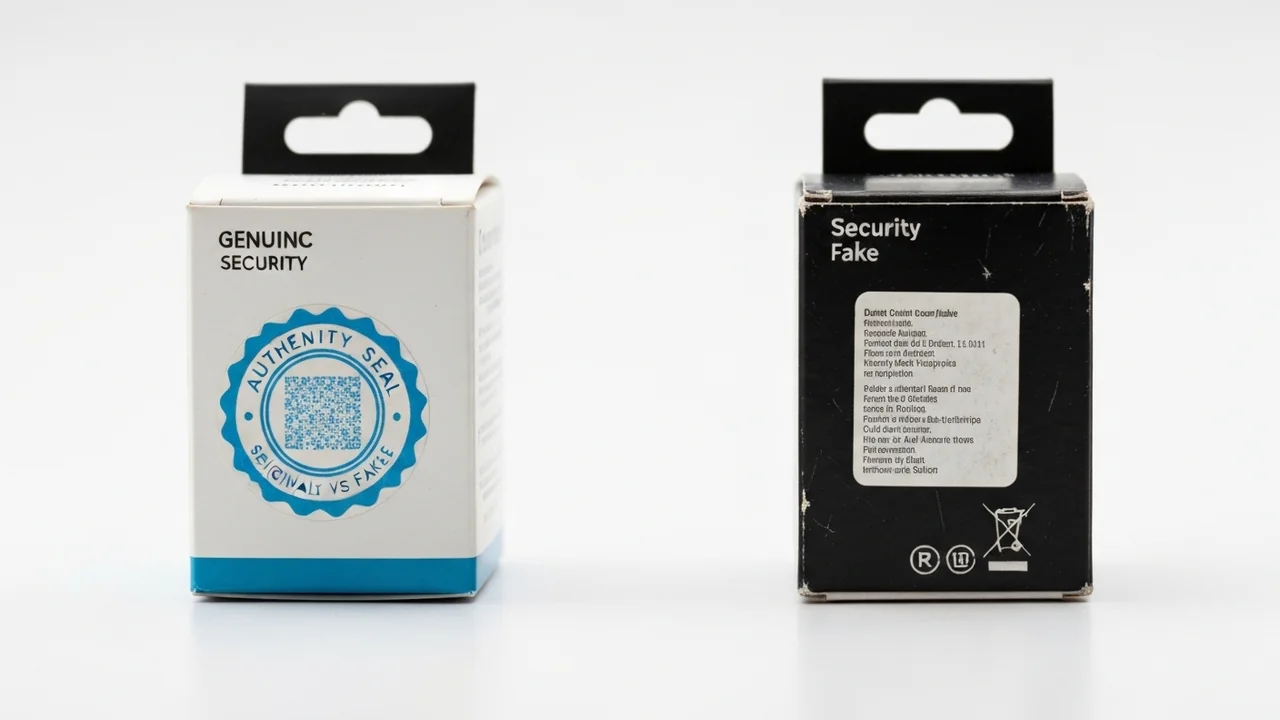
- Ink and Color Check: Genuine adapters feature crisp, laser-etched grey text that is almost flush with the plastic. Fake adapters use cheap black or dark grey screen printing ink that feels raised and smudges off easily under friction.
3. The Weight Specification Test and Internal Heuristics
The weight test is one of the most reliable methods to identify a fake. To reduce manufacturing and shipping costs, counterfeiters omit the heavy internal copper inductors, dual-sided PCBs, and thick aluminum shielding plates.
- Authentic Apple 20W Charger Weight: Weighs precisely between 55 and 58 grams (for the standard European dual-pin EU plug model). This weight is due to the high-density copper transformer core, dual aluminum heat sinks, and the heavy insulating potting compound filling the internal cavity.
- Counterfeit Weight: Typically ranges between 32 and 42 grams. The adapter feels noticeably hollow and light in the hand. Some high-end counterfeits insert a block of scrap iron inside to simulate the weight, but this iron block is not connected to any electrical circuits and does not aid in heat dissipation.
4. Inspecting the USB-C Port Internals
Look directly inside the USB-C port of the adapter. On a genuine Apple charger, the center plastic tab holding the pins is perfectly centered and straight. The metal pins themselves are gold-plated and uniform in size. On counterfeit units, the center tab is often off-center or crooked, and the pins are silver-colored, misaligned, or exhibit solder residue, which causes poor electrical contact and sparking.
5. Verifying the Hidden Internal Serial Number
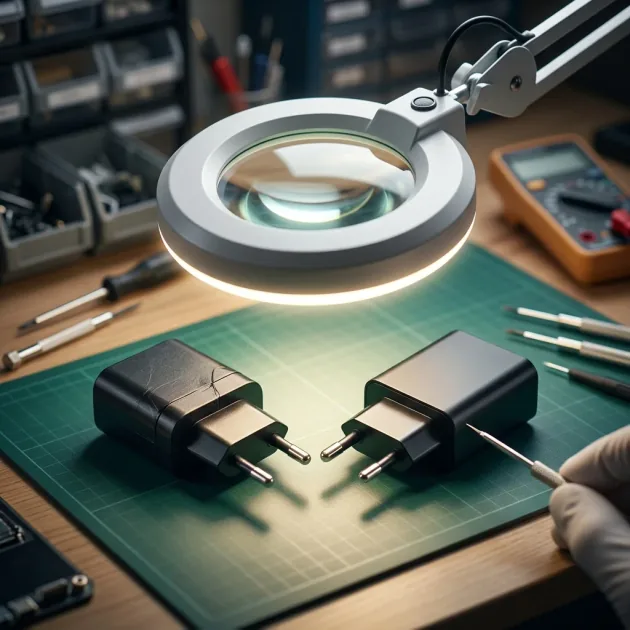
Inside the USB-C port of an original charger, Apple laser-etches a tiny 17-digit serial number. To read it, you will need a strong light source and a magnifying glass or a smartphone camera zoomed in at 3x or 5x. The serial number should be perfectly aligned and legible, following a structured alphanumeric format that details the factory code (e.g., C4H or FL4), production week, and unit index. Fake adapters either have a blank port interior or print a generic, duplicate serial number that does not match the serial number printed on the retail box's barcode label.
6. Casing Material, Texture, and Pin Alignment
Genuine Apple chargers use high-grade, flame-retardant polycarbonate with a premium matte white finish. Counterfeits use cheap, glossy ABS plastic that scratches easily and turns yellow under heat. Additionally, the metal prongs of the plug on original chargers are perfectly parallel, firmly anchored, and feature a bead-blasted matte finish, while fakes have shiny, chrome-plated pins that may be loose or crooked.
7. Thermal Dissipation in Authentic Apple Chargers
Original chargers are filled with a specialized, non-conductive thermal potting compound that bridges the gap between the hot power components and the outer shell. This allows heat to be conducted away from the internal circuit board efficiently. This potting compound is why the charger feels heavy and why it gets warm during bulk charging (0% to 50%). Fake chargers lack this compound, causing the internal components to overheat to dangerous levels (above 90°C) while the outer shell remains deceptively cool.
8. Electromagnetic Shielding in Premium Apple Accessories
Modern switching regulators operate at high frequencies (up to 100kHz), which inherently generates radio frequency noise. Authentic Apple chargers feature wrapped copper foil shields and common-mode chokes to suppress this noise. Cheap counterfeit chargers omit this EMI shielding. This allows electromagnetic interference to leak into the environment, causing static on car radios and inducing phantom touchscreen behavior (ghost touch) on your iPhone while charging.
9. Line Filtering and Voltage Clamping Heuristics
The electrical grid in Egypt is prone to sudden voltage surges when utility power is restored after a load-shedding cycle or an outage, as well as transient surges from domestic high-power appliances like air conditioners, water pumps, and elevator motors running on the same residential phase. Authentic Apple chargers incorporate metal oxide varistors (MOVs) and high-quality filtering capacitors that act as an active surge protector. If a massive voltage spike occurs, these premium components clamp the voltage to a safe level or blow the internal thermal fuse to completely isolate the phone from the grid, preventing damage. Counterfeit adapters lack this surge protection entirely to save on material costs, allowing high-voltage spikes to pass straight through the cable into the iPhone's PMIC, destroying the logic board instantly and posing a severe fire hazard inside your home.
10. Lab Guidelines for Safe Charging in Egypt
To protect your iPhone and battery health from electrical fluctuations in Egypt, apply these guidelines:
- Use the Right Cable for Your iPhone's Port: A genuine charger is only half the equation. If your iPhone uses Lightning, make sure the cable's package carries Apple's MFi (Made for iPhone) mark. For iPhone 15 and later (USB-C), use a USB-C to USB-C cable from a known brand rated for at least 3A, such as the Anker PowerLine III USB-C to USB-C or the Joyroom 60W USB-C cable.
- Buy From a Seller That Gives an Invoice and a Written Warranty: Avoid buying chargers from small street kiosks or unverified online pages offering heavy discounts. Buy from a seller that issues an invoice and a written warranty in its own name (such as Apple's resellers in Egypt like Tradeline, Raya or B.TECH, or an independent store like CairoVolt with its written store warranty), and remember that packaging or a barcode alone does not prove authenticity. If you prefer an alternative, USB-C PD chargers from known brands such as Anker are a common choice.
- Enable Optimized Battery Charging: Go to Settings -> Battery -> Battery Health & Charging, and turn on Optimized Charging. This feature reduces battery wear by delaying charging past 80% until you need to use your phone.
11. Spotting Counterfeit Apple USB-C to Lightning Cables
Just like the wall adapter, a counterfeit cable presents significant risks. Original Apple cables are highly flexible, have a clean matte finish, and feature the text "Designed by Apple in California" followed by "Assembled in China" or "Assembled in Vietnam" and a 12-digit serial number printed approximately 18cm from the USB connector. More importantly, check the gold contacts on the Lightning connector. Genuine contacts are smooth, rounded, and made of a single polished piece of gold or silver-plated copper. Fake cables have rough, square contacts with uneven edges and visible solder joints, which can cause poor connections, damage your iPhone's charging port pins, and prevent fast charging entirely.
In conclusion, buying a genuine charger and cable from a seller that gives you an invoice and a written warranty is the best investment to protect your device's hardware and maintain rapid charging speeds safely. Spending slightly more on genuine accessories protects your high-end smartphone and prevents expensive repairs or battery replacements in the future, guaranteeing peace of mind and maximum charging efficiency daily.
CairoVolt Team
Tech Editor
Frequently Asked Questions
Does charging with a fake adapter degrade iPhone battery health?▼
How do I verify the serial number on the box?▼
Are Anker chargers safe for iPhone as a replacement?▼
What is the correct Apple 20W charger model for Egypt?▼
Ready to Buy?
Browse available products and review specifications and CairoVolt warranty terms before ordering
Related products
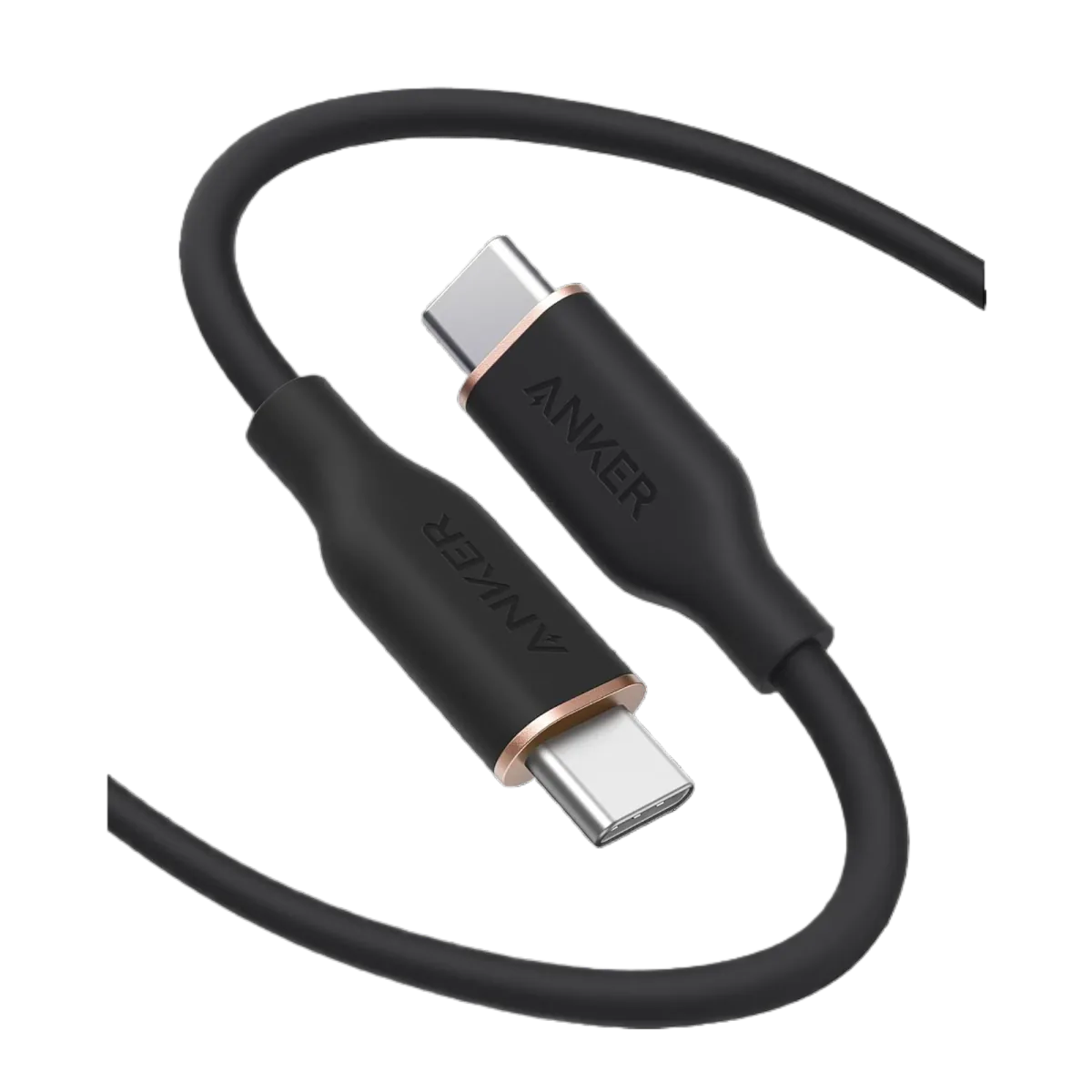
Anker PowerLine III USB-C to USB-C | 60W | iPhone 17 & Samsung S26
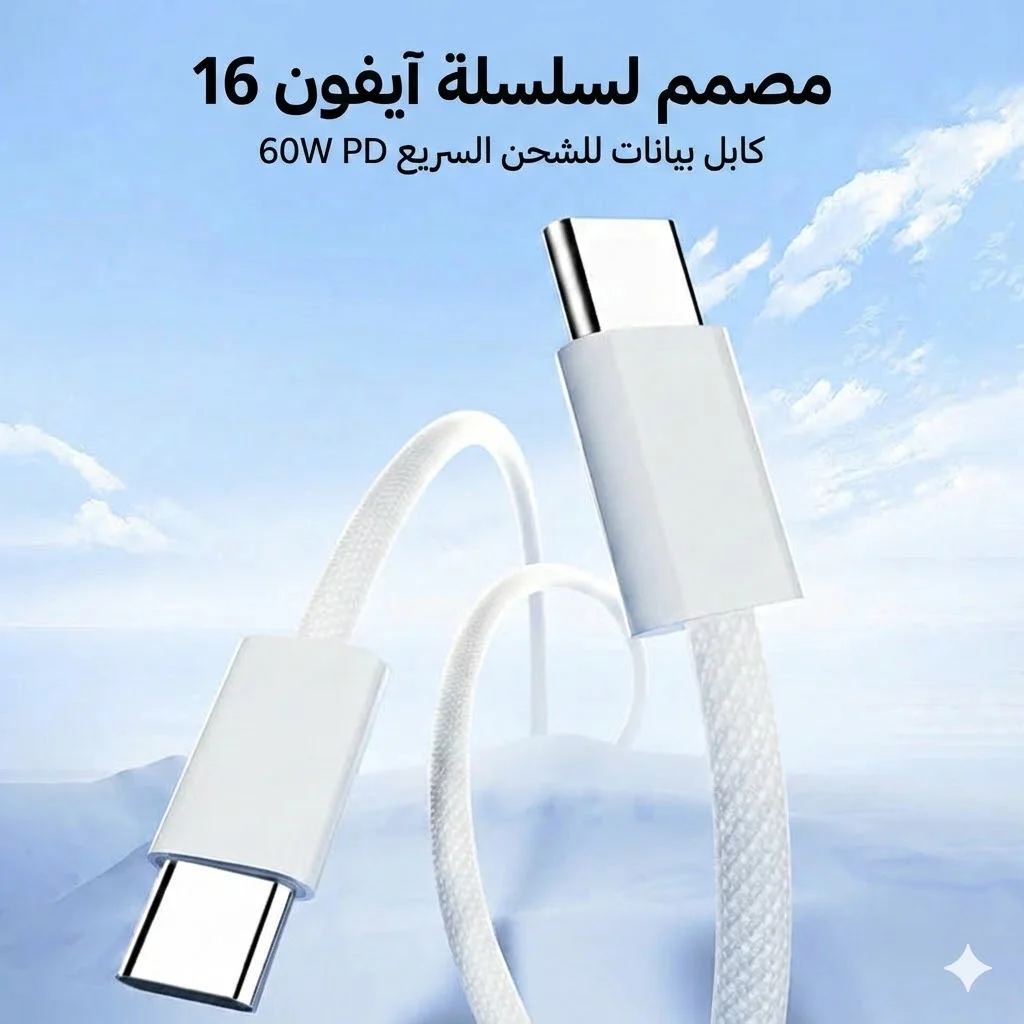
Joyroom 60W USB-C to USB-C Fast Charging Cable
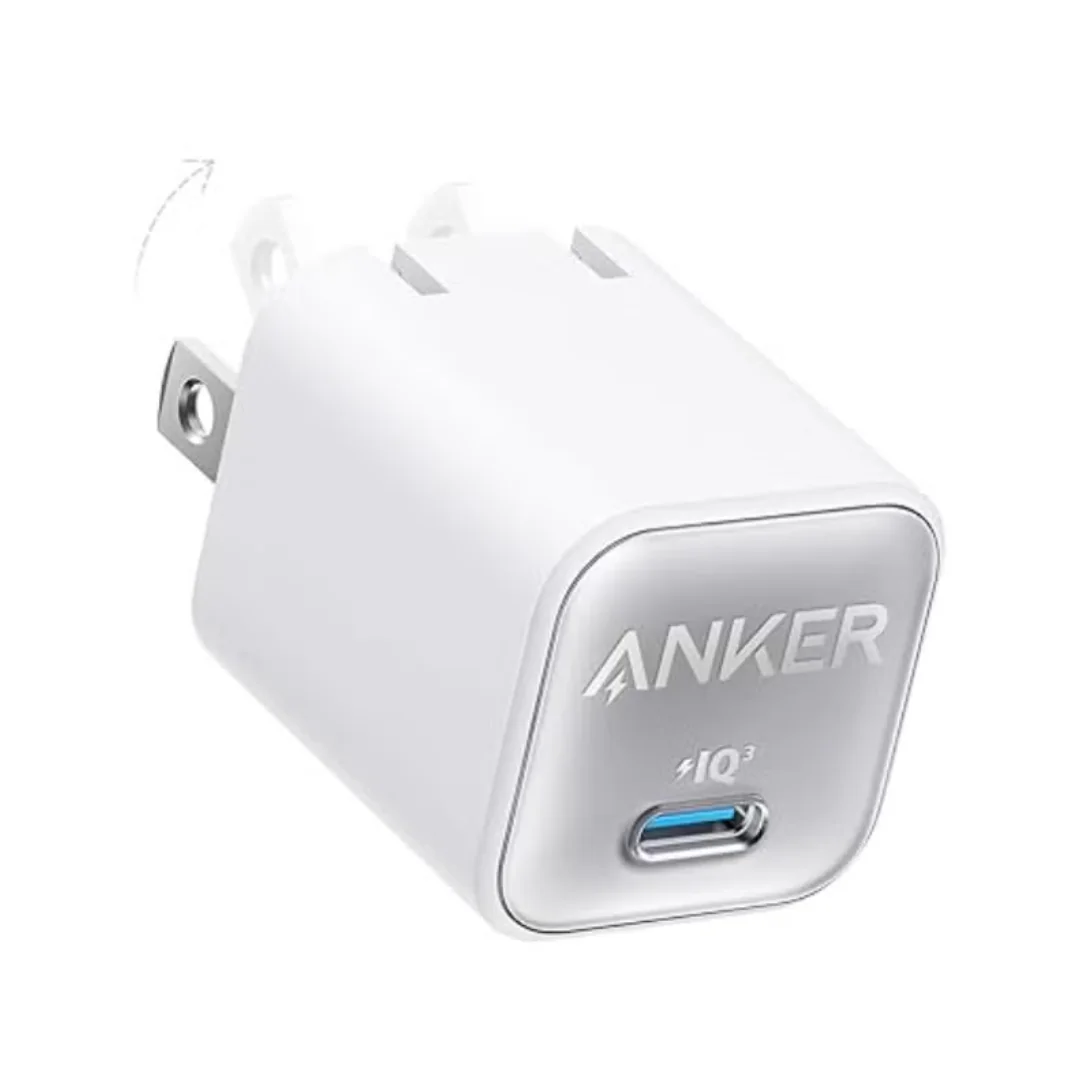
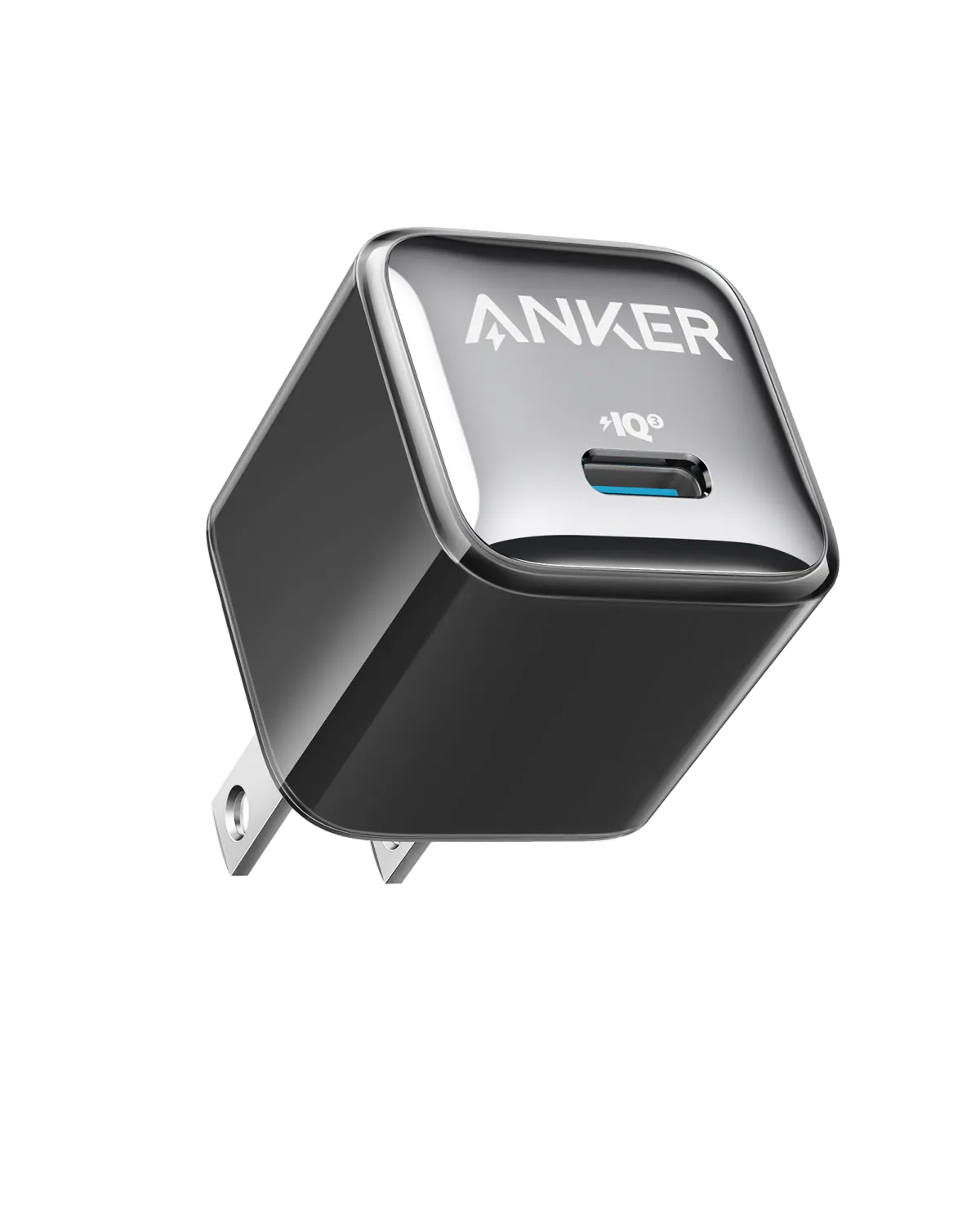
Anker 511 Nano 3 GaN Charger 30W (A2147) | USB-C PD | IQ3