
 CairoVolt Team
Oppo SuperVOOC Chargers in Egypt — Prices & Counterfeit Detection Guide
Looking for an original charger or cable for your Oppo Reno or A series phone? We review the SuperVOOC protocol, check retail prices in Egypt, and show how to detect fakes.
Quick Take: Fast-charging Oppo smartphones requires a charger and cable that explicitly support Oppo's proprietary SuperVOOC protocol. Third-party USB-PD chargers (like Samsung or Apple adapters) will only charge Oppo devices at standard 10W-18W rates. Original units feature distinct 7-pin cables and trigger decimal-point battery animations on the screen.
Oppo has achieved immense popularity in the Egyptian smartphone market with its mid-range Reno and A series devices. One of the standout features of these smartphones is their proprietary charging speed, ranging from 33W to 80W and up to 100W in flagship models. However, this feature can become problematic if the original wall adapter or USB cable is lost or damaged. The Egyptian retail market is flooded with counterfeit chargers that charge slowly and pose severe risks to the phone's battery health.
Oppo devices utilize a closed, proprietary charging ecosystem known as VOOC and SuperVOOC. Because of this, you cannot simply buy a standard 65W fast charger from a different brand and expect it to charge your Oppo phone at its maximum rate. In this comprehensive technical guide from the CairoVolt lab, we analyze the engineering behind the SuperVOOC protocol, explain the significance of Oppo's custom multi-pin cables, list current retail prices in Egypt, and provide instructions to detect counterfeit adapters.
💡 Tech Summary: SuperVOOC relies on a low-voltage, high-current charging profile (such as 10V/6.5A for 65W). This necessitates a specialized cable with an E-Mark equivalent security MCU and an extra contact pin inside the USB-A connector. Generic cables lack these components and default to 10W charging.
1. Decoding Oppo's Proprietary Tech: SuperVOOC vs. USB-PD
Most smartphone manufacturers, including Apple and Samsung, adopt the USB Power Delivery (USB-PD) standard. USB-PD works by increasing the voltage (such as 9V, 15V, or 20V) while keeping the current relatively low (usually 2A to 3A). This method forces the phone's internal power management IC (PMIC) to convert the high voltage down to the battery's nominal charging voltage (around 4.4V), which generates substantial heat inside the phone during charging cycles.
Oppo's VOOC engineering operates on an entirely different concept:
- Low Voltage, High Current: The wall adapter itself regulates the voltage down to the battery's native charging level (typically 5V or 10V) and pumps a high current (up to 6.5A or 8A) directly to the battery.
- Offloaded Thermal Burden: Because the voltage regulation occurs entirely inside the wall adapter rather than the phone, the smartphone remains cool during charging. This allows users to play games or use GPS navigation while fast charging without triggering thermal throttling.
- Restricted Third-Party Charging: Oppo limits charging rates when non-VOOC accessories are detected. If you use a premium Anker or Samsung PD wall adapter, your Oppo phone will fall back to standard 10W or 18W charging speeds.
2. The Architecture of the 7-Pin SuperVOOC USB Cable
If you look closely inside the USB-A connector of an original Oppo cable, you will notice a distinct green plastic tongue and an extra recessed copper contact (the 5th pin). Standard USB cables only feature 4 pins for power and data transmission.
Original SuperVOOC cables are designed with specific hardware requirements:
- 7-Pin Configuration: Modern VOOC Type-C cables use 7 pins to establish a secure communication channel between the phone and the charger's micro-controller unit (MCU).
- Authentication MCU: During the handshake phase, the phone's firmware verifies the presence of an authentic Oppo MCU inside the cable. If the handshake fails, the fast-charging protocol is disabled for safety.
- Heavy Gauge Copper Core: Carrying currents of 6.5A or 8A requires exceptionally low resistance. Authentic Oppo cables feature copper cores that are significantly thicker than standard 3A cables to prevent electrical resistance from generating dangerous levels of heat.
3. How to Identify Authentic Oppo Chargers in Egypt
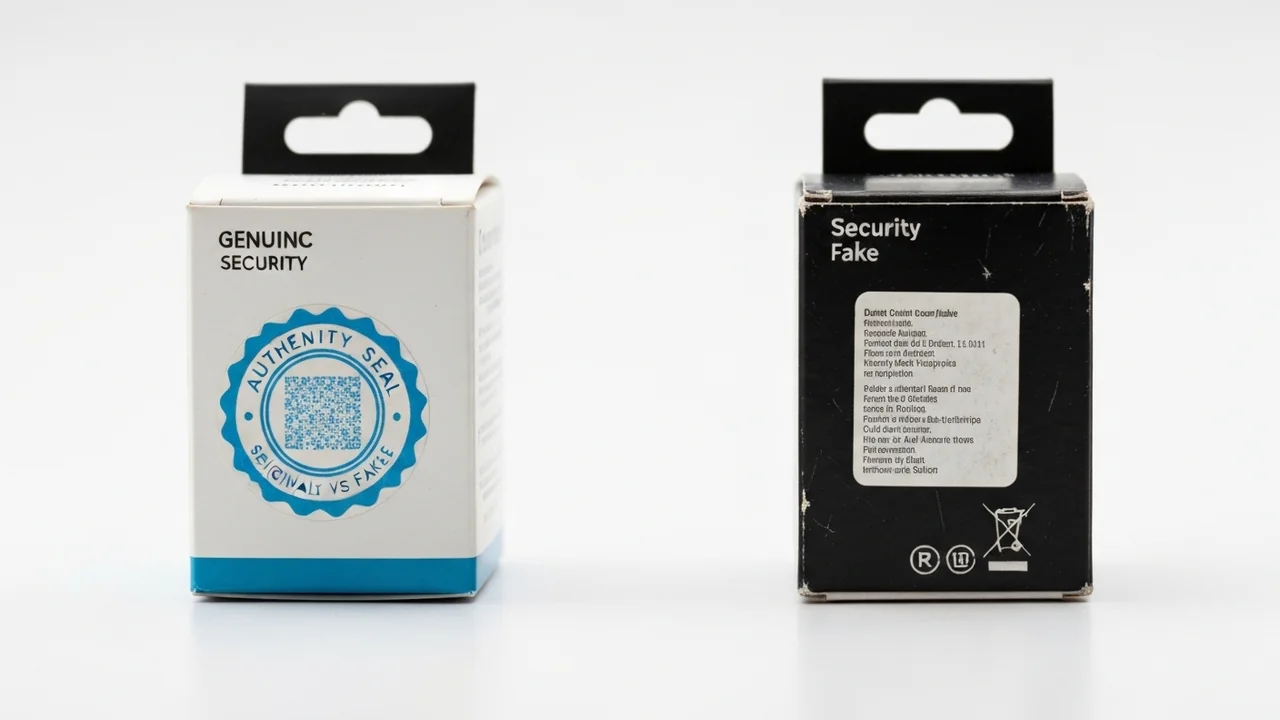
Counterfeit Oppo chargers are highly prevalent in the Egyptian market. These fake chargers lack over-current protection and can cause battery swelling or logic board burnout. Use these tests to confirm authenticity:
- Monitor the Decimal Charging Interface: When plugged into a genuine SuperVOOC charger, the screen will display a colorful charging bubble showing the battery percentage increasing with two decimal places in real-time (e.g., 45.12% -> 45.13%) along with the "SuperVOOC" logo. Fake chargers will show a standard charging animation with integer values only.
- Check the Adapter Weight: An authentic Oppo 67W charger weighs between 108g and 115g due to internal copper coils and heat sinks. Clones feel light and hollow, typically weighing only 55g to 65g.
- Inspect the Green Connector Ports: Original adapters and cables feature a matching, vibrant Oppo Green color inside the ports. Additionally, the specifications text on genuine adapters is printed in a very light grey font, whereas fakes use dark black, smudge-prone ink.
4. Oppo Original Charger & Cable Prices in Egypt (2026)
Here is an overview of retail pricing for genuine vs. counterfeit Oppo charging accessories in Egypt:
| Accessory Model | Original Price (approx. market range, varies by seller) | Counterfeit Price (Unlicensed Shops) | SuperVOOC Support |
|---|---|---|---|
| Oppo 33W SuperVOOC Adapter | 650 - 750 EGP | 200 - 250 EGP | Yes (Original Only) |
| Oppo 67W SuperVOOC Adapter | 950 - 1,100 EGP | 300 - 380 EGP | Yes (Original Only) |
| Oppo Original VOOC USB Cable | 300 - 400 EGP | 70 - 120 EGP | Yes (Original Only) |
5. The Risks of Using Counterfeit Oppo Chargers on Battery Health
SuperVOOC works by delivering high-amp power directly to the battery cells. Because the phone does not perform internal voltage conversion, any voltage fluctuation from the wall adapter is passed straight to the lithium chemistry. This places a massive burden of safety on the external brick, which counterfeit manufacturers completely ignore to cut costs.
If a counterfeit adapter is used, several hazards arise:
- Overcurrent Damage: Cheap components inside fake chargers cannot maintain stable current limits. High current surges degrade the battery cell structure, causing capacity loss and cell swelling.
- Power Management IC Burnout: Without built-in auto-cutoff switches, a fake charger may continue to push power even when the battery is fully charged, overheating the motherboard and damaging the Power IC.
- Fire Hazard: High-amperage charging generates heat. If a counterfeit adapter has poor PCB layout and thin wires, it can easily catch fire under heavy load.
6. Best Charging Practices for Oppo Devices
To preserve your Oppo device's battery lifespan, implement these lab-tested practices:
- Enable "Smart Charging" in ColorOS: Navigate to battery settings and turn on smart charging. This option learns your usage patterns and pauses charging at 80% overnight, completing the cycle right before you wake up to prevent the battery from sitting at high voltages.
- Clean the USB-C Port Regularly: Dust and lint inside the port can block the additional pin connections required for VOOC negotiation, causing the phone to default to slow charging. Gently clean the port with a non-metallic pin. Never use metal pins as they can cause short circuits.
- Avoid Gaming While Fast Charging: Although SuperVOOC minimizes phone heat, playing demanding 3D games while charging at 67W or 80W generates combined thermal loads from the CPU and battery, accelerating component aging.
7. Heat Dissipation Dynamics in VOOC Hardware
The design of the VOOC system offloads heat dissipation to the wall plug. In standard charging, the step-down conversion from 9V to 4.4V happens inside the phone, trapping heat within the thin chassis. Oppo transfers this circuitry to the wall adapter. As a result, the charger itself gets noticeably warm during charging, which is normal and expected. The adapter acts as the primary cooling interface, keeping the heat away from your phone.
8. Ripple Suppression and Filtering Mechanisms
The electrical grid in Egypt frequently experiences voltage fluctuations. Authentic Oppo chargers feature large EMI filters and robust capacitors to suppress ripples and voltage noise. This filtering mechanism ensures that the phone receives clean, flat DC power, preventing long-term damage to the PMIC.
9. Grid Instability and Safety Varistors in Egypt
Egypt's electrical grid is prone to sudden voltage surges when power is restored after an outage, as well as transient surges from domestic high-power appliances like air conditioners and washing machines. Authentic Oppo chargers feature built-in metal oxide varistors (MOVs) and internal thermal fuses that immediately blow in the event of an overvoltage spike. This acts as an electrical firewall, preventing the high-voltage surge from traveling through the cable to your phone's delicate charging logic or causing a dangerous electrical fire in your household outlets. Counterfeit adapters omit these protective components entirely to save production costs, leaving your home and high-value devices vulnerable to electrical damage.
10. Electromagnetic Shielding in Premium VOOC Accessories
Counterfeit chargers often emit high-frequency electromagnetic noise because they lack proper EMI shielding. This noise can interfere with your car's radio reception, causing static on FM stations, and in some cases, it can block keyless entry fob signals, preventing you from unlocking your car doors. This is not only frustrating but can also be a safety concern if you are stranded in an unlit area at night. Authentic Oppo adapters are designed with comprehensive electromagnetic shielding, using high-quality metal enclosures and filtering coils to prevent RF emissions, ensuring all surrounding wireless systems operate without interference.
If you own an Oppo Reno 12 and want to compare the original charger with alternatives minute by minute, see Reno 12 original charger vs alternatives, and for detailed signs of a fake SuperVOOC charger see original vs fake SuperVOOC charger.
In conclusion, buying an original charger and cable from a seller that gives you an invoice and a written warranty in its own name is the best investment to protect your device's hardware and maintain rapid charging speeds safely. Spending slightly more on genuine accessories protects your high-end smartphone and prevents expensive repairs or battery replacements in the future, guaranteeing peace of mind and maximum charging efficiency daily.
CairoVolt Team
Tech Editor
Frequently Asked Questions
Can I charge my Oppo phone with a Samsung or Apple fast charger?▼
Why does my Oppo phone charge slowly even when using a VOOC charger?▼
Is there a difference between VOOC cables for different wattages?▼
Is it safe to leave my Oppo charger plugged into the wall when not in use?▼
Ready to Buy?
Browse available products and review specifications and CairoVolt warranty terms before ordering
Related products
Joyroom 60W USB-C to USB-C Fast Charging Cable
Joyroom 25W USB-C PD Charger (JR-TCF23) | iPhone and Samsung Compatibility
Anker 511 Nano 3 GaN Charger 30W (A2147) | USB-C PD | IQ3
Anker PowerLine III USB-C to USB-C | 60W | iPhone 17 & Samsung S26
Related Articles
Do You Need the Original SuperVOOC Charger for Oppo? Or Is a Smart Alternative Enough?
Read more →
How to Distinguish Between Original and Fake Oppo SuperVOOC Chargers
Read more →