
PowerIQ, VOOC, SuperFast Charge, and TurboPower — Every Fast Charging Technology Explained Simply
A simple guide to every fast charging technology — from USB PD to VOOC to PowerIQ — what the differences are and which one actually works with your phone.
TL;DR: USB Power Delivery (PD) is the universal open standard that works with nearly every device — iPhone, Samsung, iPad, and laptops. Quick Charge (QC) from Qualcomm is the most widespread in Android. VOOC/SuperVOOC is exclusive to OPPO/OnePlus, SuperFast Charge to Samsung, TurboPower to Motorola, Dart Charge to Realme. The golden rule: if you want one charger that works with everything — buy a USB-C PD charger.
If you open any new phone box, you will find tiny text on the spec sheet: "Supports PD 3.0, QC 4.0, PowerIQ 3.0" or "SuperVOOC 80W" or "Super Fast Charging 2.0". Most people ignore these — and that is a big mistake. Because the difference between charging technologies can mean the difference between charging your phone in 25 minutes or in two hours. And not every charger works at the same speed with every phone.
In this article, we will explain every fast charging technology on the market in 2026 — in plain language without jargon — and tell you exactly what works with your phone and what is a waste of money.
💡 Quick Answer: USB Power Delivery (PD) is the universal open standard — works with iPhone, Samsung, iPad, and laptops. Quick Charge (QC) from Qualcomm is the most widespread in Android. VOOC is exclusive to OPPO/OnePlus, SuperFast to Samsung, TurboPower to Motorola, Dart to Realme. If you want one charger that works with everything — buy a USB-C PD charger.
The Complete Map — Every Fast Charging Technology in 2026
| Technology | Company | Max Power | Devices | Open/Closed |
|---|---|---|---|---|
| 🌍 Universal Open Standards | ||||
| USB Power Delivery (PD) | USB-IF | 240W | iPhone, iPad, Samsung, laptops, Nintendo Switch | Open ✅ |
| Quick Charge (QC 5.0) | Qualcomm | 100W+ | Most Android with Snapdragon chips | Open ✅ |
| 🏭 Proprietary Technologies | ||||
| SuperVOOC | OPPO / OnePlus | 100W | OPPO Find, Reno / OnePlus only | Closed ❌ |
| Super Fast Charging 2.0 | Samsung | 45W | Galaxy S23+ and above / Note / Tab S | Semi-open (PD + PPS) ⚠️ |
| TurboPower | Motorola | 125W | Motorola Edge, Razr only | Closed ❌ |
| Dart Charge | Realme | 150W | Realme GT, Narzo only | Closed ❌ |
| HyperCharge | Xiaomi | 210W | Xiaomi 14 Pro and above only | Closed ❌ |
| 🔵 Anker Technologies | ||||
| PowerIQ 3.0 | Anker | 100W | All devices (PD + QC + Apple 2.4A) | Universally compatible ✅ |
USB Power Delivery (PD) — The Shared Open Standard
If you learn just one charging technology from this article — make it USB PD. This is the universal open standard agreed upon by virtually every company — Apple, Samsung, Google, Intel, and Microsoft. The concept is simple: instead of every company inventing its own proprietary charging protocol, USB PD says "let us all speak one language."
- ⚡ Power range: From 5W up to 240W (PD 3.1). That means it charges everything from Bluetooth earbuds to gaming laptops.
- 📱 Compatibility: iPhone 15 and newer, all Samsung Galaxy from S21 onward, iPad, MacBook, Nintendo Switch, most USB-C laptops.
- 🔌 Port: USB-C exclusively. If the charger is USB-A — it is not PD.
- 💡 Key feature: "Smart negotiation" — the charger and device automatically negotiate the maximum safe power. So a 45W PD charger gives an iPhone 17 Pro Max only what it requests (up to about 40W) without any risk of damage.
If you have an iPhone and want real fast charging — you need at minimum a 20W PD charger. The Anker PowerPort 20W or Joyroom 20W — both charge an iPhone safely over PD. For the iPhone 17 Pro Max's fastest charge, Apple says it reaches up to 50% in around 20 minutes with a 40W or higher adapter.
Quick Charge (QC) — The Android King
Quick Charge from Qualcomm started before USB PD and spread more widely in the Android world — especially phones with Snapdragon processors (meaning most of them). Current versions:
- 📌 QC 3.0: Up to 18W — was the standard from 2016 to 2020. Still common in budget chargers.
- 📌 QC 4.0/4+: Up to 27W — built on USB PD. This means a QC 4.0 charger also supports PD! Best of both worlds.
- 📌 QC 5.0: Up to 100W+ — the latest version with smart thermal management. Available in Snapdragon 8 Gen 3 and newer.
Important fact: From QC 4.0 onward, Quick Charge and USB PD became compatible. This means a charger supporting QC 4.0+ automatically supports PD. When buying a new charger — look for one that supports both PD + QC and you will cover every device.
PowerIQ — Anker's Secret Weapon
PowerIQ is not an independent charging protocol — it is Anker's smart system that combines all protocols into one chip. When you plug any device into an Anker PowerIQ charger, the chip does the following:
- 🔍 Step 1: Identifies the device type (iPhone vs Samsung vs laptop).
- ⚡ Step 2: Automatically selects the optimal protocol (PD for iPhone, QC for older Samsung, Apple 2.4A for older iPad).
- 🎯 Step 3: Delivers the maximum safe power to the device without requiring any user action.
So if you buy an Anker 30W GaN — it will charge an iPhone via PD, an older Samsung via QC, and AirPods at 5W — all automatically. No other charger on the market does this as seamlessly. That is why Anker is an excellent choice if you have different devices at home.
VOOC / SuperVOOC — Insane Speed with One Condition
OPPO invented VOOC in 2014 with a completely different approach from QC and PD. Instead of increasing voltage (like QC), VOOC increases amperage. The result: faster charging with lower heat — but with one major condition: you need an OPPO charger + OPPO cable + OPPO phone. Change any one of them — and it charges at normal speed.
- 🟢 The advantage: The OPPO Find X7 Ultra charges from 0 to 100% in about 27 minutes with SuperVOOC 100W per OPPO — clearly faster than iPhone and Samsung wired charging.
- 🔴 The drawback: The charger and cable will not work at full speed with any other device. If you lose your VOOC cable — you must buy another original OPPO cable.
Super Fast Charging — Samsung's Smart Compromise
Samsung did something clever: they built their technology on top of USB PD + PPS (Programmable Power Supply). This means Super Fast Charging 2.0 (45W) works with a PD charger whose PPS covers the required voltage and current (not just any PPS — on our bench, chargers whose PPS stops at 11V fall back to the 25W mode) — you do not need an original Samsung charger. This is great news because it means:
- ✅ The Anker Nano 45W charges the Galaxy S26 Ultra at maximum speed (45W) — exactly like Samsung's official charger.
- ✅ The Joyroom 30W charges the Galaxy S26 at 25W (the standard S26 maximum) — at half the price of Samsung's original.
- ✅ The same charger also charges an iPhone 17 Pro Max at full speed — because it supports PD.
For full details on Samsung charging, read Does Samsung S26 Ultra Actually Charge at 45W?
TurboPower, Dart Charge, and HyperCharge — The Rest
These technologies are exclusive to specific manufacturers and will not work at maximum speed except with their own devices:
- 🔶 TurboPower (Motorola): Up to 125W. Requires an original Motorola charger. With a regular PD charger → charges at only 18-20W.
- 🟡 Dart Charge (Realme): Up to 150W. Built on VOOC (Realme is an OPPO subsidiary). Requires a proprietary cable.
- 🟠 HyperCharge (Xiaomi): Up to 210W on specific models. But requires a Xiaomi charger + Xiaomi cable.
The golden rule: Proprietary technologies (VOOC, Dart, HyperCharge, TurboPower) give maximum speed only with their own charger. If you buy a PD alternative — it will charge at normal speed (15-20W). But that is still 4 times faster than the old 5W charger. To understand more about charging wattages, read 20W vs 30W vs 45W — Which Do You Actually Need?
Quick Compatibility Chart — What Does Your Phone Support?
| Phone | Max Charge | Protocol | Best Alternative Charger |
|---|---|---|---|
| iPhone 17 Pro Max | About 40W (Apple: 50% in about 20 min with a 40W+ adapter) | USB PD | Anker Nano 45W |
| Samsung S26 Ultra | 60W | PD + PPS | Anker Nano 45W (45W mode, below peak) |
| Samsung S26 | 25W | PD + PPS | Joyroom 25W |
| Xiaomi 14 Pro | 120W (proprietary) / 27W PD | HyperCharge / PD | Joyroom 30W |
| OPPO Find X7 | 100W (proprietary) / 20W PD | SuperVOOC / PD | Anker 20W |
💡 Practical Tip:
If you have an iPhone + Samsung + iPad at home — a single Anker Nano 45W with PowerIQ will charge all three at maximum speed. No need for three different chargers. This saves outlet space, money, and device lifespan. To understand the GaN technology that makes these chargers so compact, read the GaN Charger Guide.
✅ USB PD + QC Chargers — Genuine with Warranty at CairoVolt
Anker and Joyroom chargers covered by CairoVolt's written store warranty (duration shown on each product page); all support PD and charge most phones safely (proprietary modes such as SuperVOOC still need their own charger). 100% genuine + delivery to all governorates + cash on delivery. Does fast charging damage the battery? Read the full truth.

CairoVolt Editorial Team
Content team reviewing specifications and buying guides
The CairoVolt team reviews model numbers, specifications, and compatibility, and updates information when better data is available. Estimates are labeled as calculations, and readers can report information that needs correction.
Frequently Asked Questions
Can I use a PD charger with an OPPO phone that supports VOOC?▼
What is the difference between PD and PPS?▼
Is PowerIQ 3.0 better than USB PD?▼
If I have two different phones — should I buy one charger or two?▼
Ready to Buy?
Browse available products and review specifications and CairoVolt warranty terms before ordering
Related products
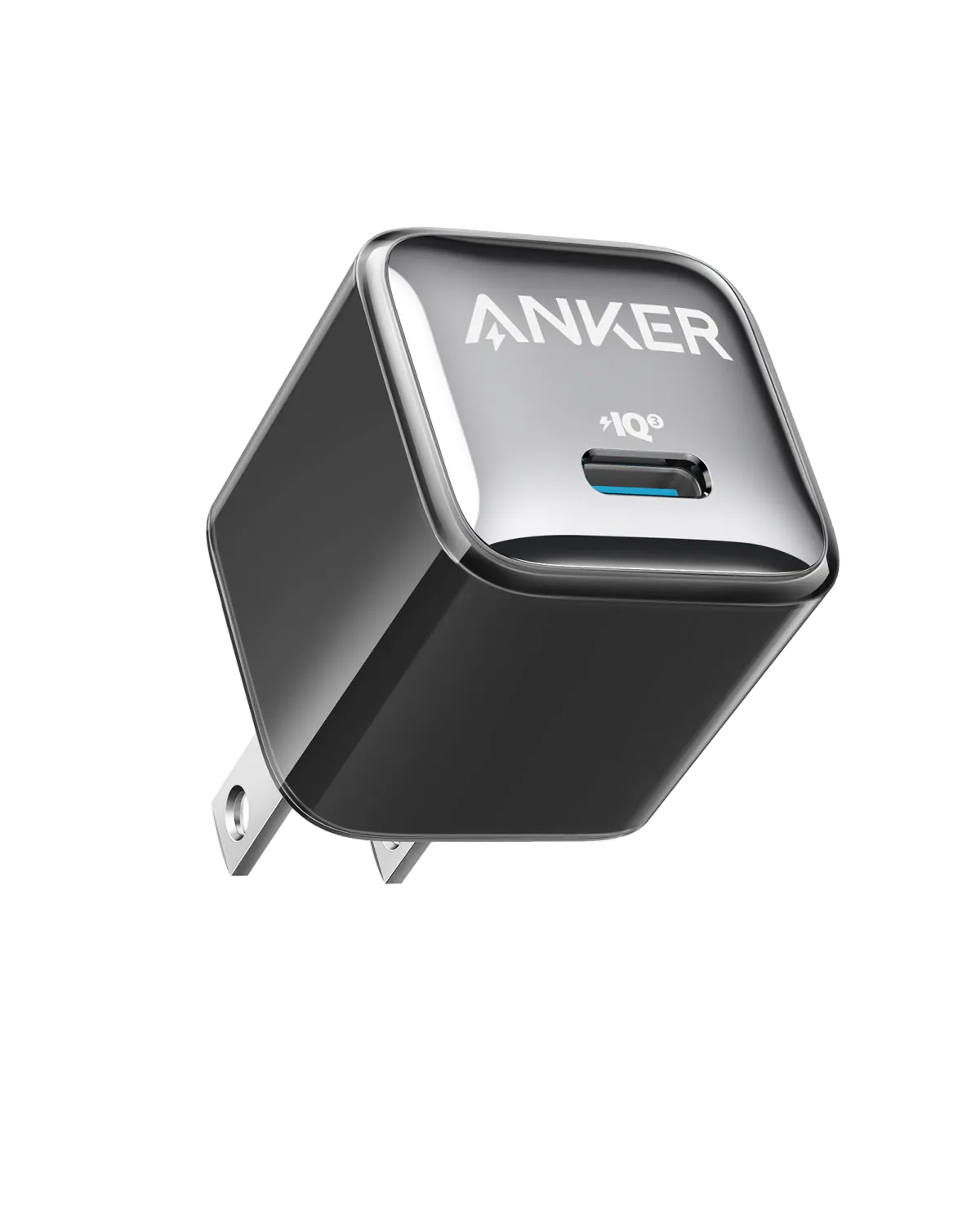
Anker A2347K11 20W USB-C PD Charger | Check Device Profile and Plug
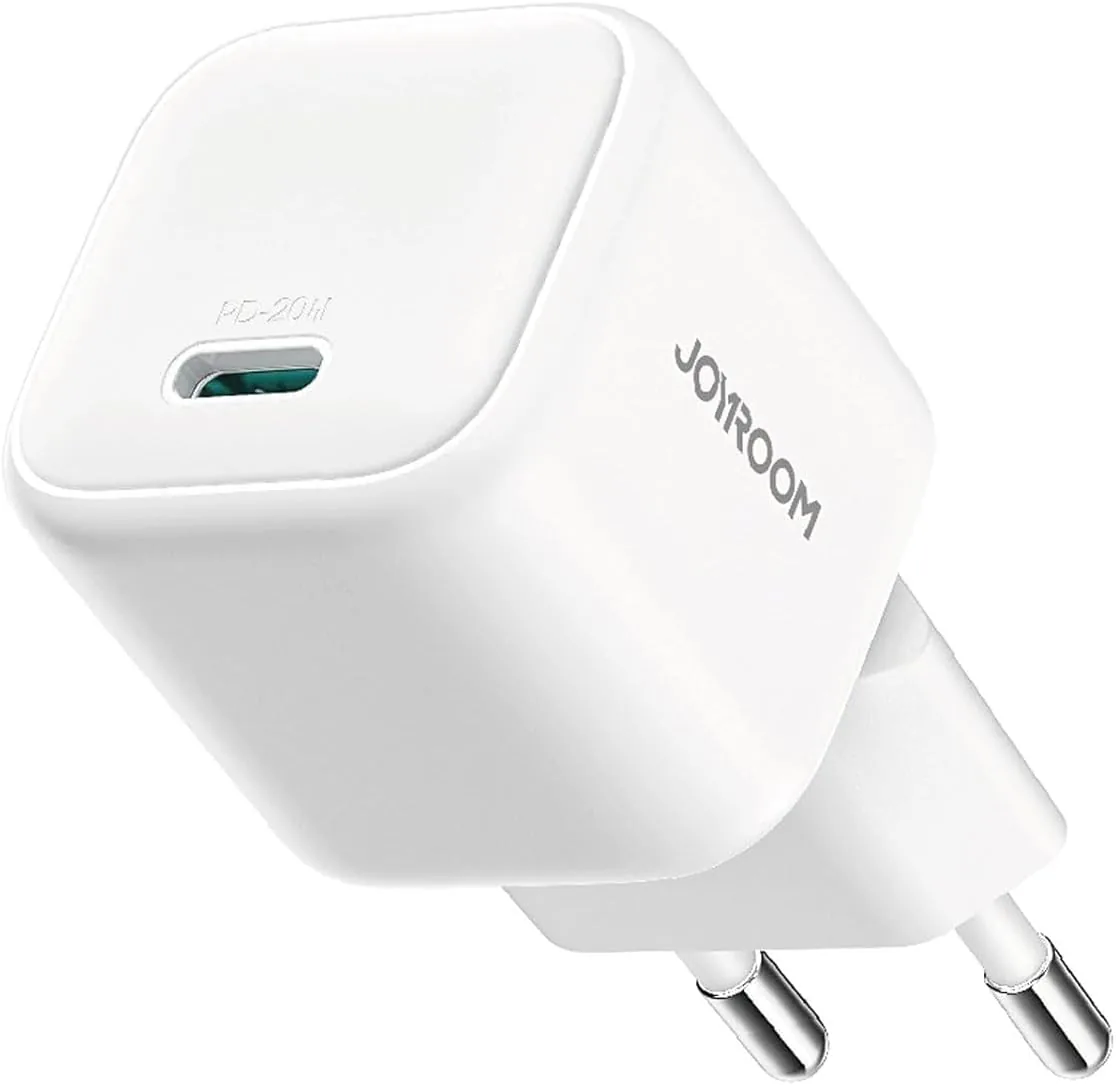
Joyroom 20W USB-C PD Charger | iPhone 17 Fast Charge
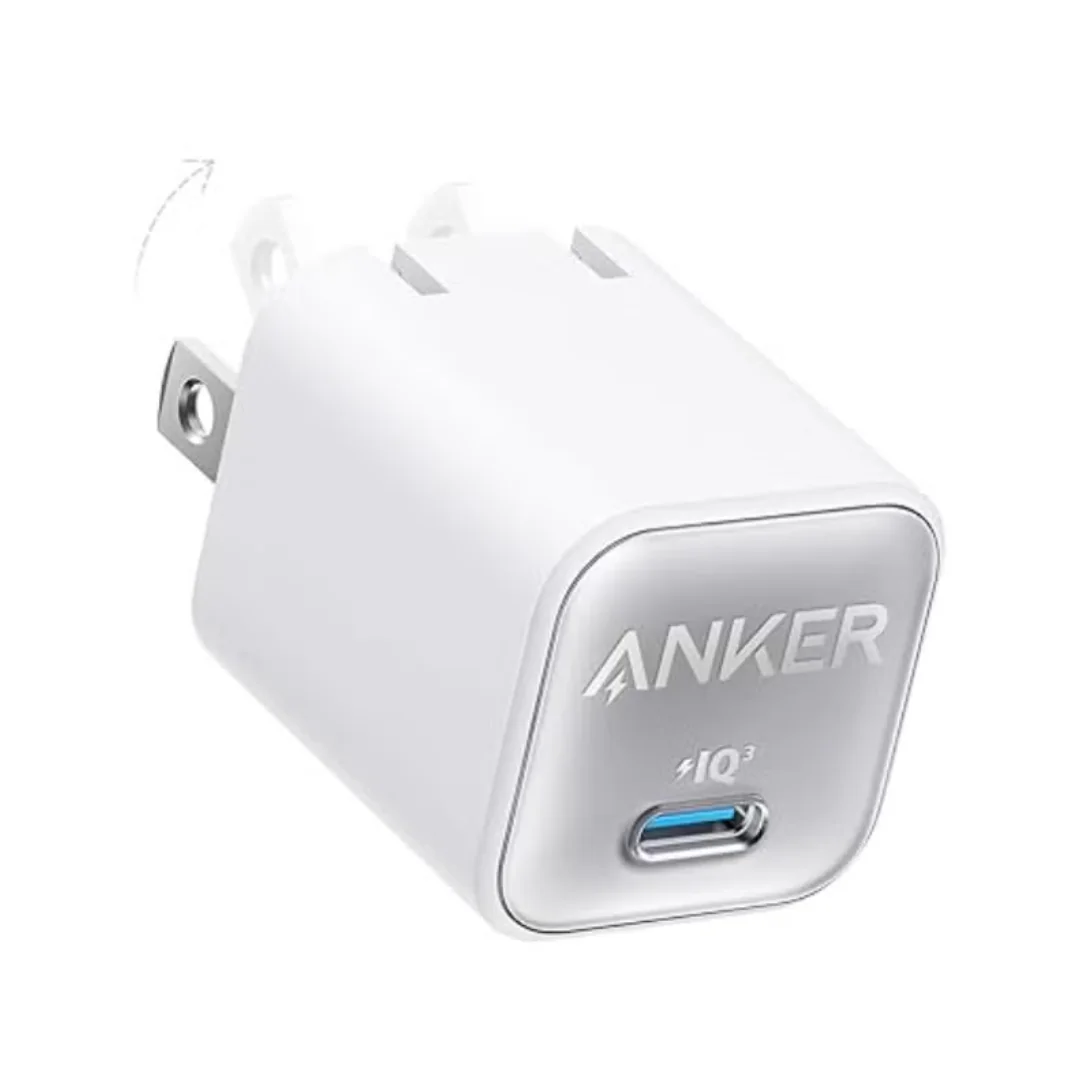
Anker 511 Nano 3 GaN Charger 30W (A2147) | USB-C PD | IQ3
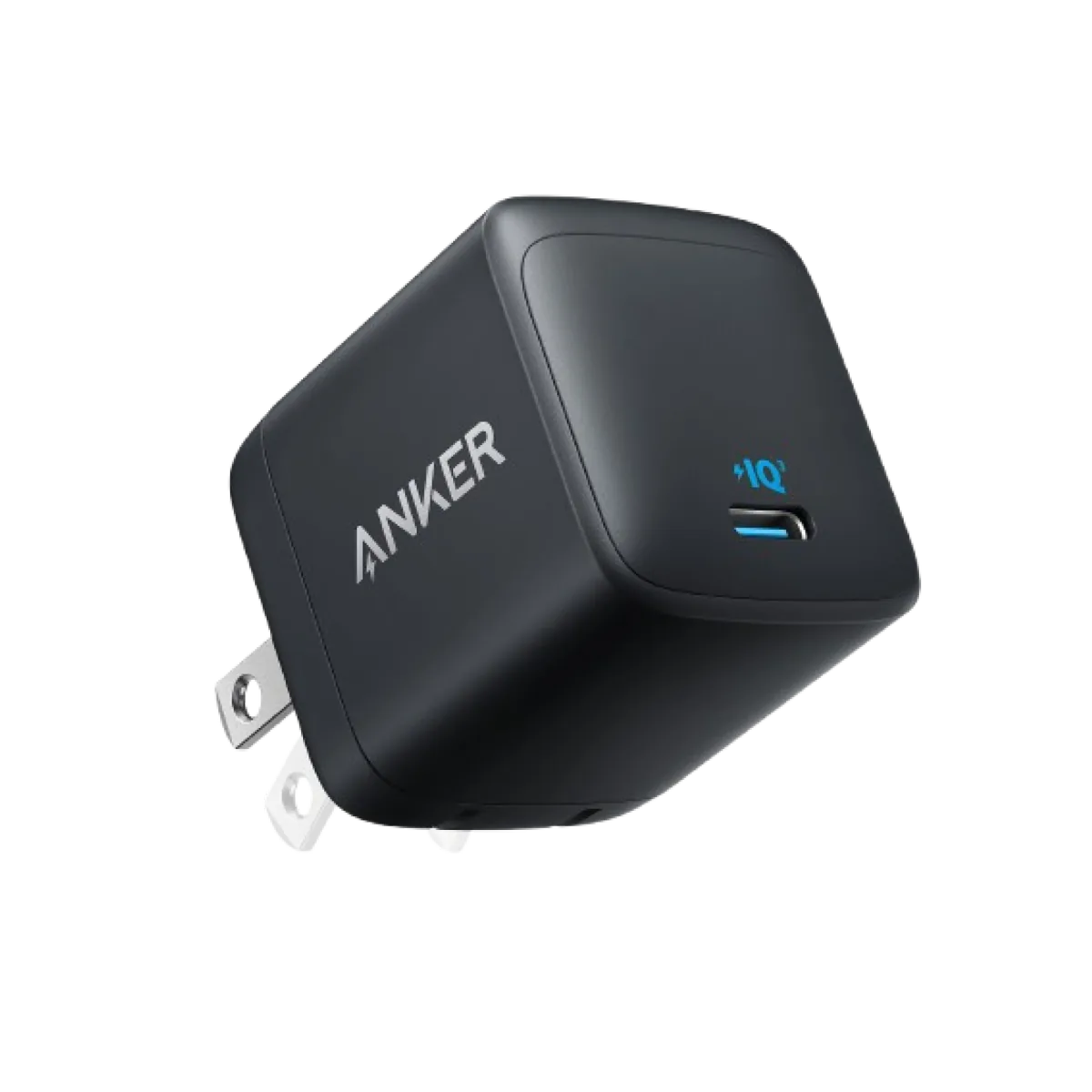
Anker Nano 45W GaN USB-C Charger | MacBook Air + iPhone 17
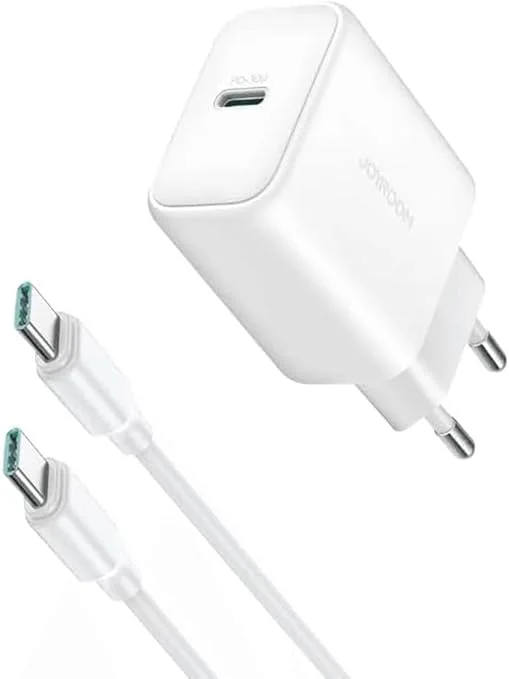
Joyroom 30W PD+QC Wall Charger | Dual USB-C and USB-A Ports
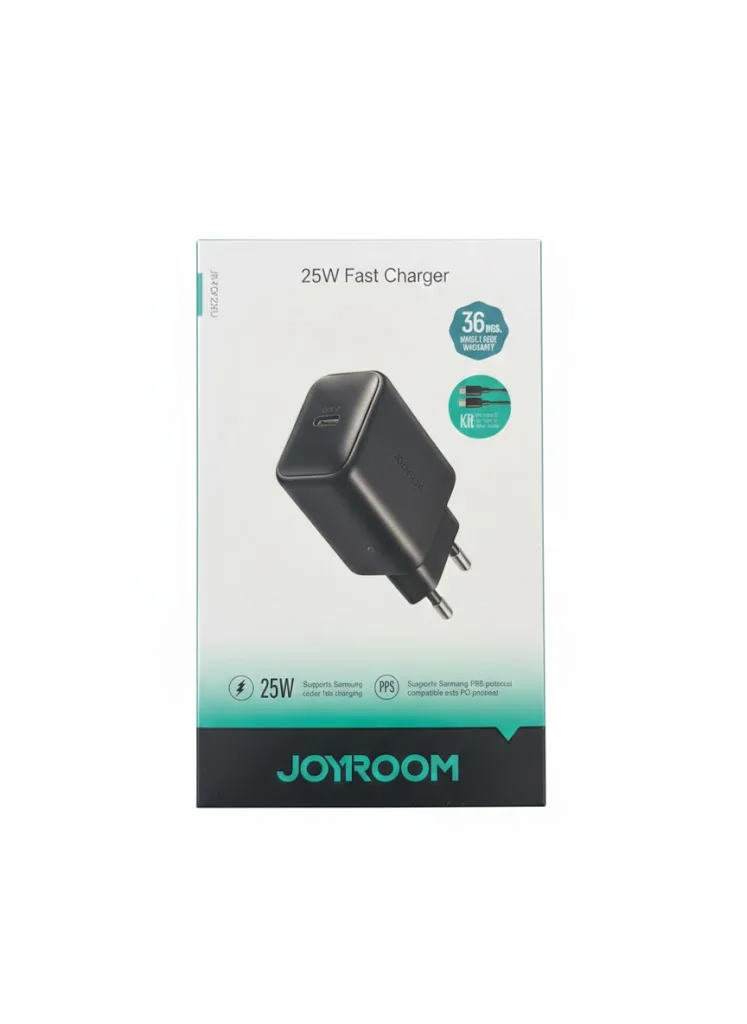
Joyroom 25W USB-C PD Charger (JR-TCF23) | iPhone and Samsung Compatibility
Browse the categories this article covers
Related Articles
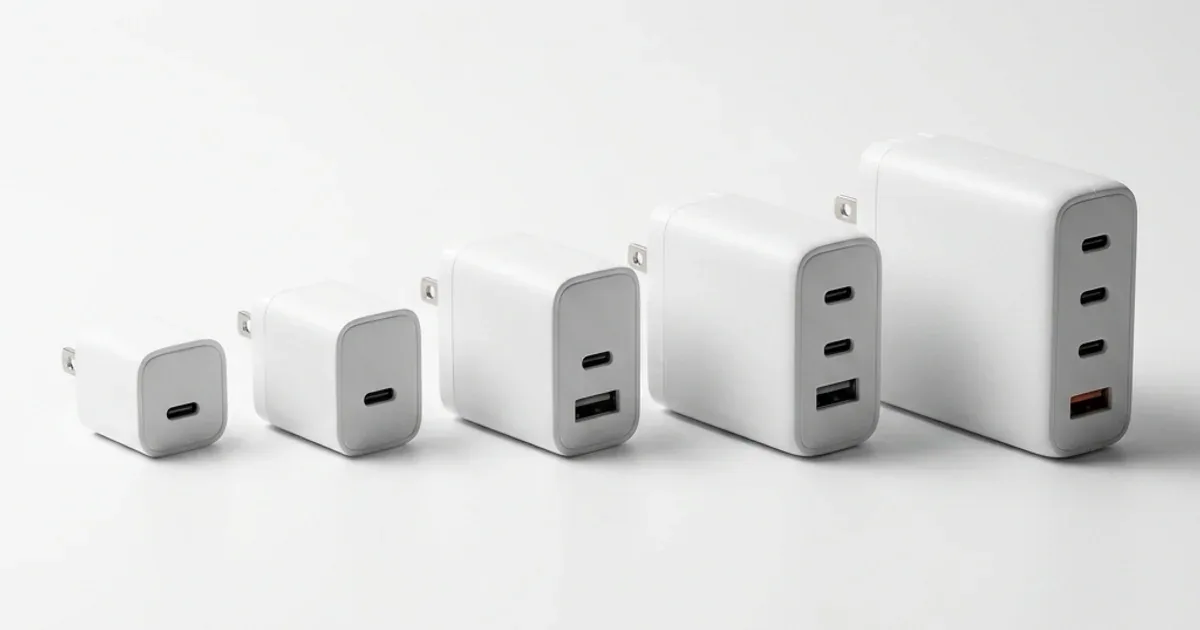
The Complete Difference Between 20W, 30W, 45W, 65W & 100W Chargers — Which Do You Actually Need?
Read more →
GaN Charger Technology: Why a 30W Charger is Now Smaller Than Your Thumb (Complete Science Guide)
Read more →