Oppo smartphones, along with Realme and OnePlus, are renowned for their proprietary fast-charging technology known as SuperVOOC. This standard allows users to charge their devices fully in under 40 minutes by pushing wattage profiles starting from 33W up to 80W or 100W in flagship models. This proprietary charging topology stands out as one of the fastest and safest charging architectures in the modern smartphone industry when paired with authentic accessories designed specifically for it.
However, the rapid adoption of these devices in Egypt has led to a flood of counterfeit chargers sold in local accessory shops under the guise of "genuine dealership stock" at inflated prices. Using these fake chargers does not just cause slow charging times and a waste of daily productivity; it poses a genuine threat to your phone's battery lifespan and can destroy the internal power management integrated circuit (PMIC), rendering your warranty completely void and leading to expensive motherboard replacements.
💡 Key Distinction: Original chargers are heavy (approx. 100g) due to copper shielding, and the USB ports feature green/orange internal plastics with 5 pins. Counterfeits feel hollow, run extremely hot, and fail to trigger the rolling decimal SUPERVOOC animation on screen.
Comparison Table — Original vs Fake SuperVOOC Chargers
| Parameter | Genuine SuperVOOC Charger | Fake SuperVOOC Charger |
|---|---|---|
| Approximate Weight | 95g to 110g (Heavy) | 40g to 55g (Light) |
| USB Port Plastic Color | Phosphor green or signature orange | Standard white or black |
| Cable Pin Count | 5 pins (extra pin for handshake) | Standard 4 pins only |
| Charging Animation | SUPERVOOC logo + rapid decimal counter | Basic "Charging" or "Fast Charging" text |
| Operating Temperature | Warm but within safe thermal limits | Extremely hot to the touch |
| Touchscreen Behavior | Responds smoothly without stuttering | Ghost touches or screen freezing |
1. The Weight and Internal Shielding Test
The simplest test you can perform immediately is weighing the brick on a digital scale. Genuine Oppo chargers house heavy copper transformers, thick internal heat sinks, and high-grade capacitors to safely manage the high-current output. A genuine 67W SuperVOOC charger weighs around 98 grams, while a genuine 33W version clocks in at approximately 85 grams.
In contrast, counterfeit adapters weigh between 40 and 55 grams. To cut costs, fake manufacturers omit protective metal shielding and replace copper transformers with smaller, cheaper aluminum alternatives. Tapping the plastic shell of a fake charger reveals a hollow sound, indicating a lack of internal structural substance.
2. USB Port Color Coding and the 5-Pin Communication Standard
Oppo implements a distinct color-coding system to help users identify genuine accessories. Inspecting the USB-A port on the charger head reveals a bright green or vibrant orange plastic tab inside the socket. The corresponding USB cable features the exact same color accents inside its connector tips.
More importantly, look at the brass pins inside the USB-A connector. Standard cables utilize 4 pins (two for power, two for data). Genuine SuperVOOC cables contain an additional 5th pin in the center. This pin acts as a communication bridge, allowing the phone to authenticate the charger. Without this handshake pin, the phone caps charging speeds at a basic 10W profile for safety.
⚡ The Danger of Ripple Voltage on Touchscreen Panels:
Have you ever noticed your phone's touchscreen registering ghost touches or freezing completely while charging? This is caused by Ripple Voltage. Low-cost chargers lack the electrical filtering capacitors needed to output clean Direct Current (DC). This leaks electrical noise into the phone's capacitive screen sensor grid, causing erratic inputs and slowly wearing out internal IC components.
3. BBK Eco-System: Realme Dart and OnePlus Warp Charge Compatibility
Oppo, Realme, and OnePlus are all subsidiaries of the consumer electronics conglomerate BBK Electronics. Consequently, they share the same hardware R&D and charging topologies. Realme's Dart Charge and OnePlus's Warp Charge are technically rebranded iterations of Oppo's original VOOC technology.
This means a genuine Oppo SuperVOOC charger is cross-compatible with Realme and OnePlus devices. Connecting a Realme phone to a genuine Oppo adapter triggers the high-speed Dart Charge profile, outputting safe, rapid charging cycles. This flexibility is highly useful in Egypt, where sourcing brand-specific adapters can sometimes be difficult due to supply constraints.
4. Understanding Safety Certifications and Regulatory Compliance
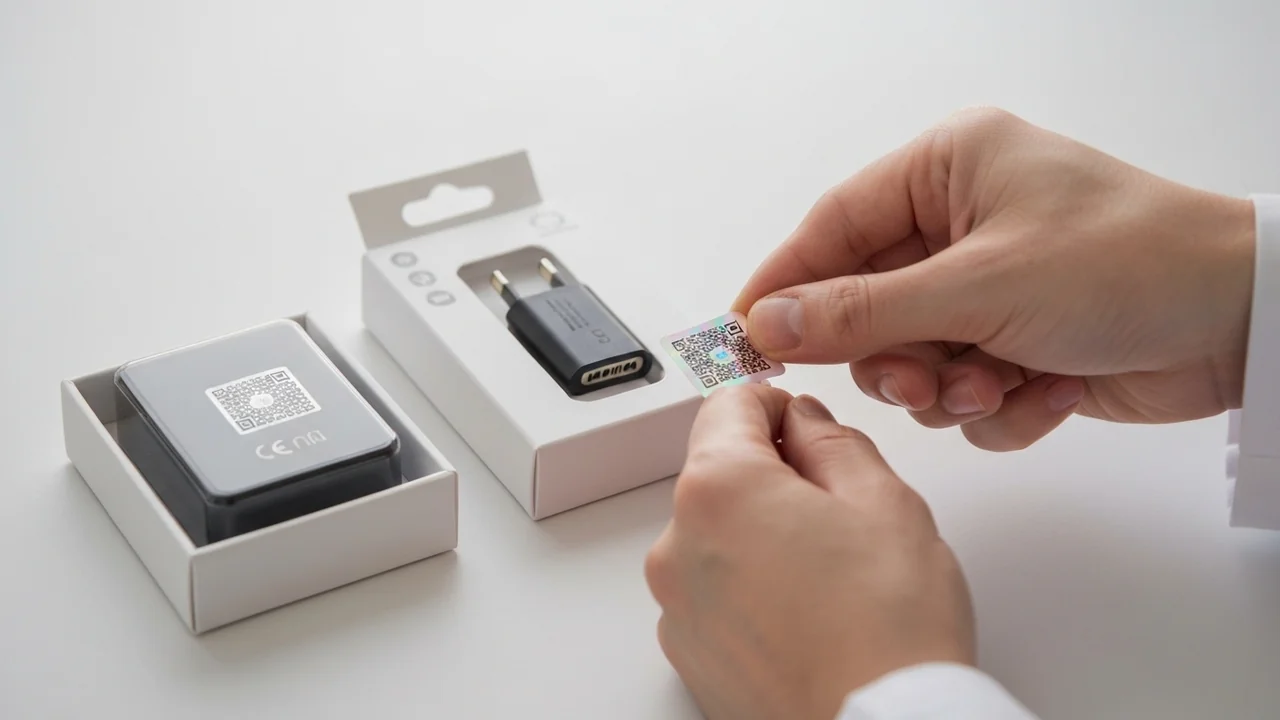
The micro-text printed on an original charger contains various international safety markings, including the China Compulsory Certificate (CCC), European Union CE mark, and RoHS compliance. These certifications verify that the device incorporates flame-retardant materials, handles voltage surges, and isolates high voltage lines from low-voltage USB paths. Furthermore, look for the double insulation symbol (a square inside a square), which indicates that the device has two layers of protective insulation between live parts and user-accessible ports, a mechanical safety margin that cheap clones never implement.
Counterfeit chargers carry counterfeit safety stamps. To maximize profits, fake manufacturers omit vital insulation layers and thermal cutoff circuits. A high-voltage spike in the grid can bridge directly into the phone's motherboard, resulting in battery damage or electric shocks to the user.
5. Charging Animations and the Rolling Decimal Counter
Connecting your phone to an original charger and cable triggers a dedicated fast-charging animation. The screen displays the "SUPERVOOC" logo alongside a rolling decimal percentage counter (e.g., displaying 62.15%, then 62.16%...). This counter ticks up in real-time, showing the rapid energy transfer.
When connected to a fake charger, the phone fails to detect the security handshake. No rolling decimals will appear. Instead, you will see a generic "Charging" or "Fast Charging" prompt in plain white font. The charging cycle will stretch to over two and a half hours, as the phone limits current intake to protect itself from voltage spikes.
6. Label Printing Quality and Certification Marks
Genuine chargers feature safety labels printed in light gray text using high-precision laser etching. The text is crisp, clean, and highly resistant to scratching. Safety certification logos (such as CE, UL, or CCC) are aligned and formatted correctly.
Counterfeit chargers typically feature dark black ink labels that are often blurry or crooked. Spelling errors are common (such as printing "SUPERV00C" using zeroes instead of letters). Furthermore, this ink can often be rubbed off easily using a fingernail or a drop of rubbing alcohol, confirming the lack of industrial printing standards.
Long-term Hazards of Counterfeit Chargers on Motherboard Integrity
Some users assume the only drawback of a fake charger is slower charging. However, the long-term chemical damage to your device is severe. Counterfeit chargers completely lack circuit breakers protecting the motherboard. Every modern phone features a Power Management IC (PMIC) that distributes power to the battery and display.
When this sensitive silicon chip is subjected to persistent ripple voltage and excessive heat from a cheap charger, its performance degrades. This leads to issues like high battery drain during standby, random system loops, or complete motherboard failure. Replacing a PMIC is an expensive micro-soldering job that can cost up to half the device's value, which represents a massive financial loss relative to buying an authentic charger.
Inspecting Cable Integrity and Connector Fitment
Genuine Oppo cables are thick and coated in a flexible, premium rubber compound that resists cracking under bends. The connector housing is molded cleanly without plastic seams or flash. When plugged in, the original connector sits perfectly flush against the phone's chassis, establishing a secure connection. This mechanical precision prevents dust accumulation and reduces physical wear on the port. Furthermore, check the relief collar where the wire meets the plastic boot. Original cables have a soft, progressive bend relief that protects the inner wire strands, whereas fake cables have stiff plastic collars that crack within a few weeks of daily bending.
Looking for a Safe and Certified Fast Charger?
If you cannot source an original Oppo charger from an authorized dealer, CairoVolt stock premium Anker GaN 30W and 45W chargers. They are globally certified, safe for all Android and iOS devices, and backed by our 18-month warranty. Browse our collection today.

CairoVolt Team
Tech Editor
Frequently Asked Questions
Can I use a genuine Oppo charger to charge other brands like Samsung or iPhone?▼
My charger gets hot during use. Does that mean it is counterfeit?▼
Does the charging cable affect charging speed, or is it just the brick?▼
What is the average price of a genuine Oppo 67W charger in Egypt?▼
Ready to Buy?
Browse available products and review specifications and CairoVolt warranty terms before ordering
Products Mentioned in This Article
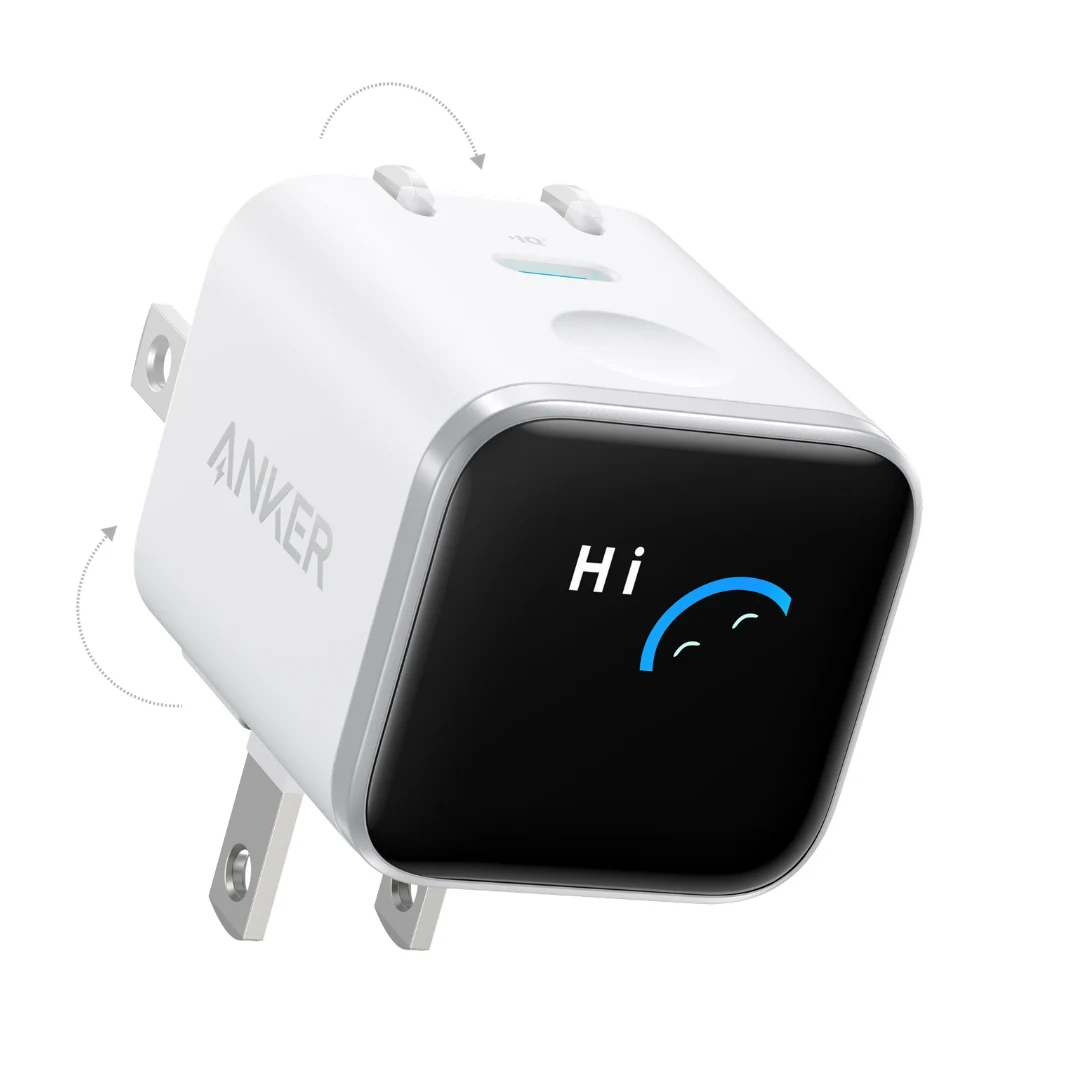
Anker Nano 45W Smart Display GaN Charger (A121D) | 180° Foldable Plug | USB-C PD
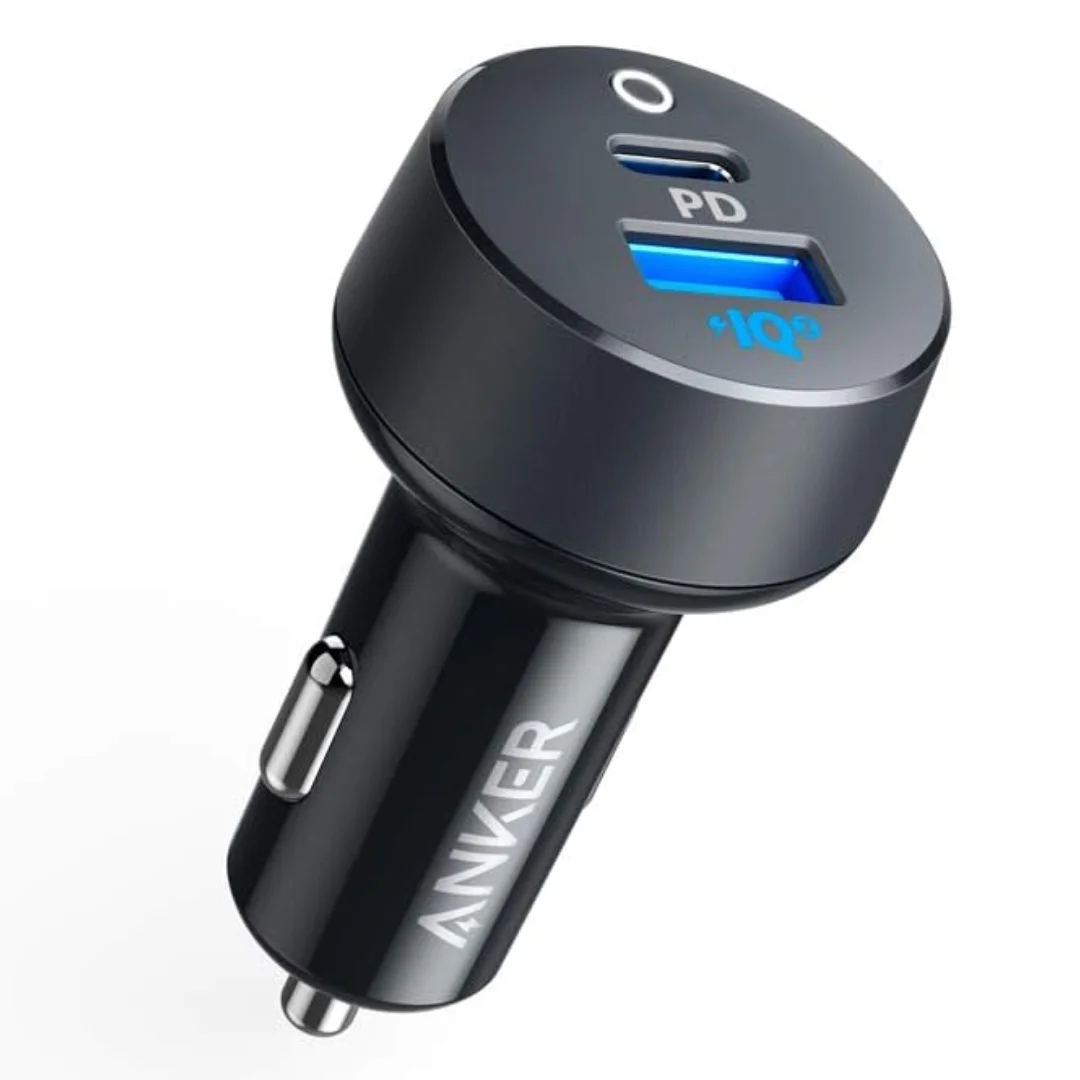
Anker PowerDrive PD+ 2 Car Charger 35W (A2732) | USB-C PD + USB-A
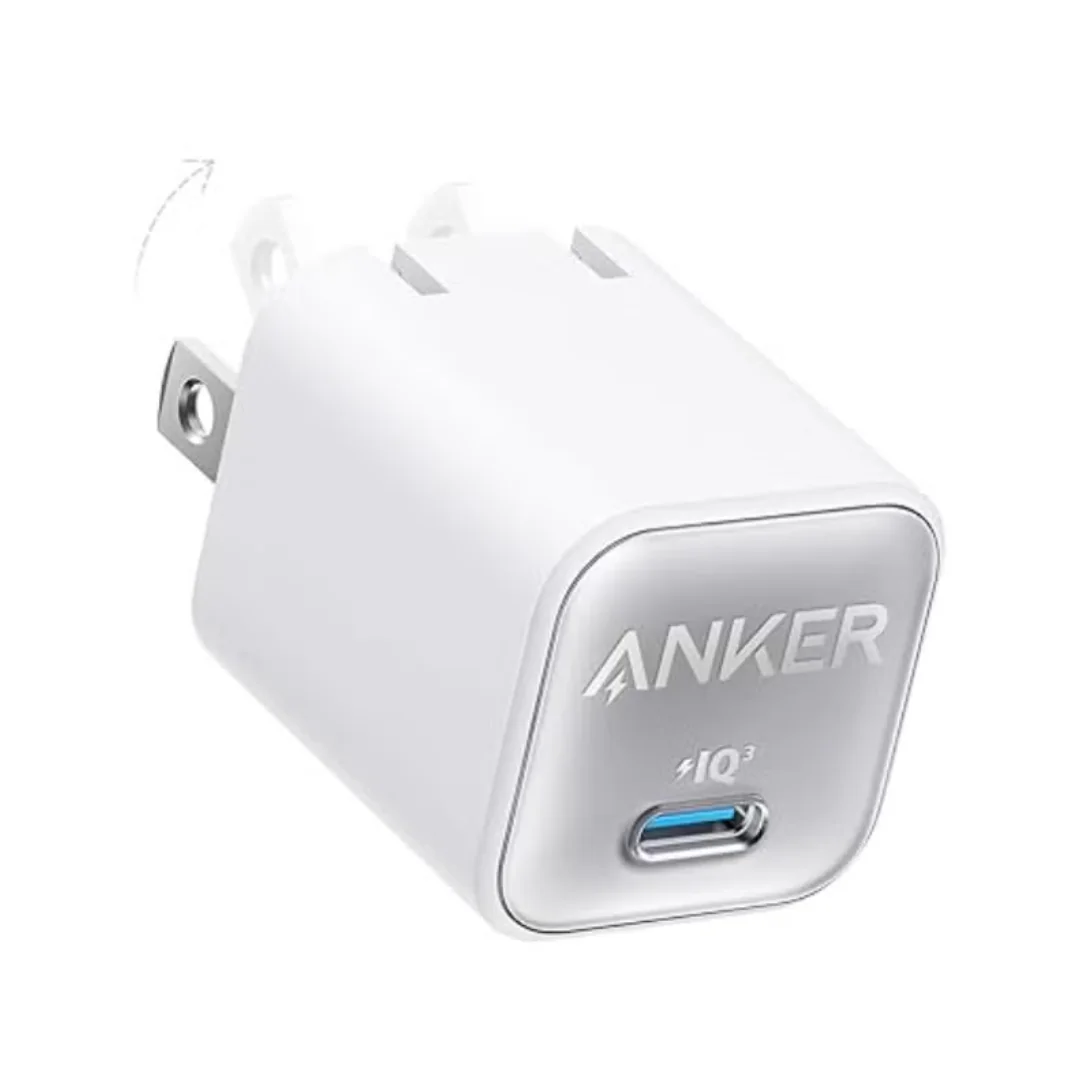
Anker 511 Nano 3 GaN Charger 30W (A2147) | USB-C PD | IQ3
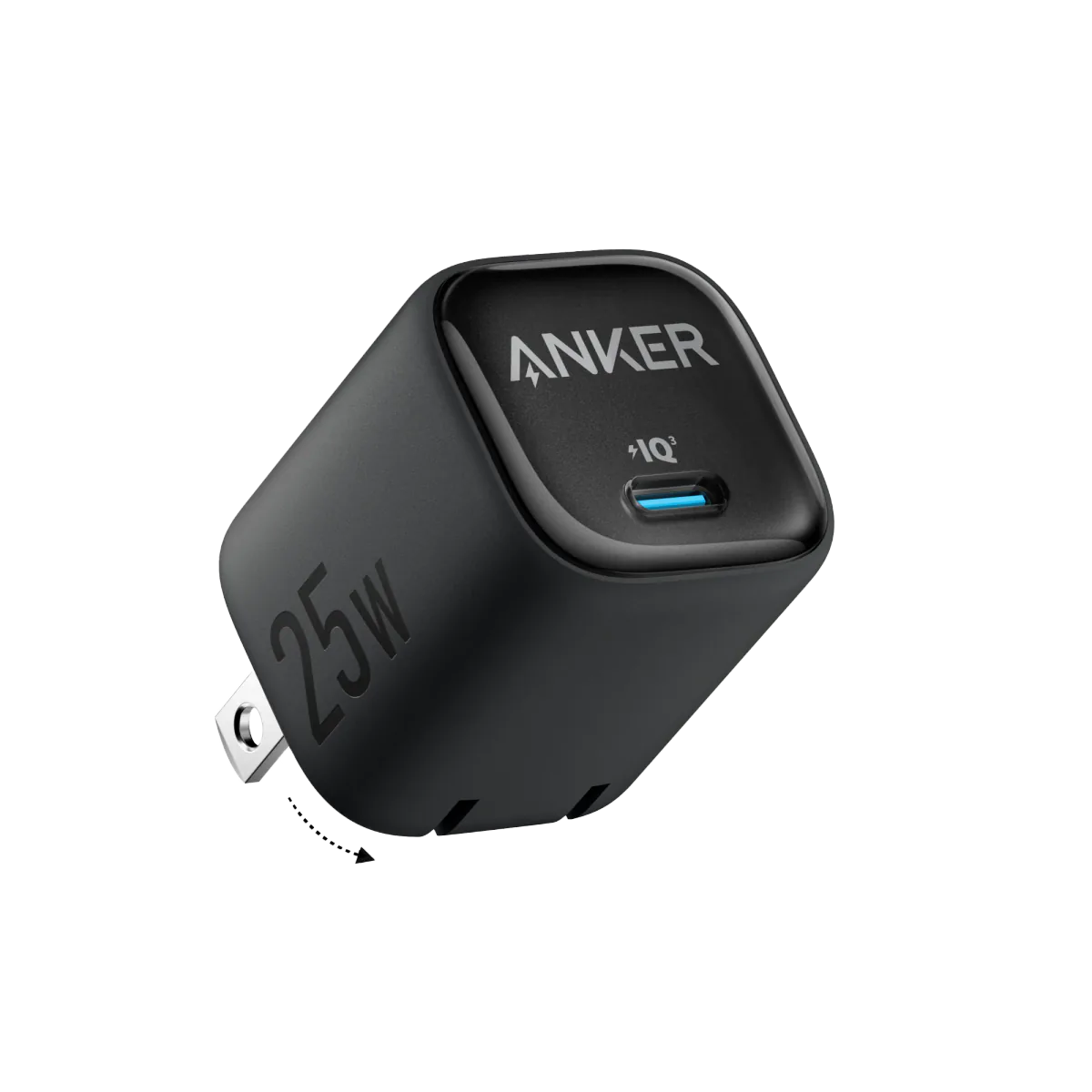
Anker 25W PPS Charger (A2322K11) | Samsung-Compatible USB-C PD
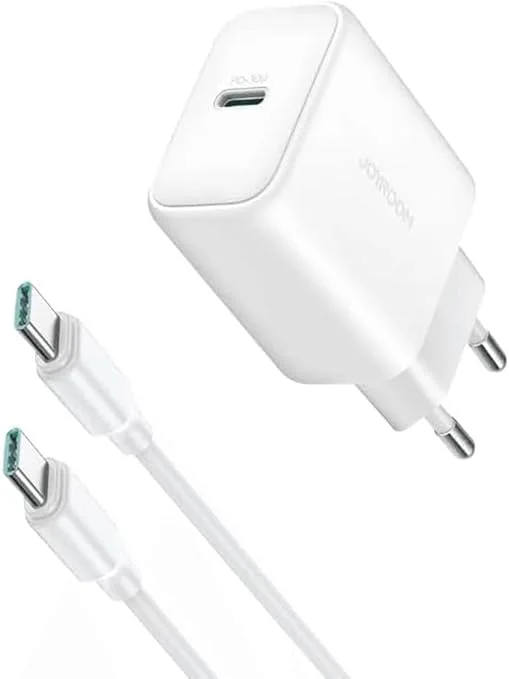
Joyroom 30W PD+QC Wall Charger | Dual USB-C and USB-A Ports
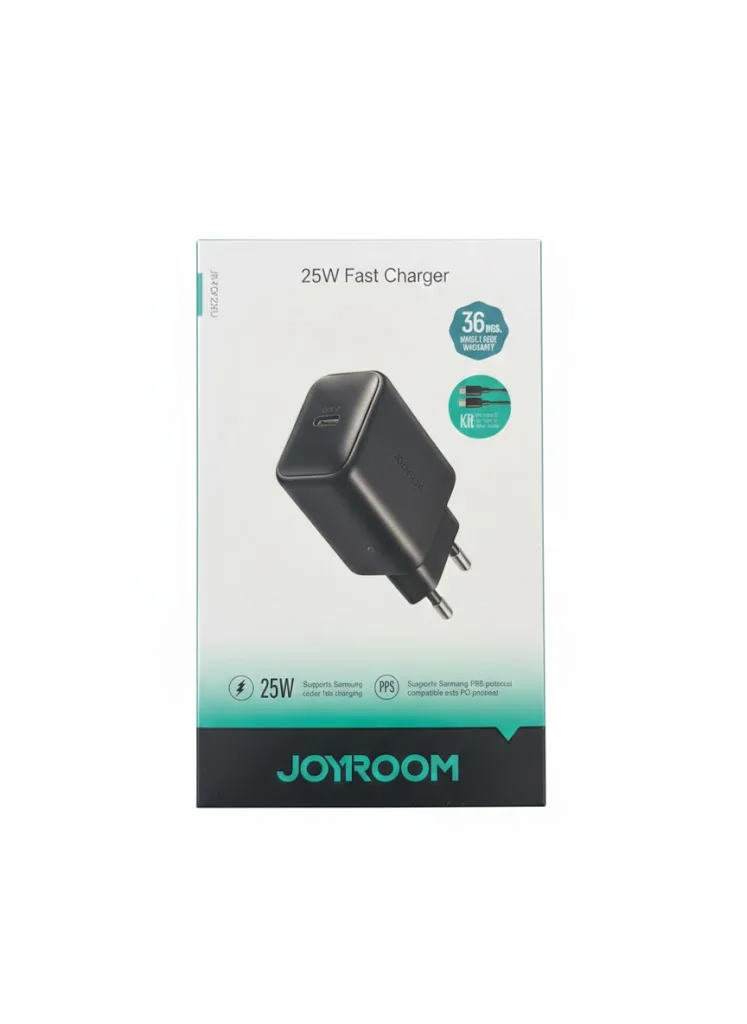
Joyroom 25W USB-C PD Charger (JR-TCF23) | iPhone and Samsung Compatibility
Browse the categories this article covers
Related Articles
The Complete Difference Between 20W, 30W, 45W, 65W & 100W Chargers — Which Do You Actually Need?
Read more →
Joyroom Power Banks Review — 5 Models at 10,000 and 20,000mAh Capacities in Egypt
Read more →