 CairoVolt Team
45W Charger Guide — Anker Nano 45W vs Samsung Original: Which is Better?
Looking for the best 45W charger for your Samsung device? We compare Anker Nano 45W against Samsung's official EP-T4510 and explain SFC 2.0 requirements.
Quick Take: Both chargers can run Super Fast Charging 2.0 (45W) on compatible Galaxy Ultra phones, provided the charger supports PPS with a high enough voltage range. In our test, the Anker Nano 45W (A2664) at EGP 790 ran it on a Galaxy S24 Ultra at a ~43.6W peak. Samsung's original 45W sells in an approximate market range of 1,400–1,800 EGP that varies by seller.
If you have recently purchased a premium Samsung flagship device like the Galaxy S24 Ultra, S23 Ultra, or Galaxy S24 Plus, you have undoubtedly noticed that the power brick is no longer included in the retail box. Your new phone supports fast charging speeds up to 45W, which requires a specialized charger to utilize. In the Egyptian market, two prominent options dominate the premium space: Samsung's official 45W power adapter (model EP-T4510) and the advanced Anker Nano 45W.
Buying a 45W charger does not automatically guarantee that your phone will charge at its maximum rate. Samsung flagships place strict technical demands on the charging adapter to activate their proprietary Super Fast Charging 2.0 (SFC 2.0) protocol. In this comprehensive guide from CairoVolt, we break down the engineering differences between Anker's GaN II charger and Samsung's official silicon charger — based on CairoVolt bench measurements and published specifications — explain the role of the PPS protocol in protecting battery health, and provide guidelines to detect counterfeit units in Egypt.
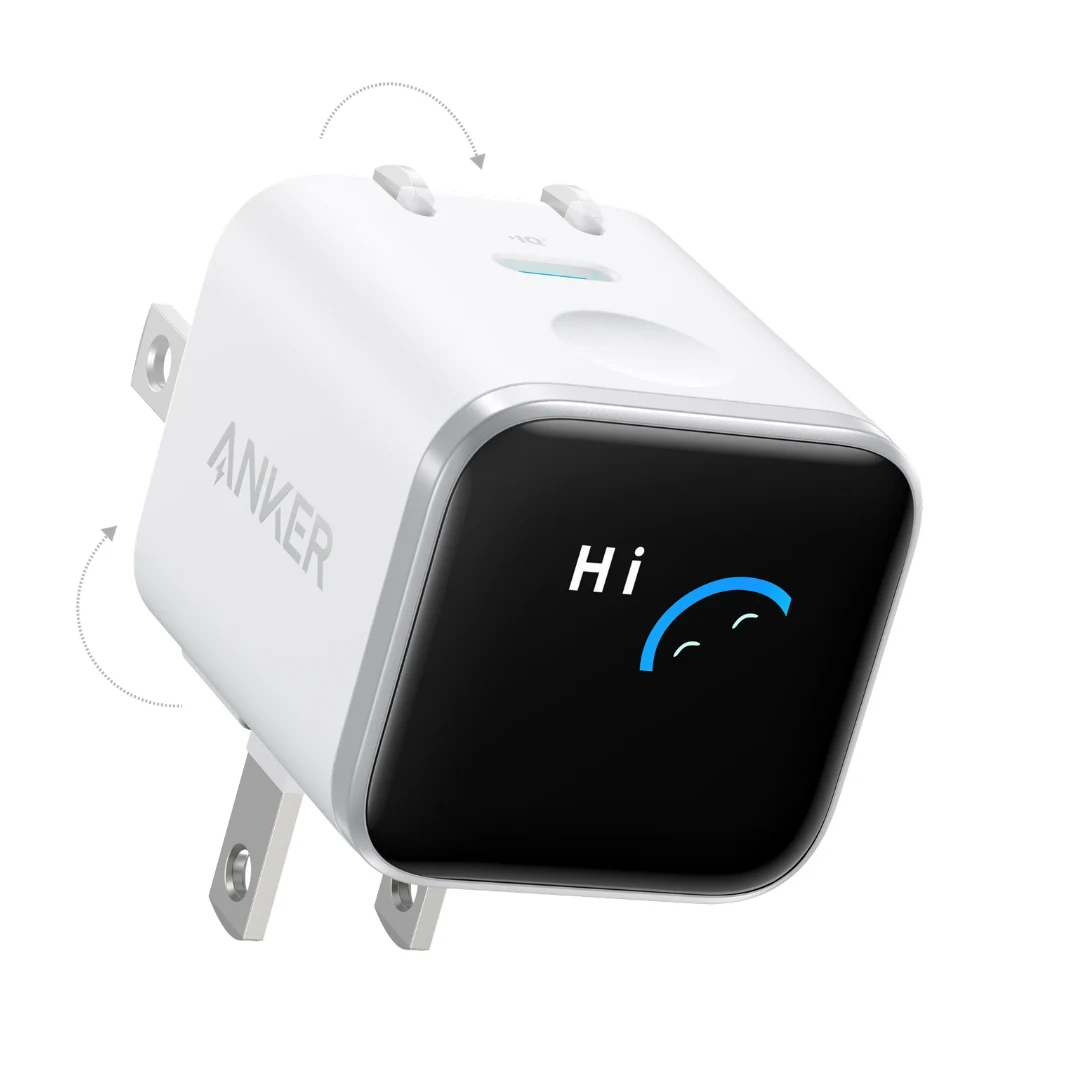
💡 Quick Answer: To activate Samsung's 45W Super Fast Charging 2.0, the power adapter must support the USB-PD 3.0 PPS (Programmable Power Supply) protocol with a high enough voltage range — not every charger labelled 45W qualifies. In our test, the Anker Nano 45W (A2664), with two PPS windows (3.3–16V/3A and 3.3–21V/2.25A), ran Super Fast Charging 2.0 on a Galaxy S24 Ultra at a ~43.6W peak, while the Anker Nano 45W Smart Display (A121D), whose PPS range stops at 11V, fell back to 25W.
1. The 45W Requirement: Decoding Samsung's Super Fast Charging 2.0
Many users are surprised when they connect a high-power 65W or 100W laptop charger to their Samsung S24 Ultra, only to see the regular green charging ring instead of the light blue ring representing Super Fast Charging 2.0. Why does this happen?
Samsung's 45W charging speed relies on two specific requirements:
- PPS (Programmable Power Supply) Protocol: An advanced subset of USB-PD 3.0. PPS allows the phone to dynamically adjust the adapter's voltage and current in 20mV increments. This minimizes energy conversion losses and heat dissipation inside the phone.
- The PPS range, not the label: not every 45W charger runs 45W on an Ultra. In our test, the Anker Nano 45W (A2664), with a PPS window up to 21V, ran Super Fast Charging 2.0 on an S24 Ultra, while the Anker Nano 45W Smart Display (A121D), with only a 3.3–11V/4.05A window, fell back to regular 25W Super Fast Charging. Check the PPS range on the charger's page, not just the wattage.
- The 5A Cable Requirement (with E-Mark): Samsung says 45W charging with its 45W adapter needs a 5A cable. Cables without an E-Mark chip are limited to 3A, so use an E-marked 5A USB-C to USB-C cable such as the Anker Ultra-Soft A82E2 (240W).
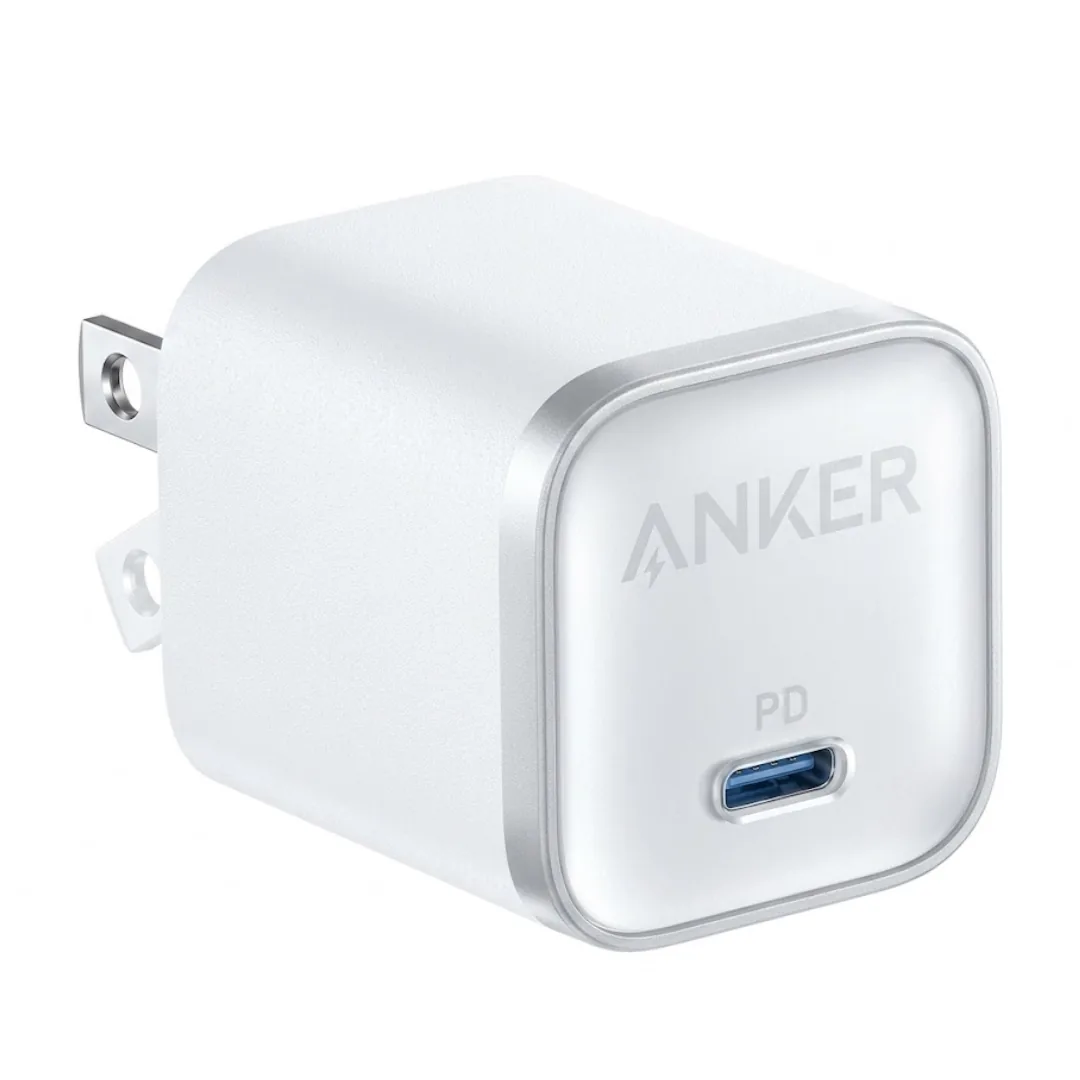
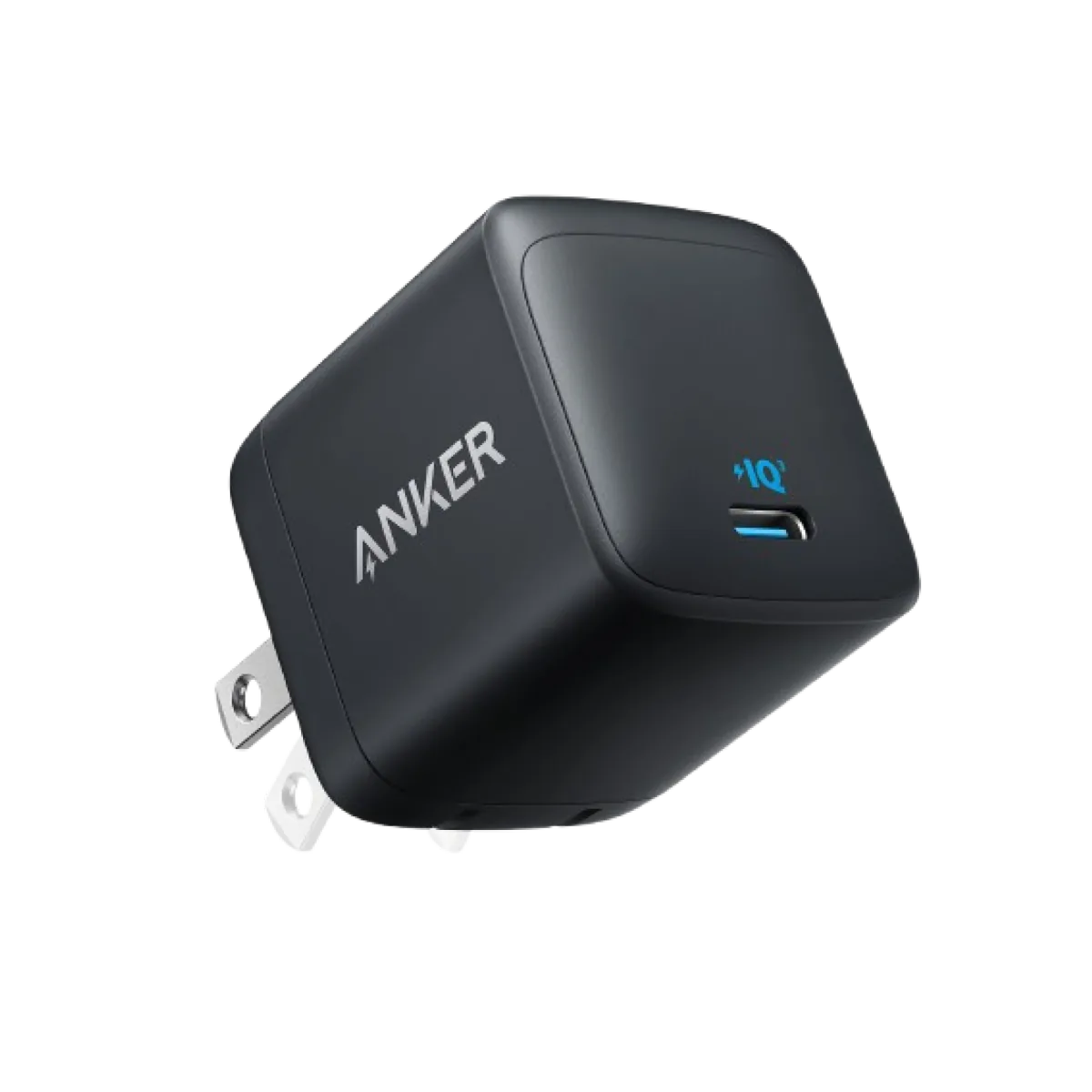
If you want a single-port 45W option, we have recently stocked the Anker Nano 45W (1-Port) at EGP 775 — a single 45W USB-C port with PPS per Anker; it is the same base model, A2664 (our published bench was run on the A2664K11 packaging, on the Anker Nano 45W page), without paying extra for ports you may not need (note: the S26 Ultra raised the ceiling to 60W SFC 3.0, so 45W charges it well but not at its top speed).
2. GaN II Technology (Anker) vs. Traditional Silicon (Samsung)
The Anker Nano 45W uses Gallium Nitride II (GaN II) semiconductors. GaN replaces traditional silicon, offering significantly higher power efficiency. This leads to distinct practical advantages:
- Size and Portability: The Anker Nano 45W is a compact single-port USB-C charger with foldable prongs, so it packs easily into a pocket or small bag.
- Heat: on the CairoVolt bench, the Anker Nano 45W (A2664) surface reached about 54.8°C after 15 minutes at about 44W, with the room at about 28°C — warm to the touch and expected for a compact charger at that power, so keep it ventilated and never under a pillow. We have not measured Samsung's 45W adapter under the same conditions, so we make no heat comparison between them.
- Universal Compatibility: Both chargers can power iPads, iPhones, and lightweight laptops like the MacBook Air over USB-C PD.
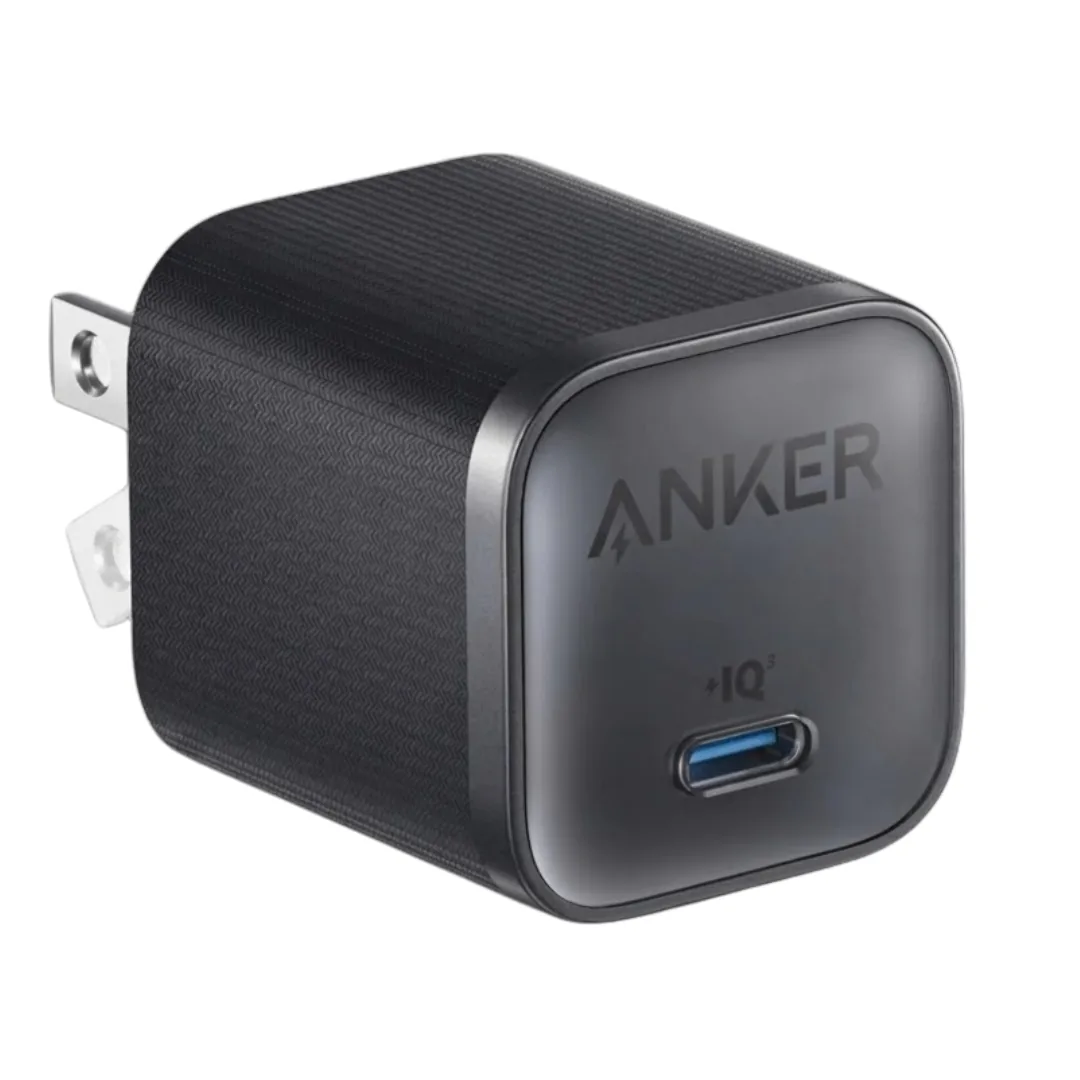
For those who prioritize portability above all, the newly stocked Anker Nano Pro 45W at EGP 790 is a compact 45W GaN charger. Note: we read a single PPS window (3.3–11V/4.05A) on it, so it suits iPhones, the MacBook Air and base and A-series Galaxy phones, but it is not the pick for 45W charging on Ultra models.
3. Technical Specs Comparison Table
Here is how the chargers compare, based on CairoVolt bench measurements (for the Anker) and published specifications:
| Specification | Anker Nano 45W (GaN II) | Samsung Original 45W | Generic Counterfeit Charger |
|---|---|---|---|
| SFC 2.0 Compatibility | Yes — ~43.6W peak on an S24 Ultra (our test) | Yes (Samsung's own SFC 2.0 adapter) | No (defaults to 15W/25W max) |
| PPS Voltage Range | 3.3–16V/3A + 3.3–21V/2.25A (our reading) | PPS (check the values printed on the adapter) | Fixed voltages (No PPS) |
| Under-Load Temperature | About 54.8°C surface after 15 min at ~44W (our test) | Not measured by us | Not measured — fakes may lack thermal protection |
| Price | EGP 790 on CairoVolt | 1,400–1,800 EGP (approximate market range, varies by seller) | 250–350 EGP (approximate market range, varies by seller) |
4. How to Identify Authentic Samsung 45W Chargers
Due to high demand, counterfeit Samsung 45W chargers are highly prevalent in Egypt. These clones do not support real PPS and pose fire risks. Use these steps to spot them:
- Check the Charging Ring Animation: When plugged into a Samsung flagship supporting 45W charging (with a 5A cable), the charging ring on the screen will light up in a distinct cyan/blue color, and the text will explicitly read "Super Fast Charging 2.0". Counterfeit chargers or substandard cables will only trigger a green ring and display "Super Fast Charging" or "Fast Charging".
- The Weight Audit: a genuine adapter has more components and feels relatively dense, while counterfeits are often noticeably lighter. Weight alone is not proof, but it is a warning sign — compare it with a unit you know is genuine.
- Country of Manufacture: compare the country of manufacture and the printed ratings on the adapter with the box and with Samsung's official photos of the model.
- Quality of Casing: Authentic adapters feature a uniform matte finish with clean seams. Clones often have glossy patches and rough plastic edges.
5. Samsung Battery Longevity Guidelines
To preserve your phone's lithium battery health over years of usage, apply these guidelines:
- Enable "Battery Protection" in Settings: This limits the maximum charge to 80% or 85%, preventing the battery from remaining at high voltages overnight.
- Disable Fast Charging for Overnight Charging: If you charge your phone overnight, use Bixby Routines to automatically disable "Super Fast Charging" at night and re-enable it in the morning.
- Recovering a Deeply Discharged Phone: If your Samsung battery is completely dead and refuses to turn on or accept charge, the battery has entered a protective sleep state. Plug the phone into a slow, old 5W charger for 30 minutes to slowly revive the cells, then switch to the 45W charger.
6. Electrical Grid Fluctuations and Safety Protocols
The electrical grid in Egypt can experience voltage spikes, particularly when power is restored after load-shedding. High-quality chargers from Samsung and Anker feature over-voltage and thermal shutdown protection. In the event of a severe spike, the internal fuse will sacrifice itself to protect the phone's motherboard. Cheap counterfeit chargers omit these safety circuits, passing the electrical surge directly to the phone, which can destroy the main logic board. This makes buying a genuine charger a form of insurance for your phone.
7. Understanding the Heat Dissipation Mechanisms in GaN Chargers
Gallium Nitride chargers have a significantly lower internal resistance compared to traditional silicon-based chargers. In electrical terms, lower resistance means that the energy flowing through the charger meets less opposition, resulting in lower power loss as heat ($P = I^2 R$). However, because GaN chargers are so small, the surface area available to dissipate whatever heat is generated is also reduced. To resolve this, Anker utilizes high-thermal-conductivity potting compounds to fill the internal spaces of the charger, bridging the gap between the hot components and the outer plastic casing. This ensures that heat is rapidly conducted to the exterior shell rather than building up inside the charger, keeping the internal capacitors operating within their safe thermal design limits.
8. The Impact of Cable Quality on Charging Speeds
While most users focus exclusively on the wall adapter, the charging cable is equally important. A cable is the physical pipe for current. Low-quality, cheap unbranded cables use thin gauge copper wires with high electrical resistance. This causes a significant voltage drop across the cable, converting precious electrical energy into resistive heat. As a result, even with a good adapter, a low-quality cable can bottleneck the speed. Always pair your charger with a certified MFi cable or high-quality braided options from reputable brands like Anker or Joyroom.
9. Advanced Power Negotiation and Dynamic Voltage Scaling (DVS)
Whenever you connect a modern iPhone or Samsung device to a compatible fast charger, a complex software handshake takes place. Unlike older USB ports that supplied a fixed 5V potential, USB Power Delivery (PD) communicates over the CC (Configuration Channel) pins of the USB-C interface. The wall charger advertises its power capabilities, and the phone selects the profile that aligns with its current state of charge. During the bulk charging phase (0% to 50%), the phone requests the highest wattage profile for rapid energy injection. As the internal battery voltage increases and hits the 80% threshold, the phone negotiates a lower power profile to protect the delicate battery chemistry from thermal degradation. This process is known as Dynamic Voltage Scaling.
10. Thermal Throttling Heuristics under Android Systems
Modern Android operating systems continuously monitor the battery pack's internal temperature using multiple sensors embedded in the motherboard. If the battery gets too hot, the system steps in to prevent permanent capacity degradation: first the charging speed is throttled, and if the temperature keeps rising, charging can pause until the device cools down. High-quality chargers designed with efficient GaN controllers minimize the heat transferred through the charging port, preventing thermal throttling from interrupting your fast charging cycle.
In conclusion, the Anker Nano 45W is our pick for most users because of its compact GaN build. Samsung's original charger remains a solid option for those who prefer first-party accessories. Buy from a seller that issues an invoice and a written warranty naming its legal identity, and avoid cheap unbranded chargers.
CairoVolt Team
Tech Editor
Frequently Asked Questions
Why does my Samsung phone not show Super Fast Charging 2.0 with a 45W charger?▼
Does the Anker Nano 45W charger include a cable in the box?▼
Can I charge my USB-C laptop with a 45W charger?▼
Is it safe to use a 45W charger with a phone that only supports 25W?▼
Ready to Buy?
Browse available products and review specifications and CairoVolt warranty terms before ordering
Related products
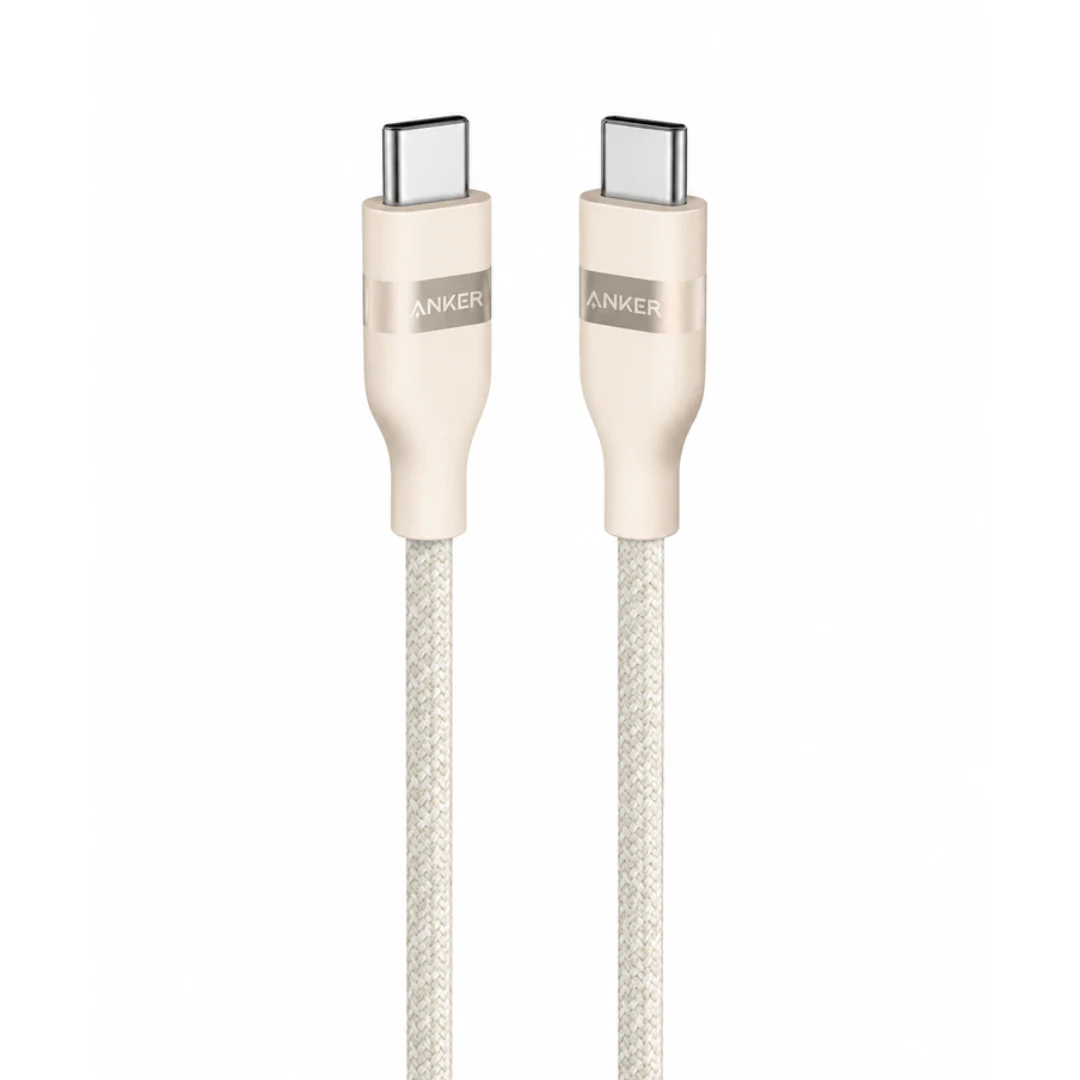
Anker Ultra-Soft USB-C to USB-C Cable A82E2 | 240W | 1.8m | E-Marker | Upcycled-Braided
Anker Nano 45W 1C (A2664) — Single-Port USB-C GaN | iPhone 17 & MacBook Air
Anker Nano Pro A2692 45W USB-C GaN Charger — Single Port | Check PD/PPS Profiles
Anker Nano 45W GaN USB-C Charger | MacBook Air + iPhone 17
Anker Nano 45W Smart Display GaN Charger (A121D) | 180° Foldable Plug | USB-C PD
Related Articles
Best iPhone Charger Guide — MFi Certified vs Non-Certified & Real Charging Speeds
Read more →
Best Qi2 Wireless Charger in Egypt — Guide to Choosing Compatible Charger and Devices
Read more →