 CairoVolt Team
Best Qi2 Wireless Charger in Egypt — Guide to Choosing Compatible Charger and Devices
Qi2 is the future of wireless charging — but many Egyptian buyers are unsure what actually changed, who benefits, and what they need to buy. A complete guide with specs, compatible devices, and real-world advice.
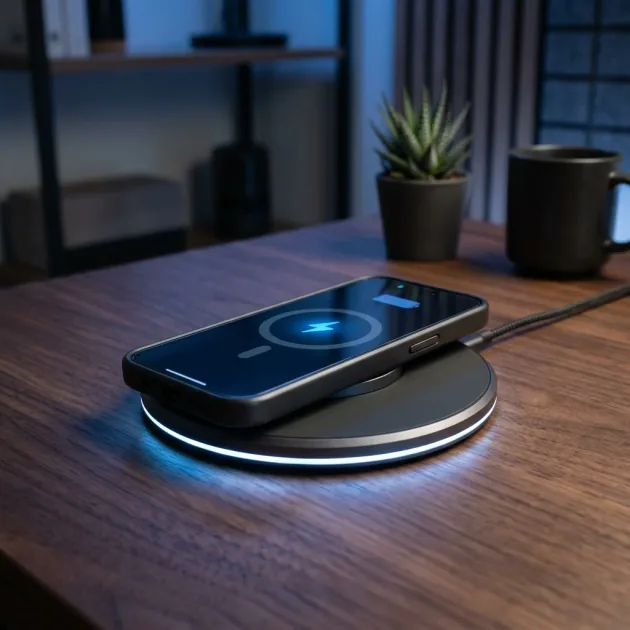
Bottom Line: Qi2 is the new wireless charging standard: guaranteed 15W (vs 5-7.5W from old Qi) plus magnets for proper alignment. iPhone 12 and newer benefit most. Samsung S24+ and Pixel 8+ support it on the Android side. The Qi2 wireless pad itself needs a separate USB-C wall adapter at 20-30W to deliver full speed. Budget Android devices mostly do not support Qi2 — they are still on old Qi. Wired charging is still faster for emergency top-ups.
Wireless charging has existed for years — but buyers in Egypt have consistently complained about it being slow. That complaint is valid for old Qi wireless charging. Qi2 is the answer to that problem. The challenge: many buyers do not know exactly what changed, who actually benefits, and what hardware they need to take advantage of it.
This guide covers everything clearly — comparing Qi2 to MagSafe and old Qi, which devices work at full speed, what the Egyptian grid context means for setup, and when wireless charging genuinely makes sense versus wired.
Quick answer: Qi2 = guaranteed 15W wireless charging (double old Qi's typical 7.5W) plus magnetic alignment for consistent coil contact. iPhone 12 and newer benefit the most — any Qi2 pad gives them 15W. Samsung S24+ and Pixel 8+ support Qi2 on Android. The wireless pad needs a separate USB-C wall adapter at 20-30W to work properly. Budget Android devices mostly remain on old Qi. For emergency fast charging, a quality USB-C cable is still faster.
What is Qi2 — The Technical Reality
Qi2 is the next-generation wireless charging standard from the Wireless Power Consortium (WPC), launched in 2023. Critically: Apple contributed its MagSafe magnetic alignment technology as the foundation for Qi2. This means Qi2 is functionally MagSafe without Apple's licensing requirement — any manufacturer can build Qi2 products without paying Apple royalties.
What actually changed from old Qi:
- Guaranteed 15W charging speed — old Qi delivers a typical 5W, 7.5W for iPhones, or 10W for some Samsung models — and those speeds are not guaranteed because coil alignment is inconsistent. Qi2 guarantees 15W because the magnetic ring forces perfect coil-to-coil alignment every time you set the phone down.
- Magnetic alignment ring — the magnet array snaps the phone into the correct position. Without it, even a phone placed close to center can have misaligned coils, resulting in heat waste and slower charging. This is why old Qi often charged slowly despite being rated for 10W.
- Higher efficiency — correct alignment means less energy lost as heat, which means faster charging and less thermal stress on the battery over time.
Qi2 vs MagSafe vs Old Qi — Full Comparison
| Standard | Max Speed | Magnets? | Compatible Devices | Apple License? | Backward Compat. |
|---|---|---|---|---|---|
| Qi (old) | 5-10W (device-dependent) | No | Most devices since 2015 | No | — |
| MagSafe (Apple) | 15W on iPhone 12+ | Yes | iPhone 12 and newer only | Yes — exclusive | Charges Qi devices at slower speed |
| Qi2 (new) | 15W guaranteed | Yes | iPhone 12+, compatible Android | No — open standard | Charges old Qi devices at Qi speeds |
The practical summary: Qi2 is MagSafe without Apple exclusivity. Same magnets, same 15W, same physical standard — but any brand can manufacture it. For iPhone 12 and newer owners in Egypt, any Qi2 pad will deliver the same 15W they would get from Apple's own MagSafe charger, at a lower price.
Qi2 Compatible Devices in Egypt — Who Actually Benefits
| Device | Qi2 Support? | Max Wireless Speed | Note |
|---|---|---|---|
| iPhone 12 / 12 Pro | Yes | 15W | First generation with magnetic ring |
| iPhone 13 / 14 / 15 / 16 (all models) | Yes | 15W | Full support across all variants |
| iPhone 11 and older | Qi only | 7.5W | Works on Qi2 pad at Qi speed — no magnets |
| Samsung Galaxy S24+ / S25 / S25+ | Yes | ~12W (Samsung's implementation) | Samsung implements Qi2 at 12W, not the full 15W |
| Samsung Galaxy S23 and older | No | 10-15W (Samsung Fast Wireless) | Uses Samsung's proprietary fast wireless — not Qi2 |
| Google Pixel 8 / 8 Pro and newer | Yes | 15W | Full Qi2 support |
| Google Pixel 7 and older | No | 12W | Qi only |
| Xiaomi (2024+ flagships) | Some models | Varies | Check your specific model's specs |
| Budget Android (Redmi, Samsung A-series) | No — typically | 5-10W or none | Many do not have wireless charging at all |
iPhone users: the biggest winners from Qi2
If you own an iPhone 12 or newer, any Qi2-certified pad delivers 15W — double the 7.5W that old Qi gave iPhones. That translates to roughly 40% faster full charge completion. Any Qi2 pad from any brand achieves this. You do not need Apple's own MagSafe charger.
Android users: depends heavily on your device
Samsung S24+ and newer, Pixel 8 and newer: yes, you benefit from Qi2. Samsung implements it at 12W instead of 15W, but that is still faster than what old Qi delivered on these phones. If you own a Samsung A-series, Redmi, or most mid-range Android phones — wireless charging either does not exist on your device or it uses old Qi. A Qi2 pad will charge your phone, but at the same speed as any basic Qi pad. There is no advantage from Qi2 specifically for those devices.
What You Actually Need to Use Qi2 in Egypt
Qi2 is a two-component system. The wireless pad alone is not enough:
- A Qi2-certified wireless charging pad — always comes with a USB-C input cable (not USB-A). Current price range in Egypt: 400-800 EGP for a quality pad. The pad itself is just a coil with a magnetic ring — it needs to be powered by a capable adapter.
- A USB-C wall adapter at 20-30W minimum — this is the critical part many buyers miss. The pad's output speed is limited by whatever adapter powers it. Connect a Qi2 pad to a 5W phone charger block and your phone will charge at 5W, not 15W. The adapter determines the actual speed ceiling.
Compatible wall adapters available from us that work perfectly with any Qi2 pad:
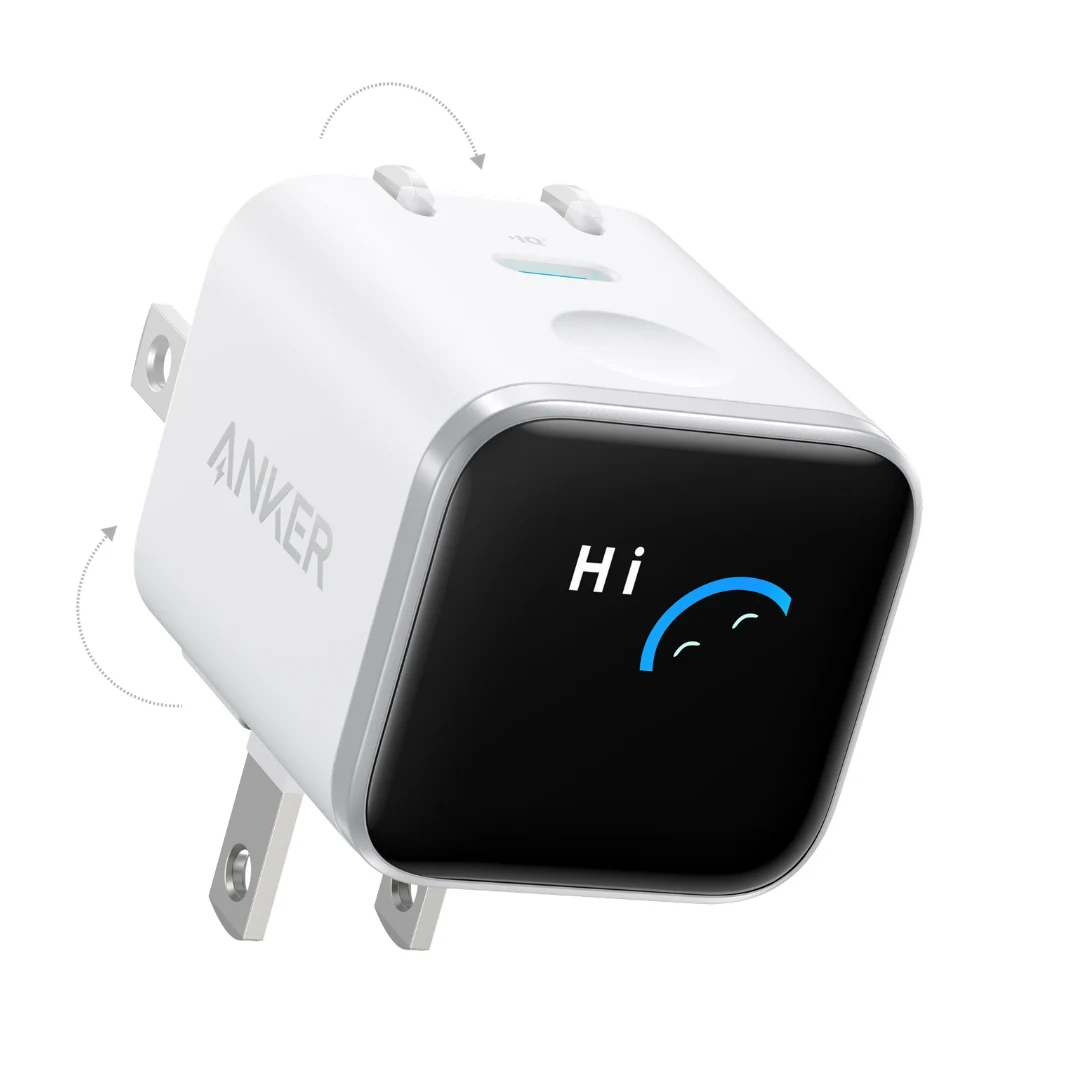
- Anker Nano 45W Smart Display — 45W with a digital display showing real-time wattage output. Overkill for Qi2 alone but useful for simultaneous laptop or tablet charging.
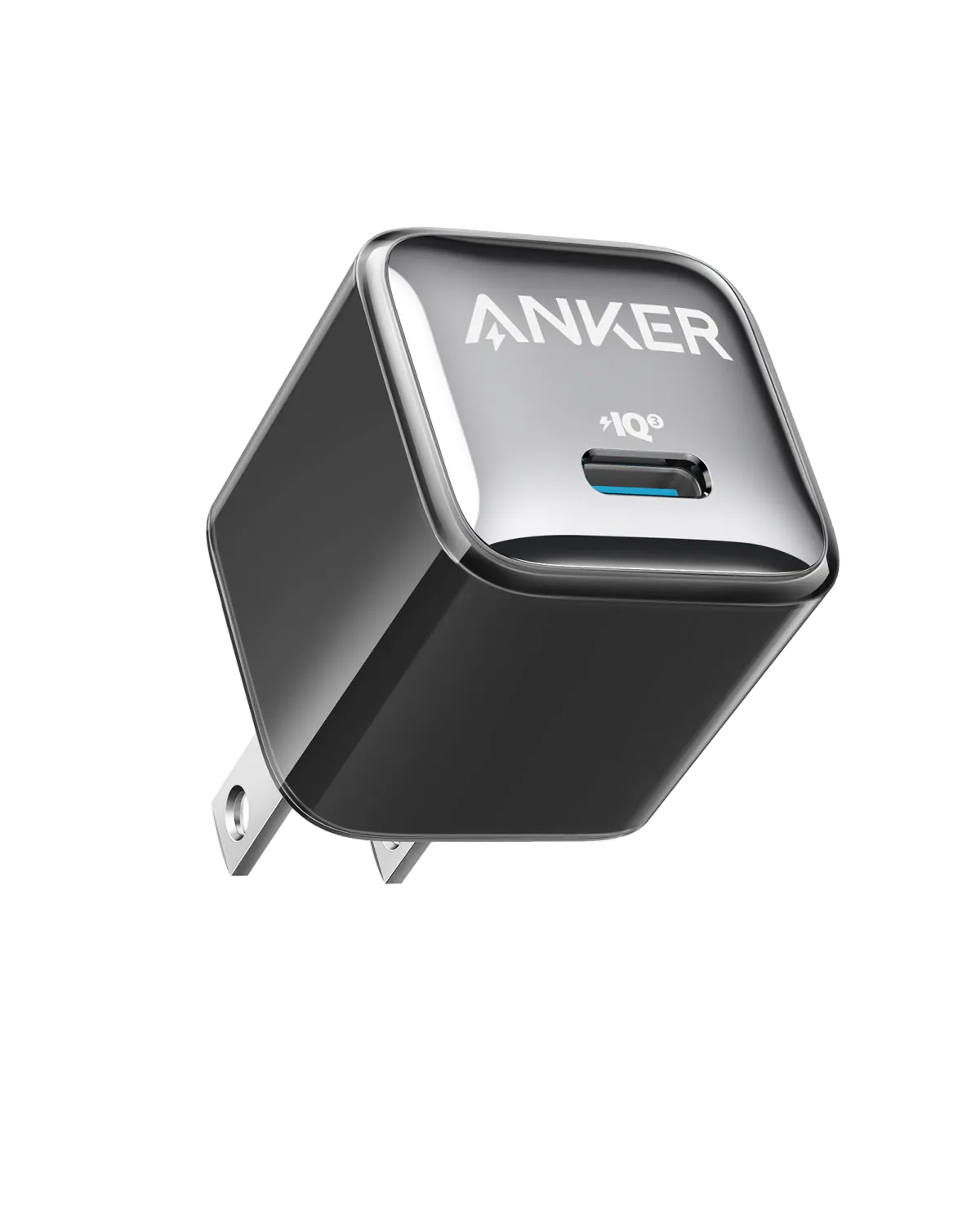
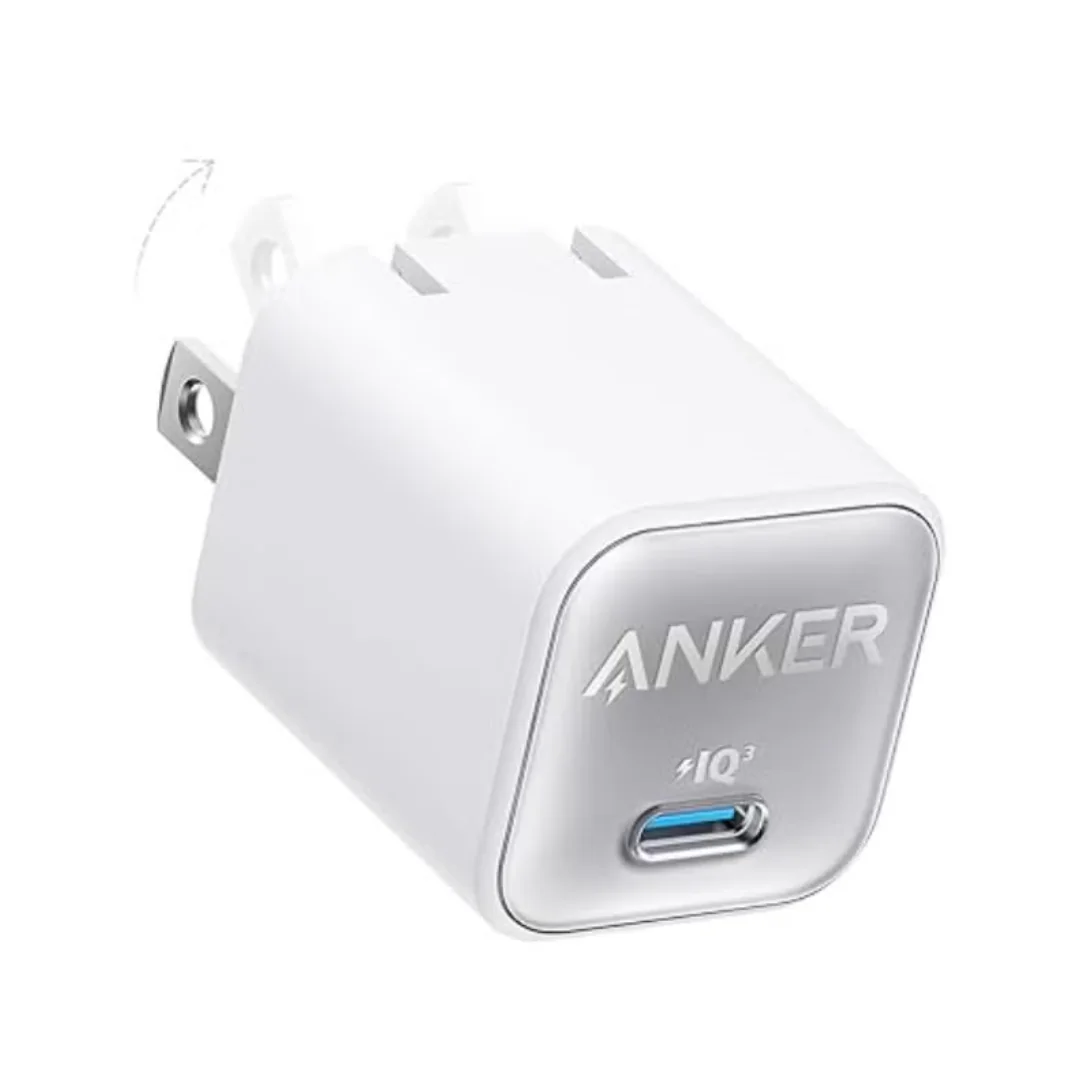
- Anker 30W USB-C — the practical sweet spot for powering a Qi2 pad with headroom to spare.
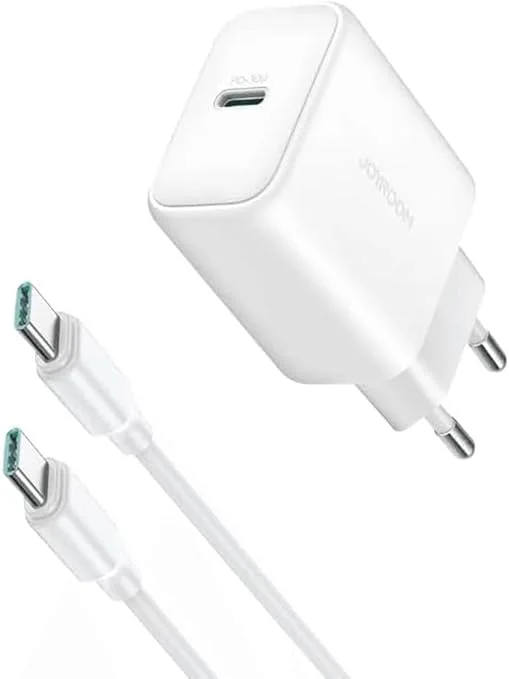
- Joyroom 30W Fast Charger — budget-friendly option with the same performance level for Qi2 use.
Egyptian electrical grid — no compatibility issues
Egypt's power grid operates at 220V / 50Hz. Every modern USB-C wall adapter is rated for 100-240V input — meaning there is zero compatibility issue with the Egyptian grid. No voltage converter needed. What does matter: use a charger from a reputable brand (Anker, Joyroom, or equivalent). Cheap unbranded USB-C adapters sold in Egyptian markets can be unsafe on a grid that sometimes experiences voltage fluctuations, and a failing adapter damages both the pad and your phone's battery over time.
Egyptian Summer Heat and Wireless Charging
Wireless charging is inherently less efficient than wired — roughly 80-85% efficiency versus 95%+ for a cable. The missing 15-20% becomes heat. In Egypt's summer context:
- If the phone is in direct sunlight or in a hot room — wireless charging generates additional heat on top of ambient temperature. Most modern phones detect thermal buildup and throttle charging speed automatically to protect the battery.
- Using the phone while wirelessly charging — a compounding heat situation. The phone draws power from the pad while simultaneously consuming power for the screen and processor. The combination generates significantly more heat than charging alone. In a 40°C Egyptian summer environment, this can push phones into thermal throttling quickly.
- Practical guidance: wireless charging works best for overnight desk or bedside charging when the phone is idle and the environment is room temperature. For emergency charging in summer heat — use a cable. It is faster and runs cooler.
When Qi2 Makes Sense vs When Wired is Better
| Situation | Better Choice | Reason |
|---|---|---|
| Overnight bedside charging | Qi2 | Convenient drop-and-charge, no fumbling for a cable in the dark |
| Desk charging while working | Qi2 | Phone stays visible and accessible, no cable management needed |
| Emergency charge in 30-60 minutes | Wired cable | 30W wired>> 15W wireless in the same time window |
| In-car phone mount | Qi2 magnetic mount | Phone snaps into navigation position and charges simultaneously |
| Air travel / portable charging | Wired cable | No extra pad to carry, lighter, faster |
| Egyptian summer, hot environment | Wired cable | Wireless generates additional heat; cable runs cooler in hot conditions |
If the in-car scenario is what interests you most, we now stock the Anker Magnetic Wireless Car Charger at EGP 1,200 — a magnetic mount and wireless charger in one, with a detachable pad that keeps charging your phone even after you leave the car.
The Total Cost Equation for Qi2 in Egypt
A realistic budget for setting up Qi2 charging in Egypt today:
- Qi2 wireless pad: about 400-800 EGP (approximate market range, varies by seller)
- USB-C wall adapter at 20-30W (if you do not already own one): Anker 30W (A2147) at EGP 490
Compared to a quality USB-C cable (100-200 EGP) — wireless is significantly more expensive. The question to ask honestly: does the convenience justify it for your daily habits? For people who find plugging and unplugging a cable genuinely annoying, or who want phone-always-visible on a desk pad without a cable dangling — yes, the Qi2 setup makes sense. For people who charge once at night and plug in the cable on the way to sleep — the cable approach is simpler, cheaper, and marginally faster.
The Smart Starting Point: Get the Wall Adapter First
Qi2 wireless pads are not yet widely available in Egypt's retail market. What is available are old Qi pads and Apple's own MagSafe at high prices. The smart move right now: invest in a quality USB-C wall adapter — you need one regardless of whether you ever buy a wireless pad.
The Anker Nano 45W or Anker 30W will fast-charge your phone by cable today, and when you add a Qi2 pad to your setup later, the same adapter powers it perfectly. That is a future-proof purchase either way.
CairoVolt Team
Tech Editor
Frequently Asked Questions
Does iPhone 15 charge at 15W on any Qi2 wireless charger?▼
Does the Samsung S25 Ultra work with Qi2?▼
What is the difference between Qi2 and MagSafe?▼
Is wireless charging always slower than wired?▼
Ready to Buy?
Browse available products and review specifications and CairoVolt warranty terms before ordering
Related products
Anker Nano 45W Smart Display GaN Charger (A121D) | 180° Foldable Plug | USB-C PD
Anker 511 Nano 3 GaN Charger 30W (A2147) | USB-C PD | IQ3
Joyroom 30W PD+QC Wall Charger | Dual USB-C and USB-A Ports
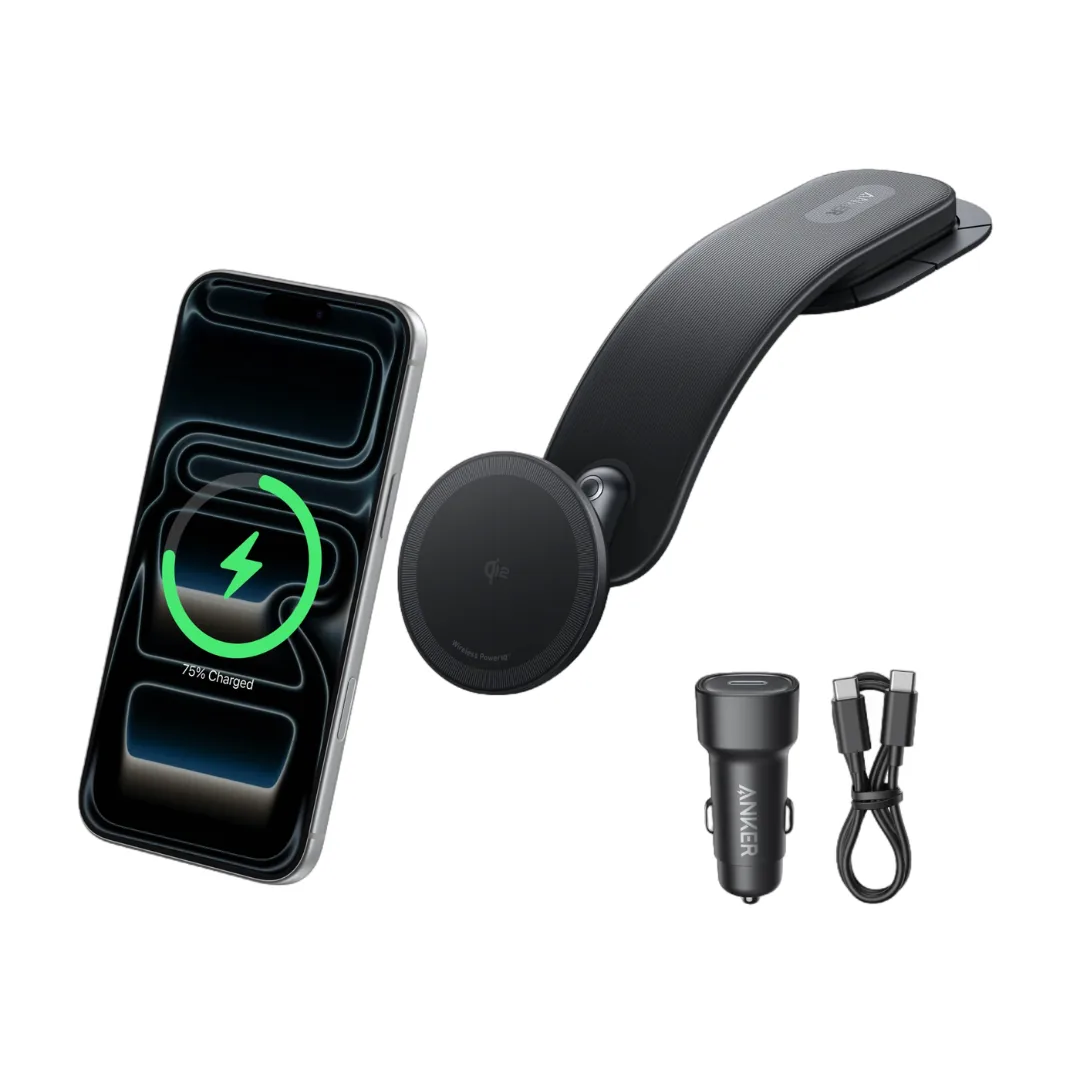
Anker Nano Magnetic Wireless Car Charger (A2216) | Qi2 15W | 14N Bendable Dashboard Mount