
Qi2 and MagSafe — How the Future of Wireless Charging Will Transform How You Charge
A comprehensive guide to the new wireless charging technologies — Qi2 and MagSafe — what the differences are and how they will change how you charge.
Quick Take: Qi2 is the open magnetic wireless-charging standard from the Wireless Power Consortium, built on MagSafe and working with iPhones and compatible Android phones. It launched at 15W, and Qi2.2 supports up to 25W on compatible phones. MagSafe is Apple's version, reaching up to 25W on iPhone 17 with a 25W MagSafe charger and a 30W+ adapter.
Wireless charging was a dream ten years ago — you place your phone on a pad and it charges without a cable. But the reality was that traditional wireless charging (Qi 1.0) was slow (5-7.5W), ran very hot, and required you to place the phone in exactly the right spot down to the millimeter or it would not charge — or worse: it would get hot and still not charge.
In 2024, everything changed. Apple opened up its MagSafe technology to the world, and the Wireless Power Consortium launched the Qi2 standard — the new generation of wireless charging that solves all the old problems. In this article, we will explain the difference between Qi, Qi2, and MagSafe, and tell you when you will be able to use them in Egypt.
💡 Quick Answer: Qi2 is the open magnetic wireless-charging standard from the Wireless Power Consortium, built on MagSafe and working with iPhones and compatible Android phones. It launched at 15W, and Qi2.2 supports up to 25W on compatible phones. MagSafe is Apple's version, reaching up to 25W on iPhone 17 with a 25W MagSafe charger and a 30W+ adapter.
Old Wireless Charging (Qi 1.0) — Why It Was Frustrating
Before we talk about Qi2, we need to understand why old wireless charging was a bad experience for most people. There were four main problems:
- 🐌 Very slow: Qi 1.0 was only 5W — meaning an iPhone would charge from 0 to 100% in 3+ hours. Even the improved Qi 1.2 maxed out at 15W theoretically, but most chargers delivered only 7.5-10W in practice.
- 🎯 Alignment problem: You had to place the phone in exactly the right spot to the millimeter. If it shifted by one centimeter — charging would stop or become extremely slow. Many people woke up to find their phone had not charged because it was misaligned by millimeters.
- 🌡️ Heat: Old wireless charging efficiency was only 60-70% — meaning 30-40% of energy converted to heat. Compare this to wired charging (90%+). This heated both the phone and charger, and the battery suffered long-term.
- 💸 Expensive for less: A decent wireless charger cost 500-1,000 EGP — and charged slower than a wired charger at 200 EGP. People kept asking: "Why pay more to get less?"
MagSafe — Apple's Game-Changing Solution
In 2020, Apple introduced MagSafe with the iPhone 12. The idea was simple yet brilliant: a ring of magnets surrounding the wireless charging coil inside the phone. When you bring a MagSafe charger close — the magnets pull the charger into perfect alignment automatically. The result:
- ✅ 100% automatic alignment: The magnets ensure the charger coil perfectly aligns with the phone coil every single time — zero error.
- ✅ Higher speed: 15W on iPhone 12-16, and 25W on iPhone 17 Pro — 2-5 times faster than old Qi.
- ✅ Higher efficiency: Perfect alignment raises efficiency from 60-70% to 80-85%. Less heat equals a happier battery.
- ✅ Magnetic accessories: Cases, wallets, car mounts — all attach magnetically. A complete ecosystem.
The only problem: MagSafe was exclusive to Apple. If you had a Samsung or any Android — no benefit. Until Qi2 arrived.
Qi2 — MagSafe for Everyone
In January 2023, the Wireless Power Consortium (WPC) announced Qi2 — which is literally MagSafe but as an open global standard. Apple contributed the magnetic alignment technology (Magnetic Power Profile) to the WPC, which in turn made it available to all manufacturers.
What this means practically:
- 📱 Samsung Galaxy S26 and newer support Qi2. The first time Samsung uses magnetic wireless charging — and it works with the same MagSafe chargers.
- 📱 Google Pixel 10 supports Qi2. Same magnets and same alignment.
- 📱 OnePlus and Xiaomi started adding Qi2 in 2026 models. The standard is spreading quickly because it is open and free to license.
- 🔌 One Qi2 charger charges any phone. iPhone, Samsung, Pixel — all with the same charger at the same speed with the same magnetic alignment.
Qi vs Qi2 vs MagSafe — Comparison Table
| Standard | Qi 1.x (Old) | Qi2 | MagSafe (Apple) |
|---|---|---|---|
| Speed | 5-15W | 15W (up to 25W with Qi2.2) | 15-25W |
| Magnetic Alignment | ❌ No | ✅ Yes | ✅ Yes |
| Compatibility | All phones | All phones (open) | iPhone only (closed) |
| Efficiency | 60-70% | 80-88% | 80-85% |
| Heat | High | Low | Low |
| Magnetic Accessories | ❌ | ✅ MagSafe compatible | ✅ |
| Charger Price in Egypt | 200-500 EGP | 400-800 EGP | 1,000-2,000 EGP (original) |
Current Situation in Egypt — 2026
Let us be honest about the wireless charging reality in Egypt:
- 🇪🇬 MagSafe: Available but expensive. The official Apple MagSafe charger costs 1,200-1,800 EGP in Egypt. Compatible alternatives (from Anker for example) are 40-50% cheaper but still not budget-friendly.
- 🇪🇬 Qi2: Started appearing in 2025 with phones like Samsung S25 and Pixel 9. Chargers began arriving in Egypt in 2026 at 400-800 EGP. Prices will drop further in 2027 as competition increases.
- 🇪🇬 Old Qi: Still the most widespread in Egypt. Cheap chargers (200-400 EGP) but at 5-10W speeds without magnetic alignment.
- 💡 Our advice: If buying a new wireless charger in 2026 — get one that supports Qi2 from the start. The price difference from old Qi is minimal but the performance is significantly better. And if you have an iPhone — a Qi2 charger works exactly like MagSafe (magnetic + 15W) at a lower price.
Does Wireless Charging Damage Your Battery?
This is the question everyone asks — and the answer has changed with Qi2. With old wireless charging, the excess heat (due to 60-70% efficiency) genuinely affected battery health over time — you could lose an additional 5-10% of battery health in the first year compared to wired charging.
With Qi2/MagSafe, efficiency has risen to 80-88% — meaning significantly less heat. Studies show that the battery impact is now only 2-3% per year — very close to wired charging. However, wired charging (USB PD) remains more efficient (90%+) and faster. To understand more about charging's impact on batteries, read Does Fast Charging Actually Damage Your Battery?
Wired or Wireless — Which Suits You?
| Scenario | Best Option | Why |
|---|---|---|
| Fast charging while using phone | Wired (PD) | Faster + you can hold the phone |
| Overnight bedside charging | Wireless (Qi2/MagSafe) | Place and forget — no cable |
| In the car | Magnetic wireless | Magnets hold phone on mount |
| Emergency charging (power bank) | Wired | Faster + higher efficiency = longer power bank life |
| On desk while working | Wireless (Qi2) | Pick up and put down easily — no cable disconnect |
The bottom line: wired charging remains king of speed and efficiency. Wireless charging (Qi2/MagSafe) is king of convenience. They are not alternatives — they are complementary. An Anker 20W wired charger for fast charging + a Joyroom 3-in-1 wireless charger on the bedside table = the best combination.
And if you want to understand all wired charging protocols (PD, QC, PowerIQ, VOOC), read Every Fast Charging Technology Explained.
The Magnetic Ecosystem — More Than Just Charging
The most important thing about Qi2 is not the charging itself — it is the magnetic accessories that come with it. With Qi2, any phone (not just iPhone) can now use:
- 🧲 Magnetic cases: Cases that attach magnetically and detach easily — and do not block wireless charging because they are designed for proper alignment.
- 🧲 Car mounts: Instead of clip-style mounts that scratch your phone — magnets hold it securely while charging simultaneously. You can mount it with one hand while driving.
- 🧲 Magnetic wallets: Credit cards and cash attach magnetically to the back of your phone. Very practical if you dislike carrying a bulky wallet.
- 🧲 Magnetic power bank: The Joyroom Magnetic Power Bank 10,000mAh attaches to the back of your phone and charges wirelessly — you can use your phone normally while charging without any cables. Note: it is not a Qi2 charger, and our samples charged an iPhone wirelessly at about 7.3–7.5W.
5 Common Wireless Charging Mistakes to Avoid
- ❌ Charging through a thick case: Cases thicker than 3mm reduce wireless charging efficiency by 30-50%. Use a thin case or one certified for MagSafe/Qi2.
- ❌ Placing metal objects between phone and charger: A credit card or metal coin between the phone and charger heats up dangerously and can damage both the card and charger. Certified magnetic accessories are designed to avoid this issue.
- ❌ Using a cheap unbranded Qi charger: A wireless charger for 100 EGP from an unknown source — without safety certifications — can overheat dangerously and affect your battery. Buy from a certified brand even if it costs 200-300 EGP more.
- ❌ Thinking wireless replaces wired entirely: No current wireless technology matches wired charging in efficiency or speed. Use both — each has its ideal use case.
- ❌ Ignoring wall charger wattage: A Qi2 charger needs at least a 20W power source. If you plug it into an old 5W wall adapter — it will charge extremely slowly regardless of how advanced the wireless charger is.
✅ Wireless and Wired Chargers — Genuine with Warranty at CairoVolt
Joyroom 3-in-1 Wireless (phone + watch + earbuds) with CairoVolt's written store warranty (duration shown on the product page) + Anker and Joyroom wired chargers with PD + QC support. 100% genuine + delivery to all governorates + cash on delivery.

CairoVolt Editorial Team
Content team reviewing specifications and buying guides
The CairoVolt team reviews model numbers, specifications, and compatibility, and updates information when better data is available. Estimates are labeled as calculations, and readers can report information that needs correction.
Frequently Asked Questions
Does a MagSafe charger work with Samsung?▼
Is Qi2 faster than MagSafe?▼
If I have an iPhone 15 — should I buy MagSafe or Qi2?▼
Is Qi2 wireless charging safe for the battery?▼
Ready to Buy?
Browse available products and review specifications and CairoVolt warranty terms before ordering
Related products
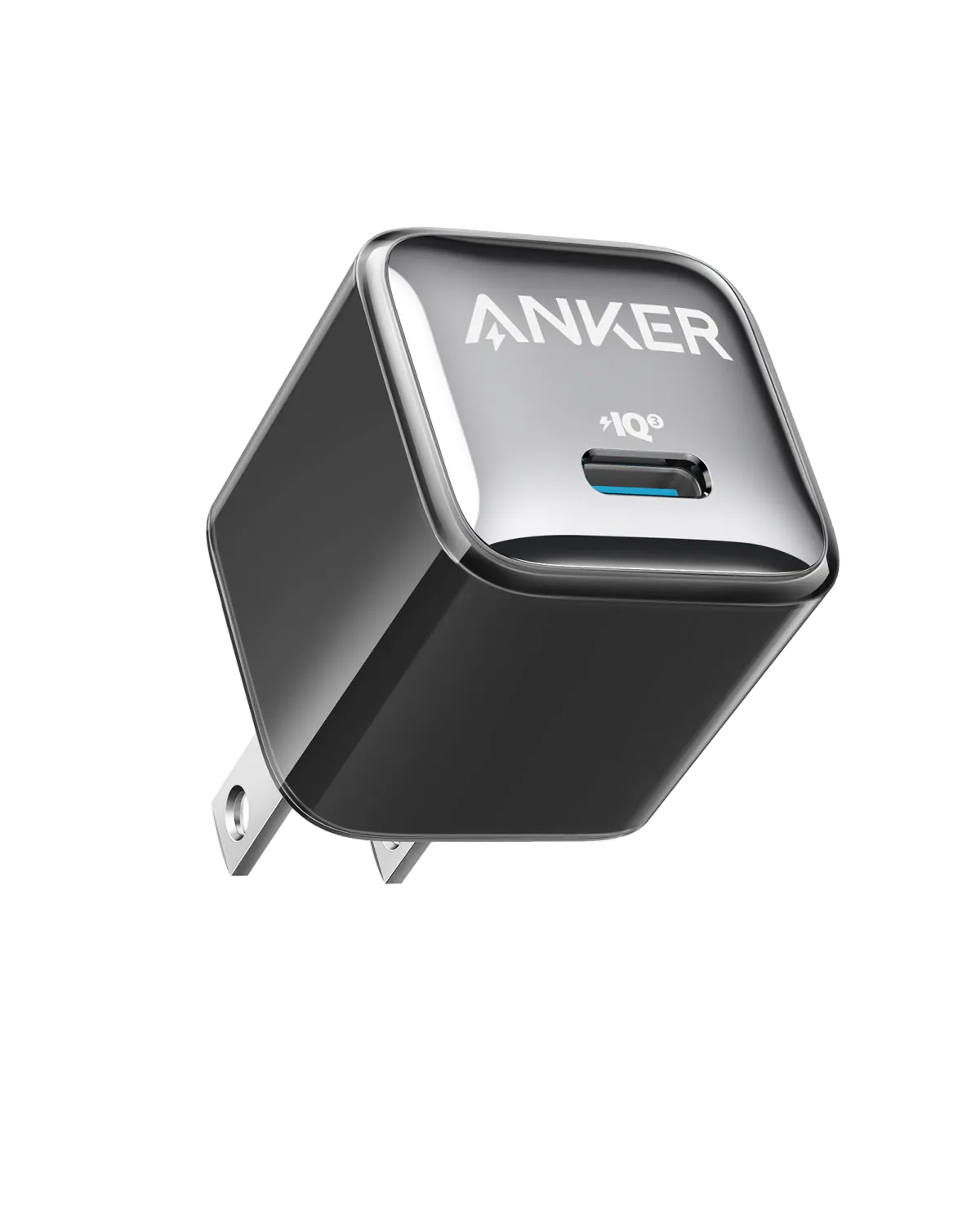
Anker A2347K11 20W USB-C PD Charger | Check Device Profile and Plug
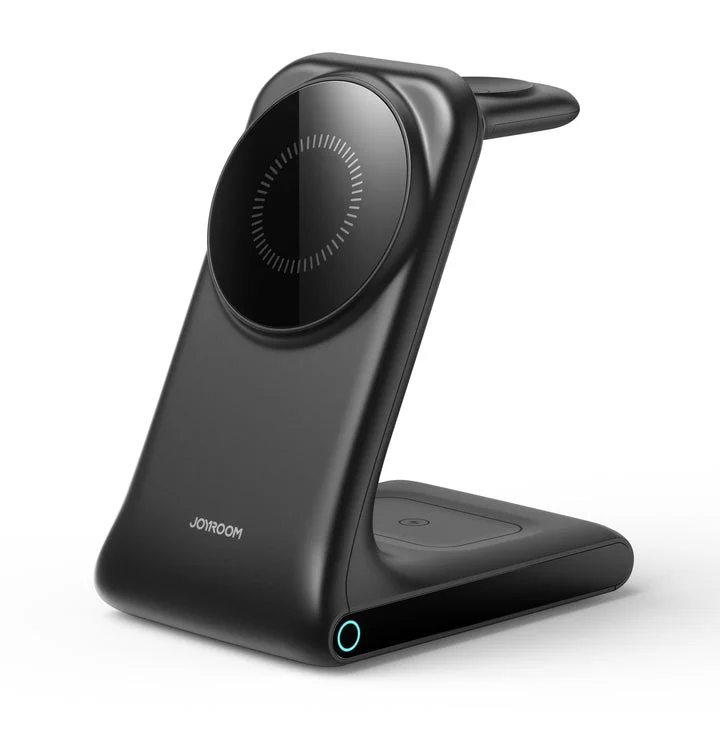
Joyroom 3-in-1 MagSafe Station | iPhone 17 + Apple Watch + AirPods | 15W | Aluminum
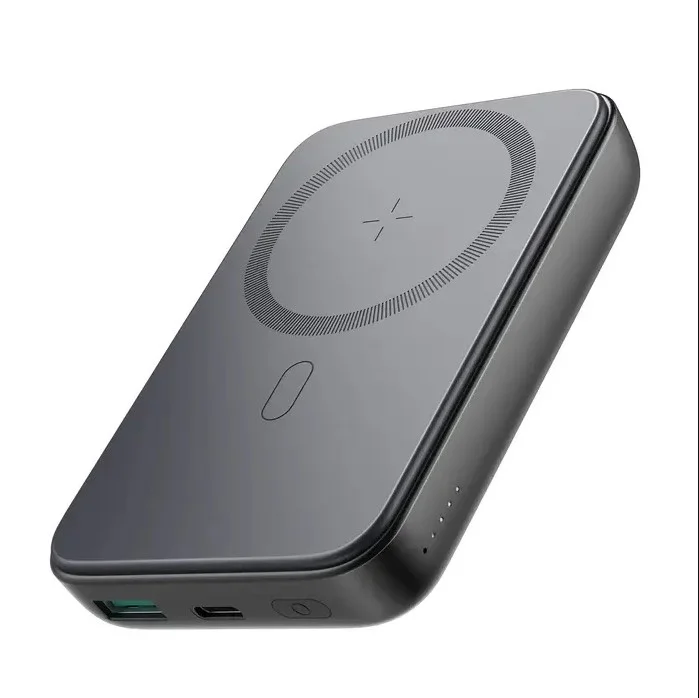
Joyroom MagSafe Power Bank 10000mAh | 15W Wireless + 20W Wired | Kickstand
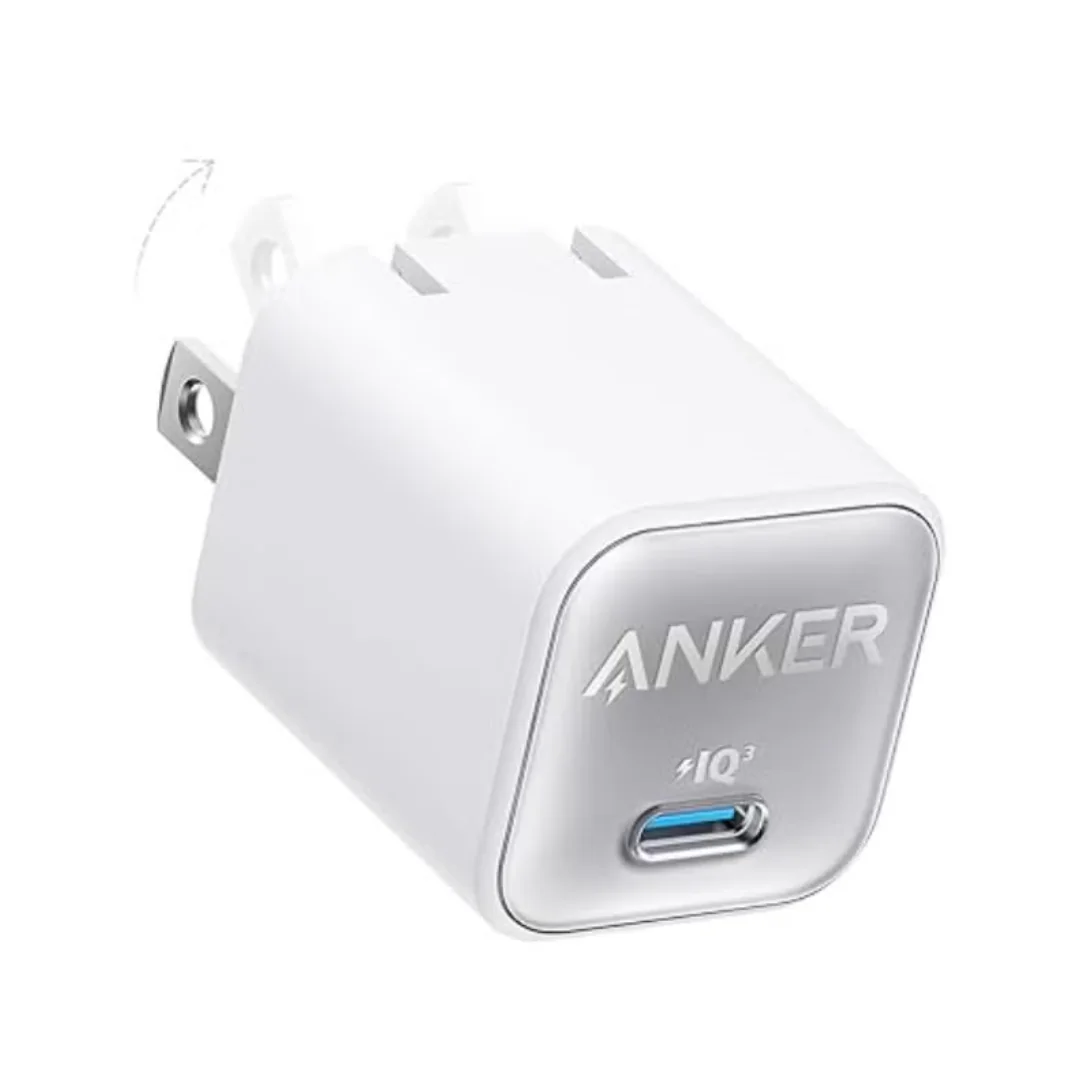
Anker 511 Nano 3 GaN Charger 30W (A2147) | USB-C PD | IQ3
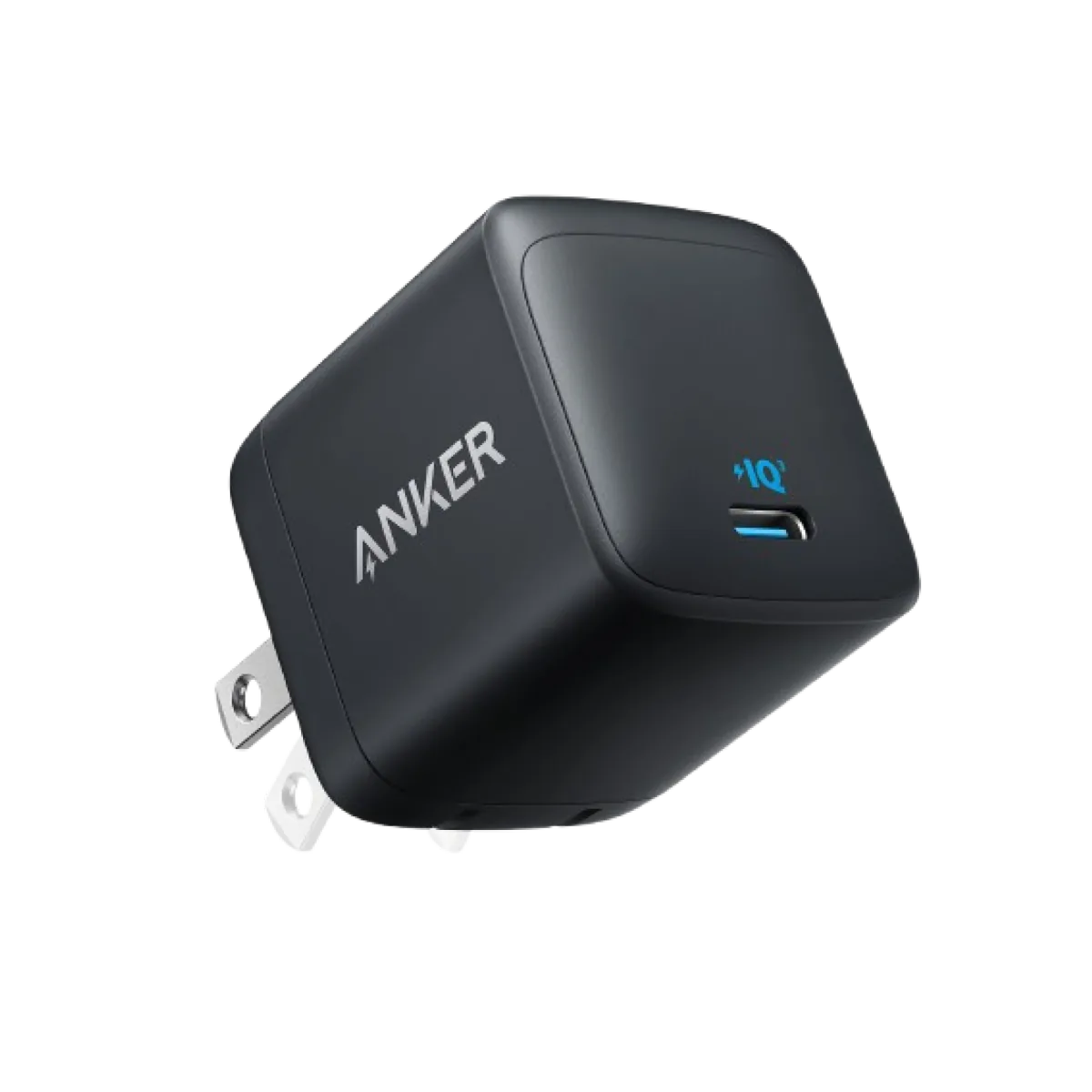
Anker Nano 45W GaN USB-C Charger | MacBook Air + iPhone 17
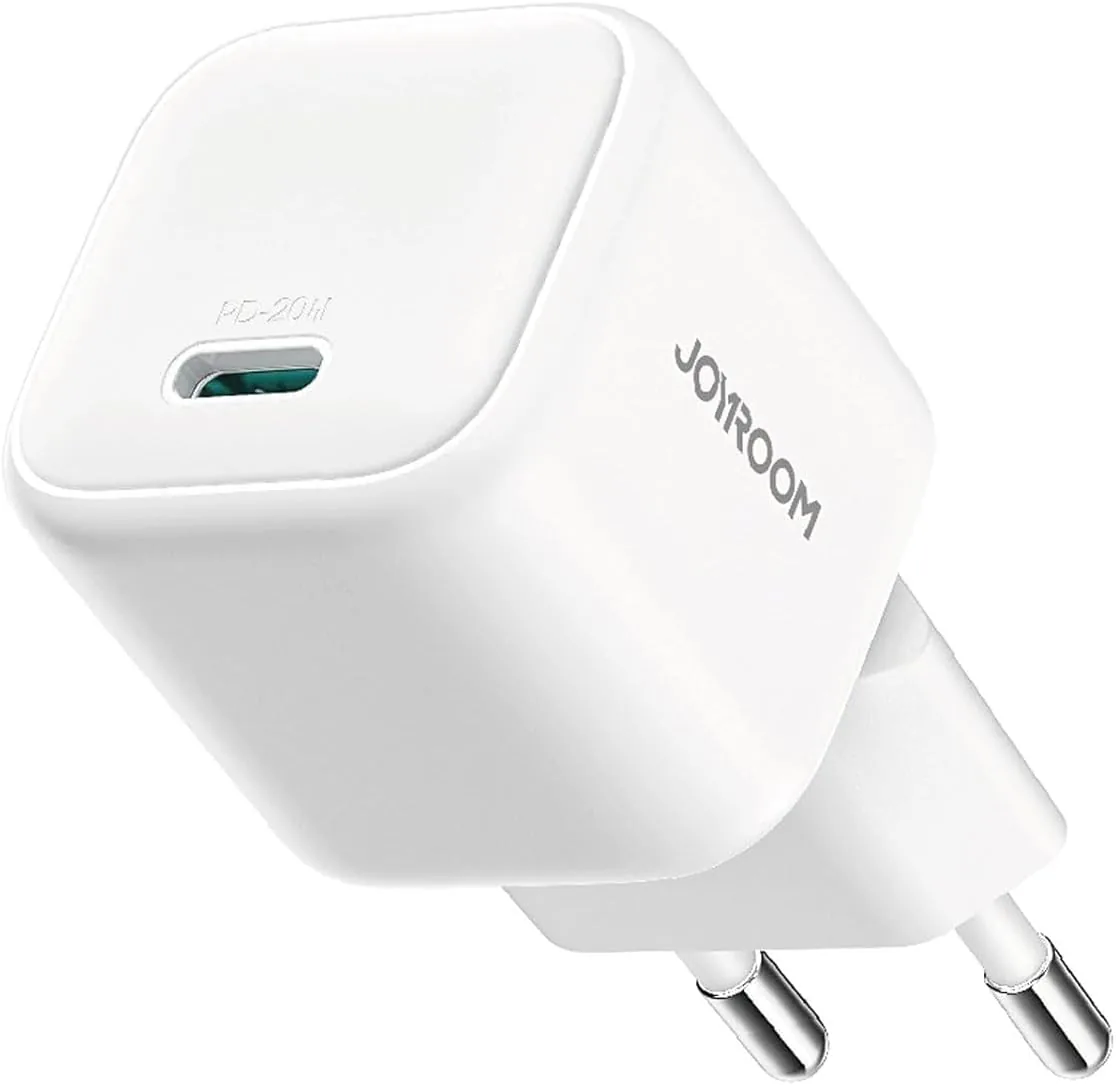
Joyroom 20W USB-C PD Charger | iPhone 17 Fast Charge
Browse the categories this article covers
Related Articles
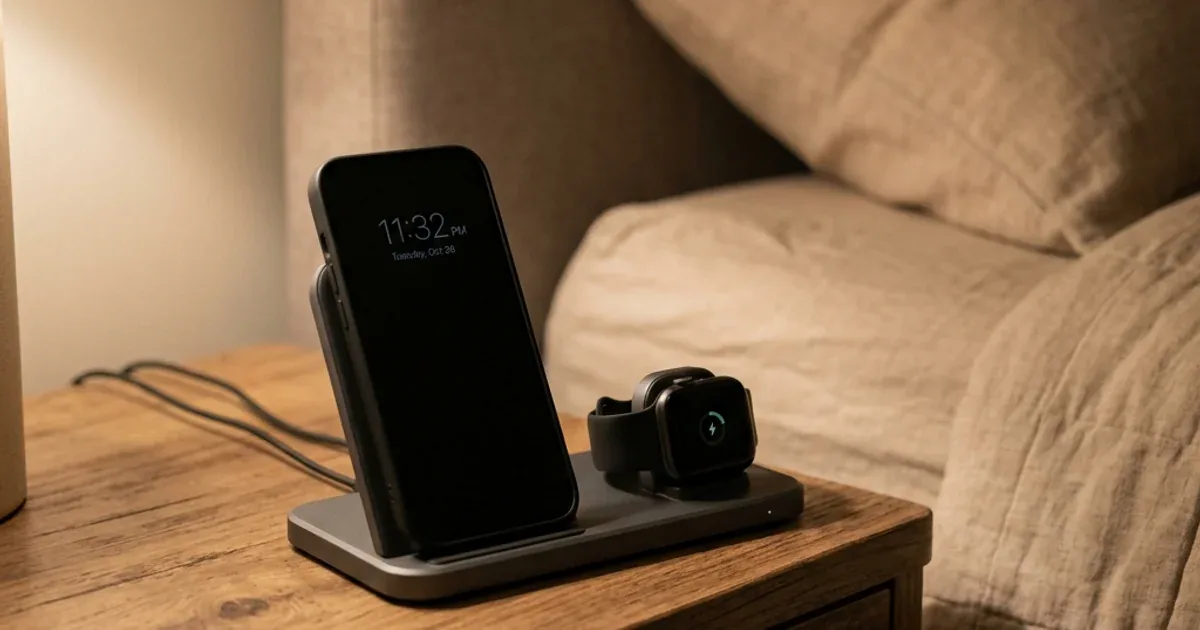
2-in-1 Wireless Charger for Phone and Watch — Best 5 Picks in Egypt
Read more →
Does Fast Charging Actually Damage Your Phone Battery? The Complete Scientific Truth
Read more →