 CairoVolt Team
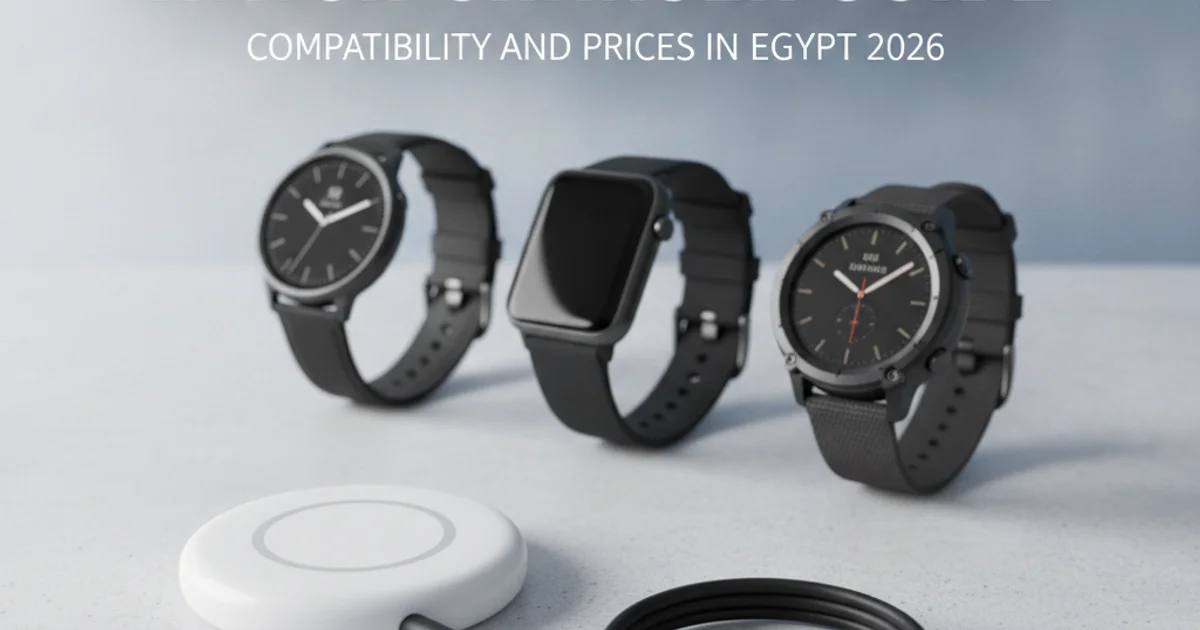
Huawei Watch Charger Guide — Compatibility and Prices in Egypt 2026
Own a Huawei smartwatch or Band and need a replacement charger? Be careful because Huawei uses two different charging mechanisms: physical pogo pins and Qi wireless induction. Here is the compatibility guide.
Bottom Line: Huawei wearable chargers are split into two categories: Pogo Pin chargers with varying pitches (2.84mm for Band 6/7/Fit/Fit2 and 2.5mm for Band 8/9/Fit3) and Qi-based Inductive chargers for the GT 3/4/5 and Watch 3/4 series. Genuine pogo cables cost 250-350 EGP in Egypt, while wireless cradles cost 600-800 EGP. Avoid generic clones to prevent PMIC failure.
Huawei has achieved massive success in Egypt's smartwatch and wearable market, driven by class-leading battery life, elegant designs, and the popular GT series. However, when the charger is misplaced, users often face confusion due to the array of models and ports. Many do not realize that a Huawei Band 7 charger will not fit a Band 8, and that the GT 2 series uses a physical contact dock while the GT 3 and GT 4 rely on induction. In this technical guide, CairoVolt explores the electrical differences between Huawei smartwatch chargers, their model compatibility, and original vs. clone prices in Egypt.
💡 Quick Answer: Huawei uses two charging systems: physical Pogo Pins for the Band and Fit series (with pin pitch changing between generations), and Qi Wireless Induction for the premium GT and Watch 3/4 series. Using the incorrect pin pitch or a cheap clone can degrade the charging circuit.
1. Technical Divergence: Pogo Pins vs. Inductive Wireless Charging
Huawei wearables are designed around two distinct power delivery methods depending on their price tier and casing materials:
- 1. Magnetic Pogo Pin Charging: This method relies on physical, spring-loaded copper contacts (Pogo Pins) on the charging cable making physical contact with small copper pads on the back of the device. This provides a direct DC connection with high power transfer efficiency (~95%) and virtually no thermal dissipation. It is used in budget and mid-tier devices like the Huawei Band series (Band 6/7/8/9), Watch Fit series (Fit, Fit 2, Fit 3), and older Watch GT models (GT, GT 2, GT 2e).
- 2. Qi-based Electromagnetic Induction (Wireless): No physical electrical contacts are present on the watch backing. Power is transferred wirelessly using electromagnetic induction via a circular magnetic dock (charging puck). This system is deployed on premium wearables such as the Watch GT 3 / GT 4 / GT 5 and Watch 3 / Watch 4. A key advantage of this system is that it supports standard Qi wireless power profiles, allowing you to charge your watch via reverse wireless charging from a flagship smartphone.
2. Navigating the Pogo Pin Pitch Configuration Trap
A common misconception among owners of Huawei Band and Fit devices is that all 2-pin magnetic charging cables are interchangeable. This is incorrect. The spacing between the center points of the two pins (known as the pin pitch) varies between device generations:
- 2.84mm Pin Pitch: Found on the Huawei Band 6, Band 7, Watch Fit, Watch Fit 2, and Huawei Kids Watch 4 Pro. The cables for these devices are identical and fully compatible.
- 2.50mm Pin Pitch: To minimize the component footprint, Huawei modified the connector design for newer models. The Band 8, Band 9, and Watch Fit 3 utilize a narrower 2.50mm pitch. Attempting to use an older Band 7 cable on a Band 8 will fail because the pins will not align with the copper pads on the watch casing.
While the magnetic polarity is keyed to prevent reversing the cable and causing a short circuit, mismatched pin pitch will simply prevent any electrical contact from being established.
3. Wire Gauge, Cable Resistance, and Voltage Drop Dynamics
Why do wearables charge slowly or fail to charge with cheap cables? The answer lies in wire resistance. Original Huawei charging cables utilize high-purity copper conductors with a thickness of 24 AWG. This specification offers an extremely low electrical resistance of under 0.08 ohms per meter, permitting the full current to pass without loss.
Generic copy cables utilize thin 30 AWG copper-clad aluminium (CCA) wires. The high resistance of CCA causes a significant voltage drop. By the time the 5.0V source potential travels through the thin cable, it drops to 4.2V or lower at the contacts. Since the watch's internal charging IC expects a clean 5V reference, this voltage drop causes the device to charge extremely slowly or report a charging error.
4. Smartwatch Thermal Management and Safety Controller Logic
Genuine Huawei wireless charging docks incorporate an internal thermal management microchip that works in tandem with the watch's battery management system (BMS). During the charging process, the dock monitors the ambient temperature and the thermal footprint of the inductive coils. If the internal temperature of the watch exceeds 40°C, the system initiates thermal throttling, scaling the charging current down from 1.0A to 0.2A.
Cheap counterfeit chargers lack any thermal monitoring components or microcontrollers. They continuously pump full power into the inductive coils even when the device has reached 48°C or 50°C. This extreme heat not only degrades battery capacity but can also melt the screen adhesive, leading to display lifting or yellow AMOLED display staining.
5. The Pogo Pin Corrosion Heuristic: Sweat and Electrolysis
One of the most frequent technical complaints regarding the Huawei Band and Watch Fit series is a sudden failure to accept charge, even when using the original cable. Users often assume the charger cable has broken, but the problem lies in the chemical reaction occurring on the back of the wearable:
During exercise and daily wear, perspiration (which contains moisture and salts like sodium chloride) collects in the small recessed copper pads on the watch back. When the pogo pin charger is connected and DC current flows in the presence of these salts and moisture, it initiates electrolysis. This electrochemical reaction accelerates the corrosion of the copper contacts, forming a green crust of copper carbonate that acts as a highly effective insulator, blocking the current.
Preventative Maintenance Protocol: Always wipe the back of your Huawei wearable with a dry, clean cloth before connecting the charger. If a green oxidized layer has already formed, dampen a cotton swab with a drop of 99% isopropyl alcohol and gently clean the contacts until the bright copper color is restored.
6. Charging Specs for Premium Huawei Watch GT and Watch Series
If you own a premium Watch GT or Watch series device, the charging specs differ significantly:
- Watch GT 1 and GT 2 Series: These utilize a circular magnetic cradle with two physical pogo pins. The cradle connects to a standard USB Type-C cable. It requires regular cleaning of the contact pins and gentle handling to avoid bending the spring-loaded pins inside the dock.
- Watch GT 3, GT 4, GT 5, and Watch 3/4 Series: These employ inductive wireless charging. They support the standard Qi wireless charging frequency. You can charge them on any compatible wireless pad or via reverse wireless charging from flagship phones.
7. Reverse Wireless Charging as a Backup Power Option
Premium Huawei smartwatches (such as the Watch GT 4 or Watch 4 Pro series) feature native compatibility with the Qi wireless charging standard. This is extremely useful if you travel and forget your charging cradle. Instead of risk using a cheap counterfeit charger, you can enable reverse wireless charging (Wireless PowerShare) in your flagship smartphone's settings menu (e.g., Huawei P60 Pro, Pura 70 Ultra, or Samsung Galaxy S series). Lay the watch back-to-back on the phone casing, and the phone will wirelessly charge your watch safely.
8. Current Huawei Watch Charger Prices in Egypt (Original vs. Clone)
Egypt's market offers various options for purchasing replacement Huawei wearable chargers:
- Original OEM Huawei Pogo Pin Cable: Priced between 250 and 350 EGP. It features high-quality insulation, strong NdFeB magnets, and gold-plated pins that resist corrosion.
- Original OEM Huawei GT Series Wireless Cradle: Retails between 600 and 800 EGP. It contains thermal monitoring microchips that cut off charging when the watch battery reaches capacity or exceeds safe thermal limits.
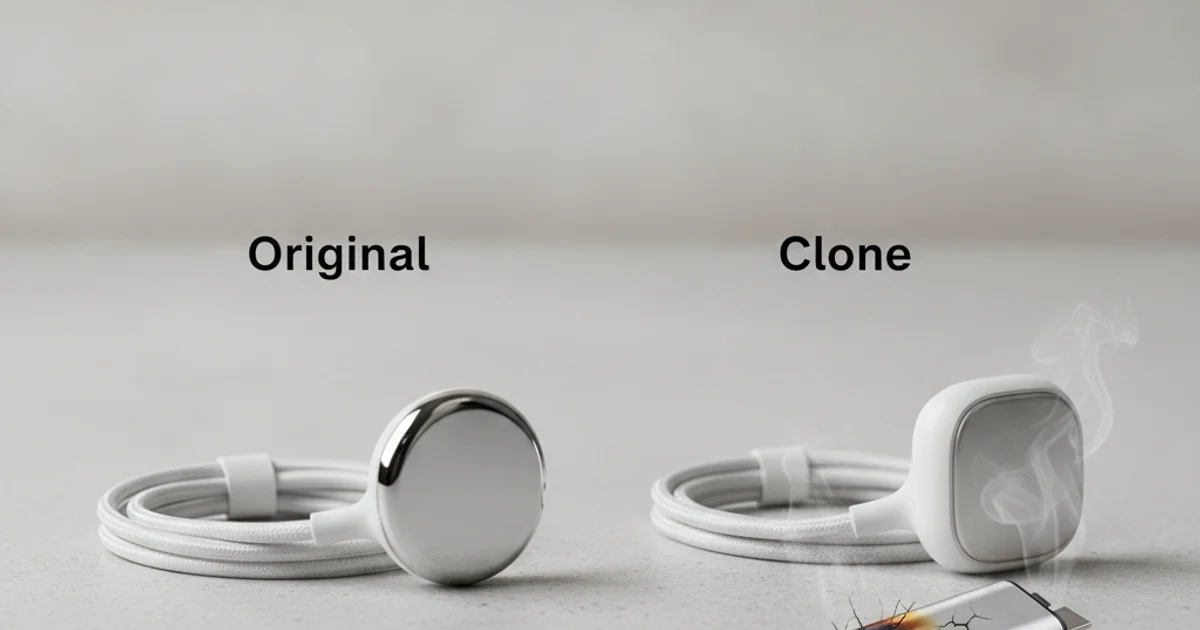
- Generic Clone Cables: Available for 50 to 120 EGP. These use cheap, unplated copper pins that corrode quickly, have weak magnets that allow the watch to slide off, and lack over-voltage protection circuits, putting your watch's PMIC at risk.
Do not connect your Huawei wearable to high-wattage fast chargers (like a 66W or 100W phone charger) using cheap clone cables. These cables lack the necessary inline resistors. The resulting voltage transients can easily blow the tiny charging diodes inside the watch. Always charge using a standard 5V, 1A (5W) legacy USB port.
Matching the correct charging profile and connector pitch for your Huawei smartwatch or Band protects its battery chemistry and prevents hardware damage, keeping you connected safely.
CairoVolt Team
Tech Editor
Frequently Asked Questions
Can I use a Huawei Band 7 charger on a Band 8?▼
Why does my Huawei Band fail to charge even with the original cable?▼
Can I charge my Huawei Watch GT 4 on any wireless charger?▼
What are the risks of using a cheap 50 EGP replacement charger?▼
Ready to Buy?
Browse available products and review specifications and CairoVolt warranty terms before ordering
Related products
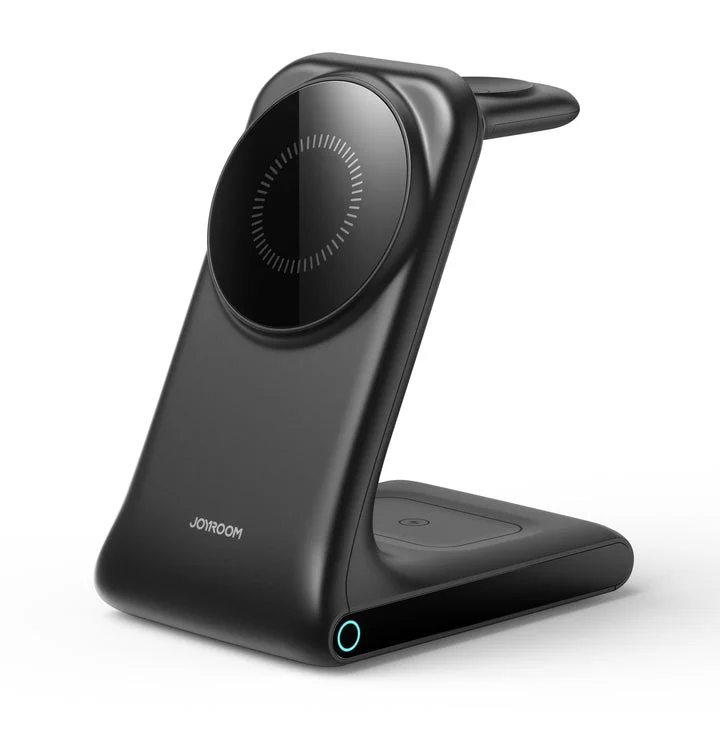
Joyroom 3-in-1 MagSafe Station | iPhone 17 + Apple Watch + AirPods | 15W | Aluminum
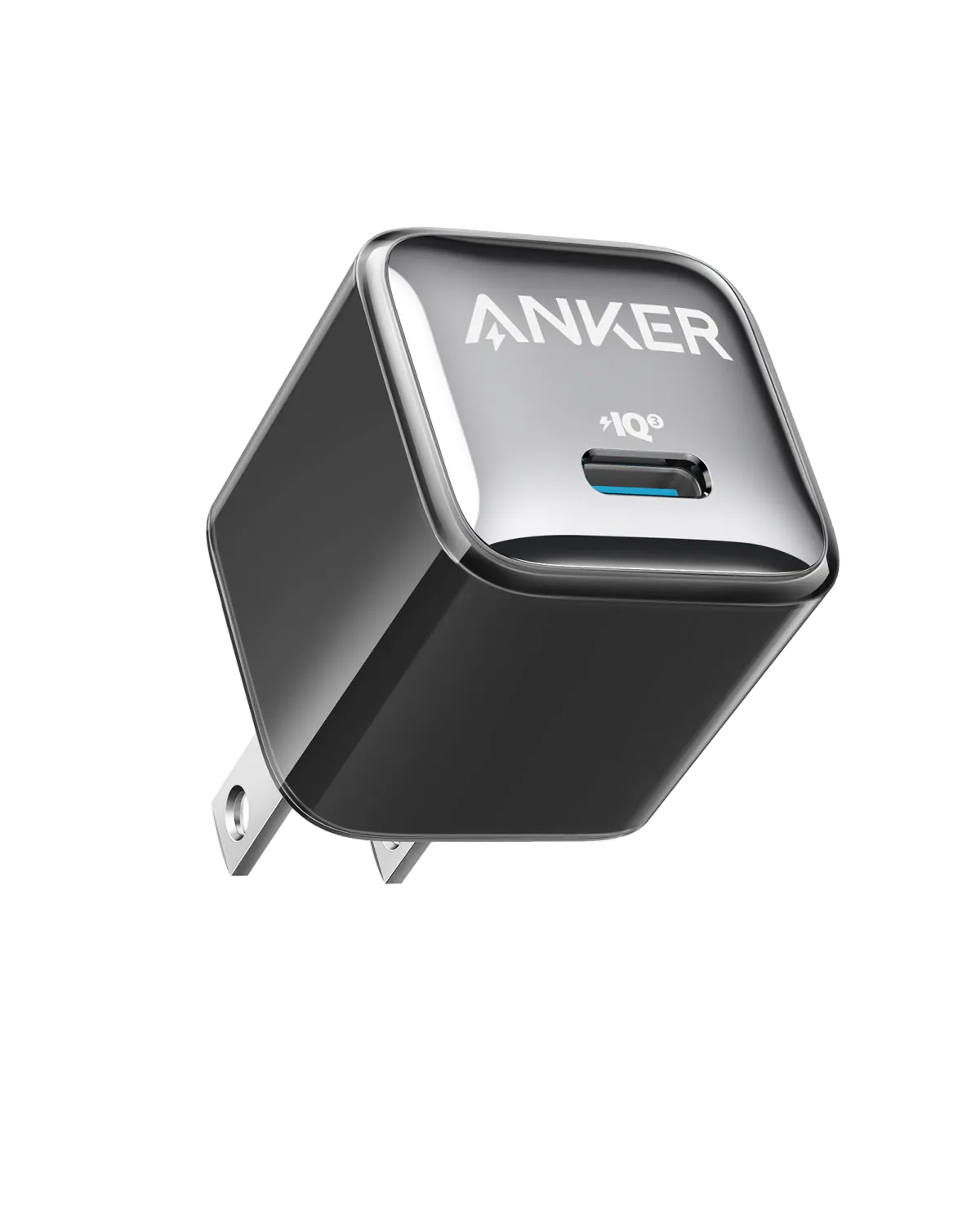
Anker A2347K11 20W USB-C PD Charger | Check Device Profile and Plug
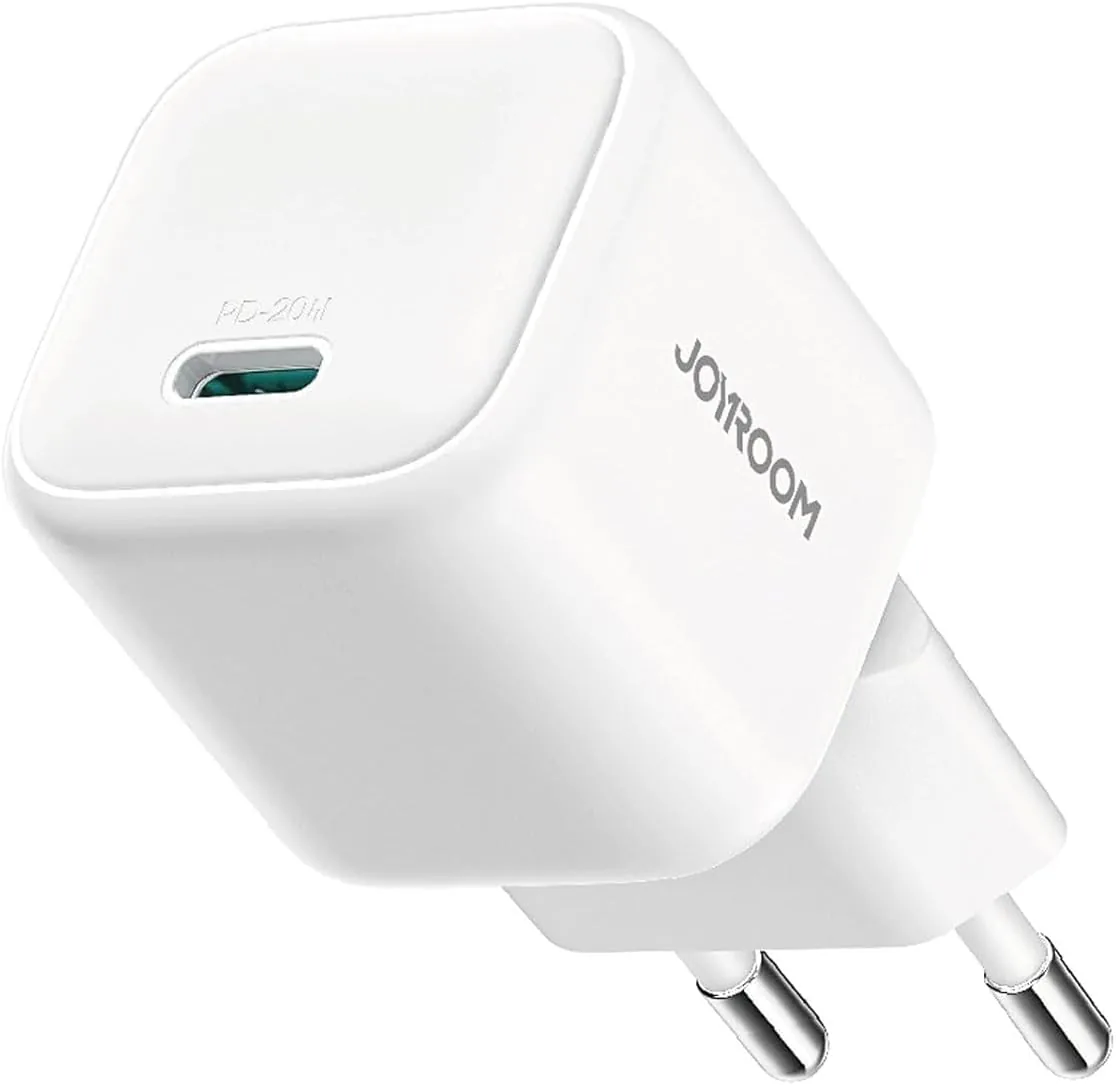
Joyroom 20W USB-C PD Charger | iPhone 17 Fast Charge
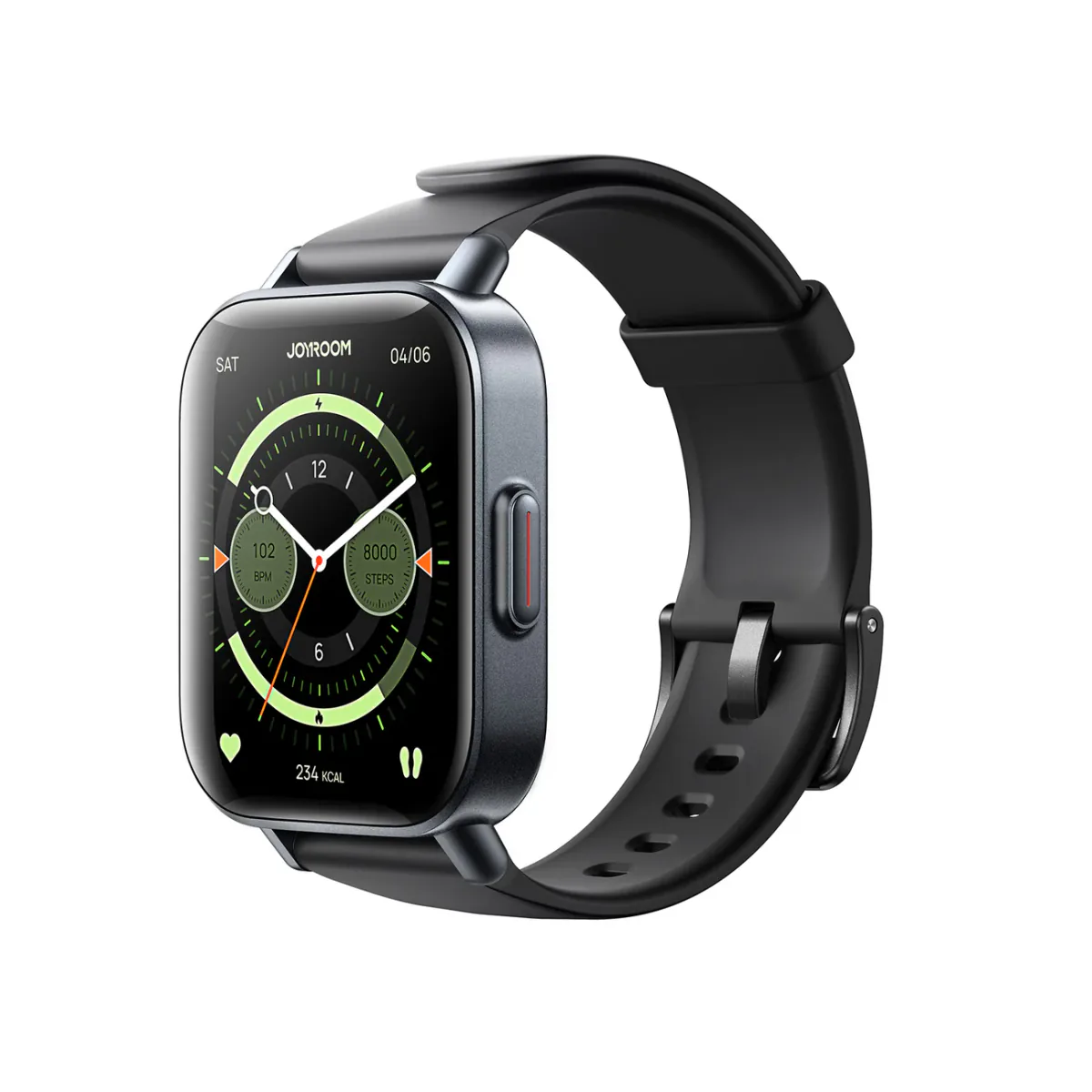
Joyroom FT3 Smartwatch | Manufacturer-Listed IP68, Sports Modes and Heart-Rate Sensor