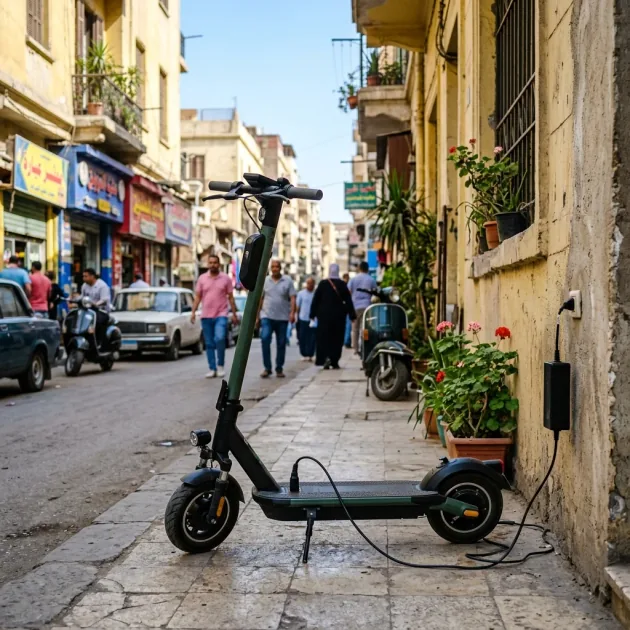
The electric scooter has become an essential mode of transport for many Egyptians — whether for the last mile to the metro station or navigating back alleys. But one problem keeps costing people money, and sometimes far worse: the battery that swells, or worse, catches fire.
In Egypt, this problem is amplified in summer. When it's 40°C outside and you've been riding for two hours, your battery can reach 50-55°C internally. If you plug it in to charge immediately — you're hitting the battery with a double stress. This article explains exactly what's happening physically, what the safe rules are, and how to recognize warning signs before something goes seriously wrong.
Quick Answer: Scooter batteries swell when charged while hot or overcharged past 4.2V per cell. In Egypt, charge before 10am or after sunset, never leave it charging overnight unattended, and unplug at 100%. If the battery swells, stop use immediately — this is a real fire risk that requires immediate action.
Why Do Scooter Batteries Swell? The Simple Science
The lithium battery inside a scooter consists of stacked cells working together. Each cell operates on an electrochemical principle: lithium ions move between electrodes during charging and discharging. The cell works perfectly when its voltage stays between 2.5V (empty) and 4.2V (full).
Swelling happens for two main reasons:
Reason 1 — Overcharging: When a charger continues pushing current after a cell reaches 4.2V, the excess voltage stresses the internal crystal structure through a process called lithium plating. Lithium ions accumulate on the electrode as a metallic layer instead of inserting into the structure. This layer generates internal gas that pushes against the cell walls — causing them to bulge outward. It doesn't happen from one session, but accumulates over time when the charger doesn't cut off precisely at 100%.
Reason 2 — Excessive Heat: Lithium batteries charge safely between 0°C and 45°C. Above 45°C, chemical reactions accelerate in an uncontrolled way — like turning a gas burner to maximum. The electrolyte (the chemical liquid inside the cell) begins to decompose and produce gases. These gases accumulate and inflate the cell.
Egypt's Specific Summer Problem — Double Heat Stress
In July and August in Cairo, outdoor temperatures can reach 42-45°C. A scooter that's been sitting in direct sun or ridden for two hours — its external shell can reach 60-70°C, and the battery inside can be at 50-55°C.
If you plug it in to charge at that moment, you're hitting the battery with two simultaneous stresses:
- The charging process itself generates heat (electrochemical reaction)
- The external heat from the ambient environment and the hot chassis
Result: internal battery temperature can exceed 60°C — which is precisely the red zone where damage begins accelerating rapidly.
Expert Note:
What happens to scooter batteries in Egyptian summers isn't an exception — it's the rule. The overwhelming majority of swelling cases occur between June and August, and the primary cause is almost always charging while hot. The solution is simple: 30 minutes of cool-down time before charging changes everything.
The 6 Safe Charging Rules — Full Details
| Rule | Why It Matters | Egypt-Specific Risk |
|---|---|---|
| Never charge in a hot enclosed space | Ambient heat compounds charging heat | July balcony = 50°C+ = fire hazard |
| Wait 30 minutes after riding | Battery needs to cool below 35°C | Ambient 42°C means 30 min may not be enough |
| Unplug when it reaches 100% | Charging past 100% = overcharging = swelling | Overnight charging = hours past the limit |
| Don't regularly drain below 10% | Deep discharge damages chemical structure | Heat increases power draw — battery drains faster in summer |
| Store at 50-60% if unused for weeks | Storage at 0% or 100% accelerates degradation | Hot garage storage = compounded damage |
| Use only the original charger | Voltage must match battery specifications precisely | Third-party charger = unregulated voltage = danger |
Rule 1 in Depth — Never Charge in a Hot Enclosed Space
This seems obvious, but many people get it wrong. A balcony in July is not a safe charging location — temperatures there can reach 50-55°C in the afternoon. A closed garage is worse. Even a room with the windows shut and no air conditioning.
The solution: charge in an air-conditioned room, or at minimum in a ventilated space. If you don't have air conditioning, the best charging windows in Egyptian summers are:
- 6am to 10am — before the heat peaks
- 7pm onwards after sunset — when ambient temperatures start dropping
- Avoid charging between 11am and 5pm in July and August
Rule 2 in Depth — Wait 30 Minutes After Riding
When you ride the scooter, the motor draws heavy current from the battery. This generates internal heat. Under normal weather conditions, this is manageable — the battery reaches 35-40°C after an hour of riding. In Egyptian summer conditions, it can hit 50°C or higher.
If you plug it in immediately, the charging process adds its own heat on top of an already-hot battery. Thirty minutes of rest allows the battery to cool to 35-38°C — which is within the safe charging zone. This isn't a luxury — it's practical protection that extends battery life measurably.
Rule 3 in Depth — Unplug at 100%
Most scooters have a BMS (Battery Management System) that automatically stops charging at 100%. But there's a problem: some lower-quality chargers continue passing a small trickle current even after reaching 100% — and this is the primary driver of overcharging damage over time.
The safest approach is to not leave the scooter charging overnight unattended. Charging from 20% to 100% typically takes 3-5 hours for an average scooter. If you sleep 8 hours with it plugged in, you've added 3-4 hours of unnecessary stress. One or two instances won't cause noticeable damage — but doing it every night for months significantly shortens battery life.
Rule 4 in Depth — Don't Regularly Drain Below 10%
Lithium batteries degrade from deep discharge. When a cell drops below 2.5V, a process called copper dissolution begins — the copper inside the electrode starts to corrode. This causes permanent capacity loss that cannot be recovered.
The practical rule: start charging when you hit 15-20%, don't wait until it reaches 5% or lower. In summer, heat itself increases power consumption — the motor works harder in the heat, so the battery depletes faster than you might expect from your winter riding habits.
Rule 5 in Depth — Store at 50-60% If Unused
If you're leaving the scooter unused for a week or more (vacation, for example), don't leave it at 0% or 100%.
At 0%: the cell enters a deep discharge state — after some time, it may become unable to accept a charge at all, permanently damaged. At 100%: storage at full charge stresses the electrolyte and accelerates degradation through a process called lithium dendrite growth. The sweet spot is 50-60% — this leaves the battery in a chemically balanced state that minimizes degradation during storage.
Rule 6 in Depth — Original Charger Only
This isn't marketing talk. Every scooter comes with a charger specifically designed for its battery's specifications. For example:
- A scooter with a 48V battery — its charger outputs 54.6V (the full charge voltage for 48V lithium packs)
- A scooter with a 36V battery — its charger outputs 42V
If you use a "similar" charger that isn't the original, the voltage could be 10-15% higher or lower. Higher voltage damages the battery immediately. Lower voltage means it never fully charges. No BMS, however good, can compensate for a fundamentally wrong charger voltage.
Signs That a Battery Is Starting to Swell
A swollen battery isn't always obvious at first glance. There are early warning signs that appear before a catastrophic failure:
- Battery compartment cover becomes difficult to close: If it used to close easily and suddenly it's hard — the battery has expanded inside
- Battery visibly bulging from its housing: You may notice a visible bulge or protrusion on the battery surface or sides
- Inconsistent scooter operation: Intermittent electrical contact issues can be caused by a swollen battery pressing against connectors
- Strange smell during charging: Decomposing electrolyte releases a faint sweet or acidic odor — distinct from normal hot plastic smell
- Sudden significant range loss: If a scooter that used to do 20km now only manages 10km with no other explanation
Critical Warning — If the Battery Has Swollen:
- Stop using it immediately — do not ride the scooter or power it on
- Do not charge it under any circumstances — charging a swollen battery can trigger Thermal Runaway, a self-sustaining fire that cannot be extinguished with water
- Move it outdoors — place it in an open area away from flammable materials
- Do not store it in a closed vehicle — trapped heat can be the trigger that starts a fire that destroys the entire car
- Take it to a specialist repair shop — a swollen battery must be disposed of properly, and you need an authentic replacement battery
Power Banks and Scooters — What Works and What Doesn't
A frequently asked question: "Can I charge my scooter from a power bank?" The answer: it depends entirely on the specific scooter.
Small scooters (hub motor type, like some Xiaomi and Segway models) may have a USB-C port — but this charges a small auxiliary battery that powers the lights and display electronics. It does not charge the main propulsion battery.
Scooters with large main batteries (36-48V systems) — their chargers output 42-54.6V. Any power bank, even the most powerful ones, outputs 5-20V maximum. The voltage is completely incompatible — there is no way to charge the main battery from a power bank.
Summary: if the manual specifically says "can charge via USB-C" or there's a labeled USB charging port — a power bank may work for accessories. If the manual says nothing about USB charging, a power bank cannot replace the main charger.
Understanding Charging Indicator Lights
Most scooters use a simple LED indicator system:
- Solid red: Charging in progress
- Solid green: Charging complete — unplug now
- Flashing red: Problem detected — could be overheating, charger fault, or battery error
- No light at all: Issue with the cable, charger, or battery itself
If you see flashing red: disconnect the charger immediately and let the battery cool for 30 minutes. If the problem persists after reconnecting, take the scooter to a specialist rather than guessing at the cause.
Best Charging Times in Egyptian Summers
In Egypt, not only the location matters — timing is equally critical:
- 6am – 10am: Best window. Ambient temperature is still reasonable (28-32°C), and the scooter has cooled overnight from its last use
- 10am – 5pm: Avoid if possible — especially July and August at the peak of the heat
- 7pm – midnight: Good — ambient temperature is dropping. Charge and monitor until 100%, then unplug
- After midnight: If you must charge while sleeping, this is the coolest window — but only if you're using the original charger that stops automatically at 100%
The Summary — 3 Rules That Protect Years of Battery Life
The scooter battery doesn't require complicated maintenance — but the problems that occur almost always stem from simple habits that accumulate over time. If you follow just three rules consistently:
- Wait 30 minutes after riding before charging
- Unplug when it reaches 100%
- Charge during cooler hours — early morning or after sunset
You'll protect your battery for 2-3 years of reliable service. For any power bank or other charging accessory you buy, always ask: "Is this matched to my device's specifications?" — not just "What's the price?"

CairoVolt Team
Tech Editor
Frequently Asked Questions
What are the signs that a scooter battery is starting to swell?▼
Can I charge a scooter with a power bank?▼
How many times per day can I charge the scooter?▼
My scooter battery charges frequently — does that affect its lifespan?▼
Ready to Buy?
Browse available products and review specifications and CairoVolt warranty terms before ordering
Products Mentioned in This Article
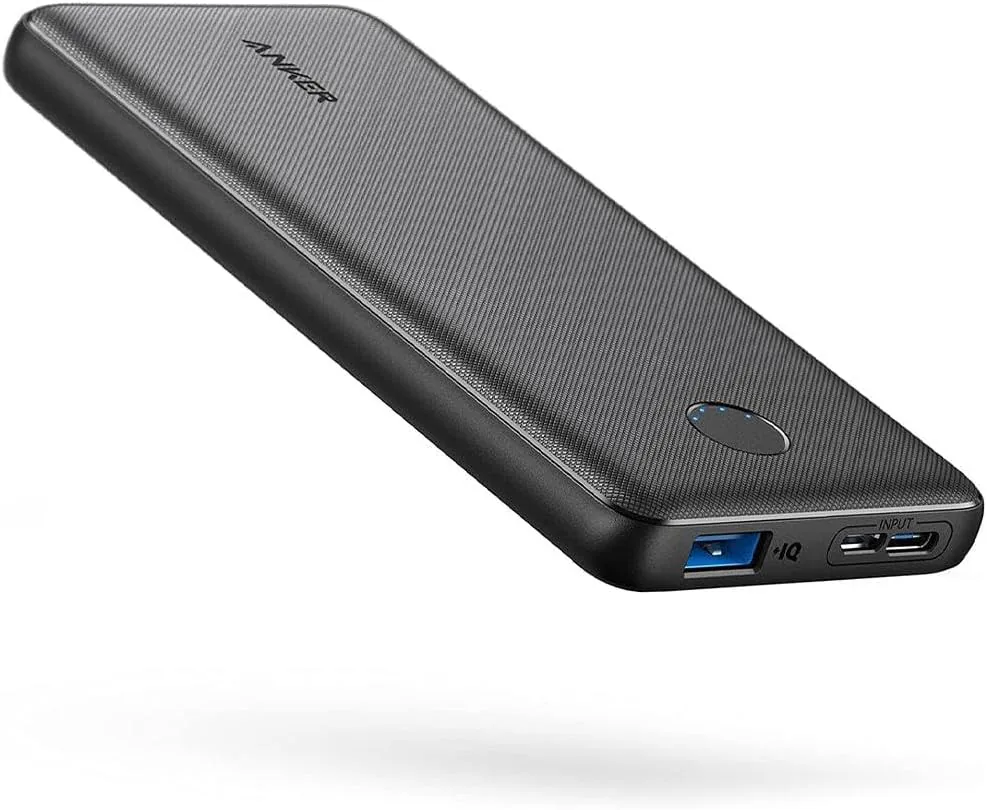
Anker PowerCore 10000mAh Power Bank
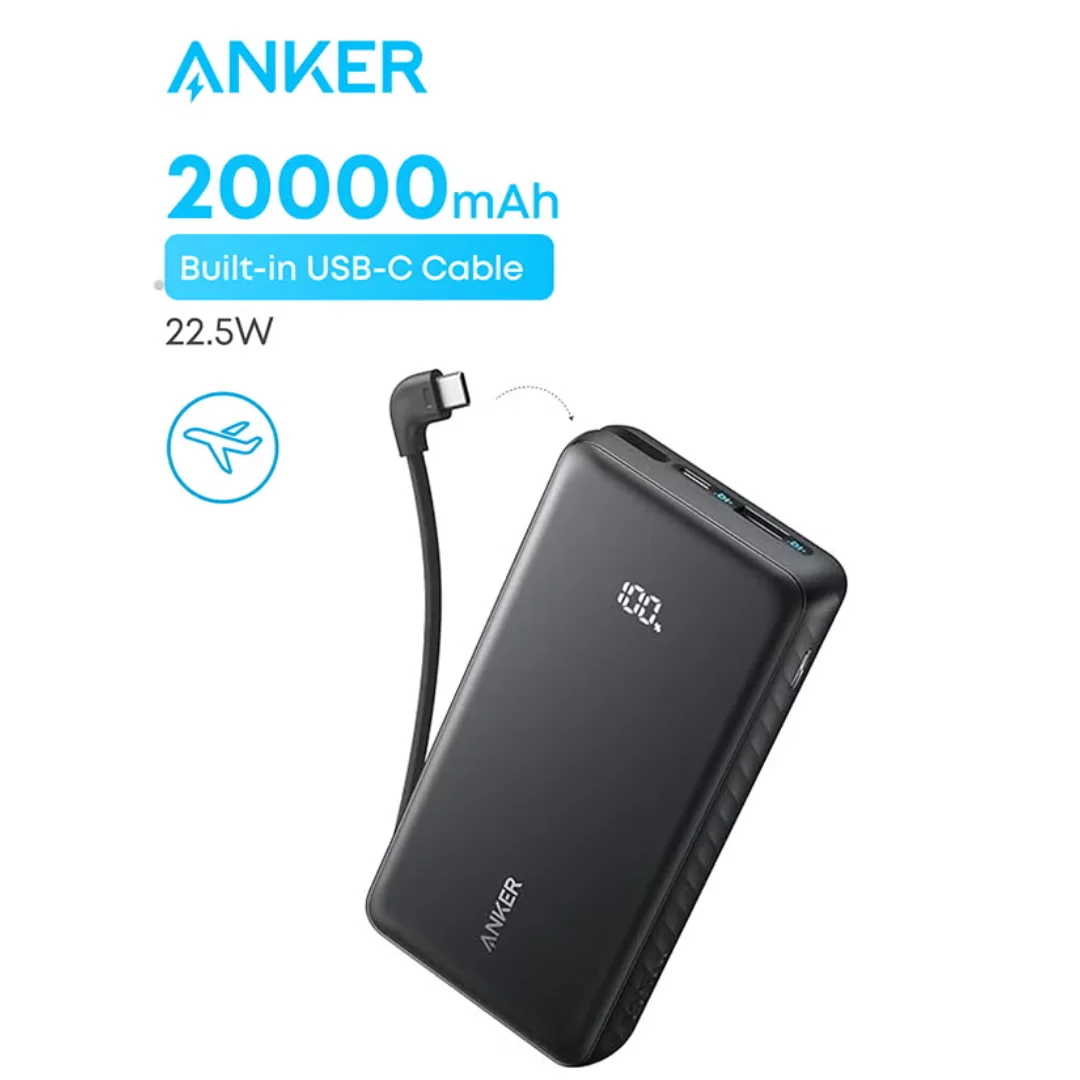
Anker ZOLO Power Bank 20,000mAh (22.5W) | Built-in Cable
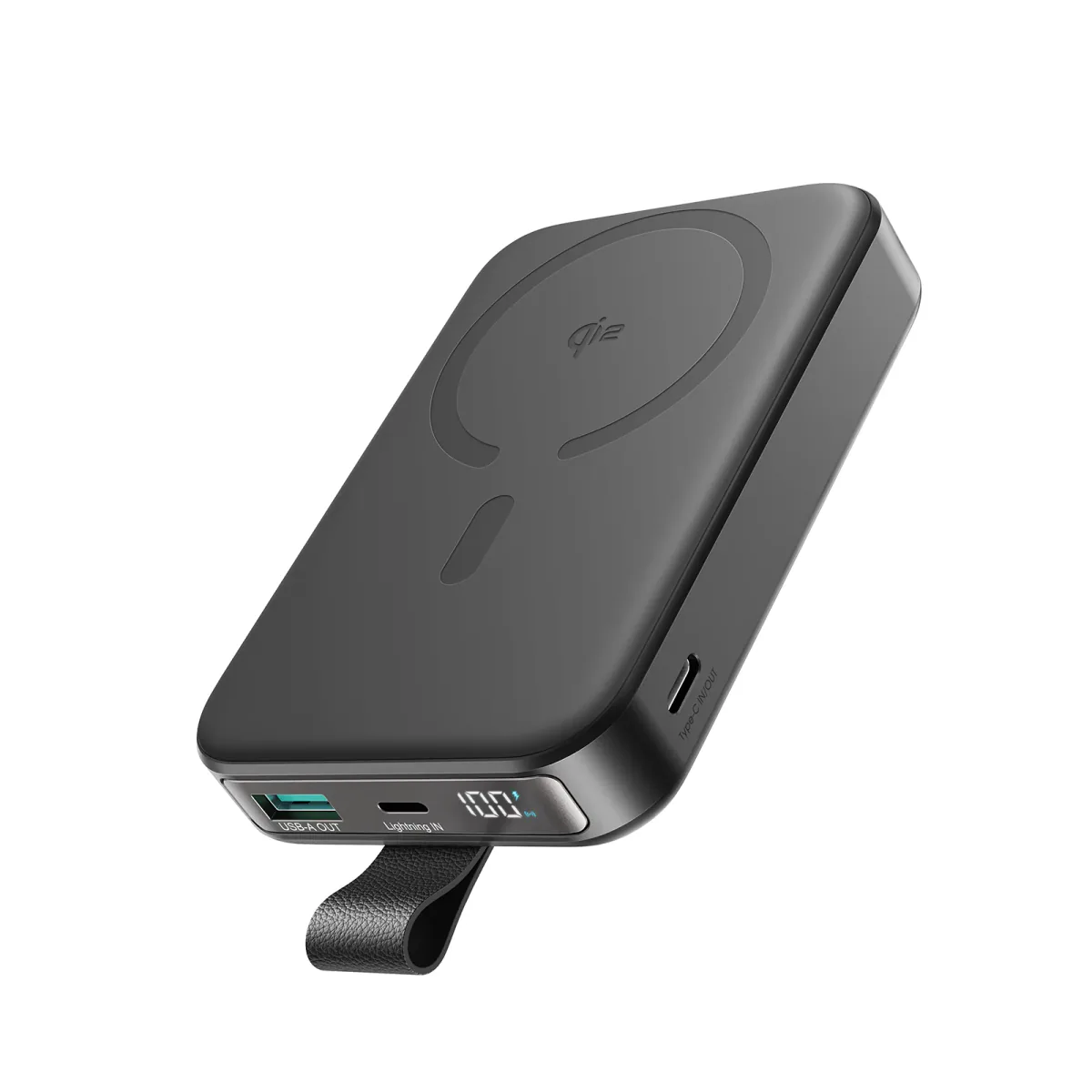
Joyroom 10000mAh Slim Power Bank | Dual USB | LED Display
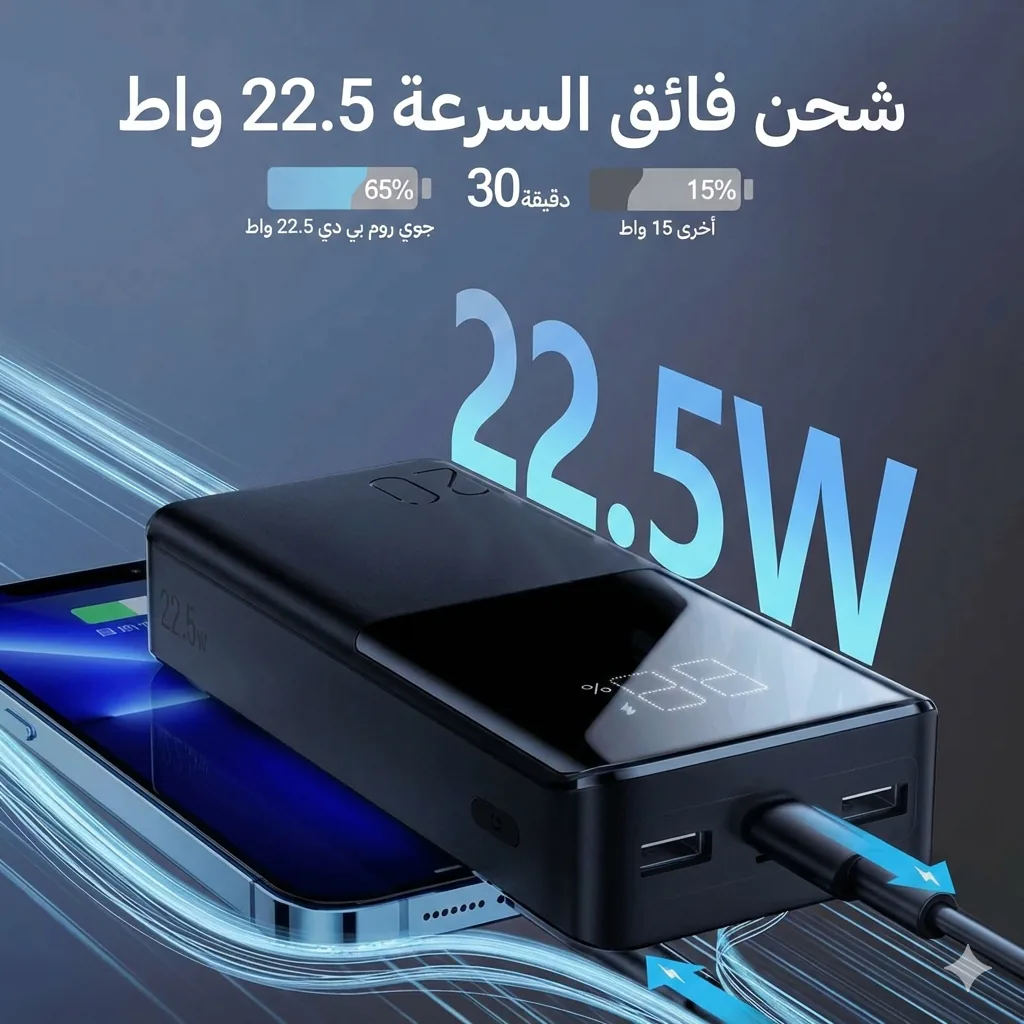
Joyroom 20000mAh Power Bank | 22.5W PD+QC | Triple Output