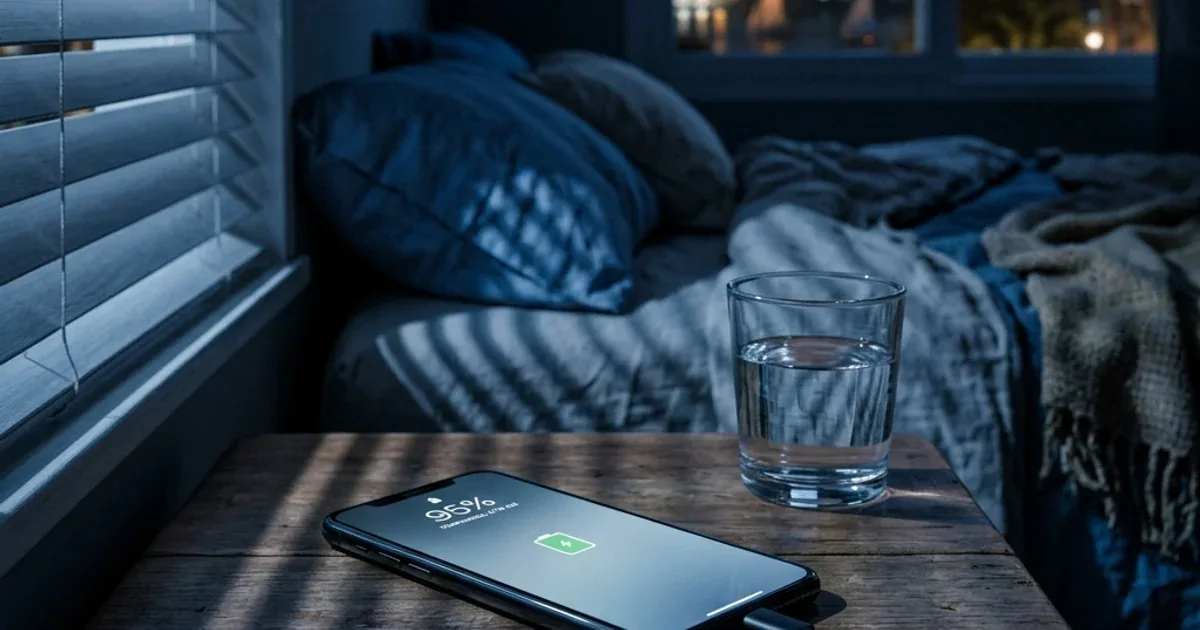

It's 2 AM after Suhoor. The TV series just ended on MBC. You glance at your phone — 8% battery. You plug it in and fall asleep. You wake up at noon to your alarm and find the phone has been charging for 9 hours straight. And here comes the question every one of us asks during Ramadan: "Did I just destroy my battery?"
During Ramadan specifically, phone usage patterns change completely. Staying up past Fajr, binge-watching series and scrolling social media all night, then sleeping long hours during the day — meaning the phone charges for longer periods than any other time of year. This raises legitimate concerns for millions of Egyptians. In this article — as an electronics engineer who loves debunking myths with physics — we'll answer all the questions: Does prolonged overnight charging actually cause damage? Which charger handles it safely? And how do you save money while preserving your battery?
💡 Quick Answer: Overnight charging is safe with one condition: a genuine charger with OVP/OTP protection. Modern phones have Trickle Charge that stops current at 100%. Best pick: Anker 20W at 490 EGP with ActiveShield 2.0 (monitors temperature 3 million times daily). Premium: Anker Nano 45W Smart Display with Care Mode that stops charging at 80%.
The Scientific Truth — Does Overnight Charging Destroy Your Battery?
The short answer: No — but with conditions. Let's explain the physics:
Lithium-ion (Li-ion) batteries in all modern phones have 3 charging phases:
| Phase | Range | Speed | Current |
|---|---|---|---|
| 1. Fast Charge (CC) | 0% → 80% | Very fast | Constant Current — maximum wattage |
| 2. Slow Charge (CV) | 80% → 100% | Slow | Constant Voltage — current gradually decreases |
| 3. Trickle | 100% | Near zero | Current stops — tiny pulses only when battery dips to 99% |
So when your phone reaches 100% while still plugged in — the charger isn't pumping continuous current. The phone's Battery Management System (BMS) cuts the current and only allows tiny micro-pulses every 15-20 minutes to compensate for natural self-discharge. This is called Trickle Charging — and it happens in all phones from 2020 onwards.
For more on whether overnight charging is safe, read our complete guide to charging while sleeping.
Why Ramadan Specifically? — 3 Unique Overnight Charging Challenges
Overnight charging happens year-round — but Ramadan amplifies the challenges:
- 🌡️ Challenge #1 — Heat: Ramadan in Egypt falls in summer (2026-2030). Room temperature at night reaches 28-33°C without AC. Both the charger and phone generate heat — the combined surface temperature can hit 42-48°C. Above 45°C = accelerated battery degradation (lithium batteries lose 20% capacity after 500 cycles at 45°C versus 800 cycles at 25°C).
- ⏰ Challenge #2 — Duration: During Ramadan, sleep patterns shift to 3-4 AM through 12-2 PM = 8-10 continuous hours on the charger. Even if charging completes in 2 hours — the phone spends 6-8 hours micro-cycling between 99%→100%. Each micro-cycle = minor battery stress.
- 📱 Challenge #3 — Heavy use before sleep: The phone was running series + social media for 4-5 continuous hours before bed. The device is already warm (38-42°C). Plugging it in while still hot = heat compounds worse. Rule: let it cool 10 minutes before charging.
What Specs to Look for in a Night Charger
Not every charger is suitable for prolonged overnight charging. These are the essential specs:
| Feature | Why It Matters | Available In |
|---|---|---|
| OVP (Over-Voltage Protection) | Cuts off if voltage spikes — critical for Egypt's nighttime power fluctuations | Anker ✅ Joyroom ✅ |
| OTP (Over-Temperature Protection) | Reduces current or cuts off if charger overheats — critical in Egyptian summers | Anker ✅ Joyroom ✅ |
| ActiveShield 2.0 | Monitors temperature 3 million times daily and adjusts current in real-time | Anker only ✅ |
| Care Mode (80% Limit) | Stops charging at 80% — best solution for overnight charging (battery lasts 40% longer) | Anker Nano 45W Smart Display only ✅ |
🔬 Battery Lab Insight: According to Battery University, charging lithium-ion to 80% instead of 100% increases cycle count from 500 to 1,500 cycles — meaning battery lifespan triples. The Care Mode feature in the Anker Nano 45W Smart Display does this automatically — stops charging at 80% and keeps your battery healthy while you sleep.
Complete Comparison — Best Chargers for Ramadan Overnight Charging
| Charger | Power | Price (EGP) | Thermal Protection | Care Mode | Best For |
|---|---|---|---|---|---|
| Joyroom 20W | 20W | 236 EGP | ✅ Basic | ❌ | Budget + iPhone |
| Joyroom 25W | 25W | 342 EGP | ✅ Basic | ❌ | Samsung S24/S25/S26 |
| Anker PowerPort 20W | 20W | 375 EGP | ✅ ActiveShield 2.0 | ❌ | ⭐ Best for iPhone — advanced thermal |
| Anker PowerPort 25W | 25W | 550 EGP | ✅ ActiveShield 2.0 | ❌ | ⭐ Best for Samsung — PPS + advanced thermal |
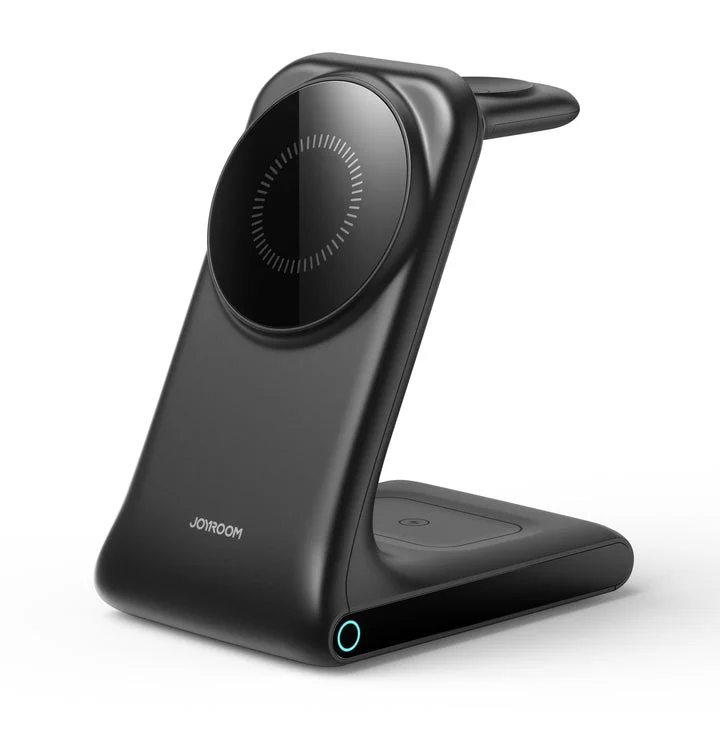
| Joyroom 3-in-1 Wireless | 15W | 1,206 EGP | ✅ Basic | ❌ | iPhone + Apple Watch + AirPods — bedside |
| Anker Nano 45W Smart Display | 45W | 1,250 EGP | ✅ ActiveShield 2.0 | ✅ Stops at 80% | 🏆 Best overall for overnight charging |
Engineer's Pick — Which Charger for Your Budget?
| Phone | Budget Pick | Optimal Pick | Premium Pick |
|---|---|---|---|
| iPhone | Joyroom 20W — 236 EGP | Anker 20W — 490 EGP ⭐ | Anker Smart Display — 1,250 EGP |
| Samsung | Joyroom 25W — 342 EGP | Anker 25W — 550 EGP ⭐ | Anker Smart Display — 1,250 EGP |
| iPhone + Watch + AirPods | Joyroom 3-in-1 — 1,206 EGP (charges 3 devices) | — | |
My personal recommendation: for iPhone users — Anker 20W at 490 EGP is the perfect sweet spot. ActiveShield 2.0 monitors temperature 3 million times daily — so even if you sleep 10 hours with the charger running, it self-adjusts. For Samsung users — Anker 25W at 550 EGP to get Super Fast Charging during the day + advanced thermal protection at night.
And if you want maximum possible protection and budget isn't a concern: the Anker Nano 45W Smart Display at 1,250 EGP — Care Mode automatically stops charging at 80%. This is the best engineering solution for overnight charging worldwide — not just in Egypt.
7 Practical Tips for Overnight Charging During Ramadan
- ✅ #1 — Let the phone cool for 10 minutes after binge-watching series before plugging in. The phone runs at 40°C+ after hours of continuous use — let it cool first.
- ✅ #2 — Remove the case during overnight charging. The case traps heat. In Egyptian summer + overnight charging = 5-8°C difference. Removing the case keeps the phone significantly cooler.
- ✅ #3 — Place the phone on a hard surface (nightstand or desk) — not under the pillow or on the bed. Pillows trap heat and block ventilation — this is a genuine fire risk (not an exaggeration — cases documented by CPSC).
- ✅ #4 — Enable Airplane Mode. Reduces battery consumption during sleep by 80% — meaning the phone reaches 100% faster and the charger spends less time actively charging and more time in safe Trickle mode.
- ✅ #5 — Enable Optimized Battery Charging. Available on iPhone (Settings → Battery → Battery Health) and Samsung (Settings → Battery → Battery Protection). It learns your sleep patterns and holds charging at 80% until just before your alarm.
- ✅ #6 — Don't charge overnight with a power bank. Power banks don't have the same protection layers as wall chargers — especially OVP and OTP. Use genuine wall chargers only for overnight charging.
- ✅ #7 — One quality charger beats three cheap ones. A 50 EGP OLX charger with no thermal protection — running 8 continuous hours in Egyptian summer heat = recipe for disaster. A genuine Anker or Joyroom with warranty = peace of mind.
⚠️ Critical Warning — Charging Under Pillows: Never place your phone under a pillow or blanket while charging. Charging heat + trapped heat can raise battery temperature to 60°C+ — which can cause battery swelling or in worst cases thermal runaway. This is not theoretical — it's documented in CPSC (US Consumer Product Safety Commission) reports.
Is Wireless Charging Safer for Overnight Use?
Smart question — and the answer is: yes and no.
- ✅ The positive: Wireless charging is slower (7.5-15W versus 20-25W wired) — meaning less heat overall.
- ❌ The negative: Wireless charging efficiency is only 75-80% (versus 95% for wired) — meaning 20-25% of energy converts to heat. This can offset the advantage of slower speed.
- 💡 Bottom line: Wireless charging works well as an overnight solution — especially the Joyroom 3-in-1 station that charges iPhone + Apple Watch + AirPods simultaneously. But it's not inherently "safer" than a genuine wired charger with ActiveShield protection.
For more on how charging affects phone temperature, read our guide to phone heating during charging.
✅ Available at CairoVolt
All chargers mentioned in this article are genuine with official warranty (18-36 months) + delivery to all governorates within 24-72 hours + cash on delivery + 24/7 WhatsApp support. Ramadan Kareem — and your battery deserves generosity too. 🌙

CairoVolt Editorial Team
Content team reviewing specifications and buying guides
The CairoVolt team reviews model numbers, specifications, and compatibility, and updates information when better data is available. Estimates are labeled as calculations, and readers can report information that needs correction.
Frequently Asked Questions
Is fast charging at night more dangerous than slow charging?▼
Should I remove the phone case during overnight charging?▼
Does Care Mode on the Anker Smart Display actually make a difference?▼
What's the most dangerous thing to do during overnight charging?▼
Ready to Buy?
Browse available products and review specifications and CairoVolt warranty terms before ordering
Products Mentioned in This Article
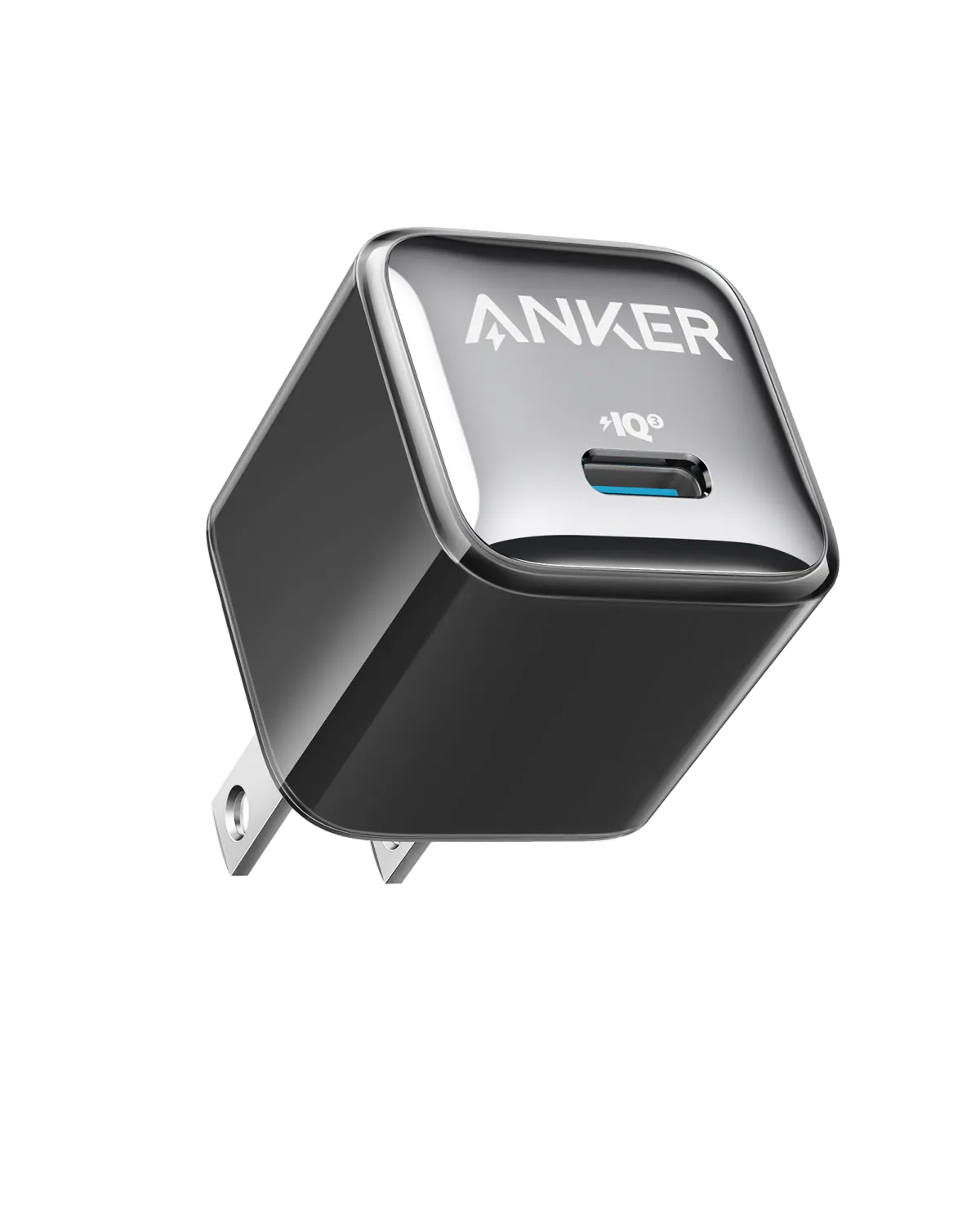
Anker A2347K11 20W USB-C PD Charger | Check Device Profile and Plug
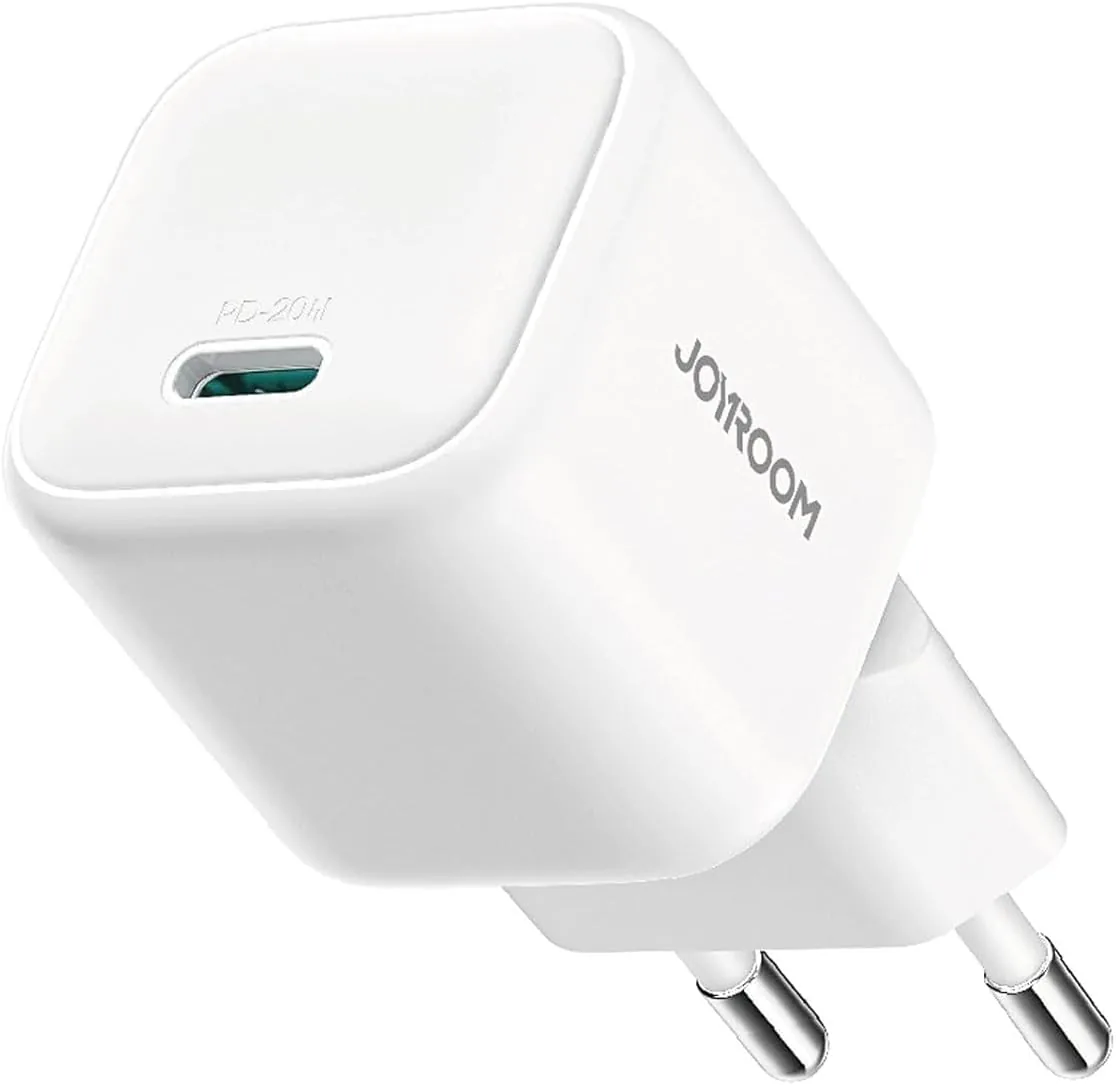
Joyroom 20W USB-C PD Charger | iPhone 17 Fast Charge
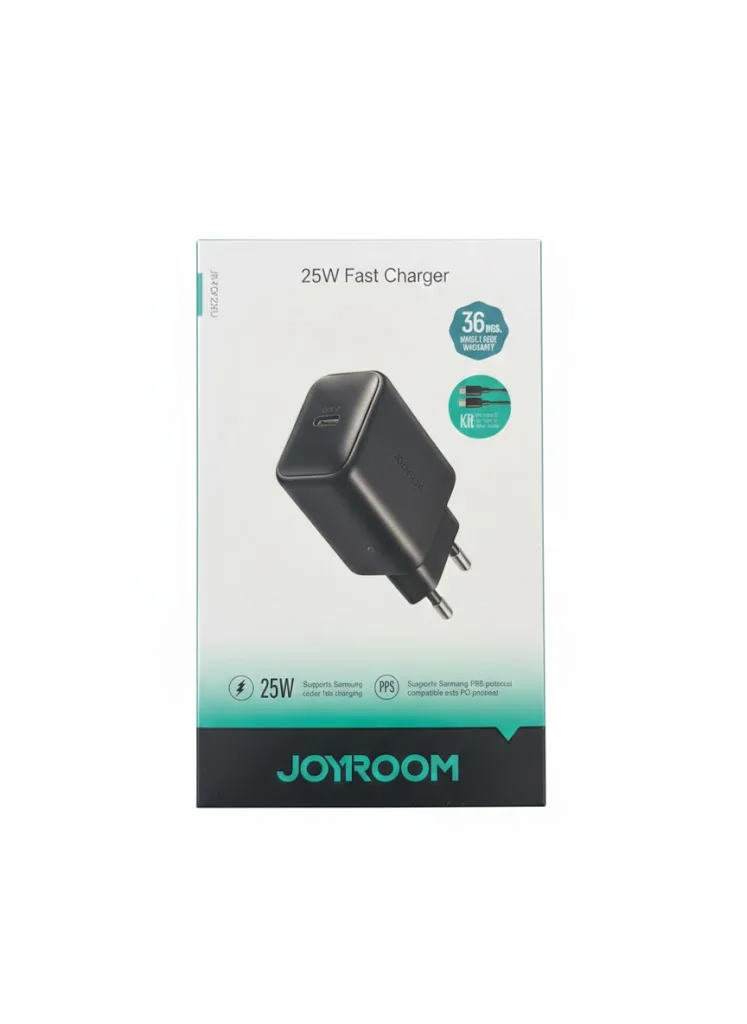
Joyroom 25W USB-C PD Charger (JR-TCF23) | iPhone and Samsung Compatibility
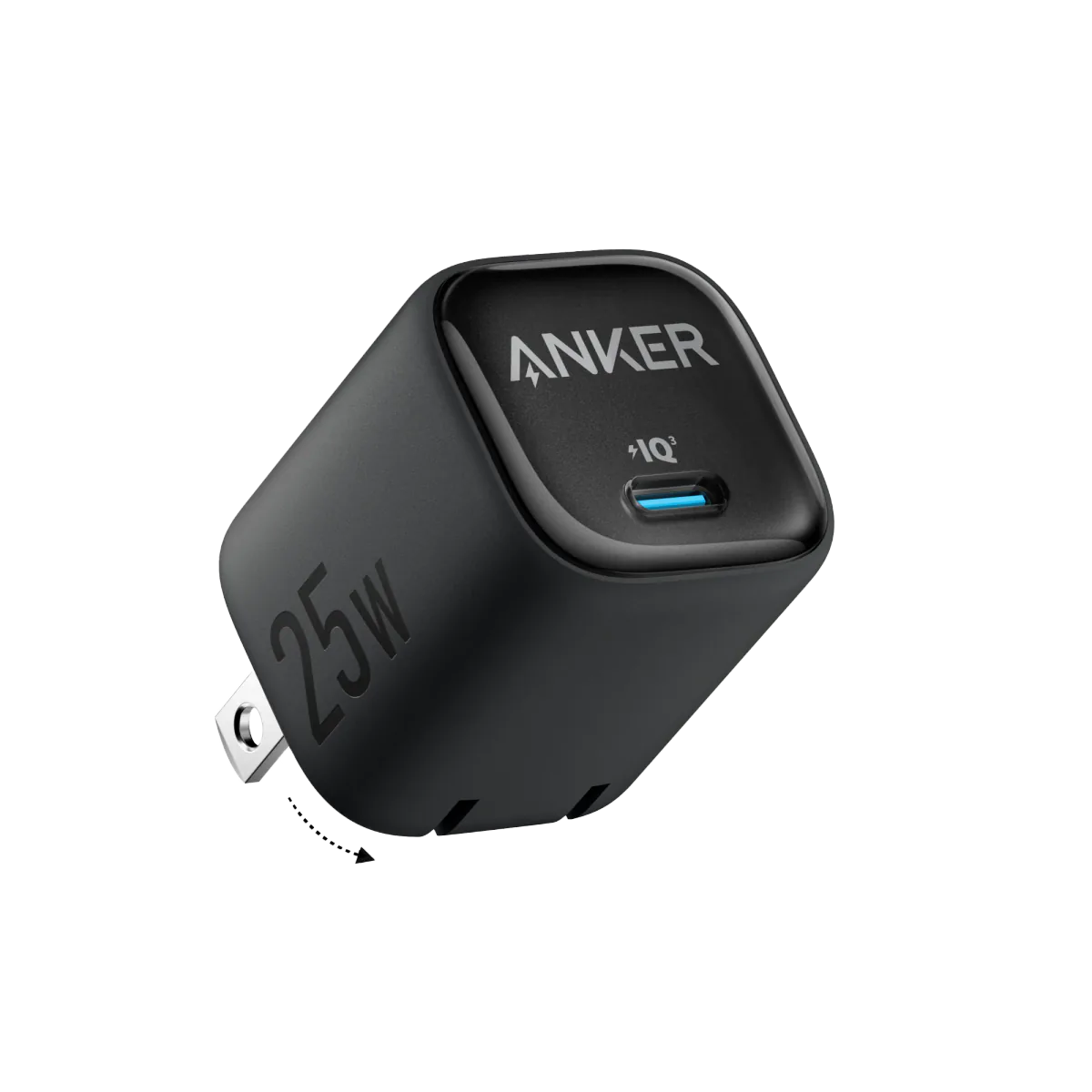
Anker 25W PPS Charger (A2322K11) | Samsung-Compatible USB-C PD
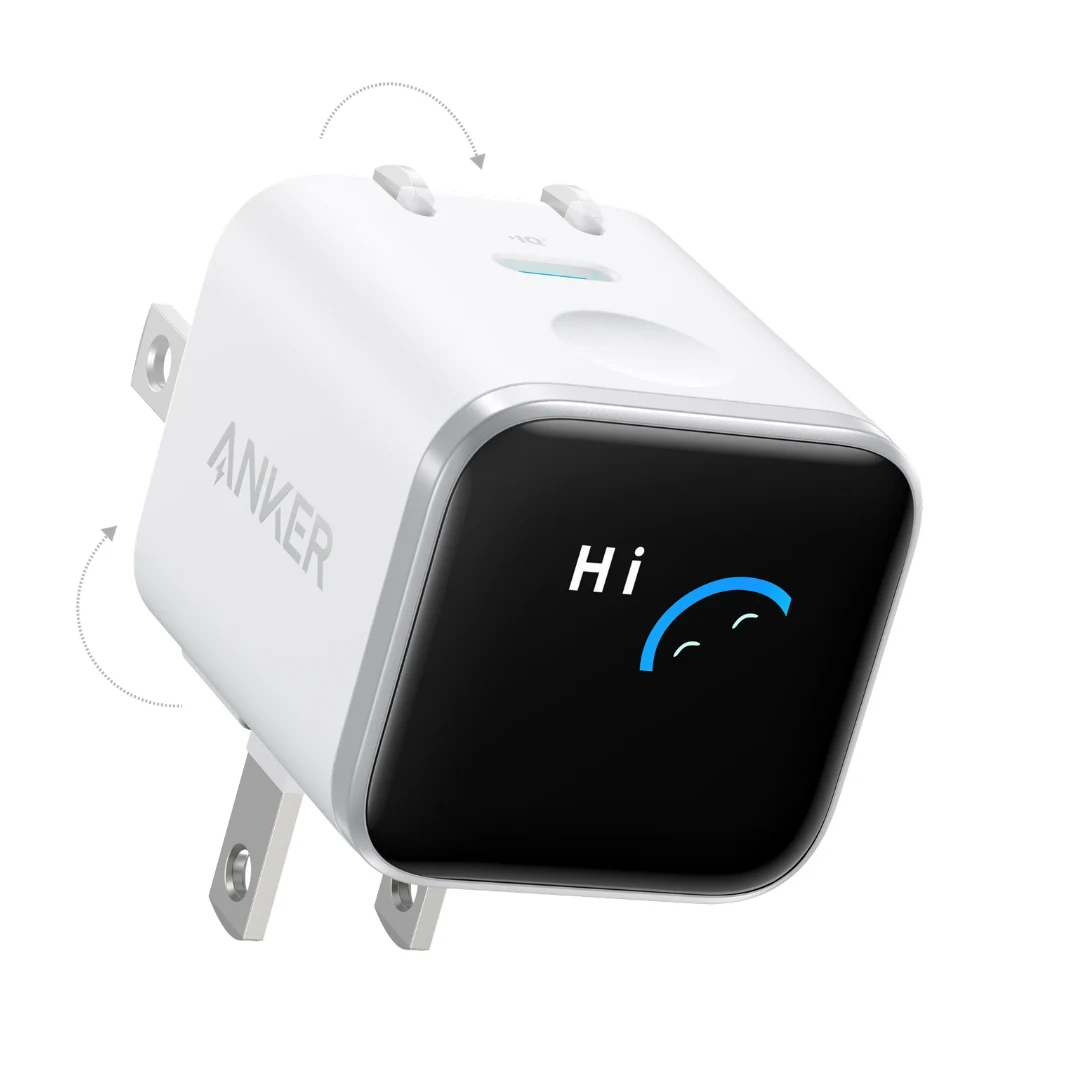
Anker Nano 45W Smart Display GaN Charger (A121D) | 180° Foldable Plug | USB-C PD