iPhone Egypt Buying Guide: Choosing the Right Model & Accessories by Port
Planning to buy a new or used iPhone in Egypt? We detail the critical technical differences between older Lightning ports and modern USB-C ports, and how to select certified chargers.
In short: When buying an iPhone in Egypt today: (1) Lightning-port devices (iPhone 11 to 14 Pro Max) require MFi-certified cables to prevent logic board damage to the U2 IC chip. (2) USB-C devices (iPhone 15 and 16 series) use standard USB-C cables and support faster data speeds. We recommend a certified 30W USB-PD charger to safely fast charge all models.
Buying an iPhone in Egypt—whether a brand new device with local warranty or a mint-condition pre-owned unit—is a significant financial investment. iPhones are highly regarded in the local market for their ability to maintain resale value over multiple years. However, when choosing a model, buyers face a major technical divide: the transition from Apple's proprietary **Lightning port** (found on the iPhone 14 series and older) to the universal **USB-C port** (standardized on the iPhone 15 and 16 series). This transition is not merely a change in the physical port shape; it alters the electrical charging parameters, data transfer speeds, and accessory ecosystems. In this comprehensive buying guide, we will map out the options and explain how to choose the right iPhone for your budget and select the proper charging accessories for its port type.
1. The Port Divide: Lightning vs. USB-C iPhones
Available iPhones in Egypt are divided into two main categories based on their physical port configuration:
Lightning Port Devices (iPhone 11 to iPhone 14 Pro Max)
Apple utilized the proprietary Lightning port for over ten years. Accessories and replacement parts for these models are widely available and budget-friendly across Egypt. However, the Lightning connector limits data transfer to legacy USB 2.0 speeds (capped at 480 Mbps) and requires Apple-approved MFi (Made for iPhone) cables to guarantee safe charging and hardware compatibility.
USB-C Port Devices (iPhone 15 and iPhone 16 Series)
In compliance with European regulations, Apple transitioned to the universal **USB-C** standard starting with the iPhone 15 series. This change provides unmatched convenience, allowing users to charge their iPhones using MacBook, iPad, or Android chargers. On Pro and Pro Max models, the USB-C port supports USB 3.2 Gen 2 speeds up to **10 Gbps**, enabling creators to shoot ProRes video and record it directly to external SSDs in real time.
2. Power Profiles: Electrical Differences Between Ports
The physical connector change altered the electrical charging characteristics of the iPhone lineup:
- ⚡ Lightning Current Caps: The physical design of the Lightning connector is limited to a maximum current of 2.4A. This restricts fast charging on the iPhone 13 and 14 Pro Max to a maximum of **27W**, and standard models to 20W.
- ⚡ USB-C Current Flexibility: The USB-C connector can carry currents exceeding 3A to 5A safely. This allows the iPhone 16 series to draw up to **30W to 38W** when paired with compatible high-wattage USB-PD adapters, reducing total charging times compared to older models.
USB-PD Negotiation Protocol and Configuration Channel (CC) Lines
USB-C power delivery is negotiated dynamically. When plugged in, the charger does not supply maximum wattage instantly. Instead, communication chipsets inside the iPhone use the **Configuration Channel (CC) lines** in the USB-C cable to query the charger's capabilities.
The charger responds with its supported Power Delivery (PD) profiles, such as 5V/3A or 9V/3A. The iPhone's power management IC selects the optimal profile (typically 9V/3A for 27W charging) and signals the charger to adjust its output voltage and current. This handshake prevents voltage overshoots and protects the lithium-ion battery cells.
The U2 IC Charging Controller and the Danger of Counterfeit Cables
iPhone motherboards equipped with Lightning ports rely on a highly sensitive charging controller chip called the **U2 IC (or Tristar)**. This chip monitors incoming current, validates cable authenticity, and handles power distribution. Cheap, uncertified Lightning cords lack voltage regulation, passing raw electrical fluctuations directly to the motherboard.
This exposure can damage the U2 IC chip. Symptoms of a failed U2 IC include the phone refusing to charge, discharging rapidly even when turned off, or overheating while connected to power. Repairing this chip requires complex micro-soldering. While USB-C models feature modernized safety logic, they still require certified power adapters to prevent heat-related damage.
Under the Hood of Apple's MFi: The C94 Lambda Chip Handshake
Apple controls its proprietary ecosystem through the **MFi (Made for iOS)** licensing program. MFi-certified Lightning cables contain an integrated circuit within the connector head known as the **C94 chip (commonly called the Lambda chip)**. This tiny microchip communicates directly with the phone's logic board.
Upon connection, the iPhone's charging subsystem sends a cryptographic challenge to the cable tip. The C94 chip performs a hardware-level decryption and returns the signed certificate token. If the token is valid, high-power charging is unlocked. Generic uncertified cables attempt to simulate this signal, but iOS updates frequently detect the forged handshake, resulting in the "accessory not supported" warning and disabling charging entirely to protect internal lines from high-voltage spikes.
3. Recommended Chargers and Cables by Port Type in Egypt
To protect your device and ensure maximum charging speeds, we recommend using certified charging accessories from trusted brands like Joyroom and Anker:
The Efficiency of GaN (Gallium Nitride) Technology
GaN chargers represent a major shift in charging accessories. Standard charging bricks rely on silicon transistors, which waste a significant amount of electricity as heat. Gallium Nitride, a high-efficiency semiconductor material, conducts electrical current with much lower resistance and higher frequency.
As a result, GaN chargers lose very little power to heat, allowing them to remain compact while delivering high wattages. This makes GaN blocks from brands like Joyroom and Anker cooler, safer, and much smaller than traditional stock silicon chargers.
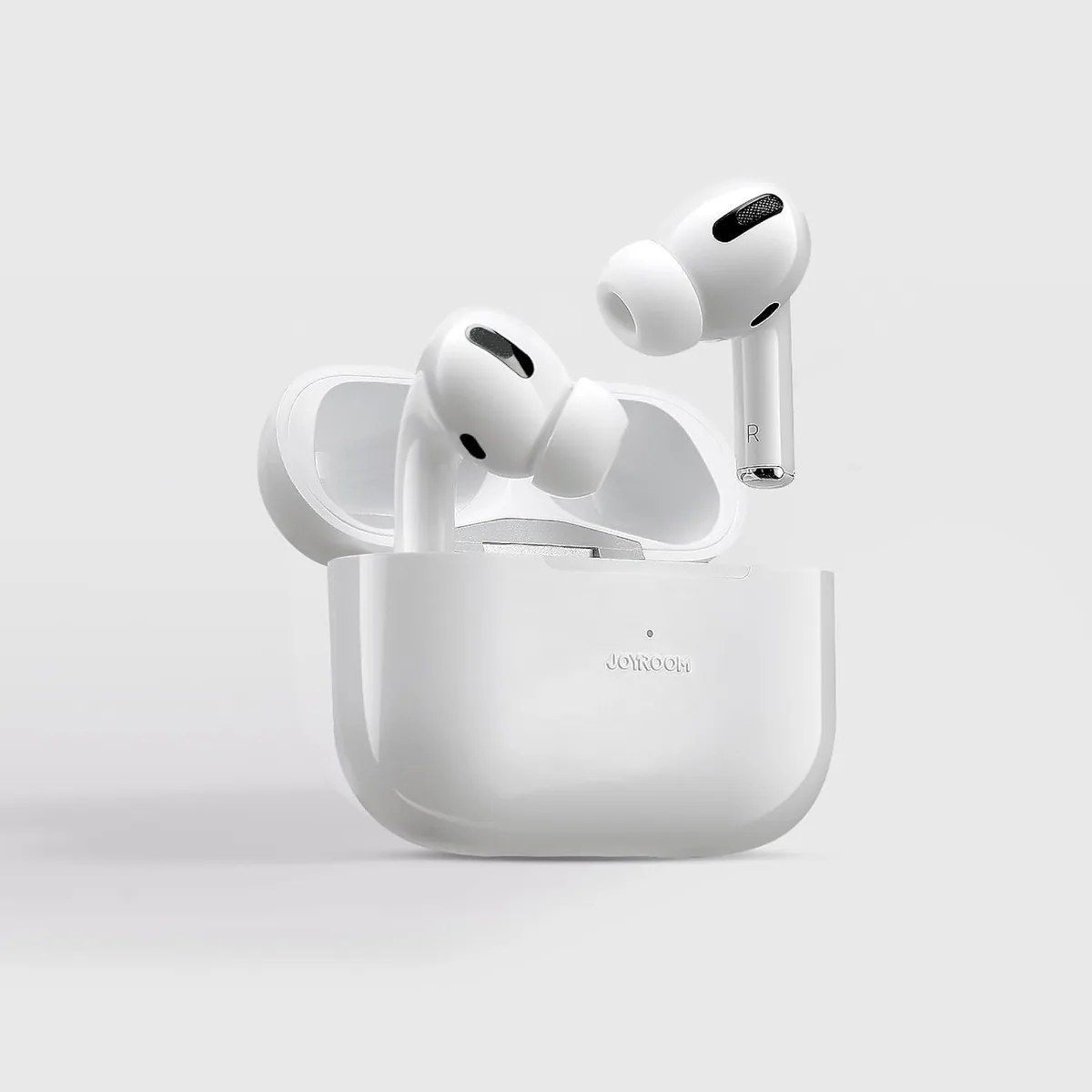
- ⚡ Joyroom 30W Fast Charger: The Joyroom 30W Fast Charger supports the standard USB-PD profile (9V/3A) needed to charge all iPhone models at their peak safe rate, protecting against overcurrent and thermal spikes.
- ⚡ Anker 20W Cube for iPhone: If your iPhone 11, 12, or any standard model tops out at 20W, the Anker PowerPort III 20W at 520 EGP is a compact 20W PD cube — an Apple-adapter alternative at roughly half the price, with full PD safety.
Certified Cables by Port Type
- 🔌 For Lightning iPhones: We recommend the MFi-certified Anker PowerLine USB-C to Lightning Cable to guarantee motherboard safety.
- 🔌 Newly Stocked MFi Alternative: The Anker 310 USB-C to Lightning cable (730 EGP) is MFi certified and takes an iPhone from 0 to 50% in just 30 minutes on any PD charger.
- 🔌 For USB-C iPhones: We recommend the high-durability Joyroom Type-C to Type-C Cable which supports high current delivery.
High-Capacity Power Banks
- 🔋 20,000mAh Dual-Port Power: We suggest the Joyroom 20,000mAh Power Bank, featuring Type-C and USB-A output ports to charge both Lightning and USB-C iPhones simultaneously.
4. How to Inspect a Used iPhone in Egypt
When buying a pre-owned iPhone in the local market, execute the following technical checks:
- 🔎 Physical Port Inspection: Inspect the charging port with a small light. Ensure the copper contacts are clean, free of compressed pocket lint, and that the cable locks in with a firm click without loose movement.
- 📊 Software Verification: Connect the device to a computer running **3uTools**. Verify the parts report to ensure the display, battery, and logic board serial numbers match, indicating the phone has not undergone third-party screen replacements.
Verifying Face ID and True Tone Serialization
Apple's **True Tone** display tech and the **Face ID** biometric scanner are cryptographically serialized to the specific device motherboard. In Egypt, screens replaced by uncertified shops often lose these features. If a replacement panel is installed without cloning the screen's microchip code using an EEPROM programmer (like the JCID programming tool), True Tone is permanently disabled.
Check the Display settings to confirm True Tone toggle is present. Additionally, set up Face ID to ensure the TrueDepth camera functions correctly. A disabled Face ID or a "TrueDepth camera issue" warning indicates that the phone has suffered physical drop impact or water damage that bypassed its seals.
5. iPhone Port and Charging Performance Profiles
| iPhone Generation | Port Type | Max Supported Wattage | Required Cable Type |
|---|---|---|---|
| iPhone 11 & 12 Series | Lightning | 18W - 20W | USB-C to Lightning (MFi) |
| iPhone 13 & 14 Series | Lightning | 20W - 27W (Pro models) | USB-C to Lightning (MFi) |
| iPhone 15 & 16 Series | USB-C | 27W - 38W (16 Pro models) | USB-C to USB-C |
6. Verdict and CairoVolt Recommendation
Purchasing an iPhone in Egypt is a solid investment. Choosing between Lightning and USB-C models depends on your budget. CairoVolt advises against economizing on charging accessories. Pairing your phone with a certified 30W PD block and high-quality cables (USB-C or MFi-certified Lightning) from trusted brands like Joyroom and Anker ensures safety, protects battery lifespan, and avoids expensive repairs.
To prevent charging port issues caused by pocket lint and dust, check out our guide on how to safely clean your iPhone charging port to save on repair costs.

CairoVolt Editorial Team
Content team reviewing specifications and buying guides
The CairoVolt team reviews model numbers, specifications, and compatibility, and updates information when better data is available. Estimates are labeled as calculations, and readers can report information that needs correction.
Frequently Asked Questions
Can I safely charge my iPhone 15 Pro Max with a MacBook USB-C charger?▼
What happens if I charge my Lightning iPhone with a cheap, non-MFi certified cable?▼
Do the iPhone 15 and iPhone 16 series support reverse wired charging?▼
Which iPhone model offers the best value for money in Egypt today?▼
Ready to Buy?
Browse available products and review specifications and CairoVolt warranty terms before ordering
Related products
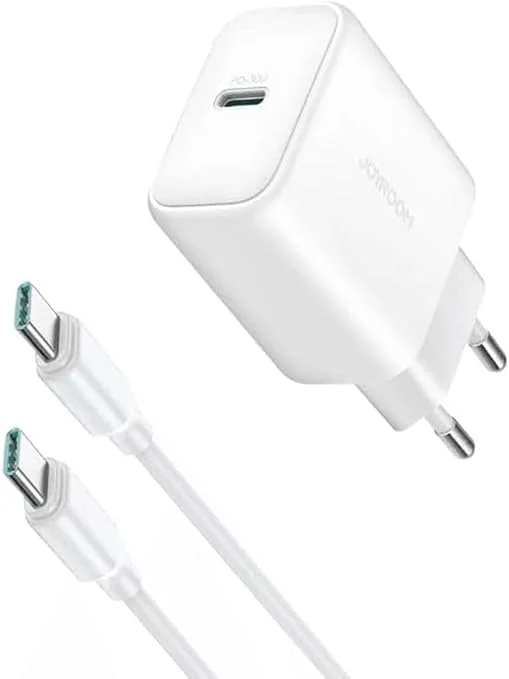
Joyroom 30W PD+QC Wall Charger | Dual USB-C and USB-A Ports
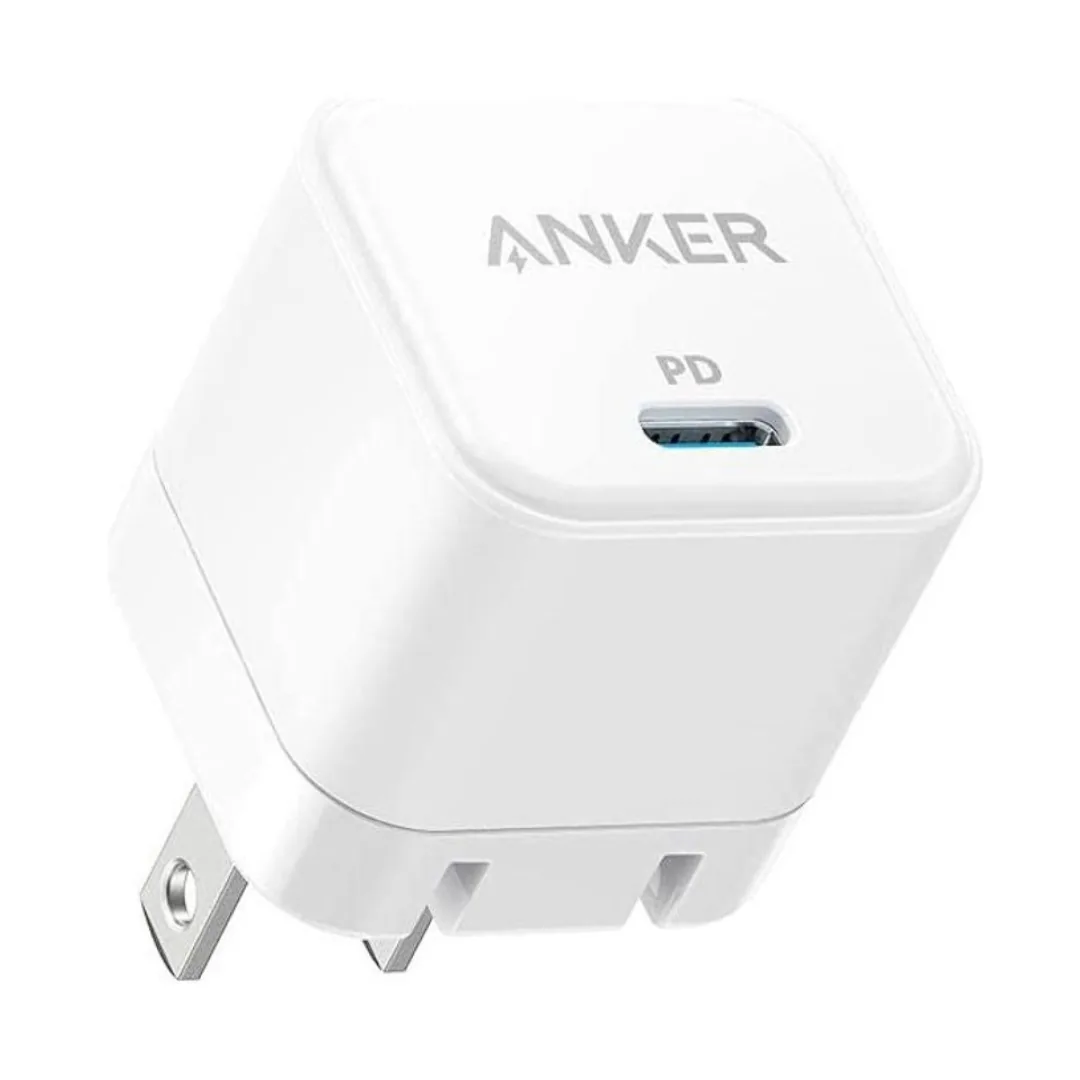
Anker PowerPort III 20W Cube A2149P21 — USB-C PD | Check Device Profile
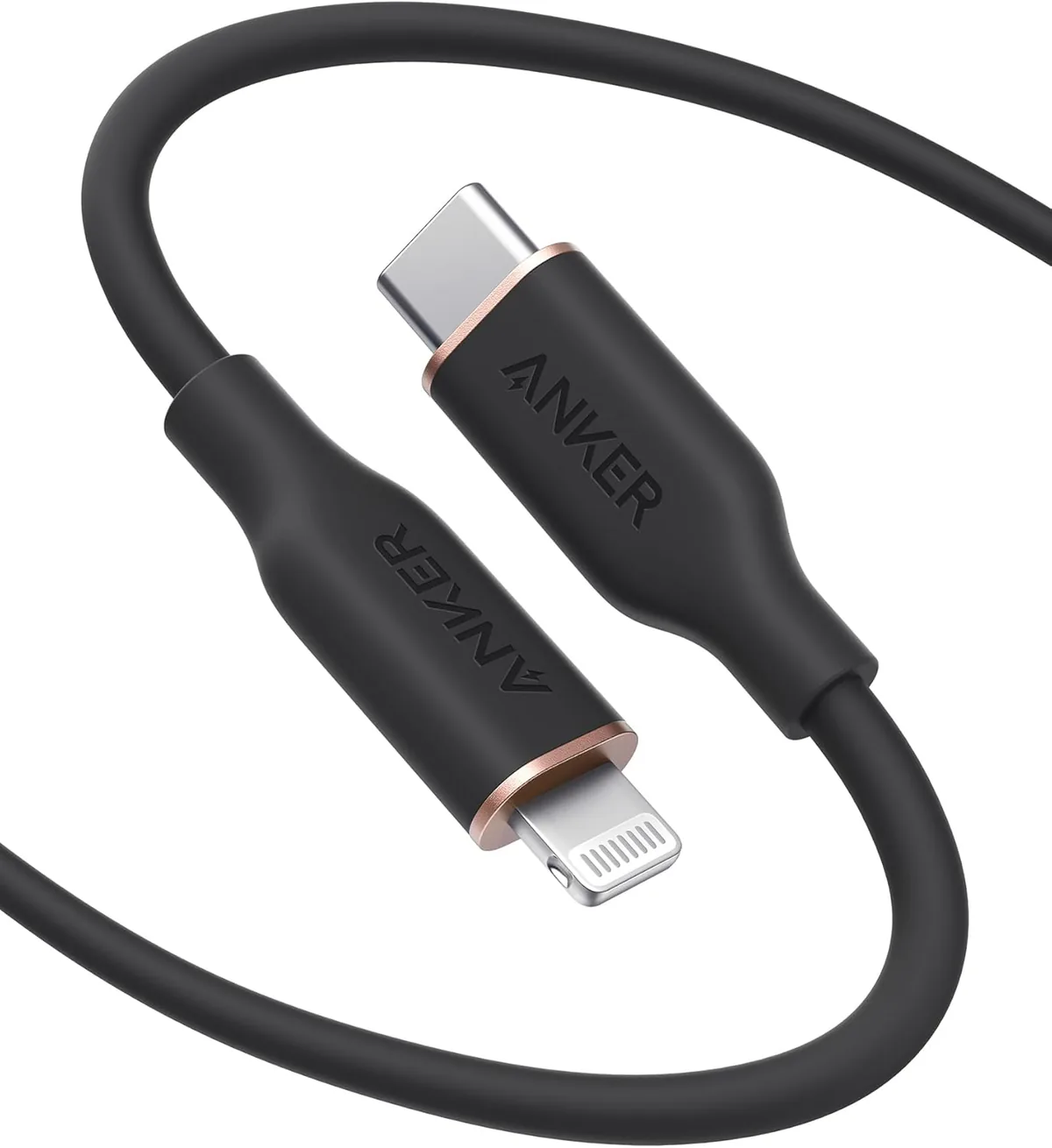
Anker PowerLine Select USB-C to Lightning (A8612H11) | Verify MFi | USB-PD
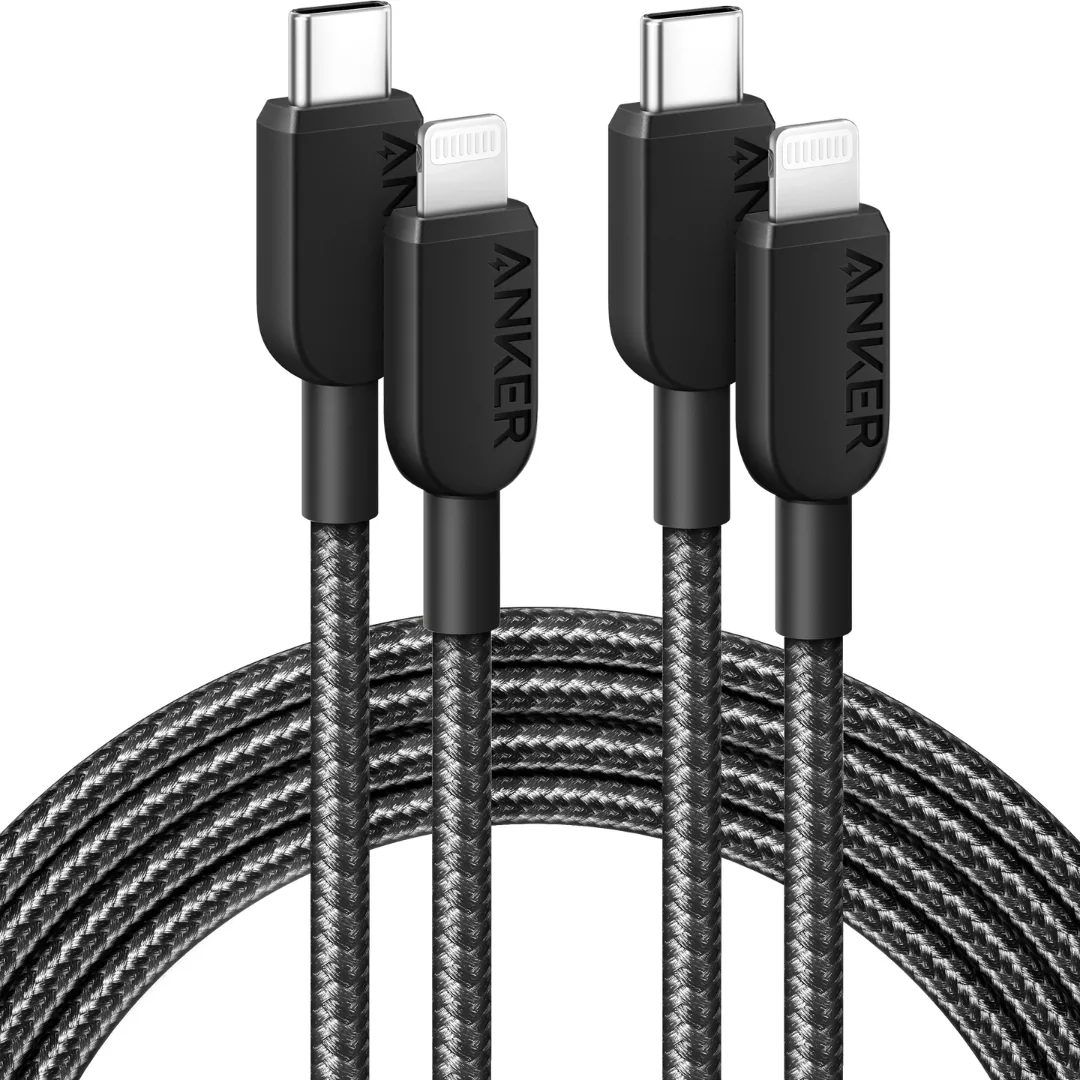
Anker 310 USB-C to Lightning (A81A5) | Verify MFi, USB-PD and Bend-Test Listing
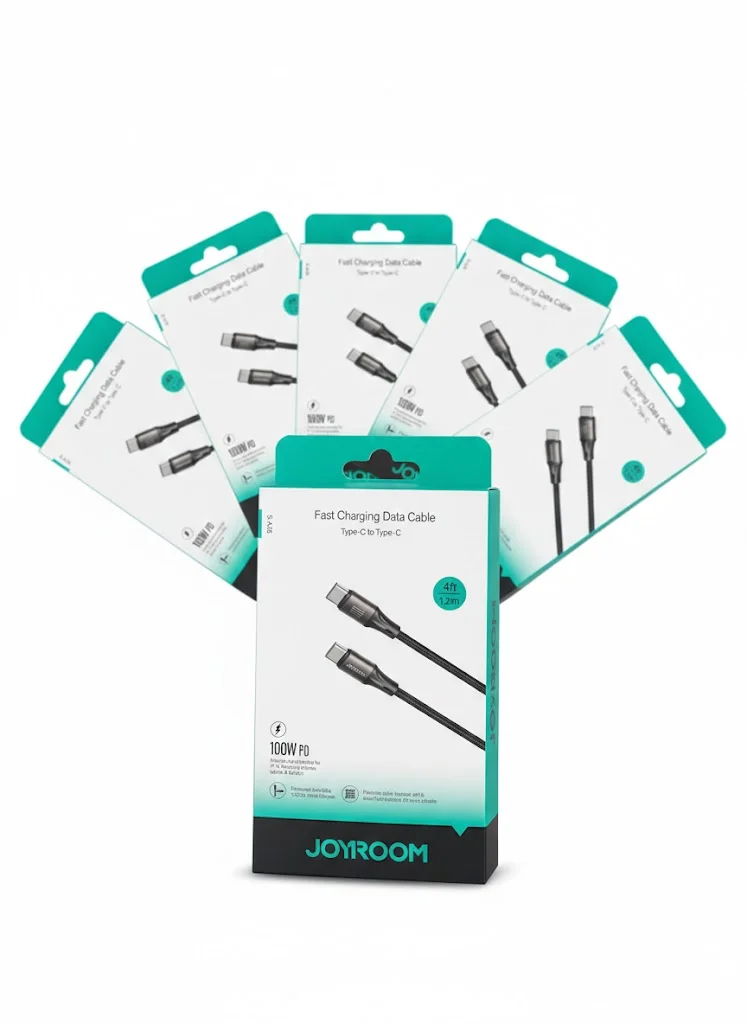
Joyroom USB-C to USB-C Cable JR-S-CC100
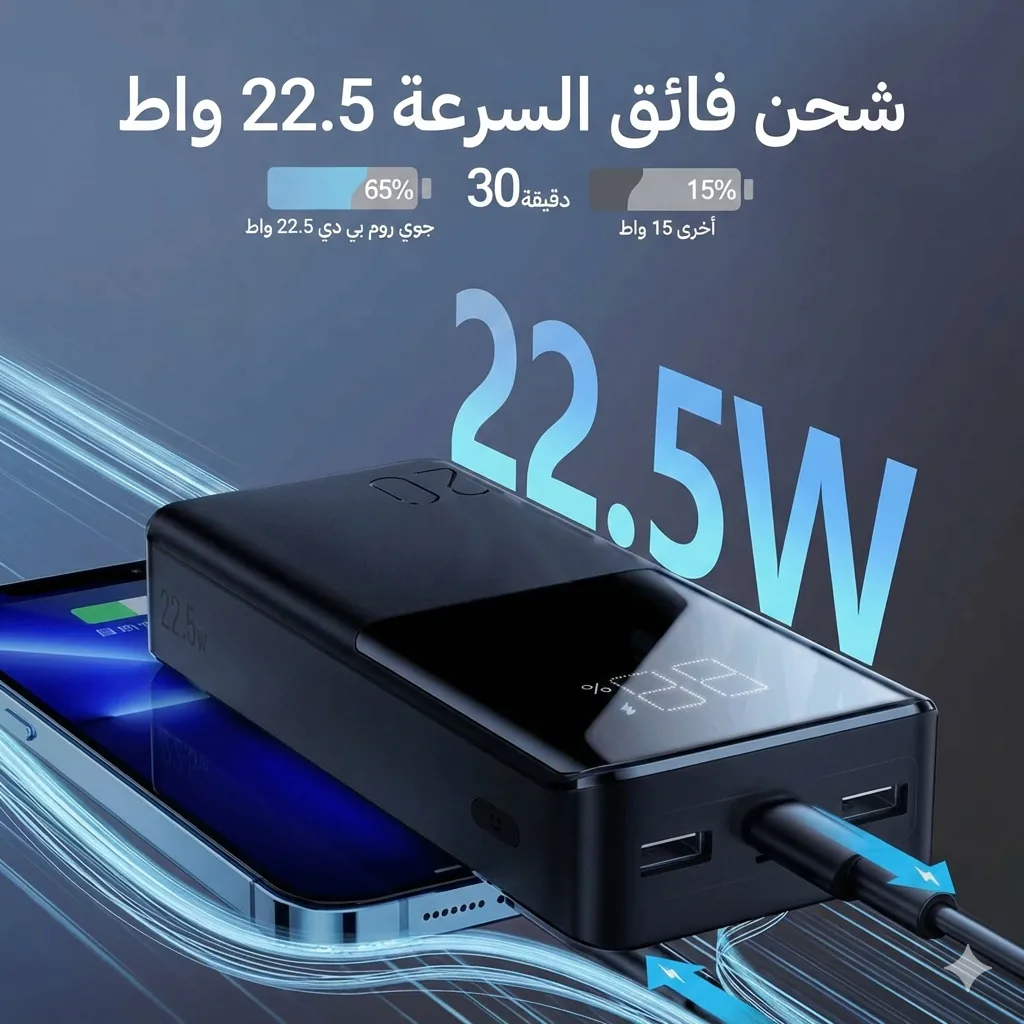
Joyroom 20000mAh Power Bank | 22.5W PD+QC | Triple Output