
Why Are Original Apple Accessories Unavailable at Reasonable Prices in Egypt? The Full Story
The full story behind why original Apple accessories are overpriced in Egypt — from customs to distribution — and the best MFi-certified alternatives at half the price.
TL;DR: Apple's 20W adapter costs $19 at Apple's US store, but in Egypt it sells in an approximate market range of 1,100–1,400 EGP that varies by seller, because of import, customs, taxes and distribution. The alternative: a 20W USB-C PD charger such as the Anker 20W at EGP 490 or Joyroom 20W at EGP 236; for Lightning cables, look for the MFi mark on the model.
Every time you go to buy a charger for your new iPhone, you end up in one of three situations: (1) an original Apple charger at a price that shocks you; (2) an "original" charger on OLX for very little, with "Original Apple" printed in an odd font — reason enough to be suspicious; or (3) you cannot find the original on the shelf at all.
It is not a coincidence — there are economic reasons that make genuine Apple accessories in Egypt either expensive, unavailable or counterfeit. In this article we explain why, and what alternative will not break your budget or harm your battery.
💡 Quick Answer: Apple's 20W adapter costs $19 at Apple's US store, but in Egypt it sells in an approximate market range of 1,100–1,400 EGP (varies by seller). The alternative: a 20W USB-C PD charger such as the Anker 20W at EGP 490 or the Joyroom 20W at EGP 236. For Lightning cables, look for the MFi mark on the specific model.
The Charger's Journey from California to Cairo — Every Stop Adds Cost
Apple's USB-C 20W adapter costs $19 at Apple's US store (about 950 EGP at the exchange rate when this was written). To reach a shop shelf in Egypt, it passes through stops that each add cost:
- International shipping and insurance.
- Customs duties under its tariff line.
- Value-added tax.
- Distributor and retailer margins.
The result: the adapter reaches you in Egypt in an approximate range of 1,100–1,400 EGP — if you can find it at all.
Why Are Genuine Apple Accessories Scarce in Egypt?
- 💱 Exchange-rate volatility: any product priced in dollars and sold in pounds carries currency risk, which shows up in price and stock levels.
- 🏛️ Regulatory procedures: importing electronics requires permits and approvals that add lead time and cost.
- 🏪 Distributors focus on devices: distributors tend to focus on devices (iPhone, iPad, Mac) more than accessories.
The result: genuine accessories arrive in small quantities and sell out quickly — which opens the door to counterfeits.
The Counterfeit Market — A Risk to Your Battery
The gap in genuine Apple accessories makes counterfeits common. A fake cable may lack the authentication chip that certified Lightning cables use, and a fake charger may lack protection circuits. For details, read do fake chargers really damage iPhone batteries?
⚠️ Warning: any cable or charger labelled "Apple Original" and priced far below the usual market range should be treated as suspect. To check, read how to tell a genuine Apple charger from a fake.
The Smart Alternative — Understand MFi Correctly
MFi (Made for iPhone/iPad) is Apple's licensing program. According to the MFi Program FAQs, Lightning connectors are among the program's technologies, while USB-C charging accessories are not part of it. In practice:
- ✅ Lightning cable: look for the MFi mark on the specific model and in the manufacturer's documentation.
- ✅ USB-C charger: no MFi needed — what matters is USB Power Delivery (PD) support at the right wattage.
- ✅ iPhone 15 and later with USB-C: any sound USB-C cable with the right rating works.
Price Comparison — Apple Original vs Alternatives in Egypt
| Product | 🍎 Apple original | 🔵 Anker | 🟢 Joyroom |
|---|---|---|---|
| 20W USB-C charger | 1,100–1,400 EGP approximate market range, varies by seller |
Anker 20W — EGP 490 | Joyroom 20W — EGP 236 |
| USB-C to Lightning cable | 700–900 EGP approximate market range, varies by seller |
Anker PowerLine Select (A8612) — EGP 630 | Joyroom JR-S-CL24M — EGP 123 |
| USB-C to USB-C cable | 700–850 EGP approximate market range, varies by seller |
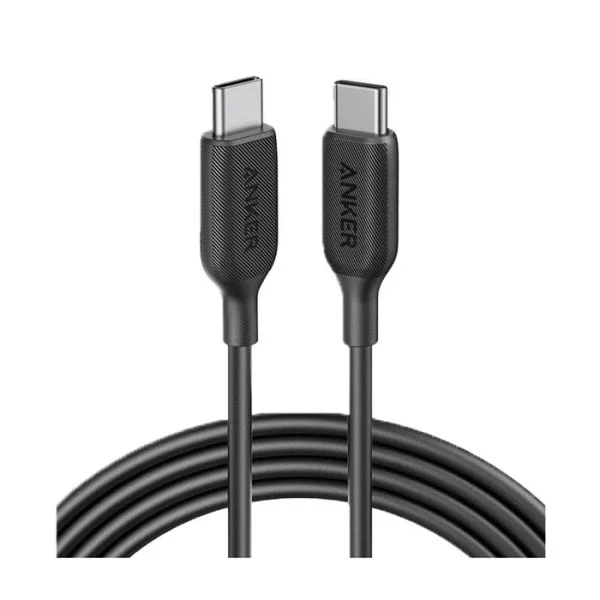
Anker PowerLine III (60W) — EGP 590 | Joyroom JR-S-CC100 — EGP 130 |
The Anker and Joyroom prices are CairoVolt's and update automatically from each product page; the Apple prices are an approximate market range. On speed: the iPhone sets its own wired charging speed. Apple says iPhone 15 and later fast charge with an 18W-or-higher USB-C PD adapter, and that the iPhone 17 Pro and Pro Max reach 50% in about 20 minutes with a 40W-or-higher adapter — so a 20W charger from any brand is slower than that on Pro models.
5 Tips for Buying Genuine iPhone Accessories in Egypt
- 🔍 Tip #1: understand MFi correctly. For Lightning cables, look for the model's MFi mark; for USB-C chargers, look for USB PD support.
- 🏪 Tip #2: buy from a seller that issues an invoice and a written warranty naming its legal identity. Match the model and ratings to the manufacturer's documentation. Offline-sold Anker boxes carry a 16- or 20-digit security code you can check at anker.com/verify — Anker says a missing label does not mean counterfeit. Packaging or a barcode alone does not prove authenticity.
- 💰 Tip #3: if the price seems too good to be true, it probably is. An "original" Apple product far below the usual range is likely fake or used.
- 📱 Tip #4: test the cable right away. If iOS shows "This Accessory May Not Be Supported" with a Lightning cable, return it.
- 🛡️ Tip #5: a written warranty matters more than the logo. An Anker 20W at EGP 490 with CairoVolt's written store warranty (duration shown on each product page) is clearer than an imported charger with no invoice.
The Bottom Line — You Do Not Have to Pay for the Logo
Genuine Apple accessories are expensive in Egypt because of import, customs, taxes and distribution — not because they are the only ones that work. A USB-C PD charger from a known brand charges an iPhone, and a Lightning cable with the model's MFi mark works without rejection messages. The money you save can go towards a power bank or earbuds.
To learn how to tell genuine from fake yourself, read 7 tests to spot a fake charger.
✅ Alternatives to Apple Accessories on CairoVolt
Anker and Joyroom chargers and cables with CairoVolt's written store warranty (duration shown on each product page) + delivery to all governorates + cash on delivery.

CairoVolt Editorial Team
Content team reviewing specifications and buying guides
The CairoVolt team reviews model numbers, specifications, and compatibility, and updates information when better data is available. Estimates are labeled as calculations, and readers can report information that needs correction.
Frequently Asked Questions
Does an Anker 20W charger charge an iPhone as fast as Apple's original?▼
Is there a risk iOS will block a non-Apple charger after an update?▼
Why did Apple remove the charger from the iPhone box in the first place?▼
If I need a Lightning cable that lasts over a year — what is the best choice?▼
Ready to Buy?
Browse available products and review specifications and CairoVolt warranty terms before ordering
Related products
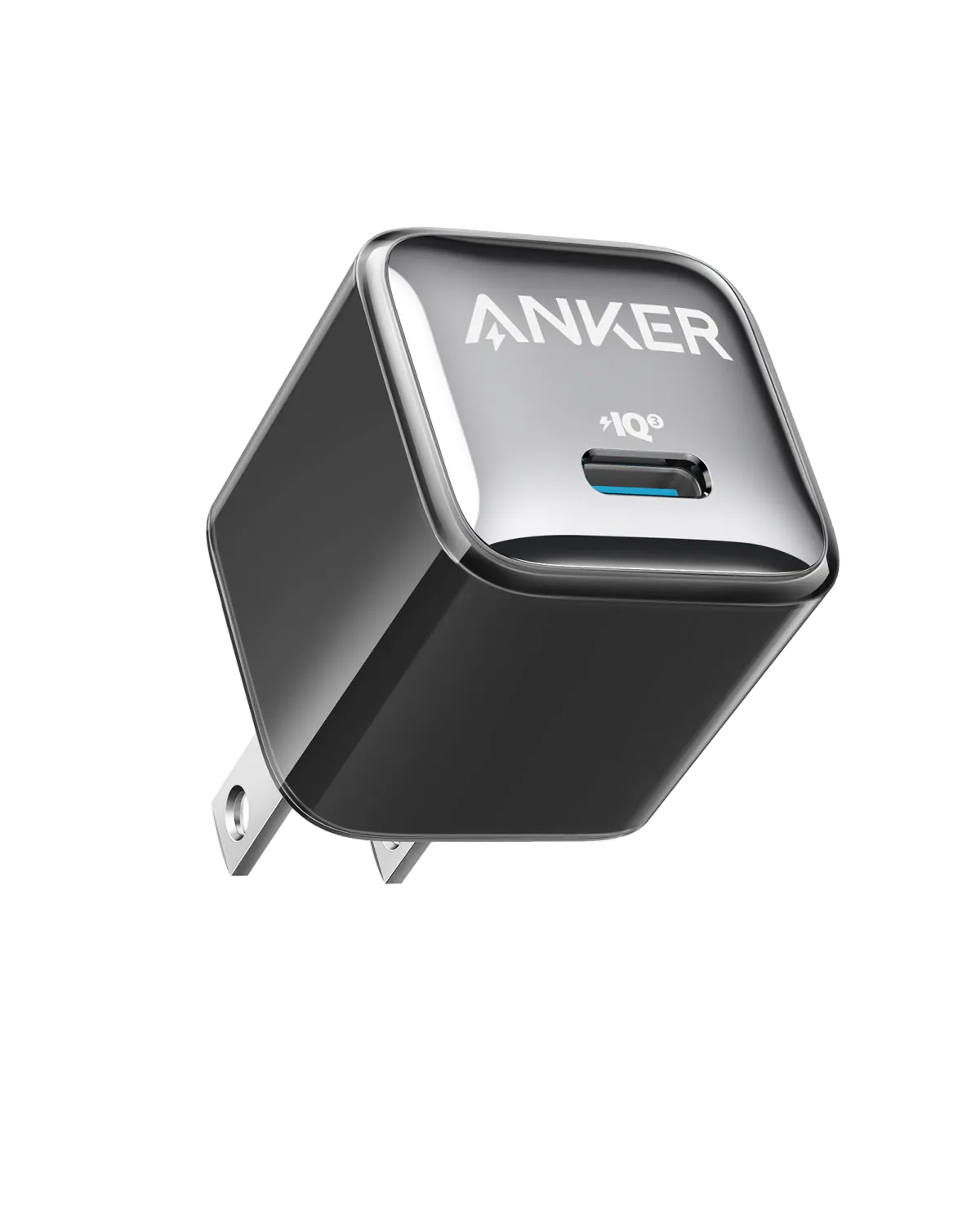
Anker A2347K11 20W USB-C PD Charger | Check Device Profile and Plug
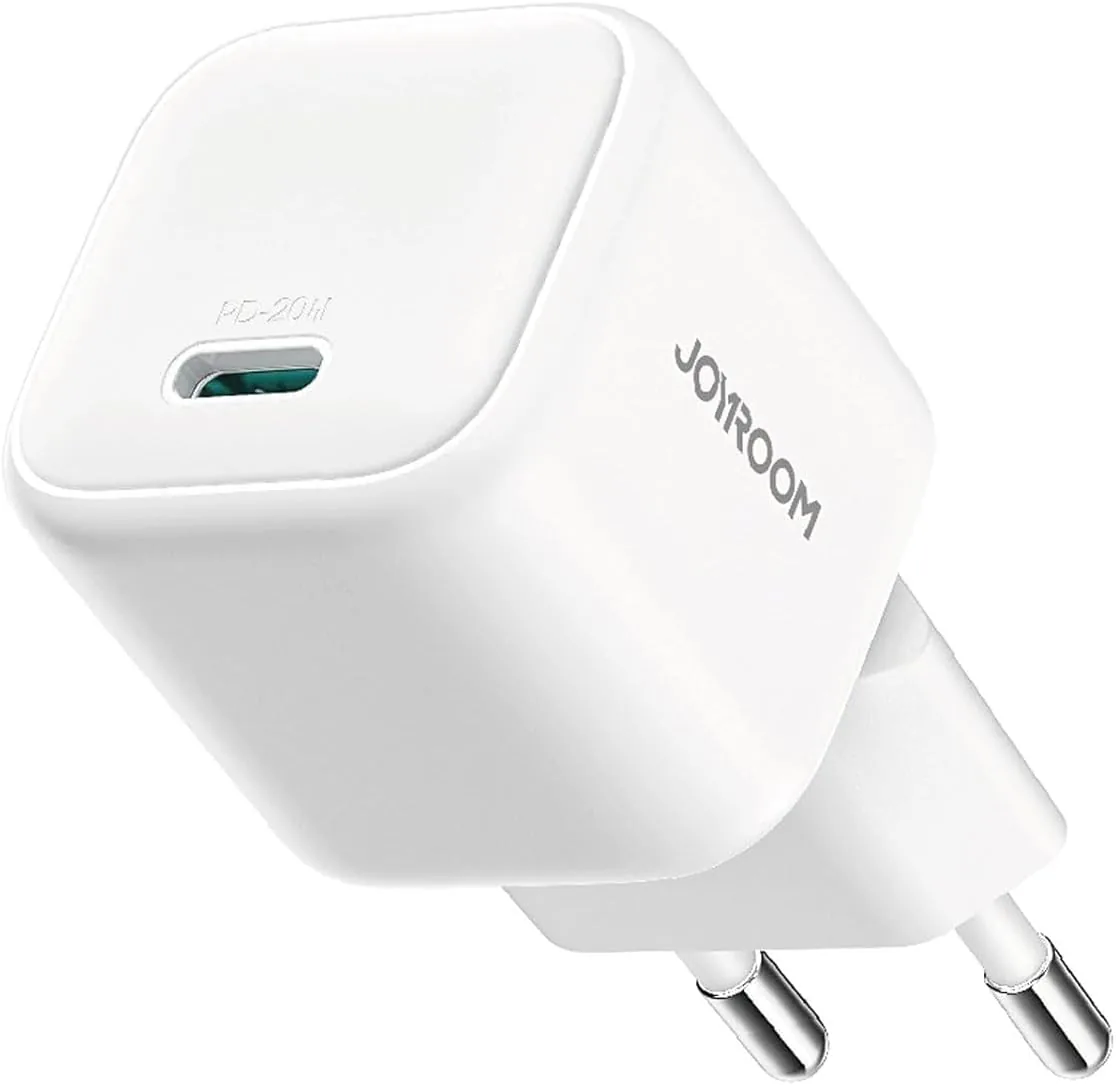
Joyroom 20W USB-C PD Charger | iPhone 17 Fast Charge
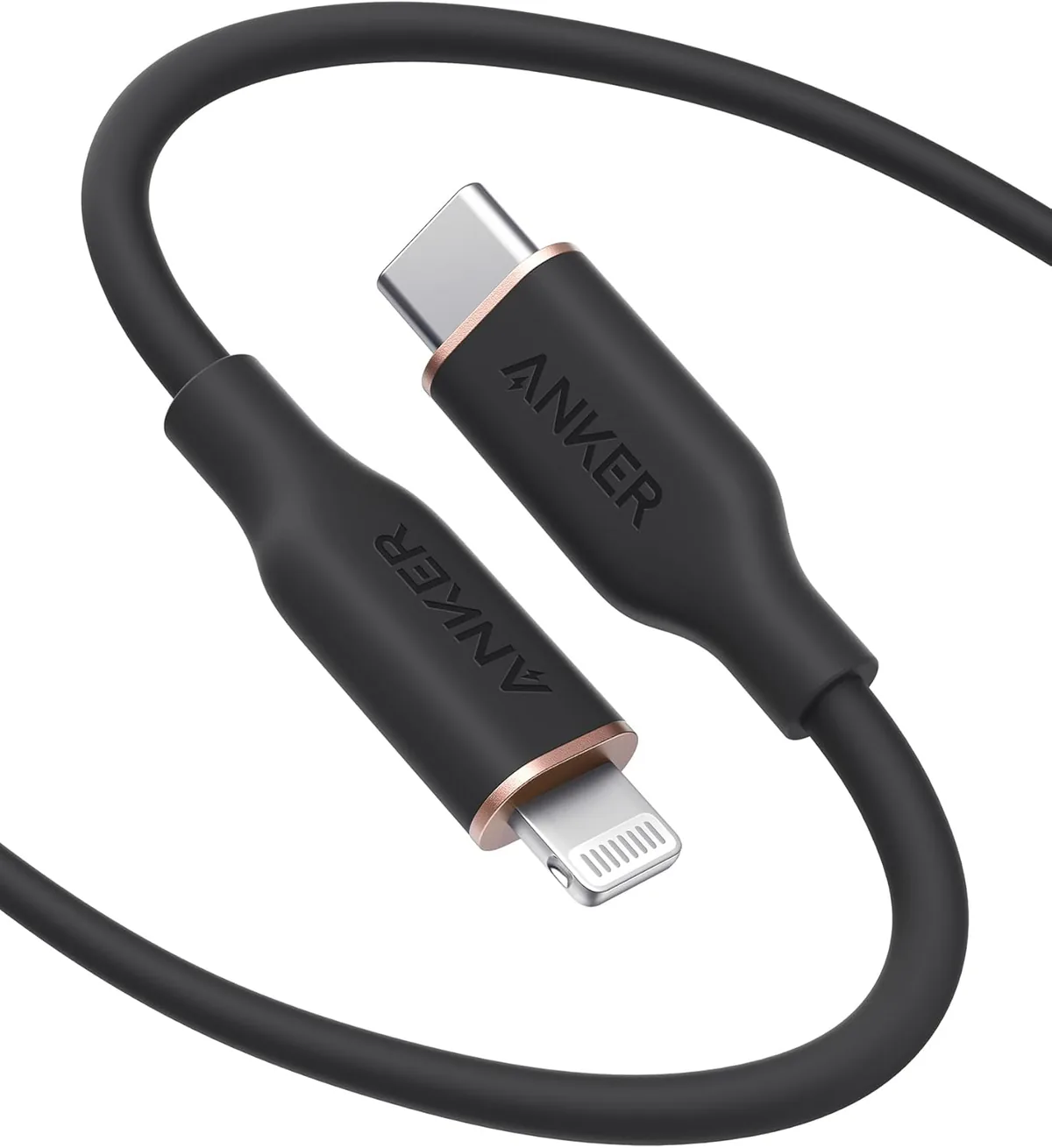
Anker PowerLine Select USB-C to Lightning (A8612H11) | Verify MFi | USB-PD
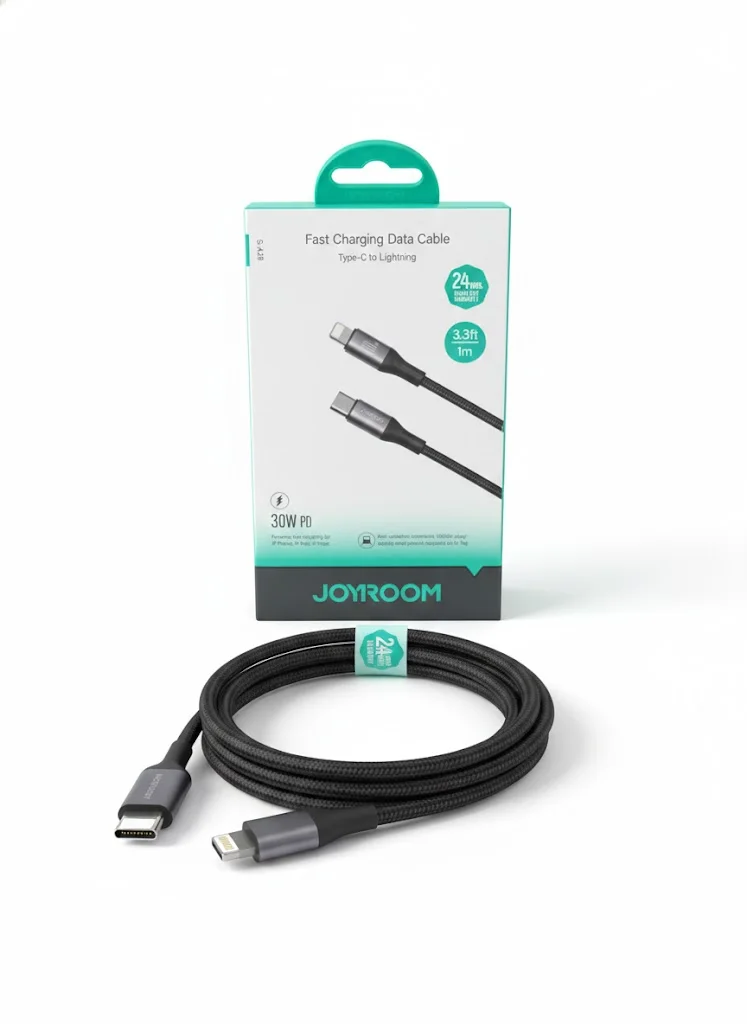
Joyroom JR-S-CL24M USB-C to Lightning Cable
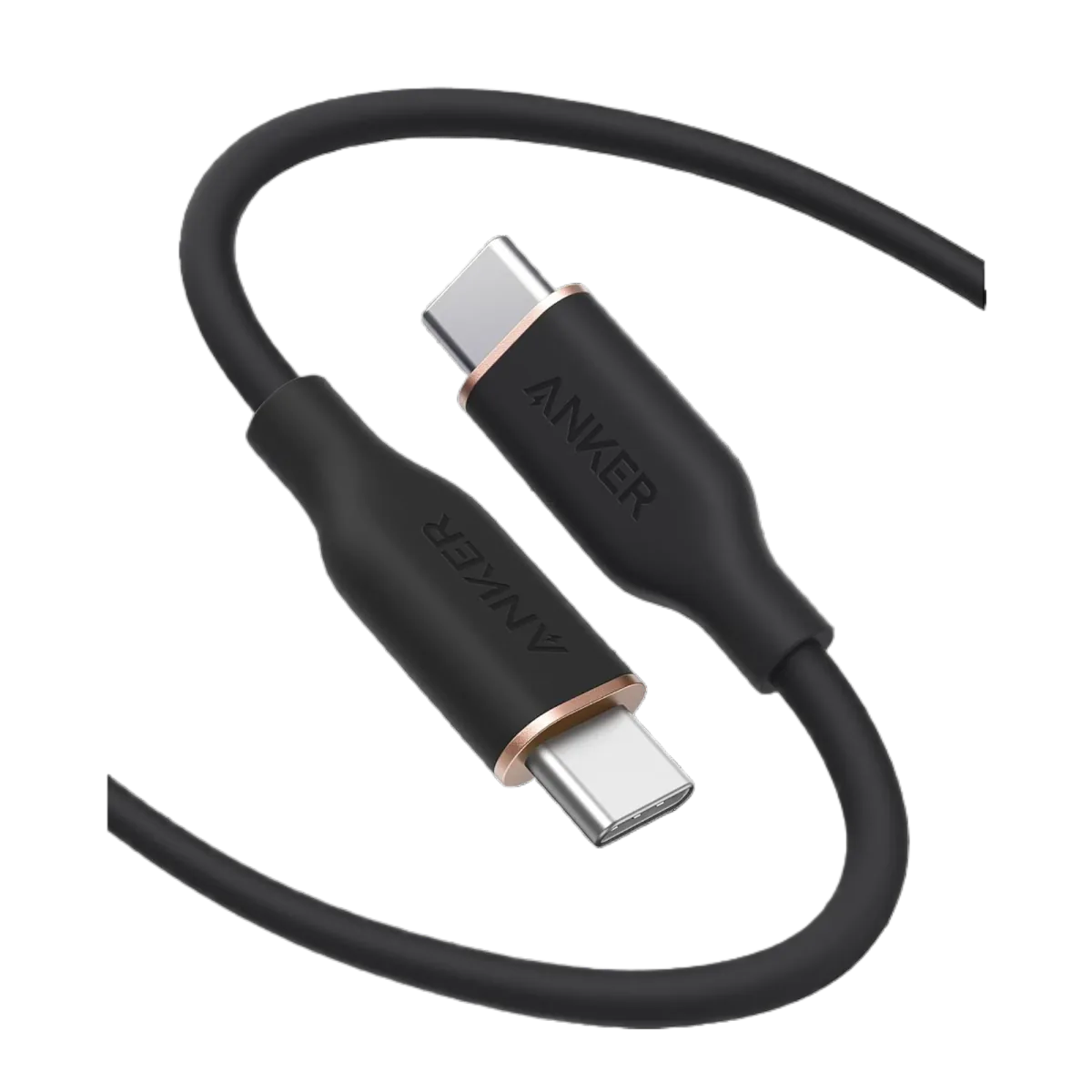
Anker PowerLine III USB-C to USB-C | 60W | iPhone 17 & Samsung S26