
 CairoVolt Team
7 Professional Tests to Spot Fake Chargers vs Original (2026 Visual Guide)
7 practical tests you can perform in 60 seconds to verify if your charger or cable is original — from weight inspection to digital QR Code verification.
In short: Three quick checks: (1) compare weight and print with a genuine unit or the model's listing; (2) run it for 10 minutes and unplug it if it gets uncomfortably hot or smells of burning plastic; (3) for Anker, enter the 16- or 20-digit security code at anker.com/verify if the box has one, and buy with an invoice and a written warranty.
The Problem We All Face
⚠️ Warning: Counterfeit chargers and cables are common online in Egypt, and a fake may lack over-voltage and thermal protection circuits — a real risk to your battery and your safety.
You bought a charger online that looks exactly like the original. The box is well-printed, the logo is there, even the barcode scans. A month later, the charger starts overheating and your phone charges slower. You discover it is a first-grade counterfeit.
Test #1: Weight Test
Original chargers use real copper transformers and Japanese capacitors. Fakes use cheaper aluminum and Chinese components — which can mean a noticeable weight difference. Compare with the model's listed weight or a unit you know is genuine — weight is a warning sign, not proof on its own.
Test #2: 10-Minute Heat Test
Plug in the charger for exactly 10 minutes. Original: warm. Fake: can get uncomfortably hot because it lacks thermal-management circuitry — unplug it at once.
Test #3: Real Fast Charging Test
A fake charger is labelled Fast Charging but doesn't actually charge fast. How to check:
- Run your phone down to 20%
- Plug in the charger and note the time
- After exactly 30 minutes, check the percentage
Compare with the fast-charge figures Apple publishes from a drained battery:
| Phone | Apple's fast-charge figure | Adapter needed |
|---|---|---|
| iPhone 17e and iPhone Air | Up to 50% in about 30 minutes | 20W or higher (such as the Anker 20W) |
| iPhone 17, 17 Pro and 17 Pro Max | Up to 50% in about 20 minutes | 40W or higher |
If a charger labelled 20W or more is clearly slower than that under the same conditions (and the phone is not hot), be suspicious.
Test #4: Print Quality Under Zoom
Use your phone camera at 3x zoom to inspect logos, text, and barcodes. Originals have sharp, clean edges. Fakes show blurred edges and inconsistent fonts.
Test #5: Cable Magnet Test
Hold a magnet near the cable connector. A strong pull on a cheap connector can point to plated iron — but this test is not decisive, because many genuine connectors use stainless-steel shells that may attract slightly. Treat it as an extra hint, not proof.
Test #6: USB-C Port Inspection
Look inside the USB-C port. The internal tongue should be perfectly centered with evenly spaced pins. Misaligned pins indicate counterfeits and risk short circuits.
Test #7: Digital Verification — Manufacturer Serial Number & QR Code ⚡
🔐 Manufacturer Digital Verification
Original products from major brands like Anker and Joyroom carry a unique serial number and often a QR code or verification sticker on the box. Match the serial on the box with the one on the device. For Anker, if the box carries a security-code label (16 or 20 digits under a scratch-off layer), enter it at anker.com/verify — the serial number is not the security code, and a missing label is not proof of a fake. Make sure any QR code leads to the official brand site. This is the strongest check when it is available — if the seller cannot provide an invoice and a written warranty, walk away.
What Happens If You Use a Fake Charger?
| Problem | Technical cause | Result |
|---|---|---|
| Battery degradation | Unstable voltage | Faster loss of battery health |
| Slow charging | No PD/QC protocol-negotiation IC | Charges at 5W instead of 20-30W |
| Phone overheating | No thermal management | Above 45°C the phone slows down |
| Fire risk | No over-voltage protection | Risk of overheating and fire |
The Golden Rule
A fake charger saves you 100 EGP — but costs you a 3,000 EGP battery replacement
Shop original Anker chargers or Joyroom chargers on CairoVolt — delivered to your door (commonly 1–6 business days depending on governorate) with CairoVolt's written store warranty (duration shown on each product page).
CairoVolt Team
Tech Editor
Frequently Asked Questions
How can I tell if a charger is original or fake?▼
Can a fake charger damage my phone?▼
How can I digitally verify a charger's authenticity?▼
Are all products on CairoVolt original?▼
Ready to Buy?
Browse available products and review specifications and CairoVolt warranty terms before ordering
Related products
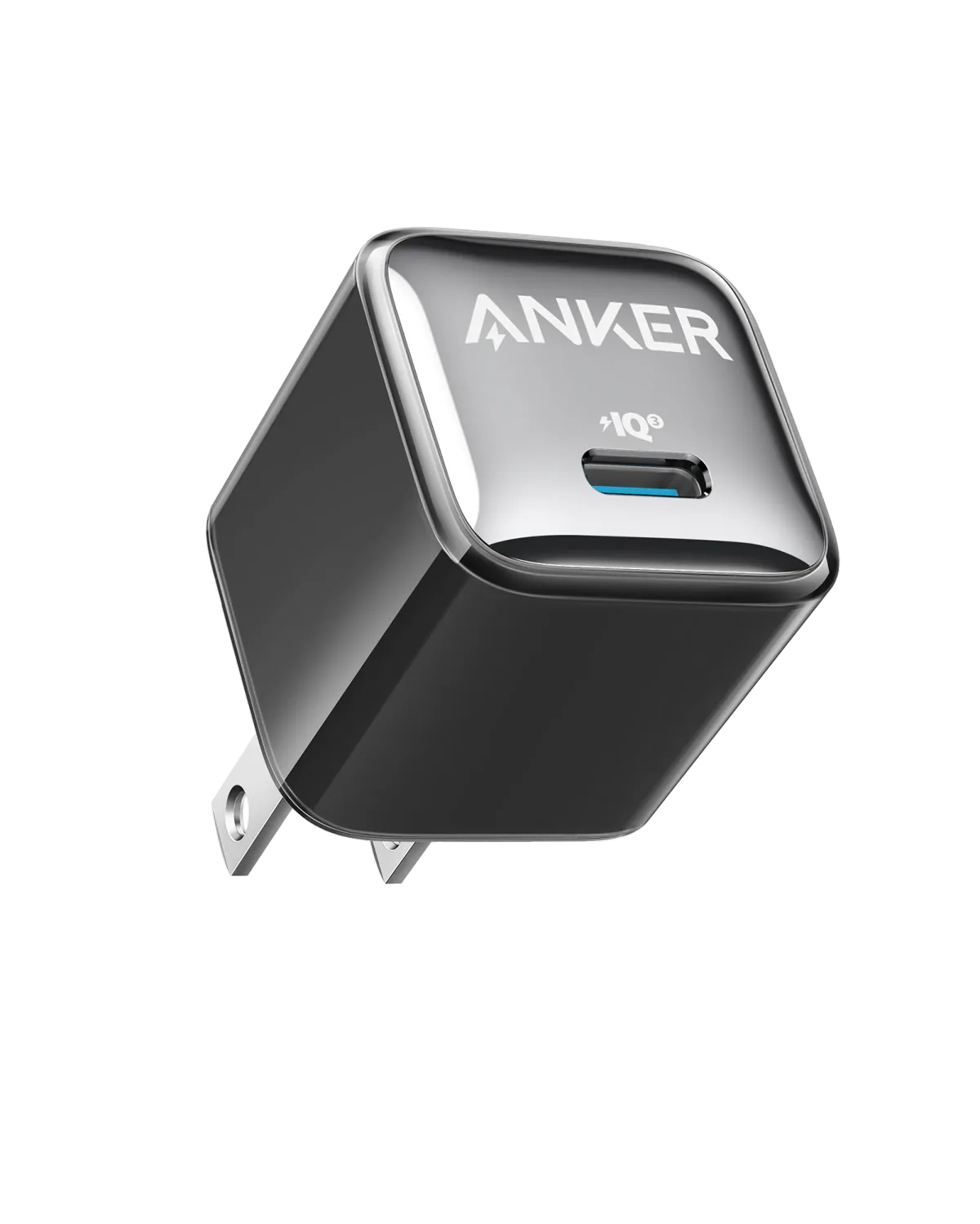
Anker A2347K11 20W USB-C PD Charger | Check Device Profile and Plug
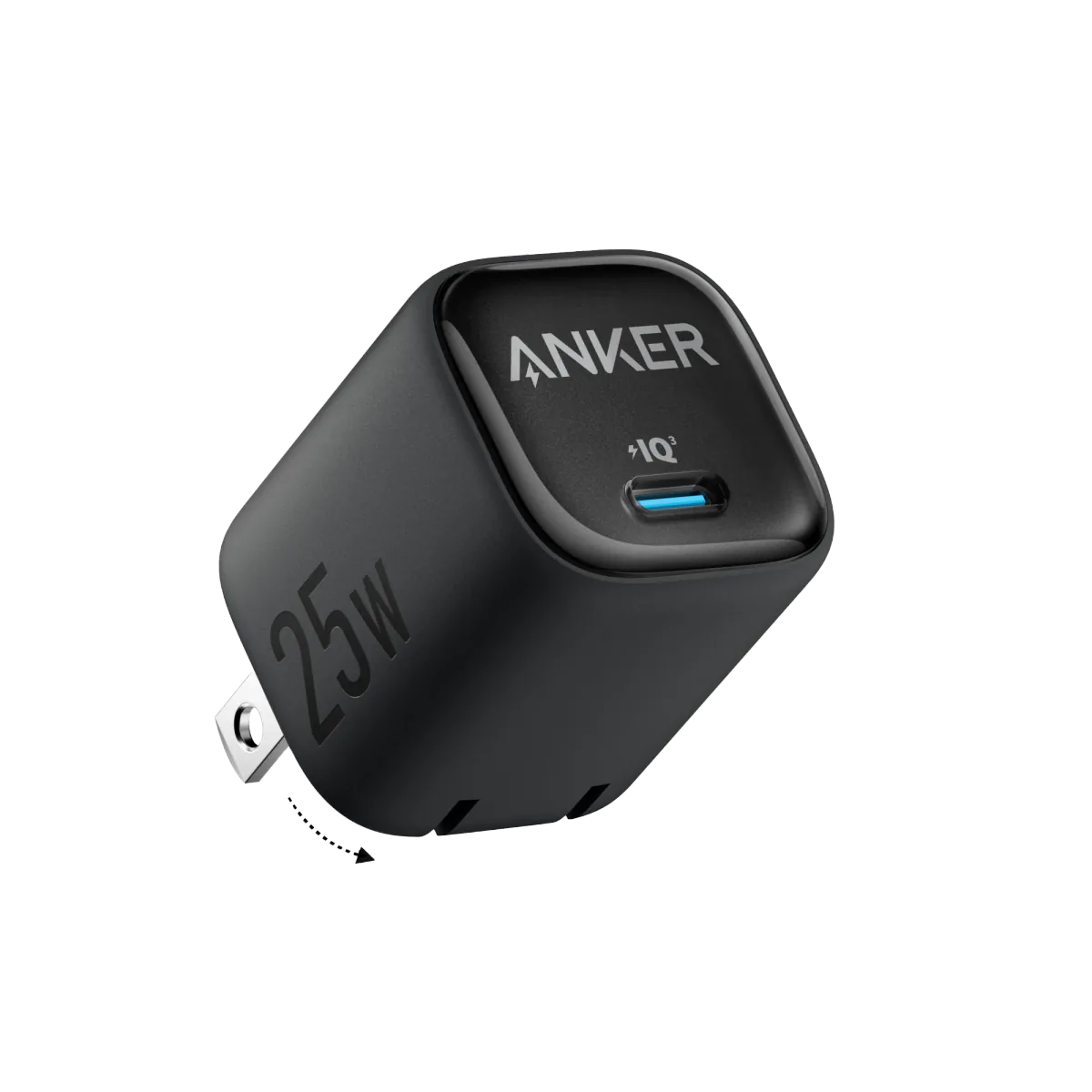
Anker 25W PPS Charger (A2656111) | Samsung-Compatible USB-C PD
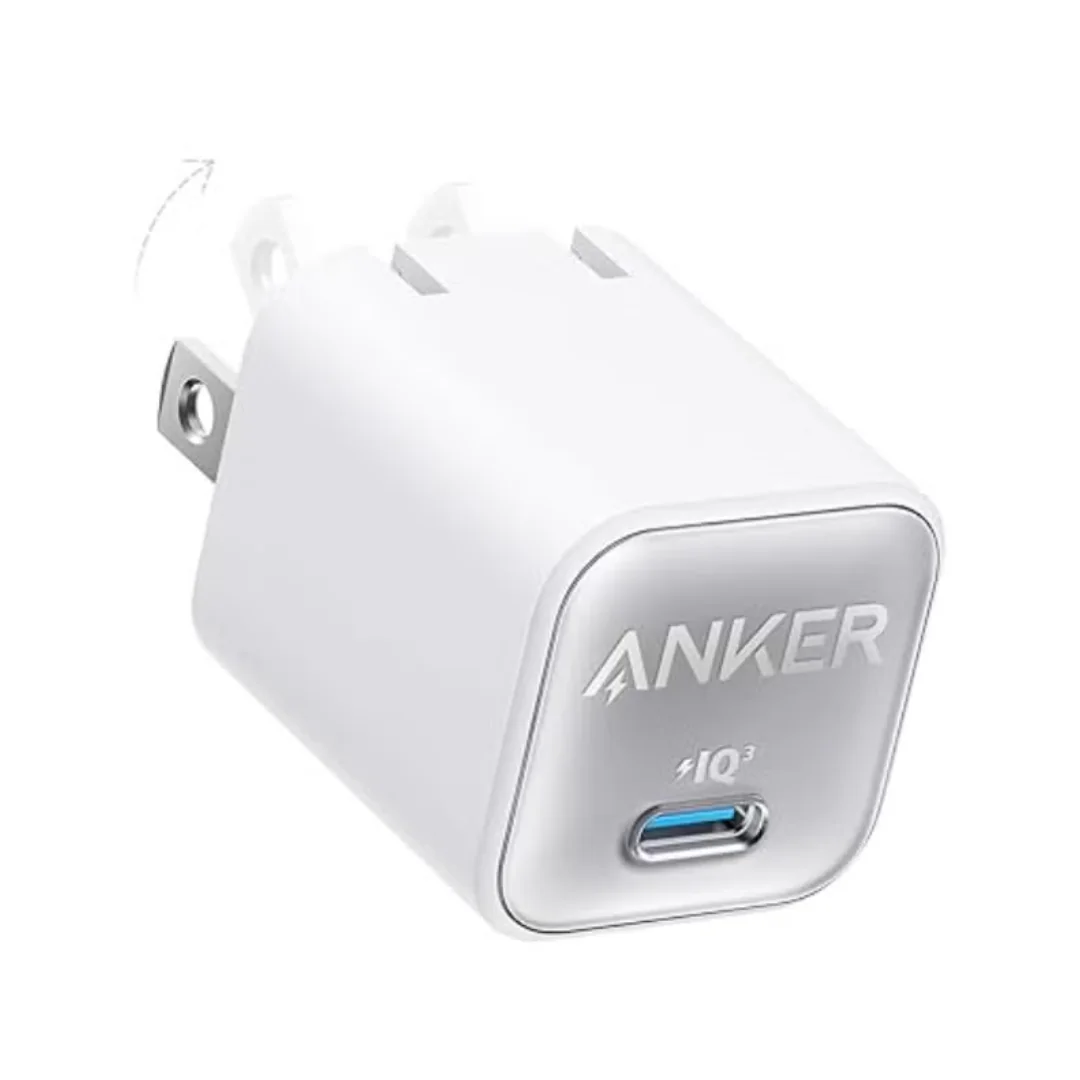
Anker 511 Nano 3 GaN Charger 30W (A2147) | USB-C PD | IQ3
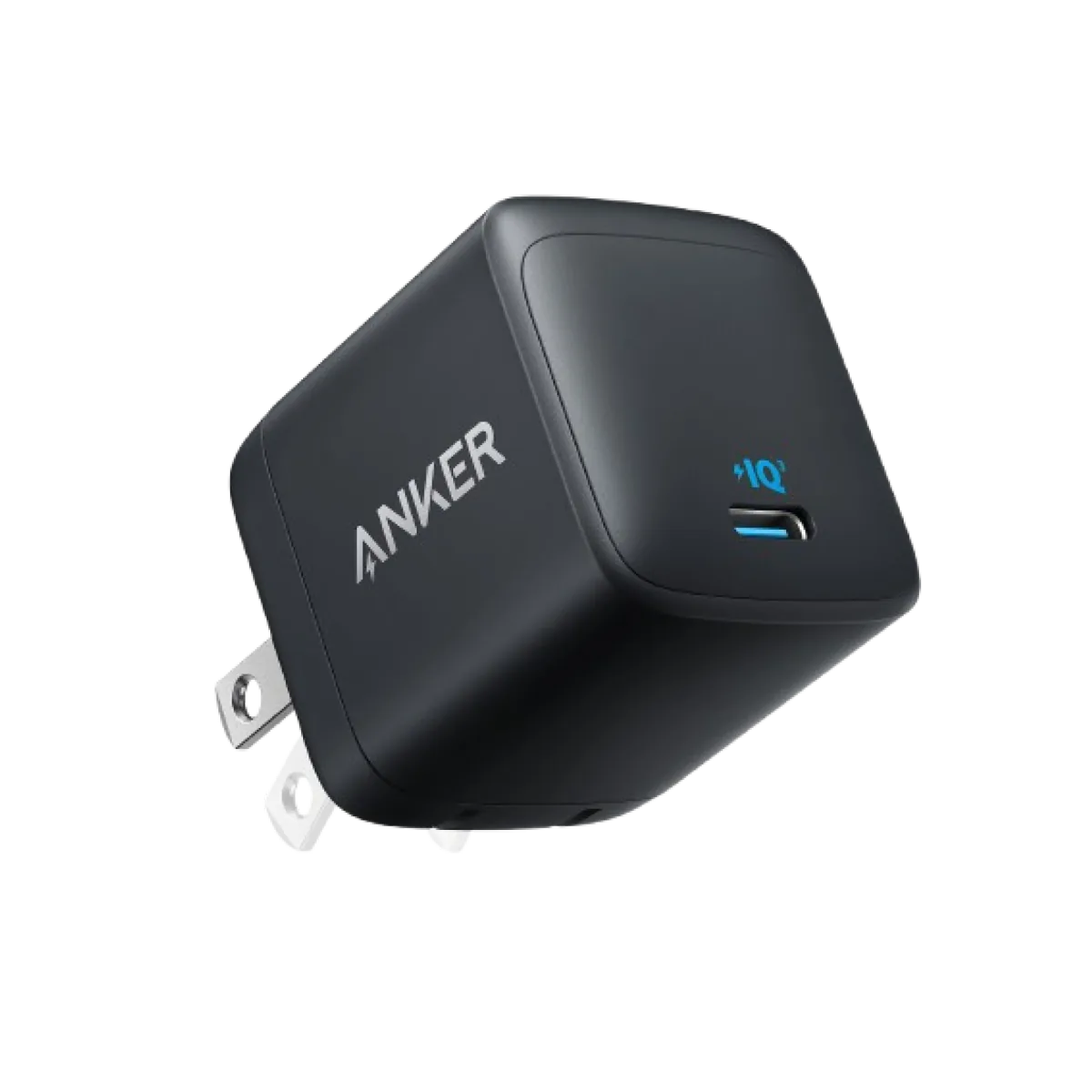
Anker Nano 45W GaN USB-C Charger | MacBook Air + iPhone 17
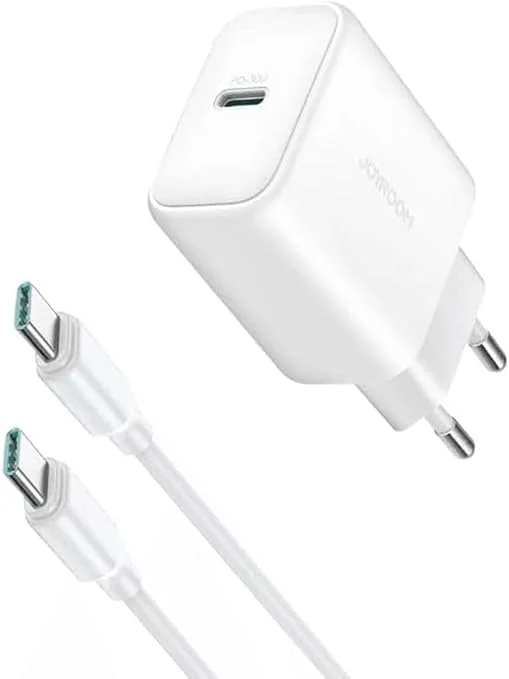
Joyroom 30W PD+QC Wall Charger | Dual USB-C and USB-A Ports
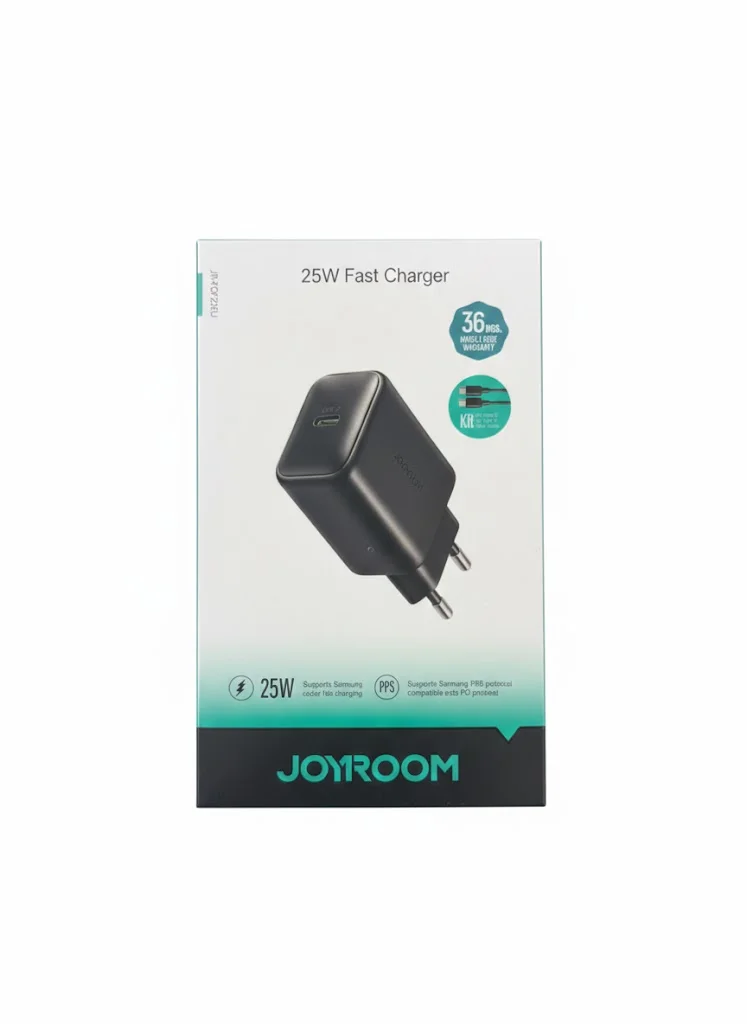
Joyroom 25W USB-C PD Charger (JR-TCF23) | iPhone and Samsung Compatibility
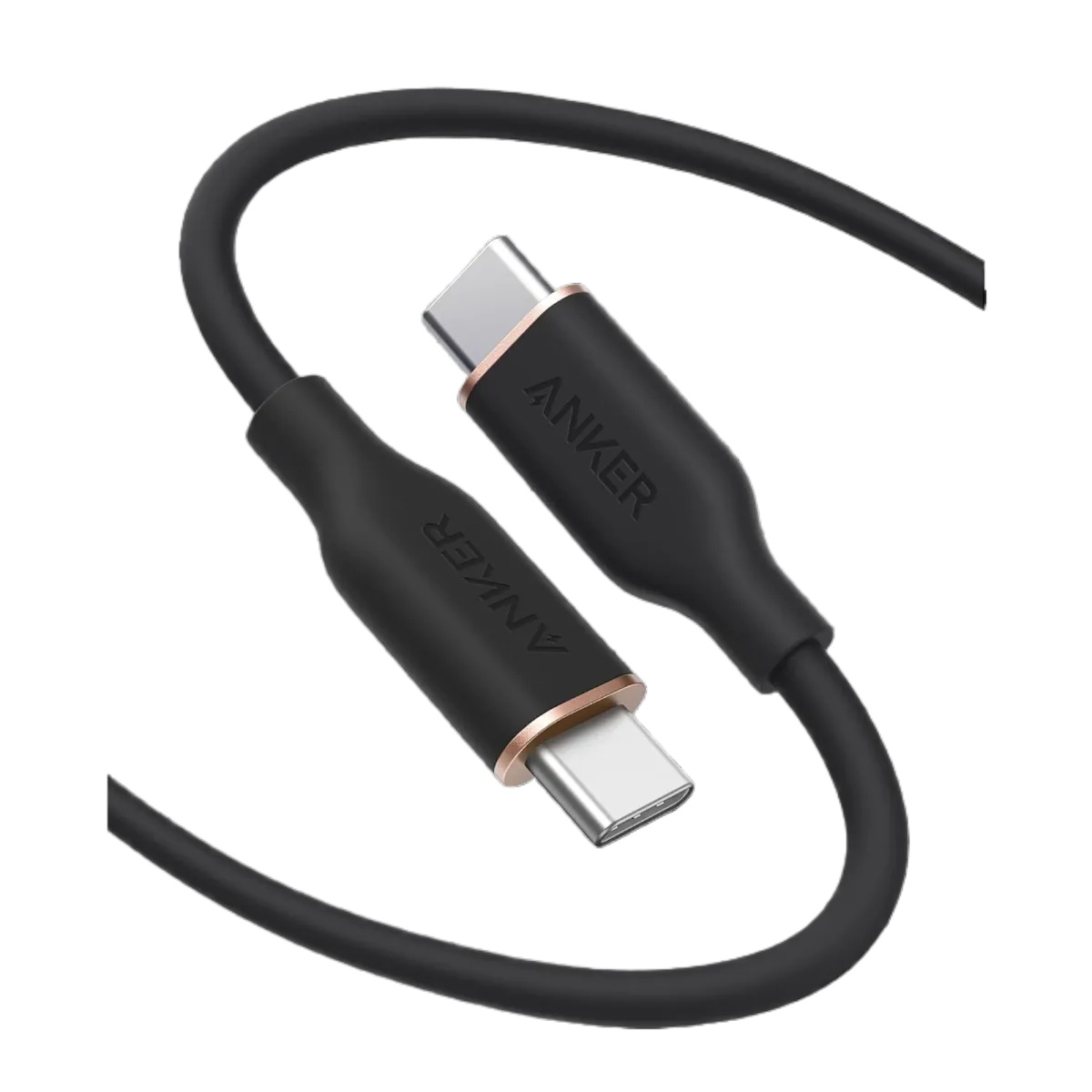
Anker PowerLine III USB-C to USB-C | 60W | iPhone 17 & Samsung S26