 CairoVolt Team
Counterfeit Anker Danger — Inside the Anker Verify Security System and Protection Circuits
Anker Verify isn't just an authenticity check — it's a safety system. Learn the serial number format, what results mean, and why counterfeit Anker chargers are a real fire risk.
Quick Take: Anker Verify at anker.com/verify checks the 16- or 20-digit security code under the scratch-off label on offline-sold packaging, not the serial; Anker says a missing label does not mean counterfeit. Counterfeit chargers may lack protection circuits, so buy from a seller that issues an invoice and a written warranty naming its legal identity.
⚠️ Recall notice: Anker PowerCore 10000 (model A1263)
In June 2025 the US CPSC announced a recall of A1263 units made for the US market between January 2016 and October 2019 over an overheating and fire hazard. If you own an A1263, check its serial at anker.com/a1263-recall before using it.
Many people ask "what's the real difference between genuine Anker and a fake?" — and the answer isn't just about charging speed. This article is the security deep-dive: how the Anker Verify system works internally, which protection circuits separate genuine chargers from counterfeits, what verification results really mean, and why fake chargers are a genuine fire and battery hazard.
If you simply need to locate the number itself, that's covered in where to find the Anker serial number — and for every identification method in one place, see the complete 5-method guide to identifying original Anker products.
How the Anker Verify System Actually Works
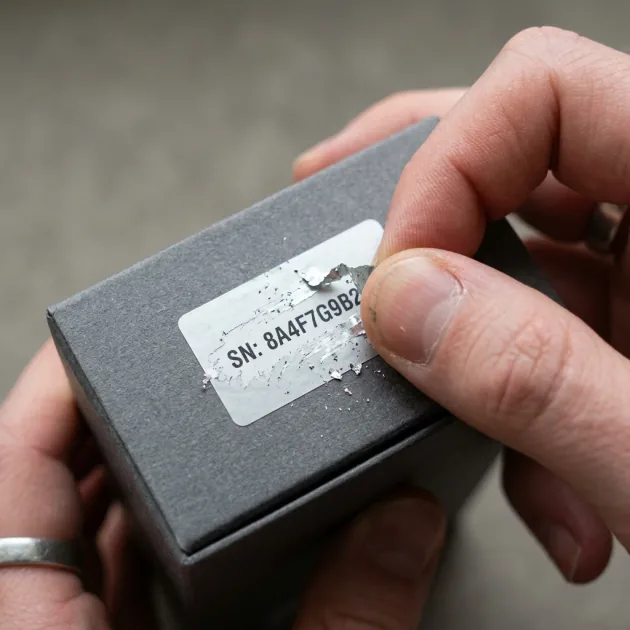
The page at anker.com/verify does not ask for the serial number. It asks for a 16- or 20-digit security code under a silver scratch-off coating on a security label on the package. According to Anker's own page:
- The code is on the package only: security codes appear on packaging of products sold offline, and Anker lists Egypt among the regions where the code applies.
- A missing label is not proof of a fake: if the box has no label, or a label that differs from the example, the product cannot be verified — and Anker states plainly that this does not mean it is counterfeit.
- Previous checks are shown: for a valid code, the page tells you whether this is its first check or shows the date it was checked before. A code that does not match returns "Unverified Code".
What the Serial and Model Number Are For
Anker publishes no single serial-number format, and it varies by model, so do not judge authenticity by how the number looks or how long it is. The serial and model number identify the unit and its type, and they matter for recall and warranty checks — for example, Anker asks for the serial at anker.com/a1263-recall for the PowerCore 10000, and its full recall list is at anker.com/product-recalls.
Barcodes and QR Codes on Anker Packaging — Are They Enough?
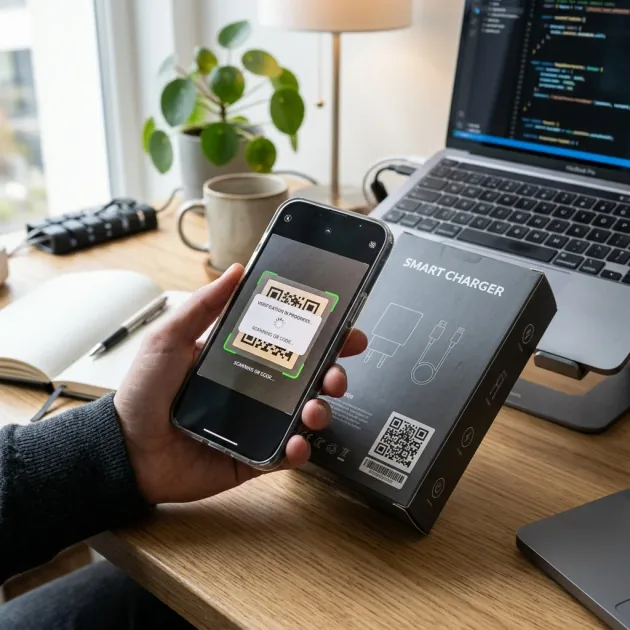
No. The barcode and any QR code printed on the box identify the product for sales and stock, and they can be copied onto fake boxes. Anker's page asks you to type the security code yourself, so do not treat scanning a code as a substitute, and do not trust a "verification link" that takes you to a site other than anker.com. Always combine the digital check with a full physical inspection.
Why Counterfeit Anker Chargers Are a Real Safety Risk
This is the most important section — it concerns your safety and your home's safety.
What's Inside a Genuine Anker Charger
A genuine Anker charger contains specialized protection circuits:
- Overcharge Protection: Stops charging when the battery reaches 100% — prevents continued current flow
- Overvoltage Protection: Monitors voltage and cuts power if it exceeds safe levels
- Short Circuit Protection: Immediately cuts current if a short circuit occurs
- Thermal Protection: Shuts down the charger if it reaches dangerous temperatures
- USB PD Controller: Manages the fast-charging protocol and ensures device-charger compatibility
What's Inside a Counterfeit
Counterfeit chargers have simplified or absent protection circuitry:
- Passes current without voltage regulation — the device absorbs the difference
- No automatic shutoff at full charge — battery continues heating
- Under high-load conditions — the charger itself can catch fire
Identifying a Counterfeit Anker Charger Without Electrical Testing
| What to Check | Genuine Anker | Counterfeit |
|---|---|---|
| Logo and text | Sharp, crisp, clean white color | May be blurry, skewed, or wrong color |
| Plastic finish | Smooth, consistent, no seam gaps | May feel rough or have visible seams |
| Certification marks | CE, FCC, UL clearly printed | Missing, unclear, or incorrectly formatted |
| Plug pins | Solid, no wobble | May feel hollow or wobbly |
| Temperature during charging | Slightly warm — normal. Never hot | Noticeably hot or uncomfortably warm to touch |
What to Do If You Discover Your Product Is Counterfeit
- Stop using it immediately: Don't continue use even after discovering it's fake
- Return to the seller: If a store claimed it was genuine — demand a refund
- Report to Anker: You can report counterfeit products via their website — helps them track and combat fakes
- Replace from a seller with an invoice and a written warranty: one that names its legal identity on both — such as CairoVolt, an independent store whose written store warranty duration is shown on each product page
Why Many People Don't Notice the Problem Immediately
Counterfeit chargers often work normally for weeks or even months. The problems emerge over time:
- The battery may degrade faster than normal
- The charger itself may fail early
- In rare but real cases — charger or cable fire
The problem is people attribute battery deterioration to phone age rather than charger quality. If your battery started degrading unusually fast — the charger is worth examining.
For the practical step-by-step guide to checking the security code, read: Anker Official Website — Step-by-Step Barcode and Serial Number Verification Guide.
The Engineering Difference: Genuine GaN vs. Fake Silicon
GaN (Gallium Nitride) technology allows high-wattage chargers (such as 65W or 100W) in a smaller body than conventional silicon chargers of the same rating. Many recent Anker chargers use GaN, but not every model does — check the model's own page.
A counterfeit labelled GaN may contain an ordinary silicon converter and simplified circuitry, so it runs hot under load and becomes a real fire risk. Checking the security code where one exists, an invoice and written warranty, and matching the printed ratings to Anker's documentation are the first lines of defence.
Understanding Anker's MultiProtect Safety Features
Anker lists protection systems such as MultiProtect or ActiveShield for many of its chargers (it varies by model — check the model page). Protections commonly listed include:
- Input Overvoltage Protection: Shuts off the charger if there's a power spike in the wall outlet.
- Output Current Regulation: Ensures the exact required current is delivered to the phone battery.
- Thermal Control: Actively drops charging speeds or cuts power if temperatures rise.
- Short Circuit Protection: Instantly cuts the circuit if a short is detected.
- Static Protection: Shields your phone's mainboard from static discharge during plugin.
🛒 Related products with CairoVolt's written store warranty (duration shown on each product page):
Anker 30W Car Charger (A2741) · Anker Nano 45W Charger with Display · Anker USB-A to USB-C Cable.
Long-Term Electronics and Charging Port Degradation
Aside from battery deterioration, using a counterfeit charger gradually degrades other vital components inside your smartphone. The irregular voltage ripples put immense stress on the power management integrated circuit (PMIC) and the charging port's controller chip. Over time, these parts begin to overheat, leading to motherboard failures that are extremely difficult and costly to diagnose. By the time a phone completely stops turning on, the damage is already done, and most users never suspect it was caused by a cheap counterfeit charger they used months ago.
Summary: The Anker Verify System at a Glance
| Question | Answer |
|---|---|
| What does it check? | The 16- or 20-digit security code under the scratch-off coating on the package — not the serial |
| Verification URL | anker.com/verify |
| No label on the box? | Not proof of a fake, per Anker — rely on the invoice and written warranty |
| Is a barcode or QR code enough? | No — both can be copied |
| Best practical protection | A seller that issues an invoice and a written warranty naming its legal identity + a model and ratings match + the code check where a label exists |
CairoVolt Team
Tech Editor
Frequently Asked Questions
What does a genuine Anker serial number look like?▼
Why are counterfeit Anker chargers a fire hazard?▼
Can I rely on the QR code or barcode on the box?▼
Can I buy Anker at a lower price and still get an authentic product?▼
Ready to Buy?
Browse available products and review specifications and CairoVolt warranty terms before ordering
Related products
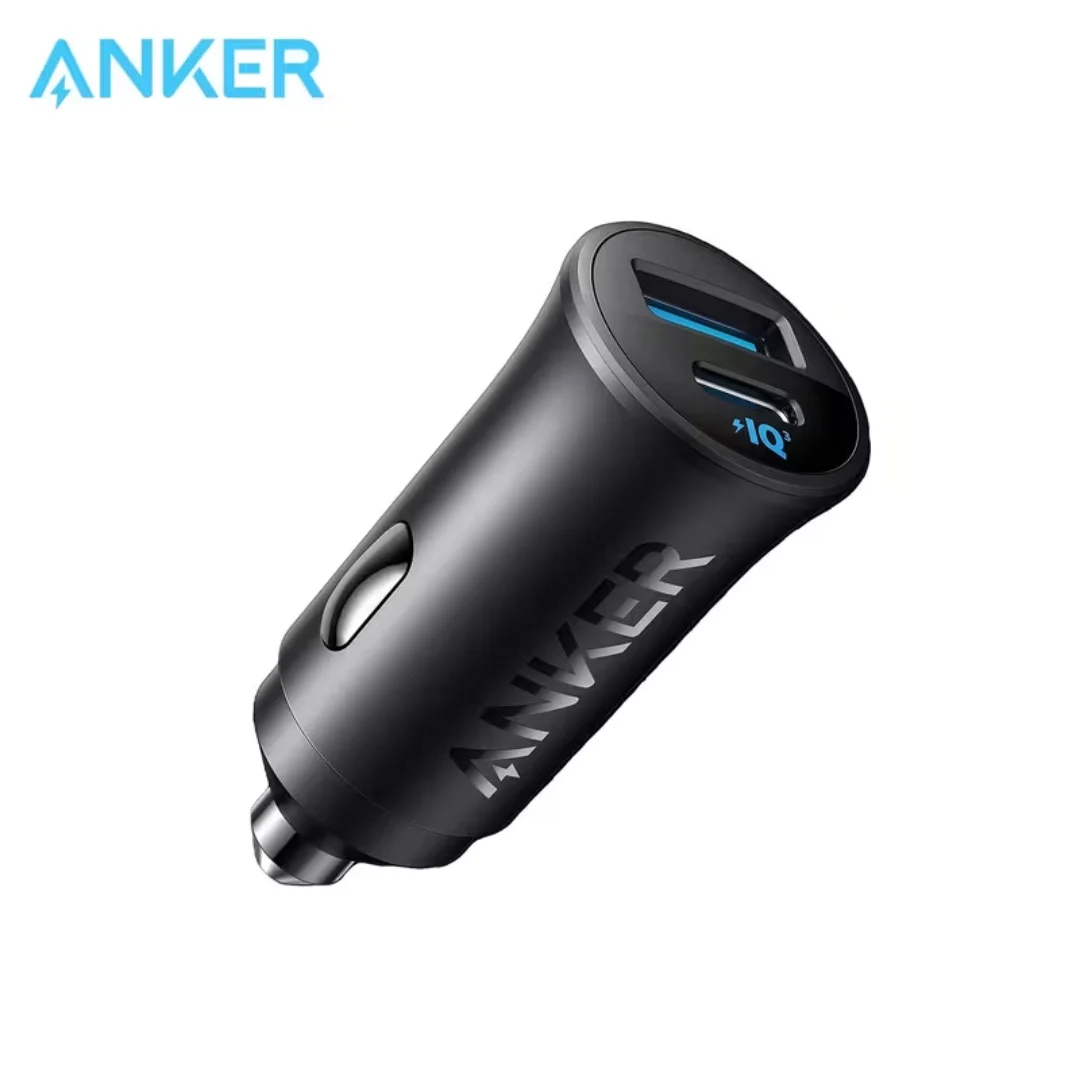
Anker 30W Mini Car Charger (A2741) | USB-C 30W PD + USB-A 22.5W | Ultra-Compact
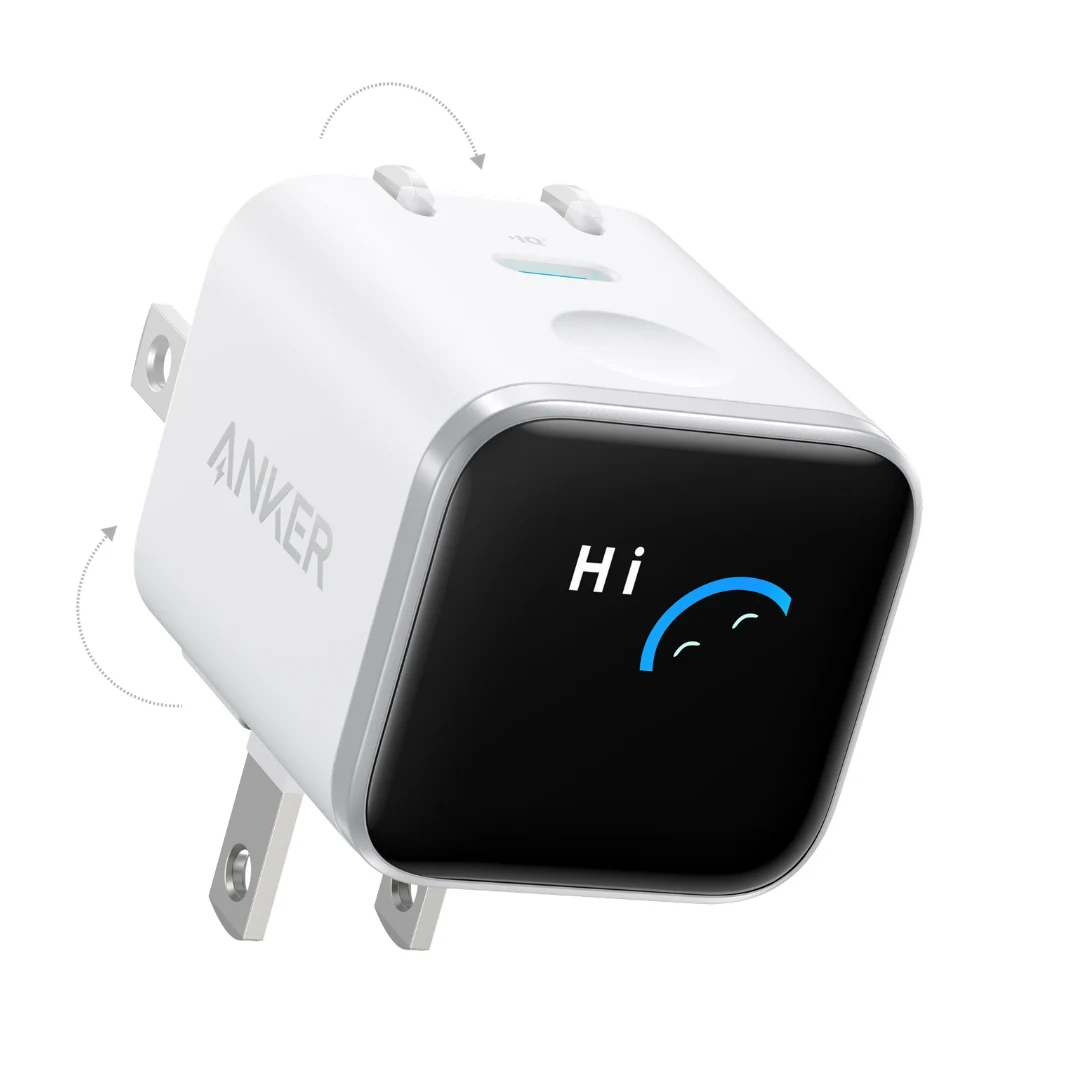
Anker Nano 45W Smart Display GaN Charger (A121D) | 180° Foldable Plug | USB-C PD
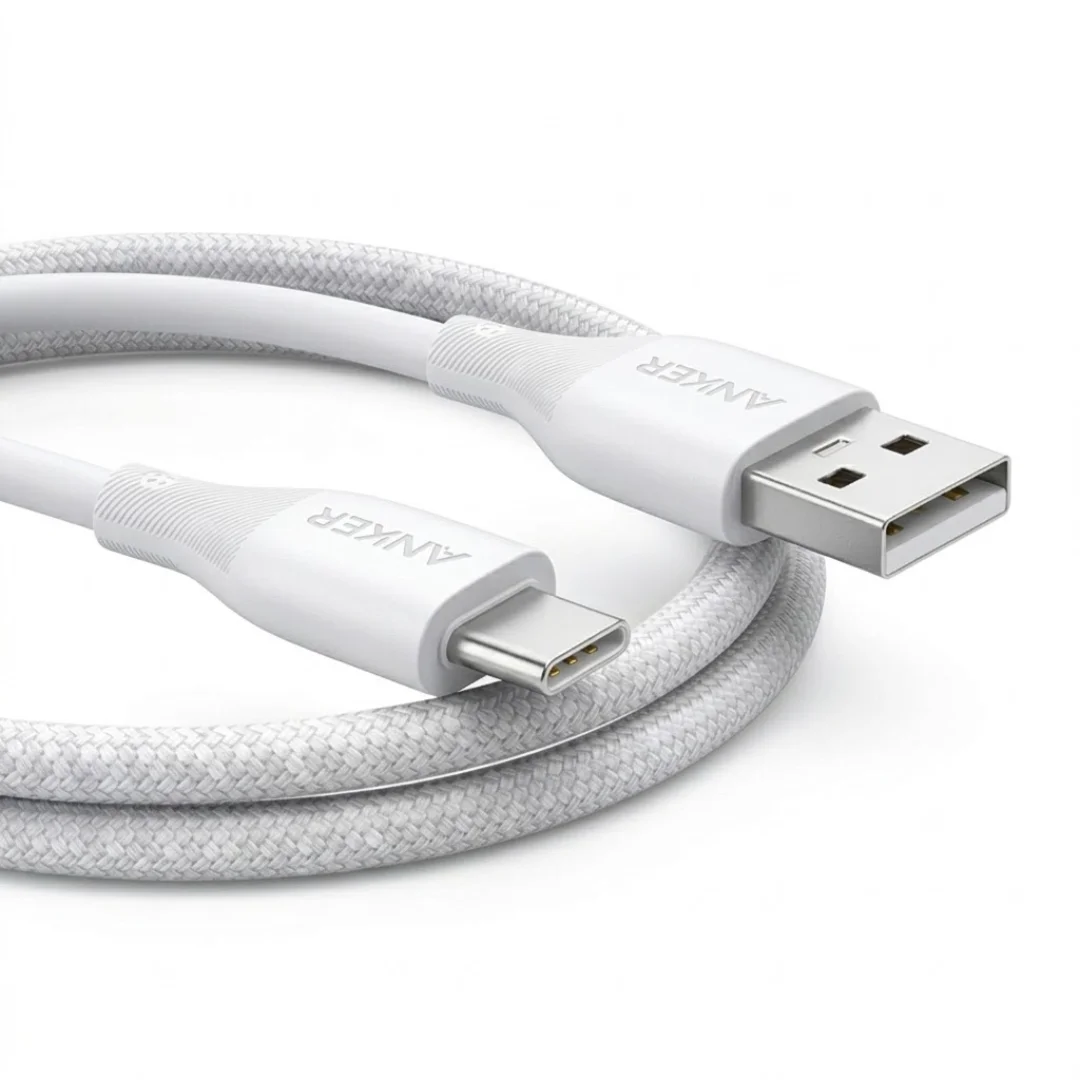
Anker USB-A to USB-C Cable (A8050) | Braided Nylon 1.8m | Fast Charging
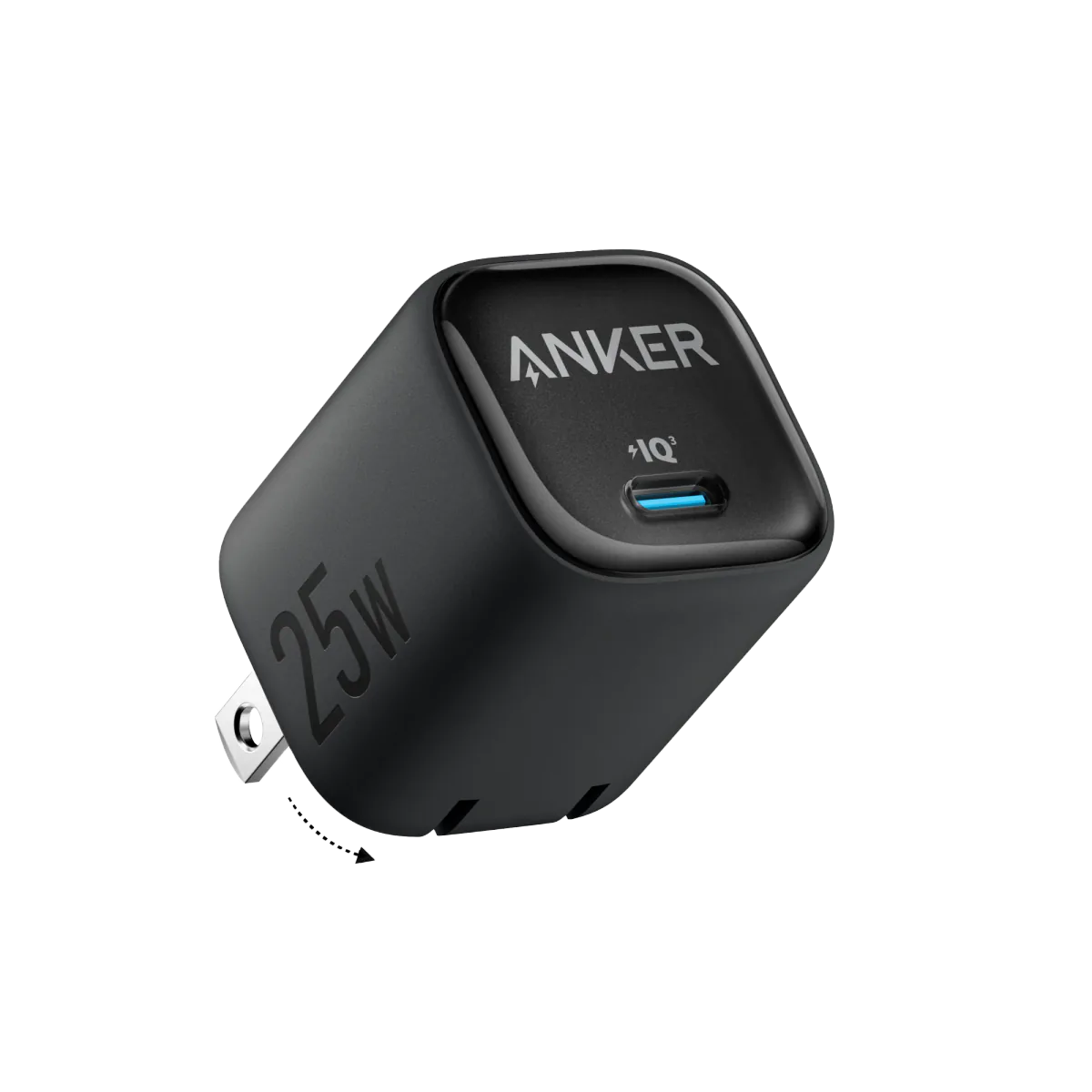
Anker 25W PPS Charger (A2656111) | Samsung-Compatible USB-C PD
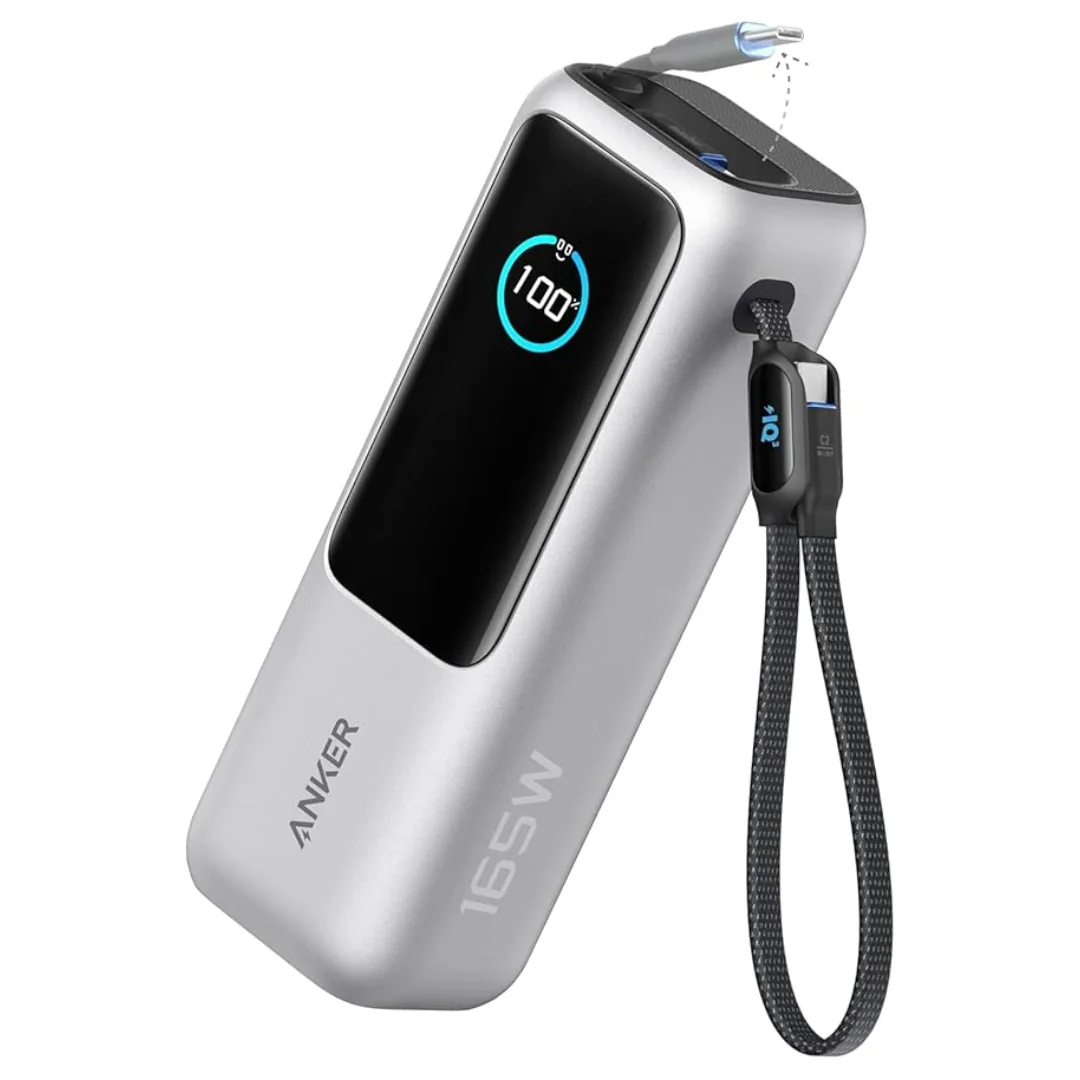
Anker Zolo Power Bank 25,000mAh 165W — Built-In Dual Cables | MacBook Charging
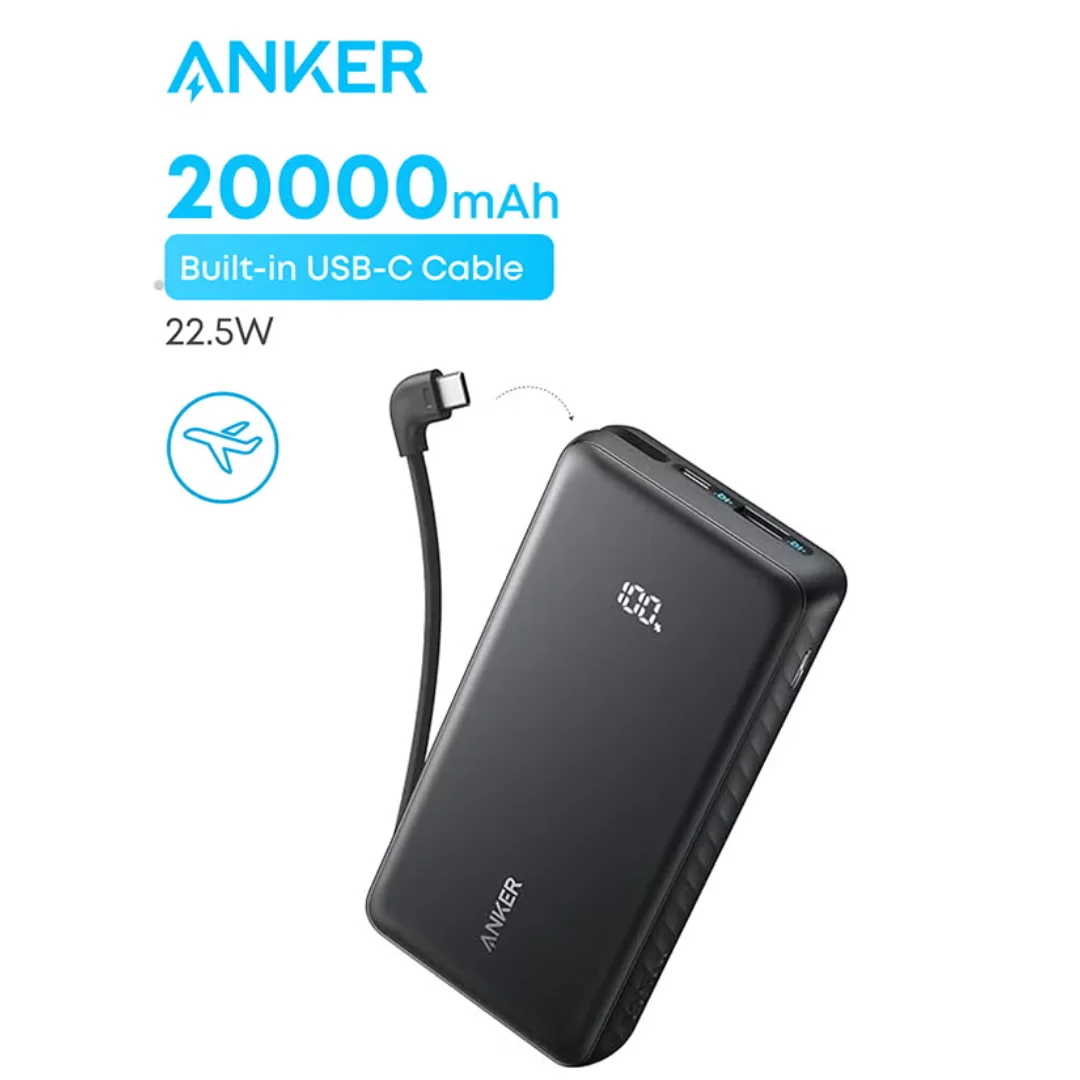
Anker ZOLO Power Bank 20,000mAh (22.5W) | Built-in Cable
Browse the categories this article covers
Related Articles
Anker Official Website — Step-by-Step Barcode and Serial Number Verification Guide
Read more →
Anker 18-Month Store Warranty in Egypt — Where to Buy and Full Replacement Conditions
Read more →