 CairoVolt Team
Anker 521 Powerhouse Review — Portable Power Station for Egypt's Power Outages
Anker 521 Powerhouse is a 256Wh power station with a real AC outlet. We ran the numbers for power-cut and Red Sea trip scenarios. Results in hours and minutes.
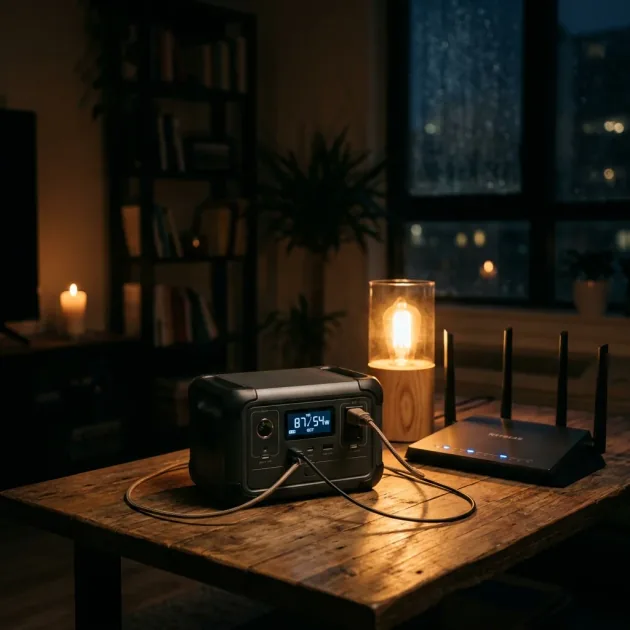
Bottom Line: Anker 521 Powerhouse (256Wh) runs a 65W laptop for 3.9 hours. A desk fan (30W) for 7 hours. LED lighting (10W) for 20+ hours. WiFi router (12W) for 15 hours. Weighs 3.5kg and charges in 6.5 hours from the wall. The ideal solution for Egyptian power outages and short trips.
⚠️ Recall notice: Anker PowerCore 10000 (model A1263)
In June 2025 the US CPSC announced a recall of A1263 units made for the US market between January 2016 and October 2019 over an overheating and fire hazard. If you own an A1263, check its serial at anker.com/a1263-recall before using it.
Power outages in Egypt are not a seasonal phenomenon — they are a recurring reality, especially during summer's high air-conditioning demand. The Anker 521 Powerhouse is not a standard power bank — it is a genuine power station with an AC outlet that works like a wall socket. We analyzed its specs in detail and ran the numbers — here is what it can power and what is beyond its capabilities.
Quick Verdict: Anker 521 Powerhouse is an excellent solution for power outages in Egyptian apartments and homes. It runs a laptop for 3.9 hours, a fan for 7 hours, and lighting for over 20 hours. At 3.5kg it moves with you. Not for air conditioning or refrigerators — those exceed its 200W limit.
Full Technical Specifications
| Specification | Value |
|---|---|
| Battery Capacity | 256Wh (69,120mAh / 3.7V) |
| AC Outlet Output | 200W continuous (European 2-pin) |
| USB-C PD Output | 60W |
| USB-A Output | 12W (2 ports) |
| AC Self-Charge | 65W from wall — 6.5 hours |
| USB-C Self-Charge | 65W — 6.5 hours |
| Weight | 3.5 kilograms |
| Dimensions | 21.5cm × 15.2cm × 15.2cm |
| Display | LED display showing: charge percentage, watts in, watts out |
Real Device Run Times — In Hours and Minutes
We calculated run times for common Egyptian household devices from the Anker 521 Powerhouse at 100% charge — based on published specs and the efficiency formula (256Wh ÷ device watts × 0.85):
| Device | Power Draw | Run Time | Port Used |
|---|---|---|---|
| 65W Laptop (MacBook Air M3) | 58-65W | 3.9 hours | USB-C PD 60W |
| Medium Desk Fan | 25-30W | 7.2 hours | AC outlet |
| LED Light Strip (10W) | 10W | 21+ hours | AC outlet |
| WiFi Router | 12-15W | 14 hours | AC outlet |
| Laptop + Fan (together) | ~90W | 2.5 hours | AC + USB-C |
| Air Conditioner (700-1500W) | 700W+ | Not possible — 200W max | Incompatible |
| Small Refrigerator | 150W+ | Startup surge 300W+ — will trip | Not suitable |
Understanding "200W AC" Correctly — Before You Are Disappointed:
The 200W is a continuous maximum, not a peak — meaning the device draws 200W or less continuously. Many electrical appliances have a "Surge Power" that is much higher at startup (like refrigerators and air conditioners) — which makes them incompatible. The calculation: (256Wh ÷ device watts) × 0.85 efficiency = run-time hours.
Understanding Pure Sine Wave Inverter Technology for Delicate Devices
One critical technical aspect often overlooked when purchasing emergency backup power is the quality of the AC output signal. Many cheap fuel-powered generators or low-end commercial UPS units emit what is known as a "Modified Sine Wave." This choppy, square-stepped waveform generates heavy electrical noise, makes induction fans buzz loudly, and can gradually damage sensitive power supplies in iMacs, high-end gaming laptops, or medical equipment like CPAP machines.
The Anker 521 is built with a premium "Pure Sine Wave" inverter. It outputs clean, smooth electricity identical to the utility grid standard in your home. This ensures 100% efficient operation of all delicate electronics, prevents capacitor degradation, and guarantees silent operation without magnetic humming.
Pass-Through Charging and UPS Capabilities
The Anker 521 supports pass-through charging, allowing you to charge the internal cells from a wall outlet while simultaneously powering external devices. This makes it viable as a backup emergency power supply (UPS) for home networking equipment.
However, note the technical switchover delay: when grid power fails, the station switches to its battery bank in roughly 20 milliseconds (20ms). While home routers and battery-backed laptops will not be affected by this brief interruption, desktop computers with highly sensitive power supplies may reboot and lose active work. If you require zero-millisecond protection for mission-critical workstations, a dedicated enterprise UPS remains the better choice.
Why LiFePO4 Chemistry is a Game Changer for Longevity
One of the most significant upgrades in the Anker 521 Powerhouse is the shift in battery cell chemistry. Unlike standard power banks that use traditional lithium-ion pouch cells, this station features Lithium Iron Phosphate (LiFePO4 / LFP) cells. These LFP cells are rated to withstand up to 3,000 full charge-discharge cycles before dropping to 80% of their original capacity. This equates to over 10 years of regular daily use — nearly ten times the lifespan of standard power banks.
Additionally, LFP chemistry is widely recognized for its superior thermal and chemical stability. It does not experience thermal runaway or present fire risks even if damaged, making it exceptionally safe for indoor bedside operation during summer power outages.
Understanding Continuous Load vs. Surge Load in Electrical Appliances
When powering devices through the AC outlet of the Anker 521, it is crucial to recognize the difference between running wattage and starting wattage (surge load). Appliances that use electric motors (like desk fans or mini-fridges) draw a brief but very high current when the motor first spins up, often pulling 3 to 4 times their steady-state power.
Since the internal inverter board has strict over-current safety limits set at 200W, a fan that runs at 50W might pull 220W for a split second upon startup, which will immediately trigger the overload protection circuit and shut down the AC port. To prevent this, always start appliances like fans on their lowest speed setting to minimize the initial power draw.
Charging Efficiency and Watt-Hour Math
Many users expect a 256Wh power station to run a 256W load for exactly one hour. However, converting DC battery power to AC 220V power generates thermal overhead, resulting in an inverter efficiency rate of approximately 85% to 88%. The realistic math to estimate run-time is: (256Wh total capacity × 0.85 inverter efficiency = 217.6Wh) of actual usable energy. Therefore, if you connect a steady 50W device, the real-world run-time will be 217.6Wh ÷ 50W = 4.3 hours, rather than the 5.1 hours calculated without factoring in electrical conversion loss.
Built-in LED Light Bar Utility
The Anker 521 comes with a built-in, warm yellow LED light bar on the front panel. This is an incredibly convenient feature during sudden blackouts, illuminating the room immediately without requiring you to scramble for a flashlight or light a candle in the dark. A physical button lets you toggle between three brightness levels. Since the light bar draws less than 2W of total power, it can run continuously for over 100 hours on a full charge, acting as a reliable, long-lasting emergency night light.
Egyptian Power Outages — What It Actually Helps With
Egypt's summer power outages typically last 1-3 hours in most governorates. The 521 Powerhouse gives you "normal life" during those outages:
- ✅ Working from home: Running laptop (3.9 hours) + WiFi router (14 hours) = ability to work through any outage.
- ✅ Studying: Keeps LED desk lamps, fans, and phones powered continuously.
- ✅ Entertainment: Runs a 55-inch TV (100-120W draw) for nearly two hours, enough for a full movie.
- ⚠️ High-Power Appliances: Air conditioners, kettles, and blenders are completely incompatible and will trip the system instantly.
For Sahel and Camping — Is the Weight Worth It?
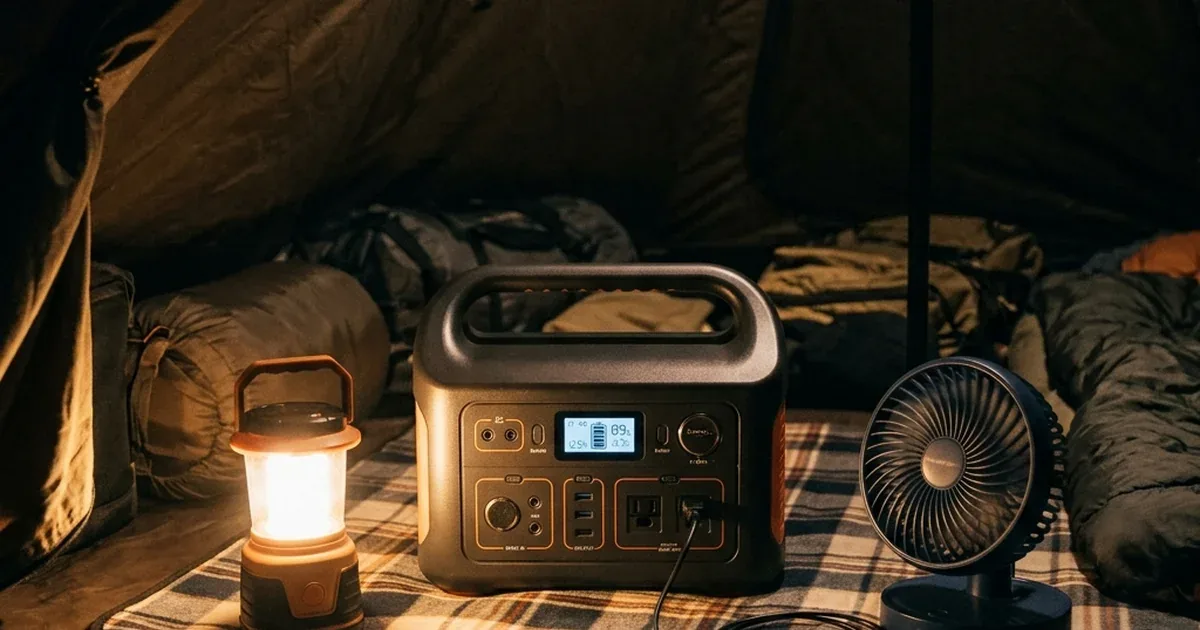
3.5kg — that is not something you carry in a backpack. But in a large suitcase or in the car — it is excellent. At the Red Sea coast or desert camping:
- 🏕️ Full-night tent lighting from a 10W outlet.
- 🏕️ Charging all trip devices (2× USB-A + 1× USB-C).
- 🏕️ Small fan for 7 hours.
- 🏕️ Running a drone (40-80W charging) approximately twice.
You can charge the 521 Powerhouse from a solar panel (200W) in 1.5-2 hours in full sunlight — ideal for extended camping. Anker sells compatible solar panels.
Charge Time — Is 6.5 Hours Realistic?
From a 65W wall outlet: according to Anker's published specifications, a full charge from 0% to 100% takes about 6.5 hours. If charging with a 45W USB-C charger — approximately 7.5-8 hours. The practical solution: charge it overnight and have it ready in the morning.
The front LED display shows in real-time: charge percentage, watts input, watts output. This lets you know exactly how many hours remain based on the devices you are currently running.
For a comparison with larger models, read our Full Anker Power Station Comparison.
Genuine Anker 521 Powerhouse on CairoVolt
The ideal solution for Egyptian power outages — 100% authentic with warranty. Delivery to all governorates + cash on delivery. Contact us for current availability and pricing.
CairoVolt Team
Tech Editor
Frequently Asked Questions
Can the Anker 521 Powerhouse run an air conditioner?▼
How many hours does it run a 65W laptop?▼
Can I charge the 521 Powerhouse from a solar panel?▼
Is the AC outlet on the 521 Powerhouse compatible with Egyptian appliances?▼
Ready to Buy?
Browse available products and review specifications and CairoVolt warranty terms before ordering
Related products
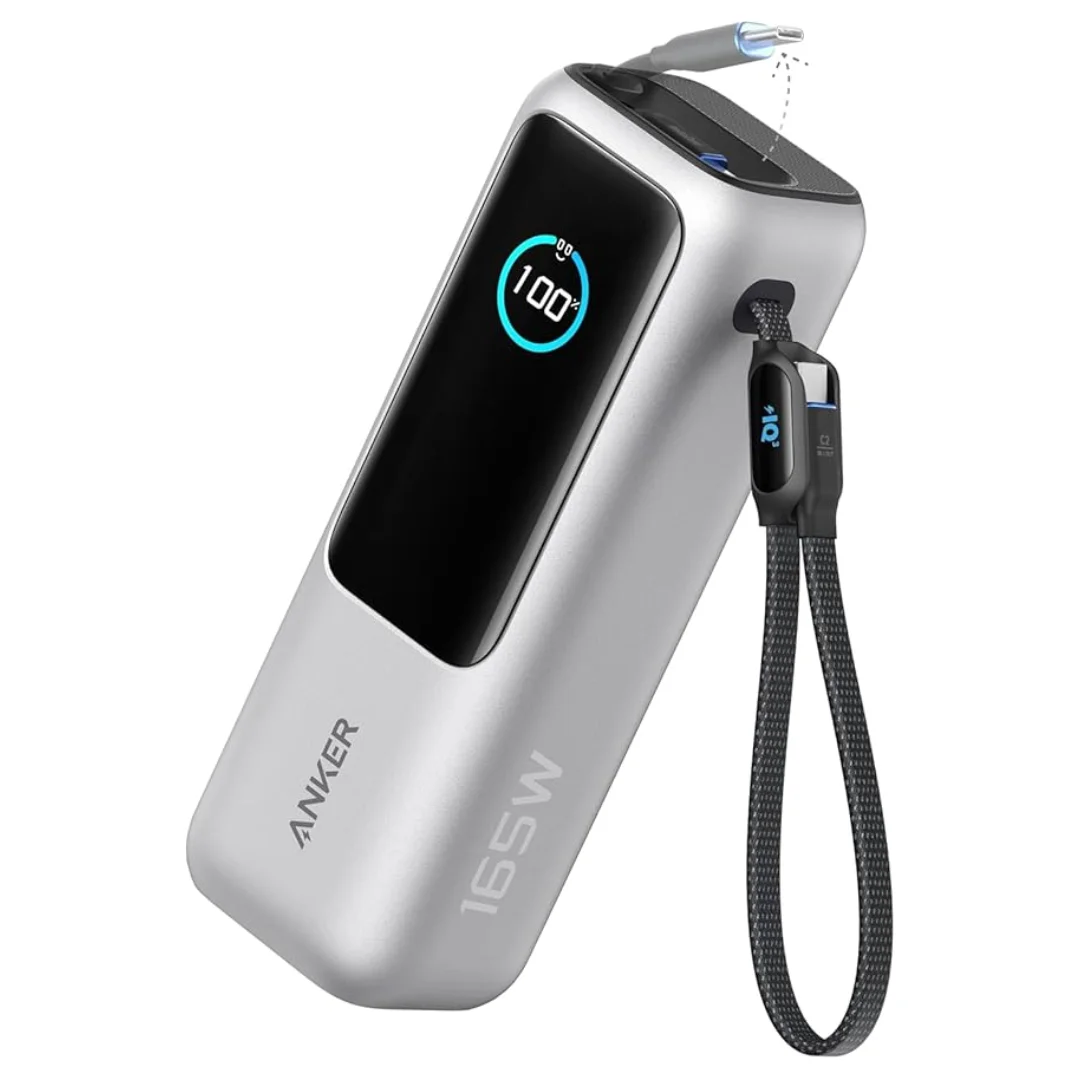
Anker Zolo Power Bank 25,000mAh 165W — Built-In Dual Cables | MacBook Charging
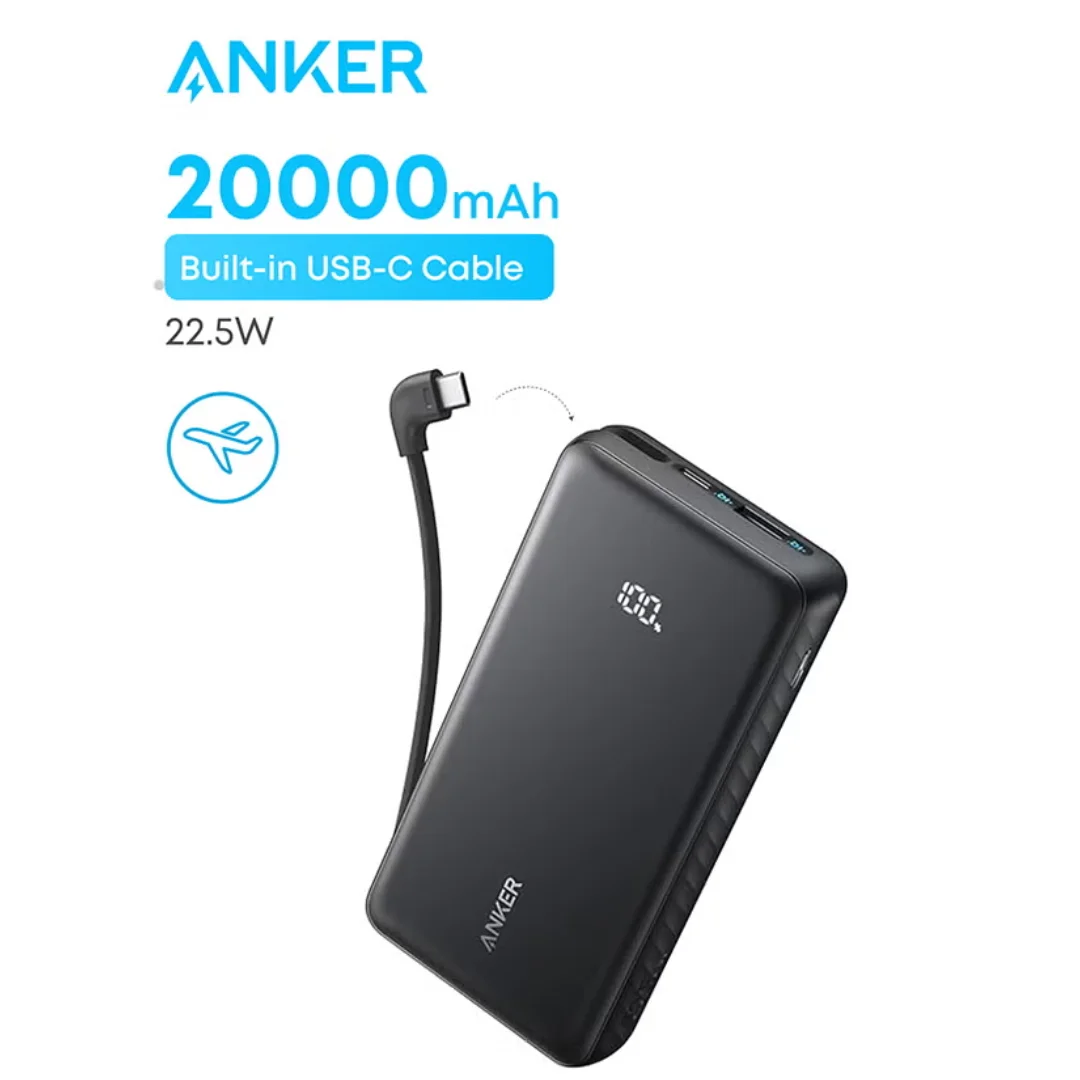
Anker ZOLO Power Bank 20,000mAh (22.5W) | Built-in Cable
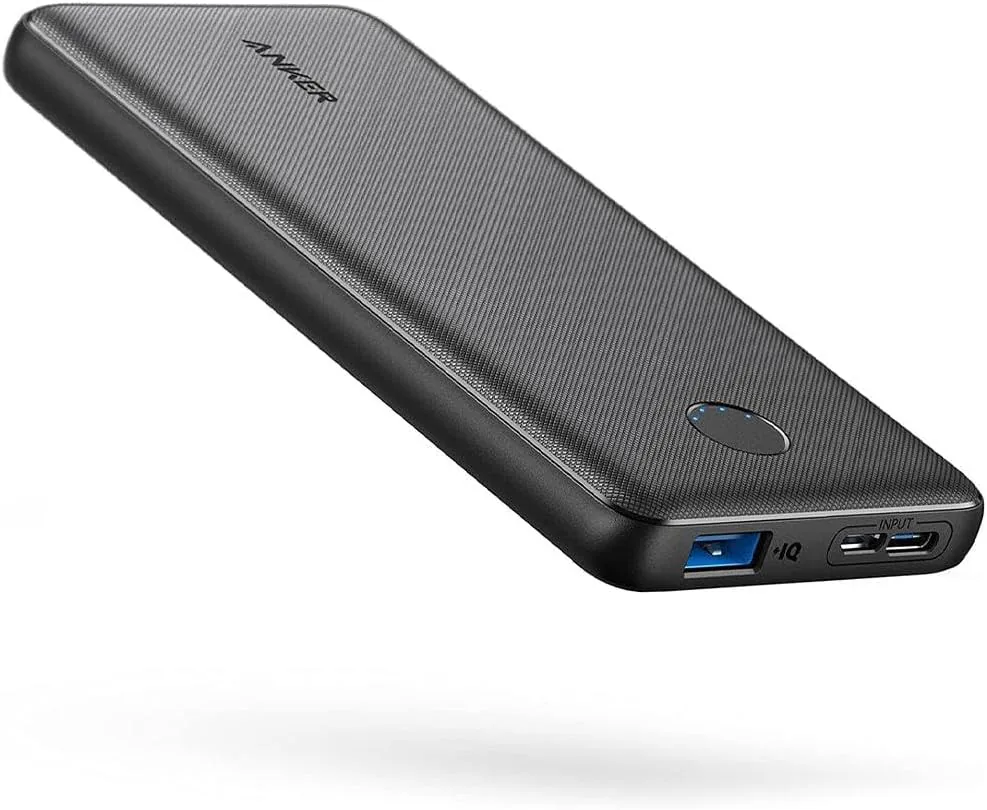
Anker PowerCore 10000mAh Power Bank
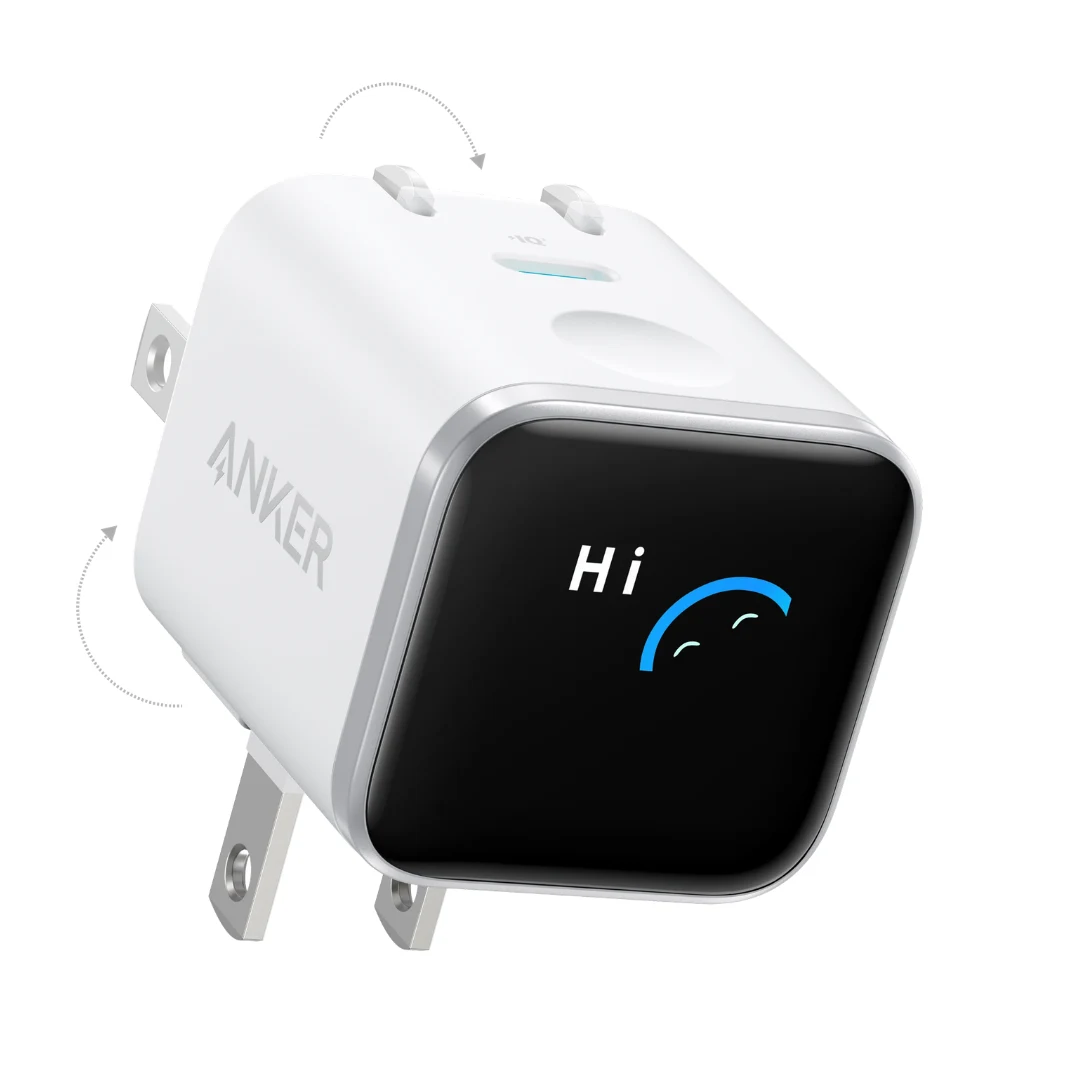
Anker Nano 45W Smart Display GaN Charger (A121D) | 180° Foldable Plug | USB-C PD
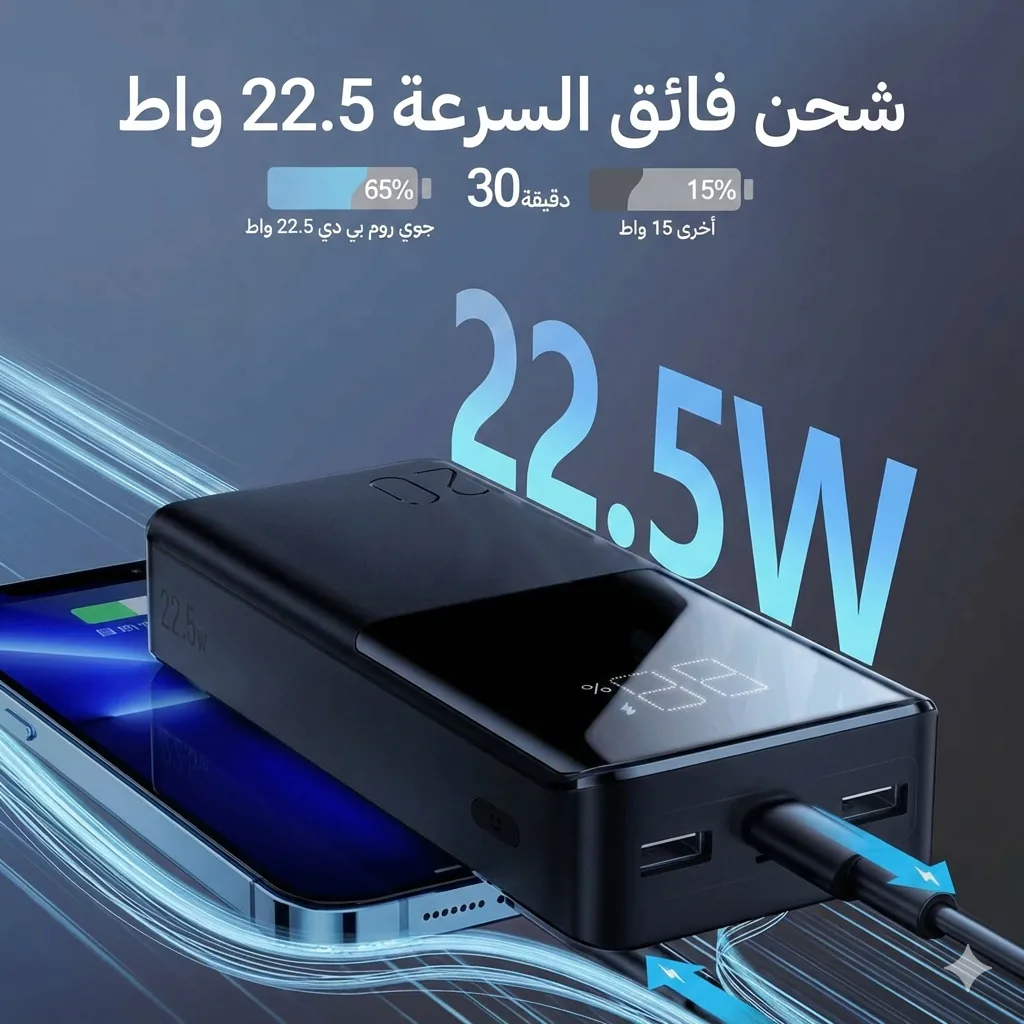
Joyroom 20000mAh Power Bank | 22.5W PD+QC | Triple Output
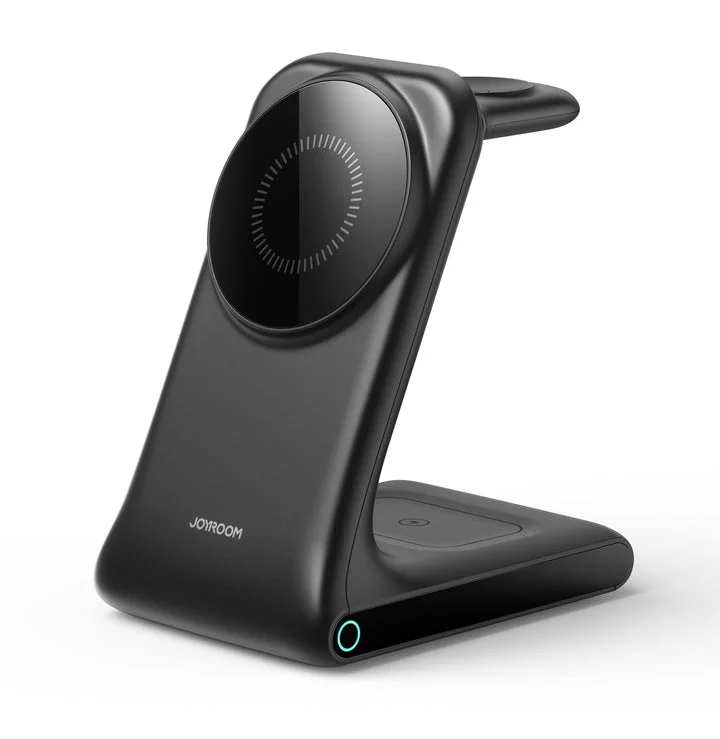
Joyroom 3-in-1 MagSafe Station | iPhone 17 + Apple Watch + AirPods | 15W | Aluminum
Browse the categories this article covers
Related Articles
Anker Powerhouse Comparison — From 256Wh Home Use to 500Wh+ for Extended Trips
Read more →
Best Power Bank & Cable to Run Router During Power Outages (Prices & Types)
Read more →