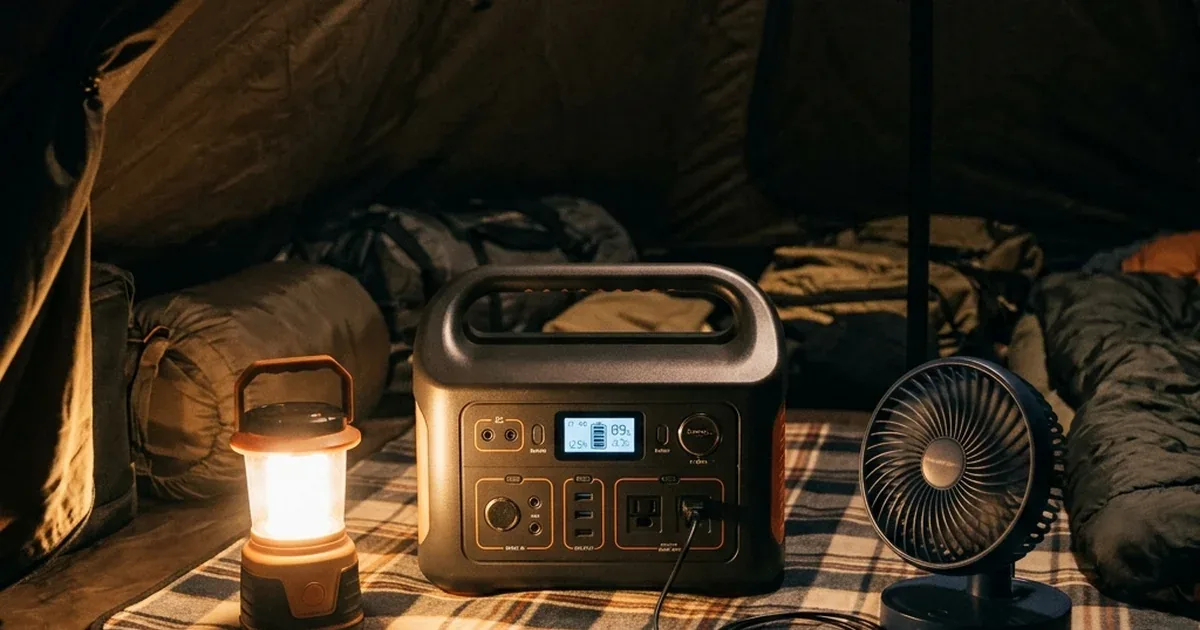
Egypt has specific needs that dictate the right power station choice: recurring summer power outages, trips to the coast and desert without electricity, and construction sites or farms far from the national power grid. Anker offers 3 excellent models for each scenario. The problem? The difference between them is far greater than the close retail names suggest.
Quick Choice: Anker 521 (256Wh) for home outages and day trips. Anker 535 (512Wh) for 2-3 day trips and beach stays. Anker 555 (1,024Wh) for extended camping, worksites, or those who want real home backup power.
Core Specification Comparison
| Specification | Anker 521 | Anker 535 | Anker 555 |
|---|---|---|---|
| Capacity | 256Wh | 512Wh | 1,024Wh |
| Max AC Output | 200W | 500W | 1,000W |
| AC Outlets | 1 | 2 | 4 |
| USB-C PD | 1 × 60W | 2 × 100W | 4 × 100W |
| USB-A | 2 × 12W | 3 × 12W | 4 × 12W |
| AC Self-Charge | 65W / 6.5 hrs | 100W / 6 hrs | 200W / 6 hrs |
| Weight | 3.5 kg | 7.0 kg | 13.8 kg |
| Solar Charging | 200W | 150W | 400W |
Anker 521 (256Wh) — For Short Home Power Outages
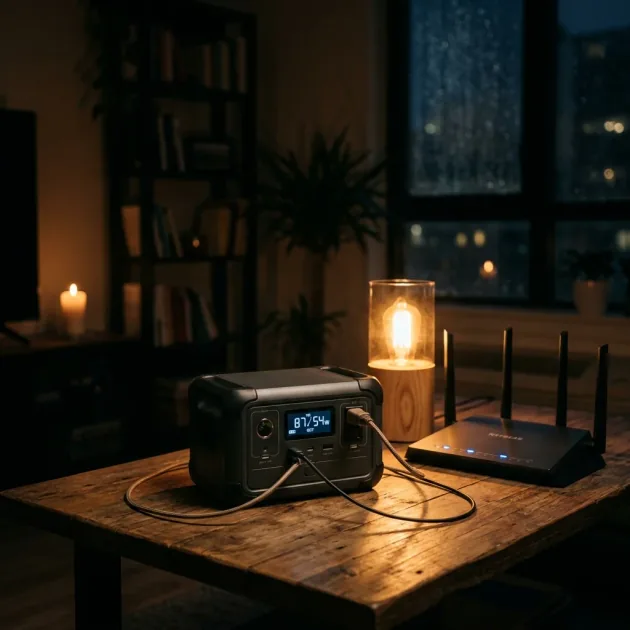
The 521 is the lightest, most compact, and most budget-friendly option in the Powerhouse series. It is specifically tailored for handling daily rolling blackouts that last 1 to 3 hours in Egyptian apartments. Weighing just 3.5kg, it is easy to carry room-to-room with one hand, or throw in the car trunk for short day trips.
The station provides a single AC outlet rated for 200W continuous output, which is perfectly sufficient for running basic home office workstations:
- 💻 65W Laptop: Runs for up to 3.9 hours.
- 🌀 25W Desk Fan: Runs for up to 7.5 hours.
- 📡 12W WiFi Router: Runs for over 14 hours.
- 📺 55" TV (110W): Runs for approximately 2 hours.
- ❌ Kettles, Irons, or ACs: Cannot be powered on this model.
Ideal for: Remote workers working from home, students studying during power outages, and casual day-trippers.
Anker 535 (512Wh) — For Sahel and Weekend Getaways
The Anker 535 is the sweet spot of the mid-range category, offering a 512Wh capacity which is exactly double the 521. More importantly, the AC output capability rises to 500W continuous across two outlets. This lets you power more demanding appliances and plug in two AC devices simultaneously.
Typical device run-times on the Anker 535:
- 💻 65W Laptop: Charges and runs for up to 7.5 hours.
- 📺 100W TV: Runs continuously for over 4 hours.
- 🌀 Fan + Laptop together (90W): Runs for 5 hours.
- 📱 Phone charging: Charges 4 phones daily for 3 to 4 days.
- ⚠️ High-Power Heating Elements: Still exceed the 500W limit.
At 7.0kg, this model is best moved using a vehicle. It is perfect for weekend stays at Ain Sokhna or Sahel chalets, powering campsite lighting, and keeping professional cameras and drones recharged.
Calculate Your Real Need — The Planning Formula:
(Total device watts) × (required hours) ÷ 0.85 = Wh needed from the station
Example: 65W laptop + 25W fan = 90W × 6 hours ÷ 0.85 = 635Wh
This calculation reveals that the 535 (512Wh) falls slightly short of a full 6-hour runtime, making the 555 (1024Wh) the safer choice or requiring you to manage power draw.
The Advanced Battery Management System (BMS) in Anker Powerhouse Series
Every portable power station in Anker's lineup is governed by a state-of-the-art Battery Management System (BMS). The BMS acts as an electronic brain, continuously monitoring each individual cell's voltage, temperature, and electrical load. By sampling these parameters hundreds of times per second, the system prevents potential safety risks before they occur.
The BMS prevents overcharging, deep discharge cycles, short circuits, and sudden current spikes. In hot summer conditions, it works alongside the structural cooling fans to lower charging speeds or suspend output if internal temperatures approach 55°C, ensuring the battery pack remains healthy for 10 years of reliable service.
Anker's InfiniPower Technology and Structural Durability
Anker brands its core battery safety architecture as InfiniPower technology. This combines high-grade LiFePO4 cells with industrial-grade electronic components (rated for 50,000 hours of continuous use) and an active thermal monitoring controller. The structural casing features a double-layered, drop-resistant framing system designed to absorb mechanical shocks during transport, safeguarding the chemical cells from external impacts.
This thermal resilience is particularly crucial for users in hot regions like Upper Egypt, where ambient summer temperatures can easily exceed 45°C. Traditional lithium-ion batteries degrade at a highly accelerated rate under such conditions, whereas LFP cells handle high temperature profiles with far less capacity loss over time.
Anker 555 (1024Wh) — The Heavy-Duty Choice for Worksites and Long Camping Trips
The 555 is a heavy-duty power station, offering a large 1,024Wh capacity paired with a 1,000W AC output (and higher surge capacity) across 4 AC outlets. This allows you to run high-load household appliances and professional tools on remote sites:
- 📺 Large LED TV: Runs for over 8 hours continuously.
- 💻 Office setup (4 laptops simultaneously): Powers a full workday.
- 🔧 Worksite power tools (400W drill): Intermittent use for 2 to 3 hours.
- ❄️ Camping compressor fridge (60W): Runs for a full 14 hours.
- ❌ Household Air Conditioner: Not recommended due to massive startup draw.
Weighing 13.8kg, it is designed to sit in a permanent campsite or vehicle trunk. Paired with a 400W solar panel array, it charges fully in about 3 hours under the Egyptian sun, offering complete power autonomy.
Choosing the Right Solar Panels for Portable Power Stations
To charge an Anker Powerhouse using solar energy in Egypt, you must align the technical parameters of the solar panels with the station's input specifications. The integrated Maximum Power Point Tracking (MPPT) controller dynamically adjusts current flow to maximize solar input even in partially cloudy conditions.
Anker power stations accept solar input voltages ranging from 11-28V or 11-60V depending on the model, utilizing industry-standard XT60 or DC7909 input ports. When using third-party panels, always verify that the open-circuit voltage (Voc) of the solar array does not exceed the station's maximum rated limit, and use certified MC4 to XT60 adapters to prevent electrical damage.
This makes solar charging a highly practical backup option for desert safaris and remote farming operations in Egypt where grid access is completely nonexistent.
How the Egyptian Context Shapes the Choice
| Scenario | Right Model | Reason |
|---|---|---|
| Home power outage (1-3 hours) | Anker 521 | Lightweight, portable, and sufficient for basic devices |
| Overnight Sahel trip (Ain Sokhna) | Anker 535 | Double capacity, dual AC outlets for TV and fan |
| 3-5 day Sahel trip (Marsa Alam) | Anker 555 | 1024Wh capacity easily covers group needs for days |
| Desert camping (Siwa Oasis) | Anker 555 + solar panel | 400W solar input allows full off-grid operation |
| Remote worksite or workshop tools | Anker 555 | 1000W AC outlet handles power drills and jigsaws |
Can Any of Them Run an Air Conditioner?
This question comes up constantly. The short answer: no, and this is not a limitation of Anker — it is physics. A common Egyptian 1.5-horsepower air conditioner consumes 1,200-1,500W. Even the 555 at 1,000W does not reach this. If you have a very small air conditioner (700W), the 555 might run it for an hour and a half — but that is economically impractical.
The realistic solution for Egyptian summer heat during outages: a ceiling fan (50-70W) or desk fan (25-30W) — and these are genuinely sufficient in most situations.
Comparing Charge Times
All three take approximately 6 hours from the wall — but with different chargers: 521 with a 65W charger, 535 with a 100W charger, 555 with a 200W charger. The major difference appears with solar charging:
- ☀️ 521 + 200W solar panel: 1.5 hours in full sunlight.
- ☀️ 535 + 150W solar panel: 3.5 hours.
- ☀️ 555 + 400W solar panel: 3 hours.
For a detailed solo review of the 521 with real-world testing, read our Full Anker 521 Powerhouse Review.
Genuine Anker Power Stations on CairoVolt
100% authentic with official warranty — delivery to all governorates + cash on delivery. Contact us for current availability and pricing for each model.

CairoVolt Team
Tech Editor
Frequently Asked Questions
What is the real difference between the Anker 521 and the Anker 535?▼
Can I charge these models from solar panels in Egypt?▼
Does the Anker 555 work with an air conditioner?▼
Which model should I start with if I am unsure?▼
Ready to Buy?
Browse available products and review specifications and CairoVolt warranty terms before ordering
Products Mentioned in This Article
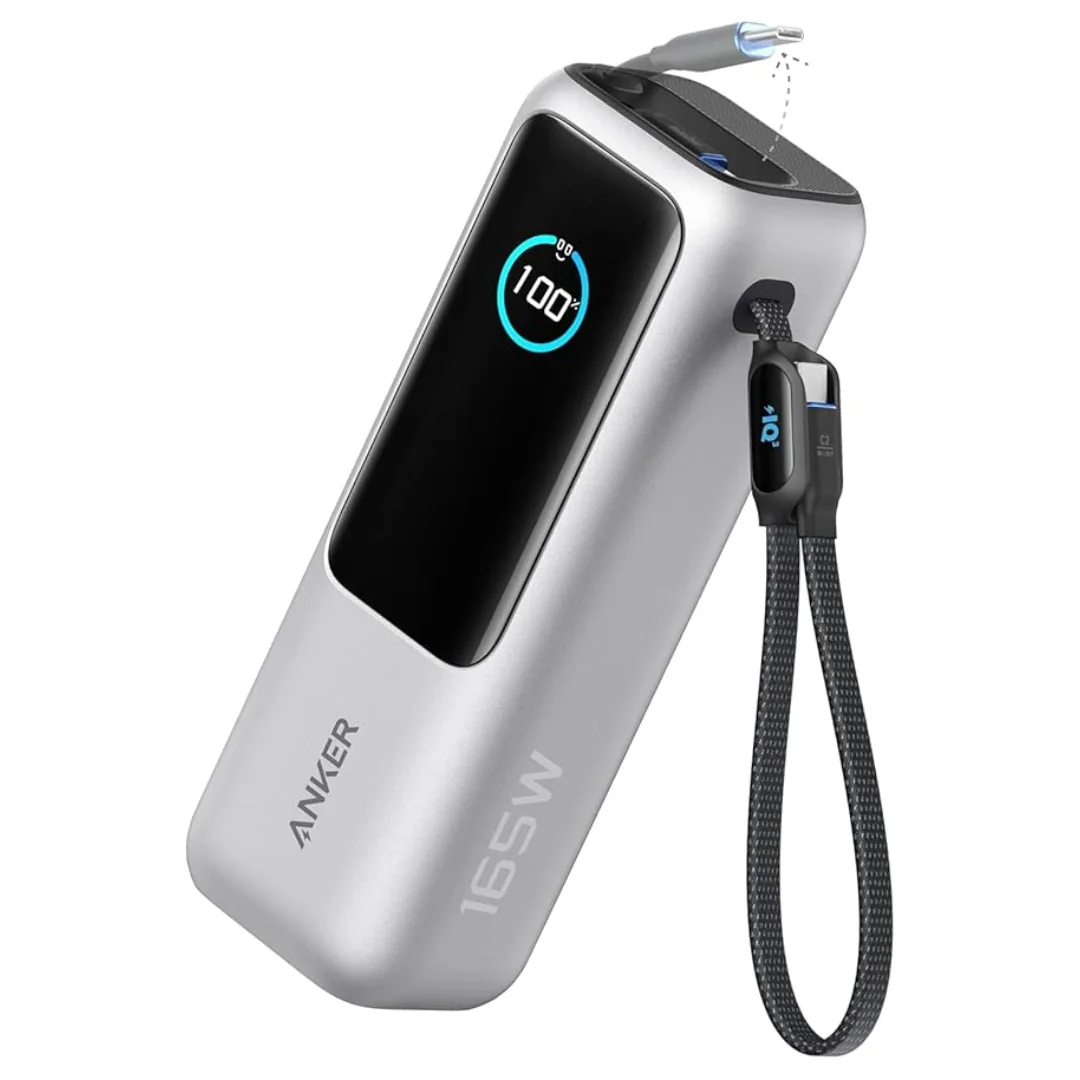
Anker Zolo Power Bank 25,000mAh 165W — Built-In Dual Cables | MacBook Charging
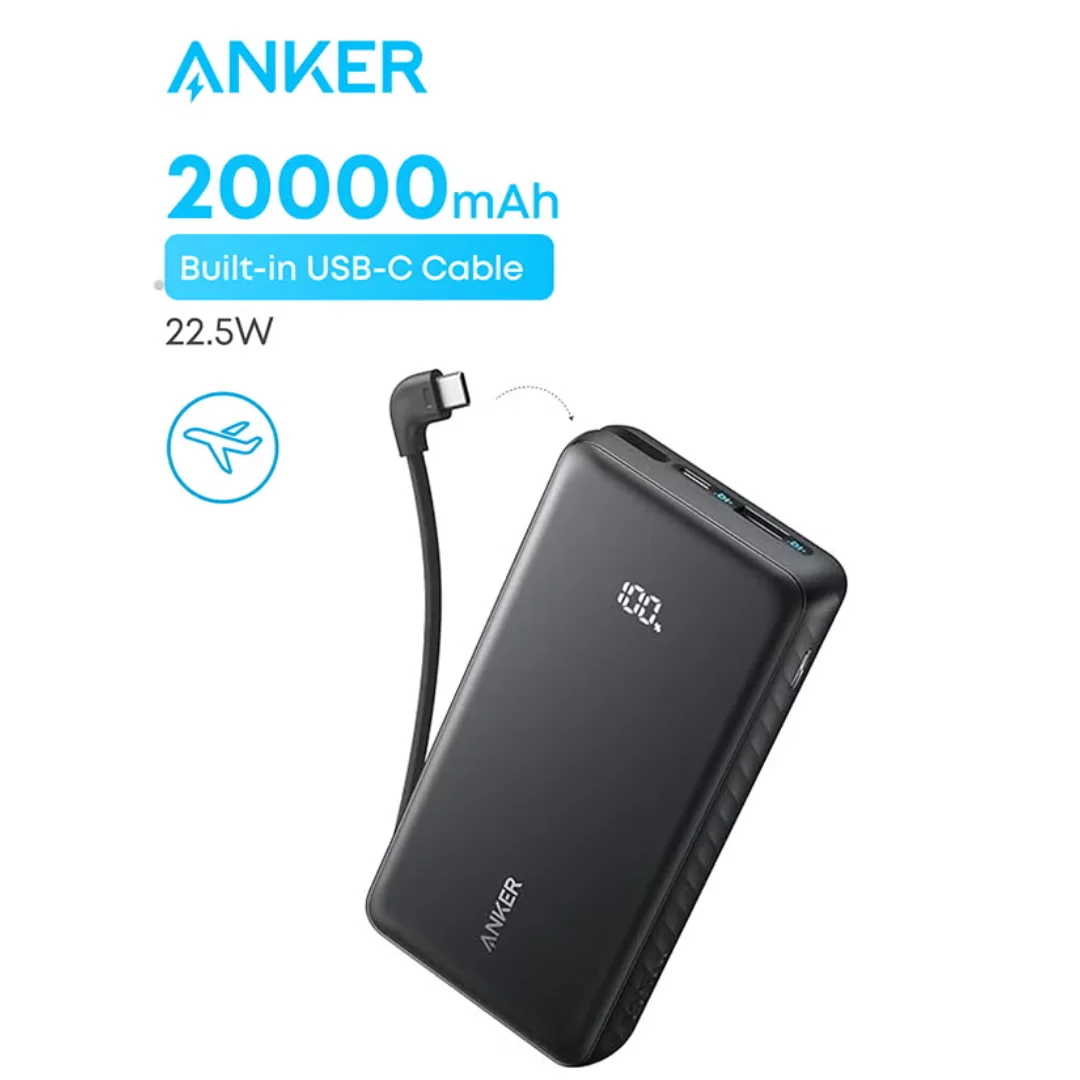
Anker ZOLO Power Bank 20,000mAh (22.5W) | Built-in Cable
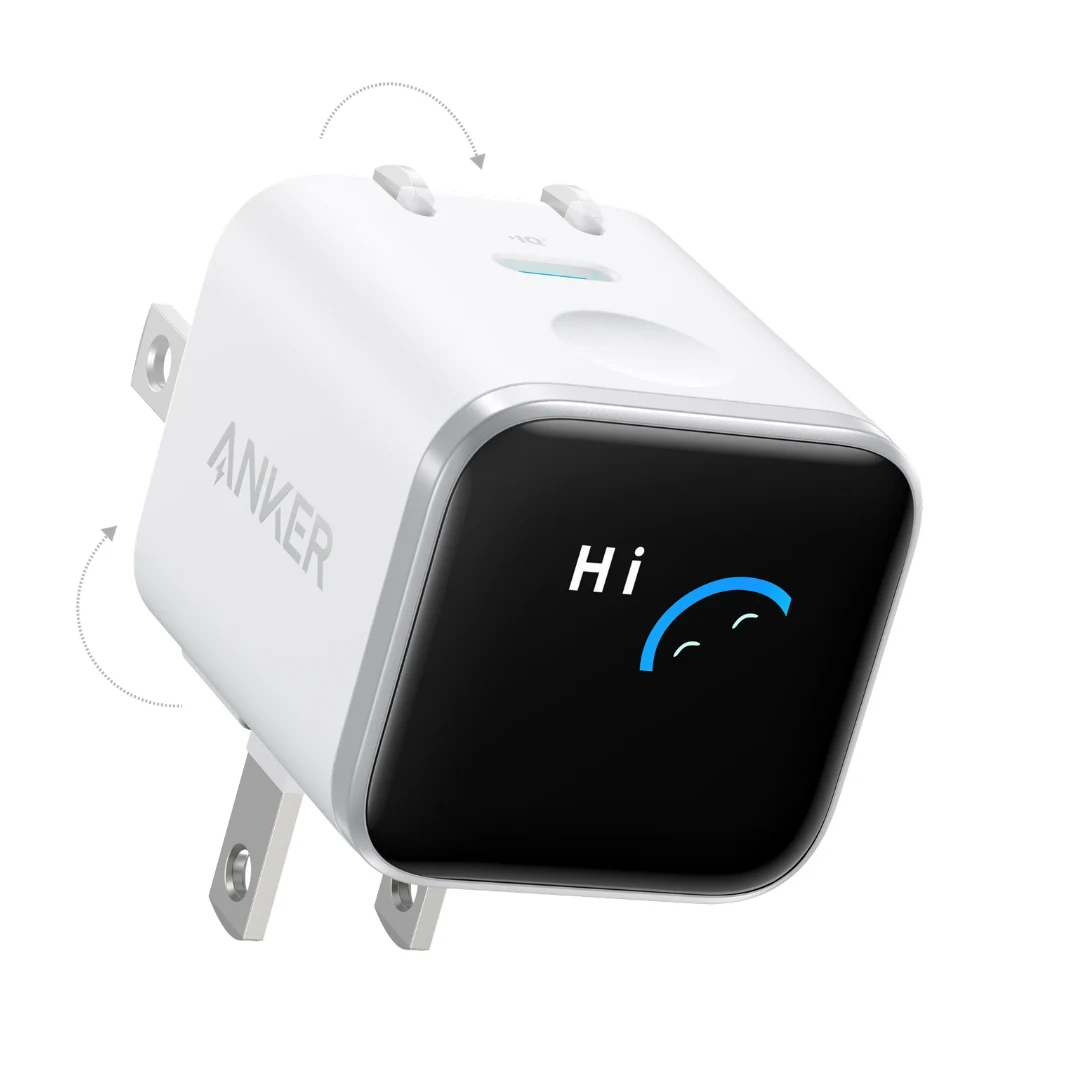
Anker Nano 45W Smart Display GaN Charger (A121D) | 180° Foldable Plug | USB-C PD
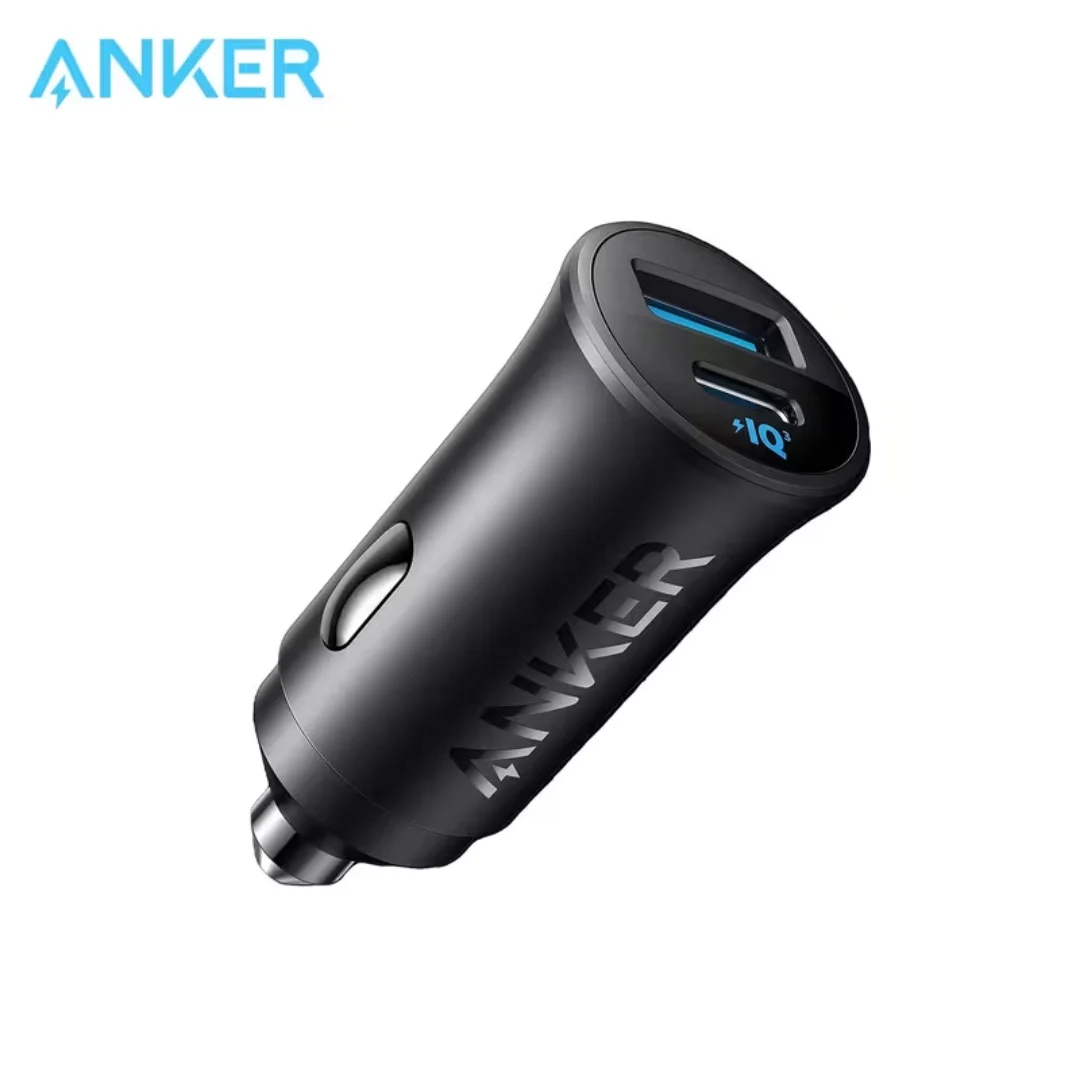
Anker 30W Mini Car Charger (A2741) | USB-C 30W PD + USB-A 22.5W | Ultra-Compact
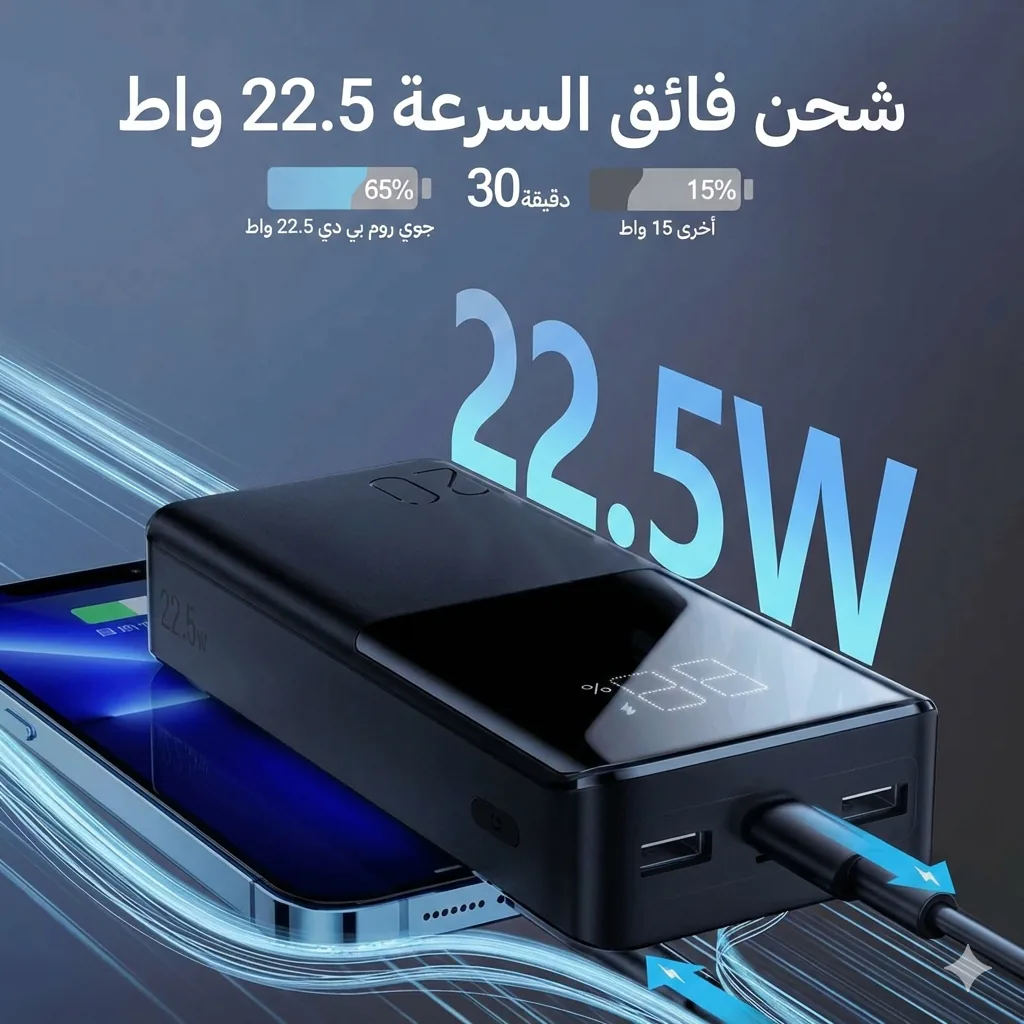
Joyroom 20000mAh Power Bank | 22.5W PD+QC | Triple Output
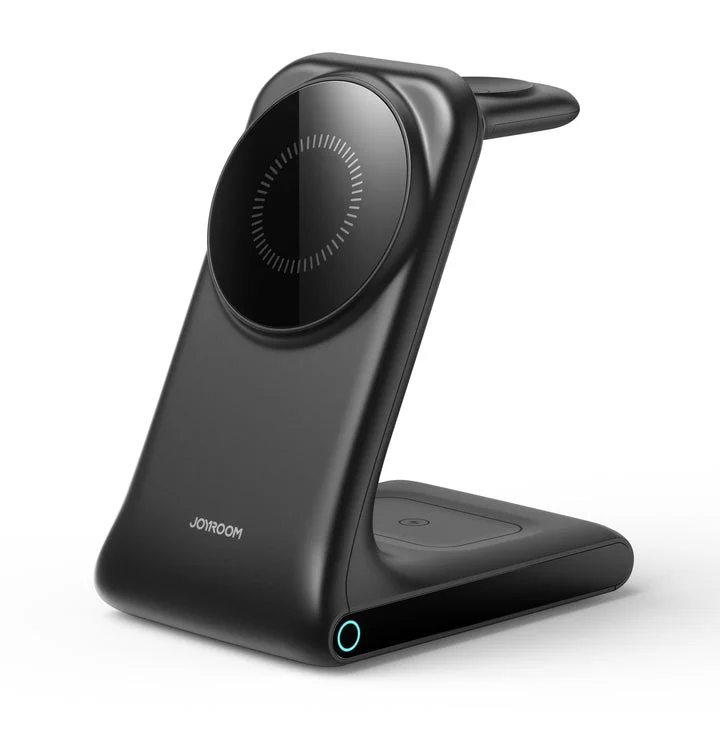
Joyroom 3-in-1 MagSafe Station | iPhone 17 + Apple Watch + AirPods | 15W | Aluminum
Browse the categories this article covers
Related Articles
Anker 521 Powerhouse Review — Portable Power Station for Egypt's Power Outages
Read more →
Best Power Bank & Cable to Run Router During Power Outages (Prices & Types)
Read more →