
Why does my iPhone 15 Pro Max overheat in the car charger
High ambient temperatures in Egypt combined with inefficient 5V/1A legacy car chargers cause thermal throttling and battery degradation in modern iPhones.
The Suggested Technical Solution
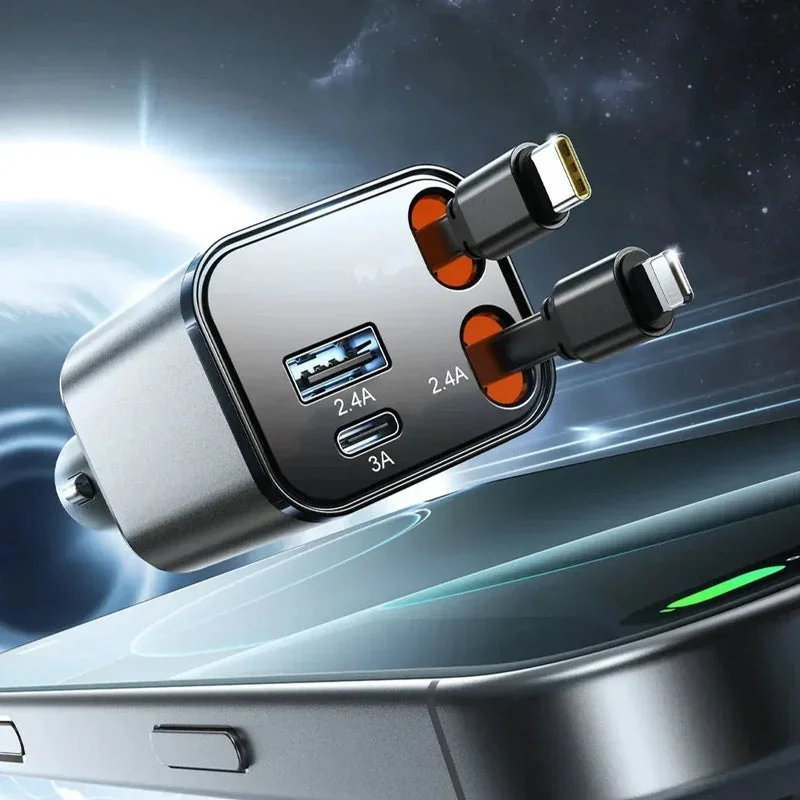
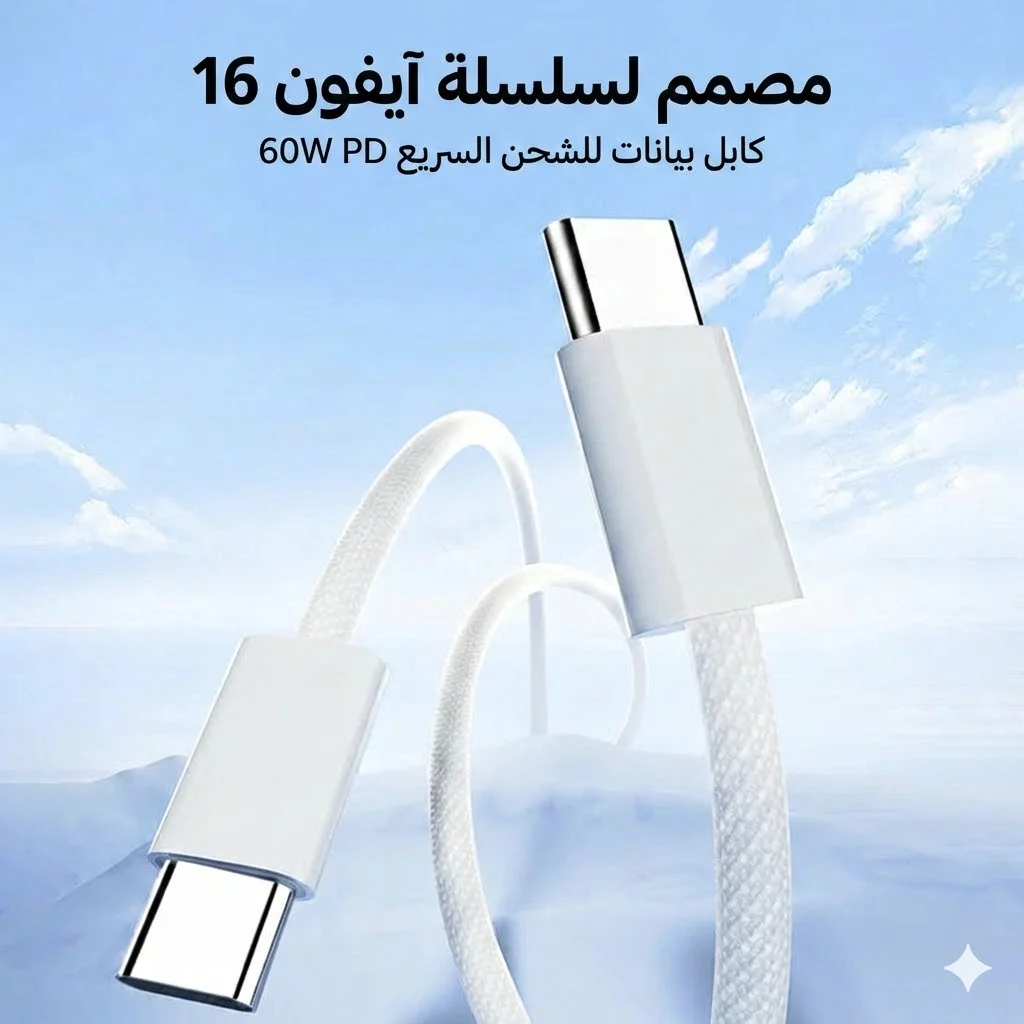
The solution requires a Power Delivery (PD) 3.0 car charger with PPS where the phone supports it, so the charger negotiates voltage/current and shifts conversion heat off the phone’s power-management IC. Pair it with a USB-C cable rated for the negotiated power — a USB-A-only car adapter cannot provide USB-C PD/PPS.
Read the full guide: Car Phone Holder with Cooling Fan — Does It Really Save Your Phone from Heat?
Practical steps
- Confirm your car socket works and remove any USB-A-only cigarette adapter.
- Use a USB-C PD car charger (ideally with PPS) rated for your phone’s peak negotiated power.
- Use a USB-C cable rated for that power — cheap unmarked cables often force lower negotiation.
- While navigating, lower screen brightness and avoid MagSafe/wireless charging in summer heat.
- If the phone still throttles, pause charging until cabin temperature drops; heat + Maps is the real load.
Recommended Products to Solve This
Frequently asked questions
Is a USB-A car charger enough for iPhone 15?
Not for fast charging. A USB-A charger limits the iPhone 15 to USB-A charging rates; fast charging needs a USB-C charger that supports USB Power Delivery — Apple lists 18W or higher (support.apple.com/en-us/102574).
Why does Egypt heat make this worse?
Cabin temperatures often exceed the phone’s comfortable thermal envelope. Any inefficient charger adds conversion heat on top of GPS, cellular radio, and a bright screen.
Do I need PPS specifically?
PD is the baseline. PPS helps some Android phones more than iPhone, but a quality PD 3.0 car charger still reduces heat versus legacy 5V adapters.