
USB-PD 3.1 at 240W — When Do You Actually Need It and Who Supports It Now?
A comprehensive guide to the USB-PD 3.1 standard at 240W — what changed, who actually needs it, and who supports it currently.
In short: USB-PD 3.1 raised maximum USB-C charging power from 100W to 240W through Extended Power Range (EPR). You only need it if your laptop charges over USB-C above 100W, such as a MacBook Pro 16-inch with its 140W adapter, or you want one charger for a heavy laptop, phone and tablet. If every device is under 100W, PD 3.0 is enough.
Every time you hear about "USB-PD 3.1" or "240W over USB-C," the first question that comes to mind is: "Do I actually need this?" The short answer: probably not — yet. But the complete answer depends on your devices and usage. In this article, we will explain exactly what USB-PD 3.1 changed, who benefits from it, and who is better off staying with PD 3.0 and saving their money.
💡 Quick Answer: USB-PD 3.1 raised the maximum USB-C power from 100W to 240W. You need it if your laptop charges over USB-C above 100W (such as a MacBook Pro 16-inch with its 140W adapter). If your devices are under 100W — PD 3.0 is sufficient and you do not need to pay more.
First — What Is USB Power Delivery (PD) Simply?
USB Power Delivery is a protocol (communication standard) that determines how the charger and device negotiate voltage and amperage. When you plug your phone into a PD charger — the charger asks the phone: "What voltage and amperage do you want?" The phone responds: "I want 9V × 2.22A = 20W." The charger provides exactly what was requested. This ensures complete safety — no device receives more than it can handle.
PD has gone through several versions:
- 📌 PD 2.0 (2014-2017): Maximum power 100W. Fixed voltages (5V, 9V, 15V, 20V). Sufficient for most lightweight laptops.
- 📌 PD 3.0 (2018-2021): Same 100W but added PPS (Programmable Power Supply) — allowing variable voltage at 20mV precision. This is what enabled Samsung Super Fast Charging and Xiaomi 67W to work over PD. Most current chargers are PD 3.0.
- 📌 PD 3.1 (2021-present): Raised the maximum from 100W to 240W via Extended Power Range (EPR). Added new voltages: 28V, 36V, 48V alongside the existing ones. This is what we will discuss.
What Did PD 3.1 Change Exactly?
The fundamental change is Extended Power Range (EPR). In PD 3.0, the maximum voltage was 20V × 5A = 100W. In PD 3.1, voltage increased to 48V × 5A = 240W. This enables charging devices that were previously impossible to charge via USB-C:
| Device | Power Required | PD 3.0 (100W) | PD 3.1 (240W) |
|---|---|---|---|
| iPhone 17 Pro Max | 40W or higher for the fastest charge (per Apple) | ✅ More than enough | ✅ (Not needed) |
| Galaxy S26 Ultra | 60W (PPS) | ✅ Sufficient | ✅ (Not needed) |
| iPad Pro M4 | 35W | ✅ Sufficient | ✅ (Not needed) |
| MacBook Air M4 | 67W | ✅ Sufficient | ✅ (Not needed) |
| MacBook Pro 16" M4 Pro | 140W | ❌ Not enough | ✅ This is what you need |
| Workstation laptop with USB-C charging | Above 100W | ❌ Not enough | ✅ This is what you need |
| ASUS ROG Gaming Laptop | 180-240W | ❌ Not enough | ✅ This is what you need |
The conclusion is clear: if you do not have a device requiring more than 100W — PD 3.1 will give you zero additional benefit. All phones, tablets, and lightweight laptops work perfectly on PD 3.0. To understand more about choosing the right wattage, read 20W vs 30W vs 45W — Which One Do You Need?
EPR and SPR — What Is the Difference?
PD 3.1 splits into two ranges:
- 🔵 SPR (Standard Power Range): From 0 to 100W — this is exactly the same as PD 3.0. Every PD 3.1 charger supports SPR automatically. Voltages: 5V, 9V, 15V, 20V.
- 🟠 EPR (Extended Power Range): From 100W to 240W — this is the new part. Uses high voltages: 28V, 36V, 48V. Requires a special cable (EPR-rated cable) that can handle the higher voltage. A regular cable will not work for EPR — but nothing will break; the charger automatically falls back to 100W.
The key point: the cable. To benefit from EPR (above 100W), you need a USB-C cable that supports 240W EPR, such as the Anker Zolo A8060 (listed 240W) at EGP 790. A regular USB-C cable without an e-marker chip is limited to 3A (60W), while a 5A e-marked cable reaches 100W — enough for most phones and light laptops.
Cables — The Problem Nobody Talks About
The biggest challenge with PD 3.1 EPR is not the charger — it is the cable. Not every USB-C cable can handle 240W. In reality, cables fall into three tiers:
| Cable Type | Max Power | Approximate market range | Note |
|---|---|---|---|
| Standard USB-C cable (3A) | 60W | 100-200 EGP | Sufficient for most phones and tablets |
| USB-C cable with e-marker (5A) | 100W | 150-300 EGP | Sufficient for most laptops |
| USB-C EPR cable (5A + 48V) | 240W | Anker Zolo A8060 at CairoVolt: EGP 790 | Only for gaming/workstation laptops |
The key takeaway: if you connect a 60W cable to a 240W charger — there is zero danger. The charger and device negotiate automatically and operate at 60W. This is the beauty of the PD protocol — full backward compatibility. Nothing breaks — speed simply reduces.
When to Buy a PD 3.1 Charger and When PD 3.0 Is Enough
- ✅ Buy PD 3.1 EPR (140W+) if: You have a MacBook Pro 16" with M4 Pro/Max (140W), a gaming laptop requiring 170-240W, or you want one charger to power a heavy laptop + 2 devices simultaneously from a single charging station. In this case — PD 3.1 is the only solution.
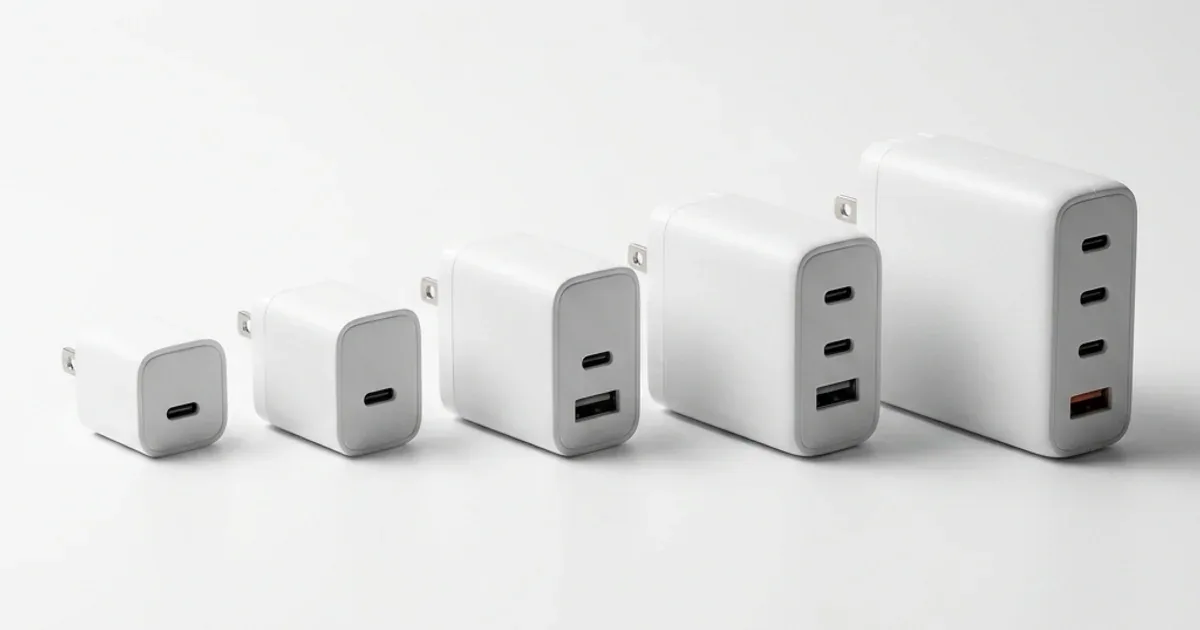
- ❌ PD 3.0 is enough if: All your devices are under 100W (which is the case for most people), or you charge a phone + tablet + lightweight laptop (MacBook Air or ThinkPad). In this case — the Anker Nano 45W or even the Anker 30W will serve you perfectly.
- 💡 Practical tip: If you are unsure — check your laptop's original charger. The wattage is printed on it. If under 100W — you do not need PD 3.1. If 100W or more — start considering it.
Prices in Egypt — 2026
PD 3.1 EPR chargers are still relatively expensive in Egypt compared to standard PD 3.0 chargers:
- 💰 PD 3.0 charger at 20-30W: approximate market range 350-700 EGP — sufficient for all phones. Joyroom 30W at EGP 280 is an excellent choice.
- 💰 PD 3.0 charger at 45-65W: approximate market range 700-1,200 EGP — sufficient for all phones + lightweight laptops. Anker Nano 45W at EGP 790.
- 💰 PD 3.0 charger at 100W: approximate market range 1,200-1,800 EGP — sufficient for most laptops on the market.
- 💰 PD 3.1 EPR charger at 140-240W: approximate market range 2,000-4,000 EGP — only for heavy laptops. Plus you need an EPR cable such as the Anker Zolo A8060 at EGP 790.
The price difference is clear. If your devices do not need more than 100W, you are paying double for zero real benefit. Save the money and buy a good PD 3.0 GaN charger — it will deliver identical performance for your devices. To understand the difference between GaN generations, read GaN III vs GaN II — Is the Upgrade Worth It?
Safety Features in PD 3.1 — Why a Bigger Charger Will Not Harm Your Phone
One of the biggest concerns people have: "Can a 240W charger fry my phone?" The answer: no, as long as the charger and cable are sound and from a known source. Here are the technical reasons:
- 🛡️ Smart Negotiation (PD Negotiation): Before a single watt flows — the charger and device negotiate. The device says "I want 9V × 3A = 27W" — and the charger agrees or proposes an alternative. If there is no agreement — no charging occurs. This is not like old chargers that pushed everything blindly.
- 🛡️ High Voltage Protection (EPR Safety): In EPR mode, the charger continuously monitors voltage. If any deviation occurs — it cuts power immediately. Additionally, EPR cables contain an e-marker chip that verifies voltage tolerance before charging begins.
- 🛡️ Thermal Protection: Good chargers include thermal protection: if temperature exceeds safe limits, they reduce power or stop charging. This protects the battery, device, and cable.
- 🛡️ Full Backward Compatibility: A 240W charger gives an iPhone 17 only the power the phone requests, and never pushes excess wattage. The device always controls the power draw — not the charger.
The Future of PD 3.1 — What Is Coming?
Likely trends as PD 3.1 spreads (expectations, not promises):
- 🔮 Smaller GaN chargers at higher wattages: As GaN technology matures, high-wattage chargers keep shrinking, bringing one-charger travel closer.
- 🔮 Gaming laptops with USB-C only: Currently most gaming laptops still use proprietary barrel plug chargers. As PD 3.1 EPR spreads — more manufacturers will abandon proprietary chargers and rely solely on USB-C.
🔬 Important Note:
PD 3.1 is 100% backward compatible with older devices. If you buy a 240W PD 3.1 charger — it will charge an iPhone 17 Pro Max at only the power the phone requests. Full backward compatibility. A larger charger will not damage a smaller device — it simply will not charge it faster. To understand all charging protocols, read Every Fast Charging Technology Explained.
✅ Genuine PD Chargers with Warranty — The Right Choice for Every Device
From Anker 20W at EGP 490 up to Anker Nano 45W at EGP 790 — all PD 3.0, with an invoice and CairoVolt's written store warranty (duration shown on each product page). 100% genuine + delivery to all governorates + cash on delivery.

CairoVolt Editorial Team
Content team reviewing specifications and buying guides
The CairoVolt team reviews model numbers, specifications, and compatibility, and updates information when better data is available. Estimates are labeled as calculations, and readers can report information that needs correction.
Frequently Asked Questions
Can a 240W PD 3.1 charger damage my phone?▼
What is the practical difference between PD 3.0 and PD 3.1?▼
Do I need a special cable for PD 3.1?▼
What is a good PD charger in Egypt under 1,000 EGP?▼
Ready to Buy?
Browse available products and review specifications and CairoVolt warranty terms before ordering
Related products
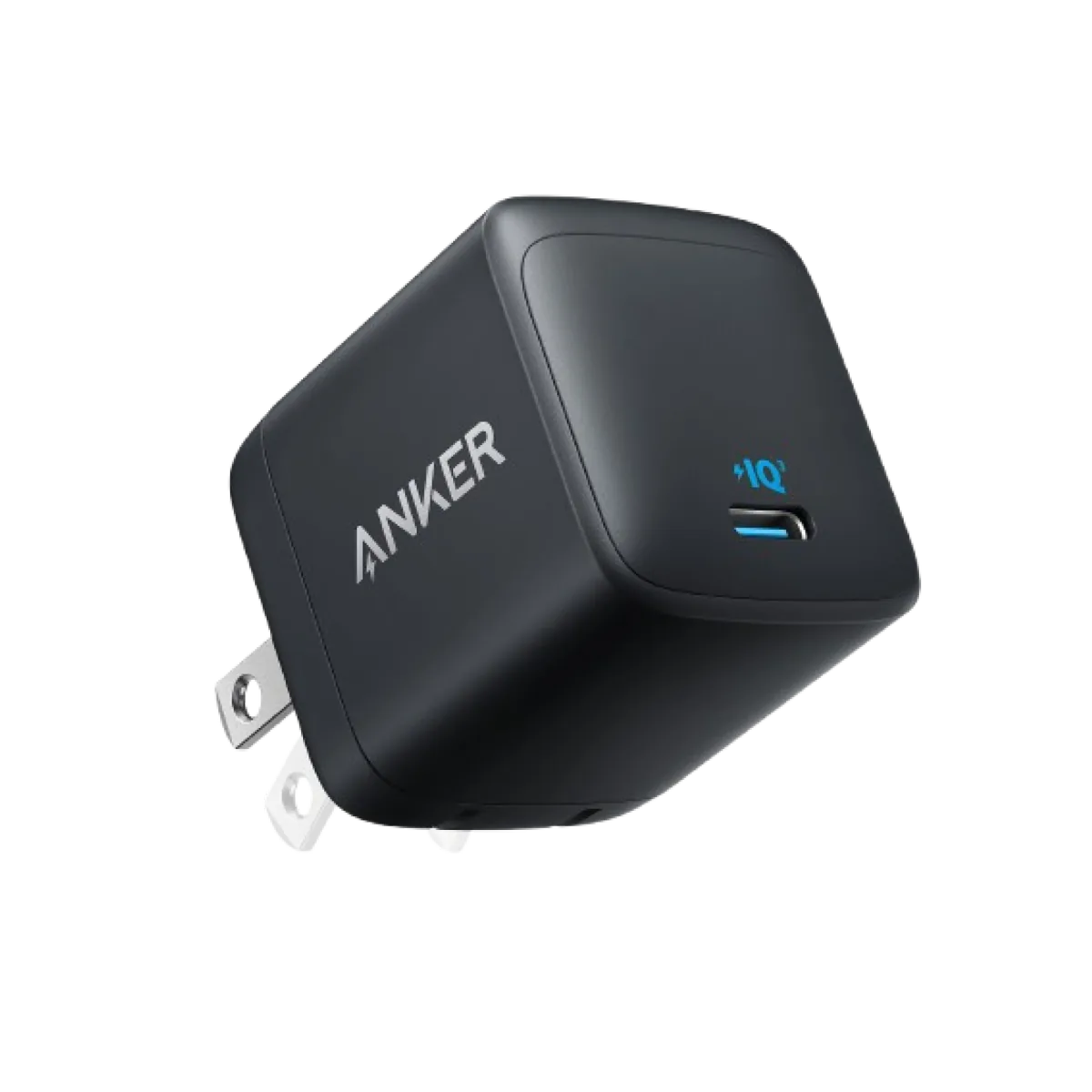
Anker Nano 45W GaN USB-C Charger | MacBook Air + iPhone 17
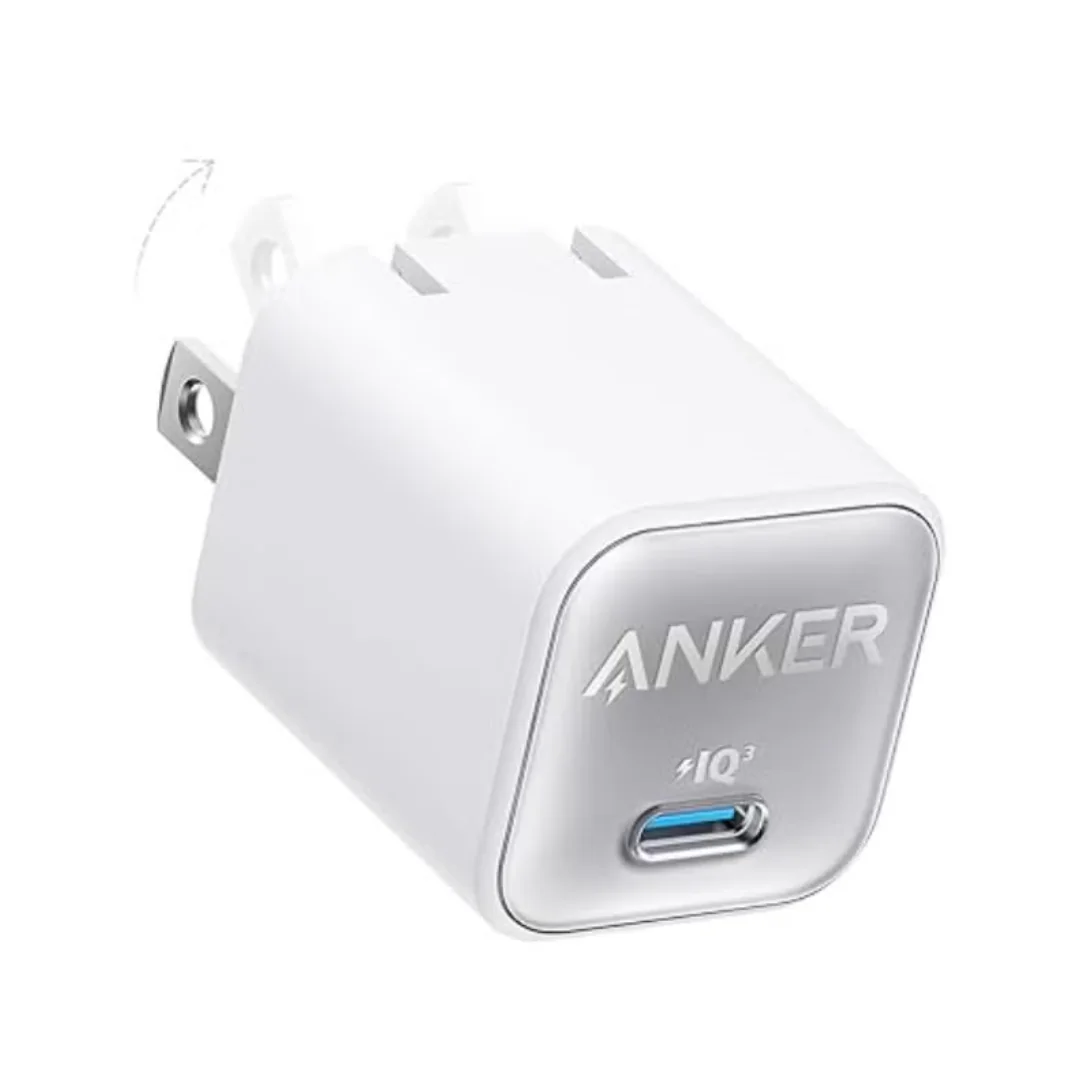
Anker 511 Nano 3 GaN Charger 30W (A2147) | USB-C PD | IQ3
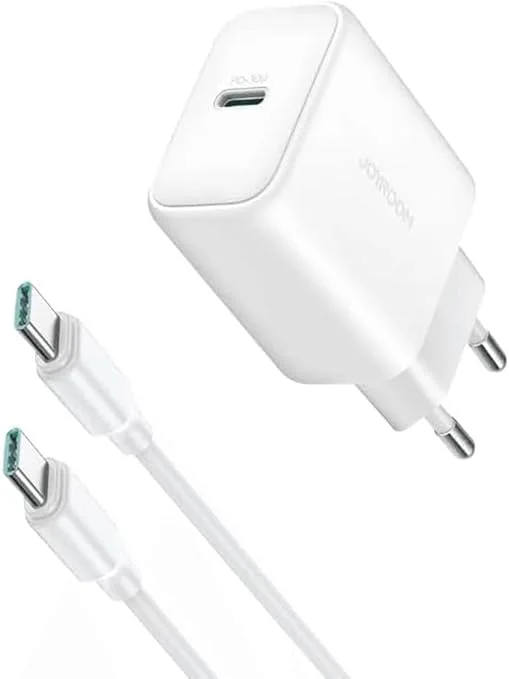
Joyroom 30W PD+QC Wall Charger | Dual USB-C and USB-A Ports
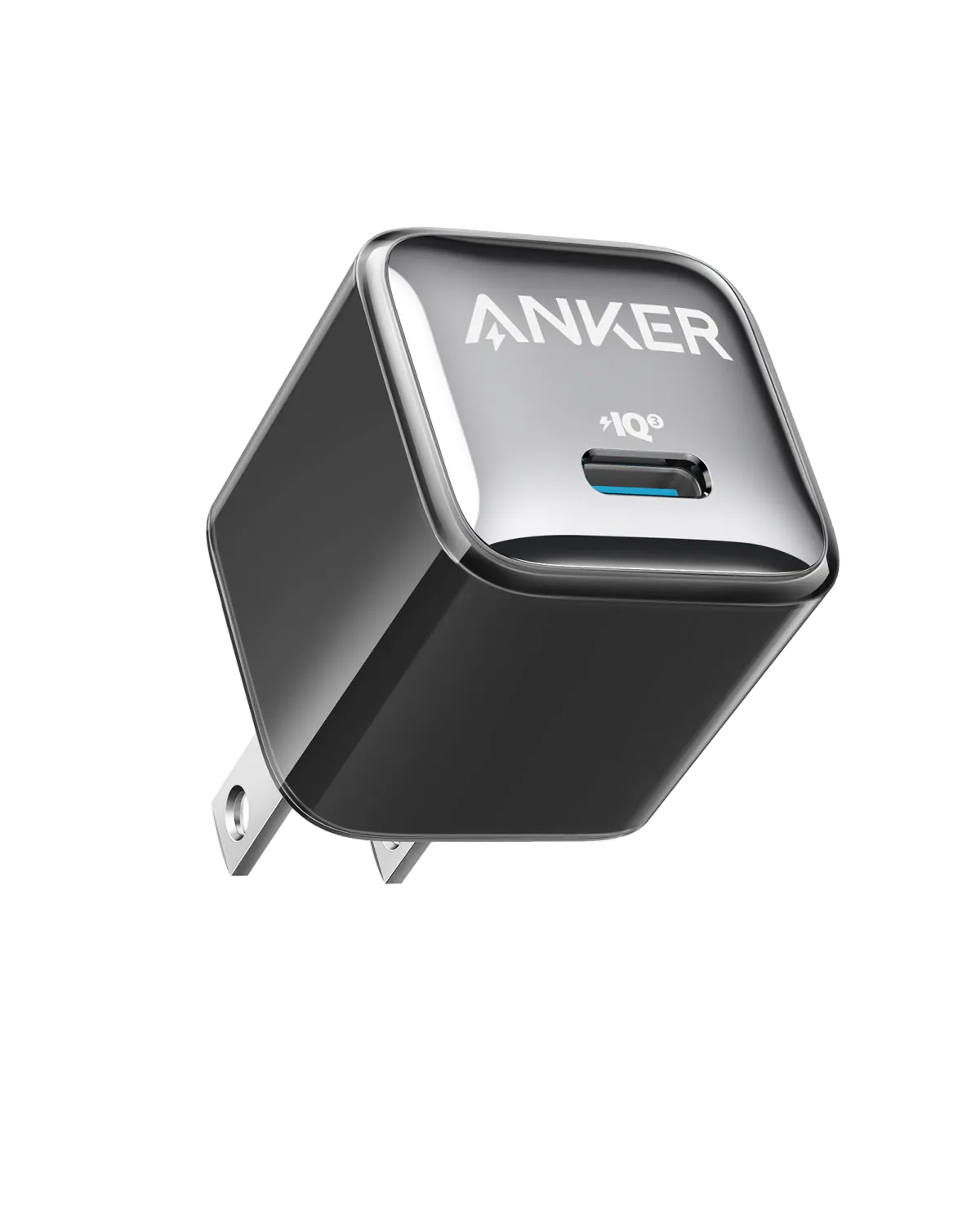
Anker A2347K11 20W USB-C PD Charger | Check Device Profile and Plug
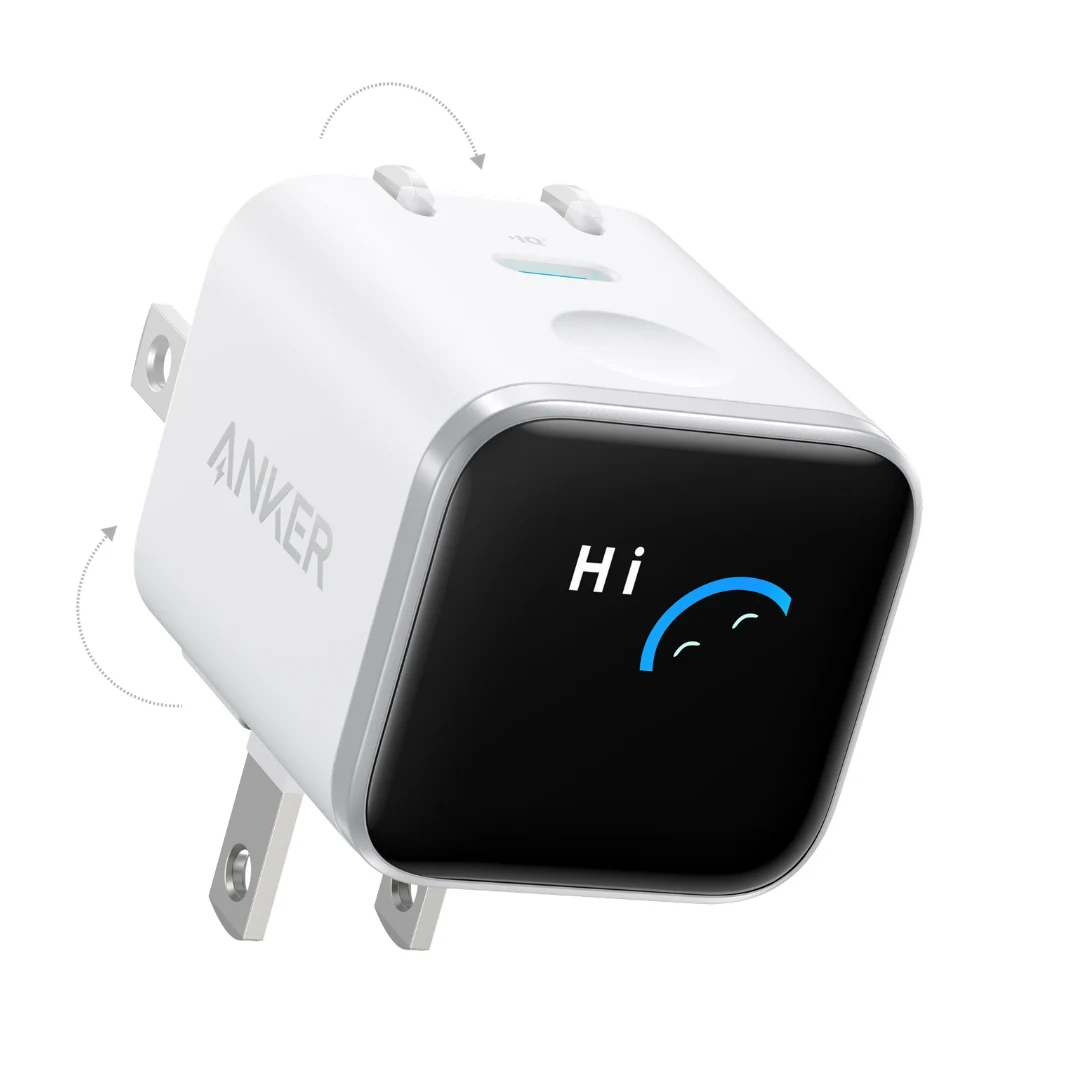
Anker Nano 45W Smart Display GaN Charger (A121D) | 180° Foldable Plug | USB-C PD
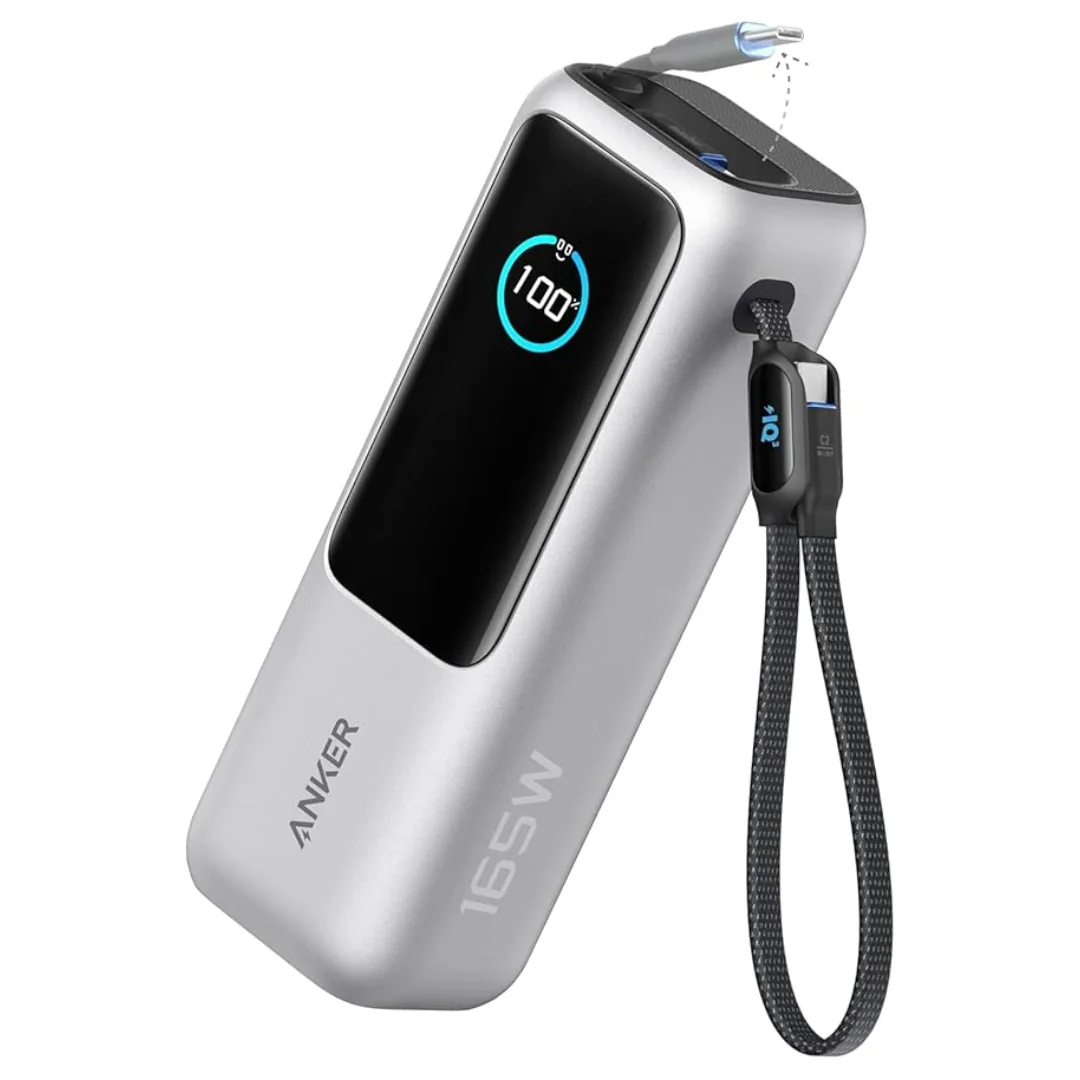
Anker Zolo Power Bank 25,000mAh 165W — Built-In Dual Cables | MacBook Charging
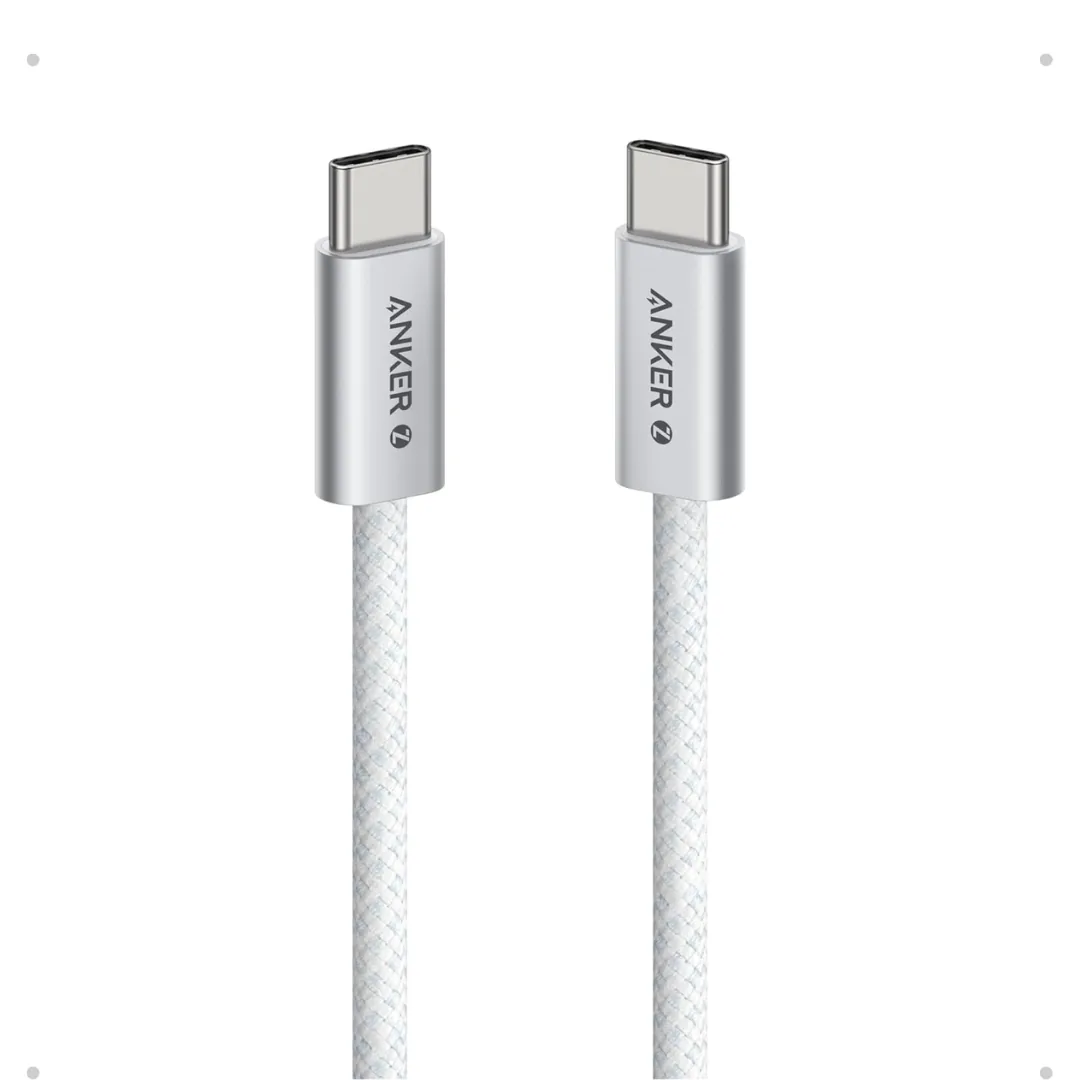
Anker Zolo USB-C to USB-C Braided Cable (A8060) — 240W PD 3.1, 1.5m | 240W-Grade 8-Core Wire
Browse the categories this article covers
Related Articles
The Complete Difference Between 20W, 30W, 45W, 65W & 100W Chargers — Which Do You Actually Need?
Read more →
PowerIQ, VOOC, SuperFast Charge, and TurboPower — Every Fast Charging Technology Explained Simply
Read more →