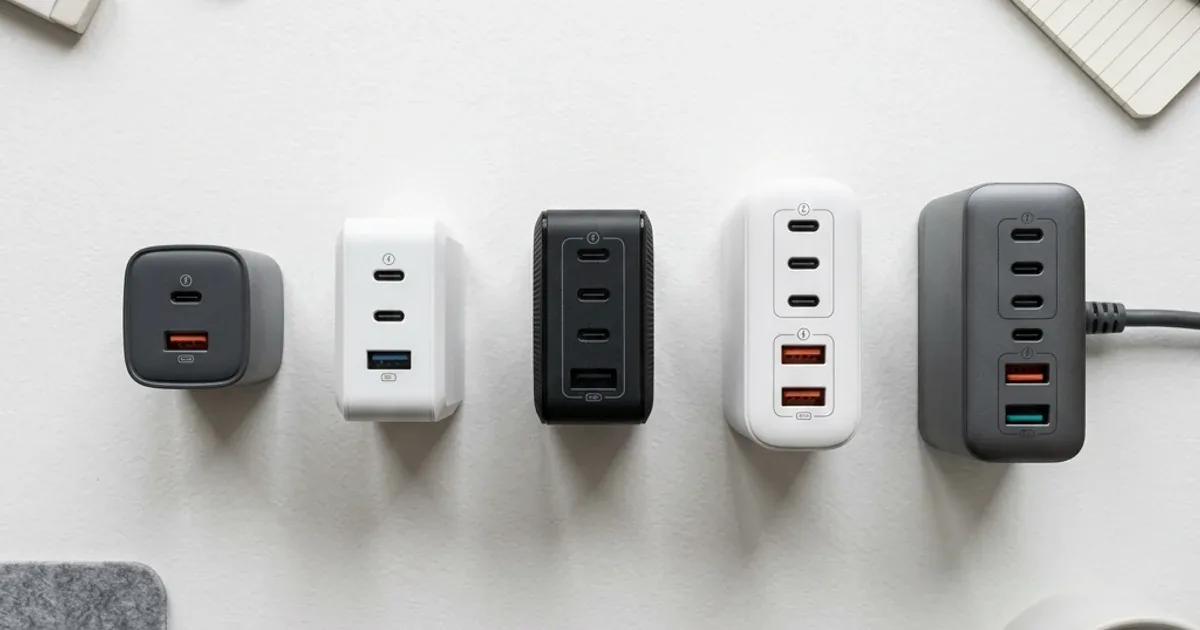

The Real Difference Between GaN III and GaN II Chargers — Is the Upgrade Worth Your Money?
Technical comparison between second and third generation Gallium Nitride chargers — in size, heat, efficiency, and price. Is the upgrade actually worth it?
Quick Take: Upgrading from GaN II to GaN III is usually unnecessary: your phone, not the GaN generation, sets its charging speed. GaN III's advantage is a smaller, cooler charger at high wattages, so it pays off if you need a compact travel charger, charge a laptop at 65W or more, or your current charger is over two years old. Otherwise, keep what you have.
Every time Anker or any tech company releases a new charger, they stamp "GaN III" or "third-generation Gallium Nitride" as if it is a life-changing invention. And the question everyone asks is: "I already have a good GaN charger — do I need to buy the new one?" The short answer: probably not. But the complete answer is more nuanced — and there are cases where the upgrade genuinely matters.
In this article, we will compare GaN II and GaN III with real numbers — not marketing claims — and tell you exactly when the upgrade is worth your money and when it is a waste.
💡 Quick Answer: Upgrading from GaN II to GaN III is usually unnecessary: your phone, not the GaN generation, sets its charging speed. GaN III's advantage is a smaller, cooler charger at high wattages, so it pays off if you need a compact travel charger, charge a laptop at 65W or more, or your current charger is over two years old. Otherwise, keep what you have.
First — What Is GaN and Why Does It Matter?
GaN (Gallium Nitride) is a semiconductor material that replaces traditional silicon in charger transistors. The benefit: it handles higher voltages and operates at higher frequencies in a smaller footprint. The practical result: a charger half the size of a traditional one with the same or higher power output. For the full explanation of GaN technology from scratch, read our comprehensive GaN charger guide.
What matters here: GaN has gone through three commercial generations:
- 📌 GaN I (2018-2020): First generation — proved the technology works. Chargers 30-40% smaller than silicon but still ran quite hot.
- 📌 GaN II (2021-2023): Significant improvement in heat and efficiency. Most current Anker and Baseus chargers are GaN II. This generation made GaN mainstream.
- 📌 GaN III (2024-2026): The latest generation — incremental improvements in size, efficiency, and heat. Not a revolution — an evolution.
The Engineering Comparison — GaN III vs GaN II by the Numbers
These numbers come from actual measurements on Anker chargers (the world's largest GaN charger manufacturer) and data from Navitas Semiconductor (the largest GaN chip maker):
| Metric | GaN II | GaN III | Difference |
|---|---|---|---|
| Size (30W charger) | ~38 cm³ | ~28 cm³ | 26% smaller |
| Weight (30W charger) | ~68g | ~52g | 24% lighter |
| Conversion Efficiency | 89-91% | 93-95% | +3-4% |
| Temperature Under Max Load | 55-65°C | 48-58°C | 5-8°C cooler |
| Switching Frequency | 300-500 kHz | 600-1000 kHz | 2x faster |
| iPhone 17 Pro Max Charge Speed | 0→50% in 25 min | 0→50% in 25 min | Zero difference ⚠️ |
| Galaxy S26 Ultra Charge Speed | 0→50% in 22 min | 0→50% in 22 min | Zero difference ⚠️ |
| Price in Egypt (30W charger) | 500-650 EGP | 700-900 EGP | 25-40% more expensive |
Notice the surprising row: actual charging speed is exactly the same. Why? Because charging speed is determined by the phone, not the charger. The iPhone 17 Pro Max decides how much power it draws — per Apple it reaches 50% in about 20 minutes with a 40W or higher adapter — whether the charger is GaN II, GaN III, or future GaN. The phone is the bottleneck, not the charger.
Efficiency Matters for Your Electricity Bill — Not a Joke
A 3-5% efficiency difference might seem small on paper, but let us run the actual numbers. If you charge a phone + tablet + earbuds daily (average 3 hours of charging at 25W average):
- 📊 GaN II charger (90% efficiency): Draws 27.8W from the wall to deliver 25W to the device. The difference (2.8W) converts to heat. Over a year: approximately 3 kilowatt-hours wasted.
- 📊 GaN III charger (94% efficiency): Draws 26.6W to deliver 25W. That is 1.2W less heat. Over a year: approximately 1.3 kilowatt-hours wasted.
- 💡 Annual savings: About 1.7 kilowatt-hours — roughly 5-7 EGP per year at Egypt 2026 electricity prices. A small amount, but the real benefit is not in electricity savings — it is in the lower heat that extends the lifespan of both the charger and your device.
Why Does Temperature Actually Matter? The Science
Every time a charger runs hotter, three negative things happen:
- 🔴 Capacitor degradation: Electrolytic capacitors — the beating heart of any charger — have their lifespan halved with every 10°C increase in temperature. This means a charger operating at 65°C (GaN II under load) has half the lifespan of one operating at 55°C (GaN III under load).
- 🔴 Efficiency degradation over time: High heat causes thermal stress on transistors. After two years of daily use, a GaN II charger may lose 2-3% efficiency — a GaN III charger loses only about 1% due to lower operating temperatures.
- 🔴 Impact on your phone: A hot charger transfers heat to your phone through the cable and direct contact (if the charger is near the phone). Lithium-ion batteries are negatively affected above 40°C. To understand more about heat and battery health, read Does Fast Charging Actually Damage Your Battery?
Where Does the Difference Actually Show in Daily Use?
The difference between GaN III and GaN II shows up in three specific scenarios:
- ✈️ Scenario #1: Travel. A GaN III 65W charger is close in size to a GaN II 30W. If you travel frequently and need one charger for phone + laptop + tablet — the smaller size genuinely matters in your bag. The Anker Nano 45W (GaN II per its product page) is an example of a compact single-port 45W charger.
- 🌡️ Scenario #2: Extended laptop charging. If you charge a MacBook Air or light laptop for hours, the 5-8°C temperature difference means a longer lifespan for the charger itself. A GaN III 65W stays under 58°C after two hours of continuous charging — a GaN II at the same wattage reaches 65°C (still safe but with higher component stress).
- 🔌 Scenario #3: Multi-port chargers. In multi-port chargers (2-3 ports), GaN III manages power distribution between ports more efficiently. When charging a phone + tablet simultaneously — distribution is smarter and heat is lower. For multi-port charger comparisons, read Best Multi-Port GaN Chargers.
Price Comparison in Egypt — GaN II vs GaN III
| Wattage | GaN II (Price) | GaN III (Price) | Worth It? |
|---|---|---|---|
| 20W (iPhone only) | 300-400 EGP (approximate market range) | 450-550 EGP | ❌ No |
| 30W (phone + tablet) | 500-650 EGP (approximate market range) | 490 EGP (Anker A2147, GaN 3) | ⚠️ Depends on usage |
| 45W (Samsung Ultra + light laptop) | 790 EGP (Anker Nano 45W, GaN II) | 750-1,000 EGP (approximate market range) | ✅ Yes |
| 65-100W (heavy laptop) | 1,200-1,800 EGP | 1,500-2,200 EGP | ✅ Yes — heat matters |
The Simple Rule — When to Upgrade and When to Wait
After reviewing the numbers and prices, let us simplify the decision:
- ✅ Upgrade if: Your current charger is over two years old (efficiency degrades over time), you need to charge a laptop (45W+) and temperature matters, you travel frequently and size matters, or you charge 3+ devices daily from the same charger.
- ❌ Wait if: Your GaN II charger works well and is under two years old, you only charge one phone (20-30W), or the price difference does not feel comfortable (200-400 EGP extra).
- 💡 If buying for the first time: Go GaN III if available at a reasonable price — it will last longer. If budget is tight — a GaN II from Joyroom is an excellent choice and delivers exactly the same charging speed.
🔬 Important Reality Check:
The gap between GaN II and GaN III is much smaller than the gap between GaN I and GaN II, which itself was much smaller than the gap between silicon and GaN I. The technology is maturing and generation-over-generation differences are shrinking — this is natural for any technology. Next time you hear about "GaN IV" — the difference will likely be even smaller. Not every "new generation" warrants an immediate upgrade.
✅ Genuine GaN Chargers with Warranty at CairoVolt
Anker and Joyroom chargers are covered by CairoVolt's written store warranty (duration shown on each product page). All 100% genuine. Not sure how many watts you need? Read the wattage selection guide. For the slimmest laptop chargers, read Slimmest 100W GaN Chargers.

CairoVolt Editorial Team
Content team reviewing specifications and buying guides
The CairoVolt team reviews model numbers, specifications, and compatibility, and updates information when better data is available. Estimates are labeled as calculations, and readers can report information that needs correction.
Frequently Asked Questions
Does GaN III charge faster than GaN II?▼
I have an Anker PowerPort 20W (GaN II) — should I replace it?▼
Are GaN chargers safe or is silicon safer?▼
What is the best GaN charger in Egypt under 700 EGP?▼
Ready to Buy?
Browse available products and review specifications and CairoVolt warranty terms before ordering
Related products
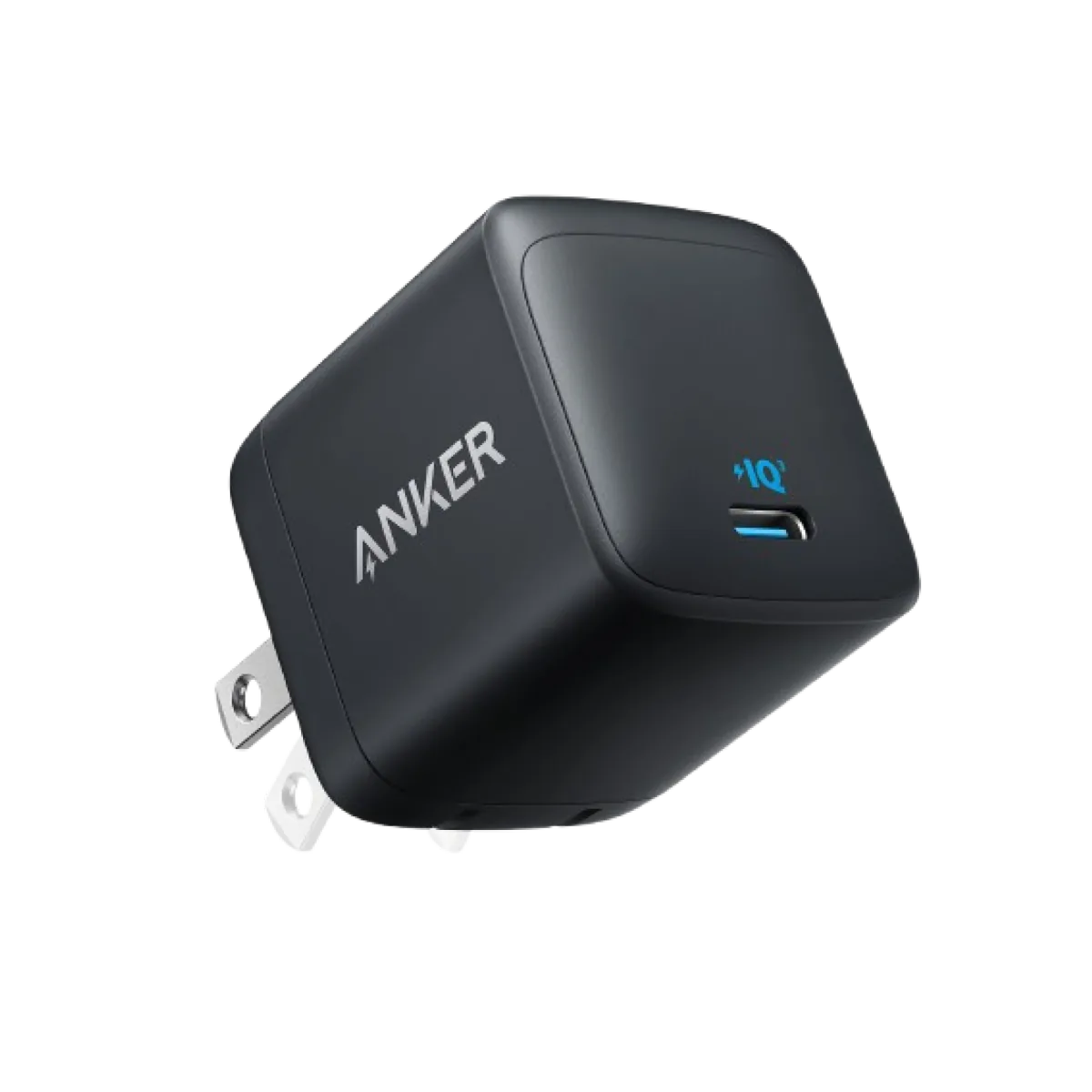
Anker Nano 45W GaN USB-C Charger | MacBook Air + iPhone 17
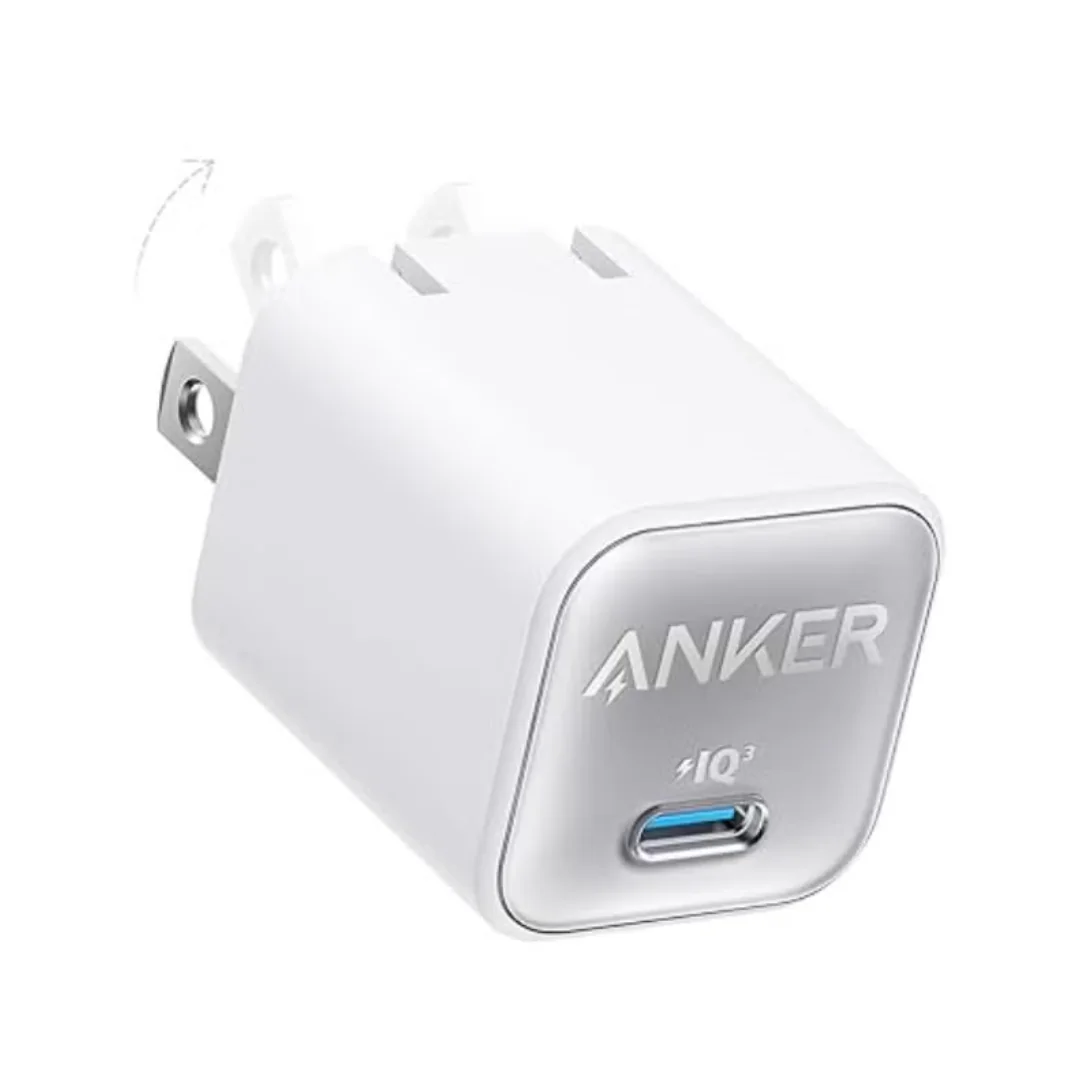
Anker 511 Nano 3 GaN Charger 30W (A2147) | USB-C PD | IQ3
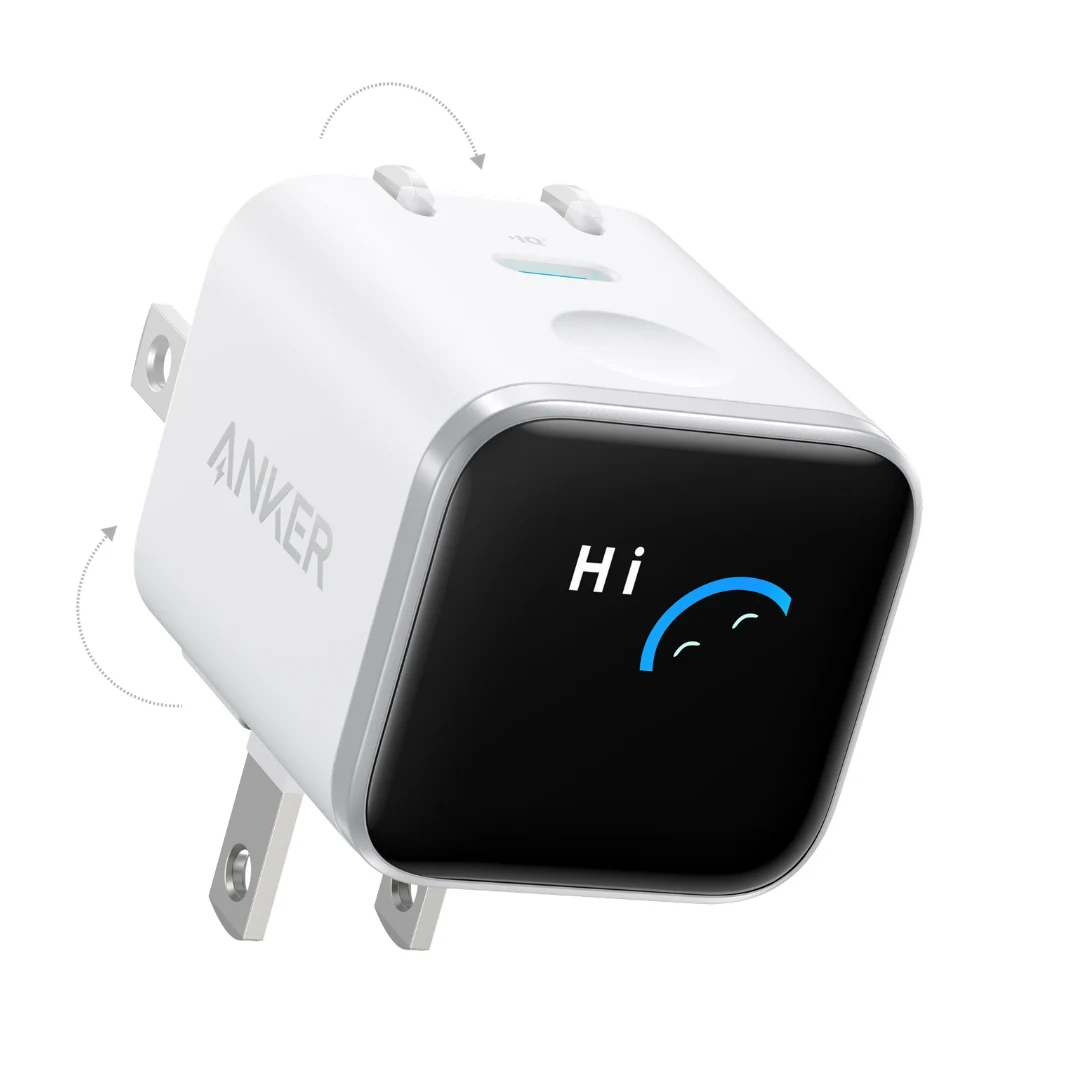
Anker Nano 45W Smart Display GaN Charger (A121D) | 180° Foldable Plug | USB-C PD
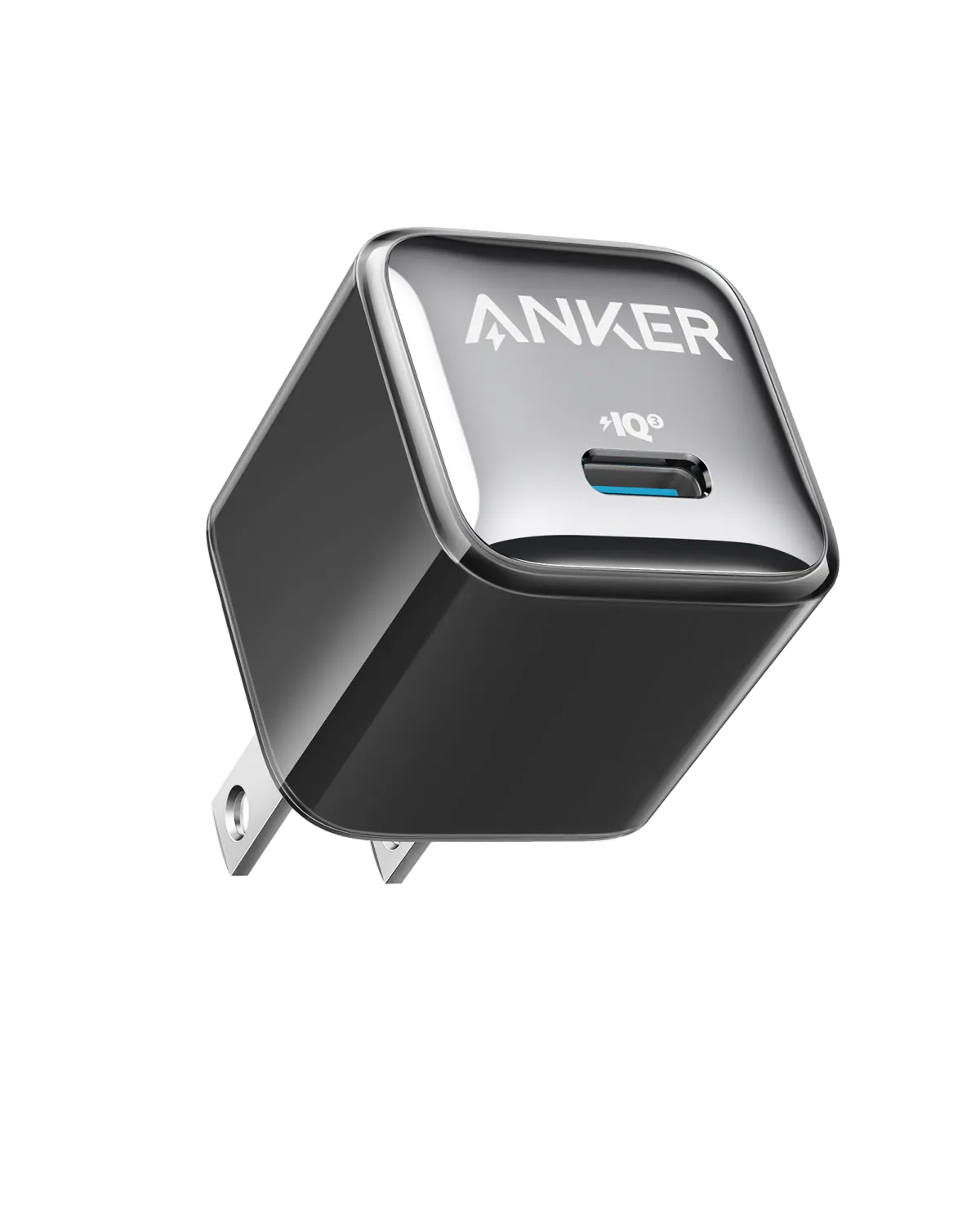
Anker A2347K11 20W USB-C PD Charger | Check Device Profile and Plug
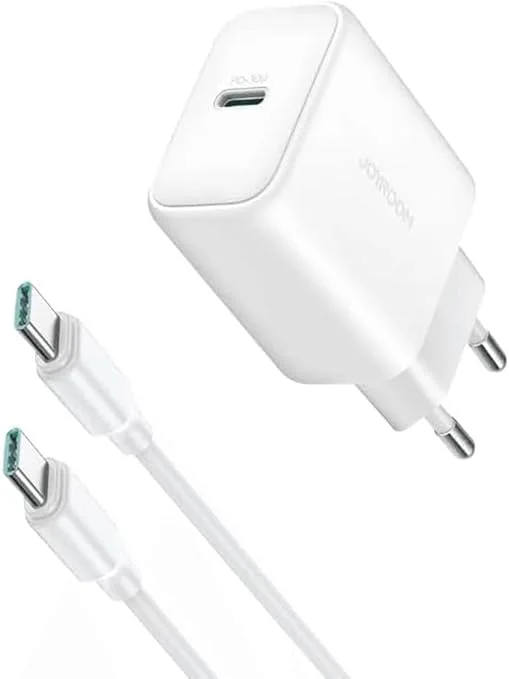
Joyroom 30W PD+QC Wall Charger | Dual USB-C and USB-A Ports
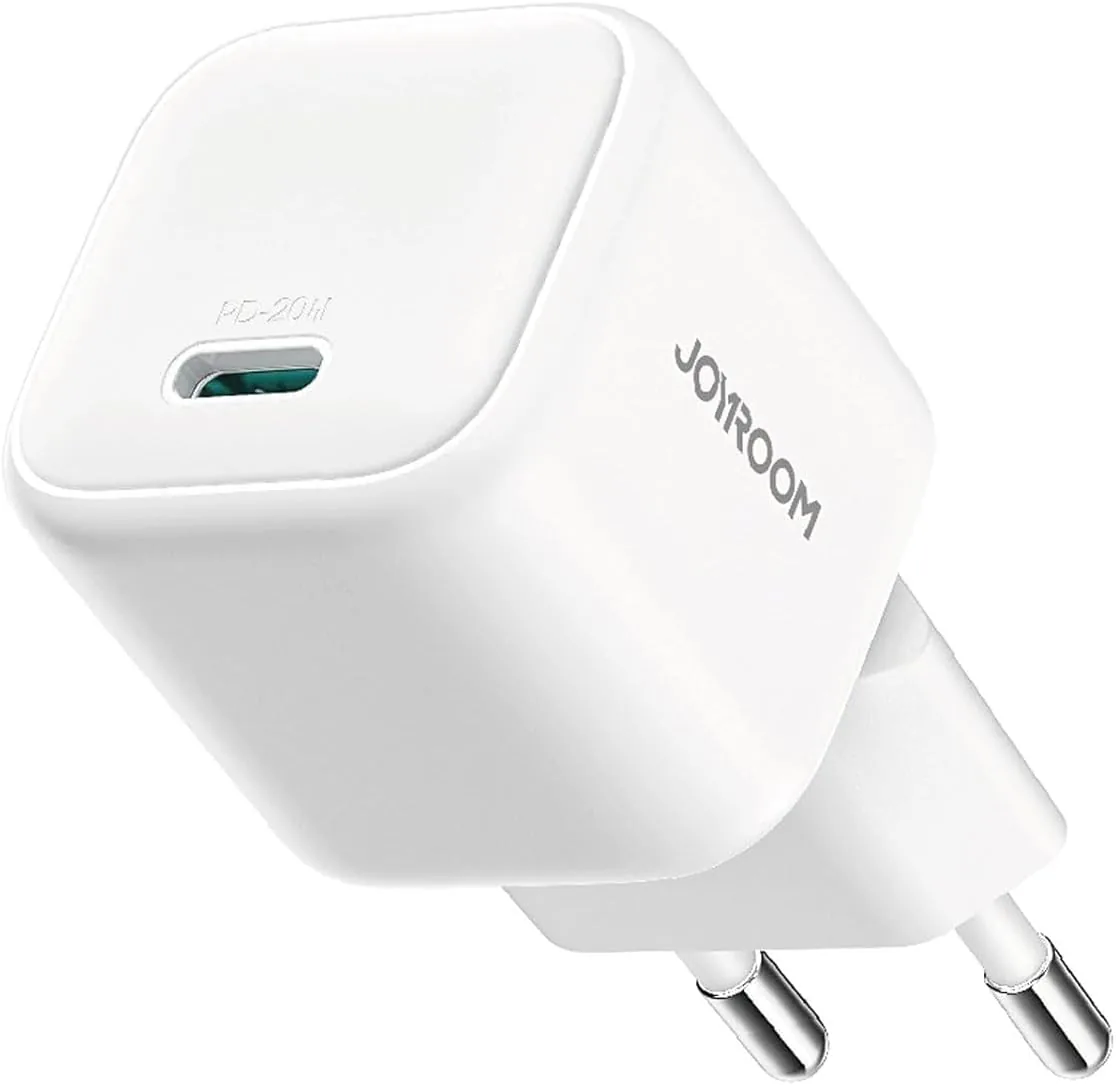
Joyroom 20W USB-C PD Charger | iPhone 17 Fast Charge
Browse the categories this article covers
Related Articles

GaN Charger Technology: Why a 30W Charger is Now Smaller Than Your Thumb (Complete Science Guide)
Read more →
5 Slimmest 100W GaN Laptop Chargers for Your Bag — For Professionals & Students in Egypt
Read more →