Can You Use a Samsung Charger for an iPhone and Vice Versa?
Wondering if you can safely use a Samsung wall adapter to charge your new iPhone, or vice versa? Here is the electrical reality of cross-brand charging.
In short: Yes, you can safely use a Samsung charger to charge an iPhone, and vice versa, with 100% compatibility. Both brands adhere to universal charging standards like USB-PD. The only difference is charging speed: Apple chargers do not implement the USB-PD PPS (Programmable Power Supply) protocol that Samsung's Super Fast Charging requires, meaning they will charge Samsung flagships at standard "Fast" speeds (15W) rather than "Super Fast" (25W or 45W). In contrast, a Samsung charger will charge an iPhone at its maximum supported fast charging speed without issues.
⚠️ Recall notice: Anker PowerCore 10000 (model A1263)
In June 2025 the US CPSC announced a recall of A1263 units made for the US market between January 2016 and October 2019 over an overheating and fire hazard. If you own an A1263, check its serial at anker.com/a1263-recall before using it.
The debate between iPhone and Samsung users is endless, starting from camera comparisons and screen qualities to the age-old question: "which is better, Samsung or iPhone?". Eventually, this discussion lands on batteries and wall chargers. If you are out and your iPhone is dying, and your friend offers their original Samsung charger, someone nearby will likely warn you: "Don't do it! A Samsung charger will destroy your iPhone battery, their electricity is different!". This hesitation makes you reluctant to plug in a flagship device that costs a significant amount in Egypt, such as the iPhone 15 Pro Max.
At the CairoVolt lab, we believe in resolving these tech myths using electrical physics. The idea that a high-quality charger from one brand will damage a phone from another is outdated. With the advent of universal USB-C connectors and smart charging standards, cross-brand charging is safe. In this guide, we explain how chargers and smartphones interact electrically, why charging an iPhone with a Samsung block is safe, and why Apple blocks charge Samsung phones slowly.
1. Charging is a Pull Process, Not a Push Process
A common misconception is that a charger forces electricity into a smartphone. Under this logic, connecting a 20W phone to a 45W charger would overload and damage the battery. However, electrical physics dictates that charging is controlled entirely by the receiving device.
The smartphone determines how much power it draws from the wall block. This is managed by a dedicated **Power Management Integrated Circuit (PMIC)** on the phone's motherboard. The charger acts as a passive power reservoir, offering its available voltage/current profiles, and the phone pulls only what its battery chemistry can safely handle.
If you connect a 20W iPhone to a 45W Samsung charger, the iPhone will only draw 20W. Conversely, if you connect a 45W Samsung phone to a 20W charger, the phone detects the adapter's limitation and limits its draw to 20W to prevent overloading the block. This interaction is 100% safe.
2. Power Delivery (PD) and Programmable Power Supply (PPS) Standards
While cross-brand charging is safe, charging speeds vary due to differing protocols. Apple relies on the standard **USB-PD (Power Delivery)** protocol. Samsung chargers support USB-PD but also implement a sub-protocol called **PPS (Programmable Power Supply)**.
PPS allows the smartphone to request minor adjustments to voltage and current (in steps of 20mV or 50mA) during the charging cycle. This micro-negotiation minimizes energy conversion losses, reducing the heat generated inside the phone. Samsung flagships require PPS to enable their 25W and 45W Super Fast Charging modes.
When you plug a Samsung device into an Apple charger that lacks PPS support, the phone cannot negotiate these fine voltage adjustments. As a result, it falls back to a standard 15W charging profile. This is the technical reason behind the slower charging speeds of Samsung devices on Apple blocks. However, when you connect an iPhone to a Samsung charger, the block supports standard USB-PD, allowing the iPhone to charge at its maximum supported rate (up to 27W).
3. Resolving a Dead Samsung Phone That Refuses to Charge
If a Samsung phone drains to a complete 0% state and refuses to turn on or show a charging icon, the issue is often caused by using uncertified, low-grade chargers. Worn-out or counterfeit blocks lack voltage regulation and can damage the phone's PMIC during power spikes.
To resolve and prevent this issue:
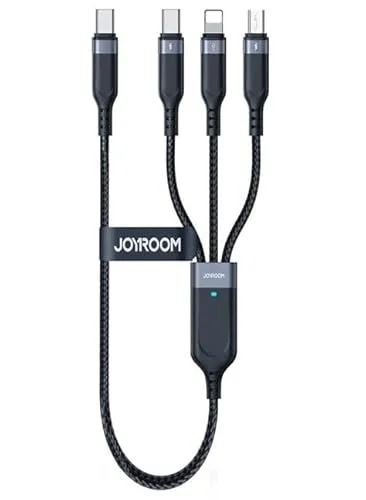
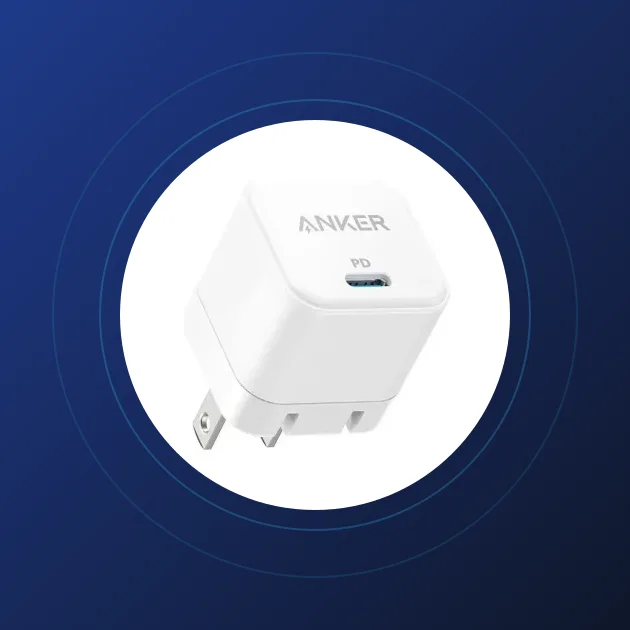
- 🔌 Always use original adapters from certified brands like Anker or Joyroom. The Anker Nano 30W charger provides comprehensive voltage protection.
- ⏳ Leave the dead device connected to the original charger for at least one hour without attempting to turn it on, allowing the battery voltage to recover to safe boot levels.
4. Streamlining Your Gear with a Universal GaN Charger
Instead of carrying multiple adapters for your phone, tablet, and accessories, you can simplify your setup with a modern GaN charger. A high-quality GaN block offers:
- ✅ Universal **USB-PD** compatibility for fast-charging all Apple devices.
- ✅ Full **PPS** support to enable Super Fast Charging for Samsung devices.
- ✅ High energy efficiency in a compact size that does not run hot during multi-device charging.
Pairing your devices with certified cables like the Anker USB-C cable or charging accessories like the Soundcore P20i earbuds ensures stable power transmission and protects your battery health over time.
5. Cross-Brand Charger Compatibility Reference
This table summarizes the actual charging outputs and safety outcomes when mixing chargers and phones:
| Phone Model | Charger Used | Actual Charging Speed | Safety Status |
|---|---|---|---|
| iPhone 15 / 16 Pro Max | Original Samsung Charger (25W/45W) | Maximum fast speed (20W-27W) | 100% Safe (PD negotiation) |
| Samsung Galaxy S24 Ultra | Original Apple Charger (20W/30W) | Standard speed (15W) | 100% Safe (No PPS support) |
| iPhone 13 / 14 Pro Max | Anker GaN Charger (30W) | Maximum fast speed (20W-23W) | 100% Safe (Full compatibility) |
| Samsung Galaxy A54 / A55 | Anker GaN Charger (30W) | Maximum fast speed (25W) | 100% Safe (PPS supported) |
Reusing original adapters from Apple and Samsung is perfectly safe for your devices. The key is to avoid uncertified, cheap chargers that lack safety protections. Stick to reputable brands to ensure a stable, clean power supply for your high-end electronics.
6. Protecting Your Battery Lifespan During Cross-Brand Charging
When using chargers from other brands, follow these simple guidelines to preserve your battery cells:
- 🚫 Avoid Low-Quality Generic Cables: Using poor cables with high-power adapters can overheat the charging socket, risking motherboard damage.
- 🌡️ Avoid Hot Charging Environments: High temperatures can cause the phone to throttle charging speeds automatically to protect internal circuits.
- ⚡ Enable Battery Protection Features: Turn on features like "80% Limit" or Adaptive Charging in iOS or Android settings to reduce chemical stress.
Investing in original, certified power components is the best way to safeguard your premium devices and ensure their long-term performance.
4.1. How Cable Selection Affects Cross-Brand Charging Speeds
Many users focus entirely on the wall adapter and ignore the charging cable, even though the cable acts as the bridge for data and power negotiation. Cable compatibility plays a crucial role in securing safe and fast charging between Apple and Samsung eco-systems.
For older iPhone models (iPhone 14 and earlier), you must use a USB-C to Lightning cable that holds Apple's MFi (Made for iPhone) certification. Using a cheap, non-MFi certified cable often triggers iOS warning messages and can halt charging unexpectedly. With the iPhone 15 and iPhone 16 series, Apple transitioned to the universal USB-C port, allowing full compatibility with original Samsung USB-C cables and third-party certified options.
However, you should keep in mind that older USB-A to USB-C cables do not support the USB-PD fast-charging protocol. The traditional USB-A interface lacks the dedicated Configuration Channel (CC) pins required for USB-PD negotiation. USB-A can still push past standard speeds through proprietary protocols — Samsung's Adaptive Fast Charging delivers about 15W over USB-A, and Qualcomm Quick Charge reaches up to 18W — but iPhones don't support either of those, so an iPhone on a USB-A adapter falls back to standard 5V charging and caps out around 10W to 12W, no matter how powerful the wall charger is. Safeguarding your high-value phones and audio gear relies on selecting original accessories that meet global safety standards. Avoid unbranded street chargers, as they lack the smart negotiation chipsets required to communicate with modern smartphones safely.
4.2. Charging Smartwatches and Earbuds with High-Wattage Blocks
Another common question is whether it is safe to charge low-power accessories, such as smartwatches or wireless earbuds, using a high-output 45W or 65W smartphone charger block.
The answer is yes, it is completely safe. Small accessories like the Soundcore P20i earbuds require very low current levels, typically drawing 5V at 0.5A or 1A (about 2.5W to 5W). The internal charging controller in the earbud case restricts the power draw to these safe limits.
When you connect your earbud case to a 45W Samsung or Anker fast-charging block, the adapter recognizes that the connected device does not request a high-voltage PD profile. The charger immediately delivers a standard 5V supply at the low current requested, preventing electrical overload or thermal buildup inside the accessory.

CairoVolt Editorial Team
Content team reviewing specifications and buying guides
The CairoVolt team reviews model numbers, specifications, and compatibility, and updates information when better data is available. Estimates are labeled as calculations, and readers can report information that needs correction.
Frequently Asked Questions
Can charging an iPhone with a Samsung block damage its battery health?▼
Why does my Samsung phone charge slowly when connected to an Apple wall adapter?▼
Can I use an Apple cable with a Samsung charger block?▼
Does a multi-port GaN charger resolve compatibility issues?▼
Ready to Buy?
Browse available products and review specifications and CairoVolt warranty terms before ordering
Related products
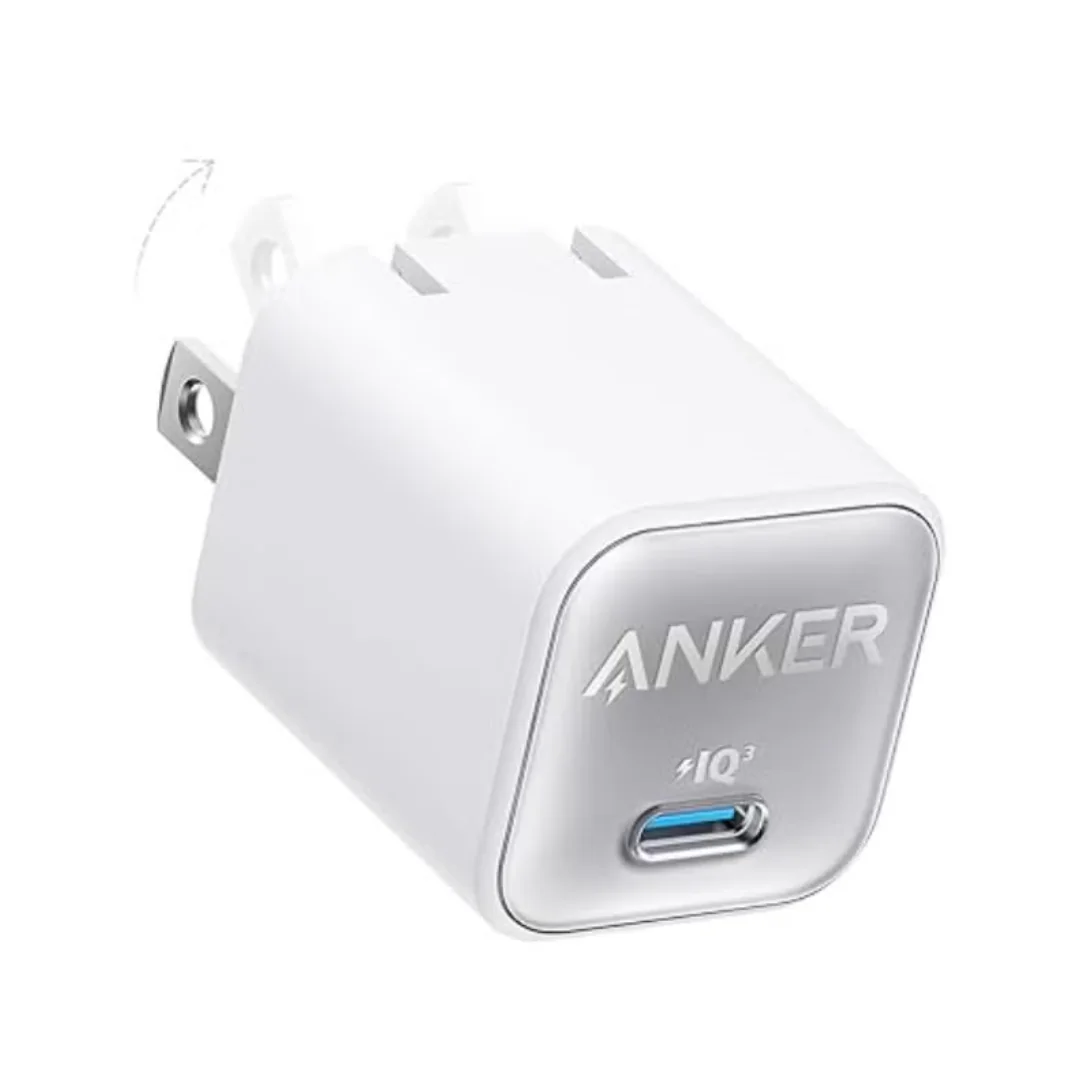
Anker 511 Nano 3 GaN Charger 30W (A2147) | USB-C PD | IQ3
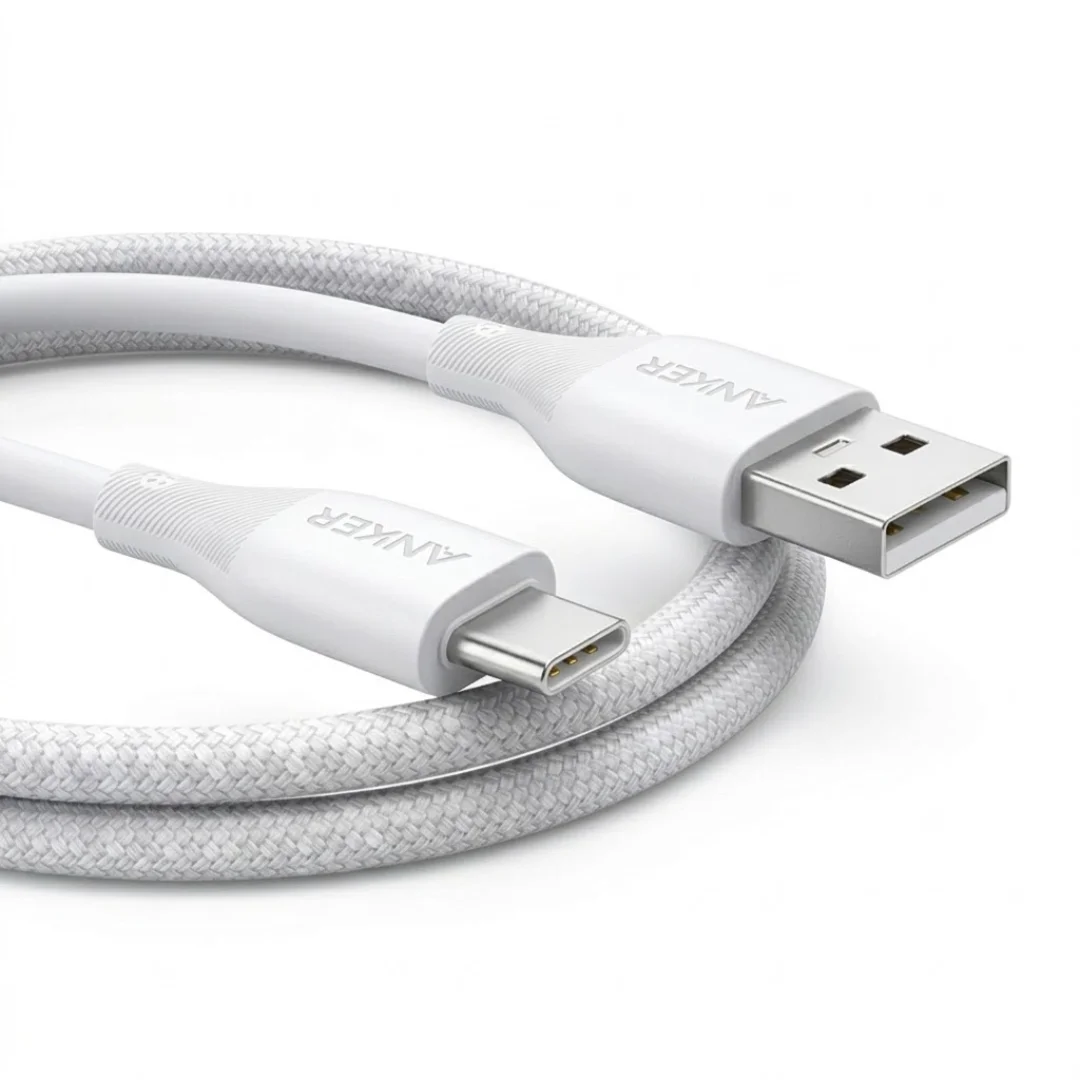
Anker USB-A to USB-C Cable (A8050) | Braided Nylon 1.8m | Fast Charging
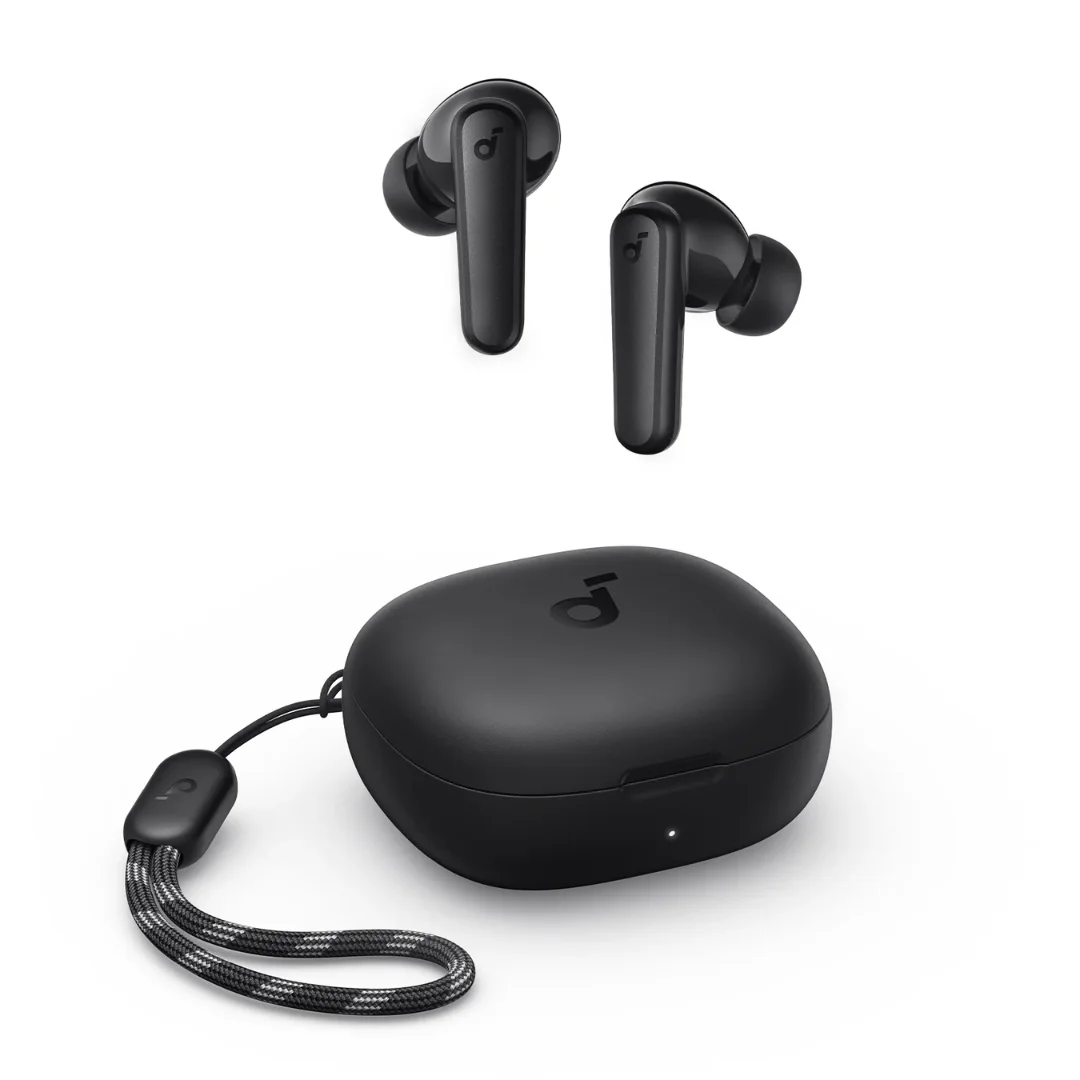
Soundcore P20i | 10mm Drivers | 30h Battery | Bluetooth 5.3
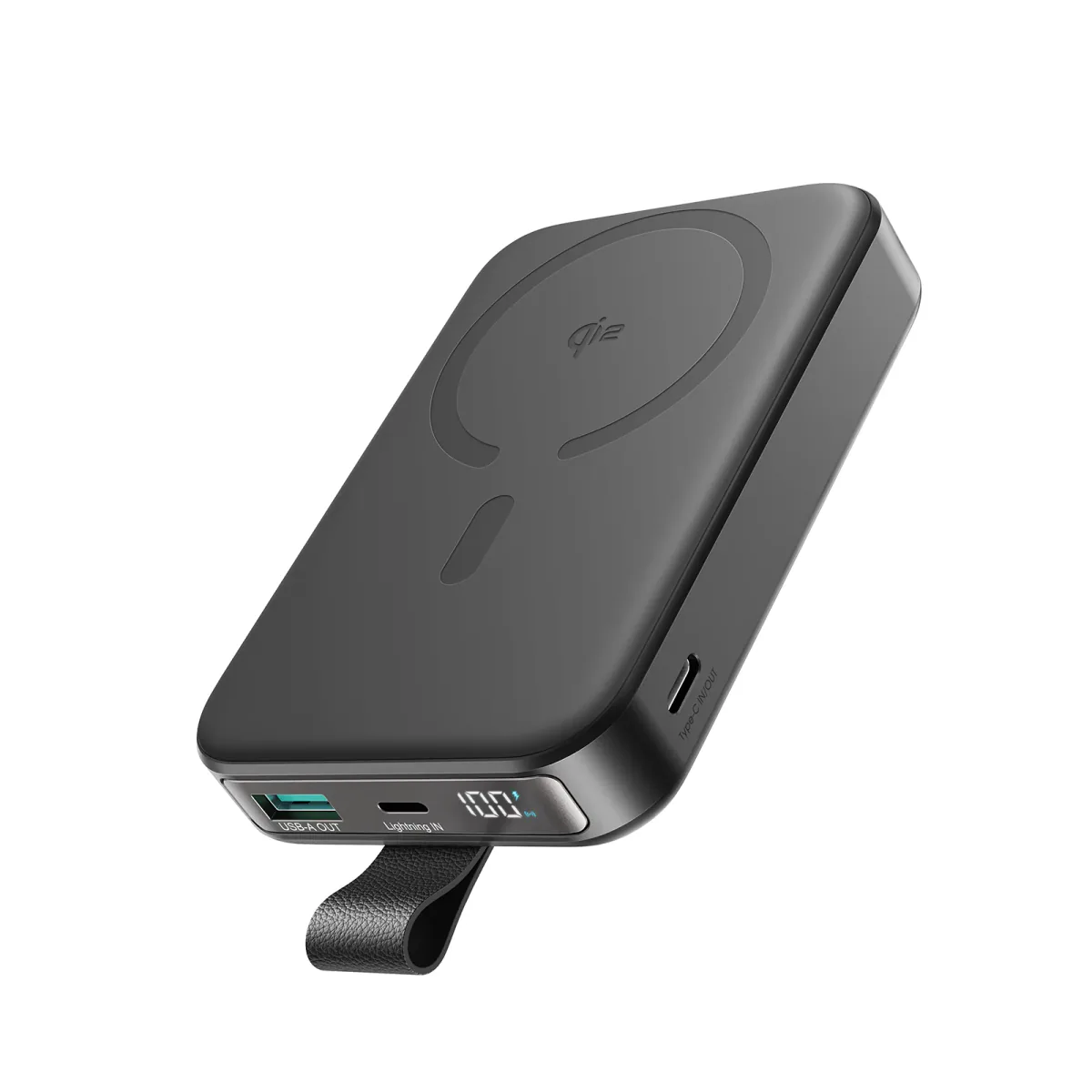
Joyroom 10000mAh Slim Power Bank | Dual USB | LED Display
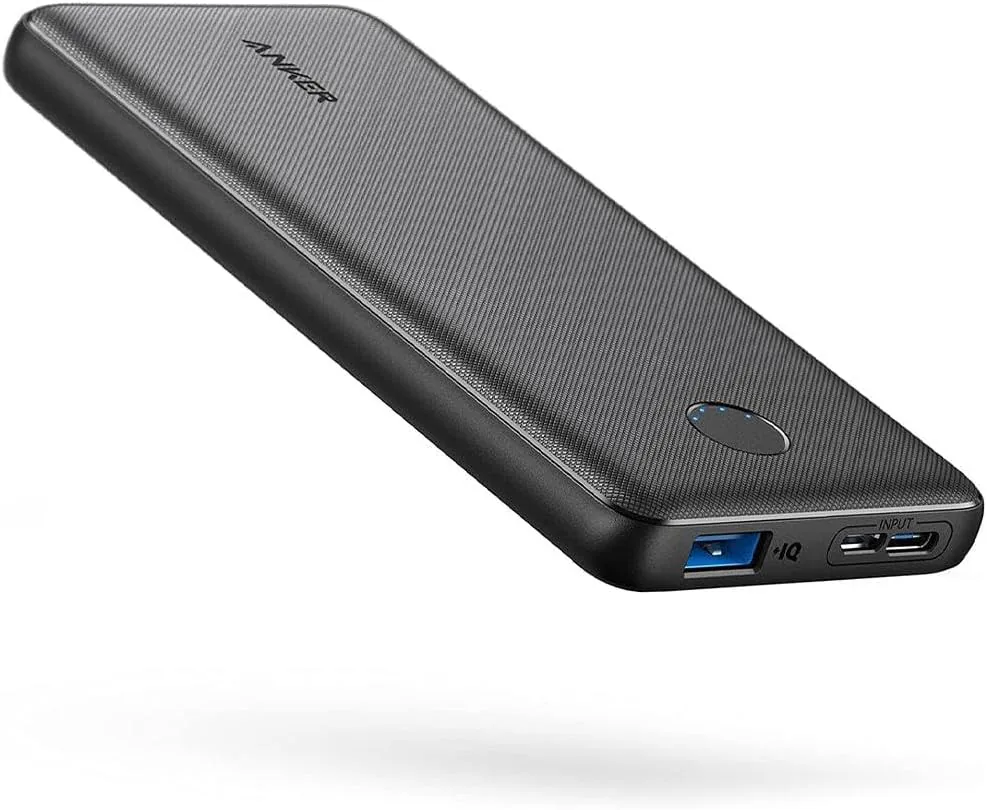
Anker PowerCore 10000mAh Power Bank