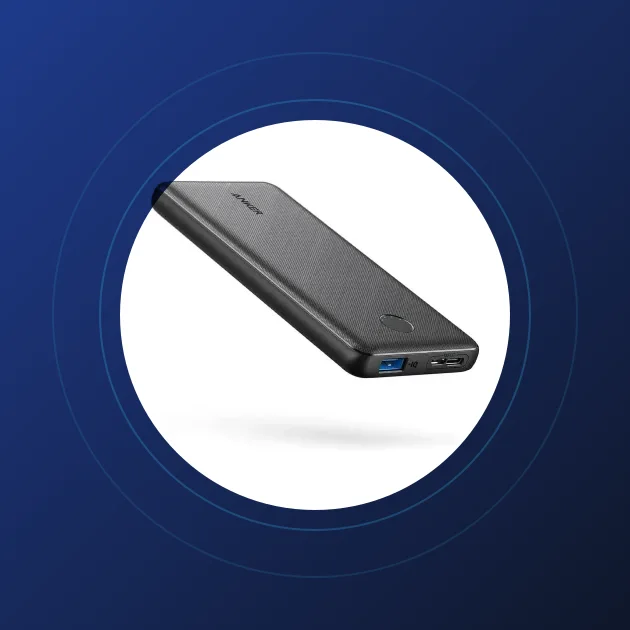
How Many Times Does a 10,000mAh Power Bank Charge an iPhone? The Math
Bought a 10,000mAh power bank but it didn't charge your iPhone twice? Learn the physics of energy conversion and how to calculate the actual charges.
In short: A 10,000mAh power bank does not deliver a full 10,000mAh to your phone due to the laws of physics. The actual available capacity at 5V USB output is about 6,300 to 6,500mAh after accounting for voltage conversion losses and heat dissipation (around 30-35% total loss). This means it will charge an iPhone 15 Pro Max or iPhone 16 Pro Max about 1.4 times (roughly one and a half charges), and an older iPhone 11 or 12 about 2.1 times.
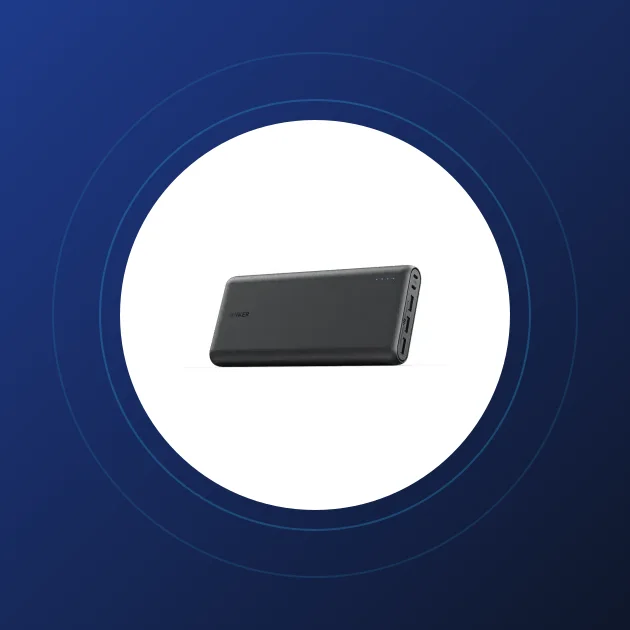
⚠️ Recall notice: Anker PowerCore 10000 (model A1263)
In June 2025 the US CPSC announced a recall of A1263 units made for the US market between January 2016 and October 2019 over an overheating and fire hazard. If you own an A1263, check its serial at anker.com/a1263-recall before using it.
Imagine this: you buy a brand new power bank from a retail shop, and the seller promises you that it is a genuine 10,000mAh power bank that will easily charge your high-end iPhone four full times. You take it home, connect it to your dead iPhone 13 Pro Max, and wait. The phone charges to 100%, but you notice that the power bank's indicator has dropped to one light. On the second charge, the power bank dies when your phone reaches 45%. You immediately suspect that the seller cheated you and sold you a counterfeit product.
At the CairoVolt lab, we do not rely on retail sales talk; we rely on physics and electrical chemistry. Unless you bought a cheap knockoff, the power bank is likely working perfectly. The actual issue is a simple rule of physics that manufacturers rarely explain clearly on the packaging. A 10,000mAh backup battery will never deliver a full 10,000mAh to your smartphone battery. The culprit is the voltage difference between the cells and the output ports. In this technical guide, we will break down the exact math behind power bank capacities, showing you how to calculate actual charging counts for any iPhone model.
With flagship smartphone prices in Egypt reaching record highs, protecting your device is paramount. Buying an expensive flagship like the iPhone 15 Pro Max or a premium Samsung phone represents a major financial decision. Understanding how energy conversion and charging cycles work helps you safeguard your battery health, choosing the right certified accessories like Anker or Joyroom chargers to avoid degradation from poor-quality equipment.
⚡ The Golden Formula: Actual Available Capacity = (Nominal Capacity × 3.7V ÷ 5V) × Conversion Efficiency (usually 85%). For a 10,000mAh power bank: Actual Capacity = (10,000 × 3.7 ÷ 5) × 0.85 = 6,290mAh.
1. The Voltage Gap: Stepping Up from 3.7V to 5V
The lithium cells inside portable power banks have a nominal operating voltage of **3.7V**. This means a 10,000mAh battery stores a total energy capacity of:
Total Energy Capacity (Wh) = 10Ah × 3.7V = 37 Watt-hours (Wh)
However, the USB interface standard requires a minimum charging voltage of **5.0V** (and even higher voltages like 9.0V under USB-PD fast-charging protocols). Consequently, the power bank's internal circuit board must run a **Boost Converter** to step up the voltage from 3.7V to 5.0V.
Since total energy (Watt-hours) remains constant under the law of conservation of energy, raising the voltage must decrease the current capacity (Ah). Assuming zero energy loss during the conversion:
Theoretical Capacity at 5V = 37Wh ÷ 5V = 7.4Ah (7,400mAh)
Just by stepping up the voltage to the USB standard, the current capacity falls from 10,000mAh to 7,400mAh before any current even flows through a cable.
2. Energy Loss: Resistance and Heat
No energy conversion process is 100% efficient. As the boost converter steps up the voltage, and as current flows through the copper wires of your charging cable, electrical resistance generates **heat**. This thermal output represents wasted energy that dissipates into the air.
Reputable manufacturers like Anker and Joyroom design highly efficient circuits with conversion rates between **80% and 90%**. Using an average efficiency of 85% as a benchmark:
Actual Available Capacity = 7,400mAh × 85% = 6,290mAh
This explains why a high-quality 10,000mAh power bank actually provides around **6,300mAh** of net capacity to charge your smartphone's battery.
3. iPhone Charging Cycles: Model Comparison
Using the actual available capacity of 6,300mAh, we have calculated the exact charging cycles from 0% to 100% for various iPhone models in this reference table:
| iPhone Model | Official Battery Capacity (mAh) | Calculated Charging Cycles | Practical Expectation |
|---|---|---|---|
| iPhone 16 Pro Max | 4,685 mAh | 1.34 charges | Approx. 1.3 full charges |
| iPhone 15 Pro Max | 4,441 mAh | 1.42 charges | Approx. 1.5 charges |
| iPhone 14 Pro Max | 4,323 mAh | 1.45 charges | Approx. 1.5 charges |
| iPhone 13 Pro Max | 4,352 mAh | 1.44 charges | Approx. 1.5 charges |
| iPhone 16 / 15 Standard | 3,561 / 3,349 mAh | 1.77 charges | Approx. 1.75 charges |
| iPhone 11 Standard | 3,110 mAh | 2.02 charges | 2 full charges |
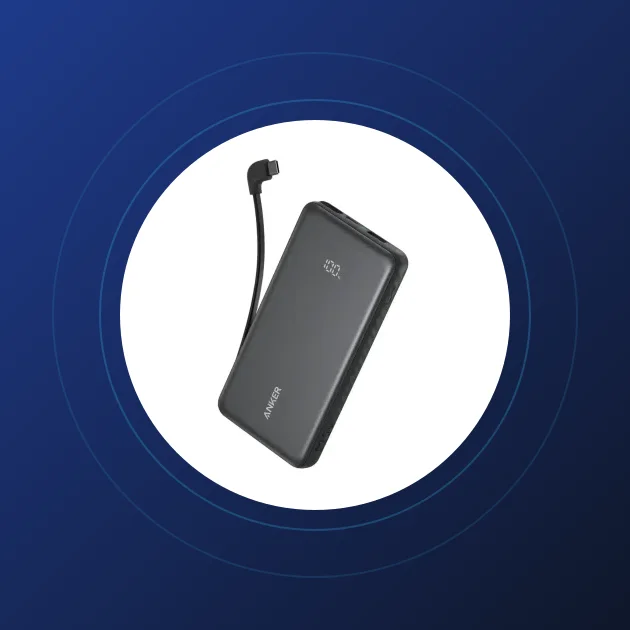
As the table illustrates, larger models like the Pro Max or Plus variants feature massive batteries exceeding 4,300mAh, meaning a 10,000mAh power bank cannot charge them twice. For long-distance travelers or high-demand users, upgrading to a 20,000mAh model like the Joyroom 20000 or Anker 20000 is the best path to secure multiple full charges. If 10,000mAh covers your daily routine and convenience is the priority, the newly stocked Anker × Wukong 3-in-1 (2,999 EGP) combines that same capacity with a built-in USB-C cable and a built-in wall plug — nothing extra to pack or forget.
4. How to Optimize Power Bank Efficiency
To maximize the available capacity of your portable charger, follow these practical rules:
- 🚫 Do Not Use Your Phone While Charging: Running games or navigation apps while connected forces the phone to consume current directly to run the screen and processor, rather than storing the power in the battery cells.
- 🔌 Use Short, Certified Cables: Longer cables introduce higher electrical resistance, increasing energy loss as heat. Stick to high-quality cables under 1 meter, such as Anker certified cables.
- 🌡️ Avoid Extreme Temperatures: Charging in direct sunlight or inside a closed bag traps heat, which degrades lithium battery chemistry and reduces conversion rates. Keep your charging setup in ventilated, shaded areas.
Understanding the science behind power conversion ensures you make informed purchasing decisions and protect your high-end electronics. Invest in original, certified power solutions from reputable brands like Anker or Joyroom to guarantee stable performance, device safety, and efficient charging under all circumstances.
5. How iPhone Battery Health (Maximum Capacity) Affects Charging Counts
All iPhone users are familiar with the "Battery Health" or "Maximum Capacity" percentage found in the iOS settings. This metric does not just indicate when you need to replace your battery; it also plays a direct role in determining how many charging cycles you get from a portable charger.
Lithium-ion batteries degrade chemically as they age and go through repeated charge-discharge cycles. Chemical aging increases the battery's internal resistance, which reduces its total energy retention capacity. If your iPhone 13 Pro Max has a maximum capacity of 80% instead of 100%, its effective capacity has dropped from the factory 4,352mAh to approximately 3,481mAh.
In this scenario, a 10,000mAh power bank (which delivers about 6,300mAh of net capacity) will actually charge your phone *more* times from 0% to 100%. The math is simple: 6,300mAh divided by 3,481mAh equals 1.81 charges, compared to the 1.44 charges you obtained when the phone was brand new. However, this does not mean your battery is performing better; it simply means the size of the container you are filling has shrunk, resulting in faster charge times but significantly shorter daily battery life.
6. MagSafe and Wireless Charging: Higher Heat and Lower Efficiency
With Apple's introduction of MagSafe magnetic wireless charging, many iPhone users have switched to portable wireless power banks that snap onto the back of the device. These magnetic chargers offer outstanding convenience and free you from carrying long cables that can get tangled in your pocket or bag. They have quickly become the preferred choice for owners of newer models like the iPhone 15 and iPhone 16. However, this convenience comes with a substantial technical cost regarding overall energy efficiency and heat generation, and you should know that wireless charging is highly inefficient compared to wired connections.
Wireless charging relies on electromagnetic induction. Current passes through a transmitter coil in the power bank to create an oscillating magnetic field, which is received by a coil inside the iPhone and converted back into electricity. This dual-conversion process suffers from significant energy loss, often between 30% and 40%, which is dissipated as heat.
When charging an iPhone wirelessly using a 10,000mAh power bank, your total end-to-end efficiency drops to around 50% to 55% (compared to 85% with a wired cable). This reduces the net usable capacity to approximately 5,000mAh. Consequently, a 10,000mAh MagSafe power bank will barely charge an iPhone 15 Pro Max once (approx. 1.1 charges), with the remaining energy wasted as heat that can accelerate battery degradation over time.

CairoVolt Editorial Team
Content team reviewing specifications and buying guides
The CairoVolt team reviews model numbers, specifications, and compatibility, and updates information when better data is available. Estimates are labeled as calculations, and readers can report information that needs correction.
Frequently Asked Questions
Why don't I get the full 10,000mAh from my power bank?▼
How many times does a 10,000mAh power bank charge an iPhone 13 Pro Max?▼
Does using my phone while charging reduce the number of charges?▼
Does PD fast charging affect the number of charges?▼
Ready to Buy?
Browse available products and review specifications and CairoVolt warranty terms before ordering
Related products
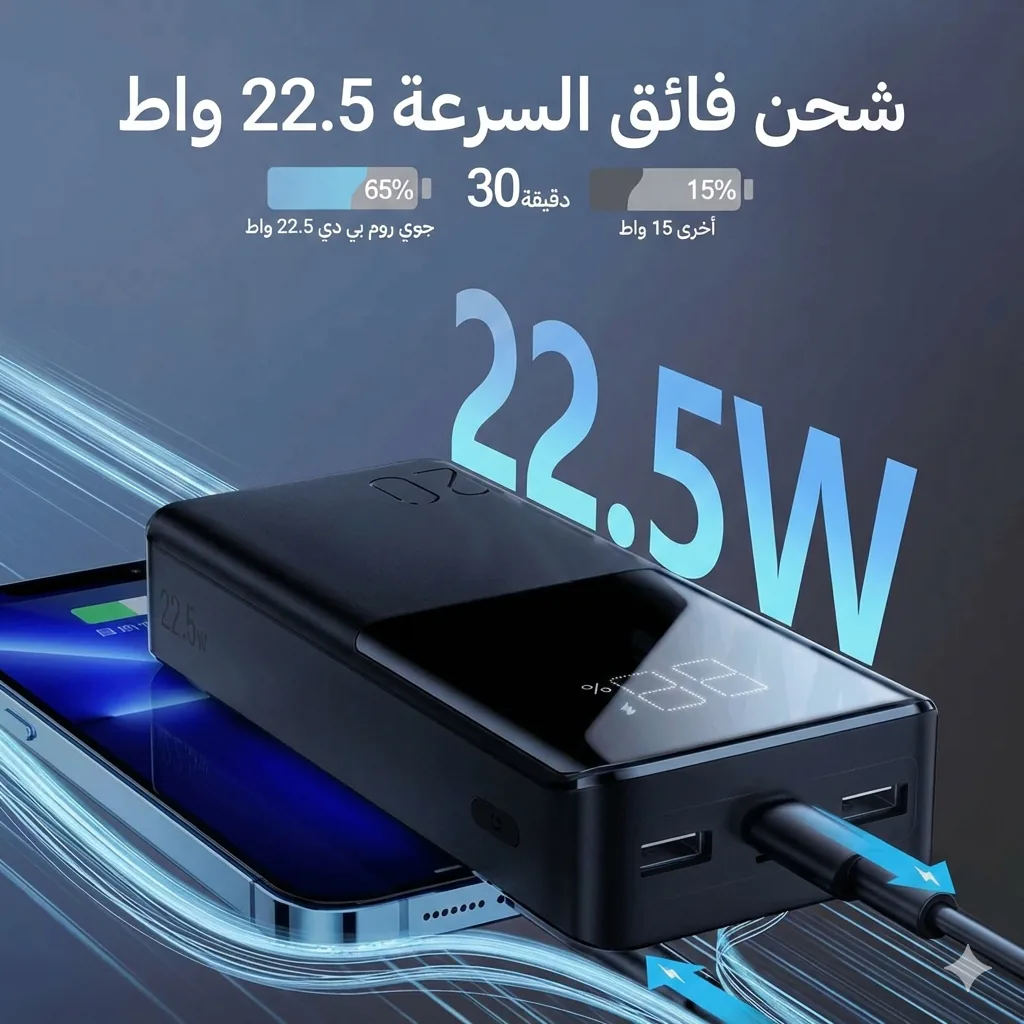
Joyroom 20000mAh Power Bank | 22.5W PD+QC | Triple Output
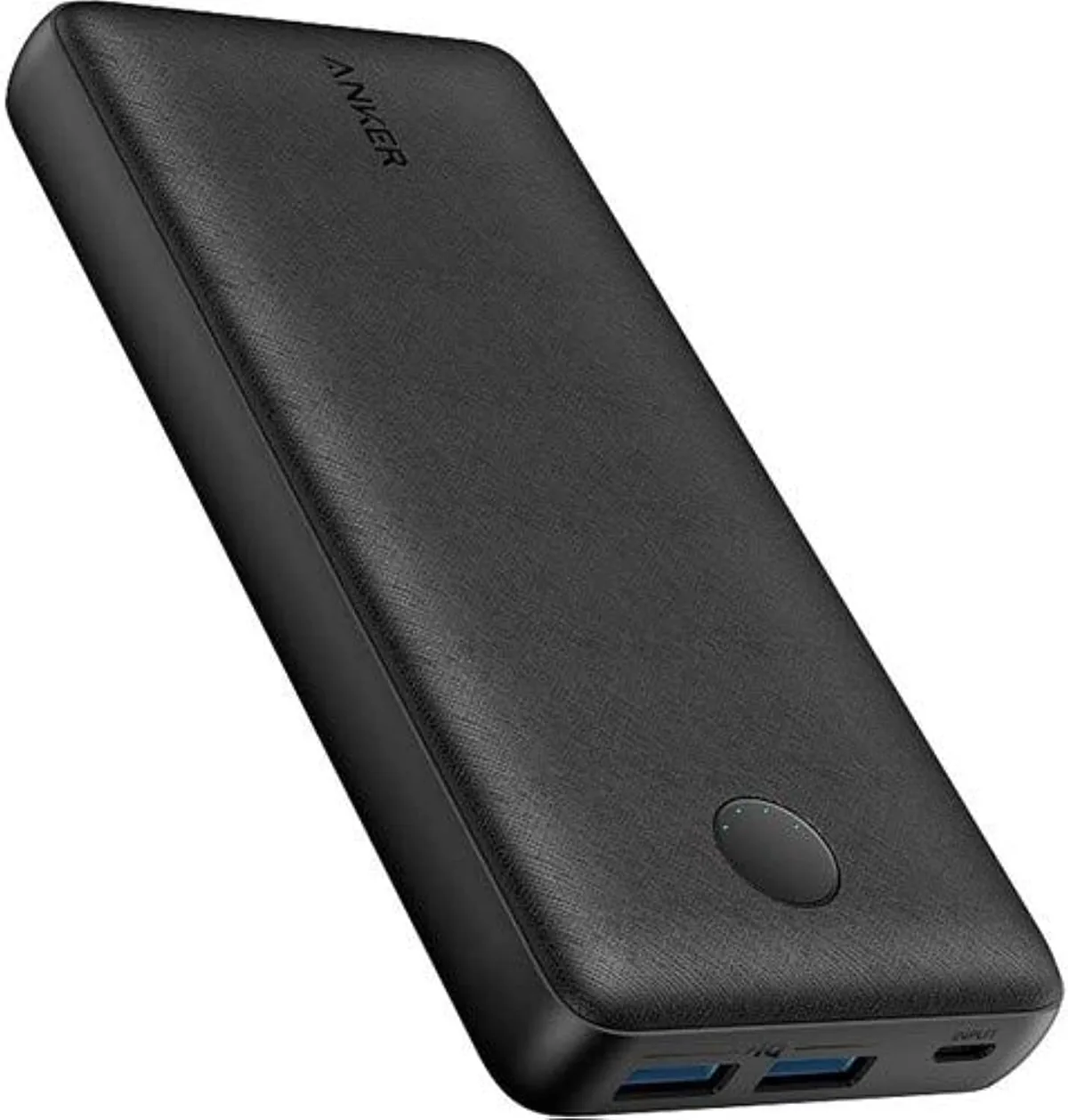
Anker PowerCore 20000mAh | 72Wh | Dual USB-A
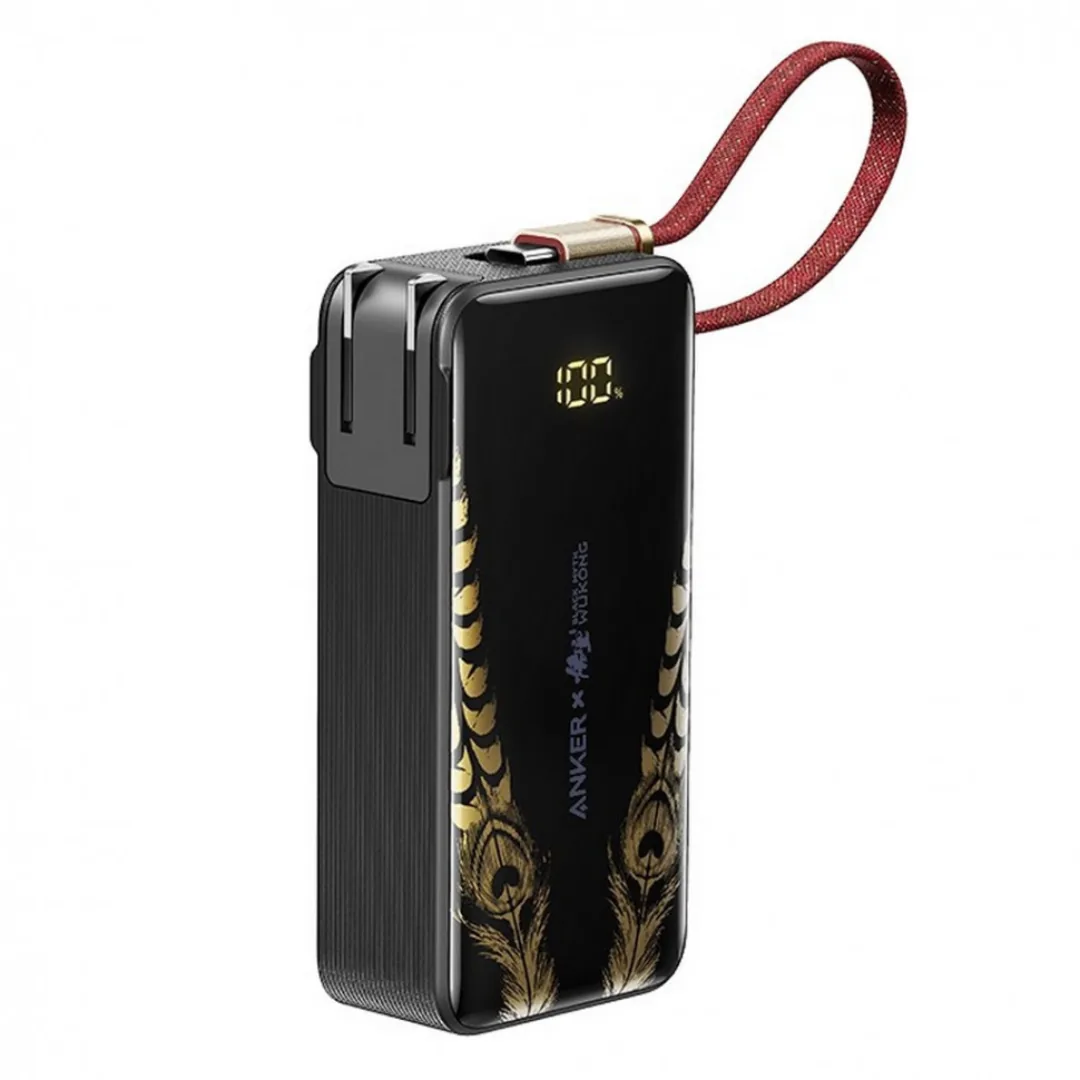
Anker x Black Myth: Wukong 3-in-1 Power Bank (A1637) — Built-in Cable + Foldable AC Plug | 10000mAh 30W GaN
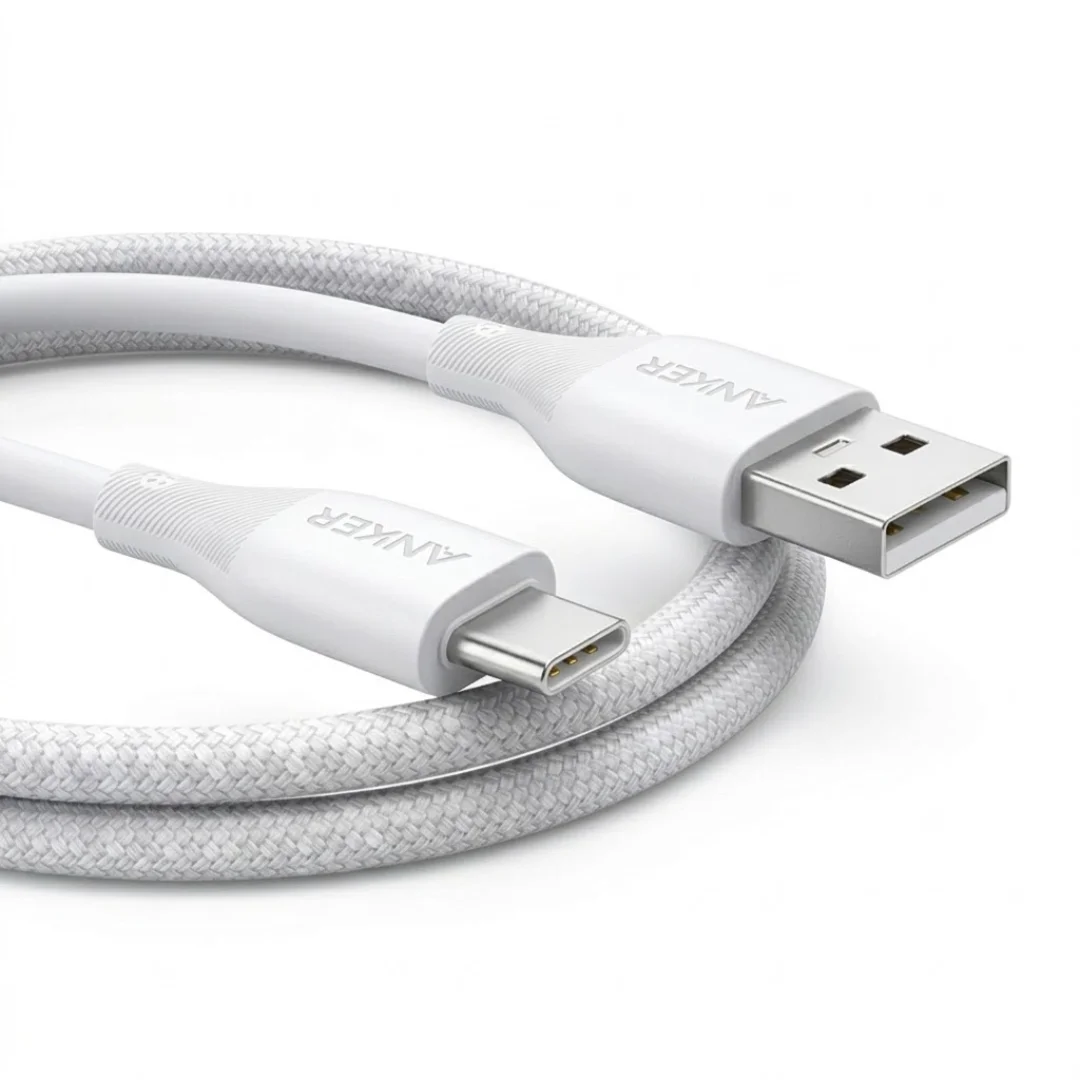
Anker USB-A to USB-C Cable (A8050) | Braided Nylon 1.8m | Fast Charging
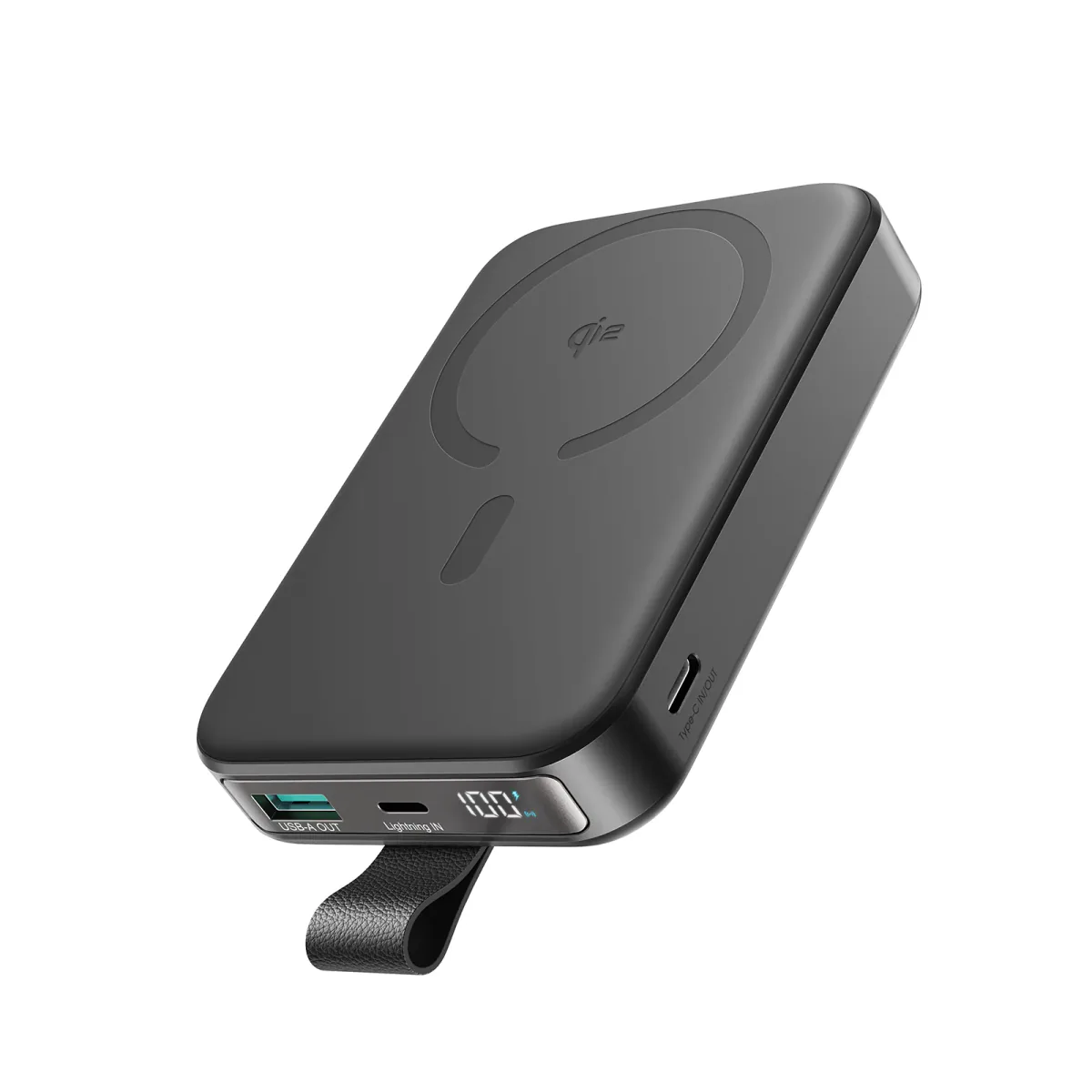
Joyroom 10000mAh Slim Power Bank | Dual USB | LED Display
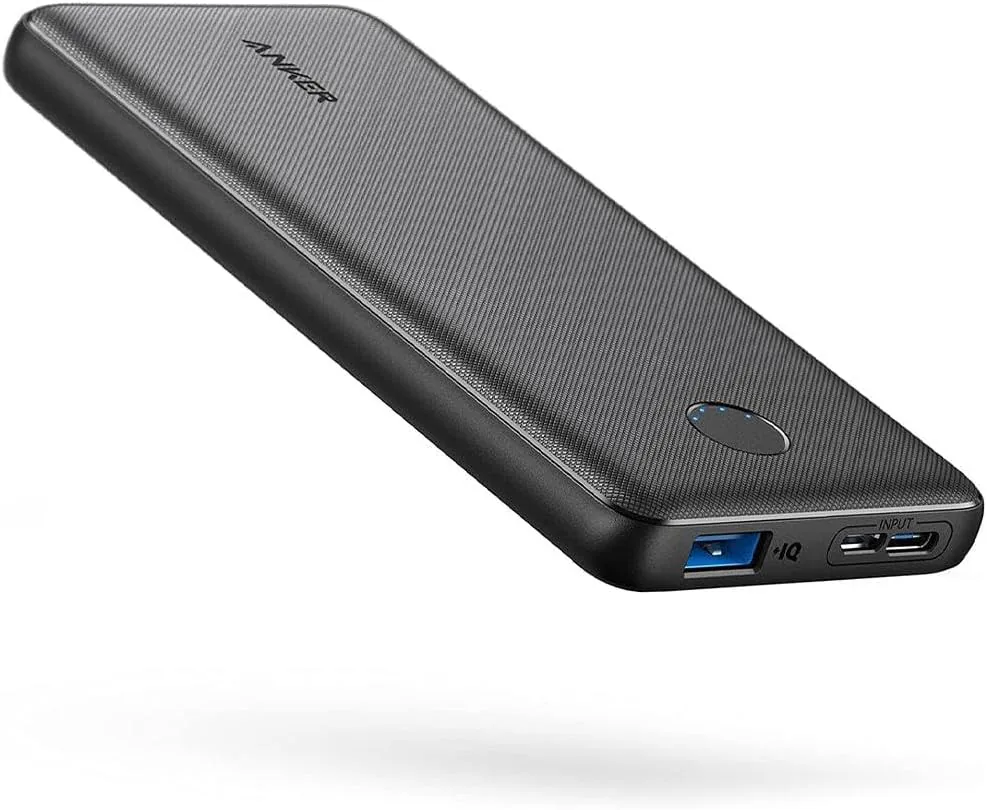
Anker PowerCore 10000mAh Power Bank