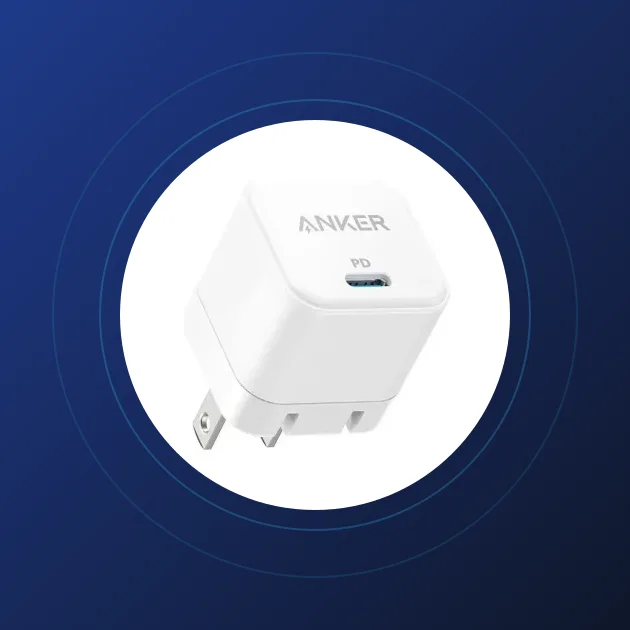
Does an Old Charger Charge a New Phone at the Same Speed?
Bought a new phone and decided to reuse your old wall charger to save money? We explain the electrical effects of old chargers on new devices.
Quick Take: No, an old charger will not charge your new smartphone at its maximum supported speed. New devices (such as the iPhone 15 or Samsung S24) support charging outputs from 25W to 45W, whereas older charging blocks rarely exceed 5W or 10W. The phone will charge safely but extremely slowly (taking 3 to 4 hours instead of 1 hour). Reusing an old block is not harmful to battery health; in fact, it generates less heat which can prolong the battery lifespan.
Congratulations on your new smartphone purchase! You open the slim box, lift the device, and find only a charging cable underneath. Just like most manufacturers today, the brand has excluded the wall charger block from the box. At this stage, you face two choices: spend extra money to purchase a new fast charging adapter, or search your desk drawers for that legendary old charger you have owned for years, thinking: "A charger is a charger, electricity is the same, right?". You plug it in, only to realize it takes over three hours to complete a charge, and your phone displays a frustrating "Slow Charging" notification.
At the CairoVolt lab, we believe in explaining the science behind everyday technology. Smartphone charging is not just about routing raw electricity through copper wires; it is a sophisticated, high-speed digital handshake between the phone's power management IC and the charger block. In this guide, we will explain the compatibility of older charging blocks with modern devices, what happens during power negotiation, and how to choose the right adapter to charge safely at maximum speeds.
Flagship smartphone prices in Egypt have risen dramatically. Buying a premium device like the iPhone 15 Pro Max or Samsung S24 Ultra represents a major financial decision. This makes safeguarding your battery health extremely important. Reusing an original, certified old charger is infinitely safer than buying a cheap, counterfeit fast charger that lacks voltage protection circuits and could cause issues like a dead Samsung phone that refuses to turn on or accept charges. Protecting your significant investment in a new mobile device starts with the quality of your power adapter and cable, where speed should never compromise device safety and chemistry lifespan.
💡 Lab Verdict: Older chargers are 100% safe to use with newer phones, but they will charge very slowly because they cannot communicate fast-charging protocols. To get fast speeds, you must use a charger that supports USB-PD with a minimum output of 20W to 30W.
1. Power Negotiation: The Digital Handshake
In the past, wall chargers were basic power sources. They supplied a fixed 5V current at 1A (5W) or 2A (10W) without communicating with the receiving device. Today's charging systems are intelligent networks. The charger and the smartphone contain dedicated controllers that communicate via the cable before delivering higher wattages—a process known as **Power Negotiation**.
Modern flagships rely on **USB-PD (Power Delivery)** and **PPS (Programmable Power Supply)** standards. These protocols allow the phone to request precise voltage and current changes based on real-time battery status and temperatures. Highly compatible chargers like the Anker Nano 30W GaN support these protocols out of the box.
When you connect a modern fast-charging phone to a legacy 5W charger, the phone asks: "Can you supply a 9V/2.7A charging profile?". The legacy adapter cannot respond. The phone detects the lack of communication, flags the source as legacy, and falls back to a safe, default profile of **5V/1A (5W)** to protect the old adapter from overloading. This keeps your phone safe but results in long charge times.
2. How Charging Watts Impact Battery Longevity
Some users believe that using a low-power charger damages the battery or trains it to accept slow charging. Battery chemistry dictates otherwise. Slow charging actually has distinct advantages for extending battery lifespan:
- 🔥 Heat Reduction: Heat is the primary enemy of lithium-ion battery chemistry. Fast charging pumps high wattages into the cells, generating thermal energy that accelerates battery degradation. A 5W or 10W charge keeps the phone completely cool.
- 🧪 Lower Mechanical Stress: A slower flow of lithium ions reduces the physical expansion and contraction of battery electrodes, preserving chemical structures and maintaining battery health percentages (Maximum Capacity) longer.
If you charge your phone overnight by your bedside, using a slow legacy charger is actually the healthiest option for your battery.
3. Troubleshooting a Dead Phone That Refuses to Charge
Sometimes, a phone battery drains completely to a state of deep discharge, turning the screen off. When connected to an old or weak charger, the device may show no response and refuse to boot up.
In a deep discharge state, the phone's charging controller needs a strong, stable initial current to revive the battery cells. A weak legacy charger or a worn-out cable cannot supply this activation threshold. To resolve this issue:
- 🔌 Connect the phone to a certified fast charger of 25W or higher (such as Anker or Joyroom blocks) using a high-quality USB-C cable.
- ⏳ Leave the device plugged in for at least 30 minutes without trying to power it on, allowing the charging circuit to restore battery voltage to a safe boot level.
4. GaN Technology vs. Old Silicon Chargers
Beyond speed and protocols, modern wall adapters use **GaN (Gallium Nitride)** semiconductors instead of traditional silicon. This technology significantly improves power conversion efficiency, reducing heat waste and allowing manufacturers to build chargers that are half the size of older, hot-running adapters.
To protect your devices during travel or daily use, always use durable cables like the Joyroom 3-in-1 cable to secure compatibility across various devices and prevent slow charging issues caused by damaged generic cords.
5. Charging Speed Comparison Table
This table compares the estimated times to charge a modern 4500mAh smartphone battery from 0% to 100% using different chargers:
| Charger Type & Output | Charging Protocol | Estimated Charge Time (0% to 100%) | Device Temperature during Charge |
|---|---|---|---|
| Legacy Apple Charger (5W) | Standard (Slow) | 3.5 to 4 hours | Completely cool |
| Standard USB Charger (10W) | USB 2.0 Charging | 2.5 to 3 hours | Slightly warm |
| Medium Fast Charger (18W) | Quick Charge 3.0 / PD | 1.5 hours (90 mins) | Warm during initial phase |
| Modern GaN Charger (30W) | USB-PD 3.0 / PPS | 1 hour (60 mins) | Warm (normal and safe) |
Reusing your original legacy wall adapters is a great way to reduce electronic waste and save money. It is perfectly safe for your new devices and even beneficial for their long-term battery health. However, if you need to save time and top up your phone quickly during a busy day, investing in a certified fast charger that supports modern Power Delivery standards is necessary to unlock the full charging capabilities of your new phone safely.
3.1. How to Read and Calculate the Wattage of Your Old Charger
If you pick up any old charger block in your home and look closely at its bottom or side, you will find technical specifications printed in tiny, faint grey text. This is the manufacturer's electrical rating label.
Locate the word Output. You will see numbers such as 5.0V == 1.0A, 5.0V == 2.0A, or 9.0V == 1.67A. To calculate the charging power in Watts, simply multiply the Voltage (V) by the Amperage (A):
- 5.0V × 1.0A = 5 Watts (The classic slow iPhone charger).
- 5.0V × 2.0A = 10 Watts (Standard medium speed charger).
- 9.0V × 1.67A = 15 Watts (Legacy Adaptive Fast Charging).
If the calculated wattage is below 20W, your modern smartphone will categorize this block as a slow power source and will not trigger fast-charging speeds.
3.2. Does an Old Cable Slow Down Charging Even with a Fast Charger?
Yes, absolutely. A charging cable is not just a copper wire. Modern high-speed USB-C cables contain an embedded microchip called an E-Marker (Electronic Marker) that communicates the cable's safe current capacity (e.g., 3A or 5A) to both the phone and the charger.
Older or cheap cables built with thin copper strands lack these chips and have high internal resistance. If you pair a new 45W fast-charging block with a worn-out legacy cable, the phone's power management controller will detect the cable's high resistance and automatically throttle the charging speed to 10W or less to prevent the cable from overheating and melting. In addition, using an older charger to power your phone during lightweight tasks like reading or playing audio is an excellent strategy to avoid unnecessary thermal stress on the battery. Ultimately, your choice should balance daily convenience and lifestyle speed with your long-term battery preservation goals.

CairoVolt Editorial Team
Content team reviewing specifications and buying guides
The CairoVolt team reviews model numbers, specifications, and compatibility, and updates information when better data is available. Estimates are labeled as calculations, and readers can report information that needs correction.
Frequently Asked Questions
Can using an older charger damage my new smartphone's battery?▼
Why does a new Samsung phone display "Slow Charging" when plugged into an old block?▼
What is the recommended charger wattage for a new iPhone or Samsung?▼
Does using a low-wattage old charger keep the phone cooler?▼
Ready to Buy?
Browse available products and review specifications and CairoVolt warranty terms before ordering
Related products
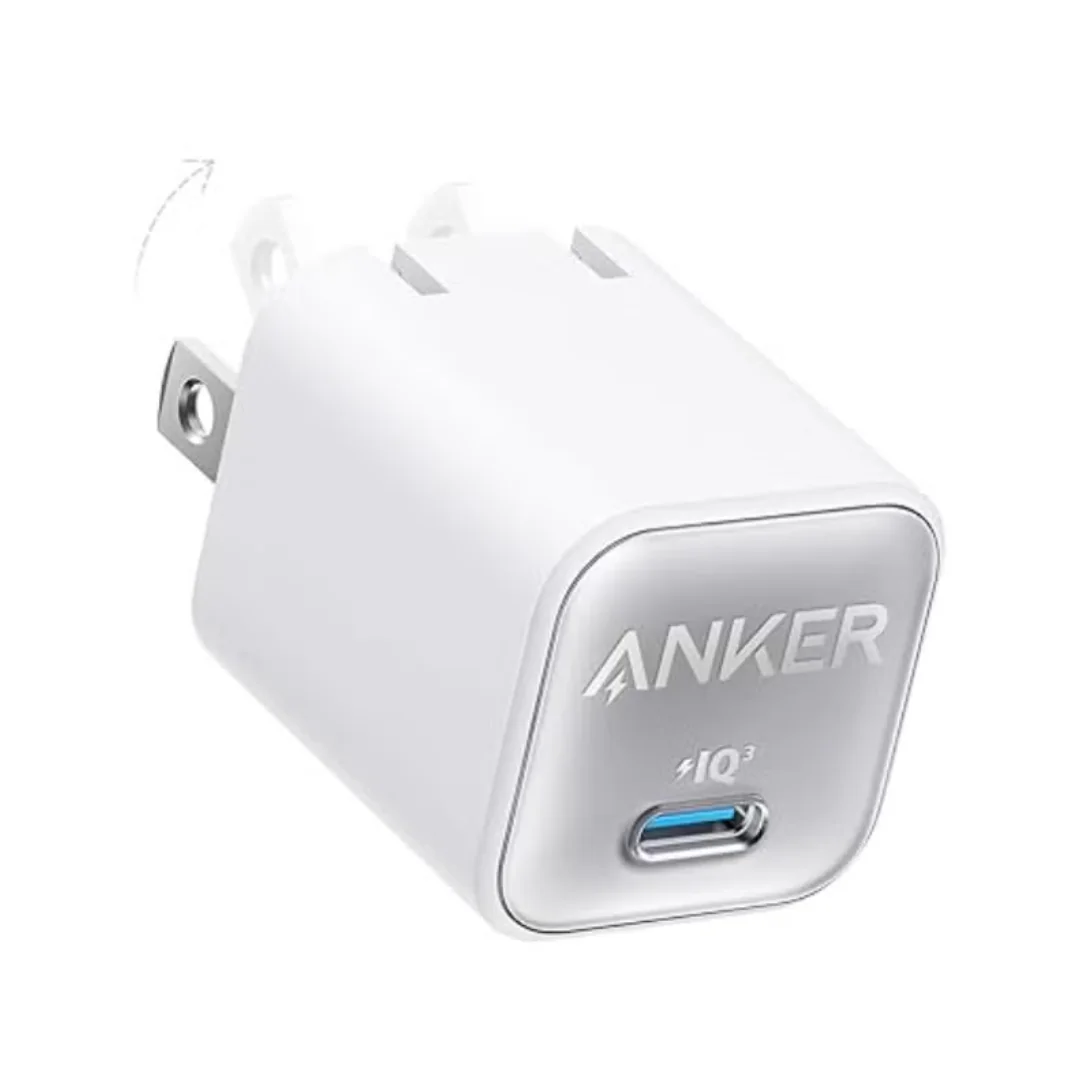
Anker 511 Nano 3 GaN Charger 30W (A2147) | USB-C PD | IQ3
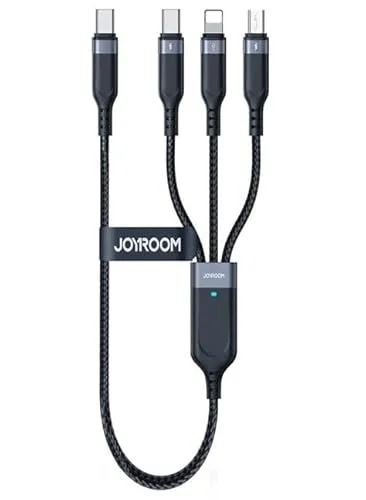
Joyroom 3-in-1 Multi-Connector Charging Cable
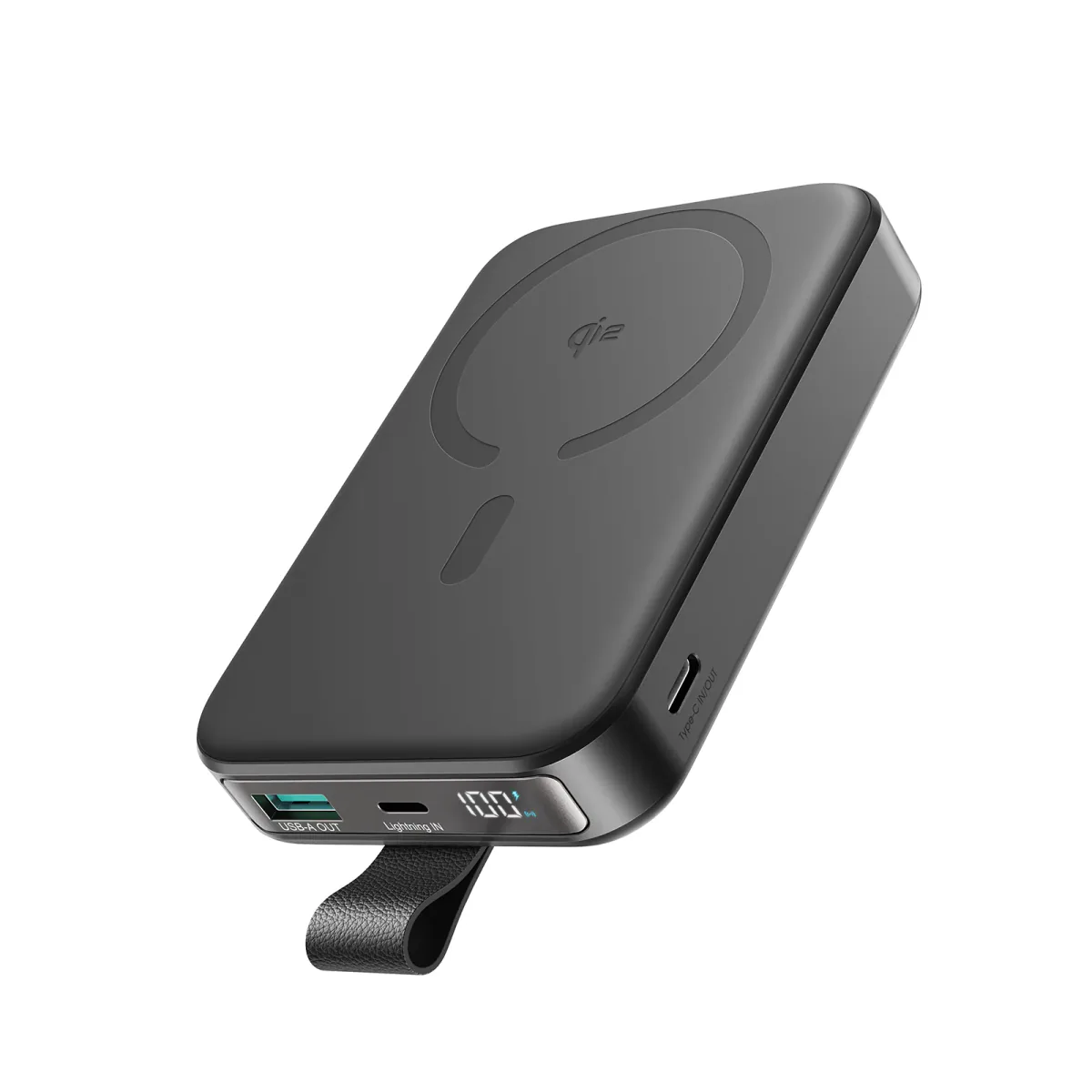
Joyroom 10000mAh Slim Power Bank | Dual USB | LED Display
Anker ZOLO Power Bank 10,000mAh (22.5W) | Built-in Cable
Anker USB-A to USB-C Cable (A8050) | Braided Nylon 1.8m | Fast Charging