
Every year as winter hits Alexandria, Marsa Matrouh, and Egypt's North Coast — the same complaints repeat: "My phone was at 35% and shut down on its own in the street." "Battery drains twice as fast as normal." "Charging is extremely slow despite using an original charger." If any of these happen to you — know that your phone isn't broken. The problem is chemistry — lithium battery chemistry that's directly affected by low temperatures.
This article explains what happens inside the battery in cold weather — and gives you 6 practical rules to protect your phone and battery during Egyptian coastal winters (and cold weather anywhere). You don't need to be an engineer to follow them — but you need to understand why cold is dangerous for lithium.
💡 The Golden Rule: Never charge your phone if its temperature is below 5°C. Warm it first (in your pocket or indoors) until it reaches room temperature — then charge. Charging in extreme cold causes permanent battery damage.
What Happens Inside the Battery in Cold? — The Science in One Minute
Lithium batteries work by moving lithium ions between two electrodes (anode and cathode) through a liquid electrolyte. At room temperature (20-25°C) — ions move smoothly and the battery delivers maximum performance. But when temperature drops — the electrolyte becomes more viscous (like oil in cold weather) — and ions move much slower.
The practical result:
- 🌡️ 20-25°C: Normal performance — 100% capacity available.
- ❄️ 10-15°C: Battery loses 10-15% of temporary capacity. You may notice slightly faster drain.
- 🥶 0-5°C: Battery loses 20-30% of capacity. Fast charging may automatically stop. Phone may shut down suddenly at 15-25%.
- ⛔ Below 0°C: Battery may lose 40-50% of capacity. Charging at this temperature causes metallic lithium plating on the anode — permanent damage that doesn't reverse even when the phone warms up.
What does "temporary capacity" mean? It means the battery isn't damaged — it just can't deliver all its energy in cold. When it returns to normal temperature — capacity returns. But if you charge in extreme cold — the damage is permanent. This is the critical difference many people don't understand: Using in cold = temporary. Charging in cold = permanent.
Why Does the Phone Shut Down Suddenly in Cold — Even Though the Battery Isn't Empty?
This is the question that confuses people most. The battery reads 25% — and the phone powers off. You plug it in — it comes back showing 22%. Where's the problem?
The answer: in cold — the battery's internal resistance increases dramatically. The battery has energy (22%) — but when the processor or screen demands high current (like opening the camera or a game) — the battery can't deliver that current because resistance is too high. Voltage drops below the minimum threshold — and the phone shuts down as a safety measure. This is the same reason we explained in our battery replacement signs article — but in cold it happens even with a perfectly healthy new battery.
The fix: If the phone shuts down in cold — don't worry. Put it in your pocket or a warm place. Wait 5-10 minutes. Then turn it on — you'll find it working with the battery back at its real percentage. This isn't damage — it's temporary protection. Important: don't try to charge the phone immediately after it shuts down in cold — let it warm up first, then charge.
6 Golden Rules for Charging Your Phone in Winter
Rule 1: Warm the Phone First — Then Charge
This is the most important rule in this entire article. If the phone was in cold (in the car, on the balcony, in an outdoor bag) — don't connect the charger immediately. Place it indoors or in a pocket close to your body for 10-15 minutes until it reaches room temperature. Then charge. Charging while the battery is cold causes Lithium Plating on the anode — permanently reducing battery capacity and increasing internal short-circuit risk. A simple way to know the phone has reached acceptable temperature: hold it — if it feels room temperature to the touch (not cold) — start charging.
Rule 2: Keep the Phone in a Pocket Close to Your Body
Your body temperature is 37°C — enough to keep the phone at 25-30°C in your jacket's inner pocket even when it's 5°C outside. Don't put the phone in an outer pants pocket or in a bag if you'll be outdoors for extended periods. The inner pocket of your jacket or coat is the best spot.
Rule 3: Use a Power Bank as a Smart Emergency Solution
If you're outside and your phone is running low — an Anker Zolo 10000mAh power bank in your pocket gives you a full charge. The advantage: when both the power bank and phone are in your pocket — both are at acceptable temperature (body heat). So you're charging with a warm battery — which is perfectly safe. But don't charge from a power bank left in a bag outdoors in the cold — same rule applies: both charger and phone must be at acceptable temperature.
Rule 4: Don't Leave the Phone in the Car Overnight
On winter nights in Alexandria and Marsa Matrouh — temperatures can drop to 3-7°C. Inside a car at night can reach 2-5°C if not in a garage. If you leave the phone in the car overnight — the battery will be very cold in the morning. If you plug it into the car charger while still cold — you're causing permanent damage. The solution: take the phone inside with you — that's all it takes. And if you need to charge in the car in the morning — start the car and wait 10 minutes for the heater to warm the interior — then connect the charger.
Rule 5: Slow Charging Is Better Than Fast Charging in Cold
If you must charge and the phone is still slightly cold (not frozen — just cool) — a 30W charger is better than 65W in this situation. Slower charging puts less stress on cold cells. Most modern phones automatically throttle and slow down charging in cold — but not all phones do this. A lower-wattage charger serves as an additional safety line.
Rule 6: Monitor Battery Health After Each Winter
If you live in Alexandria or the North Coast — do a quick battery health check after winter ends. On iPhone: Settings → Battery → Battery Health. On Samsung: Settings → Battery Care → Diagnostics. If you notice capacity dropped more than 5% in a single winter — cold charging may have occurred without you realizing.
Is Egyptian Cold Actually Dangerous for Phones?
Important question — Egypt isn't Finland. But the answer: yes, in certain areas and times.
| Region | Lowest Winter Temp (Night) | Battery Risk Level |
|---|---|---|
| Cairo & Delta | 8-12°C | ⚠️ Low — but stay aware |
| Alexandria & Coast | 5-9°C | 🔴 Medium — rules matter |
| Marsa Matrouh & Sallum | 3-7°C | 🔴 Medium-High — follow rules strictly |
| Saint Catherine & Sinai Mountains | -3 to 2°C | 🔴🔴 High — never charge outdoors |
So in Cairo — you won't need to worry much except on cold January nights. But in Alexandria, Matrouh, and Saint Catherine — these rules genuinely matter. And importantly: even if you don't live in these areas — if you travel in winter (coastal winter trips, Sinai camping) — take these rules with you.
The Bottom Line — Cold Is a Temporary Enemy but Charging in Cold Is Permanent
Cold slows the battery and reduces its temporary capacity — but that returns when the phone warms up. The real problem is charging in cold — because that causes permanent chemical damage. The rule is simple: warm first — charge after. Keep the phone close to your body in winter. That's enough to protect your battery for years.
✅ Available at CairoVolt
Anker power banks — emergency pocket charging so you don't have to charge in the cold. And Anker chargers — smart charging that adapts to battery temperature. 18-month warranty + delivery to all governorates.
🛒 Related Products from CairoVolt:
Based on this article, here are our picks: Anker GaN 30W Charger · Anker PowerPort 25W Charger · Anker Zolo 10000 Power Bank · Anker Zolo 20000 Power Bank.

CairoVolt Editorial Team
Content team reviewing specifications and buying guides
The CairoVolt team reviews model numbers, specifications, and compatibility, and updates information when better data is available. Estimates are labeled as calculations, and readers can report information that needs correction.
Frequently Asked Questions
Does cold weather damage phone batteries?▼
Why does my phone shut down in cold even though the battery isn't empty?▼
Can I charge my phone in the car in winter?▼
What's the best temperature for charging a phone?▼
Ready to Buy?
Browse available products and review specifications and CairoVolt warranty terms before ordering
Products Mentioned in This Article
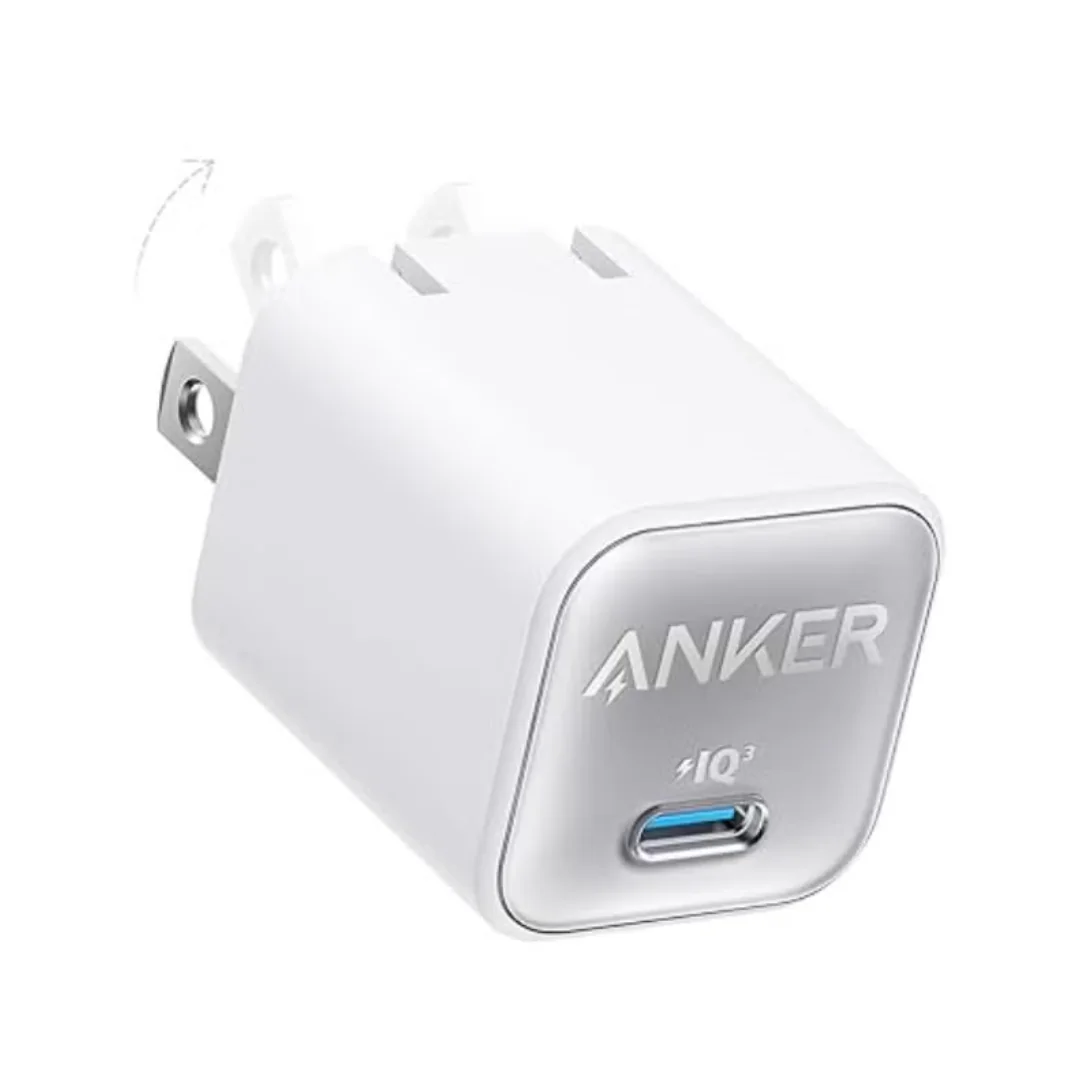
Anker 511 Nano 3 GaN Charger 30W (A2147) | USB-C PD | IQ3
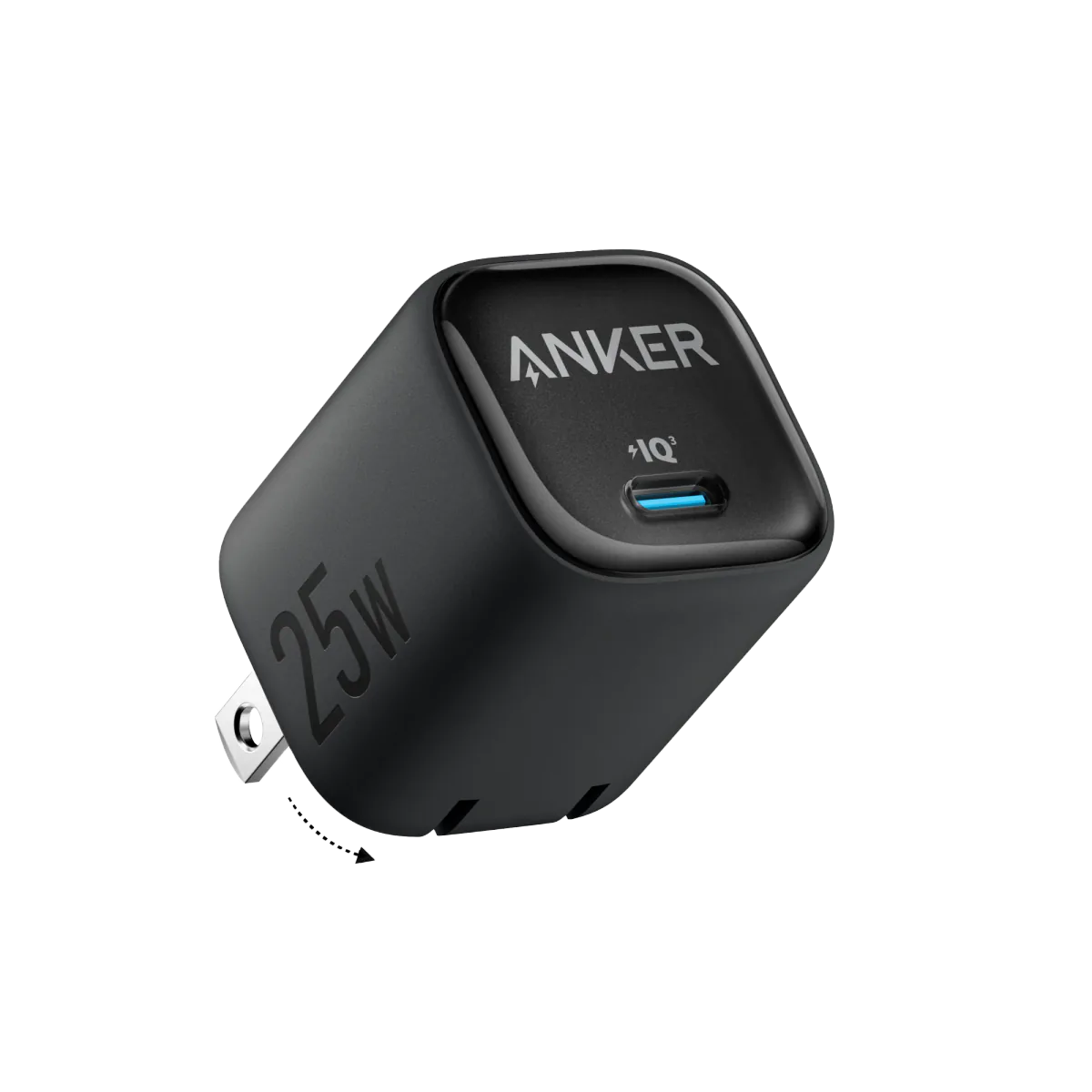
Anker 25W PPS Charger (A2322K11) | Samsung-Compatible USB-C PD
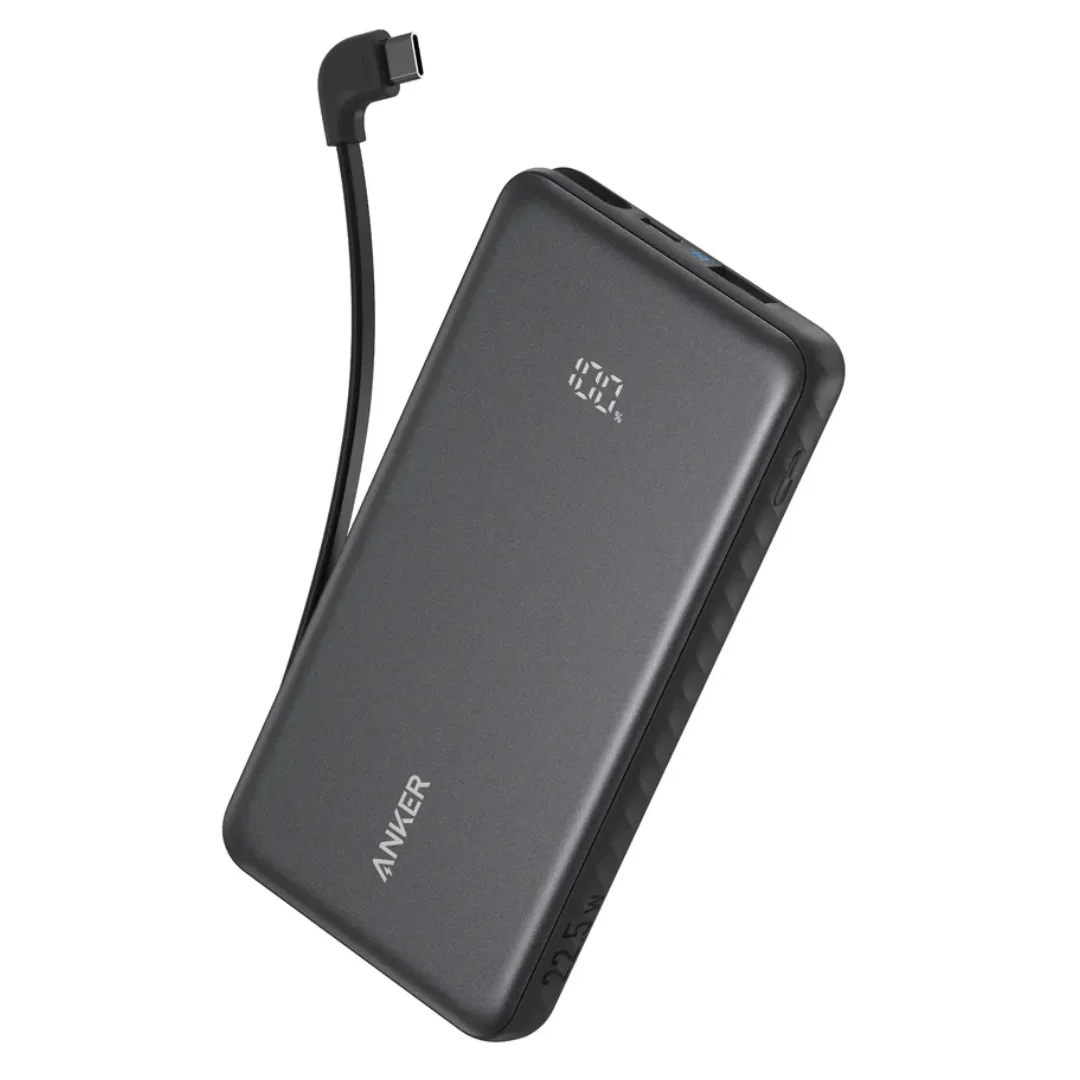
Anker ZOLO Power Bank 10,000mAh (22.5W) | Built-in Cable
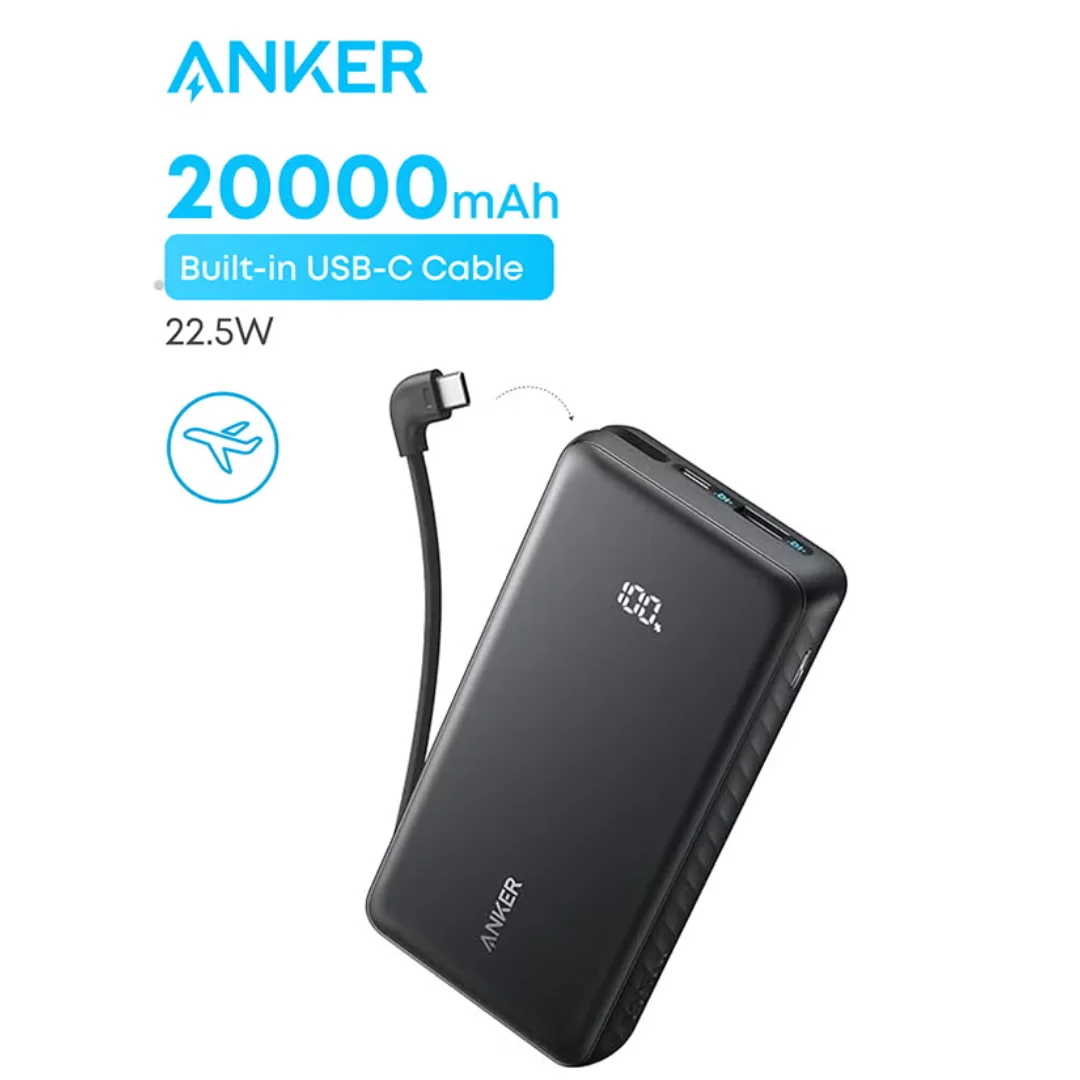
Anker ZOLO Power Bank 20,000mAh (22.5W) | Built-in Cable
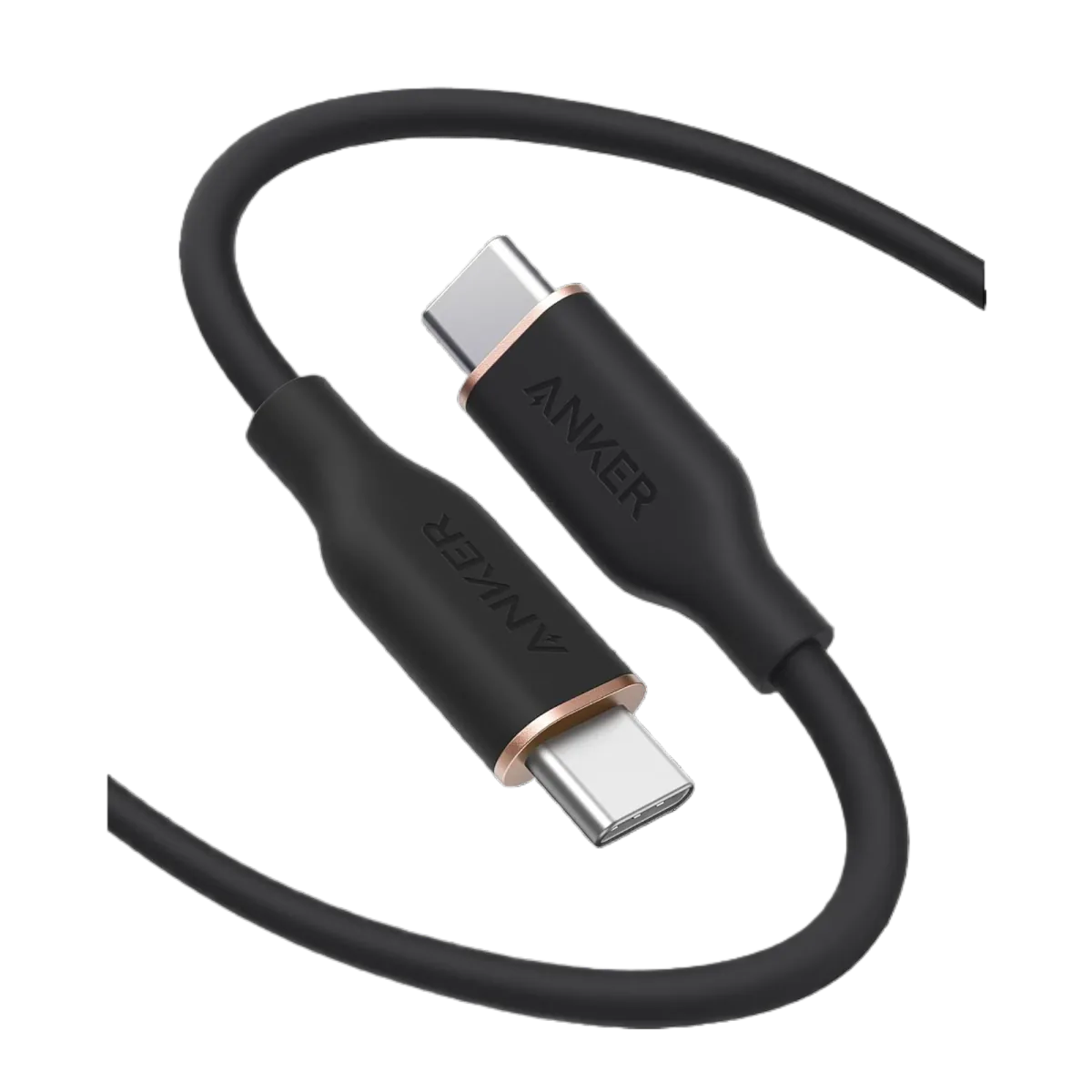
Anker PowerLine III USB-C to USB-C | 60W | iPhone 17 & Samsung S26