
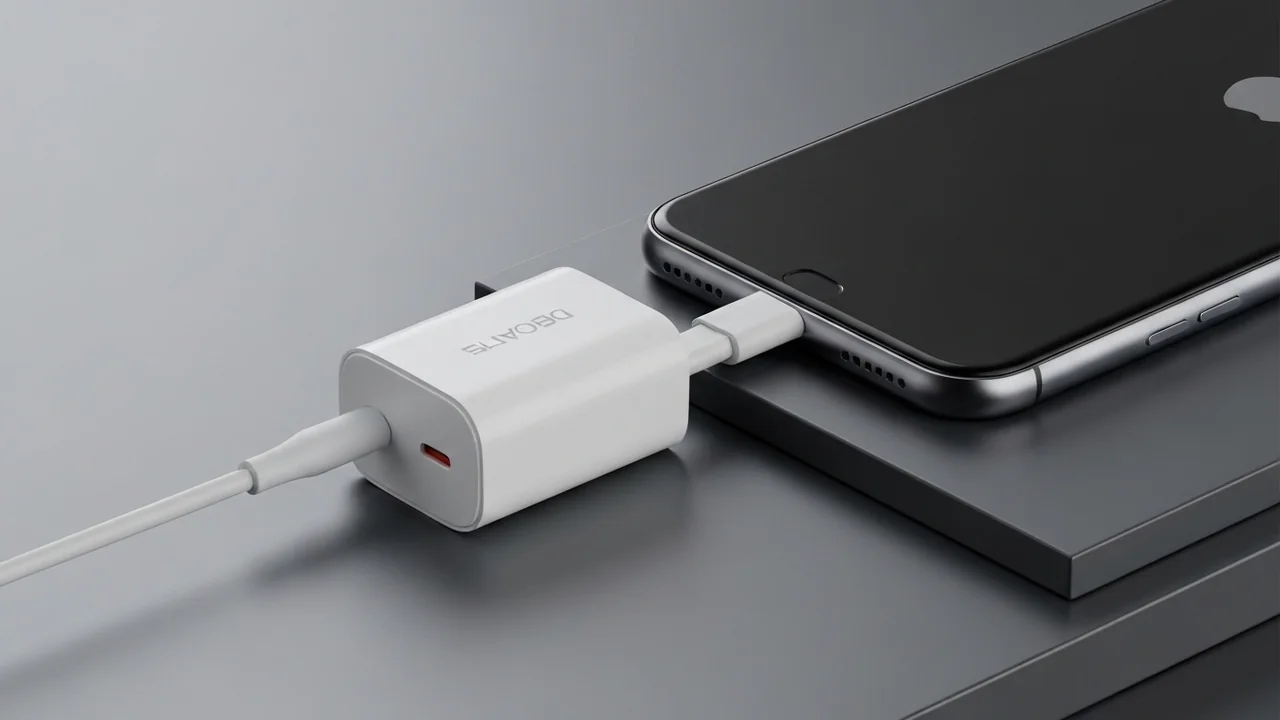
Modern Xiaomi, Redmi, and Poco smartphones are celebrated for their lightning-fast battery charging capabilities marketed under the Mi Turbo Charge standard. This standard allows compatible devices to accept wattage inputs starting at 33W up to 67W or even 120W in mid-range and flagship models. It can charge a battery fully from empty in just 19 to 40 minutes. This guide helps you navigate the options available on the Egyptian market.
However, to unlock this impressive speed, you require complete compatibility between three distinct elements: the phone's charging controller, the wall adapter, and the USB cable. Due to the high volume of counterfeit chargers flooding Egypt's accessory markets under the guise of "genuine dealership stock," many users experience slow charging times without realizing they are using fake hardware. This guide outlines how to identify fakes and protect your device.
💡 Sourcing Fast: Original chargers are heavy, featuring neon orange plastic inserts inside the USB port and connector tips alongside a 5th pin. Upon plugging in, a circular visual charging overlay must display "Mi Turbo Charge" with rolling decimals (e.g., 72.43%). Fakes run hot and slow down.
Comparison Table — Genuine vs Fake Xiaomi Chargers
| Parameter | Genuine Xiaomi Charger | Fake Xiaomi Charger |
|---|---|---|
| Actual Weight (67W) | 95g to 105g (Copper shielding) | 45g to 55g (Hollow feel) |
| Port Plastic Accent | Vibrant neon orange | Dull orange, white, or black |
| Pin Configuration | 5 pins (central pin for authentication) | Standard 4 pins only |
| Lock Screen Feedback | Mi Turbo Charge + rolling decimals | Quick Charge or standard Charging |
| Thermals Under Load | Balanced, stable warm dissipation | Extremely hot with plastic smell |
1. The 5th Pin Authentication and Orange Color Coding
Xiaomi implements a unique hardware handshaking protocol to protect its devices from charging overloads. The USB-A port on a genuine Xiaomi charging brick is fitted with a signature orange plastic tab. Inside this socket, a small 5th copper pin sits slightly recessed at the back. This pin acts as a digital verification channel to confirm the brick is authentic.
The original charging cable features the exact same orange plastic accents and has a matching connector configuration. Utilizing a generic 4-pin cable prevents the phone from establishing this secure handshake, dropping charging speeds to 10W for safety. This communication protocol prevents high currents from flowing through unsafe copper wires.
2. LiquidCool Technology and Heat Dissipation During Turbo Charging
Xiaomi smartphones deploy specialized thermal management structures named LiquidCool to dissipate heat. These systems incorporate an oversized copper Vapor Chamber (VC) filled with cooling fluid, working in tandem with graphite layers and conductive paste. During charging, the motherboard monitors cell temperatures using NTC thermistors.
If the battery temperature crosses 43°C under a 67W or 120W workload, the controller signals the charger to throttle down current levels temporarily. This dynamic scaling allows the heat sinks to pull thermal loads away from the battery cells. Fake chargers bypass this feedback, cooking the battery and resulting in physical deformation.
3. Compatibility of Xiaomi Chargers with Standard USB Power Delivery and PPS
Many users do not realize that original Xiaomi fast chargers are highly versatile. In addition to triggering Mi Turbo Charge on Xiaomi devices, they support open standards like USB Power Delivery (PD 3.0) and Programmable Power Supply (PPS). Plugging a genuine 67W Xiaomi brick into a Samsung Galaxy triggers Samsung's "Super Fast Charging" (25W/45W) profile.
You can also use these genuine high-wattage bricks to charge laptops like MacBook Airs or iPads safely. The adapter negotiates voltage outputs dynamically (e.g., 5V, 9V, 15V, or 20V) to match the connected device's specifications. Fakes lack these multi-protocol chips and can damage non-Xiaomi devices by feeding inappropriate currents.
4. How to Calibrate a Xiaomi Battery After Using Fake Chargers
Using counterfeit chargers disrupts the calibration profile of the phone's battery fuel gauge IC. This manifests as erratic battery behavior, such as percentage readings dropping from 20% to 5% instantly, or the phone shutting off while showing charge. To recalibrate your Xiaomi phone, follow this expert procedure:
First, discharge the phone completely until it shuts down. Next, plug it into an authentic Xiaomi charger and cable while powered off. Allow it to charge to 100% uninterrupted. Leave it on the charger for an additional 30 minutes after reaching full capacity. Finally, boot the device. Repeat this every three months to maintain accurate battery metering. Note that you should avoid calibrating the battery if the phone is physically hot, as extreme temperatures can distort the calibration values. Wait for the phone to reach room temperature before starting the cycle. This ensures the chemical state is stable and allows the PMIC to accurately map the voltage curve.
5. Physical Attributes and Weight Checks
Genuine Xiaomi chargers contain heavy copper transformers, high-grade capacitors, and structural silicon compounds to dissipate thermal loads. A genuine 67W charger weighs around 100 grams, while the 120W powerhouse weighs approximately 145 grams. Counterfeits omit these components, resulting in adapters that weigh between 40 and 55 grams. Tapping on a fake adapter reveals a hollow, cheap sound, showing a lack of internal structural safety.
Furthermore, examine the laser-etched text at the base. Genuine adapters print technical specs in a faint gray font that is crisp and perfectly legible. Counterfeit adapters use cheap dark black ink that often appears smudged or contains grammatical errors, such as spelling "SUPER" or "XIAOMI" incorrectly. This ink can be easily scraped off using a fingernail.
⚡ Dangers of High Ripple Voltage on Dual-Cell Battery Architecture:
Modern Xiaomi phones utilize dual-cell battery designs to distribute the high current of 67W and 120W charging. Counterfeit adapters lack filtering capacitors, feeding ripple voltage directly into the phone's power circuits. This generates internal temperatures exceeding 46°C, which degrades battery chemistry, causing swelling and disabling touch sensitivity on the screen.
6. Circular Charging Animation and Fast Ticking Decimals
Plugging in a genuine charger and cable displays a custom circular overlay on the lock screen. The screen says "Mi Turbo Charge" alongside the maximum wattage (e.g., "67W MAX" or "120W MAX"). Below this text, a decimal counter displays the battery percentage ticking up in real-time (e.g., 55.01%, 55.02%...). This visual feedback indicates active high-speed charging.
A counterfeit adapter or standard cable will not trigger this circular overlay or display decimals. Instead, it will display a generic "Quick Charge" or "Fast Charging" notification in standard white font. Charging times will stretch to over two and a half hours, as the phone caps the current to prevent overheating.
7. Regulatory Compliance and Safety Certifications
Original Xiaomi chargers are certified by international bodies like CE and RoHS. These certifications verify that the device contains flame-retardant plastics and includes isolation barriers separating high-voltage input lines from the low-voltage USB paths. This prevents electrical current from jumping directly to the phone's port.
Counterfeit chargers carry fake certification stamps. Lacking overcurrent protection, they present a fire risk during household voltage fluctuations, which are common during Egyptian summer months. They can also damage the phone's internal charging chip (PMIC), leading to expensive motherboard repairs.
Best Practices to Protect Your Xiaomi Charger and Battery
- 🔌 Avoid Sharp Cable Bends: Bending the charging cable at sharp angles cuts the inner copper strands and disables the 5th communication pin, dropping charging speeds to basic levels.
- 🌡️ Charge in Ventilated Areas: Fast charging naturally generates heat. Avoid placing your phone on beds or soft fabrics while charging, as these trap heat and accelerate battery degradation.
- 🚨 Avoid Suspiciously Cheap Deals: A genuine 67W charger costs between 1,100 and 1,400 EGP at authorized local dealers. Any complete kit sold for half this price is a counterfeit that threatens your device's safety.
Looking for a Safe and Certified Alternative?
If you are struggling to source an original Xiaomi charger from an authorized local dealer, CairoVolt stock premium Anker GaN and Joyroom chargers. They are globally certified, safe for all Android devices, and backed by an 18-month warranty. Browse our collection today.

CairoVolt Team
Tech Editor
Frequently Asked Questions
Can I use a genuine Xiaomi 67W charger to charge Samsung and iPhone?▼
Why does my phone stop showing Mi Turbo Charge and switch to standard charging?▼
Does 120W charging degrade phone batteries faster than standard chargers?▼
How can I identify if my Xiaomi cable is genuine?▼
Ready to Buy?
Browse available products and review specifications and CairoVolt warranty terms before ordering
Products Mentioned in This Article
Anker Nano 45W Smart Display GaN Charger (A121D) | 180° Foldable Plug | USB-C PD
Anker PowerDrive PD+ 2 Car Charger 35W (A2732) | USB-C PD + USB-A
Anker 511 Nano 3 GaN Charger 30W (A2147) | USB-C PD | IQ3
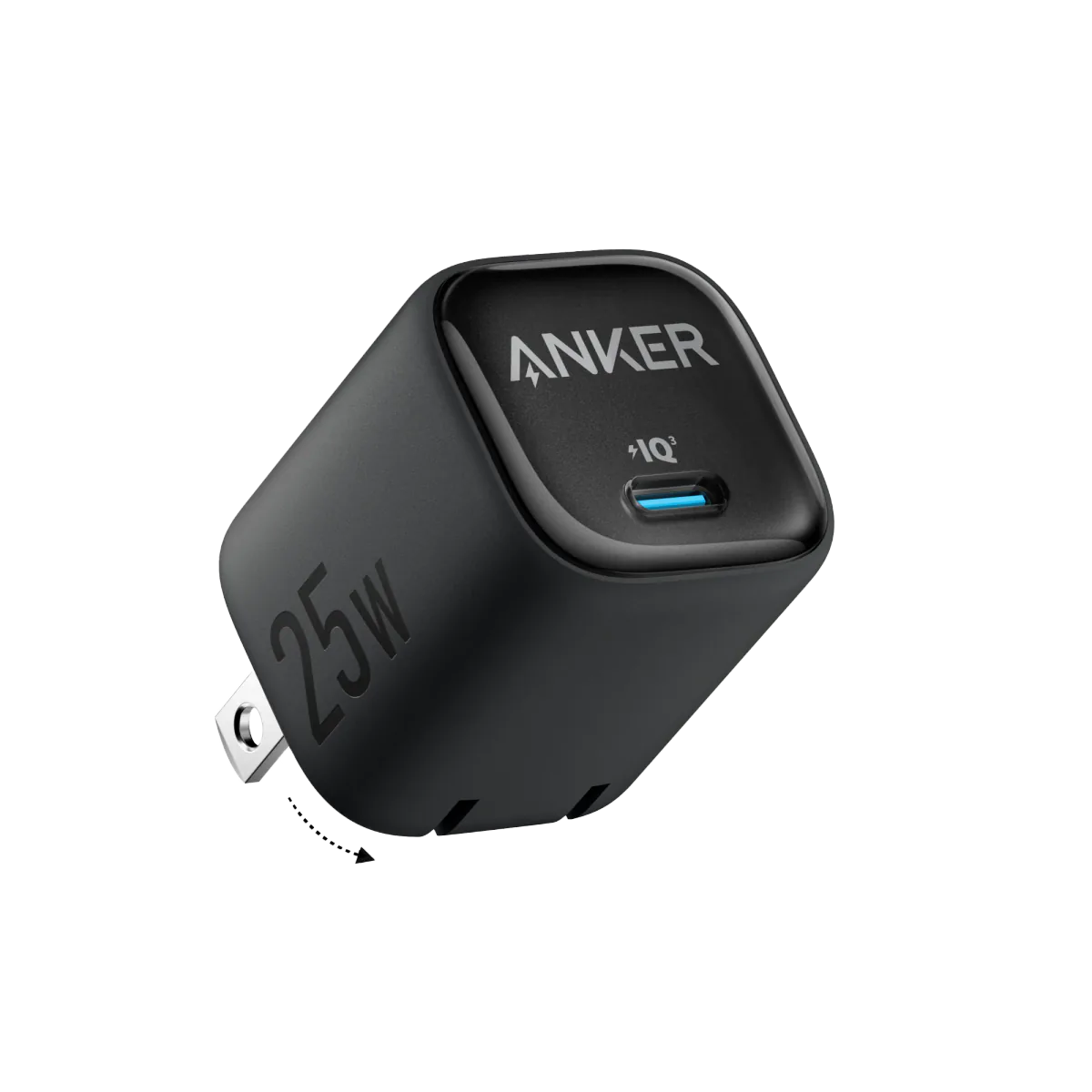
Anker 25W PPS Charger (A2322K11) | Samsung-Compatible USB-C PD
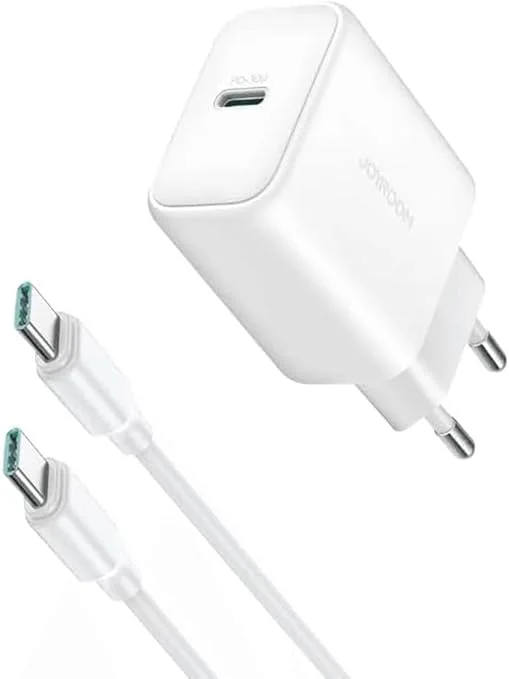
Joyroom 30W PD+QC Wall Charger | Dual USB-C and USB-A Ports
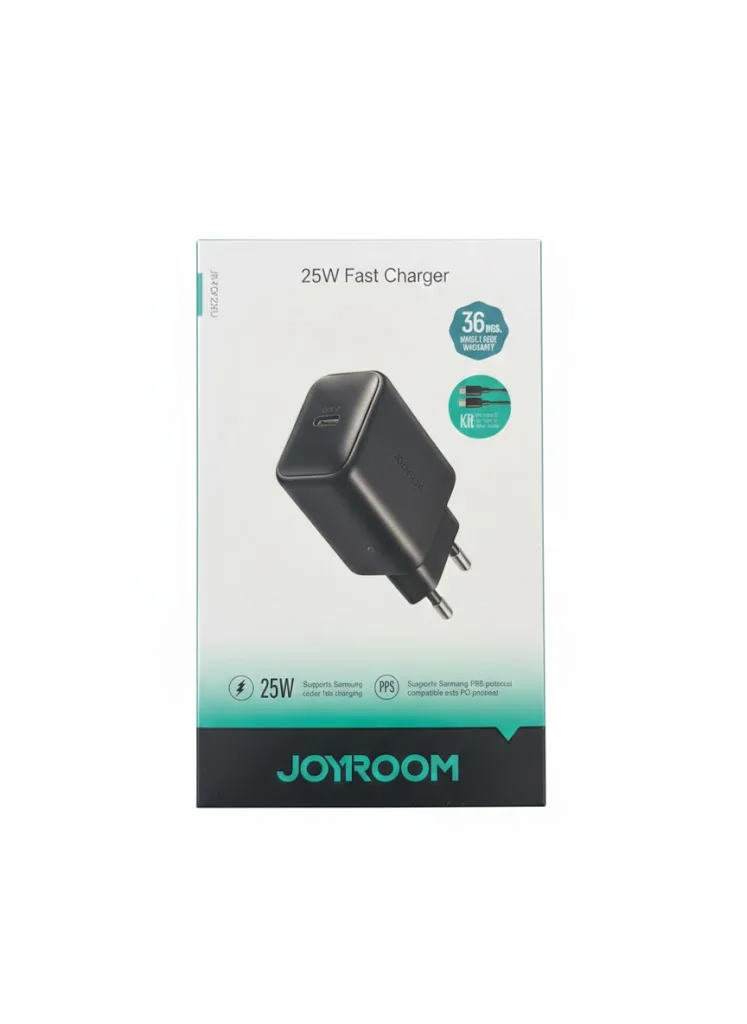
Joyroom 25W USB-C PD Charger (JR-TCF23) | iPhone and Samsung Compatibility
Browse the categories this article covers
Related Articles
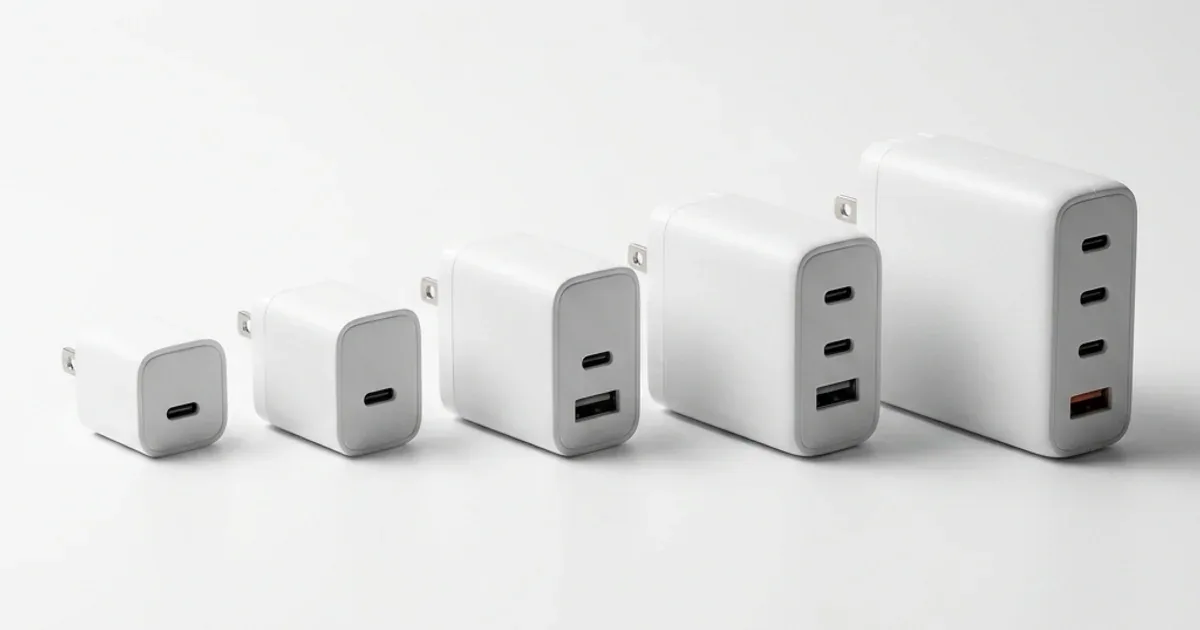
The Complete Difference Between 20W, 30W, 45W, 65W & 100W Chargers — Which Do You Actually Need?
Read more →
How to Distinguish Between Original and Fake Oppo SuperVOOC Chargers
Read more →